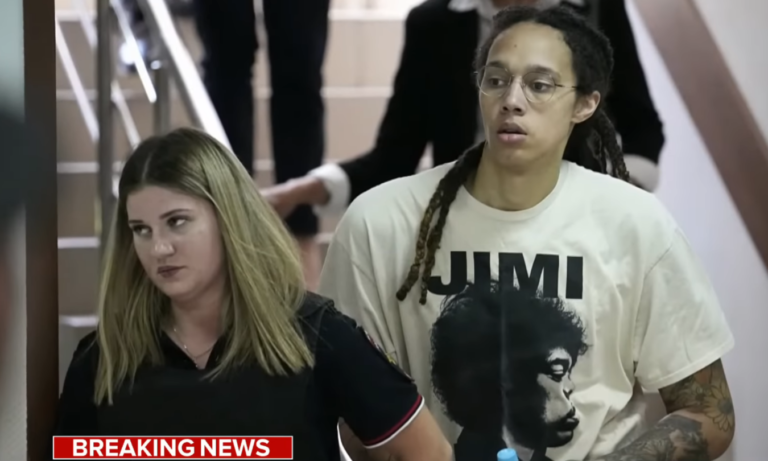
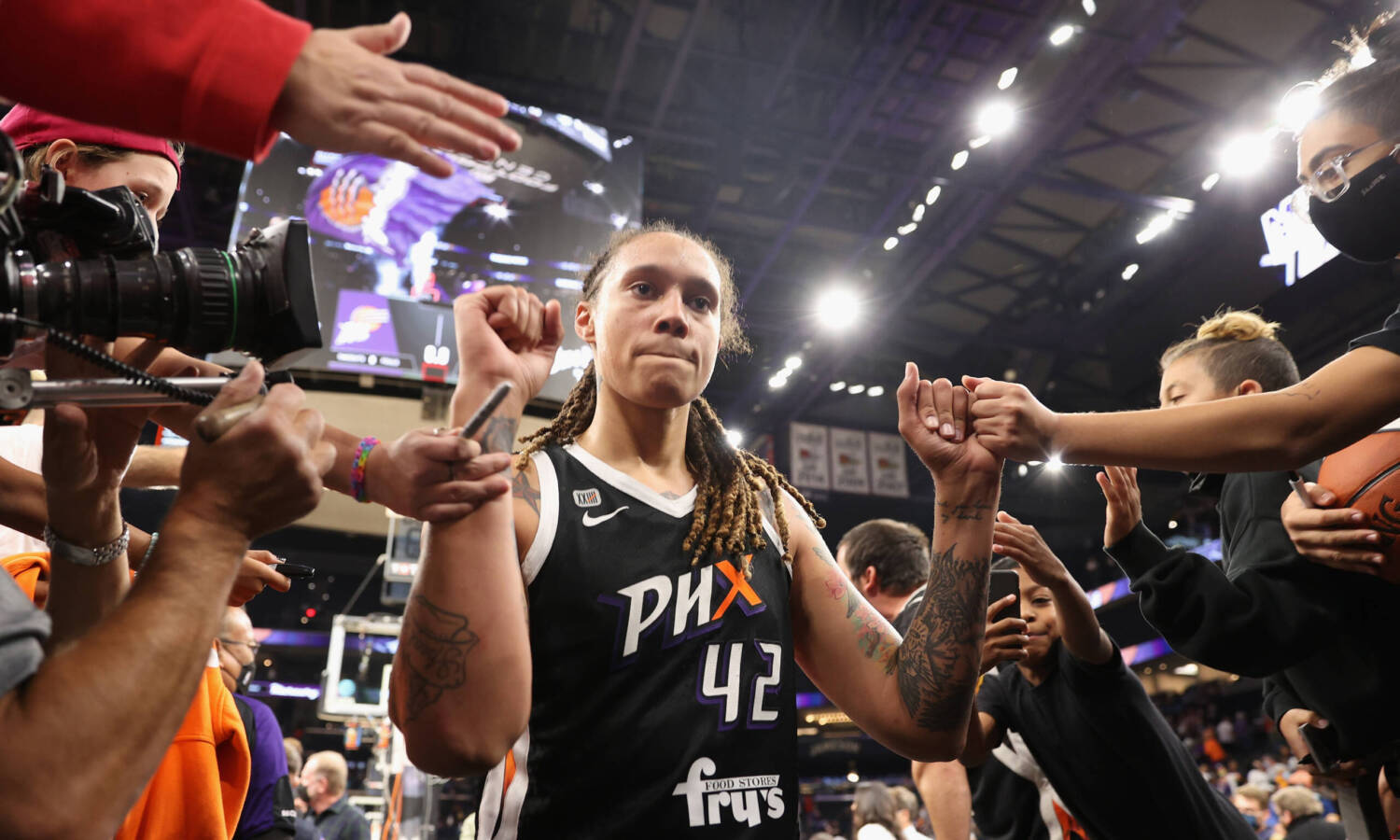
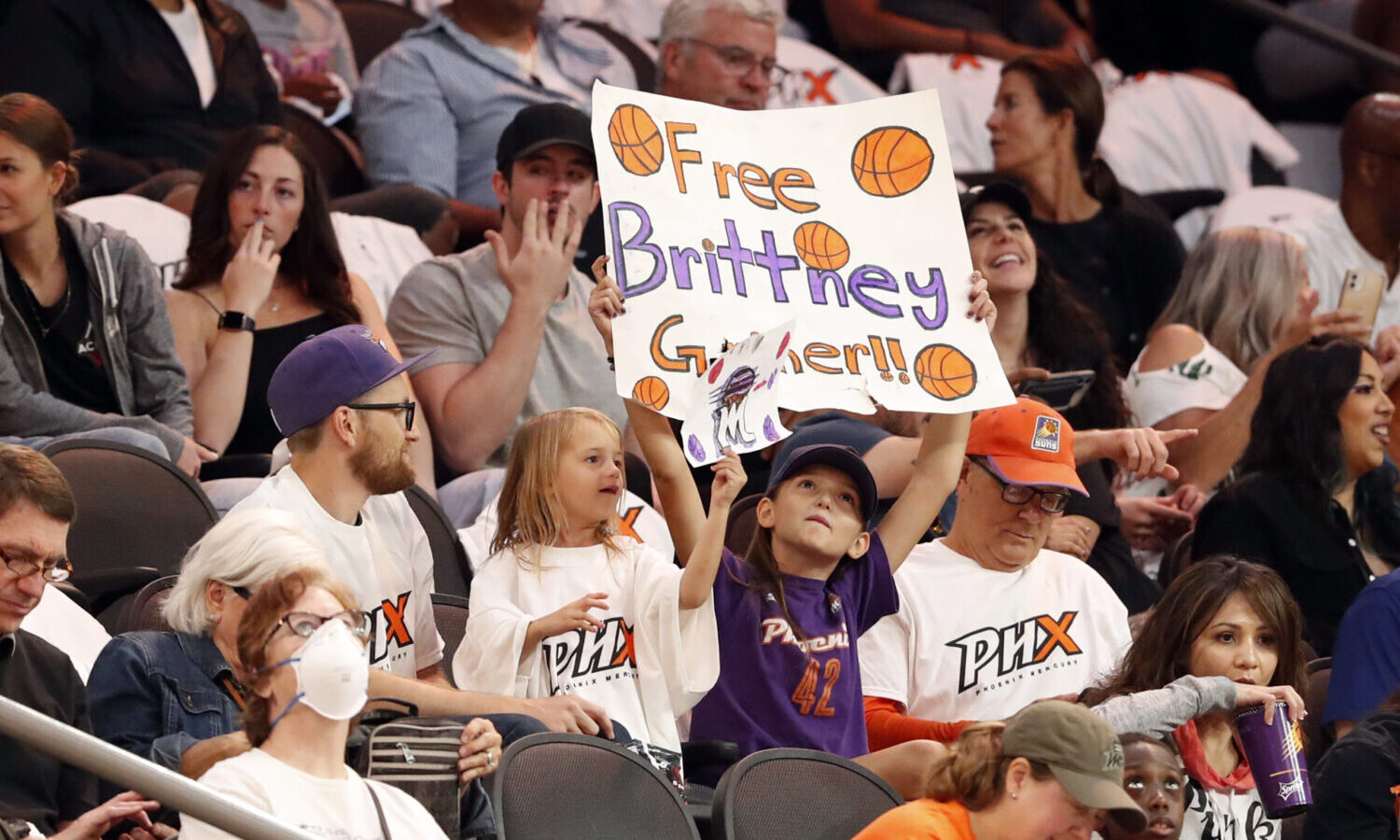
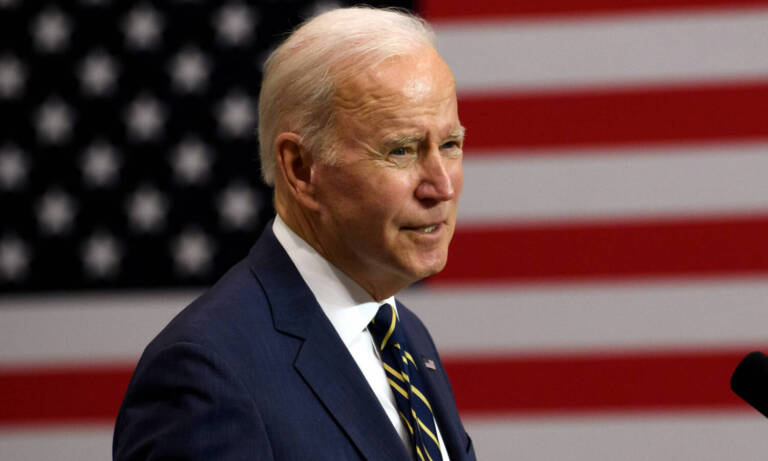
Brittney Griner hand wrote a letter to President Biden, which was delivered to the White House on the 4th of July. The WNBA superstar told the president that she fears she’ll be detained in Russia indefinitely and pleaded for him not to forget about her and other Americans detained in Russian.
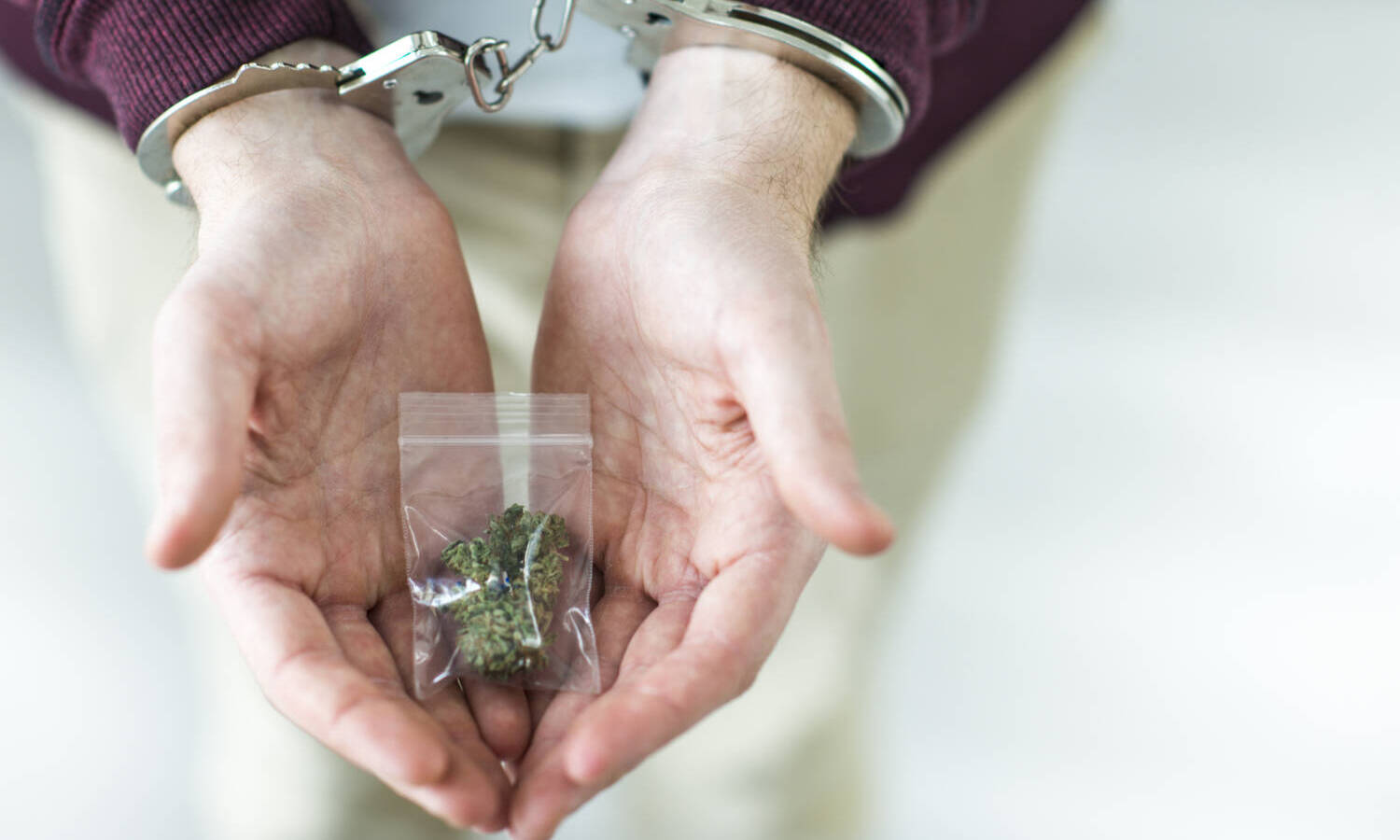
Griner faces a 10-year sentence in a Russian penal colony if convicted of the alleged crime of having cannabis oil in her suitcase when she was detained in Moscow on February 17, a week before Russia invaded Ukraine.
Three excerpts of Griner’s letter to Biden were made public, while the rest is being kept private, according to a statement released by a communications company representing the Griner family and reported by CNN.
“(As) I sit here in a Russian prison, alone with my thoughts and without the protection of my wife, family, friends, Olympic jersey, or any accomplishments, I’m terrified I might be here forever,” wrote Griner.
“On the 4th of July, our family normally honors the service of those who fought for our freedom, including my father who is a Vietnam War Veteran. It hurts thinking about how I usually celebrate this day because freedom means something completely different to me this year.
“I realize you are dealing with so much, but please don’t forget about me and the other American Detainees. Please do all you can to bring us home. I voted for the first time in 2020 and I voted for you. I believe in you. I still have so much good to do with my freedom that you can help restore. I miss my wife! I miss my family! I miss my teammates! It kills me to know they are suffering so much right now. I am grateful for whatever you can do at this moment to get me home.”
Griner has been playing basketball in Russia for the past seven years during the WNBA off-season and is much beloved in the country.
Political Pawn?
Terri Jackson, executive director of the union representing WNBA players, implied to NPR several days ago that Russia is playing politics with Griner.
“They know who they have. She’s a hero in their country too. I mean, they love women’s basketball,” Jackson said. “They take their championships very seriously. And let’s be clear: she’s given them more than a few.”
Bad products, inability to smoke correctly, subtle highs, or lack of reactions from the brain are significant reasons why a first-time smoker may be unable to get high.
No two people can have the same experience for their first time smoking weed. The science is that cannabis affects each user differently. For some, they go overboard, some get hungry, some trip a little or fall asleep, while a few feel nothing. These reactions are entirely normal. Not everyone is opportune to get the munchies on their first trial.
Several factors determine how you react to your first cannabis experience, including strain, your mood at the moment, and the dosage or amount of cannabis ingested.
Smoking Weed for the First Time
Days, hours, or even minutes before the first time anyone smokes cannabis, they anticipate the famous coughing fits, the euphoria, and the endless possibilities that could occur soon as the smoke hits the lungs. However, only a few people imagine they’d feel no effect—zero buzz!
You can’t be too sure about the impacts of your first blunt until you smoke it. You could be lucky to immediately experience the highs, joy, boosted energy, and creativity. Or you might conversely feel anxious, sad, paranoid, or confused.
My first time smoking weed was preceded by a restless evening. I was so anxious to view the world in a new light. I was more than ready. Only for me to lift off the blunt that afternoon, the only reaction I experienced was a coughing fit. Even after coughing, I held out hope that my high was lurking somewhere, but still, nothing! Note that I wasn’t hitting a medical strain. This got me confused, and I decided to discover what the hell had happened.
It goes without saying that if your first time came with no buzz, you’re not alone, and it’s not the end of your cannabis smoking journey.
Why You didn’t Get High
As mentioned earlier, everyone has their unique body chemistry. Sure we all have the same primary chemical in our bodies; they’re not all balanced the same way, nor do we react to invested substances the same way.
Here are the reasons why you didn’t get stoned and a few ways to remedy them. If you don’t get it right on your subsequent trial, keep trying.
You Did Not Smoke Correctly
Not everyone can get the technique of smoking on their first attempt. It’s not a natural reaction or a biological activity, more an excuse for you not to know how to pull it off. Smoking ideally takes practice, and it is a gradual process. That is why after the first attempts or more, you notice you do not experience the smoking fits.
Tip: When you’re ready to try that joint or glass piece again, ensure you take a deliberate deep breath immediately you take the smoke or value in. This breath will push the THC-laden vape or smoke deeper into the lungs.
If you’re an asthmatic patient using medical cannabis through inhaling, it is best to have your inhalers in hand for your first attempts.
You Used the Wrong Cannabis Strain or Product
As a first-time smoker, it’s very easy to go with the wrong strain or product, especially when you failed to do due research beforehand or bought your package outside a dispensary. As a novice cannabis user, it would be a mistake to trust whatever a supplier is giving you outside a dispensary. It is common for suppliers to give out unsuitable, old, or poorly grown cannabis to unsuspecting novice customers.
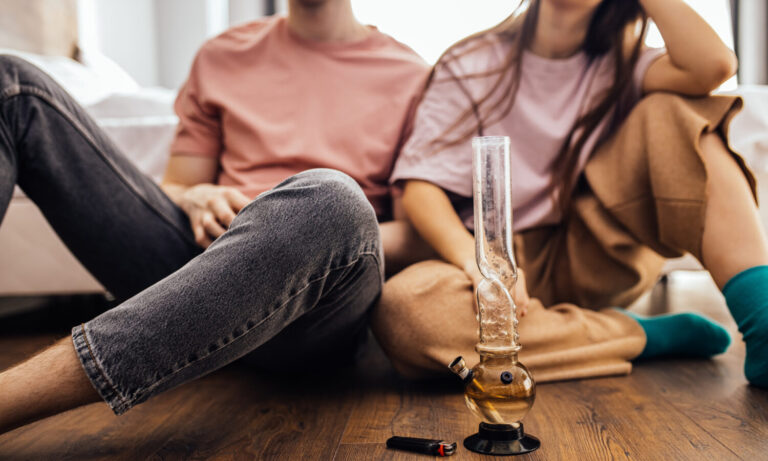
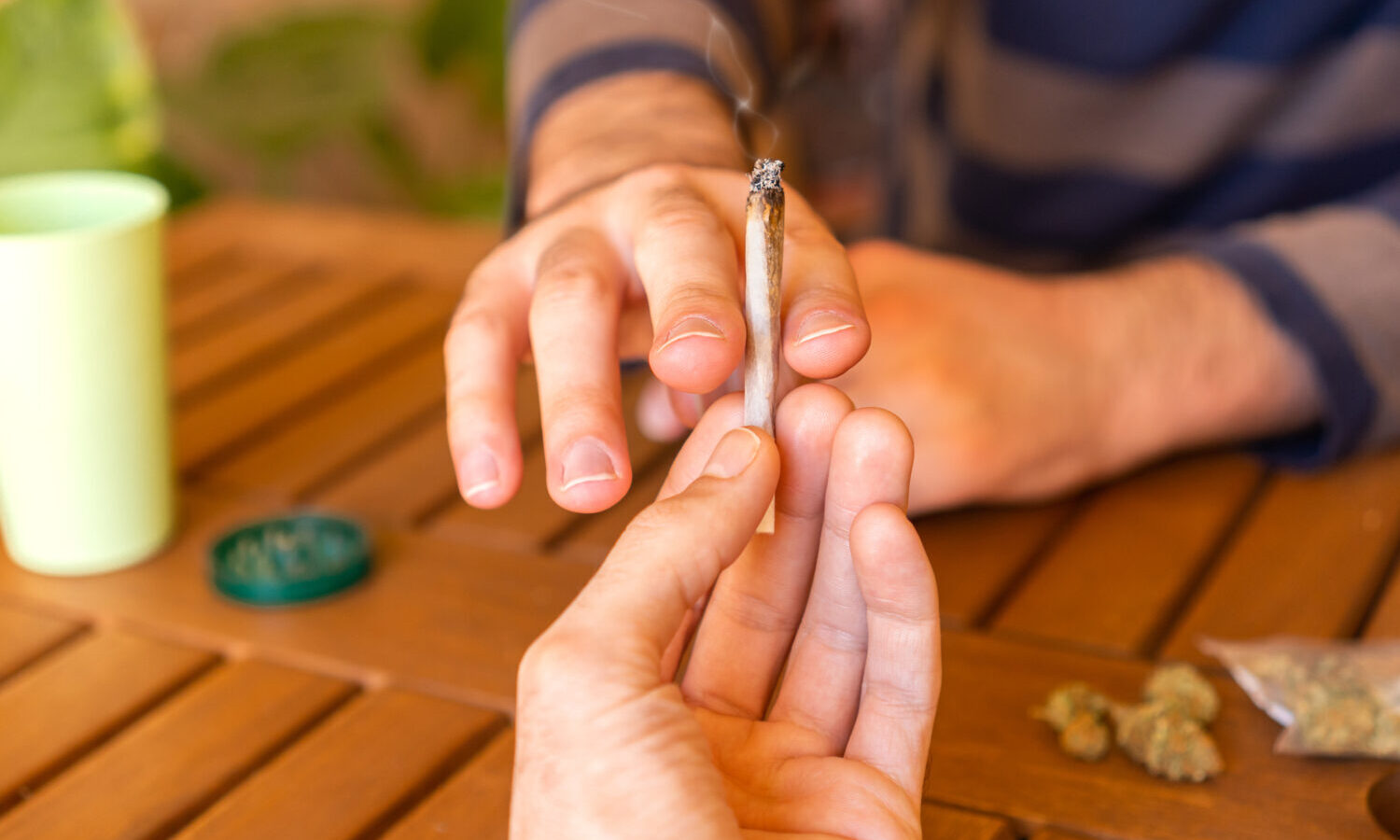
Photo by Pavel Danilyuk from Pexels
Tip: Well-versed budtenders are available within legal cannabis dispensaries to clue you in on the right strain to use to complement whatever mood you might be in. Joints purchased from these stores are also labeled with the THC percentage, cannabinoids, and terpenes present, as well as their production and expiry date.
Locate a budtender with good reviews to obtain your cannabis from. The best way to identify good weed is to check for the presence of trichomes, a strong aroma, and a healthy green color.
Your Brain Doesn’t Yet Recognize Cannabis
A standard theory about first-time cannabis users that fail to get high is that their brains have no idea what to do. The first time our body Is introduced to a new compound, it goes through a sensitization period where it builds a reverse tolerance to the compound. The more you expose your body to that specific substance, the more receptive it becomes.
Your brain needs time to recognize THC, while your body needs time to jack up the production of CB1 and CB2 receptors. So you see, your brain may be excited to receive that first dose of THC; it cannot elicit the reactions you seek.
Tip: Continue hitting those blunts the right way, and you notice that in time, your brain will adapt. Think of your blunts as a new instrument. Your brain needs time to master it.
You May Have Been Buzzed Unknowingly
It is possible that you had felt something without realizing it. Most first-time smokers tend to chase after an experience without really knowing what they’re chasing. So, when it hits them in the face, they do not realize it. You probably got stoned subtly, making you more relaxed, warm, and upbeat. But you had been expecting the buzzing creativity or giggles that more first-timers speak of.
Tip: It is unnecessary to experience something significant on your first trial. If at all you felt anything, anything at all! You could up your dose the next time or smoke more blunts responsibly. It could be that you have a heightened tolerance, or your brain was still learning the ropes of THC.
Bottom Line
Bad products, inability to smoke correctly, subtle highs, or lack of reactions from the brain are significant reasons why a first-time smoker may be unable to get high. The simplest solution is to continue trying. When you keep trying, your brain gets used to cannabinoids, and in no time, you be well on your way to the highest paradise. Even if it takes time, keep trying; you’ll get to the peak one day.
Remember that there’s no right or wrong way to go about your first attempt. I’m different, you’re different. Relax, and keep trying, and you’ll be high and fine.
In select studies, celebrity endorsements have produced an average 4% sales increase. At this time, it appears that isn’t the case in the US cannabis market.
To date, most celebrity cannabis brands, whether endorsed or owned, leave some questioning their market impact. The unease appears warranted when considering how various celebrities have failed to live up to critical metrics, toplined by sales, market saturation and product quality.
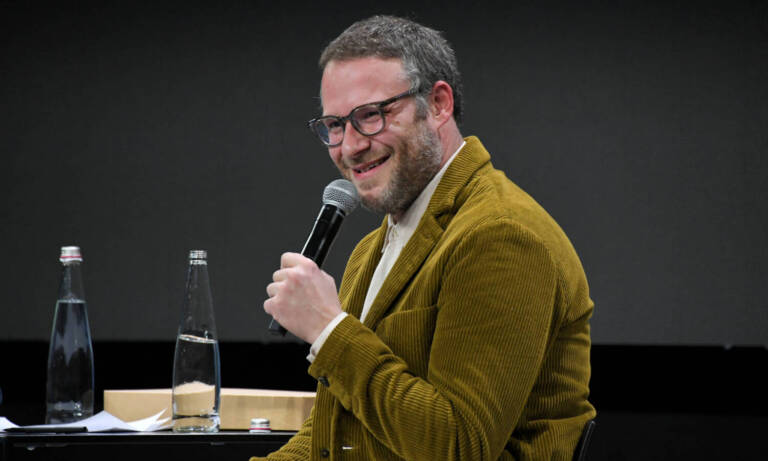
Photo by Richard T. Nowitz/Getty Images
Few Success Stories So Far
Success stories are scant at this time.
As reported in Kate Robertson’s One Weed Please newsletter, one celebrity brand, Seth Rogen’s Houseplant, cracked California’s top 100 sellers of 2021, coming in at 91 with $9.3 million sold. Brands like Marley Natural (approximately $4.3 million), B-Real‘s Insane ($3.6 million) and Jay-Z‘s Monogram ($700,000) did not make the list.
Data compiled across 11 hybrid and medical-only markets provided by BDSA highlighted two cannabis brands making headway in Q1 2022:
Willie’s Reserve: Founded in 2015, the Willie Nelson-backed brand is sold in Arizona, California, Colorado and Nevada and was a top-50 seller in the Colorado market. The venture is a partnership with Holistic Industries.
Cann: The brand had the top-selling THC-infused beverage in California is backed by a bevy of celebrity investors. They include Gwyneth Paltrow, Baron Davis, Rebel Wilson, Ruby Rose, Darren Criss, Casey Niestat, Tove Lo, and Bre-Z.
Considering More Than Financial Reports
Various respondents, including Roy Bingham, BDSA co-founder and CEO, noted that sales and business metrics are just some qualitative and quantitative points worth assessing.
“While brand awareness and brand loyalty are emerging among the cannabis consumer base, celebrity brand status is less important to consumers…than product attributes such as price point, cannabinoid content, and flavor,” said Bingham.
The celebrity’s connection with cannabis and its consumers is essential. If buyers sense inauthenticity, then sales may be hard to come by.
“Simply placing a name on a product to attract that person’s fanbase may generate some initial excitement, but if the connection doesn’t make sense, the excitement will not last,” said Erika Salgado, CMO for PharmaCann. Their celebrity brands include The Allman Brothers’ Chocolate Chunk strain, sold in Illinois.
Salgado said consumer connections to The Allman Brothers were a prime reason for the partnership.
“Fans can reminisce about their favorite concert moment or listen to their favorite music from the band while they enjoy the product,” she said.
Photo by Printexstar via Pexels
Holistic’s Barich expanded on the importance of connecting beyond a famous person’s fanbase. He said product quality is key to doing so.
“A celebrity brand ultimately needs to reach cannabis consumers and enthusiasts beyond the celebrity’s fans, appealing to anyone who loves high-quality, craft cannabis,” he said.
Joshua Horn, the head of the cannabis law group at Fox Rothschild, said the right partner is critical.
“You need the right celebrity whom the public equates with enjoying cannabis and having that celebrity tied with the right company who operates at scale and can get the word,” Horn said.
Quality And Authenticity Are Key
Successful celebrity brands don’t necessarily need backing from household celebrities. Some of the top names to emerge could come from cannabis community celebrities.
The perfect example may be Cookies, a brand that combines celebrity, cannabis legacy, highly rated products and world views that align with the consumer base.
Headed up by hip-hop artist and entrepreneur Berner, Cookies owns retail stores across 14 states and Israel. In 2020, Cookies stores were one of many brands looted. Rather than call for criminal charges on those involved, Berner earned public praise by highlighting the importance of social justice.
Cookies is often considered one of the more consistent high-quality producers and lifestyle brands. Backed by a notable light blue background, Cookies bags can be found in legal and illicit markets across the United States – with many illegal sellers passing off products as Cookies.
Inside each bag are some of the industry’s more well-respected plant strains–something many celeb brands fail to deliver by either growing suboptimal products or white labeling a well-known cannabis brand’s strains.
“Berner has essentially become a celebrity through the growth of his cannabis and fashion brand,” said Brandon Dorsky, Fruit Slabs CEO and an attorney.
Dorsky also highlighted 22Red from System of a Down bassist Shavo Odadijian for its quality products and lifestyle brand.
In 2020, 22Red partnered with Curaleaf to expand product availability across the California medical market. The company’s products are currently available in various Nevada and Arizona dispensaries.
Chad Bronstein, president and chairman of Mike Tyson’s Tyson 2.0 brand, acknowledged Berner’s record label boss, Wiz Khalifa for achieving similar success in cannabis with his brand Khalifa Kush and through advocacy. The brand is available across several western US markets and Michigan.
“Wiz is a long-time cannabis advocate whose brand is backed by a seasoned leadership team with deep expertise in product quality, marketing and innovation,” said Bronstein. In Feb 2022, the artist announced an exclusive production deal with Trulieve Cannabis Corp, making the MSO its partner in Florida and northeast US markets.
Germany might legalize marijuana within two years. The decision could shake up Europe’s relationship with the drug.
Germany is primed to become the largest country in Europe to legalize marijuana. It’s a decision that carries some weight considering that they have the largest economy on the continent.
“There will be a domino effect, for sure,” said Justin Haucap, director of the Dusseldorf Institute for Competition Economics. “European countries that have a much bigger problem with illegal cannabis use, like France, are watching very closely what Germany is doing at the moment.”
Experts predict Germany will make a lot of money once cannabis is legalized. The country has an estimated demand of 400 tonnes of cannabis per year. This could mean Germany could earn about 4.7 billion Euros a year through taxes alone while saving significant chunks of money due to the country no longer wasting resources on the prosecution of cannabis consumers.
If Germany legalized cannabis and began to sell and trade the product like any other good, it would violate the UN 1961 single convention on narcotic drugs. While initially the country would likely have to work around that ruling, some predict that Germany’s legalization would prompt the UN to change it entirely.
“In theory, Germany could exit the UN single convention and rejoin only specific parts of it. But I am fairly optimistic that with changes happening in Canada, the US and now Germany, we could also be looking at a reform of the convention in regards to the cannabis trade,” said Haucap.
According to leading legislators, Germany wants to legalize cannabis in order to reign in black market cannabis, eliminate sources of contaminated products and protect minors. It won’t be the first European country to legalize marijuana — that honor belongs to Malta — but it’s a decision that will shake up its neighbors and the world at large. Surprisingly, while the Netherlands has a decades-long relaxed attitude toward marijuana use, the country still criminalizes its use, possession, and trade.
The findings may indicate that although cannabis-only users use more frequently than other groups, this group may be at lower risk for negative consequences associated with use compared to all-substance users.
A team of investigators affiliated with the University of Florida at Gainesville assessed the relationship between college students’ self-reported use of marijuana and other substances and academic outcomes.
College students who consume cannabis, but not other controlled substances, do not appear to be at significant risk of suffering from either substance use disorder or low academic achievement, according to data published in the Journal of American College Health, reported NORML.
The team of researchers reported that those students who consumed cannabis (and did not consume either alcohol, cigarettes, or other substances) were less likely to report problems associated with substance abuse, skipping class, or poor grades than were those who were polysubstance users.
Details Of The Study
According to the results of the study, “cannabis-only users reported experiencing the least amount of cannabis-related consequences and CUD [cannabis use disorder] symptoms but used cannabis on more days in the past month than any other group except the all-substance user group (CACS—cannabis, alcohol, cigarettes and other substance users).
“These findings may indicate that although cannabis-only users use more frequently than other groups, this group may be at lower risk for negative consequences associated with use compared to all-substance users. This is in line with previous findings showing that polysubstance use is related to more negative consequences compared to single use,” added the researchers.
The current findings suggest that:
Alcohol use is prevalent among cannabis-using college students and;
Concurrent polysubstance use of four or more substances is associated with increased risk of cannabis-and academic-related problems including CUD symptom severity, skipping classes, and lower GPA.
“When addressing cannabis use among college students, clinicians should assess and target multiple substances in addition to cannabis. Risks associated with sole cannabis use were low compared to concurrent substance use. Hence, efforts aimed at preventing the initiation of additional substance use may be warranted,” the researchers concluded.
The measure was triggered after congressional leadership agreed to exclude marijuana banking legislation in the final version of the United States Innovation and Competition Act — America COMPETES Act.
Rep. Ed Perlmutter (D-CO), House sponsor of a bipartisan marijuana banking reform bill, filed an amendment to the Fiscal Year 2023 National Defense Authorization Act (NDAA) that would be incorporated into the Secure and Fair Enforcement (SAFE) Banking Act, reported Marijuana Moment.
Last week, the House Armed Services Committee marked up the 2023 version of NDAA, and now the House Rules Committee will decide which submitted amendments can be approved for its consideration.
“As I have said repeatedly, I will pursue any and all legislative avenues to get SAFE Banking across the finish line this year,” Perlmutter said in a press release. “We have a critical window of opportunity between now and the end of the year to enact common-sense cannabis reforms starting with access to the banking system. Continued inaction on this issue is dangerous and reckless, and continues to put communities, businesses, employees, and patients at risk across the country.”
The measure, sponsored by Perlmutter, who has been supporting the banking bill from the beginning, was triggered after congressional leadership agreed to exclude marijuana banking legislation in the final version of the United States Innovation and Competition Act — America COMPETES Act.
SAFE’s Purpose
Recently, during a markup of the NDAA, the House Armed Services Committee passed two amendments to a must-pass defense spending bill concerning marijuana-related issues in the U.S. military.
Last week, Rep. Anthony Brown (D-MD) expressed concern about cannabis sentencing standards under the military code. Also, Rep. Seth Moulton (D-MA), called for the Department of Defense (DOD) to lead a study into the cannabis medical efficacy over opioids.
In addition, Perlmutter noted that veterans service organizations (VSOs) endorsed the SAFE Banking Act in a letter to leadership last month.
“The call to serve should be backed by service and support when the troops come home. Offering SAFE in the NDAA is a matter of national security and preparedness and a reflection of our country’s strength,” said Gary Hess, CEO of the Veterans Alliance for Holistic Alternatives. “SAFE would help the tens of thousands of veterans who already work in the cannabis industry and protect the millions of others who are turning to it for therapeutic options and future employment opportunities.”
The pardon attorney also said that her office makes clemency recommendations by taking into account broad categories of policy objectives, criminal justice reform goals or racial justice objectives.
Elizabeth Oyer, attorney of the Department of Justice (DOJ) pardon office, said it is up to President Joe Biden to initiate a clemency process for individuals with federal non-violent cannabis convictions, reported Marijuana Moment.
At an event hosted by the Justice Roundtable, a coalition of criminal justice reform organizations, Oyer said that the DOJ’s pardon office analyzes petitions for relief on an individual basis and then makes recommendations to the president.
“If the president takes action, a categorical pardon for people with federal cannabis background is still possible,” said Attorney General Merrick Garland last April.
Oyer explained that at the moment, the Office of the Pardon Attorney reviews every individual clemency application thought that could change at the president’s direction. “Currently, what we do is we look at cases individually for the most part and not categorically.”
In April 2022, Biden granted clemency to individuals with non-violent federal drug convictions and commuted the sentences of 75 people who were serving time at home because of the pandemic.
Racial Equity And Harm Reduction
The pardon attorney also said that her office makes clemency recommendations by taking into account broad categories of policy objectives, criminal justice reform goals or racial justice objectives.
“So we’re absolutely taking into consideration those categories and those policy objectives and those racial equity objectives, but we don’t look at cases in a batch without individualized review,” Oyer said. “We do look at every single case individually.”
During the event, Oyer advised advocates to file clemency petitions and she addressed the backlog of cases under review.
Meanwhile, White House drug czar, Dr. Rahul Gupta said recently that the Biden administration prioritized harm reduction as a response to drug abuse while examining information on cannabis legalization and safe injection sites.
“For the first time in history, the federal government is embracing the specific policies of harm reduction,” Gupta said.
A new study found that even though adolescents who use weed are three times more prone to develop cannabis use disorder than adults, they may not be at risk of suffering from other mental health problems related to substance use.
Young people often turn to marijuana to feel better, as well as to reduce anxiety in social situations such as connecting with friends. But how many teens actually use marijuana?
According to 2019 CDC data, 4 in 10 high school students reported lifetime use of marijuana. However, some recent surveys suggest there’s a decline in teen use of marijuana and other controlled substances. This seems to be a trend.
After Michigan’s annual Monitoring the Future (MTF) survey revealed an unprecedented year-over-year decline in 8th-graders, 10th-graders and 12th-graders, the Colorado Department of Public Health and Environment’s (CDPHE) Healthy Kids Colorado Survey’s results showed that in 2021 young people were 35% less likely to use marijuana compared to prior years.
Apparently, it’s all a part of a broader trend that dates back to 2013. Cannabis advocates are attributing it to regulated access for adults that then minimizes the risk of adolescent marijuana use. Other reports proved the same.
Numerous studies showed that marijuana legalization laws are not associated with increased use among high school students, but quite the opposite. A recent study by the Drug-Free America Foundation and commissioned by Johnny’s Ambassadors revealed that states with fewer legal restrictions on marijuana have seen more use among teens as well as declining mental health.
Adolescents Three Times More Vulnerable To Marijuana Addiction
To that end, a new study published in the Journal of Psychopharmacology found that even though adolescents who use marijuana are three times more prone to develop cannabis use disorder than adult users, they may not be at risk of suffering from other mental health problems related to substance use.
The study included 274 participants, out of which 76 were adolescents – aged 16 and 17. The participants used marijuana one to seven days per week, reported EurekAlert.
Led by UCL and King’s College London experts, the new research builds on another study conducted by the same team which showed that youth are not more vulnerable to associations between cognitive impairment and chronic marijuana use.
“Cannabis addiction is a real issue that teenagers should be aware of, as they appear to be much more vulnerable to it than adults,” said lead author Dr. Will Lawn from UCL Clinical Psychopharmacology Unit and Institute of Psychiatry, Psychology and Neuroscience at King’s College London. “There is a lot of concern about how the developing teenage brain might be more vulnerable to the long-term effects of cannabis, but we did not find evidence to support this general claim.”
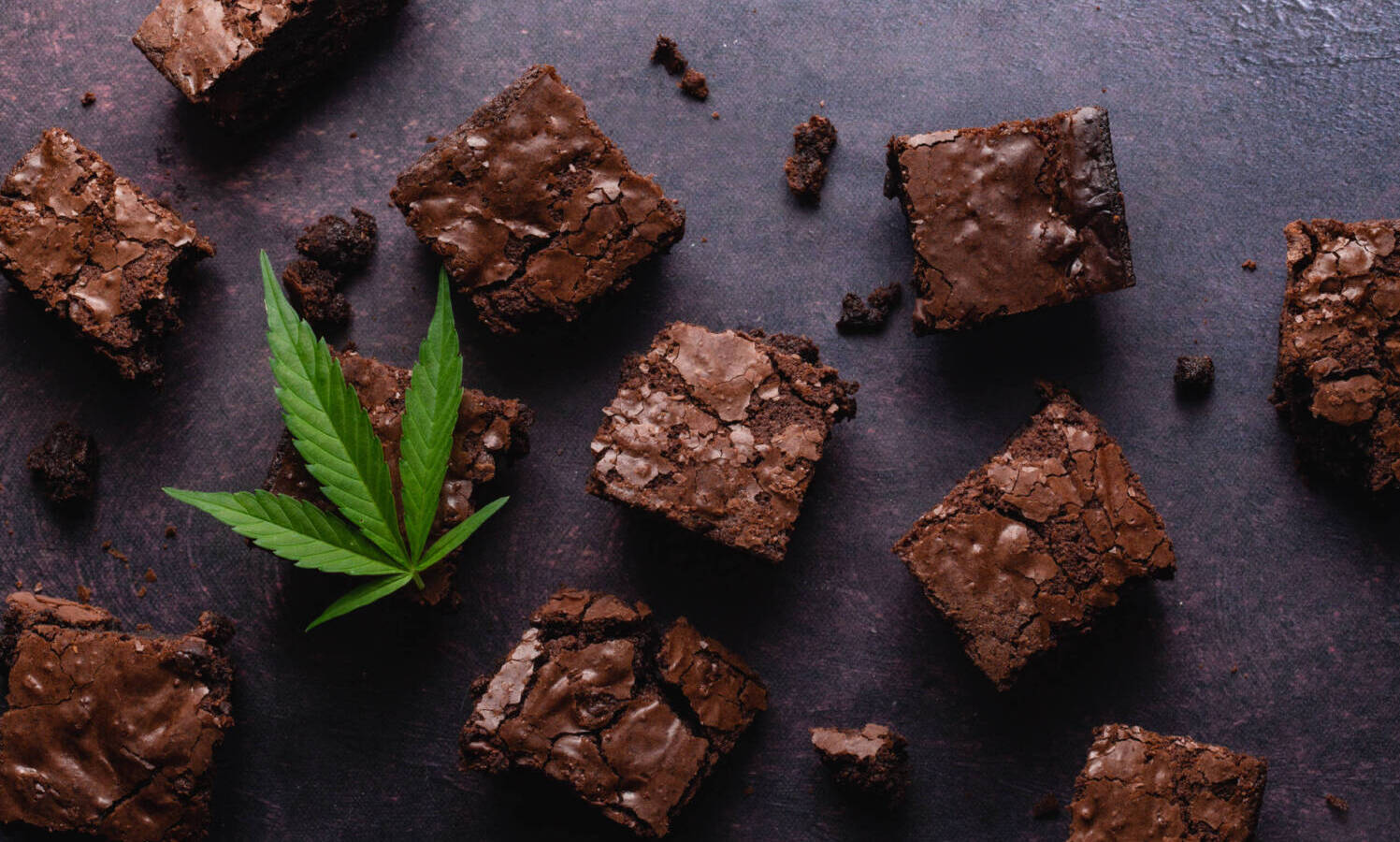
Edible products will be regulated by the Minnesota Board of Pharmacy and must have a label showing serving sizes, ingredients, and a warning to keep the product out of reach of children.
In May, Gov. Tim Walz (D) signed the large-scale legislation that included provisions that provide permanent protections to Minnesota-based hemp businesses for legal sales of CBD-infused foods and drinks. Besides CBD, the measure allows all hemp-derived cannabinoids to be legally sold in food items, beverages, and topicals, to name a few. The products must contain less than the federal limit of 0.3 % THC.
The new bill also allows up to 5 mg of hemp-derived THC to be legally sold in edibles and drinks to those 21 and older.
Bill sponsor Rep. Heather Edelson, (DFL-Edina) noted her worries about the safety of legal delta-8 marijuana products already being available via a loophole in Minnesota law, reported Duluth News Tribune.
“Products were targeting young people and contained thresholds of THC that were too much for the average consumer,” she said in a social media post announcing the bill’s passage in May. “Minnesota saw poison control numbers go up dramatically in 2020 and 2021 for youth under 12 because of lack of child safety on the packing and (its) appeal to their age group.”
Edible products will be regulated by the Minnesota Board of Pharmacy and must have a label showing serving sizes, ingredients, and a warning to keep the product out of reach of children.
Board Of Pharmacy Challenges
But, some are worried about the Board of Pharmacy’s capabilities to manage this task. Jill Phillips, the new executive director of the Board of Pharmacy told Minnesota Reformer’s J. Patrick Coolican, “We’re set up to regulate licensees.”
The problem is that the new THC law doesn’t demand a license to produce, distribute or sell the THC edibles and drinks, writes the outlet.
“It’s a new kind of work we’re not necessarily ready for,” Phillips said.
The Board of Pharmacy employs just 23 people, and they also handle dangerous legal opioids and other substances. And now, they should also handle the potency, packaging, and age requirements of the new THC products that will be sold all around.
Coolican writes that buyers should be aware that the Board of Pharmacy doesn’t have a lab to test the potency or safety of the product, nor a contract with a laboratory. Producers must contract with a lab and keep a record, but they are not obliged to send the results to the Board of Pharmacy except upon request, Phillips told the outlet.
What’s more, these products won’t be taxed as they will be sold as food. This means that no tax money won’t be used for better regulations or education on the safe and responsible consumption of these products.
The American Heart Association (AHA) updated its heart health checklist, adding a key area that impacts people’s cardiovascular health.
Cardiovascular health is no joke. It’s the number one cause of death in the US. And now, the American Heart Association has added an important step to ensure our hearts are healthy.
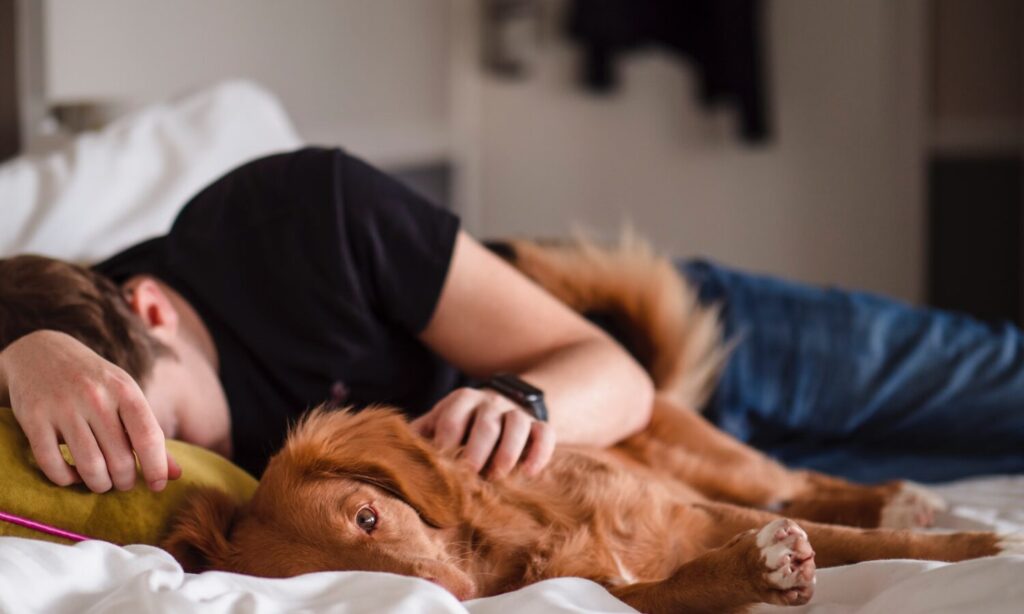
Heart health is affected by a large range of behaviors, like what we eat and whether we live an active lifestyle or not. There’s also getting enough sleep, a relatively simple request that’s become increasingly complicated to fulfill in our modern world.
The journal Circulation published an updated cardiovascular health checklist by the American Heart Association. According to the AHA, sufficient sleep is part of “Life’s Essential 8.” This list, which used to be called “Life’s Essential 7,” is a questionnaire that’s been used since 2010 and measures respondents’ important areas of concern in order to determine their cardiovascular health. Entries on the list include diet, physical activity, nicotine use, body mass index, blood lipids, blood pressure, and blood glucose.
Researchers discovered that poor sleep was linked to obesity, diabetes, and a variety of health conditions. They explained that adults should get 7 to 9 hours of sleep per night. These sleep hours must be continuous, allowing the body to enter its three stages of non-REM sleep.
There have long been links between sleep and heart health, with the addition of sleep in AHA’s checklist confirming just how important it is.
A previous study published in the European Heart Journal shows that bedtimes have an impact on heart health, with people who went to bed between 11 and 11:59 a.m. having less of a risk of heart disease when compared to people who went to bed past midnight. Researchers theorized that this was due to people’s circadian rhythms, with these possibly being disrupted by earlier wake-up times.