Tuesday, May 12, 2026
Home Blog Page 391

Federal Marijuana Legalization Could Mimic End Of Alcohol Prohibition

 Congressional Democrats are working this year to get something on the books. It might not be as far-reaching as many hope, but legal weed will get there eventually.

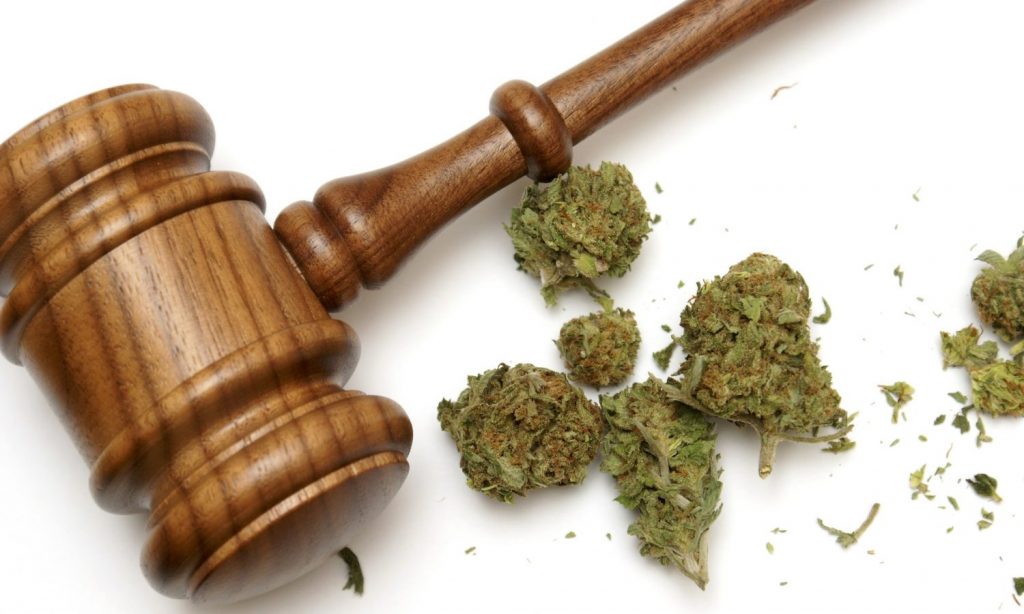
Federal marijuana legalization is inevitable in the United States, but it’s likely to involve small steps to get there. Right now, Senate Democrats are gearing up to push a comprehensive marijuana reform bill in the coming weeks designed to end almost 90 years of federal cannabis prohibition.

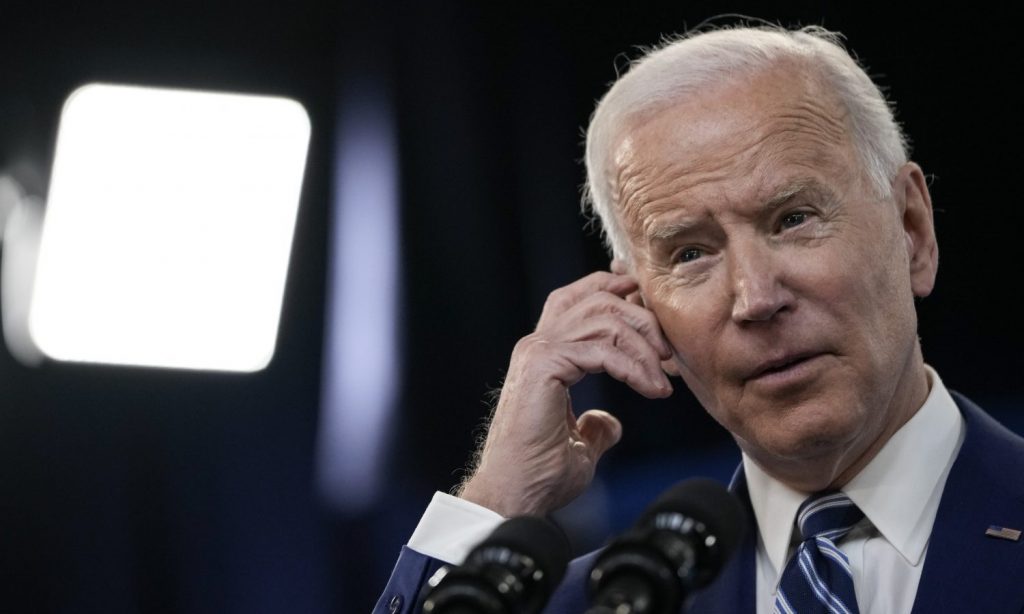
However, President Joe Biden isn’t yet on board with the concept of taking cannabis reform this far. Instead, he would prefer to decriminalize the herb nationwide and expunge criminal records. But he’s far too busy to do any of that right now, according to Vice President Kamala Harris. So it’s anyone’s guess how long it’s going to take for the nation to see significant change.

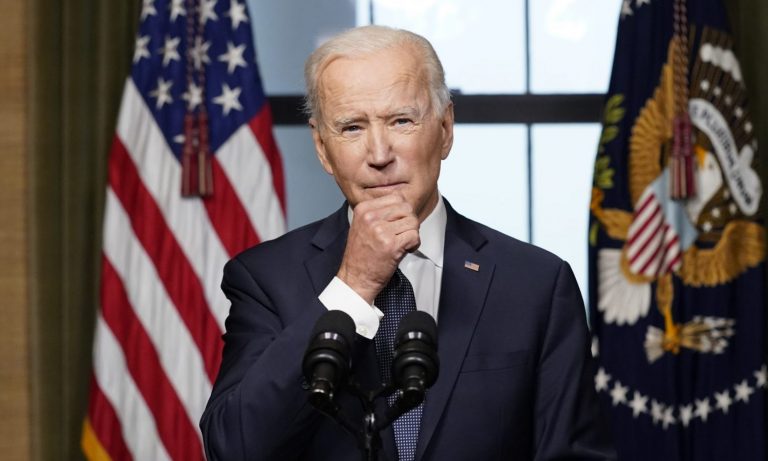
Joe Biden Keeps Stating Conflicting Opinions About Marijuana
Photo by Jonathan Bachman/Stringer/Getty Images

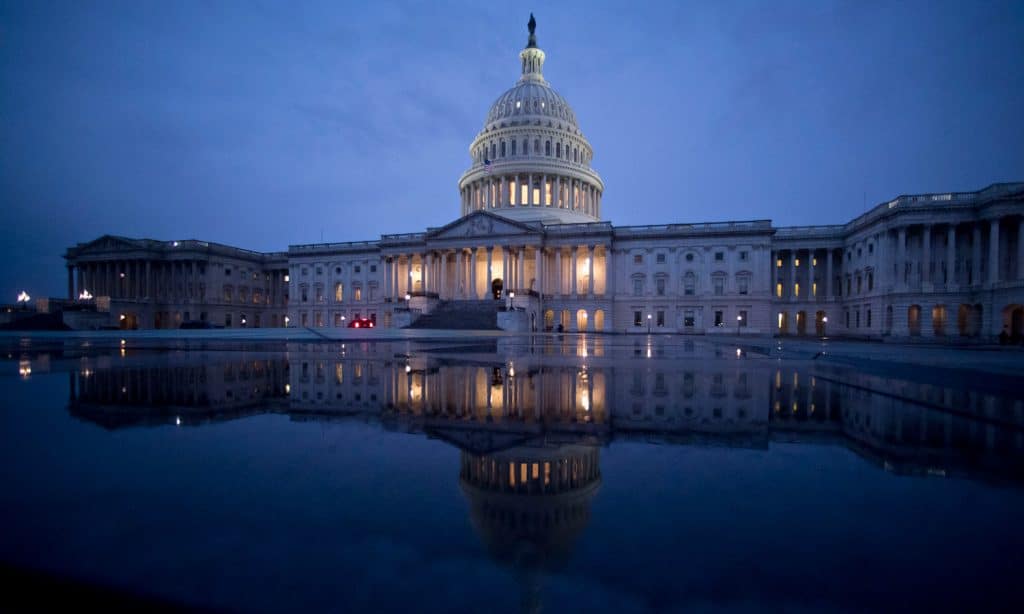
When the time finally comes, however, rest assured the moves will be incremental at best. Looking back on the demise of alcohol prohibition decades ago, we can see that it, too, started slow before becoming the mega industry it is today. In fact, before the total repeal of national alcohol prohibition, federal lawmakers fought to legalize only specific alcoholic beverages. The same toe-in-the-water politics that we often see on Capitol Hill concerning cannabis is nothing new. 

RELATED: Is Hunter Biden The Reason President Biden Is Apprehensive About Marijuana Reform?

Alcohol Prohibition brought about more socioeconomic trouble for the U.S. than what prohibitionists had promised. They said life would get better without booze. Instead, the nation experienced higher crime, more poverty, and the average American’s quality of life suffered greatly. Then came the Great Depression, and the country sank into a downward spiral that many thought would never end.

RELATED: Cannabis Prohibition Is About To End — Does History Have To Repeat Itself?

Enough was enough; governmental leaders began searching for ways to stimulate the economy and end some of the gnarliest unemployment rates in history. It made sense that legalizing alcohol was the right move. But they didn’t go all-in at first.

In April 1933, President Roosevelt, who ran his campaign on the promise of ending alcohol prohibition, took the first step toward remedying the situation. He asked Congress to legalize alcoholic beverages with a low alcohol content.

“I recommend to the Congress the passage of legislation for the immediate modification of the Volstead Act, in order to legalize the manufacture and sale of beer and other beverages of such alcoholic content as is permissible under the Constitution; and to provide through such manufacture and sale, by substantial taxes, a proper and much-needed revenue for the Government. I deem action at this time to be of the highest importance.” 

How Prohibitionist Ideology Has Wrecked The Republican Party And Undermined Democracy
Photo by
alexsl/Getty Images

Legalizing booze with a low ABV, Roosevelt believed, would reduce unemployment and provide the nation with much-needed tax revenue. It wasn’t long (the next day, in fact) before lawmakers introduced the Cullen-Harrison Act, which called for the legalization of beverages containing 3.2% alcohol. It was swiftly moved through both chambers of Congress without issue. In less than 10 days, the bill had passed the House and Senate, and Roosevelt signed it into law. It wasn’t the end of prohibition like many had hoped, but it was a start.

RELATED: Biden’s Anti-Marijuana Stance Is Perfect For America Right Now

Although only 21 states and the District of Columbia passed similar laws, tens of thousands of jobs were created. Business sectors from across the board — farmers, glassmakers, etc. — began to experience a boost. It was a big win for the nation. The anniversary of this reform is now known as National Beer Day. 

Will Prohibitionists Tie The New Conservative Movement To Trump?
Photo by
AlexLMX/Getty Images

By December 1933, legal alcohol was starting to resurrect a dead land formerly known as the United States, so lawmakers voted to repeal prohibition altogether. Still, many states remained dry for decades. It wasn’t until the 1960s when the last of the prohibition states finally ended this madness. 

Fast forward to present times, and the nation has already made similar moves with respect to cannabis. Congress legalized industrial hemp production a few years ago, allowing the production of hemp with no more than .0.3% THC. It certainly didn’t provide the economic boon that many expected, but it was a start.

RELATED: We Must End Marijuana Prohibition For Economic Recovery In A Post Pandemic World 

Last year, the nation got slammed by a pandemic, which drove the economy into the ground. Since then, state lawmakers have been scrambling to create new revenue streams. Marijuana legalization is always a hot topic of discussion. In fact, New York’s economic troubles are a large part of why it just legalized for adult use. As it stands, 16 states have pot laws on the books that allow the production and sale of marijuana for adults 21 and older. It’s just taking the federal government longer to catch up.

The good news is that Congressional Democrats are working this year to get something on the books. It might not be as far-reaching as many hope, but legal weed will get there eventually. Senate Majority Leader Chuck Schumer says he wants to present his case to President Biden, who is focused on an infrastructure plan to boost the economy. Let’s hope Biden can see, like Roosevelt did, the benefits of a taxed and regulated market.

Cannabis And Adderall Combined???

If you are already suffering from ADHD, ask your physician about medicating with CBD or cannabis instead of Adderall. But don’t mix the two. Here’s why.

Adderall is a widely prescribed medicine for the treatment of attention deficit hyperactivity disorder, or ADHD. It can also be used to treat narcolepsy. But what happens when you have cannabis and adder all combined???

Because it’s become so popular, many people have even started using it recreationally, or have been able to source it in order to stay up late at night to study. This FDA-approved drug, which is made up of dextroamphetamine and amphetamine, works to stimulate the nervous system, improve one’s focus and concentration, while reducing impulsivity by increasing norepinephrine and dopamine levels within the brain.

However, taking Adderall is a bad idea whether or not you’re on prescription for it. It’s not uncommon for many people to get so hooked on it the way one would fiend for cocaine. That’s because dopamine is released when you take the pill, and when dopamine runs out, people will eventually feel the need to replenish it. Constantly wanting to replenish that dopamine can lead to a deadly addiction.

how cbd helped control this teenagers adhd and tourettes syndrome
Photo by Larry Washburn/Getty Images

The misuse of prescription drugs is dangerous, and that includes Adderall. Its side effects include:

Restlessness

Nervousness

Migraines

Dizziness

Insomnia

Sleeping issues

Slowed speech

Hoarseness

Tics

Seizures

Uncontrollable shaking

Paranoia

Hallucinations

Problems with cognition

Worsening of mental health problems such as anxiety and depression

It can even get worse when you combine it with cannabis.

Marijuana Users With ADHD Use Less Prescription Drugs
Photo by rawpixel.com

Cannabis has long been a popular recreational drug, so it’s not surprising to see people experimenting by combining Adderall and pot. But why would people mix the two in the first place? The combo is so widely used that there’s already a term for it: Madderall.

RELATED: The Problem With Combining Cannabis Products And Prescription Medications

In some people, Adderall causes irritability, distress, and other uncomfortable emotions. That’s why they turn to cannabis; alternatively, they find that cannabis also negates some unwanted side effects of Adderall such as lethargy and fatigue. Other reasons why people combine the two is because it can make you feel more socially aware; this medical cocktail has been reported to give people a heightened mental state. Meanwhile, others report that they experience increased brain function and enables them to process information quicker and more efficiently.

The Risks Involved

While cannabis alone has proven to be a safe medication when used alone, there are serious risks involved when you mix it with other medications. When it comes to Adderall, a combination of both when taken at the same time can make one extremely drowsy or lead to fatal conditions such as a stroke or heart attack because Adderall has been known to increase the heart rate, while cannabis can do the same in people who already have underlying heart conditions. Prolonged use over time can weaken the immune system.

Additionally, some users report that Adderall enhances the cannabis high, causing them to increase their dose over time. When your body eventually adjusts to the medications, we develop a higher tolerance and will need higher doses to feel anything later on. This can lead to a deadly overdose when the two are mixed in the body.

RELATED: Why I Use Cannabis To Help Treat My Adult ADHD

While there’s a lack of studies documenting the harmful effects of combining both drugs, one only needs to look at the properties of each on the human body to know that it’s an extremely dangerous thing to do. If you are already taking Adderall on prescription, don’t mix it with cannabis or other substances to begin with. And if you’re taking Adderall recreationally, it’s best you stop.

Can CBD Be Used To Treat ADHD Symptoms?
Photo by Katja Kircher/Getty Images

Continued usage of both can affect how your brain produces serotonin and dopamine, because it will be dependent on the presence of a chemical stimulus, causing you to feel depression or even anhedonia.

What About Mixing CBD And Adderall?

CBD on its own, just like cannabis, has also been a proven safe therapeutic medication.

It’s a different story when you combine CBD with prescription drugs, Adderall included. CBD, when taken together with stimulants can have unwanted side effects. It can wreak havoc on your liver because the drugs are processed in the liver, leading to altered concentration of these drugs within the body. Altered concentration of drugs cause them to no longer work or make the side effects even more pronounced.

RELATED: How Medical Marijuana Can Help Those With ADD And ADHD Focus

Some people enjoy combining CBD with Adderall because of CBD’s calming effects. It also helps some people find relief when they are coming off Adderall.

The studies say that since Adderall is metabolized by an enzyme called the CYP2D6, and CBD inhibits this enzyme strongly, a combination of both within the body means that much more medicine will enter the blood stream. They also note that Adderall already does enter the bloodstream at a high percentage (75%), which is why when people combine the two you can still suffer from a loss of concentration and focus. But because we all have a different constitution and biological makeup, the effects can be vastly different from person to person. For this reason, other people will say that CBD can actually strengthen the effect of Adderall in the body.

Conclusion

It is never safe to mix cannabis with other medications even if you have a prescription for both. You must at least consult your physician, who is ideally knowledgeable about both types of medications. Regardless, medical interactions can pose a serious health risk.

If you are already suffering from ADHD, ask your physician about medicating with CBD or cannabis instead of Adderall. These alternative medications have showed promise for treating difficulty concentrating and focus without the harmful and addictive side effects of Adderall.

FDA Warns Using Too Much Of This Can Damage Your Heart

The FDA warns against the recurring use of this common over the counter medication.

The FDA has issued a warning in regards to a popular nasal decongestant, one that could cause heart damage if misused.

Over the counter medications are consumed when experiencing a wide variety of symptoms, whether that’s a common cold, headaches, stomach aches or any type of physical pain. These medications tend to have a fixed spot in our medicine cabinets, with the majority of us believing that they’re safe since they don’t require a doctor’s prescription. But all medicines come with their fair share of risks, especially when used too often.

RELATED: Smoking Marijuana Is Not Good For Your Heart, Says American Heart Association

How To Stop Coughing So Hard From Marijuana Smoke
Photo by cottonbro via Pexels

RELATED: How OTC Drug Reform In COVID’s Newest FDA Bill Will Affect Healthcare

Benzedrex, should be used according to its guidelines, which are indicated on its label. Two sprays should be administered in each nostril every two hours and limited to a three day usage.

Virginia Becomes First State In South To Legalize Adult Use Cannabis

Virginia’s marijuana industry could eventually be responsible for creating approximately 11,000 to more than 18,000 jobs.

Virginia is now the 16th state to legalize cannabis for adult use and the fourth state to do so by passing a bill through its state legislature versus going to the voters. On Wednesday, Virginia lawmakers approved a bill that will legalize, regulate, and tax cannabis sales for adults 21 and over. It will probably be another two years before the state sees any retail sales.

“Virginia legislators are proving that it is possible to work swiftly to pass legislation that will not only legalize cannabis but also address the disproportionate harm caused by decades of prohibition,” said Steve Hawkins, MPP’s executive director. “Virginia is just the latest state to end cannabis prohibition and replace it with sensible legalization and regulation for adults 21 and over. MPP is proud to have played an important role in three of the four states where legislatures have voted to legalize cannabis — Vermont, Illinois, and now, Virginia.” Newly released statewide polling data finds that 68% of registered voters in Virginia, including majorities of Democrats and Republicans, support legalizing marijuana for adults.

MPP said that in addition to legalizing cannabis for adults 21 and over, the law will establish a Cannabis Equity Reinvestment Fund that will be used to support persons, families, and communities that have been disproportionately affected by enforcement of cannabis laws. Legal possession and personal cultivation will begin on July 1, 2021.

You can find a summary of the bill here.

“It’s encouraging to see that legislators in so many states are embracing regulation as an alternative to failed prohibition policies,” said Matt Simon, MPP’s senior legislative analyst. “Virginia is the first state in the South to legalize cannabis, and we can be certain that others will follow as public support continues to grow.”

RELATED: Virginia Decriminalizes Marijuana, But Legalization Is Likely Years Away

NORML Development Director Jenn Michelle Pedini, who also serves as the Executive Director of Virginia NORML, said: “This is an incredible victory for Virginia. Legalization will bring an end to the thousands of low-level marijuana infractions occurring annually in the Commonwealth — ending a discriminatory practice that far too often targets Virginians who are young, poor, and people of color.”

Size of Market

state-commissioned report suggested that, “Depending on demand and the tax rate selected, commercial marijuana could produce $31–$62 million during the first full year of sales, depending on the state’s chosen tax rate (figure). By the fifth year of sales, commercial marijuana could produce $154–$308 million in tax revenue. If the state set the marijuana sales tax at 25%, there would eventually be an estimated $177–$300 million in net tax revenue after operational costs ($147–$250 million if the marijuana sales tax rate was set at 20%).” The report also said that Virginia’s marijuana industry could eventually be responsible for creating approximately 11,000 to more than 18,000 jobs (0.3 to 0.5%   of the state’s workforce).

Photo by Kelly Lacy from Pexels

“Virginia Alcohol Board Control Authority could need $7–$9 million annually to hire approximately 85 to 105 staff. Creating a new agency could cost $9–$12 million annually to hire approximately 110 to 140 staff. VABC would also be able to implement its new responsibilities faster than a new agency.”

Activists Celebrate A Win

“It is a huge day for equity in the Commonwealth,” Majority Leader Charniele Herring added. “Virginia is now the first state in the South to legalize recreational marijuana use, and I am so proud to have been able to carry this monumental legislation. I am ever grateful for the commitment and advocacy from NORML on this topic. Getting Virginia to this day would not have been possible without their hard work and dedication to the cause.”

RELATED: What You Need to Know About Virginia’s Adult-Use Bill

“The passage of SB1406 caps off years of struggle to reform our broken and outdated marijuana laws and begins the deliberate steps to repeal the harms of the failed prohibition,” said Senator Adam Ebbin. “I am thankful to NORML, the Governor, and my colleagues for moving this 283 bill from inception to passage over the last four months, and look forward to continuing to partner with them to establish a regulated, equity focused, adult-use marketplace in the coming years.”

Pedini added, “Virginians were very clear that they are ready for legalization this year, sending over 8,800 emails in support of these measures.”

This article originally appeared on Green Market Report and has been reposted with permission.

Some Massachusetts Landlords Are Trying To Ban Edibles, But Can They?

To ban residents from consuming any form of cannabis is playing into the stereotype that cannabis users are “less than” their non-smoking counterparts.

Can your landlords evict you for smoking cannabis on their property? In Massachusetts, landlords do have the right to evict you if you “smoke” but they do not have permission to evict you for possessing or consuming it. But that doesn’t mean that some landlords aren’t trying.

Some landlords in MA are trying to ban all forms of cannabis consumption, whether eating it or simply possessing it on the property. Some of these clauses include, “immediate eviction” which have left some tenants on edge about where they can and cannot smoke.

With legalization comes different problems and while previously, these laws may have been overlooked due to the illegality of cannabis. However, when a substance is legally permitted within a state it may clash with the property rights of landlords.

This puts tenant and landlord at odds which is not the ideal situation when talking about the place where someone needs to feel safe and secure — their home.

But it also creates an interesting debate: Who has more power in this situation? After all, tenants are living on the property of landlords and within the context of “property rights” – the landlord does have a right to ask a tenant to refrain from certain activities.

This doesn’t mean that it’s right and, more importantly, unless you are spying on your tenants, it would be very difficult to enforce.  Yet some landlords believe it’s their duty to deter people from smoking weed on their property.

Misconceptions about cannabis

One of the primary reasons why landlords do not want cannabis in their homes is because the “smoke” might damage the property, meaning there is a devaluation of the asset. This, however, hardly happens. People don’t smoke nearly as much weed as they do tobacco in terms of frequency. Whereas a cigarette is far more compulsory than a joint, cannabis smoke does not impregnate as much as tobacco.

RELATED: California Renters’ Dilemma: What To Do When You Can’t Smoke In Your Own Home

This isn’t to say that it doesn’t smell at all. On the contrary, it can be dank indeed.

Another reason landlords are ware of cannabis consumers are because of the “fear of cultivation”. Under US law, if a “crime has been committed on a property, the property can stand trial”. In other words, the landlord may have their house stand trial if you get busted for pot.

San Francisco Won’t Include Marijuana In Apartment Smoking Ban
Photo by Viktor Talashuk via Unsplash

They may also fear damages from inexperienced growers trying to crop out indoors without knowing how to properly regulate humidity levels.

All of these are valid reasons, yet at no point puts the liberty of the tenant in the picture. After all, why do you pay a security deposit if you can’t do anything on the property.

RELATED: How To Smoke Marijuana In An Apartment Without Getting Evicted

Sure, cannabis is still federally illegal, but we’re at a point in time where more people are in support of cannabis and the law-enforcement route is dwindling.

Finally, landlords are projecting their fears on their tenants, assuming they are druggies and will simply mess everything up. This is frankly quite offensive. It’s a hasty generalization that plays into old stereotypes promoted by “das government.”

Are cannabis users bad tenants?

Let me ask this a different way: Are those who drink an occasional glass of wine bad tenants? How about those who eat doughnuts? Not sure how to answer that one? That’s because you can’t define someone’s moral compass based on what they eat, drink or smoke.

Of course, you can infer that “tobacco smoke” may cause some smells to impregnate into the structure of your house, and because of that reason Massachusetts landlords do have the right to evict someone if they violate the “smoking ban” which is upheld by state law.

RELATED: San Francisco Won’t Include Marijuana In Apartment Smoking Ban

Beyond that, to ban residents from consuming any form of cannabis is playing into the stereotype that cannabis users are “less than” their non-smoking counterparts. This is interesting because one would think that these landlords would also have a qualm with alcohol, which is responsible for up to 40% of all violent crimes and is a heavy influencer in spousal abuse, child abuse, etc. One would think that landlords would prefer to avoid “child beatings” on their property, but there has been no move or interest from these same landlords to ban alcohol consumption on their properties.

Sure, this is an exaggerated point of view, but increasingly, being against cannabis consumption is becoming as ridiculous as banning alcohol and it’s time that we embrace cannabis on all fronts. This includes allowing tenants to consume cannabis or at the very least create a place for them to consume.

smoke marijuana apartment without getting evicted
Photo by Karla Alexander via Unsplash

This is a human rights issue that clashes with private property rights. It’s difficult for sure because the libertarian in me says, “The landlords have the right to do whatever they want on their property” and I wouldn’t want the government to take away that right and force them to do anything.

RELATED: How To Use Marijuana In Public Housing Without Issue

On the other hand, cannabis consumption does not indicate bad tenants; there is no inherent risk of damage to your property.

So I guess if you are a landlord and want to be an ass, it’s your right to be so. But I hope the market simply avoids your property since you’re still living in the 1980s.

This article originally appeared on Cannabis.net and has been reposted with permission.
Delta-8 Vs Delta-9: What’s The Difference

The critical difference is the pace at which these compounds build up effects. Here are some others.

Hemp and marijuana plants contain many active ingredients. However, a lot of focus is on two specific natural compounds found in these plants: tetrahydrocannabinol (THC) and cannabidiol (CBD).

Most consumers have recently found out that there are two types of THC molecules in hemp and marijuana — Delta-8 and Delta-9 THC. How do you choose your edibles now? While the list of top Delta-8 gummies can make things easy, some of you might want to find out more about Delta-8 and Delta-9.

Here is everything you need to know about these two compounds, including the key differences between Delta-8 and Delta-9.

THC: Short Recap

If you were wondering what ingredient is responsible for the “high” effect, it’s THC. It is a psychoactive compound found in cannabis plants. Marijuana contains it in higher concentration than industrial hemp.

It works pretty straightforward. We have the endocannabinoid system with CB1 and CB2 receptors, and THC binds to these receptors and exhibits its effects. When it binds to CB1 receptors, it induces the “high” effect, while CB2 bind induces relaxation.

What is Delta-8

Delta-8 THC is naturally occurring in cannabis plants, both hemp and marijuana. Although it occurs in very small concentrations, it can still be derived thanks to distillation. It has a unique molecular structure and exhibits unique effects when consumed.

Delta-8 can exhibit very high neuroprotective potential and help relieve chronic pain. There are various Delta-8-based products on the market ranging from oils to edibles. With this in mind, let’s quickly see what Delta-9 is.

What is Delta-9

Delta-9 is also naturally occurring in cannabis plants. The more popularly used term for it is simply THC. Whenever you see an article referring to THC or outlining its effects and benefits, it’s, in fact, Delta-9-tetrahydrocannabinol. This is the molecule that can induce elation and a classic “high” feeling.

RELATED: Demand Is Booming For Delta-8

Due to its profound effects, it caught the eye of researchers in the field of medicine. Delta-9 THC exhibits many properties; it can act as an appetite stimulant and prevent nausea, among other things.

Do you remember the Farm Bill from 2018? If one wants to grow hemp or make cannabis-based products legally, the THC levels have to be at 0.3% or less. The bill refers to Delta 9 THC.

Will Congress Boost Hemp Total THC Limit To 1%?
Photo by anankkml/Getty Images

Delta-8 and Delta-9 – Key Differences

From what you’ve seen so far, it is easy to assume that Delta-8 and Delta-9 are two compounds with really similar properties and effects. In terms of molecular structure, Delta-8 and -9 are almost identical apart from a couple of electrons.

However, there are some key differences that you should know about.

Anxious and Paranoid Effects

There is a reason the Farm Bill dictates keeping the levels of Delta-9 THC levels below 0.3%. In some people, Delta-9 THC can induce feelings of anxiety. It can also make them feel paranoid for no apparent reason. It can also impact the performance of mental work. The “too much high” effect is only tied to Delta-9 THC.

Delta-8 THC is less psychoactive than Delta-9. People who experience these unpleasant feelings should instead try Delta-8. It is far less potent than Delta-9 and can enable people to enjoy cannabis or cannabis-based products carefree.

Photo by Darrin Harris Frisby/Drug Policy Alliance

Relaxation Effects

Due to its potency, Delta-9 THC is more likely to induce elation rather than relaxation. After taking Delta-9 THC, people report the “high” feeling that can even build up to euphoria. It can elevate your mood. If this is how you imagine the relaxed state, Delta-9 THC may have some answers for you.

On the other hand, if you genuinely want to get rid of the tension without experiencing the “high” effect, Delta-8 THC might be a better option. It has a significantly milder effect when compared to Delta-9.

The Effects Build Up

There is one more thing that makes Delta-8 and -9 different. They don’t only induce different effects, but they also do it at a different pace. Delta-9 THC is absorbed quickly, and it can induce the feelings mentioned above quite fast after consumption. This is an important thing to note as it can alter your plans for the afternoon or evening.

RELATED: Delta-10 THC: Is It The Future Of Cannabis?

Unlike Delta-9, Delta-8 THC is a slow kicker. It delivers a significantly smoother experience than Delta-9. After the consumption, the feelings of relaxation gradually come on, and there is considerably less risk that it can induce anxiety.

To sum up, both Delta-8 and 9 THC are naturally occurring in cannabis plants. Delta-9 THC is the famous THC everyone talks about, while Delta-8 is its less potent counterpart. The critical difference is the pace at which these compounds build up effects. Delta-9 delivers more powerful effects than Delta-8, and it does it faster.

This article originally appeared on Green Market Report and has been reposted with permission.

People Are Still Afraid After Taking The COVID-19 Vaccine — Here’s Why

As more people get vaccinated, we can start to see our way back to normal. Here’s why some people who’ve been vaccinated may be having trouble entering this new stage.

After months of vaccine circulation and new studies showing that they might be more effective than expected, this moment might be the most hopeful one in the pandemic. Why are people, especially those who’ve been vaccinated, still afraid?

It’s very difficult to get a full picture of just how traumatic this year has been, from an economic to a social point of view. Staying safe from a pandemic meant gearing up with masks and hand sanitizer in order to face outdoor innumerable outdoor risks, ones that only allowed us to feel safe when at home, with every person you live with following the same guidelines.

How To 'Take Care' Of Yourself When Quarantined With Other People
Photo by Daria Shevtsova via Pexels

“Many of us learned to reduce our risk of getting the virus by avoiding others,” professor of psychiatry and behavioral sciences Jacqueline Gollan told NBC. “We viewed social activities as an unsafe experience. We learned being around others was potentially catastrophic, so we perceived these scenarios with apprehension and vigilance.”

Even after learning that the vaccines are working efficiently and that chances of getting the virus post-inoculation are slim, after a year of living in this mentality, anxiety and fear won’t disappear within days.

RELATED: 5 Things To Avoid Once You Get Your Vaccine Appointment

Guidelines from the government also play a part in people’s fear and insecurity. Public health messaging has been confusing and shady. The Centers for Disease Control and Prevention (CDC) said that vaccinated people should continue to wear masks and maintain social distance in public, while also saying that they shouldn’t self-quarantine after traveling or being exposed to someone with COVID-19. Then they said non-essential travel wasn’t recommended only to, a couple of weeks later, say that it was safe for vaccinated people to travel nationally and internationally. It’s all very confusing.

It’s understandable for the CDC to be wary and to hold back the truth in hopes of keeping those who haven’t been vaccinated safe. Maybe if the CDC had said that vaccinated people are safe and don’t need face masks, these people would stop wearing face masks at all, something that would be unfair for the majority of the population. Still, it seems simpler for the government to be more forthcoming with their policies, selling the vaccine as the solution to the current problem. While it might be likely for those who are vaccinated to catch the virus, the odds are very slim, no matter the amount of variants that are out there.

RELATED: Experiencing COVID-19 Vaccine Side Effects? Here Are Some Foods That Can Help

In order to move forward, it’s important for people to approach this topic at their own pace, desensitizing themselves to this new stage of the pandemic little by little. Find a doctor you trust, someone who can help you break down the COVID-19 guidelines and provide you with a clear picture of your risks. Every case is different, with higher levels of risk according to age, health and personal situations. When it comes to getting back to normal, don’t go inside a crowded movie theater is you’re not ready. The more you socialize and the more gradual you are about it, the higher the odds of you getting the results you’re after.

How New York Cannabis Legalization Prioritizes Equity

As many states are doing, New York fully embraced the concept of social and economic equity by setting a target goal of 50% of licenses issued to social and economic equity applicants.

After years of fits and starts, New York finally legalized adult-use cannabis and expanded its previously restrictive medical cannabis program. As the nation’s third largest economy and fourth most populous state, New York has the opportunity to set the gold standard for state cannabis industries.

New York’s Marijuana Regulation and Taxation Act (“MRTA”) establishes industry governing bodies — the Cannabis Control Board (“CCB”) and the Office of Cannabis Management (“OCM”), creates license types across the commercial cannabis activity spectrum, sets up a social and economic equity plan, and allocates a significant portion of tax revenue from cannabis sales to social and economic equity programs.

Is The Cannabis Industry Racist?
Photo by Roman Didkivskyi/Getty Images

An important political catalyst for the New York legislature’s passage of the MRTA was the expectation that tax revenue generated from cannabis sales will reduce the state’s significant budget deficit and repair of some of the economic damage caused by COVID. Another political objective was correcting social and economic injustices caused by decades of inequitable enforcement of marijuana laws.

Commercially, the MRTA aims to prevent anti-competitive behavior among licensees, creating adult-use licenses for cultivators, processors, cooperatives, distributors, retail dispensaries, microbusinesses, deliveries, cultivation nurseries, and on-site consumption. Industry rules and regulations will be created and implemented by the CCB and OCM, including those related to the number of licenses issued per license type and by geographic area.

Notwithstanding the CCB’s expansive authority to regulate the industry, the MRTA expressly prohibits adult-use vertically integrated operators and generally prevents ownership of multiple licenses. The legislature’s motivation for prohibiting vertical integration is woven into the language of the MRTA: to provide industry newcomers — especially social and economic equity applicants — a better chance to thrive, while also preventing monopolies.

RELATED: Why Social Equity Matters For Cannabis, And What States Are Doing About It

The decision to ban vertical adult-use integration for most license types is a hindrance to large, multi-state operators — especially when New York’s medical cannabis businesses are already vertically integrated. However, prohibiting vertical integration likely will encourage regulatory violations involving hidden ownership of cannabis businesses, which has been an issue in other cannabis-legal states with similar prohibitions.

New York's Gov. Cuomo Wants Legalization In 2021
Photo by Arthur Brognoli from Pexels

A middle ground solution would have been to limit the number of licenses for vertically integrated businesses without banning such operations entirely. Permitting a mix of vertically integrated operators and “single-purpose” licensees maximizes tax revenue while balancing the MRTA’s stated goal of preventing anti-competitive behavior.

As many states are doing, New York fully embraced the concept of social and economic equity under the MRTA, most notably by setting a target goal of 50% of licenses issued to social and economic equity applicants. The definition of such applicants is necessarily inclusive: those most impacted by the “war on drugs,” low-income individuals, individuals with cannabis-related convictions, minority- and women-owned businesses, “distressed farmers,” and disabled veterans.

The MRTA goes beyond just targeting a percentage of allocated social and economic equity licensees by mandating incubator and financial assistance programs to be administered by the OCM and the Urban Development Corporation. Though many cannabis-legal states account for social equity, state regulations tend not to assist social equity applicants with the know-how and financial support necessary to succeed in the cut-throat world of cannabis production and distribution.

RELATED: Women And Minorities Push To Maintain Presence In Cannabis Industry

The CCB and OCM will need to clarify critical components of the MRTA’s provisions benefiting social and economic equity applicants. For example, the MRTA provides that one component of evaluating applicants will be that “the applicant possesses or has the right to sufficient land, buildings, and equipment to properly carry on the activity described in the application or has a plan to do so if qualifying as a social and economic equity applicant.” On its face, including the “plan” alternative creates a needed exception to the requirement that applicants must secure a physical location before submitting their license application.

The MRTA’s retail license requirements prohibit issuing a license “for any premises, unless the applicant shall be the owner thereof, or shall be able to demonstrate possession of the premises within thirty days of final approval of the license through a lease, management agreement, or other agreement giving the applicant control over the premises, in writing, for a term not less than the license period.”

Black Leaders Step Up To Battle Inequity In The Cannabis Industry
Photo by Priscilla Du Preez via Unsplash

For a real estate market as expensive and competitive as New York (particularly New York City), buying or leasing retail space before a license is approved will likely be a difficult requirement for social and economic equity applicants to meet. The CCB should confirm whether the “plan” exception applies to retail social and economic equity license applicants.

Beyond the MRTA’s express provisions, the CCB will be able to use geographically targeted licenses to help the neighborhoods and communities most impacted by the pandemic.

RELATED: Is The Cannabis Industry Racist?

The MRTA empowers the CCB to regulate and oversee New York’s cannabis industry by giving the CCB “sole discretion to limit, or not limit, the number of registrations, licenses and permits of each class to be issued within the state or any political subdivision thereof[.]” Implicit in the MRTA’s mandate is that the CCB create requirements that prioritize economically disadvantaged areas. In the shadow of the COVID pandemic and New York’s significant budget deficit, the CCB should include the neighborhoods and communities most negatively affected by the COVID pandemic in its social and economic equity mandate.

One effective course of action would be to ensure that a sufficient number of licenses (specifically retail dispensary and on-site consumption licenses) are allocated to economically distressed areas. Both residential and commercial areas will be livened by increased foot traffic from locals and tourists, and neighboring businesses will likely see increased patronage.

The MRTA is forecasted to accelerate economic recovery by generating approximately $3.5 billion a year in revenue, while also helping to mitigate social and economic wrongs. New York will soon become a leader in the cannabis industry.

Editor’s Note: This post was originally published on Law360 on April 5, 2021.

Simon Malinowski is an attorney at Harris Bricken. This story was originally published on the Canna Law Blog and reposted with permission.

Is Hunter Biden The Reason President Biden Is Apprehensive About Marijuana Reform?

His aversion to full-blown marijuana legalization could be that he has the best of intentions and doesn’t wish to contribute to the addiction of more Americans.

President Joe Biden said during his campaign that he was all about allowing some cannabis reform to take shape nationwide, especially if it meant that otherwise law-abiding citizens didn’t have to go to jail for it. “Nobody should be in jail for smoking marijuana,” Biden said during a town hall last year.

Although he never sided with the concept of fully legalizing marijuana, like a growing number of states are already doing, Biden promised that his administration would get serious about decriminalization and expunging the criminal records of those who’ve been busted for pot crimes. But it’s already April, and he hasn’t lifted a finger on this issue. Vice President Kamala Harris says that’s because Biden’s been so focused on “getting people food, helping them stay in their apartments or in their homes, getting kids back to school, getting shots into arms.”

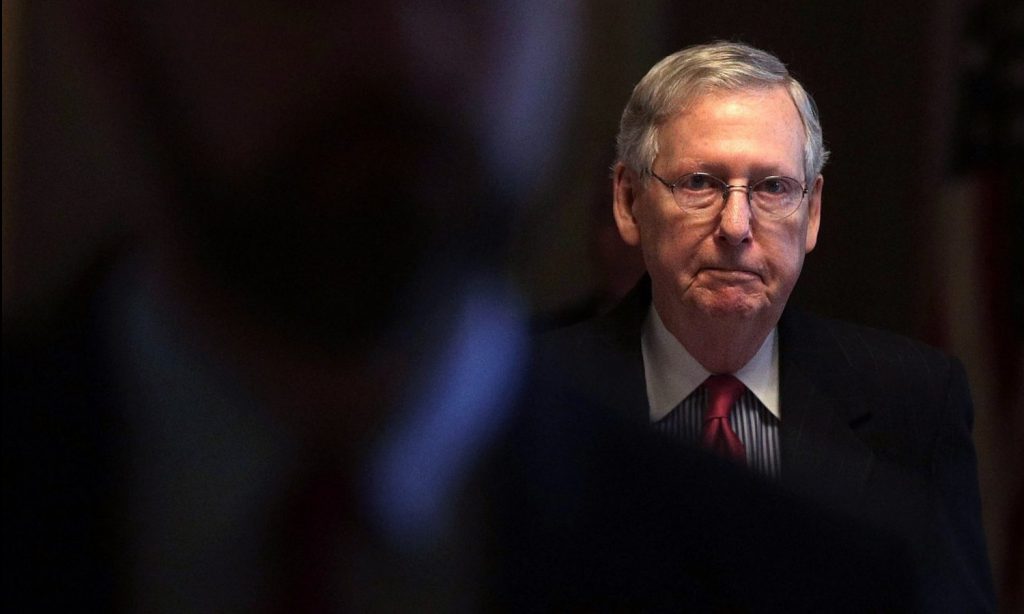
Meanwhile, Congressional Democrats want to push for full steam ahead legalization. Senate Majority Leader Chuck Schumer said last weekend that they would do this with or without Biden. Only, that’s not possible. Congress will need to get President Biden on board with their idea concerning legalization. Otherwise, their efforts are bound to go nowhere. That’s if they can find a way to get a pot bill through Republican roadblocks, the filibuster, and other political shenanigans that Senate minority leader Mitch McConnell is capable of unleashing.

But for the sake of argument, let’s say that Congress manages to approve a comprehensive cannabis reform bill this year that allows a taxed and regulated weed market to come alive nationwide. By all accounts, Biden probably isn’t going to be quick to sign it into law because he’s not yet convinced that legalization is the way to go. Part of his apprehensiveness could be the condition of his son Hunter Biden. 

RELATED: Biden’s Anti-Marijuana Stance Is Perfect For America Right Now

The 51-year-old Biden has been making media appearances lately to promote his new memoir Beautiful Things. The book deals with Hunter’s problems with drugs and alcohol, and the stories are on the dark side. Over the weekend, Biden shared disturbing details with CBS Sunday Morning that would make any parent cringe — especially if you happen to be the leader of the free world.

“I spent more times on my hands and knees picking through rugs smoking anything that even remotely resembled crack cocaine,” he said. “I probably smoked more parmesan cheese than anyone you know. I went one time for 13 days without sleeping and smoking crack and drinking vodka throughout that entire time.”

Is Hunter Biden The Reason President Biden Is Apprehensive About Marijuana Reform?
Photo by Mitchell Layton/Getty Images

Considering what he has been through with Hunter, it’s distinctly possible that President Biden, who has already suffered the loss of one son, Beau, is scared that marijuana might be a gateway drug to the kind of problematic drug behaviors expressed in Hunter’s book.

His aversion to full-blown marijuana legalization could be that he has the best of intentions and doesn’t wish to contribute to the addiction of more Americans. After all, no president wants to be held responsible when millions of Americans start crawling around on the carpet searching for crack and smoking parmesan cheese. That would be a new low for a nation already ravaged by the scourge of opioids and methamphetamine. Therefore, President Biden is presumably a little skittish about legalizing a substance that he’s always believed to be the training wheels to the hard stuff. He’s from the old school, a time when pot was associated with draft dodging hippies and the urban downtrodden.

 RELATED: Chuck Schumer’s Cannabis Reform Plan Is Becoming Clearer

But now, Biden has a soft spot for drug addicts. He said last year that they should be forced to go to rehab, not prison. But legal weed still seems to make him pretty nervous. Perhaps this is why Senator Chuck Schumer wants the president to hear him out on why legalization is the right way to go. “I want to make my arguments to him, as many other advocates will,” Schumer told Politico.

One way or another, federal lawmakers will need to convince Biden that nationwide marijuana legalization probably isn’t going to lead to a country plagued by parmesan cheese smoking crack users. The President needs to be reminded that the legalization of alcohol decades ago is what made the substance safer for the masses to consume socially and contributed to most of the population engaging in responsible use. The same concept can and should be applied to marijuana, which is already legal in this manner in 15 states.

President Biden needs to understand the benefits of the legal path and be put at ease that the only parmesan problem Americans might suffer once marijuana prohibition ends is that we might start consuming more spaghetti.

Why Terpene Profiles May Shape The Future Of Cannabis

There is no doubt that terpenes will play a significant role in shaping the future of cannabis, because it offers all a cannabis product needs to stand out.

Every cannabis user will agree that there is something about marijuana aroma that soothes the mind and body. You’d want to stay around cannabis for a while if it has a pleasant scent, and do you know what you smell every time you use cannabis? It’s terpenes! And here is why terpene profiles may shape the future of the cannabis culture.

The discovery and extensive study of terpenes have been a revelation. The potential buried deep within this intriguing group of compounds is very fascinating! Read on to find out why terpene profile may shape the future of cannabis.

The Top Movers And Shakers In Cannabis
Photo by Eric BVD from Pexels

What are cannabis terpenes?

Cannabis terpenes are secreted in the same gland that produces cannabinoids such as THC and CBD. They are aromatic oils that add color to the cannabis variants and give them distinct flavors such as mint, pine, berry, or citrus.

Through terpenes, cannabis users can differentiate the effects of the different cannabis strains. While some terpenes promote relaxation and stress-stress relief, others may promote focus and acuity.

Terpenes were developed for adaptive purposes as an option to repel predators and encourage flower pollinators. Several factors influence a cannabis plant’s development of terpenes, from the weather to climate, age, fertilizer, maturation, and even soil type.

There are over 100 different terpenes in the cannabis plant, with every strain tending towards a particular terpene type and composition. A cannabis strain like cheese will have a cheese-like smell, and a blueberry strain will smell of berries.

Terpenes are also isolated and extracted for use as oils, fragrances, flavors, and medicines. Terpenes are one of the most functional ingredients for flavor and aromas.

You can find terpenes in many plants: they are primarily associated with cannabis because they are available in cannabis in high concentrations.

Were terpenes always important?

No! In previous years the cannabis flower was the only option for cannabis enthusiasts. Most people would take whatever they could find as there were no terpenes to offer various possibilities through smell and flavor. But, fast forward to modern-day cannabis experience with legal cannabis: there is now an increased interest in terpenes. The differences between terpenes are subtle, but they make the horticultural cannabis process fun. They also offer numerous therapeutic value that will do mankind lots of good.

RELATED: Here’s Why Cannabis Terpenes Are So Very Important

Luckily, in the world we live in today, lots of cannabis analysis laboratories test for terpene content so they can get a better idea of the full makeup of different strains. Terpenes are now take center stage in lots of new scientific and medical research because of their potential synergistic effect on the body.

A Primer On The Science Of Cannabis Terpenes And Cannabinoids
Photo courtesy of Trail Blazin’

The most common type of cannabis terpenes 

As mentioned earlier, there are numerous terpenes in the cannabis plant, so we can’t highlight all of them. However, below is a list of some of the most important terpenes detailing their cannabis strain and therapeutic benefits.

Caryophyllene

Caryophyllene acts as a cannabinoid that activates your endocannabinoid system while providing anti-inflammatory effects for the body. These terpenes are present in the Original Glue and Purple Punch cannabis strain. With a pepper, spicy and woody aroma, its therapeutic value includes treating ulcers and pain.

Limonene

Limonene has a unique strawberry banana flavor. It provides anxiety and stress relief and is mainly found in White Fire OG, Do-Si-Dos, and Wedding cake cannabis strains. This terpene is quite prevalent because it elevates a person’s mood; you will feel relaxed and warm with this variant. Limonene aids relief from pain, anxiety, and inflammation.

Pinene 

Pinene is the most common terpene globally and is excellent for reducing pain caused by inflammation and anxiety. This terpene is present in Critical Mass and Snoop’s Dream cannabis strain. It offers a pine aroma with therapeutic value cutting across the treatment of ulcers, asthma, and anxiety.

Myrcene 

Myrcene is the most common terpene, especially in the commercial cannabis sector. It offers a calming effect and is mainly found in Grandaddy, OG Kush, and Cherry Pie cannabis strains. Myrcene also provides therapeutic value by easing pain, inflammation, and the treatment of insomnia.

Terpinolene 

This terpene has a fruity flavor, and one in ten strains will be terpinolene-dominant. It is a most beloved terpene because it provides an uplifting effect when used. This terpene is mainly found in cannabis strains like Jack Herer, Chernobyl, Haze, and Ghost. Its therapeutic value includes having anti-fungal, anti–cancer, antibacterial and antioxidant properties.

A Cannabis Grower’s Advice On Choosing The Right Strain
Photo by Terrance Barksdale from Pexels

Why terpenes are the future of cannabis 

Many cannabis companies have reported complete change when they added terpenes to their products. The incorporation of terpenes makes the products more appealing to buyers.

This realization explains why an increasing number of CBD brands and vapes add natural terpenes or botanically-extracted ones to their topical vaping oils, beverages, chocolates, etc. By ensuring this addition, the companies improve their flavor, aroma, and the overall physical effect of the products.

Extracting CBD oil is very expensive, especially one that contains a mix of natural cannabis terpenes which gives a pleasant aroma. But there is a cost-effective way of getting it done which entails stripping the terpenes and using them later.

Things get very interesting from here as instead of using cannabis or hemp-extracted terpenes alone. Companies also use identical non-cannabis-derived terpenes instead of supplements to make safer, more consistent, and effective products. Terpenes are also great for edibles and skincare products.

RELATED: The Importance Of Terpenes In Cannabis & Their Powerful Impact On Health

Botanically-derived terpenes are used in some skincare products as there is a new technological process that captures the flower’s essence, and it is used for the products.

With the enormous potentials terpenes hold, the cannabis aroma industry is expected to grow exponentially from 2021-2024. In fact, the terpene sector is projected to become a $1 billion sector.

These cannabis-derived and botanically-derived terpenes will make the reproduction of leading strains easier. With the increase in reproduction, customers will be happy, leading to greater product efficacy, safety, predictability, and quality. Who doesn’t like a good, safe, and sweet-smelling cannabis product? We all do!

Most cannabis users are already keen on going for flavor and aroma since the majority discovered terpenes’ impact. This trend will continue, thus cementing terpenes as the future of cannabis.

Bottom line

People are beginning to say goodbye to flavorless cannabis, and it’s all because of terpenes. Now lots of cannabis users enjoy their weed with a burst of aroma and flavor. There is no doubt that terpene profiles will play a significant role in shaping the future of cannabis, because it offers all a cannabis product needs to stand out.

This article originally appeared on Cannabis.net and has been reposted with permission.
Don't Miss Your Weekly Dose of The Fresh Toast.

Stay informed with exclusive news briefs delivered directly to your inbox every Friday.

We respect your privacy. Unsubscribe anytime.