Thursday, May 7, 2026
Home Blog Page 391

People Are Still Afraid After Taking The COVID-19 Vaccine — Here’s Why

As more people get vaccinated, we can start to see our way back to normal. Here’s why some people who’ve been vaccinated may be having trouble entering this new stage.

After months of vaccine circulation and new studies showing that they might be more effective than expected, this moment might be the most hopeful one in the pandemic. Why are people, especially those who’ve been vaccinated, still afraid?

It’s very difficult to get a full picture of just how traumatic this year has been, from an economic to a social point of view. Staying safe from a pandemic meant gearing up with masks and hand sanitizer in order to face outdoor innumerable outdoor risks, ones that only allowed us to feel safe when at home, with every person you live with following the same guidelines.

How To 'Take Care' Of Yourself When Quarantined With Other People
Photo by Daria Shevtsova via Pexels

“Many of us learned to reduce our risk of getting the virus by avoiding others,” professor of psychiatry and behavioral sciences Jacqueline Gollan told NBC. “We viewed social activities as an unsafe experience. We learned being around others was potentially catastrophic, so we perceived these scenarios with apprehension and vigilance.”

Even after learning that the vaccines are working efficiently and that chances of getting the virus post-inoculation are slim, after a year of living in this mentality, anxiety and fear won’t disappear within days.

RELATED: 5 Things To Avoid Once You Get Your Vaccine Appointment

Guidelines from the government also play a part in people’s fear and insecurity. Public health messaging has been confusing and shady. The Centers for Disease Control and Prevention (CDC) said that vaccinated people should continue to wear masks and maintain social distance in public, while also saying that they shouldn’t self-quarantine after traveling or being exposed to someone with COVID-19. Then they said non-essential travel wasn’t recommended only to, a couple of weeks later, say that it was safe for vaccinated people to travel nationally and internationally. It’s all very confusing.

It’s understandable for the CDC to be wary and to hold back the truth in hopes of keeping those who haven’t been vaccinated safe. Maybe if the CDC had said that vaccinated people are safe and don’t need face masks, these people would stop wearing face masks at all, something that would be unfair for the majority of the population. Still, it seems simpler for the government to be more forthcoming with their policies, selling the vaccine as the solution to the current problem. While it might be likely for those who are vaccinated to catch the virus, the odds are very slim, no matter the amount of variants that are out there.

RELATED: Experiencing COVID-19 Vaccine Side Effects? Here Are Some Foods That Can Help

In order to move forward, it’s important for people to approach this topic at their own pace, desensitizing themselves to this new stage of the pandemic little by little. Find a doctor you trust, someone who can help you break down the COVID-19 guidelines and provide you with a clear picture of your risks. Every case is different, with higher levels of risk according to age, health and personal situations. When it comes to getting back to normal, don’t go inside a crowded movie theater is you’re not ready. The more you socialize and the more gradual you are about it, the higher the odds of you getting the results you’re after.

How New York Cannabis Legalization Prioritizes Equity

As many states are doing, New York fully embraced the concept of social and economic equity by setting a target goal of 50% of licenses issued to social and economic equity applicants.

After years of fits and starts, New York finally legalized adult-use cannabis and expanded its previously restrictive medical cannabis program. As the nation’s third largest economy and fourth most populous state, New York has the opportunity to set the gold standard for state cannabis industries.

New York’s Marijuana Regulation and Taxation Act (“MRTA”) establishes industry governing bodies — the Cannabis Control Board (“CCB”) and the Office of Cannabis Management (“OCM”), creates license types across the commercial cannabis activity spectrum, sets up a social and economic equity plan, and allocates a significant portion of tax revenue from cannabis sales to social and economic equity programs.

Is The Cannabis Industry Racist?
Photo by Roman Didkivskyi/Getty Images

An important political catalyst for the New York legislature’s passage of the MRTA was the expectation that tax revenue generated from cannabis sales will reduce the state’s significant budget deficit and repair of some of the economic damage caused by COVID. Another political objective was correcting social and economic injustices caused by decades of inequitable enforcement of marijuana laws.

Commercially, the MRTA aims to prevent anti-competitive behavior among licensees, creating adult-use licenses for cultivators, processors, cooperatives, distributors, retail dispensaries, microbusinesses, deliveries, cultivation nurseries, and on-site consumption. Industry rules and regulations will be created and implemented by the CCB and OCM, including those related to the number of licenses issued per license type and by geographic area.

Notwithstanding the CCB’s expansive authority to regulate the industry, the MRTA expressly prohibits adult-use vertically integrated operators and generally prevents ownership of multiple licenses. The legislature’s motivation for prohibiting vertical integration is woven into the language of the MRTA: to provide industry newcomers — especially social and economic equity applicants — a better chance to thrive, while also preventing monopolies.

RELATED: Why Social Equity Matters For Cannabis, And What States Are Doing About It

The decision to ban vertical adult-use integration for most license types is a hindrance to large, multi-state operators — especially when New York’s medical cannabis businesses are already vertically integrated. However, prohibiting vertical integration likely will encourage regulatory violations involving hidden ownership of cannabis businesses, which has been an issue in other cannabis-legal states with similar prohibitions.

New York's Gov. Cuomo Wants Legalization In 2021
Photo by Arthur Brognoli from Pexels

A middle ground solution would have been to limit the number of licenses for vertically integrated businesses without banning such operations entirely. Permitting a mix of vertically integrated operators and “single-purpose” licensees maximizes tax revenue while balancing the MRTA’s stated goal of preventing anti-competitive behavior.

As many states are doing, New York fully embraced the concept of social and economic equity under the MRTA, most notably by setting a target goal of 50% of licenses issued to social and economic equity applicants. The definition of such applicants is necessarily inclusive: those most impacted by the “war on drugs,” low-income individuals, individuals with cannabis-related convictions, minority- and women-owned businesses, “distressed farmers,” and disabled veterans.

The MRTA goes beyond just targeting a percentage of allocated social and economic equity licensees by mandating incubator and financial assistance programs to be administered by the OCM and the Urban Development Corporation. Though many cannabis-legal states account for social equity, state regulations tend not to assist social equity applicants with the know-how and financial support necessary to succeed in the cut-throat world of cannabis production and distribution.

RELATED: Women And Minorities Push To Maintain Presence In Cannabis Industry

The CCB and OCM will need to clarify critical components of the MRTA’s provisions benefiting social and economic equity applicants. For example, the MRTA provides that one component of evaluating applicants will be that “the applicant possesses or has the right to sufficient land, buildings, and equipment to properly carry on the activity described in the application or has a plan to do so if qualifying as a social and economic equity applicant.” On its face, including the “plan” alternative creates a needed exception to the requirement that applicants must secure a physical location before submitting their license application.

The MRTA’s retail license requirements prohibit issuing a license “for any premises, unless the applicant shall be the owner thereof, or shall be able to demonstrate possession of the premises within thirty days of final approval of the license through a lease, management agreement, or other agreement giving the applicant control over the premises, in writing, for a term not less than the license period.”

Black Leaders Step Up To Battle Inequity In The Cannabis Industry
Photo by Priscilla Du Preez via Unsplash

For a real estate market as expensive and competitive as New York (particularly New York City), buying or leasing retail space before a license is approved will likely be a difficult requirement for social and economic equity applicants to meet. The CCB should confirm whether the “plan” exception applies to retail social and economic equity license applicants.

Beyond the MRTA’s express provisions, the CCB will be able to use geographically targeted licenses to help the neighborhoods and communities most impacted by the pandemic.

RELATED: Is The Cannabis Industry Racist?

The MRTA empowers the CCB to regulate and oversee New York’s cannabis industry by giving the CCB “sole discretion to limit, or not limit, the number of registrations, licenses and permits of each class to be issued within the state or any political subdivision thereof[.]” Implicit in the MRTA’s mandate is that the CCB create requirements that prioritize economically disadvantaged areas. In the shadow of the COVID pandemic and New York’s significant budget deficit, the CCB should include the neighborhoods and communities most negatively affected by the COVID pandemic in its social and economic equity mandate.

One effective course of action would be to ensure that a sufficient number of licenses (specifically retail dispensary and on-site consumption licenses) are allocated to economically distressed areas. Both residential and commercial areas will be livened by increased foot traffic from locals and tourists, and neighboring businesses will likely see increased patronage.

The MRTA is forecasted to accelerate economic recovery by generating approximately $3.5 billion a year in revenue, while also helping to mitigate social and economic wrongs. New York will soon become a leader in the cannabis industry.

Editor’s Note: This post was originally published on Law360 on April 5, 2021.

Simon Malinowski is an attorney at Harris Bricken. This story was originally published on the Canna Law Blog and reposted with permission.

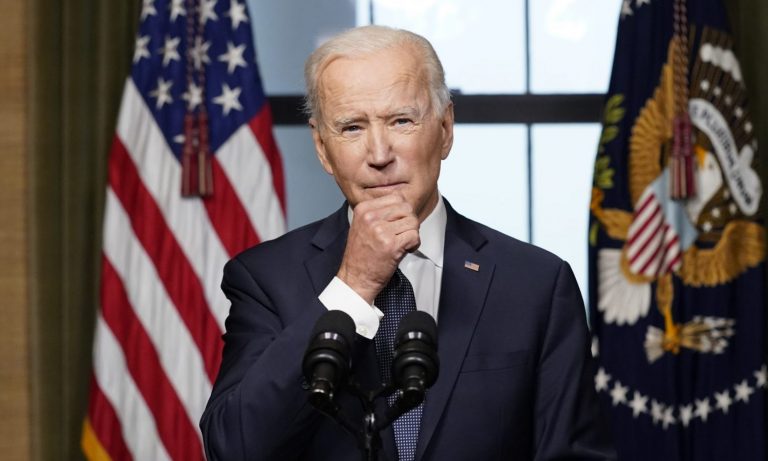
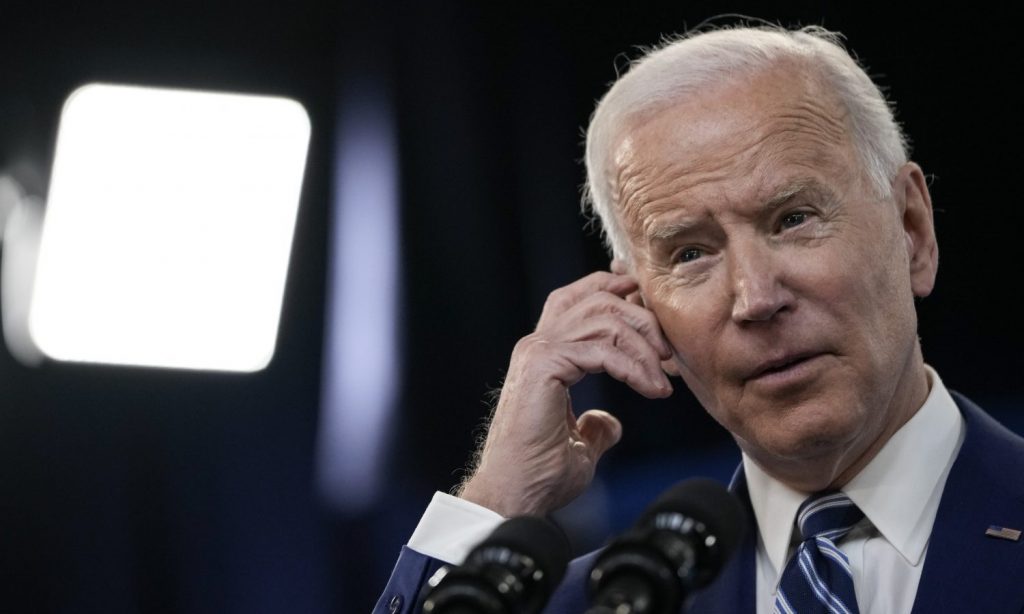
Is Hunter Biden The Reason President Biden Is Apprehensive About Marijuana Reform?

His aversion to full-blown marijuana legalization could be that he has the best of intentions and doesn’t wish to contribute to the addiction of more Americans.

President Joe Biden said during his campaign that he was all about allowing some cannabis reform to take shape nationwide, especially if it meant that otherwise law-abiding citizens didn’t have to go to jail for it. “Nobody should be in jail for smoking marijuana,” Biden said during a town hall last year.

Although he never sided with the concept of fully legalizing marijuana, like a growing number of states are already doing, Biden promised that his administration would get serious about decriminalization and expunging the criminal records of those who’ve been busted for pot crimes. But it’s already April, and he hasn’t lifted a finger on this issue. Vice President Kamala Harris says that’s because Biden’s been so focused on “getting people food, helping them stay in their apartments or in their homes, getting kids back to school, getting shots into arms.”

Meanwhile, Congressional Democrats want to push for full steam ahead legalization. Senate Majority Leader Chuck Schumer said last weekend that they would do this with or without Biden. Only, that’s not possible. Congress will need to get President Biden on board with their idea concerning legalization. Otherwise, their efforts are bound to go nowhere. That’s if they can find a way to get a pot bill through Republican roadblocks, the filibuster, and other political shenanigans that Senate minority leader Mitch McConnell is capable of unleashing.

But for the sake of argument, let’s say that Congress manages to approve a comprehensive cannabis reform bill this year that allows a taxed and regulated weed market to come alive nationwide. By all accounts, Biden probably isn’t going to be quick to sign it into law because he’s not yet convinced that legalization is the way to go. Part of his apprehensiveness could be the condition of his son Hunter Biden. 

RELATED: Biden’s Anti-Marijuana Stance Is Perfect For America Right Now

The 51-year-old Biden has been making media appearances lately to promote his new memoir Beautiful Things. The book deals with Hunter’s problems with drugs and alcohol, and the stories are on the dark side. Over the weekend, Biden shared disturbing details with CBS Sunday Morning that would make any parent cringe — especially if you happen to be the leader of the free world.

“I spent more times on my hands and knees picking through rugs smoking anything that even remotely resembled crack cocaine,” he said. “I probably smoked more parmesan cheese than anyone you know. I went one time for 13 days without sleeping and smoking crack and drinking vodka throughout that entire time.”

Is Hunter Biden The Reason President Biden Is Apprehensive About Marijuana Reform?
Photo by Mitchell Layton/Getty Images

Considering what he has been through with Hunter, it’s distinctly possible that President Biden, who has already suffered the loss of one son, Beau, is scared that marijuana might be a gateway drug to the kind of problematic drug behaviors expressed in Hunter’s book.

His aversion to full-blown marijuana legalization could be that he has the best of intentions and doesn’t wish to contribute to the addiction of more Americans. After all, no president wants to be held responsible when millions of Americans start crawling around on the carpet searching for crack and smoking parmesan cheese. That would be a new low for a nation already ravaged by the scourge of opioids and methamphetamine. Therefore, President Biden is presumably a little skittish about legalizing a substance that he’s always believed to be the training wheels to the hard stuff. He’s from the old school, a time when pot was associated with draft dodging hippies and the urban downtrodden.

 RELATED: Chuck Schumer’s Cannabis Reform Plan Is Becoming Clearer

But now, Biden has a soft spot for drug addicts. He said last year that they should be forced to go to rehab, not prison. But legal weed still seems to make him pretty nervous. Perhaps this is why Senator Chuck Schumer wants the president to hear him out on why legalization is the right way to go. “I want to make my arguments to him, as many other advocates will,” Schumer told Politico.

One way or another, federal lawmakers will need to convince Biden that nationwide marijuana legalization probably isn’t going to lead to a country plagued by parmesan cheese smoking crack users. The President needs to be reminded that the legalization of alcohol decades ago is what made the substance safer for the masses to consume socially and contributed to most of the population engaging in responsible use. The same concept can and should be applied to marijuana, which is already legal in this manner in 15 states.

President Biden needs to understand the benefits of the legal path and be put at ease that the only parmesan problem Americans might suffer once marijuana prohibition ends is that we might start consuming more spaghetti.

Why Terpene Profiles May Shape The Future Of Cannabis

There is no doubt that terpenes will play a significant role in shaping the future of cannabis, because it offers all a cannabis product needs to stand out.

Every cannabis user will agree that there is something about marijuana aroma that soothes the mind and body. You’d want to stay around cannabis for a while if it has a pleasant scent, and do you know what you smell every time you use cannabis? It’s terpenes! And here is why terpene profiles may shape the future of the cannabis culture.

The discovery and extensive study of terpenes have been a revelation. The potential buried deep within this intriguing group of compounds is very fascinating! Read on to find out why terpene profile may shape the future of cannabis.

The Top Movers And Shakers In Cannabis
Photo by Eric BVD from Pexels

What are cannabis terpenes?

Cannabis terpenes are secreted in the same gland that produces cannabinoids such as THC and CBD. They are aromatic oils that add color to the cannabis variants and give them distinct flavors such as mint, pine, berry, or citrus.

Through terpenes, cannabis users can differentiate the effects of the different cannabis strains. While some terpenes promote relaxation and stress-stress relief, others may promote focus and acuity.

Terpenes were developed for adaptive purposes as an option to repel predators and encourage flower pollinators. Several factors influence a cannabis plant’s development of terpenes, from the weather to climate, age, fertilizer, maturation, and even soil type.

There are over 100 different terpenes in the cannabis plant, with every strain tending towards a particular terpene type and composition. A cannabis strain like cheese will have a cheese-like smell, and a blueberry strain will smell of berries.

Terpenes are also isolated and extracted for use as oils, fragrances, flavors, and medicines. Terpenes are one of the most functional ingredients for flavor and aromas.

You can find terpenes in many plants: they are primarily associated with cannabis because they are available in cannabis in high concentrations.

Were terpenes always important?

No! In previous years the cannabis flower was the only option for cannabis enthusiasts. Most people would take whatever they could find as there were no terpenes to offer various possibilities through smell and flavor. But, fast forward to modern-day cannabis experience with legal cannabis: there is now an increased interest in terpenes. The differences between terpenes are subtle, but they make the horticultural cannabis process fun. They also offer numerous therapeutic value that will do mankind lots of good.

RELATED: Here’s Why Cannabis Terpenes Are So Very Important

Luckily, in the world we live in today, lots of cannabis analysis laboratories test for terpene content so they can get a better idea of the full makeup of different strains. Terpenes are now take center stage in lots of new scientific and medical research because of their potential synergistic effect on the body.

A Primer On The Science Of Cannabis Terpenes And Cannabinoids
Photo courtesy of Trail Blazin’

The most common type of cannabis terpenes 

As mentioned earlier, there are numerous terpenes in the cannabis plant, so we can’t highlight all of them. However, below is a list of some of the most important terpenes detailing their cannabis strain and therapeutic benefits.

Caryophyllene

Caryophyllene acts as a cannabinoid that activates your endocannabinoid system while providing anti-inflammatory effects for the body. These terpenes are present in the Original Glue and Purple Punch cannabis strain. With a pepper, spicy and woody aroma, its therapeutic value includes treating ulcers and pain.

Limonene

Limonene has a unique strawberry banana flavor. It provides anxiety and stress relief and is mainly found in White Fire OG, Do-Si-Dos, and Wedding cake cannabis strains. This terpene is quite prevalent because it elevates a person’s mood; you will feel relaxed and warm with this variant. Limonene aids relief from pain, anxiety, and inflammation.

Pinene 

Pinene is the most common terpene globally and is excellent for reducing pain caused by inflammation and anxiety. This terpene is present in Critical Mass and Snoop’s Dream cannabis strain. It offers a pine aroma with therapeutic value cutting across the treatment of ulcers, asthma, and anxiety.

Myrcene 

Myrcene is the most common terpene, especially in the commercial cannabis sector. It offers a calming effect and is mainly found in Grandaddy, OG Kush, and Cherry Pie cannabis strains. Myrcene also provides therapeutic value by easing pain, inflammation, and the treatment of insomnia.

Terpinolene 

This terpene has a fruity flavor, and one in ten strains will be terpinolene-dominant. It is a most beloved terpene because it provides an uplifting effect when used. This terpene is mainly found in cannabis strains like Jack Herer, Chernobyl, Haze, and Ghost. Its therapeutic value includes having anti-fungal, anti–cancer, antibacterial and antioxidant properties.

A Cannabis Grower’s Advice On Choosing The Right Strain
Photo by Terrance Barksdale from Pexels

Why terpenes are the future of cannabis 

Many cannabis companies have reported complete change when they added terpenes to their products. The incorporation of terpenes makes the products more appealing to buyers.

This realization explains why an increasing number of CBD brands and vapes add natural terpenes or botanically-extracted ones to their topical vaping oils, beverages, chocolates, etc. By ensuring this addition, the companies improve their flavor, aroma, and the overall physical effect of the products.

Extracting CBD oil is very expensive, especially one that contains a mix of natural cannabis terpenes which gives a pleasant aroma. But there is a cost-effective way of getting it done which entails stripping the terpenes and using them later.

Things get very interesting from here as instead of using cannabis or hemp-extracted terpenes alone. Companies also use identical non-cannabis-derived terpenes instead of supplements to make safer, more consistent, and effective products. Terpenes are also great for edibles and skincare products.

RELATED: The Importance Of Terpenes In Cannabis & Their Powerful Impact On Health

Botanically-derived terpenes are used in some skincare products as there is a new technological process that captures the flower’s essence, and it is used for the products.

With the enormous potentials terpenes hold, the cannabis aroma industry is expected to grow exponentially from 2021-2024. In fact, the terpene sector is projected to become a $1 billion sector.

These cannabis-derived and botanically-derived terpenes will make the reproduction of leading strains easier. With the increase in reproduction, customers will be happy, leading to greater product efficacy, safety, predictability, and quality. Who doesn’t like a good, safe, and sweet-smelling cannabis product? We all do!

Most cannabis users are already keen on going for flavor and aroma since the majority discovered terpenes’ impact. This trend will continue, thus cementing terpenes as the future of cannabis.

Bottom line

People are beginning to say goodbye to flavorless cannabis, and it’s all because of terpenes. Now lots of cannabis users enjoy their weed with a burst of aroma and flavor. There is no doubt that terpene profiles will play a significant role in shaping the future of cannabis, because it offers all a cannabis product needs to stand out.

This article originally appeared on Cannabis.net and has been reposted with permission.

Washington State Considers Future Of Its Cannabis Industry

If Washington wants to be as competitive as possible, it has to drop the cottage cloak around ownership at some point — and eliminating it for financiers just isn’t enough.

I absolutely loved Washington State when I lived there. I lived in Seattle for seven years and was one of the first attorneys in the state to take on medical cannabis business clients in 2010 and then again with adult use clients in 2012 when I-502 passed. Our law firm is a pioneer in the cannabis space, but particularly in Washington State where our cannabis practice first began many years ago.

I also think Washington has a top notch cannabis program when it comes to its regulations. They are clear and comprehensive, setting up licensees for success as industry understands what it is getting most of the time from the Washington State Liquor and Cannabis Board (“LCB“). Of course, there are ambiguities with Washington’s administrative code and cannabis (like with all states), and there always will be because different licensing analysts will give competing interpretations of the law and rules on everything from label review submissions to analyses of true parties of interest. I certainly don’t agree with every LCB rule on the books, but I respect the heck out of Washington for the cannabis program it created and has maintained over the years.

Legalized Marijuana
Photo by Flickr user Tanya

All of the foregoing is why I was incredibly excited and honored to testify at a Washington State House Commerce and Gaming Committee Legislative Work Session on March 26. You can watch the entire hearing here. I moved to Los Angeles in 2017 and have really focused on California’s cannabis scene for a while now, but I keep up with Washington’s cannabis marketplace and our firm continues to maintain its cannabis practice out of Seattle.

When I was contacted by the Office of Program Research for the House of Representatives to speak at this Work Session, I was intrigued by the topic right off the bat. My experience with Washington is that its market is pretty small (but relatively mighty) and that the state really had no interest in dropping some of its protective barriers to entry (like that pesky six-month residency requirement for ownership) and other red tape that keeps licensees under “tied house” rules. The specific topic here was “Examining the future of the cannabis industry in Washington state,” with an emphasis on how the state can set up its current licensees for the repeal of federal prohibition; and specifically, what can the state do, and what it should consider, to make its licensees competitive for impending national and international marketplaces.

Back in 2016, I did a TedX Talk on Orcas Island regarding whether state legal cannabis was actually creating “Big Marijuana” (that talk now has over 119,000 views).  Washington State is now directly grappling with the issues I touched on in my talk, but in its Washington way, the state is being careful and thoughtful in how it approaches the national stage. I ultimately think the Committee wanted to hear from me because I have deep business and regulatory experiences in multiple cannabis states at this point spanning a decade (particularly in Washington and California, and the two could not be more different).

Some of the sub-issues the Committee examined during this session were industry trends, how to mitigate future monopolies while being business friendly, vertical integration, the residency issue, and social equity (among others). After working in California’s cannabis market, my advice to the Committee during the hearing was to drop the six-month residency requirement. In many ways, that residency requirement is the last barrier that’s keeping out large, legitimate businesses from really entering Washington (aside from your run-of-the mill, convoluted IP licensing agreements or other third party “service” agreements with licensees that very likely violate Washington cannabis laws no matter how you slice them).

If Washington wants to be as competitive as possible, it has to drop the cottage cloak around ownership at some point — and eliminating it for financiers just isn’t enough. I also suggested that Washington follow California with a state-based organic processing and label program as well as an appellations program (given Washington’s strong outdoor cultivation culture and its existing wine industry predominantly east of the Cascades providing the blueprint). And I recommended that the state really study social equity programs across the country (including in Los Angeles) that have had failure as well as success so that the state can really try to set the gold standard in that tough arena.

RELATED: Washington State Bans Flavored Vapor Products

I touched on local control too, specifically regarding not letting big cannabis operators get too big (I also suggested the creation of a distribution license if the state is really worried about verticality.) Washington is a state where the LCB will license an applicant even though that applicant may not have the full blessing of their city or county. While it’s great to secure a state license, that privilege is ultimately meaningless if your city or your county won’t allow you to open your doors (side note: my firm fought the City of Lacey for years over its local medical cannabis bans, and it is incredibly hard to beat local government because of their overwhelmingly strong police powers).

Rules For Marijuana Businesses
Photo by MILKOVÍ via Unsplash

If Washington is truly concerned about multi-state operators or the Altria’s of the world going gang busters within its borders, the state should examine stronger local controls (just ask California and Oregon) where the locals will definitely ensure a tighter grip on 1) who is coming into their communities and 2) how many operators can set up shop (through local approval schemes that will include zoning, competitive licensing contests or lotteries, development agreements, etc.). Some local control already exists in Washington State, but it could stand to improve and/or become more sophisticated.

RELATED: Washington State Liquor And Cannabis Board Addresses COVID-19

I have no doubt that Washington will eventually be a state that can rock the stage in the U.S. cannabis market and beyond; the state is too smart and too experienced in the cannabis industry not to revise the laws and rules that served it well when the Cole Memo was in place under a very different Department of Justice. Washington realizes that if it remains the way it is now, it will only ever be so big and so successful compared to other powerhouse states like California, Florida, New York and Nevada.

Given this robust discussion with the Commerce & Gaming Committee, I get the feeling that major change is on the horizon at some point for the Evergreen State. Hopefully, this will ensure that Washington is among the group of states that drives national trends on cultivation, distribution, product and brand development and cannabis tourism.

Hilary Bricken is a partner at Harris Bricken. This story was originally published on the Canna Law Blog and reposted with permission.

Majority Of Texas Patients Prefer Medical Marijuana Over Prescription Drugs

Results of a new study reveal that 84% of respondents had considered leaving Texas in order to live in a state with more inclusive medical marijuana policies.

A new survey conducted in Texas reveals that 61% of the state’s medical cannabis users turn to the herb as replacement for prescription drugs.

Over 2,900 people participated in the survey by Rice University’s Baker Institute for Public Policy along with NORML, providing answers about their medical cannabis use. Per the study:

“Our recent survey of 2,866 Texas residents who use medical cannabis sought to gain insight into the needs and experiences of this population. The survey was conducted online between August 11, 2020, and October 6, 2020, and recruited participants through medical cannabis patient networks. Twenty-two percent of respondents were military veterans.”

RELATED: Why The US Medical Marijuana Market Probably Wouldn’t Allow Smoking

The majority of medical marijuana patients in Texas said they used cannabis to cope with pain management. Closely behind stood veterans, who used the drug to treat symptoms of PTSD. Notable results include the fact that 39% of respondents believed cannabis has improved their way of life and that 84% of them had considered leaving Texas in order to live in a state with more inclusive medical marijuana policies.

Medical Marijuana Not Always An Affordable Alternative To Prescription Drugs
Photo by Matthew Lloyd/Getty Images

Results like this aren’t new, with several studies looking into cannabis use and the impact it can have on the use of prescription drugs, which are addictive and can tremendously impact people’s lives. In 2019, nearly 50,000 in the states died from opioid-involved overdoses.

RELATED: Why Cannabis Is Better Than Opioids

Cannabis remains illegal in a federal level but as more and more states implement medical marijuana programs, the medical community uncovers more information about the drug, its risks and its therapeutic impact. While it’s unlikely that cannabis will become a straight solution to America’s opioid problem, states with legal medical marijuana programs give their doctors the opportunity to treat common and debilitating conditions with a different alternative.

Why The Cannabis Industry Needs Congress To Pass SAFE Banking Act

If signed into law, it would ensure that financial institutions could take on cannabis business clients without facing federal penalties.

By Lauri Kibby

Discrepancies between federal and state laws discourage banks from serving the highly profitable and legal cannabis industry. U.S. cannabis companies generated more than $17.5 billion of sales in 2020 alone. It will only continue to grow as more legal markets open.

There are 36 states that have legalized cannabis for medical or adult recreational use. But it is not legal at the federal level. Meager guidance from regulators leaves banks dubious about whether they can safely bank cannabis businesses and other companies that provide them with products and services.

dont hold your breath for marijuana banking in 2019
Photo by wildpixel/Getty Images

While federal authorities have said they will not override state cannabis laws, for banks it is very complicated and many fear excessive rules, compliance burdens, missteps and sanctions. This keeps most banks and credit unions from working with the industry. There were 515 banks and 169 credit unions that provided some level of service to cannabis-related businesses by the end of 2020, according to Financial Crimes Enforcement Network. But that is less than an eighth of the nation’s banks and credit unions.

As a result, businesses, workers and communities in several states must deal in piles of cash because of the conflicts between state and federal law. This creates logistical challenges and, for many, threats to safety. Businesses that house large sums of cash are obviously vulnerable to robberies. They also must comply with regulatory requirements to ensure proper reporting of the movement of cash.  We conjecture that many of these requirements leave businesses vulnerable to penalties due to noncompliance.

The lack of clarity also senselessly complicates sales tax collections, costing municipal and state coffers.

Importantly, under current conditions, taxes that are collected from cannabis companies are freely deposited into bank accounts by city, state and federal governments. That smacks of a double standard and highlights the folly of existing policy.

The federal SAFE Banking Act — reintroduced this year to a new Congress — would help to change all of that. It is not a panacea. But if signed into law, it would ensure that financial institutions could take on cannabis business clients without facing federal penalties.

The legislation also incentivizes federal regulators to issue guidance to financial institutions on how best to work with cannabis companies, encouraging transparency and fairness while also providing banks more clarity on rules. Concerns about excess regulatory burden should be eased.

In the U.S. House, more than 100 members have signed on as cosponsors; nearly a third of senators have done so.

RELATED: Cannabis Banking Act Begins…Again

Most banks want formalized federal reform before working directly with cannabis companies. The legislation is backed by bank industry lobbyists, which say the bill would help banks meet community needs, reduce cash-motivated crimes and make tax collection more efficient.

Photo by OlegMalyshev/Getty Images

In a March letter to members of the House, American Bankers Association President Rob Nichols implored lawmakers to step into the fray.

“Our member banks find themselves in a difficult situation due to the conflict between state and federal law, with local communities encouraging them to bank cannabis businesses and federal law prohibiting it,” he wrote. “Congress must act to resolve this conflict.”

As Nichols explained, federal law classifies cannabis as an illegal drug. Absent clarity from regulators or lawmakers in Washington, that means that even when a cannabis company is operating in full compliance with state law, if it attempts to conduct a financial transaction with its earnings – such as making a bank deposit – it could be considered money-laundering. All banks are subject to federal anti-money laundering laws.

RELATED: If Senate Democrats’ Idea Of Cannabis Reform Is SAFE Banking Act, They Should Give Up Now

“And all banks must have access to the federal payment system to operate, which is under the purview of federal authority,” Nichols said. “Thus, banking entities related to the cannabis business can pose significant regulatory sanction risk, loss of access to the payments system, and the potential loss of the bank charter itself. This places banks in an untenable position in dealing with these state-authorized businesses.”

Here's How Much Marijuana Costs Across The Country
Photo by Matthew Henry via Burst

The SAFE Banking Act makes clear that earnings from a legal cannabis business would not be unlawful under federal law, including anti-money laundering rules. The legislation also directs federal banking regulators to issue new guidance that provides clear, consistent direction for banks so that they understand all federal regulatory expectations for working with cannabis-industry customers.

To be sure, this is one step forward. The ultimate goal is for federal lawmakers to recognize what the majority of their constituents want – legal, safe access to cannabis. Until then, the SAFE Banking Act provides an important bridge to the inevitable future of nationally legal cannabis.

Lauri Kibby is co-founder and chief financial officer of Kings Garden, California’s preeminent cannabis cultivation, processing, distribution and manufacturing company. 

This article originally appeared on Benzinga and has been reposted with permission.

Rhode Island Cannabis Workers Go Union

The Rhode Island cannabis industry is projected to generate $1.7 million in tax revenue in the 2022 fiscal year, and is set to bring in $16.9 million in 2023 tax revenue.

Rhode Island cannabis workers voted to become unionized and joined the United Food and Commercial Workers (UFCW) Local Union 328 (UFCW), which represents 11,000 Rhode Island and Massachusetts workers. The employees at Greenleaf Compassionate Care Center in Portsmouth became the first Rhode Island cannabis dispensary workers to unionize. Rhode Island is only legal for medical cannabis at this time.

Greenleaf Cannabis Workers in Portsmouth released a joint statement saying, “We hope that through demonstrating our continued commitment to one another in organizing as workers that we can create some form of lasting change within Greenleaf that allows for better job security and more space for us to actually be heard. We are proud to become a part of the larger momentum being seen by workers to unionize that is taking place within the cannabis industry.”

Photo by FatCamera/Getty Images

The newly unionized Rhode Island Greenleaf cannabis workers include budtenders, keyholders, online team members, and delivery associates. The union said in a statement that despite the company’s attempts to fight unionization, like hiring out-of-state anti-union consultants, the workers at Greenleaf still voted to form a union. The group cited several reasons why they decided to vote in favor of becoming a union.

Some of the reasons are as follows:

  • Greenleaf’s sudden elimination of the employee incentive program

  • Significant reduction of employee benefits

  • Employee’s lack of power in decision-making

  • Management’s failure to listen to employee concerns brought to ownership

  • The goal of equitable future in rapidly growing Rhode Island cannabis industry

The Rhode Island cannabis industry is projected to generate $1.7 million in tax revenue in the 2022 fiscal year, and is set to bring in $16.9 million in 2023 tax revenue.

UFCW Local 328 Director of Organizing, Sam Marvin: “We are so proud of the incredible team at Greenleaf for sticking together. Each day, they provide value to their patients and our communities. We look forward to partnering with them towards building the better future they all have earned.”

RELATED: Labor Day Highlights Cannabis Union Controversy

Reclaim RI released the following statement: “Reclaim RI believes that worker justice should be at the center of the legalization process. Workers’ rights to organize and bargain collectively are key elements of that vision. We support the Greenleaf workers in their organizing efforts and urge them to vote yes for union representation and a voice at work!”

Greenleaf has now become the second unionized cannabis business in Rhode Island and the first compassion center. UFCW Local 328 currently represents cultivation workers at Ocean State Cultivation Center in Warwick, Rhode Island, who unanimously ratified their first union contract in October 2020. As Rhode Island is set to move forward with expanding the medical marijuana program with six new compassion centers and looks further at legalizing adult recreational use, the efforts of Greenleaf workers and UFCW Local 328 should serve as an example of how to guarantee equity and opportunity for workers in this field.

This article originally appeared on Green Market Report and has been reposted with permission.

Experiencing COVID-19 Vaccine Side Effects? Here Are Some Foods That Can Help

Pre- or post-shot, if you want to feel as good as you can, lean on Mother Nature to help you get through any side-effects you may experience.

We’re all looking forward to our COVID-19 shots, even those who are squeamish about the possible side effects. Like most shots, the COVID-19 vaccine side effects include headaches, pain at the injection site, and in some cases, low fever. These aren’t all that common, but it’s important to know that feeling a little off is normal and is your body’s response to all that’s going on inside of it; it’s basically a sign that your body is building up its defense.

Vaccine side effects can be dealt with by resting and taking over the counter medicine to treat your symptoms. But, if you want to go the extra mile and help your body fight off these contaminants in a more organic way, you can also use food.

What you can eat ahead of the vaccine

mornings foods
Photo by Brooke Lark via Unsplash

RELATED: 5 Things To Avoid Once You Get Your Vaccine Appointment

To prepare yourself for the vaccine, it might help if you stick to a more plant-based style diet in advance. While these types of foods (whole grains, fruits, vegetables, beans, herbs, spices, nuts) have anti-inflammatory properties, you’ll need a couple of weeks to get the effects to kick in. As much as possible, you want to avoid refined foods and animal products, which are harder on your digestive system and create inflammation in the body.

What you can eat while experiencing symptoms

Ladles
Photo via Pixabay

The most important thing you should do is to hydrate consistently throughout your whole vaccination process. Water, tea or sparkling water can help you keep fluids in your body and avoid dehydration, which can occur when facing a stressful event like a vaccine. When experiencing symptoms like nausea, ginger teas are very helpful at fixing all sorts of gastrointestinal issues.

RELATED: Getting The Vaccine After Having COVID-19? Here’s What You Should Know

A go-to meal for any cold like symptoms is obviously soup, which usually contain healthy veggies that are easy to digest. Lastly, don’t forget to rest and listen to your body. If it’s asking for Netflix and sleep, give it Netflix and sleep.

8 Popular Ways People Are Using Cannabis In 2021

0

Try these options and see what works best for you. If still unsatisfied, it may be time to explore even more ways of using cannabis.

With more states and countries embracing the use of cannabis for medicinal and recreational purposes, experts are continuously exploring new ways to get the most of this revered herb. So far, there are dozens of ways you can use cannabis. The method you choose determines how fast the THC gets into your bloodstream and stimulates you.

So, don’t confine yourself to only one method of using cannabis. It may get boring with time. For 2021, get a bit adventurous and try these other popular methods:

Tinctures

National CBD Day Is Saturday
Photo by Thanit Weerawan/Getty Images

These are oil or alcohol-based CBD products. You can spray or place a few drops of CBD oil under your tongue. For better results, hold the oil under your tongue for two or more minutes. The area under your tongue has numerous capillaries that help with the absorption of CBD oils into the bloodstream.

Swish the rest of the oil around your mouth for further absorption into the gums and cheek tissues. Swallow the remaining oil into your gut.

This is an excellent option of benefitting from cannabis if you’re not a smoker. It also allows you to use cannabis without outrightly announcing it to those people around you who disapprove of the use of cannabis.

Bongs

How To Smoke Marijuana Without Rolling A Joint
Photo by Grav via Unsplash

Although directly smoking cannabis is the fastest way to feeling high, people are now shying away from the habit due to concerns of carcinogenic substances getting into their lungs. Direct smoking of cannabis may also feel harsh to some individuals. A great workaround for this is using a bong to filter the cannabis smoke before inhaling it.

You need to partially fill the bong with water, which acts as the purifying agent. There are quite many different brands and types of bongs. It may at times feel overwhelming to choose and settle on one. You may want to check out a comprehensive guide on what bong to buy, like the one provided by Daily High Club.

Capsules

Finding The Best CBD Capsules & Soft Gels For Your Needs
Photo by Elsa Olofsson via Unsplash

If you’re into CBD oils but don’t like how it tastes, then ingesting cannabis capsules may be the best option for you. Like medicinal capsules, these have two cup-like ends made of cellulose and fitted into each other in such a manner that makes it easy to split once in your gut. The contents thereafter empty into your gut and get absorbed slowly into your bloodstream.

RELATED: Finding The Best CBD Capsules & Soft Gels For Your Needs

You can also fill the capsules with decarbed cannabis instead of oil. But note that you’ll get less THC per pill. CBD oils have a higher concentrated dose than equal amounts of decarbed cannabis.

Edibles

How To Get Edibles To Affect You Faster
Photo by Tree of Life Seeds via Pexels

You have the option of mixing cannabis into foods or drinks. An excellent place to start is any food that requires butter as an ingredient. Simply add decarbed cannabis to a mixture of water and butter and heat for about four hours on a pan. Cool the butter back to room temperature. You can then prepare food with the weed butter as you would with regular butter.

Cannabis has also been successfully mixed into candy, chewing gum, tea, brownies, gummies, chocolate bars, ice cream, cookies, lollipops, and suchlike. Try one or two of these and see how it goes.

RELATED: What To Do If Your Marijuana Edibles Aren’t Getting You High

You’ll probably notice that it takes a bit longer to feel high, but the feeling lasts longer compared to smoking cannabis. This is because any food you eat is first absorbed through the small intestines and then passes through the liver for detoxification before distribution to the rest of the body. Thus, THC takes long before it is absorbed into your bloodstream.

Topical Oils and Creams

Here's What You Should Know About CBD Topicals
Photo by vadimguzhva/Getty Images

Topical oils are a great option if your use of marijuana is purely medical. All you need to do is rub the oils onto the affected part of the skin. This may help reduce muscle pain and soreness. You’ll not feel high by using cannabis in this way.

RELATED: 8 Things To Know Before Using Cannabis Topicals

This method of pain relief is increasingly being adopted by many people across the world in lieu of over-the-counter painkillers. Applying pain relievers on the skin saves you from the potential side effects of oral medication.

Cannabis Bath Soaks

how to come down from a marijuana high quickly bath
Photo by Roberto Nickson via Unsplash

This is yet another way to get cannabis health benefits without the usual psychoactive effects. You can go for store-bought cannabis salts or prepare some on your own. Add the prepared bath salt to a tub filled with warm water. The more salt you add, the better the therapeutic feeling. Soak in the solution for not less than 10 minutes, making sure to breathe in the hot steam. Your sore and painful muscles may soon feel relieved.

Vape Pens

Young Adults Who Vape Are More Likely To Have Coughs And Bronchitis
Photo by Itay Kabalo via Unsplash

More and more smokers are switching to vaping because of valid reasons like:

  • Vape has less dangerous chemicals than the actual smoke because vape pens heat the cannabis without combustion
  • Vaping is not as injurious to health as smoking
  • It’s less addictive than smoking
  • It allows the addition of a wide range of flavor to cannabis
  • It’s less dangerous than smoking to second-hand smokers

RELATED: How To Spot A Fake Vape Cartridge Before You Buy It

The relatively lower heat of vape pens facilitates the activation of cannabis. This helps you benefit even more as TCH is converted from its usual acidic form and made available to your body’s cannabinoid receptors.

Smoking

Why The US Medical Marijuana Market Probably Wouldn’t Allow Smoking
Photo by Thought Catalog via Unsplash

You can smoke cannabis in a number of ways. Perhaps the most popular method of smoking cannabis is rolling it into tobacco papers and smoking it like tobacco. You can also hollow out a cigar and replace the tobacco with cannabis. This is called a blunt.

RELATED: Should You Be Vaping Or Smoking Your Cannabis Flower?

You only need one or two inhalations to start feeling high. Consider waiting for about 15 minutes before the next round of inhalation, especially if you’re a first-time smoker. Depending on your body’s makeup, the onset of the good feeling may take a couple of minutes or even two hours. That tells you to wait for your body to naturally respond before you consume too much of the substance at once.

You should never fall short of exciting options in your use of cannabis. The list above highlights only eight ways people are using cannabis. This is not exhaustive, but it may serve as a good starting point. Try these options and see what works best for you. If still unsatisfied, it may be time to explore even more ways of using cannabis.

This article originally appeared on Cannabis.net and has been reposted with permission.

Don't Miss Your Weekly Dose of The Fresh Toast.

Stay informed with exclusive news briefs delivered directly to your inbox every Friday.

We respect your privacy. Unsubscribe anytime.