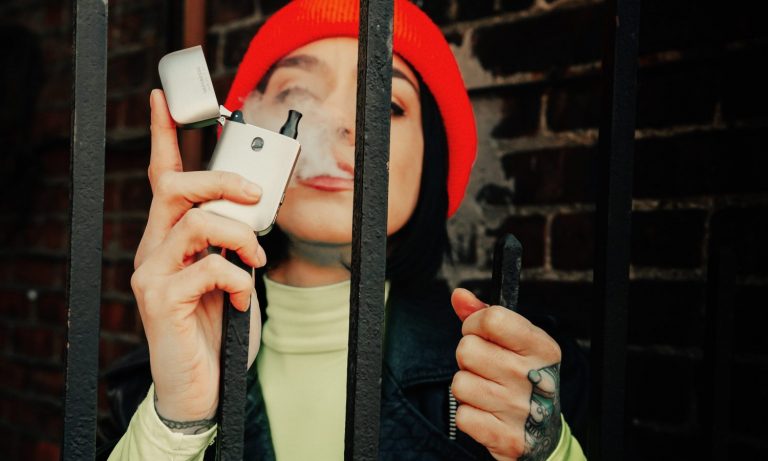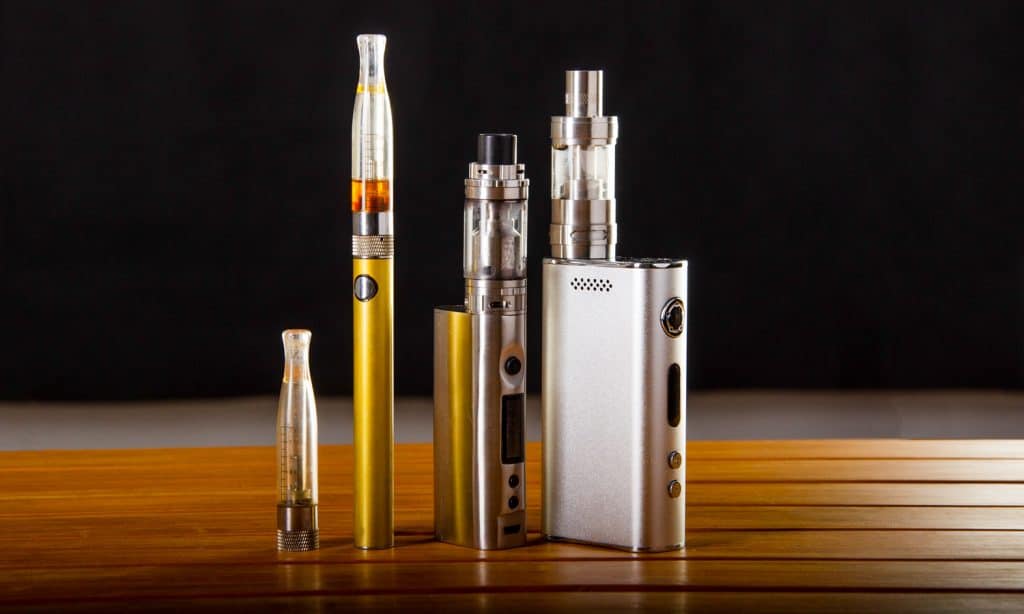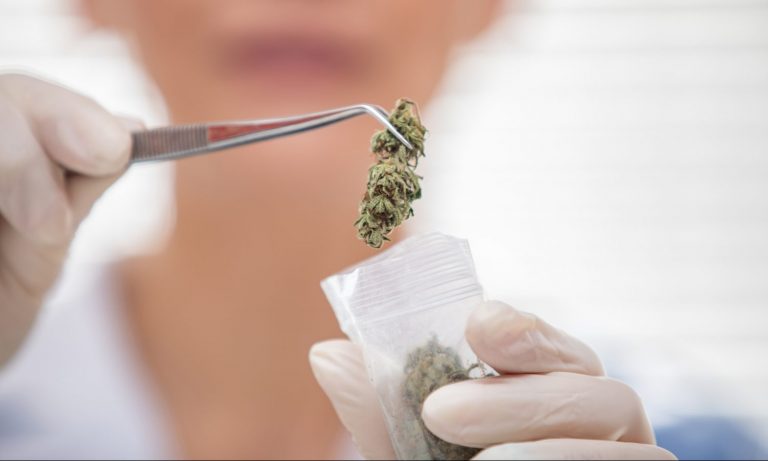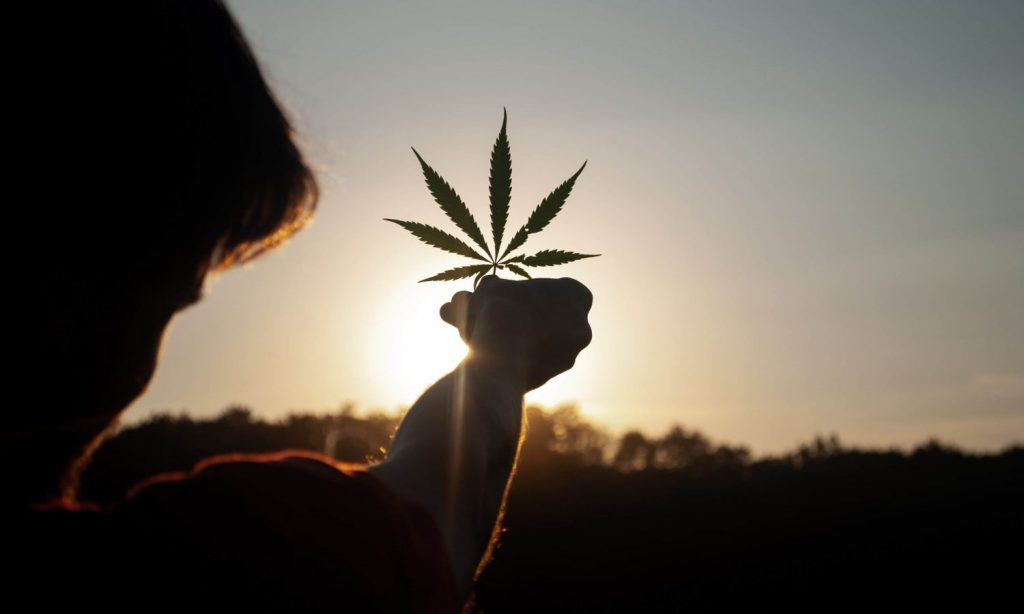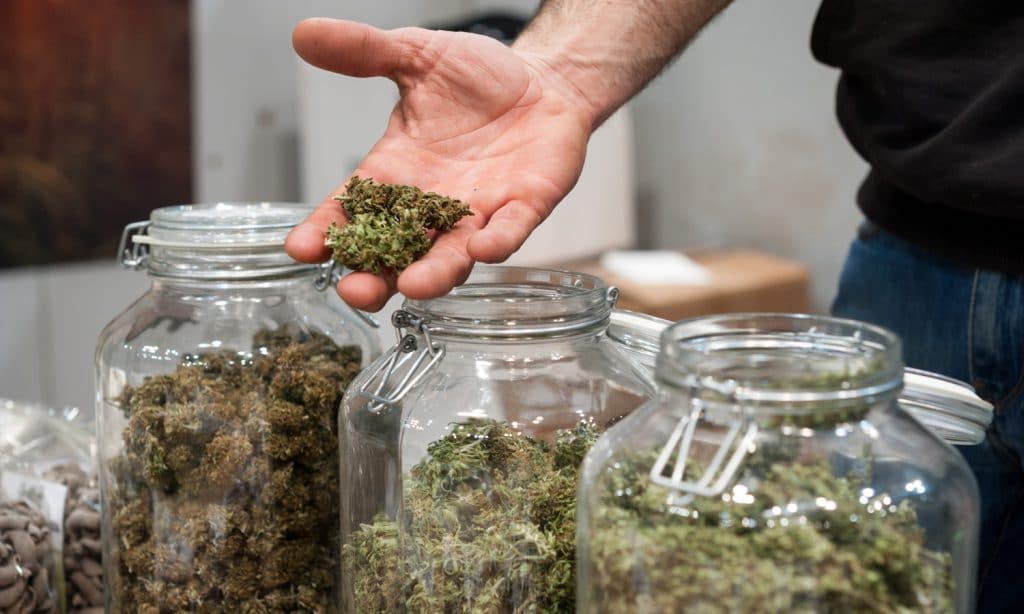
Unfortunately, marijuana use can still disqualify you from getting hired, even in states with fully legal weed.
The embrace of marijuana reform and using CBD in wellness spaces could cause someone to think the stigma surrounding cannabis has disappeared. While it may be true from a cultural perspective—more than two out of every three Americans support cannabis legalization—you may want to reconsider if you’re looking for a job.
According to data from Simply Hired, more than 40% of hiring managers at mid-size companies and more than 51% at large companies say they still test for marijuana in the job application process. The anonymous survey, which included hiring managers at more than 700 companies, gives valuable insight into how companies truly view employees using cannabis. The majority of hiring managers said a job applicant would be immediately disqualify after testing positive for marijuana.
Legality of marijuana in the state also has little impact in determining cannabis policies at companies. Even in fully legal states, the majority of business maintain a marijuana policy for employees. According to the survey, this appears as an act of companies covering their own tail. While 75.4% of hiring managers say an employee would be fired for smoking weed at work, 68.4% also felt employee marijuana use was fine so long as companies didn’t know about it. Think of it as a don’t ask, don’t smoke on company property policy of sorts.
Photo by Matthew Henry via Burst
Working at a smaller company appears to allow more of an open mind to cannabis. Among businesses with less than 100 employees, 43.5% of hiring managers say they never test for marijuana use. Smaller companies are also less likely to automatically disqualify a job applicant after a positive marijuana test, the survey found.
Job seekers in California don’t have it any easier, at least when it comes to state government positions. In 2015, a year prior to legalization, 503 applicants for state correctional officer jobs were disqualified due to positive marijuana tests. In 2018, the figure doubled to 1,053 disqualified candidates, according to The Los Angeles Times.
“I do not think [a ban on cannabis use] is fair, or necessary to have a safe workplace,” Ellen Komp of California NORML told the Times. “Our position is people can legally and responsibly use marijuana off the job, as long as they don’t show up to work impaired or use it on the job.”
But hiring managers can’t agree if marijuana users will or won’t show up to their jobs high. According to Simply Hired’s survey, 42% of hiring managers agree marijuana users are more likely to come to work under the influence. The majority of managers, however, disagreed cannabis users can’t be trusted to do their jobs.
The pandemic has affected the way we shop, especially when it comes to stocking up on non-perishable items.
When the pandemic hit, the majority of us took to panic buying. There were shortages of packaged goods and canned foods, not to mention toilet paper and hand sanitizer. One interesting trend is the boost in cereal sales, a market that had been experiencing a steady drop since 2018.
In 2020, cereals experienced a 9% increase in sales. It makes sense then that when people were stuck at home, they’d pay special attention to products that would be able to survive for long periods of time on their shelves, preferring these over fresh products that could be eaten on the go.
Photo by Binyamin Mellish via Pexels
CNN spoke with people who worked in the cereal industry and reported that nostalgia-inducing cereals were a favorite throughout the pandemic. Healthy cereals, which appeared to be struggling before the pandemic, also experienced an unexpected boost.
“Up until the pandemic hit, the kids brands had been still doing relatively well,” said Tom Dixon, chief growth officer for Post Consumer Brands. “The more adult-focused brands were kind of just hanging on by a thread. And the fact that they dramatically jumped during the pandemic, that was a little bit surprising. We weren’t expecting that.”
Experts believe these sales of healthier kinds of cereals might be due to the fact that millennials are now spending more time at home, and might be trying these brands and types of cereals for the first time. While it’s expected to indulge in you favorite childhood cereals during the first months of the pandemic, after a full year of sameness, it helps to pay some attention to your health.
Now that there’s a vaccine in circulation, many cereal businesses are wondering how to keep these sales up once the pandemic is over. While cereals are convenient, they’re not the most practical of products to eat on the go. To address this, there have been talks of packaging cereal like bite size snacks that can be eaten straight from the package.
Neurobehavioral problems and overall changes vary from person to person, and are likely to arise at the acute stage of a brain injury.
Have you ever thought your friend’s or partner’s outfit was unflattering, but rather than expressing your opinion, you kept it to yourself? If so, your inhibition did its job by preventing you from sharing your real thoughts due to an important filter. Unfortunately, when it comes to brain injuries, especially traumatic brain injuries (TBI), individuals with disinhibition (the loss of inhibition) caused by this type of injury wouldn’t have that type of filter.
Following a TBI, stroke, or other brain injury, neurological damage can occur, and it can result in various cognitive, physical, and neurobehavioral changes, which vary based on a patient’s specific brain injury and state of neurological health. Oftentimes, personality and behavioral changes occur following brain trauma, and it’s not uncommon for one’s inhibition to no longer exist.
The National Institutes of Health (NIH) describes neurobehavioral disinhibition as “a singular multiproblem dimension involving lack of behavior control and poor emotional modulation that has features of disruptive behavior disorders, affective and anxiety disorders, cognitive impairment, and poor self-control.”
In addition, neurobehavioral problems and overall changes vary from person to person, and are likely to arise at the acute stage of a brain injury. The most prevalent neurobehavioral problems include extreme moods and mood swings, anger and rage, agitation and irritability, frustration, and even inappropriate vocalizations such as swearing or yelling.
For years, behavior analysts have studied, analyzed, and directly observed different interactions and neurobehavioral changes following brain injuries. Studies like this one HERE are providing more educational content about neurobehavioral disinhibition and why it can impact a person’s ability to function and carry out everyday tasks.
Neurobehavioral Disinhibition & Substance Use Disorders
Due to the common occurrence of neurobehavioral disinhibition following brain trauma, a 2003 study findings published in The American Journal of Psychiatry states that neurobehavioral disinhibition might be an indicator of developing substance use disorders. This study’s results and other evidence suggests that neurobehavioral disinhibition is a component of the liability of the early age onset of substance use disorders (SUD).
On a similar note, researchers behind a 2004 study exploring neurobehavioral disinhibition and the development of substance use among adolescents found that:
Photo by TheDigitalArtist via Pixabay
“Inaccurate social cognition, significantly predicted by childhood neurobehavioral disinhibition, biases development toward marijuana use prodromal to SUD. These results indicate that cognitive processes, in conjunction with psychological self-regulation, comprise important components of the individual liability to SUD (substance use disorder).”
A major goal for researchers and medical institutions is learning more about neurobehavioral changes and the loss of inhibition as a result of different brain injuries. Clinical trials like this one HERE are being conducted by numerous specialists and researchers to further understand the role neurobehavioral problems and disinhibition plays in substance use, abuse, and addiction in conjunction with existing research.
According to the Centers for Disease Control and Prevention (CDC), 2.87 million cases of TBI occurred in the U.S. in 2014, and roughly 13.5 million Americans struggle with a disability as a result of a brain injury. If you or someone you know experiences a brain injury followed by neurobehavioral changes and/or the loss of inhibition, it’s recommended to schedule a doctor’s appointment to discuss different treatment options and appropriate care.
As the 2018 Farm Bill made it legal for hemp production, the use of hemp in medicine, food, and other sectors will only continue to grow.
Did you know that hemp is considered one of the most nutritionally balanced superfoods in the world? To a skeptic mind, it might sound like a marketing gimmick for hemp products, but this doesn’t change the fact. Hemp seed has rich nutritional content with iron, amino acids, the right balance of omega 3 and 6 fatty acids, and vitamins that provide holistic health benefits. It is truly an amazing plant, here are 8 things you must know about hemp.
You might be wondering if hemp is so rich in nutrients and good for health, why is there so much controversy surrounding it? If its use is legal, why does it still gets a raised eyebrow even from medical professionals every time they come across hemp products?
The Anatomy of Hemp
Hemp is a plant that belongs to the cannabis species. While this fast-growing deciduous plant has various uses, it is mostly used for medicinal reasons.
The fats, protein, and other nutrients of the plant promote various health benefits. For instance, omega fatty acids found in the plant help to reduce pain and inflammation. Hemp is also antioxidant-rich, making it useful in various neurological conditions.
What’s It’s Association With Marijuana?
Hemp has always been confused with marijuana. While hemp, marijuana, and cannabis all have the same origin, they are still different.
Cannabis has two different variations, one gets us high, and the other doesn’t. The key difference between marijuana and hemp is the ratio of tetrahydrocannabinol (THC), if you know about CBD Facts you should be familiar with the chemical and its effect. It is a substance that can have psychedelic effects on our minds and consciousness.
The cannabis containing zero to less than 0.3% of THC in their structure is considered hemp. While Hemp is mostly produced for various medicinal and industrial use, marijuana is produced for recreational purposes.
In the USA, the use of recreational marijuana was banned, hemp was also banned, because of their shared similarity and origin. For years, hemp has received the same notoriety as marijuana regarding its use.
Photo by BATCH by Wisconsin Hemp Scientific via Unsplash
What Are the Health Benefits of Hemp?
The nutritional profile of hemp contributes to its various health benefits. While studies related to health benefits are still in progress there are some known health benefits of hemp plants, these benefits are
Hemp Can Boost Heart Health
The healthy fatty acid omega 3 and 6 in hemp, helps lower cholesterol, blood pressure and boosts heart health. The amino acids in hemp can help in dilating arteries and other blood vessels connected to the heart. This ultimately lowers the risk of heart attack and many other heart conditions.
It Can Improve Your Brain Health
The CBD compound in hemp helps in neuroprotective and anti-inflammatory effects in our brain. These properties are known to help with the symptoms of different neurological disorders such as Alzheimer’s, Parkinson’s disease, seizure, multiple sclerosis, and neuropathic pain.
It Can Help With Inflammation
The hemp plant is rich in omega fatty acids and antioxidants that contribute to its anti-inflammatory properties. Reduced inflammation may help with type 2 diabetes, arthritis, heart disease, metabolic disorder, and liver disease.
Photo by KarpenkovDenis/Getty Images
What Is It Used For?
Each part of the hemp plant is multifaceted. From the textile to food industry, every sector can reap from its versatile uses.
Fiber
Hemp is considered the strongest organic fiber in the world. Besides, hemp fiber has been the oldest known fiber in human civilization. This fiber is traditionally used in both the textile and paper industry. Sturdy ropes, denim, shoes, carpeting, canvas, diaper, and even fine clothing can be produced by using hemp fiber.
Food
As you know hemp seeds are highly nutritious and the food industry ensured their optimum use. The nutty hemp seeds can be used as ground-up powder and can be eaten raw. The oil produced from hemp seeds also has nutritional value. Even the leaves can be used in the salad to provide some much-needed protein, vitamins, and nutrients.
Medicinal use of CBD
CBD or cannabidiol is probably the most widely used variation of hemp products. It can be used by vaping, as oil, or even as honey sticks. It has many medicinal properties like pain reliever or anxiety suppressant.
Construction Material
Hemp fiber is one of the strongest fibers in the world and that makes it a suitable building material. Hemp-made composite hempcrete is such a construction material that is quickly gaining recognition.
While hempcrete can not be used as a load-bearing material as its load-bearing capacity is only one-twentieth of the concrete, it still has a special use in construction. The elasticity of hemp makes it perfect for lateral load-bearing, a hempcrete-made wall won’t crack even after an earthquake.
Photo by David Trood/Getty Images
Does Hemp Get You High?
While you can get some calming effect from hemp, it can’t get you high as the THC content in hemp is less than .3%, which is not enough to create a psychedelic effect. Even if you smoke tons of hemp and try to create some euphoric high, you won’t get it; chances are, you will only end up with a migraine.
Are There Any Side Effects?
Hemp taken as food has little to no side effects. However, you might still be allergic to hemp seeds just like any other seeds and that can give you some unpleasant reaction. Besides, hemp proteins are known for lowering blood pressure and in some cases, it might reduce the blood pressure to a point causing health complications.
How Should You Use It?
To make the best of hemp, use it as food or oil. It can also be used as a topical massaging element. But smoking hemp is not recommended as it might alter its potential.
The Bottom Line
As the 2018 Farm Bill made it legal for hemp production, the use of hemp in medicine, food, and other sectors will only continue to grow in the future. While the myriad health potentials might spark your interested in hemp, the scientific studies regarding those potentials are still in their early stage. However, if you are intrigued to try any type of hemp product, make sure you get it from a trusted source and use it per the recommended dose.
With millions of users posting content, TikTok is one of the most popular apps when it comes to mental health. Here’s why that might not be a good thing.
TikTok is an incredibly popular app. What started as a service for making funny videos and dance challenges quickly morphed into a space where people could discuss all sorts of topics, among them, mental health. Whether they’re relaying personal stories about depression and OCD, or providing advice to their many followers, many TikTok users have earned thousands of followers for their helpful content. Even doctors and health experts have developed a TikTok presence, providing important information in small, digestible clips. But TikTOk is filled with mental health advice, be careful, it can’t all be trusted.
When there’s so much discussion going on about mental health, it’s challenging to differentiate the good from the bad. It’s also inevitable that some of these content makers end up giving some form of loose therapy to their followers without having the necessary training. The format of TikTok doesn’t help this problem, limiting the amount of characters per post and limiting videos to 60 seconds.
Photo by Solen Feyissa via Unsplash
One of the problems with TikTok is the vast amount of users it has. Unless a doctor is wearing scrubs, there’s no easy way to differentiate them from other users who may not have the necessary skill set to address complex mental health issues. Users can state their personal symptoms as facts, with millions of viewers believing whatever it is they’re watching.
In an interview with Mashable, Dr. Inna Kanevsky said that TikTok creators tend to refer to science and studies broadly, repeating claims that sound alluring but that might not have the necessary research and support to be stated clearly. Kanevsky has grown popular on TikTok by creating videos debunking the content that’s provided by other TikTokers.
“They basically propagate their point of view that is not empirically backed, that is essentially pseudoscience…It’s not necessarily the best treatment or the best people to listen to. But they are popular and positive and attractive. And that may prevent people from seeking actual help,” she said.
Thea Gallagher PsyD spoke to Psycom about a video featuring a woman discussing her experiences with OCD.
“I think she did a good job of showing how laborious some of these rituals can be,” said Gallagher. “If somebody watches this and says, ‘Oh my gosh, this is a real problem that I can seek help for, that other people struggle with this too’, it can help normalize the condition.”
But according to Kanevsky, there’s a caveat: “I don’t want people to watch this video and assume that’s how every OCD person is, or that this is how it’s going to be forever. I want people to know that these are treatable problems and there are a lot of effective evidence-based treatments out there for OCD, anxiety, and depression.”
Mental health is an expensive and complicated field, requiring professionals to study for years before they’re able to provide advice to clients. While mental health should be accessible for every person that needs it, the existence of TikTok coping mechanisms and pseudoscience might discourage people from getting the help that they need and might encourage them to believe these things and spread them out.
While it’s amazing that people now have a place where they can express themselves openly and find content that makes them feel seen, it’s important to find some sort of filter. TikTok users, especially those who are looking for mental health content, should be careful about the information they consume. TikTok makes it easy to spread misinformation, so it’s up to the viewer to do their research in order to find content that’s based in facts and that they can enjoy.
Podcasts are a resource for so many things in life. Here are some of the best when it comes to financial advice.
Podcasts cover almost every topic imaginable, from romance to true crime. They’re meant to be consumed on the go or while we’re occupied with mundane tasks, allowing our brains to drift off in another, more interesting direction. A thriving topic for podcasts right now is finance, since the majority of us need a little help in that area.
While there are hundreds of podcasts designed to help you start your own business, what about those that are designed to help you manage your money our improve your relationship with it? Luckily, there’s a ton of those too. Here are 5 of the best podcasts when it comes to providing financial advice:
Millennials’ finances have been heavily discussed by everyone, and not always with the best intentions. Do we really care how many avocados young people are buying? Come on, guys.
Despite the name, Millennial Money is a podcast for all ages, lead by Shannah Compton Game, a certified financial planner and entrepreneur. Her podcasts try to help you develop a more positive relationship with your money, discussing the many different issues that your finances influence.
Popcorn Finance is a great concept. Hosted by financial analyst Chris Browning, the podcast breaks down every day money questions, like taxes, credit scores and loans, in segments of approximately 10 minutes.
NPR’s Planet Money tries to make the economy a fun and accessible topic. Surprisingly, it succeeds at its mission, putting together an entertaining podcast that’s creative and fun and that discusses the many things that affect the economy. It has won Peabody and Edward R. Murrow awards and is hosted by a rotating roster.
Unlike the rest of the entries on this list, Million Bazillion is a money program for kids, which sounds off, but kind of makes sense. Million Bazillion approaches all topics with an open and curious approach
Hosted by Jamila Souffrant, Journey To Launch started off as a blog about Souffrant’s transition into financial independence, which later morphed into a podcast and a profitable business. Souffrant covers a wide range of issues, discussing personal stories of debt, success, and more.
Democrats will have to find a creative way to get federal marijuana legalization done in the short amount of time they have control or else risk blowing it all together.
Ever since the Democrats took control of Congress this year, the cannabis industry has been excited about the possibility of federal marijuana legalization. Many believe that federal lawmakers will pass legislation in the next few months designed to tax and regulate weed like alcohol. They have it on good authority, too, that it could happen.
Senate Majority Leader Chuck Schumer says the issue is going to be a priority for Senate Democrats this year, and a bill, whatever it consists of, will be introduced soon. Still, as you read this article, the Republicans are scheming and dreaming of taking back the power.
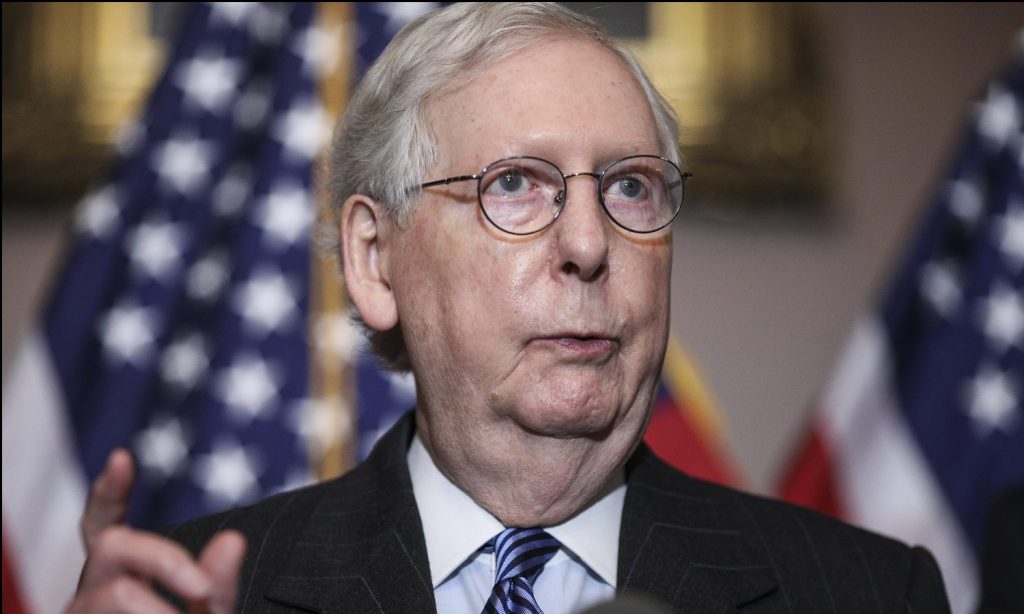
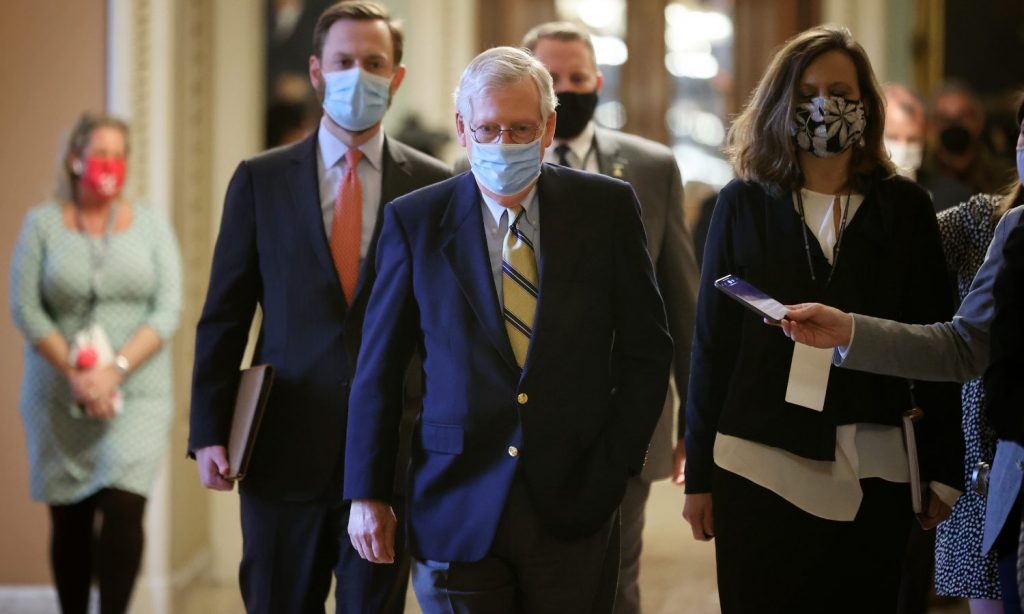
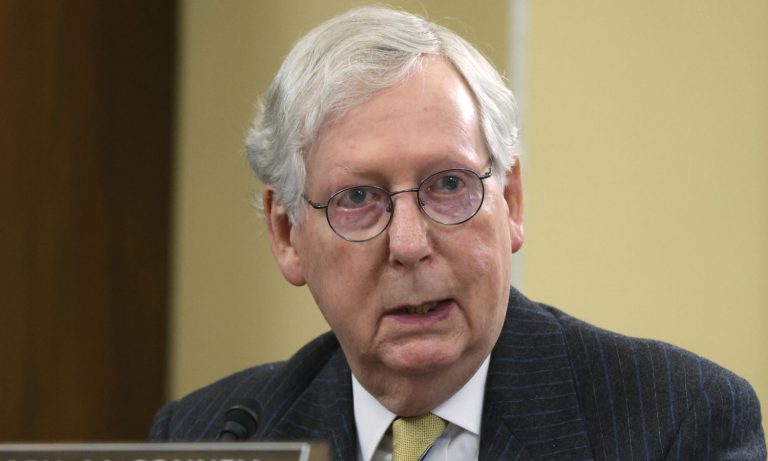
Senate Minority Leader Mitch McConnell says he is assembling candidates that can win in the midterm election and put him back on the throne. Therefore, if Democrats want to legalize weed nationwide, they’ll need to do it before the next election. Because unfortunately, there’s a good chance they will lose their power in 2022.
Democrats are in good shape right now. Just this week, they passed a mega COVID-relief bill that’s going to put more money in the hands of Americans and probably save many of them from financial collapse. It’s a big win for the Democrats, and now they’re gearing up for the next one. And that could be federal marijuana legalization. Schumer and crew have already indicated that they will be putting a cannabis-related bill on the table soon “to ensure restorative justice, protect public health and implement responsible taxes and regulations.”
Photo by Drew Angerer/Getty Images
As we mentioned earlier this week, a Senate bill designed to legalize marijuana could see the light of day in April. Although they aren’t talking about it much, the Democrats understand that they must move full steam ahead on this issue if they stand any chance at seeing it through. They are on borrowed time, and they know it. Even with major political wins, like the COVID-relief bill, they will still be challenged to keep control of both the House and Senate next year. So anything they want to get done before then, including legalization, will need to be finalized in a hurry.
The Democrats have such a thin majority on the Hill that it makes hanging onto it even more difficult. The Senate is a 50-50 split (with Vice President Kamala Harris as the tiebreaker), and they own the House by only nine seats. But some of the old-timers in the Republican party are starting to retire, which is giving the Democrats a bit of an edge for the time being.
Historically speaking, however, the midterms will wreak havoc on the president’s party — Democrats understand this as well. They know that it’s not going to take much for them to lose their clout and forfeit it back to the Republicans. Unless McConnell retires, too, which is possible, he would then step back in and continue his reign of Republican terror like nobody’s business.
And that spells curtains for marijuana. McConnell still hasn’t publicly changed his opinion on legalization.
Photo by Nicholas Kamm-Pool/Getty Images
Without getting into too much political handicapping — it’s still too early for that — let’s just say that time is of the essence for the Democrats to push their agenda and get as much done as possible. Because of how the present division of power falls, they can’t just put a marijuana-bill to a vote and get it done easily. The process of legalizing nationwide will take time to secure the necessary votes, and it will require bipartisan support. There’s no other way around it.
Democrats were forced to eliminate the $15 minimum wage and trim emergency unemployment benefits to make the COVID-relief bill more palatable for Republicans. Legal weed could prove to be a more delicate issue, given the Republicans’ anti-drug attitude. The Dems will have to change some minds or make unwanted concessions. That could spell big trouble.
However, to test the waters, Democrats will likely try to push a marijuana bill through raw dog style, leaving it open to the filibuster. That’s an old Senate rule that puts controversial issues to a supermajority vote rather than just a straight majority. It’s a rule that McConnell wants to keep in play, for obvious reasons, since it keeps him in control of the Senate in some respects even as the minority leader. Any attempt to sabotage the filibuster could cost the Democrats a chance at passing more of Biden’s agenda, and that can’t happen. It won’t happen. So, caution is paramount.
In short, Democrats will have to find a creative way to get federal marijuana legalization done in the short amount of time they have control or else risk blowing it all together. Unfortunately, that doesn’t seem likely this year. Nevertheless, losing one Congressional House next November would be enough to divide the Hill, once more, and halt progress on the cannabis issue for years to come. If ever there was a perfect storm for possibility and nothingness, that time is now.
In the course of the weekend, marijuana and birth control may meet up – but is it a good idea?
The growth of cannabis acceptance globally has brought about a change in the demography of people that use cannabis. Gone are the days when people believe only potheads use cannabis; the days of backward thinking like that are long gone. With mainstreaming, marijuana shows up regularly in people’s lives. But with marijuana and birth control, what are the risks of combining them?
In the world we live in today, more women and professionals use cannabis. And with more mainstream, questions are being asked on how its use can affect other drugs like anxiety, weightless and more.
A closer look at birth control
Birth control is a common part of every society. Different birth control methods range from the use of condoms to pills, shots, implants, vagina rings, patches, and so on. Various factors come into play when people choose birth control methods that best suit them. Many of the birth control methods that deal with hormones are estrogen-based, progestin-only, or a combination of modulation of both hormones. The mechanism of action of some of these birth control methods as it relates to the body is mostly what we have to consider when it comes to weed and risks of combination.
Are there risks?
The answer to the question about the possibility of risks associated with combining weed and birth control is not one that can be answered directly. This is because there are limited studies available in this area to help make concrete inferences. Nonetheless, the general understanding of some of the ways cannabis and hormonal birth control works gives a detailed understanding of what to expect.
Before even delving into the biochemical reactions of cannabis and birth control in the body, it is important to first state that cannabis can be consumed through different methods. A lot of people opt for the different means of consumption for several reasons chief of which is health. We all know that smoking can make users susceptible to cardiovascular issues, lung irritation, and so on. So for the sake of this article less emphasis will be placed on the risks incurred by combining birth control with any particular method of consumption; we’ll solely look at the risks posed by the interaction of cannabinoids and birth control drugs.
Photo by Prostock-Studio/Getty Images
Risk of reduced effectiveness?
The goal of using birth control is to prevent unwanted pregnancy. Likewise, cannabis is also used for different primary goals, such as medical or recreational reasons. However, when these products are combined, they have a huge risk of affecting the activity of one another. More importantly, cannabis has a risk of reducing the effectiveness of birth control drugs thereby increasing the risk of unwanted pregnancy.
Experts have conducted studies that show that cannabis can affect the mechanism of action of estrogen-based hormonal birth control. Cannabis contains a major cannabinoid called tetrahydrocannabinol (THC) which causes a euphoric feeling when cannabis is used. THC affects the mechanism of action of estrogen-based hormonal birth control in the body. This happens by THC interrupting signaling between estrogen receptors. By interrupting this process, THC increases the estrogen level in the body countering the effects of estrogen-based hormonal birth control. This also increases the risk of blood lots and such persons developing stroke.
The risk of cannabis reducing the effectiveness of birth control doesn’t only lie with THC. Cannabis also contains another major cannabinoid called cannabidiol (CBD) which also affects the effectiveness of birth control. CBD is known to interact with different types of substrates in the body. This also includes birth control pills thereby reducing their ability to effectively prevent pregnancy. CBD also monopolizes liver enzymes and by so doing, it prevents such enzymes from sufficiently metabolize molecules of birth control pills. This enzyme inhibition decreases the effectiveness of estrogen-based contraceptives and increases the risk of pregnancy. This is however not so with progestin-only hormonal birth control.
Photo by Thought Catalog via Unsplash
Risk to general health?
Apart from reducing the effectiveness of some birth control pills and increasing the risk of pregnancy, combining weed and birth control can also affect general health. The use of weed alongside birth control increases the risks of developing blood clots which can lead to stroke. Individually, both birth control pills and THC can lead to the development of blood clots. When combined they run the risk of causing high blood pressure and ultimately problems associated with hypertension. Other factors that can cause blood clots are smoking, family history, and age.
There are limited studies to be able to draw enough conclusions about the role of CBD when it comes to blood pressure. Some researches point to CBD reducing blood pressure while others show it raises blood pressure. It should be noted that the difference in these results might be due to the dose differences in these studies. The role of THC, however, is still a bit clear from a 2016 study in the Journal of Hypertension. The study shows that there is a modest association between recent cannabis use and systolic blood pressure. Those who conducted the study however warned that more investigations will need to be carried out to fully understand the role that CBD plays with systolic blood pressure.
What to do
It is obvious that there might be some risks when it comes to using weed and birth control. But, is it possible to mitigate this risks, sure it is. If some crucial steps are taken, it’s possible for women to avoid these risks while still using birth control.
Consultation – The most important step you can take regarding this is to consult a professional. An expert will be able to give you unique quality information on how you can go about using birth control and weed. Each individual is different, so don’t follow the instructions given to someone else, get in touch with your healthcare provider for the best possible advice and directives.
Change – A change in the type of birth control or method of cannabis consumption can also play a significant role. This will be influential in limiting the risk of ineffectiveness and risk to general health.
Bottom line
There is still a need for more relevant studies to fully know the risks involved with combining birth control and weed. Until sufficient research has been conducted, it’s advisable that users reduce the combination of the two substances as much as possible.
Data shows that women are more likely to experience more severe side effects from the COVID-19 vaccine than men.
Side effects from COVID-19 vaccines range from the barely noticeable, which is fortunately the case for the majority of people, to vomiting and flu like symptoms. And now, to complicate things, a new study reveals that women are experiencing negative reactions to higher degrees.
The study, conducted by researchers from the Centers for Disease and Control Prevention, analyzed data from the first 13 million vaccines distributed in the U.S. And even though only 61% of women had received vaccinations, 79% of side effects were reported by them. Ouch.
Photo by Artem Podrez from Pexels
A closer look shows all 19 people who experienced anaphylaxis (a severe allergic reaction) after receiving the Moderna vaccine were women. So were 44 of the 47 people who experienced the reaction after receiving the Pfizer vaccine.
Strangely enough, these kinds of findings are common in data gathered from vaccination studies. “This sex difference is completely consistent with past reports of other vaccines,” microbiologist Sabra Klein told the New York Times.
While it’s tough to say why this happens, health experts have some theories that could provide some explanations. Amesh Adalja, M.D. explained to Health magazine that women might be more likely to report their symptoms when compared to men. Still, experts think this theory isn’t sufficient to explain why this happens so pervasively.
Dr. William Schaffner says that women are more likely to develop autoimmune diseases, having a more reactive system. Estrogen appears to “jazz up” the immune system while testosterone does the opposite. “There is a real difference between immune reactions between men and women,” Dr. Schaffner said. “We in the medical community haven’t studied that as thoroughly as we ought to.”
Another influencing factor could be the dosage. Women usually need a smaller dosage of a vaccine to get an effect, while recommended drug dosages are historically based on trials conducted on male participants.
What all health experts agree on is that it might help women if they’re healthcare providers explain the potential side effects, and that these reactions are normal and are just the way in which their immune systems are battling off an infection and producing the response needed to create a protection for it.
The scientific community seems to be more widely accepting cannabis to treat newer diseases, leading to better education and understanding for all.
With coronavirus variants raging across the globe, could THC and CBD offer benefits not yet known in treating and keeping the virus’s deadly effects at bay? While THC and CBD are already known to aid in many diseases, scientists worldwide are looking to different combinations and strains to understand better how they can decrease long-term complications and death.
Throughout most of 2020 and already in 2021, new studies are emerging that back earlier findings, creating a strong connection between CBD and THC as agents against the virus. In fact, CBD is already making a difference with COVID-19. Here are three fast facts to know:
CBD has already been proven to reduce inflammation in the body, directly tied to the harm of cytokines released by the coronavirus. Many COVID-19 patients did not die from the virus itself. The body’s response to the virus—a process called a cytokine storm—caused the body to go into a “fight” mode, causing breathing issues and over-saturation of cytokines in the body. Whenever a virus enters the body, it releases cytokines, a secretion from the cells that respond to the virus—allowing the immune system to retaliate.
CBD could be an effective treatment against cytokine storms, which is what causes the most havoc in the body. According to the medical journal, HealthEuropa, “Early findings in a study currently being conducted by terpene manufacturer Eybna and cannabis research and development firm CannaSoul Analytics, both from Israel, appear to indicate that the combination of terpenes and cannabinoids used is up to two times more effective than the corticosteroid dexamethasone when used to reduce inflammation from COVID-19. The study has not yet been peer-reviewed.”
More research is continuing to happen overseas to see the virus’s full effects and ways CBD can mitigate long-term damage. Research from Rabin Medical Center at Beilinson, a leading hospital of Clalit HMO, holds a clue to further studies. In recent research, the Center’s team found that out of 11 patients in the program, 8 saw an improvement in infections stemming from the virus.
Announced in January 2021, a clinical trial in Israel featuring Stero Biotechs, “aimed to benefit and help COVID-19 patients in severe states with respiratory failure from acute respiratory distress syndrome (ARDS).” With heart damage being a leading cause of complications from COVID-19, many are looking into ways to lessen the virus’s effects on the body after infection. Stero Biotechs’ CEO, David Bassa, has been at the forefront of utilizing CBD and synthetic CBD in other trials, including Crohn’s Disease and hives.
Photo by Mufid Majnun via Unsplash
THC and the battle against COVID-19
THC is no stranger to the fight against coronavirus as well. The University of South Carolina unveiled a June 2020 study published in the journal Frontiers in Pharmacology, which found THC could effectively treat COVID complications and reduce mortality. The preliminary study found that using mice, “THC led to 100% survival of mice.” with the compound lessening inflammation cytokines, IFN-γ and TNF-α, removing the “cytokine storm” or overreaction to the virus and finding how specific cells and bacteria in the lungs played a critical role in understanding COVID-19’s reach and extinction.
Another study, published by the scientific journal Nature in January 2021, found that the C. Sativa marijuana strain showcased reduced inflammation against the virus and immune response markers. The study showcased a promising result but stressed caution with cannabis. One element is certain: The scientific community seems to be more widely accepting cannabis to treat newer diseases, leading to better education and understanding for all.