Wednesday, May 13, 2026
Home Blog Page 420

Trump’s Old Tweets: Here’s Where You Can Find Them

Donald Trump, surely the president who’s tweeted the most, has officially concluded his 4 year term. What happens to all of his tweets?

Today marks the official beginning of Joe Biden’s term as president, meaning that his administration will inherit the official social media accounts of POTUS. Here’s the question we all want to know: What happens to Trump’s old tweets?

Social media is an important presence for politicians, with Donald Trump’s account playing an important part in his tenure, no matter how polarizing and mean-spirited they were. Twitter was one of Trump’s principal forms of self-expression, a place where he found the perfect audience for his ALL CAPS rants. Trump tended to live tweet during televised events and pivotal moments throughout his tenure.

Some weeks ago, following the attack on Capitol Hill by a mob of violent pro-Trump supporters, Facebook and Twitter decided to ban Trump’s accounts in order to prevent further incitement of violence.

screenshot/Twitter
screenshot/Twitter

Unlike Trump who took over the @POTUS Twitter account and inherited all of Obama’s 14 million followers, Biden will take control of the account with zero followers. While some speculated that this was due to Trump’s social media ban, the site remains a newish type of technology for U.S. leaders, one that has existed for only three presidential terms (it started with Obama’s second term). It’s natural for these novel technologies to develop and change the way in which they ensure that important accounts remain secure.

RELATED: George W. Bush Shades Trump With Annual Holiday Card

When it comes to Trump’s old tweets, while he had access to the POTUS account while in office, he preferred to use his personal account, @realDonaldTrump. While Twitter didn’t confirm nor deny whether these tweets would be archived, the U.S. National Archives (USNA) said that all of these records would be available and archived for posterity.

Per the BBC, the USNA said that the White House has been using a special archiving tool to capture all content, including deleted tweets, because of the Presidential Records Act. Trump’s tweets will likely be stored in a record system similar to The Obama White House Social Media Archive, built after the last transition.

RELATED: Hey, Protestors Planning Assaults On Capitol Buildings: Smoke Some Weed And Chill

Just as Obama’s did four years ago, Trump’s official POTUS tweets are archived under his personal archive handle, @POTUS45.

Anti-Marijuana McConnell Could Still Have Senate Control

The filibuster will probably remain on the books. And that will inevitably cause marijuana to travel another rough road for the next few years.

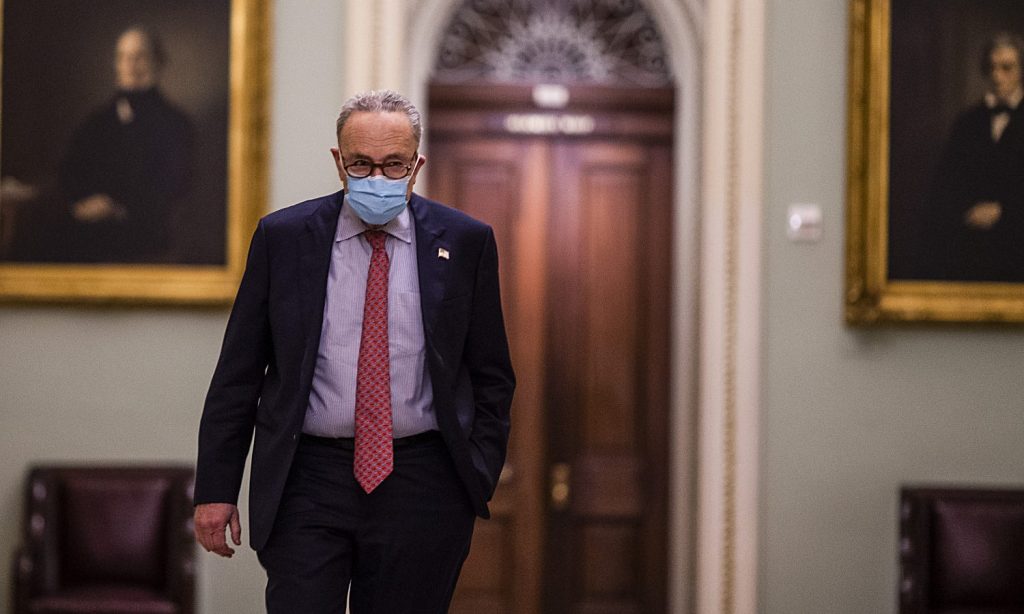
Cannabis advocates rejoiced upon hearing that Senate Minority Leader Charles Schumer would replace Mitch McConnell as Majority Leader on Wednesday. The recent victory by the Democrats in the Georgia runoffs put the party in control of the Hill. But don’t count him out, anti-marijuana McConnell could still have Senate control.

Advocates believe this power grab means the marijuana debate will finally get a fair shot in Congress. After all, McConnell has stood in the way of every pot-related measure to cross his path. But now that Schumer, a supporter of the cannabis cause, runs the show, all cannabis legislation is a sure thing. Right? 

In a perfect world, yes, Democratic control in both the U.S. House and Senate, not to mention a Democratic President would mean the party could push its agenda without any trouble from Republicans. But they have such a slim majority (the Senate is actually in a 50-50 split, with Vice President Kamala Harris being the tiebreaker) that they have to work with Republicans to accomplish anything — even marijuana reform. McConnell and Schumer must now come to terms on the inner workings of Senate business.  

So far, those negotiations are stagnant.  

On Tuesday, the two Senate leaders met briefly to discuss sharing the power, but nothing substantial transpired. Schumer told reporters that the two discussed “a whole lot of issues,” but didn’t strike a deal.  

McConnell isn’t bending because he fully understands that there’s still a way for him to control the Senate as the Minority Leader — and that’s through the legislative filibuster. This is a political play that has historically included long-winded speeches and debates to thwart majority support. It requires controversial bills, like anything pertaining to the legalization of marijuana, to garner a supermajority of 60 votes to bring a discussion to a close. It spells trouble for the Dems. 

Senator Mitch McConnell Congratulates Biden, But Will He Work With Him On Weed?
Photo by Caroline Brehman-Pool/Getty Images

Although Democrats are pushing to eliminate the filibuster, McConnell is lobbying for it to stay put. According to Fix Our Senate, this is because he knows it’s “the best weapon he has” to prevent Democrats from having real power. Keeping this procedural tool means that anything Biden wants to accomplish, including marijuana decriminalization, could be sabotaged. It also means that any marijuana-related legislation approved by the House could be stalled in the Senate and left for dead.

RELATED: Why Does Congress Need Two Years To Federally Legalize Marijuana?

McConnell is pressuring Schumer for an up-front agreement to keep the filibuster in play. While the Kentucky-Republican has done nothing but flex his authority on the Hill during his reign of terror as Majority Leader, he now wants the two parties to unite. “Having an equally divided Senate means that we have to work together to get anything done and the spirit of true bipartisan compromise is possible only when each side realizes they must come to the table together,” he wrote in a recent memo. 

RELATED: Will Senator Mitch McConnell Be A Problem For Marijuana In 2021?

Unfortunately, Democrats do not have the votes to nix the filibuster. They would need every member to climb onboard, but not all of them are sold. Some Dems have even vowed to vote against it. If Schumer doesn’t agree to keep the filibuster, McConnell says, it could delay the designation of crucial committees and essentially keep the Senate in political purgatory until the two leaders can work something out.

All things considered, the filibuster will probably remain on the books. And that will inevitably cause marijuana to travel another rough road for the next few years.

These States Enter The Billion Dollar Cannabis Club For 2020

Cannabis is a massive new engine in the American economy and there is a tidal wave of demand for cannabis products.

As states report last year’s cannabis sales numbers, record highs continue across the country. It’s become a billion-dollar business for several states, blowing out levels that states had estimated when originally planning legalization. And these states enter the billion dollar cannabis club for 2020.

Billion Dollar Club

Colorado

The Colorado Department of Revenue reported that cannabis sales in the state passed $2 billion in sales from January – November 2020. Plus, December hasn’t even been added to the total sales figures. Despite the pandemic, the state has continued to break records. Steve Lopez, CEO, The Green Solution (Colorado) said, “With over $2 billion in sales from January through November 2020, we’re continuing to see Colorado break sales records through the pandemic. We debuted over 50 self-serve kiosks at our 21 retail locations across the state last year, and credit high sales to the innovation and creativity in our industry, as well as the measures we’ve implemented to prioritize staff and customer safety.”

Massachusetts

Adult-use cannabis retailers in Massachusetts have now tallied more than $1 billion in gross sales, according to information reported in the state’s mandatory seed-to-sale tracking system, the Cannabis Control Commission. At the close of business on October 30,  the aggregate data reported in Metrc by 80 retailers reached $1,000,521,905. What makes this even more impressive is that the state program is basically only two years old.

“This sales milestone represents licensees’ ability to successfully support a safe, accessible, and effective adult-use industry, and I am pleased the resulting tax benefits will have a significant impact on communities throughout the Commonwealth,” Commission Chairman Steven J. Hoffman said. “These numbers also speak to Commission licensing and enforcement staff working around the clock to make sure these businesses and their products comply with all of our regulations, especially the health and safety provisions. Each year, as this marketplace matures, the public will continue to see progress on state mandates and Commission objectives, including our commitment to equity, and the steps we have taken in 2020 are evidence of that.”

California

The California Department of Tax and Fee Administration has shown that the state is on track to bring in a billion dollars in cannabis tax revenue in 2020. So far, a total of $778.4 million was generated from marijuana taxes in the first three quarters of the year, including $306.8 million in the third quarter. As of August 11, 2020, California’s cannabis excise tax generated $101.8 million in revenue reported on the 2nd Quarter 2020 returns due by July 31, 2020, and the cultivation tax generated $22.9 million. Since January 2018, total program revenue to date is $1.45 billion, which includes $709.9 million in cannabis excise tax, $173.7 million in cultivation tax, and $563.6 million in sales tax.

Oregon

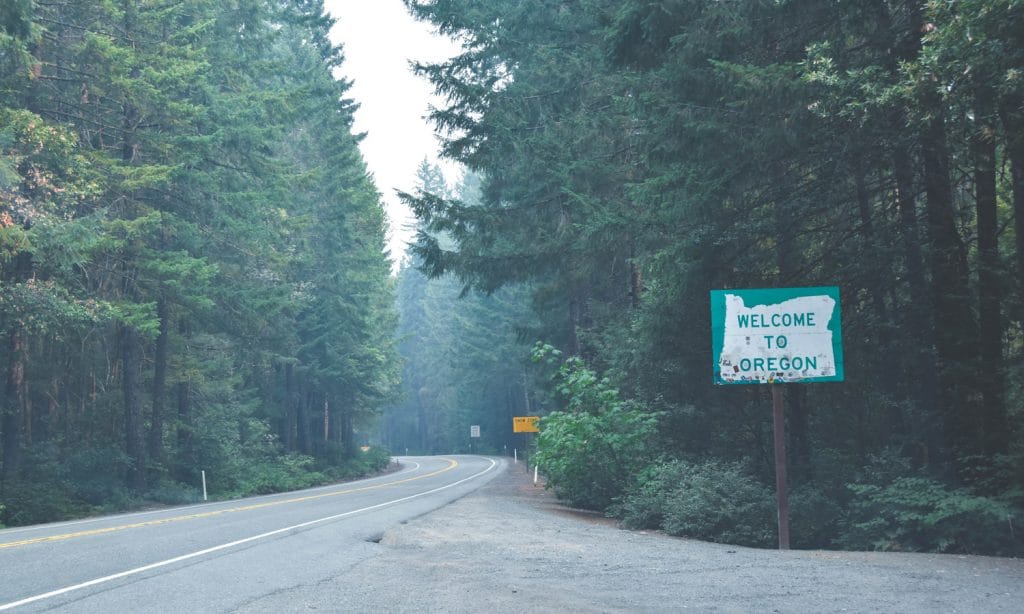
The Oregon Liquor Control Commission (OLCC) recently released data noting that total cannabis sales in the state increased from $795 million in 2019 to $1,110,520,723 in 2020, a new record-breaking year for the state. Jeff Yapp, CEO, Golden Leaf Holdings, which operates Chalice Farms dispensaries (Oregon) said:

“2020 was a tough year for many small business owners, however, it was a record-breaking year for cannabis and Golden Leaf Holdings through Chalice Farms as more people turned to cannabis as an alternative form of health and wellness. With so many states deeming cannabis essential businesses, it began to change the conversation in a positive direction in the industry. Our customers dealing with the stress, anxiety, and pain caused by the many challenges of COVID-19 and the impacts it is having on their lives, are seeing positive results from the responsible use of cannabis products.”

Washington

Washington State is another one of the more mature states for cannabis sales. Its adult-use cannabis market generated $1.1 billion in fiscal 2019 – up 8% over 2018. The state’s fiscal year 2019 is from July 1, 2019, through June 30, 2020.

The Richest Cannabis Businesses In 2020
Photo by Maklay62 via Pixabay

Almost Billion Club

Nevada

One of the cities impacted most dramatically over the past year is Las Vegas, which is incredibly reliant on tourism and hospitality. While Nevada’s cannabis industry continues to see increases in sales, the market has consistently brought in much-needed tax revenue to the state and has maintained jobs for more than 8,000 workers. The state’s fiscal year 2020 delivered $684 million in taxable cannabis sales. Three months into the fiscal year 2021, the state has reported sales of $234 million. This compares to $178 million for the same period in the previous fiscal year.

RELATED: The Richest Cannabis Businesses In 2020

Matt Janz, director of THC marketing, The Source+ (Nevada) said, “We’ve seen our industry grow from illegal to essential. Nevada not only saw an increase in overall cannabis sales in 2020 but maintained much-needed jobs for thousands of people across a state almost entirely reliant on hospitality and tourism. We’re looking forward to continuing to provide wellness in our state as an essential business and provide substantial tax revenue to Nevada in these challenging times.”

Michigan

Michigan reported that in 2020 combined cannabis sales were $984.6 million, with adult-use leading the way with sales of $510.7 million, while medical sales contributed $474 million.

RELATED: Michigan Cannabis Sales Near $1B In First Year Of Adult-Use Sales

The adult-use market noted that flower and trim were most desirable and took 55% of the market. Concentrates and vape accounted for 25%, with edibles falling in fourth place at 19% of the market. The decline in the price of flower was welcome with prices beginning the year at over $8000 a pound in January but ended in December at $5614 per pound.

Illinois

Another relative newcomer is Illinois. That state reported that its 2020 adult-use and medical cannabis sales were reported to be $669 million. A spokesperson from Green Thumb Industries said, “Another record-breaking month of adult-use cannabis sales in Illinois is not surprising. Cannabis is a massive new engine in the American economy and there is a tidal wave of demand for cannabis products. There is mass acceptance of the U.S. cannabis industry by consumers. There are very few issues that have that kind of universal acceptance.  We look forward to welcoming a new generation of entrepreneurs when the social equity licenses are awarded.”

This article originally appeared on Green Market Report and has been reposted with permission.

States Most Likely To Legalize Cannabis In 2021

Contenders span the country, from the Northeast to the Southwest as well as some of America’s more conservative states. 

American cannabis reform momentum could propel several states to pass legislation this year. Last year saw five states pass ballot initiatives, emboldening the belief that more reform efforts are on the horizon this year.

Violet Cavendish, communications manager at the Marijuana Policy Project, said that 2020 was another banner year for the reform movement. She added, “The clean sweep of state-level legalization victories in November reflects that this is a policy that Americans are in favor of, regardless of political affiliation.”

Several states are already lining up to be part of the cannabis reform class of 2021. The possible contenders span the country, from the Northeast to the Southwest as well as some of America’s more conservative states. 

Adult Use Is In Play For Virtually The Entire Northeast And New England

Practically the entire eastern portion of the U.S. is in play this year. Despite its current legislative struggles, numerous sources consider New Jersey’s passed ballot initiative to signal the remaining Northeast holdouts to enact legislation. Even as it is held up by state lawmakers once again, neighboring states seem to see the writing on the wall. 

“New Jersey kind of set off a wave around the Northeast,” said Morgan Fox, director of media relations for the national cannabis industry association. New Jersey’s passage could soon trigger states like Maryland, Connecticut, Delaware, and New York to act on measures that have been debated for years. 

Maryland has prefiled legislation ahead of the 2021 session back in December. In early January, New York Governor Andrew Cuomo once again announced legalization as part of his yearly proposal, marking the third consecutive year it’s made the agenda. In November 2020, incoming Connecticut House Speaker Matt Ritter, cited legalization in New Jersey and Massachusetts, as well as likely passages in New York, as reasons why his state must also act. He gave the prospect a “50-50” chance of passing this year. Rhode Island appears ready to make a similar action, with likely incoming governor and current Lt. Gov. Daniel McKee backing a private market model in January. 

RELATED: New York Gov. Cuomo Wants To Legalize Weed, But It Won’t Be Easy — Here’s Why

One New England state that may not be so likely to pass adult-use reform in New Hampshire. “There are definitely some champions there, but most of the legislature is not quite on board yet,” said Fox, adding, “And the governor certainly isn’t.”

Photo by traffic_analyzer/Getty Images

Additional Reform Efforts Taking Shape In America

Additional states on the East Coast could pass legislation in 2021. 

Virginia is following up last year’s decriminalization passage with efforts to pass adult use this time around. In November, Governor Ralph Northam offered his support for the measure, then introducing legislation in January. 

Virginia’s support for cannabis marks another point in the state’s shift to a more politically moderate stance than in previous years. Another traditionally conservative Southeast state, South Carolina, could also pass legislation in 2021. In December, two medical marketplace bills were prefiled, with Senator Tom Davis calling his proposal the most conservative medical bill in the U.S. 

RELATED: Why Southern States Are Still Pushing Back On Marijuana Legalization

Marijuana Policy Project Vice-Chair and South Carolina native Jeffrey M. Zucker believes 2021 is optimistic over its potential passage. “We think 2021 has a good chance of being the year South Carolinian patients finally get a law that allows them to legally access medical cannabis,” said Zucker. 

Those looking beyond the East Coast for a state likely to pass should keep an eye on New Mexico. NCIA’s Fox said the state, which saw legislation introduced, likely could have passed last year but ran out of time during the legislative session.

RELATED: Industry Analysts Predict Which US Cannabis Markets Will Excel In 2021

Even with an expected busy legislative session in 2021, several states could further advance the reform movement. What that could do under a more cannabis-friendly government over the next two to four years remains to be seen.

PTSD, Opiates, And Cannabis

The high rate of cannabis use for chronic pain and the subsequent reductions in opioid use suggest that cannabis may play a harm reduction role in the opioid overdose crisis.

Post-traumatic stress disorder(PTSD) is a highly prevalent disorder among the world population, particularly veterans. Whether from childhood neglect, being around violence, domestic abuse, or serving in the military, PTSD affects millions. 

On December 9, 2020, a team of investigators published a study on the long-term effects of cannabis on 150 participants. Splitting up the group between those using dispensary cannabis and controls who weren’t using any cannabis, they found “participants who used cannabis were 2.57 times more likely to no longer meet DSM-5 criteria for PTSD at the end of the study observation period compared to participants who did not use cannabis”. The study comes after earlier 2020 research reviewing controlled studies that found cannabis derivatives promising in treating PTSD. 

Additionally, they commented that medicinal and recreational grade cannabis might prove adequate as a PTSD treatment option. Compare this comment with the scientists’ statement that the poor quality of cannabis supplied to researchers through the federal program hurt their work in 2019. 

The Deputy Director of NORML, Paul Armentano, commented that veterans are far more likely to self-report using cannabis and that these December finding further legitimize their claims. As one may imagine, veterans are most likely to suffer from PSTD and drug abuse, including opiate abuse

New Study Reinforces Marijuana's Power To Treat PTSD
Photo by Matthew Lloyd/Getty Images

Fortunately, a more recent study (Dec. 27, 2020) was published in the journal Pain Medicine on opiate use and cannabis use. This analysis of 1,145 patients found a 78% reduction in mean opioid dosage after six months of treatment with cannabis. Another study from December, published in the journal Drug and Alcohol Dependence, found that cannabis users were at a significantly lower risk of being exposed to fentanyl. 

RELATED: Study Shows Cannabis Temporarily Relieves PTSD Symptoms

Research continues to prove a positive future for cannabis as an alternative pharmacological option. However, there’s more work to do to reach a full understanding of its potential. Concerning research on suicidal ideation and self-harm have come out recently as well. 

RELATED: Survey Shows 75% Of Veterans Are Interested In Cannabis

Cannabis use may put some people on opiates at risk of suicidal ideation worse off. It may also be related to adolescent self-harm if used in tandem with alcohol. However, those dependent on opiates are already a high-risk population for suicidal ideation, and reckless behavior, in general, is associated with self-harm. These worrying reports do not take away from the conclusion of the December 27 research, which closes with:

“The high rate of cannabis use for chronic pain and the subsequent reductions in opioid use suggest that cannabis may play a harm reduction role in the opioid overdose crisis, potentially improving the quality of life of patients and overall public health.”

COVID-19 Viral Loads Matter — Here’s What That Means

0

COVID-19 spreads through respiratory droplets, with the amount of particles absorbed playing a role when it comes to the intensity of the symptoms patients experience.

We all know that COVID-19 spreads through respiratory droplets, absorbed by spending time with someone who’s infected by the virus. What happens after is kind of mysterious, with a lot of variability in people’s experiences with the disease; while some experience severe and life threatening symptoms, others may just feel like they have a weird cold.

There’s several explanations as to why this happens, primarily influenced by age, genetics and underlying health conditions. There’s also the amount of virus that the person was exposed to, which is associated with stronger COVID-19 infections.

When living through a pandemic there’s a level of risk we must embrace when doing everyday things, whether that means going to an office or the risk you assume when meeting up with trusted friends or family members. Another variable that matters is the viral load of COVID-19.

How does the viral load work?

Can You Get Sick With COVID-19 More Than Once?
Photo by Polina Tankilevitch via Pexels

Research shows that the viral load, the amount of virus people are exposed to, matters in ways that are not yet understood. The bigger the load, the higher the odds of catching the disease and of manifesting severe symptoms. The more virus you ingest, the more viral diversity of it you’ll have, creating a tougher fight for your immune system.

RELATED: 5 Most Common Face Mask Mistakes

Spending time and talking to someone who has COVID-19 is likely to result in a stronger bout of the virus than catching it by simply walking by an infected person in the grocery store. Experts also assume that the higher the viral load, the higher the odds people have of transmitting the disease, with each cough containing more viral particles.

How do you reduce the viral load you’re exposed to?

5 Tips To Help You Work Out With A Face Mask
Photo by Willie B. Thomas/Getty Images

RELATED: 5 COVID-19 Vaccine Myths Debunked

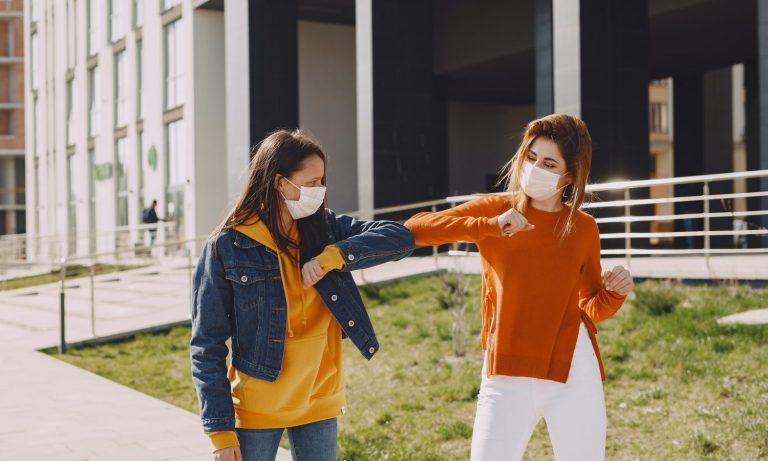
Our biggest defense against the virus, aside from social distancing, is the use of face masks. Studies have shown that the use of masks can reduce or limit the amount of virus that’s inhaled and exhaled in the environment, protecting the wearer and the people that surround them.

Other measures, like hanging out outdoors or entering a place while wearing a mask can also reduce the amount of virus you may ingest, especially if you’re wearing a good mask or a surgical one.

Indiana Senator Attempts To Decriminalize Marijuana

“Our neighboring states have made efforts to address unjust marijuana laws, and it’s time for us to do the same,” said Senator Karen Tallian.

It has been said that Indiana will be one of the last states to legalize marijuana. The state is run by a bunch of holy-rolling Republicans who believe weed is the root of all evil. And they just can’t seem to wrap their heads around marijuana being good for the people and the state’s economy. 

Therefore, as long as the ultra-conservative beast continues to bed down in the Capitol, weed isn’t going to make any headway. However, some state lawmakers plan to hold the anti-pot goons accountable in the next session. They aren’t asking for full-blown legalization — like neighboring Illinois and Michigan — just the elimination of criminal penalties for those caught in possession. 

Indiana Senator Karen Tallian recently introduced legislation aimed at decriminalizing marijuana statewide. The bill, which is similar to others she’s supported over the years, would allow those caught in possession of up to two ounces to be dealt with through a ticket rather than the criminal justice system.

As it stands, Hoosiers caught in possession of any amount of cannabis can be convicted of a misdemeanor, punishable with up to 180 days in jail and fines reaching $1,000. If they have as much weed as Tallian believes should be decriminalized, they can be slapped with a level 6 felony and do as many as two and a half years in jail and pay up to a $10,000 fine. 

Police all across Indiana have enjoyed busting pot offenders for decades. After all, it’s a lot easier than chasing down murderers, rapists and sex traffickers. But the state has continued to incentivize law enforcement to pursue pot offenders with a vengeance. Even recently, as nearby states have moved to legalize marijuana, cops in various parts of the state have implemented new roadside tools that will make it easier for them to arrest people for marijuana-related offenses. Indiana courts see more than 10,000 pot offenders every year, according to data compiled by Jon Gettman, associate professor of criminal justice at Shenandoah University. 

RELATED: Indiana’s New Roadside Drug Testing Tool Will Create Influx Of Marijuana Arrests

“It’s a stupid waste of time that we do this … we give young people criminal records for something that is legal in, what, a third of the nation,” Senator Tallian told WDRB.

Governor Eric Holcomb is a large part of the problem. Even though he admitted a few years back that he smoked marijuana himself during his days as the chapter president of Phi Gamma Delta while attending Hanover College in Hanover, Indiana, he still flat out refuses to even consider marijuana legalization. We’re “just not willing to look at that, especially since it is illegal right now according to the federal government,” he told the Northwest Indiana Times in 2019.

Photo via Pixabay

What would have happened to Frat Boy Holcomb if he had been arrested for possession back in the day? He wouldn’t have become governor, that’s for sure. He would have had trouble getting loans and school grants. He also would have found it more difficult to get a decent job later in life.

The conviction would have haunted him to the bitter end. That’s the whole point of Tallian’s mission to decriminalize the herb across the state. Even if lawmakers don’t want to climb on the legalization bandwagon, jumpstart a stagnant economy, create jobs, and collect millions in tax revenue, the least they can do is stop branding thousands of non-violent Hoosiers as criminals. 

RELATED: Why Southern States Are Still Pushing Back On Marijuana Legalization

“Arrests for marijuana possession made up 45% of all drug arrests from 2010-2018 in Indiana. Contextually, Black Hoosiers are 3.5 times more likely to be arrested for the possession of marijuana,” Tallian said in a statement published on Facebook. “Our neighboring states have made efforts to address unjust marijuana laws, and it’s time for us to do the same.” 

So what are the chances of the Indiana General Assembly actually considering Tallian’s proposal? It’s probably not going to fare well. Rather than take a more common sense approach to marijuana-related offenses, Republican legislators have been pushing prosecutors to get tougher on pot. Part of the reason is to make sure there are consequences for those who dare smuggle weed in from legal states.

However, some prosecutors, including Marion County prosecutor Ryan Mears, have said that they don’t intend to charge any adult caught with up to an ounce of weed. It might be this butting of heads that forces some attention on the issue this session. But, in the end, don’t hold your breath for Republican lawmakers or Governor Holcomb to budge. 

They probably won’t.

Free Weed At COVID Vaccination Sites, Not The Best Idea

0

Smoking is so hazardous to respiratory health that some states are even putting smokers on the list of people who can get the coronavirus vaccine sooner than later.

Everyone likes “free” weed. This is especially true during borderline apocalyptic times, like these, which are full of uncertainty, unrest, and sheer freaking panic. Not only is the country trying to get a new president in the White House without watching a modern day Civil War erupt, but it is still contending with the coronavirus.

So far, this dastardly bug has infected millions of U.S. citizens and killed around 400,000 of them. However, the good news is there is a vaccine, and some cannabis advocates want to hand out complimentary marijuana to celebrate.  

The organization D.C. Marijuana Justice (DCMJ), the masterminds behind Initiative 71, which legalized marijuana throughout the nation’s capital in 2015, announced last week that if the coronavirus vaccine is available this Spring, they will hand out “free bags of cannabis” outside vaccination centers to anyone who wants them.

Can they do that? Yes!

Although the marijuana laws in D.C. do not allow adults 21 and over to purchase pot products from retail outlets, like they do in other legal jurisdictions, they are allowed to grow weed at home for personal use and give it away.

That’s right, as long as no money changes hands, handing a sack of cannabis to a complete stranger, even in public, is well within the boundaries of the law. The DCMJ, which has done this sort of pot exchange before, wants to use its latest campaign to “celebrate the end of the pandemic.” 

But is giving out free marijuana to people who just received the coronavirus vaccine really a good idea? 

Kevin Sabat, PhD and President of Smart Approaches to Marijuana, doesn’t think so. In a recent Twitter post, Sabat wrote: “You get a thing that makes your heart, brain, and lungs hurt in exchange for a vaccine to prevent something that hurts your heart, brain, and lungs.” 

His argument is somewhat legit.

Sharon McCutcheon/Unsplash

The coronavirus known as COVID-19 is a respiratory illness that spreads through droplets released in the air when a person coughs or sneezes. And while marijuana itself is not known to put users at any more risk of contracting the virus, smoking it could put them in the crosshairs of harm. 

RELATED: Why The US Medical Marijuana Market Probably Wouldn’t Allow Smoking

A recent study from the Dana-Farber Cancer Institute in Boston found that marijuana smoke is just as harmful to the lungs as the smoke produced from burning tobacco. Researchers found that marijuana smokers had dangerous toxins like naphthalene, acrylamide, and acrylonitrile in their system, while non-smokers did not. The consensus was that contrary to popular belief, smoking pot was not safer than smoking cigarettes. It still puts users more at risk for smoking-related illness. 

It could also make them more susceptible to COVID. The World Health Organization (WHO) confirmed this last year. 

Smoking “may increase the risk of suffering from serious symptoms due to COVID-19 illness,” the agency said. “Early research indicates that, compared to non-smokers, having a history of smoking may substantially increase the chance of adverse health outcomes for COVID-19 patients, including being admitted to intensive care, requiring mechanical ventilation and suffering severe health consequences.” 

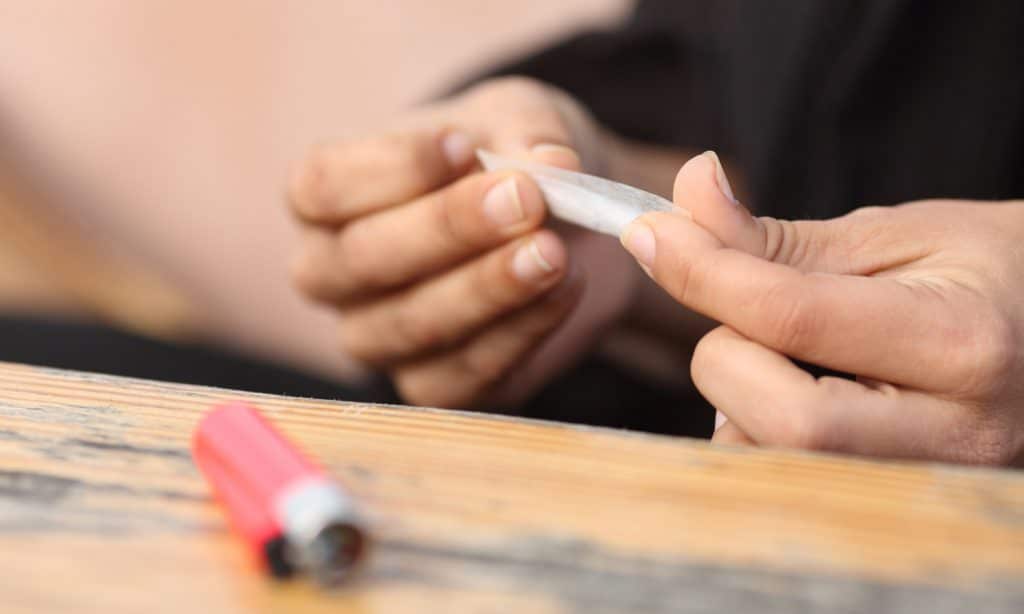
How To Roll A Perfect Joint
Photo by Ferran Feixas via Unsplash

“Smoking is already known to be a risk-factor for many other respiratory infections, including colds, influenza, pneumonia and tuberculosis,” WHO continued. “The effects of smoking on the respiratory system makes it more likely that smokers contract these diseases, which could be more severe. Smoking is also associated with increased development of acute respiratory distress syndrome, a key complication for severe cases of COVID-19, among people with severe respiratory infections.” 

Smoking is so hazardous to respiratory health that some states are even putting smokers on the list of people who can get the coronavirus vaccine sooner than later. New Jersey and Mississippi are prioritizing smokers because, according to the Centers for Disease Control, smoking is among the conditions “that cause increased risk of severe illness from the virus that causes COVID-19.”

RELATED: New Studies Show Marijuana Effective At Treating COVID-19 Symptoms

Again, it’s not that marijuana puts the user more at risk of catching the Rona, just smoking in general. Cannabis users trying to avoid being strapped to life support down at their local hospital can always opt for edibles, beverages or any other pot product that does not require them to fill their lungs with smoke or vapors. Of course, these items are typically only available in legal states. 

Still, there is a bright side. 

5 Things About CBD Cigarettes You Should Know
Photo by Graham Hughes/EyeEm/Getty Images

Some marijuana use might even be beneficial for COVID-19 patients. Researchers at the University of South Carolina found that THC, the intoxicating cannabinoid in the cannabis plant, might prevent harmful immune responses to the virus. It can do this by making healthy lung bacteria, the study finds. 

RELATED: Why Isn’t Cannabis Being Prescribed For COVID Survivors? 

But not necessarily when it is smoked. 

“I just want to make sure our research is not interpreted as marijuana is good for COVID 19,” said lead researcher Prakash Nagarkatti. “If you start using THC early on, it might worsen the effect because it suppresses the immune system.” 

Whether marijuana smoke is good or bad doesn’t seem to matter to those who use it. A recent study published in the journal Addiction finds that smoking remains the primary consumption method for cannabis consumers. Somewhere around 64% prefer smoking to other forms of administration. We could learn in the coming years just how detrimental this choice was to this group. 

But it’s going to be hard to pass up free weed in DC. Maybe the DCMJ should hand out brownies instead.

OCD And Cannabis Therapy: Recent Studies Show Progress

Cannabis may be able to benefit those with OCD or related anxiety disorders by either promoting balance with the ECS or regulating the presence of serotonin.

Obsessive-compulsive disorder (OCD) is an anxiety disorder that is distinguished by obsession, habits, and rituals, such as opening rituals required to open a door. These behaviors are often done to accomplish a “just right feeling”. The disorder is commonly comorbid with other conditions such as Tourettes. OCD varies widely from person to person, and research on the condition is always developing. 

Those with OCD are an estimated 2-3% of the population. About one-third of people with OCD don’t experience benefits from traditional therapy or medicines according to a 2020 study published in Frontiers in Psychiatry. Due to this difficulty, deep brain stimulation surgery has been suggested as a treatment option. 

The recent study found that, “There is increasing evidence that the Endocannabinoid System ECS might be involved in the pathophysiology of OCD. In line with this hypothesis, from a limited number of case studies it is suggested that CBM might be effective in the treatment of OCD.” 

Using the serotonin model, which is why doctors prescribe selective serotonin reuptake inhibitors, cannabis may be able to benefit those with OCD or related anxiety disorders by either promoting balance with the ECS or regulating the presence of serotonin. As the ECS suffers when someone is under high stress, cannabis’s ability to relieve stress may also help the condition. 

The study includes a case report of a 22-year-old along with an overview of relevant animal studies, a review of studies on cannabis’s effects on those with OCD, and a review of studies on cannabis’s effects on those with Tourettes. The research was lead by Natalia Szejko of the Department of Neurology, School of Medicine, Yale University. 

Before trying cannabis, the 22-year-old patient was prescribed pills which he quit following a week of treatment because of feeling nausea, a headache, and no positive effects. However, after finding the right concentration of THC, the 22-year-old “reported a marked reduction of obsessions and compulsions of about 70% as well as general relaxation, improved sleep, and concentration at school as well as overall improvement of his quality of life resulting in better social functioning and reduced problems at work.” The subject was also able to lessen his nicotine usage. 

The analysis of the other cases included that of a 38-year-old woman with severe OCD. She found that by smoking cannabis off the street that her symptoms improved. After changing her treatment to including dronabinol she saw a 50% decrease in her OCD symptoms. Another patient, a 36-year-old man with schizophrenia and OCD who didn’t respond adequately to electroconvulsive therapy saw marked improvement after including dronabinol in his treatment. 

RELATED: How Cannabis Can Help With OCD’s Compulsive Behaviors

Yet another case, a man who was suffering from unwanted repetitive sexual and violent thoughts stemming from brain trauma didn’t see improvement after being prescribed “fluvoxamine, clomipramine, mirtazapine, risperidone, olanzapine, clozapine, ziprasidone, haloperidol, quetiapine, memantine, ondansetron, intravenous ketamine, N-acetylcysteine, gabapentin, clonazepam, plus mood-stabilizing agents” yet his symptoms improved after two weeks of being given dronabinol. 

RELATED: Can Cannabis Help My Obsessive Thoughts?

Similarly, those with Tourette syndrome, including a 16-year-old patient suffering from rage attacks, have found relief from dronabinol. This analysis opens up the conversation about using cannabis as an alternative to selective serotonin reuptake inhibitors, and combining cannabis with traditional therapy to improve the efficacy of both. 

How To Pump Yourself Up For Home Workouts

0

Working out at home can be challenging, especially as the pandemic continues to drag on. Here are some tips that can help you get motivated.

Workouts from home were exciting during the pandemic’s first couple of months. The comfort of not having to leave your house in order to stay active was kind of awesome, especially after realizing that you can sweat just as much from doing a video workout as you do in the gym. The charm of in home workouts faded fast though; now that the pandemic remains in its indefinite state, a workout class with 30 people sounds like a dream.

Finding a functioning workout schedule from home can be daunting, especially in the winter, when opportunities for outdoor movement are limited. Still, it is possible to commit to your home workout schedule, even by making little changes. Here are some tips that can help you get pumped up:

Put on your workout clothes

Can You Use Cannabis For Your Workout Recovery?
Photo by Jonathan Borba via Pexels

RELATED: Active Recovery After A Workout Is Necessary — Here’s What That Means

It’s easier to workout from home than it is to get dressed, leave your house and get to the gym. Still, when you’ve been cooped up in your house for weeks, finding the motivation for it is difficult. Putting on your workout clothes first thing in the morning can provide you with a daylong reminder of the fact that you want to workout. It also puts you in the right mindset.

Commit to 10 minutes a day

Sleep Well With Weed: How To Use marijuana to fall asleep effectively
Photo by Acharaporn Kamornboonyarush via Pexels

A big problem with working out is the amount of time you have to invest in it. While it’d be amazing to work out for 40 minutes every day and love it, it’s very difficult to commit to this mentality, which is why you should start off with something lower. Commit to at least 10 minutes of purposeful movement a day. Some days you can stick with 10 and others you can extend it.

Treat yourself afterwards 

Netflix Blocks Marijuana Content Due To Government Pressure
Photo by Jade87 via Pixabay

RELATED: It’s Easier To Catch The Flu In The Winter — Here’s Why

While working out feels great afterwards, if you still need an extra push, you can treat yourself with something you love after you’re done. Whether that’s reading a book you’re looking forward to, watching a movie you love, taking a bath, meditating, or whatever else that works for you.

Find an activity that’s fun

How Marijuana Can Improve Your Home Workouts

Exercise has this reputation of being awful, but there’s a lot you can do with your body. Try dance videos, yoga lessons, Tai Chi, etc. Nowadays, it’s very simple to find a video or some instructions on workouts that you’ve never tried, but have piqued your interest. Experimenting with these new activities will train different muscles in your body and keep you entertained, all the while helping you develop a habit and a taste for moving.

Don't Miss Your Weekly Dose of The Fresh Toast.

Stay informed with exclusive news briefs delivered directly to your inbox every Friday.

We respect your privacy. Unsubscribe anytime.