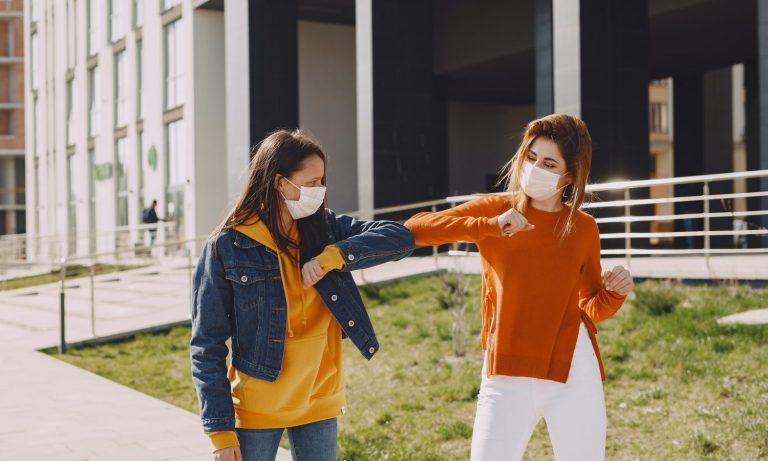
The CDC is asking public transportation conductors and passengers to wear face masks throughout the length of their trip.
A new mask mandate from the Centers for Disease Control and Prevention (CDC) states that face masks must be worn when traveling via all forms of public transportation in the United States. All passengers, drivers and conductors must wear masks at all times, no matter the state they’re located in.
The mandate requires all public transportation vehicles (planes, ferries, buses, trains, ride sharing apps, and more) have to comply, asking for people to wear their masks for the entire duration of the trip, whether it’s national or international. Transportation operators and workers will be asked to wear masks in airports and subway stations and should only allow in passengers that are following the face mask mandate.
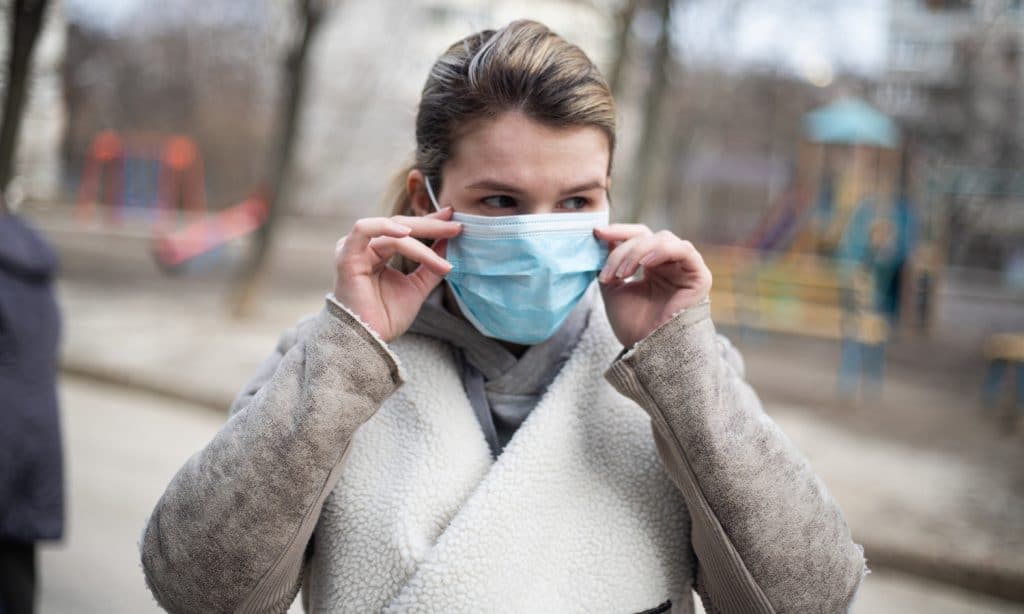
Photo by EVG photos via Pexels
When it comes to the masks, the CDC says that workers should wear masks that are in good state and that fit snugly over the chin and nose. The masks must be made up of at least two layers of cloth that allow for comfortable breathing, thus eliminating the use of scarves, bandanas, cloth coverings and face shields.
This news might not mean much for people who already live in a state where there’s a face mask mandate, but it’s important since the CDC now makes it a violation of federal law when people choose to not wear these masks in these settings. The enforced use of face masks could also help limit the spread of the COVID-19 virus in airports and other modes of public transportation where large amounts of people gather, and that were subject to the airline’s or the travel company’s safety measures and precautions.
Face masks are one of the most effective tools against the spread of the coronavirus, limiting the amount of respiratory droplets people release and breathe in. Their use, paired with social distancing guidelines, stay at home measures and recurring hand washing, is the most effective way of curbing the spread of COVID-19, at least until the majority of the population is vaccinated against it.
Democrats will still need to work closely with Republicans to garner enough support for legal weed. But divisiveness will make that difficult.
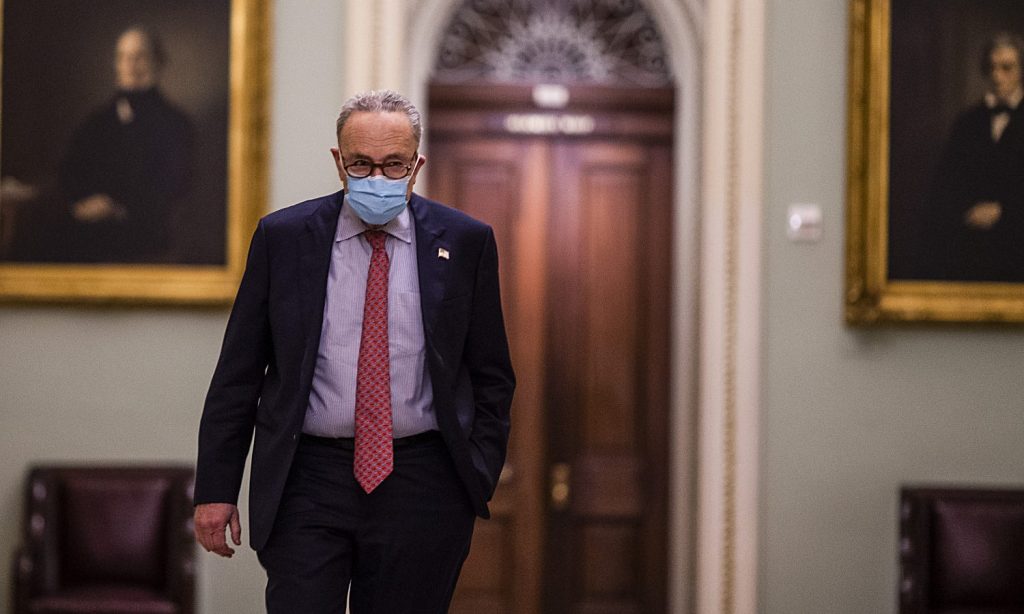
Democratic Senate leadership has vowed to legalize marijuana at the federal level in 2021. Senate Majority Leader Chuck Schumer with Senators Cory Booker and Ron Wyden announced earlier this week that they will soon introduce legislation to end marijuana prohibition nationwide. This is precisely what cannabis advocates hoped would happen when the Democrats took control over the Senate and knocked Mitch McConnell down a notch. But do Democratic Senators have enough power to legalize Marijuana?
Now all the Democrats have to do is hold a few hearings, shuffle some papers around and vote on a cannabis-related bill, and marijuana will be as good as legal in the eyes of the U.S. government, right? It’s more complicated than that.
One of the main problems in getting anything marijuana-oriented through Congress this year is the Democrats really don’t have the power to get it done. Sure, Senate Majority Leader Schumer has made some media appearances and discussed how marijuana reform is a priority for the Senate, but that doesn’t mean much. Any bill the Democrats put on the table might not have the votes required to pass. The Senate is evenly divided this session, with Vice President Kamala Harris being the tiebreaker. This means that Democrats will still need to work closely with Republicans to garner enough support for legal weed. But divisiveness will make that difficult.
And then, there’s Mitch McConnell and his gang of cronies. Even though McConnell is no longer the majority leader, rest assured he can still cause problems for marijuana legalization. You might recall hearing a lot of noise recently about a filibuster. It’s a rule that allows Senators to engage in lengthy debates to stall or prevent legislation with majority support from passing. McConnell has fought like a dog to keep the Democrats from squashing the filibuster this year, and rightfully so. It’s the only way he can still control the Senate as minority leader. For now, the filibuster lives. And it will need to continue living if Democrats expect to get anything accomplished.
“I made clear that if Democrats ever attack the key Senate rules, it would drain the consent and comity out of the institution,” McConnell Tweeted last week. “A scorched-earth Senate would hardly be able to function.”
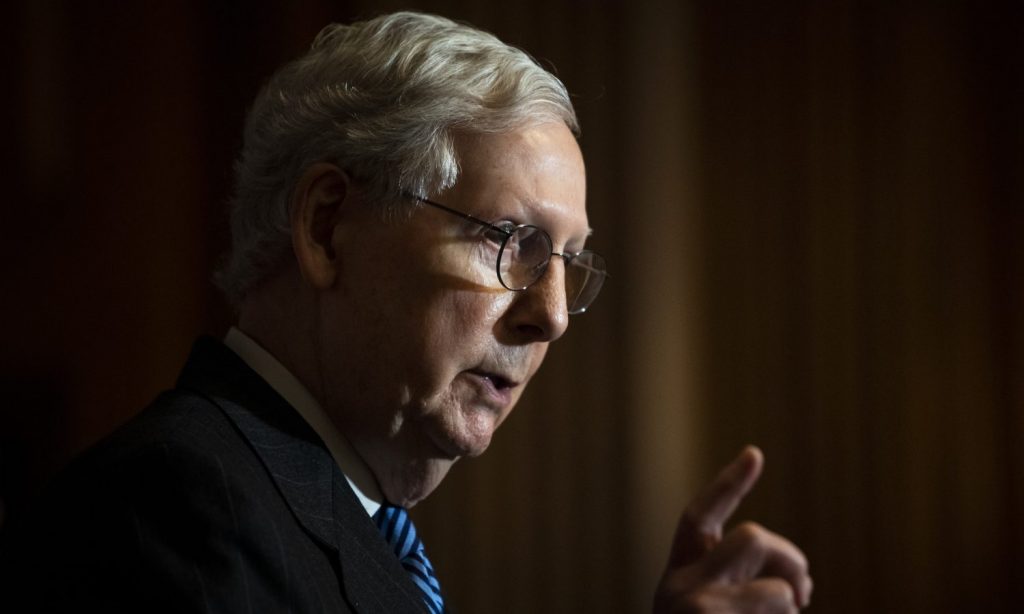
Photo by Caroline Brehman-Pool/Getty Images
Although we do not understand the full extent of the marijuana legalization package that the Democratic-controlled Senate plans to introduce in the coming months, one thing is sure: Anything designed to legalize marijuana at the national level will require bipartisan support to go the distance.
This means getting McConnell and his followers on board in some manner. Even if the Democrats can get close to collecting the necessary votes to move marijuana legislation in the upper chamber, the filibuster could still sabotage the deal. McConnell, who has, for years, prevented marijuana-related bills from taking shape in the Senate, has probably already considered the filibuster his lifeline to stopping the legal cannabis industry from gaining ground.
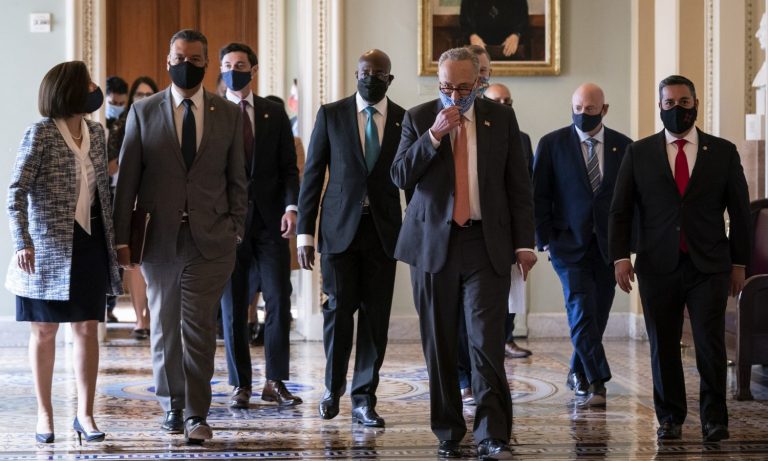
Photo by Tasos Katopodis/Getty Images
Furthermore, just because Senate leadership introduces a marijuana legalization bill doesn’t mean it has the White House’s support. And it’s going to need it. President Biden hasn’t expressed any interest in full steam ahead legalization. He has, instead, given every indication that he would side with modest marijuana reforms intended to keep people out of jail for weed. Biden is all about looking at the research. He wants to see more scientific involvement on the cannabis scene before signing off on anything that allows a taxed and regulated marijuana market to take hold.
It’s possible that Vice President Harris, a big supporter of ending marijuana prohibition, could influence Biden to accept broader reforms. But she has indicated that she wouldn’t pressure him on any issue if it came down to it. Unfortunately, getting a full steam marijuana legalization law on the books in 2021 is going to prove challenging.
Unless the Democrats have devised some brilliant scheme to package it in much larger legislation, like a far-reaching criminal justice bill. Even then, the chances of it passing are slim. But let’s wait and see what they have up their sleeves. America might be pleasantly surprised.
New research found that cannabis helped relieve the crippling symptoms of Parkinson’s disease in the majority of patients studied.
While America may be considered the land of freedom, Europe has led the way in plant medicine use and research for decades. And in addition to allowing medical marijuana, Germany also has a legal CBD market that allows people to purchase products containing the cannabinoid online without a prescription. For conditions that reacted to previous treatment unsuccessfully or poorly tolerated treatment, their doctors can prescribe cannabis products containing THC.
Parkinson’s disease, a disorder of the central nervous system, is an incurable condition that millions of people suffer from. Symptoms include tremors, loss of balance, stiffness, and other motor dysfunction. Usually, the symptoms become progressively worse over time, but treatment can slow or even halt progress.
A recent study from Germany, published in the Journal of Parkinson’s Disease, analyzed 1348 participants (54.7% men, 45.2% women). More than half (54%) of patients with Parkinson’s who used cannabis reported it provided relief from the condition. Of those who didn’t use cannabis, 65% of them were interested in trying it as a treatment; fear of side effects and a lack of available consumer-level information kept them back from experimenting.
To highlight the lack of information: only 9% of people were aware of the difference between the cannabinoids THC and CBD. Interestingly, inhaled cannabis products with THC were more efficient at treating stiffness. Unfortunately, patients reacted to these products more severely than products containing little to no THC.
Photo by TheDigitalArtist via Pixabay
How And Who Did Cannabis Help?
Of the respondents, the mean age was 71. Of those who reported positive use of cannabis for treating their symptoms, 43.9% reported it helped with their pain, and 41.4% reported it helped with muscle cramps. Users were an average of 5.6 years younger than non-users.
More than half (50.8%) of users also rated cannabis as more effective than a traditional pharmacological option for treatment — dopamine agonists. An additional 23% of users said that cannabis was as effective as those medications.
Researchers note that cannabis use was associated with those who live in big cities and having better knowledge about cannabis in general. While 9.1% of non-users knew the difference between THC and CBD, 49.6% of users did.
The amount of cannabis used in treatment may also affect the outcome, as 79% of frequent users reported relief, while only 67% of occasional smokers did, and 25% of one-time smokers. While these are not concrete enough results on which to give medical advice, they are inching closer towards the legitimization of cannabis as a medicine.
If you’re trying to lose weight and you want to feel fuller longer after you eat, CBD can help. Here’s how.
Wouldn’t it be great if we could find a formula that would help you feel full longer, after you ate?
Studies have shown repeatedly that people who expose themselves to CBD and other formulas of cannabidiols over their lifetime don’t gain weight like other people over the years.
There’s a number of different researchers looking at exactly why this isn’t happening, and how this benefit could be applied to a broader population.
One way it appears is that CBD and other formulas help people control their weight is simply by making you feel fuller for longer.
There are CB1 receptors aligning the gut that help with managing inflammation that can cause problems like diarrhea or constipation. But there are also CB2 receptors that impact the smooth muscle around the colon.
Photo by ArtistGNDphotography/Getty Images
The food moving through the colon is very responsive to the stimulation from this smooth muscle, where it sort of squeezes in a stable pattern and helps to move food through the intestinal system. But the smooth muscle can be relaxed a little bit with CB receptor stimulation and that can help to slow the transit of food from the mouth all the way to the anus.
If you’re chronically constipated, that’s not great news because you don’t want to be even more constipated by exposure to CBD or other cannabidiols.
However, if you’re trying to lose weight and you want to feel fuller longer after you eat food, slowing the transit of the food and making it sit in the stomach or in the intestines for longer, will make you feel fuller. It will give you a sense of fullness after eating food for longer than if you didn’t have that stimulation.
All in all, it might be by stimulating CB2 receptors in the smooth muscle that lines the gut helps balance out that hunger sensation, maintaining a fullness in the stomach and in the intestines that makes people feel fuller longer and subsequently helps them to not eat another meal as quickly.
Reports of people getting COVID-19 after getting vaccinated are sounding some alarms. Experts explain why this is possible and what it means.
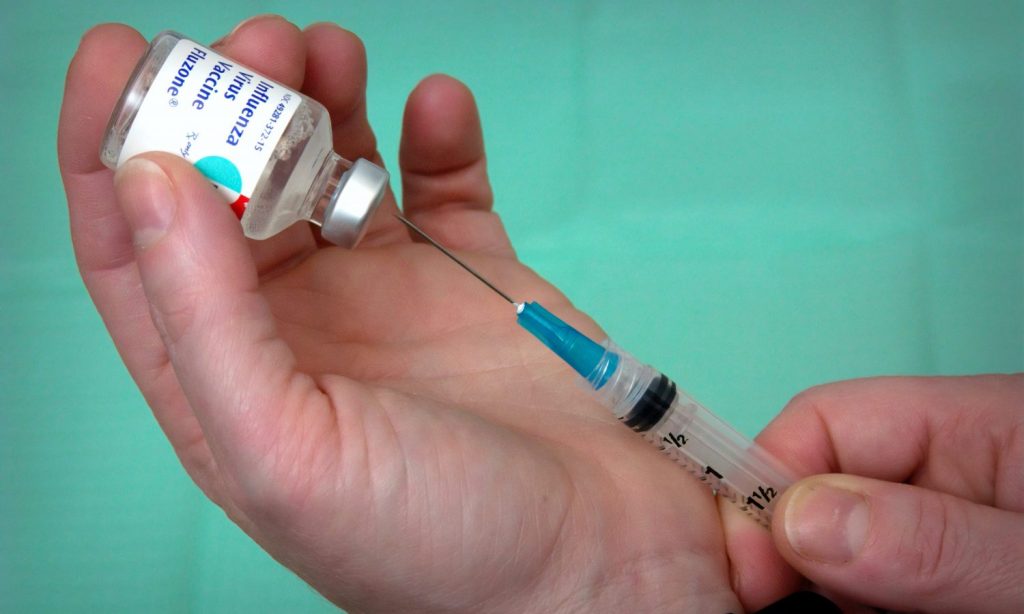
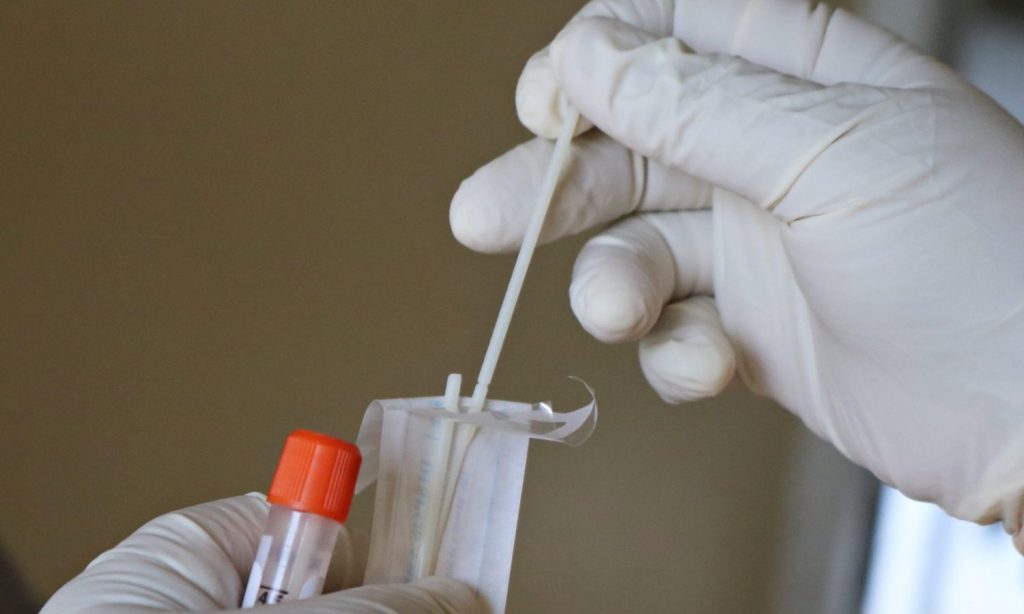
Yes, you can still test positive for COVID-19 after vaccination. As authorities work hard to dispel any safety concerns and misinformation that surrounds COVID-19, people are getting increasingly concerned over claims that vaccinated people can still get the virus. While true, this isn’t as terrifying as it sounds.
Members of congress, a nurse in California and others have come forward with these claims, explaining that they were inoculated and still managed to test positive for coronavirus.
Experts have different theories that could explain why this is happening, including how these types of vaccines take a little bit of time to be effective, that people can be infected and asymptomatic before getting their shots, and that vaccines can protect you from severe COVID-19, but that infection can still theoretically happen. Here’s a basic breakdown:
Vaccines don’t work instantly
Photo by CDC via Unsplash
The vaccines that are in circulation require two shots to fully work, and build up immunity as the days pass. This means that for about a month you’d still be open to COVID-19 infections, which is why healthcare workers emphasize the importance of sticking to social distancing guidelines, wearing face masks when entering spaces with other people, and frequent hand washing.
If you get your shot while having COVID-19 in your body, the vaccine won’t eliminate the infection. As you’ve likely heard, there’s a margin of error when getting tested, which is why experts avoid congregating even with a negative test result. There’s a short window when you can test negative even when infected. If you were infected and received your COVID-19 vaccine, the shot won’t eliminate the infection that already existed in your body.
Even while vaccinated, there’s still the possibility of infection
There’s a lot we don’t know about COVID-19 vaccines, simply because not enough time has passed in order to document their long term effects. It’s possible for people who have been inoculated to still get infected, just like with the flu. Still, the COVID-19 vaccine decreases the intensity of the symptoms and makes severe COVID-19 highly unlikely. So while you might get infected, it would be very rare for you to get very ill from the virus. But yes, you can still test positive for COVID-19 after vaccination
The U.S. House of Representatives passed a bill last December to federally legalize marijuana, but it failed to garner any consideration by the then Republican-controlled Senate.
Democratic Senate leaders announce plan to federally legalize marijuana some time this year.
In a joint statement released Monday, Senate Majority Leader Chuck Schumer, Senate Finance Committee Chairman Ron Wyden and Senator Cory Booker detailed how the Democratic-controlled upper chamber will prioritize federal marijuana legalization in the new Congress. They plan to introduce legislation in the coming weeks designed to establish a taxed and regulated cannabis market.
“Ending the federal marijuana prohibition is necessary to right the wrongs of this failed war and end decades of harm inflicted on communities of color across the country,” Senators Booker, Wyden, and Schumer said in a statement. “We are committed to working together to put forward and advance comprehensive cannabis reform legislation that will not only turn the page on this sad chapter in American history, but also undo the devastating consequences of these discriminatory policies,” the lawmakers continued. “The Senate will make consideration of these reforms a priority.”
Ever since the Democrats won the majority in the Senate, there has been a lot of speculation on exactly how the course of federal marijuana legalization would pan out. Schumer himself said last week that marijuana reform would be a priority. Still, he stopped short of saying that it would include full-blown legalization.
Instead, he acted like it was more probable that this reform would be wrapped up in a much larger racial justice bill — alluding that decriminalization might be in the cards. After all, the Democratic Party’s latest platform indicates that they intend to decriminalize marijuana at the federal level. President Joe Biden has agreed that is the right move.
The U.S. House of Representatives passed a bill last December to federally legalize marijuana, but it failed to garner any consideration by the then Republican-controlled Senate. Schumer said earlier last year that if the Democrats gained control of the Senate, a marijuana legalization bill would go to the floor, and it would likely pass. It seems he is not wasting any time seeing that it does.
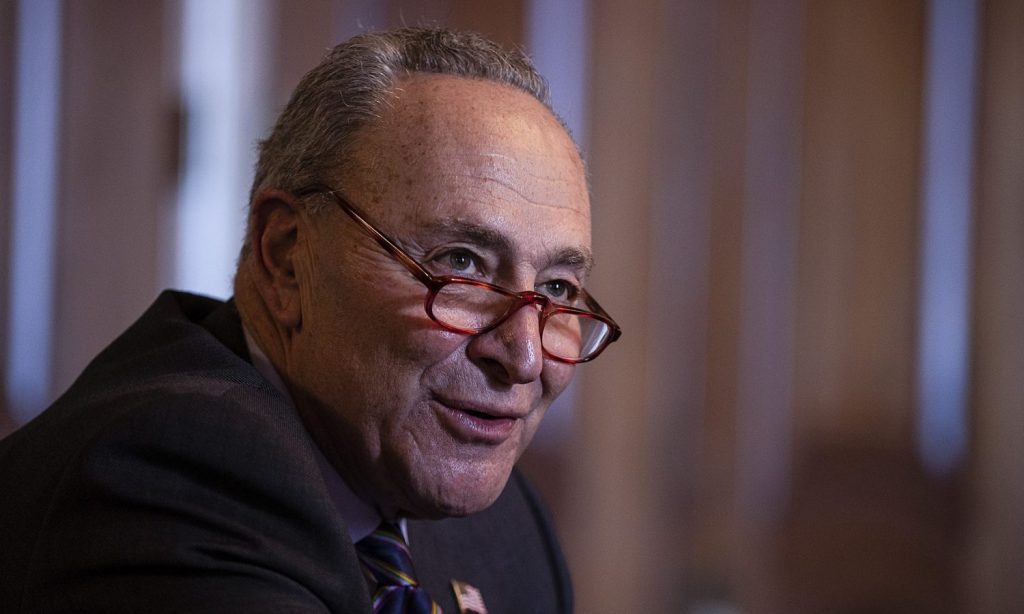
Photo by Tasos Katopodis/Getty Images
“In the early part of this year, we will release a unified discussion draft on comprehensive reform to ensure restorative justice, protect public health and implement responsible taxes and regulations,” the Senate lawmakers said. “Getting input from stakeholder groups will be an important part of developing this critical legislation.”
Cannabis advocates are thrilled that there’s been such an enormous change in the cannabis narrative on Capitol Hill.
“After years of marijuana policy reform being neglected and mocked by Mitch McConnell, it is heartening to see these Senate leaders working together to repeal the senseless and cruel policy of marijuana prohibition,” said NORML Political Director Justin Strekal. “We look forward to constructively engaging with Congressional leaders, other organizations, and those communities that have historically been most impacted by criminalization in order to ensure that we craft the strongest and most comprehensive bill possible to right the wrongs of the nearly a century of federal cannabis prohibition.”
It’s not immediately clear what President Biden’s thoughts are on this announcement. While the president supports eliminating the criminal penalties associated with pot possession, he isn’t exactly sold on legalization. However, advocates hope that they can convince him to go along with Congress. If he does, 2021 could be the year that marijuana finally goes legal in the United States.
Consumers are becoming more health-conscious and open to cannabis products as they look for new ways to relax and unwind.
While many consumers put down the bottle last this month for Dry January, some have picked up a cannabis-infused beverage instead, causing sales to rise in this emerging category.
The market experienced a similar substitution as a result of the COVID-19 pandemic which has been notable for its effect on the respiratory system. Edible sales jumped higher in 2020 as consumers traded in inhalable forms of cannabis for other consumption methods.
In a study published in the journal Health Psychology, success during Dry January was predicted by measures of more moderate alcohol consumption. The study revealed that success during Dry January was best predicted by a lower frequency of drunkenness in the month prior. The report also determined that people who were successful with the challenge of not drinking for a month also drank less going forward. So, there’s a real reward to managing not to drink for a month, and if cannabis helps, all the better. Some even call it “Cali Sober,” which means no alcohol or drugs except for cannabis.
Lantern is an on-demand, cannabis home-delivery platform that provides legal, convenient access to cannabis dispensaries and their products for state-issued medical marijuana cardholders. In January, Lantern said it has seen a significant uptick in sales of cannabis beverages specifically.
“It’s exciting to see how new consumers and canna-connoisseurs are exploring alcohol alternatives in the first month of the new year and turning to cannabis-infused beverages,” says Meredith Mahoney, President of Lantern. “With support for cannabis legalization at an all-time high and the increasing state-by-state legalization that we witnessed last year, consumers are becoming more health-conscious and open to cannabis products as they look for new ways to relax and unwind.”
Fluresh is a cannabis beverage brand that launched on Lantern’s platform in November and has quickly become one of their top-selling brands overall. Fluresh said it has sold more product in the first week of January 2021 than in November and December of last year combined.
“Alcohol replacements are certainly top of mind during Dry January, however we have seen this larger trend of replacing a glass of wine with cannabis to wind down at the end of the day, no matter the time of year,” said Lindsay Levin, Chief Marketing & Sales Officer, Fluresh. “As part of our recently launched Fluresh Collection, a standout has been our groundbreaking Fast-Acting Drink Enhancer, uniquely designed to create a customizable cannabis cocktail with an accelerated activation in as little as 15 minutes. While there has been an increased interest in our Drink Enhancer in January, sales have been strong since the product launched this summer.
“With very few calories, total taste and dose customization and none of the after-effects of alcohol, Fluresh Fast-Acting Drink Enhancer is quickly becoming a go-to alternative to alcohol.”
“To our pleasant surprise, our January sales thus far have exceeded even our December sales. Trading high alcohol, high-calorie drinks with zero alcohol, low calorie Saka Vinfusions is Dry January’s best accompaniment,” said Tracey Mason, Co-founder and CEO of House of Saka. Saka Vinfusions are cannabis-infused beverages made from select vineyards within the iconic Napa Valley appellation. Consumers can drink a Saka infused beverage that tastes like their favorite wine, but it has no alcohol in it. “Saka vinfusions have proven to be the perfect antidote for those of us who practice dry January — myself included. Our sales this month are actually stronger than our December sales.”
It’s not the doctors or the patients who stand against the adoption of cannabis medicines. Instead, it is outdated legislation.
While medical cannabis is available in over half of the states in America, federal law prohibits the substance. According to the government, cannabis is a Schedule 1 substance, which means they consider it an addictive material with no medical value. Yet, as America is continuing to notice, millions use cannabis medicinally.
According to a recent Florida study published in the journal Complementary Therapies in Medicine, the largest barrier to cannabis use is an average cost of $200 to $300 a month, which is not covered by insurance. Of the 196 respondents surveyed, 89% said they had a regular doctor, yet only 9% of respondents said that doctor was the same one who prescribed medical cannabis. Most respondents reported supportive reactions when they informed their doctor of their cannabis use.
Thus, it is not the doctors or the patients who stand against the adoption of cannabis medicines. Instead, it is outdated legislation that doesn’t allow insurance companies to cover their customers’ preferred medicine. Similar laws don’t allow doctors full access to data or permission to discuss cannabis with their patients.
Photo by LightFieldStudios/Getty Images
Full Spectrum Approaches Lead To Full Spectrum Results
Many patients checked off various conditions that they treated with cannabis, including depression, chronic pain, arthritis, nausea, spasms, and migraines. These conditions comprised 70% of those listed by patients. However, when asked a follow-up question about what other conditions cannabis could treat, anxiety, PTSD, insomnia, and irritable bowel syndrome were listed.
Perhaps the best features of the study are quotes from the patients. One illustrates what it’s like purchasing cannabis without support from his insurance, explaining: “I think they can afford to give me $300 or $400 a month for me to buy my cannabis. How many dollars is Medicare and insurance companies saving because we voluntarily left their racket and we’re saving our own money, and we’re not getting any reimbursement at all? We can’t claim it on our taxes. We can’t get reimbursement anywhere. That’s not right.”
A female patient further illustrated the poor access, stating: “We don’t have access to all the cool strains that South Florida and Eastern Florida have. I don’t know why, because at the same dispensaries, they just don’t give us the products that other places have, and they don’t stock it. I mean, truly it is the main place here in Florida. Why on earth don’t they stock their dispensaries up here? Why are we less important than South Florida?”
Cannabis is a much desired alternative medicine that people are struggling to afford. The study also concluded that patients were using cannabis to treat a variety of conditions at once, rather than a specific issue, as insulin would. This furthers the idea that cannabis is a holistic medicine, affecting the whole body.
While cannabis is a valid alternative to opiates for the management of pain, it may also help to deal with nausea while improving mood and quality of life. Further research could track cultivar-specific effects over months to illuminate the broader picture of cannabis’s effects. Otherwise, the Florida research is another step in the right direction by a leading economy.
Even though the state’s decriminalization model won’t eliminate all problems associated with drug abuse, it could help chip away at it while saving law enforcement resources.
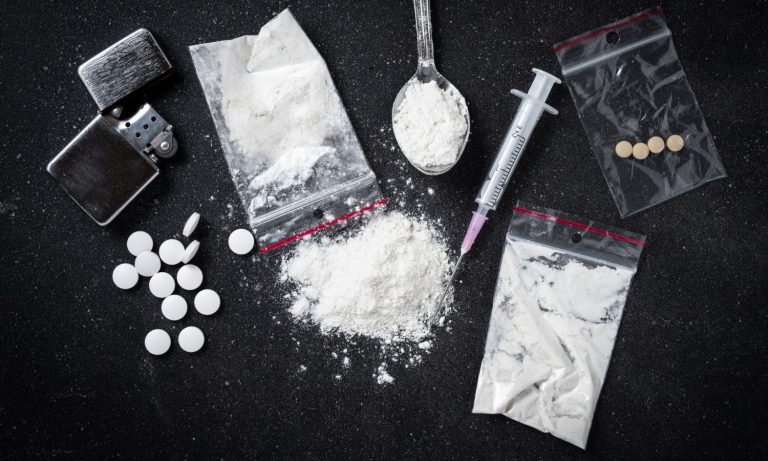
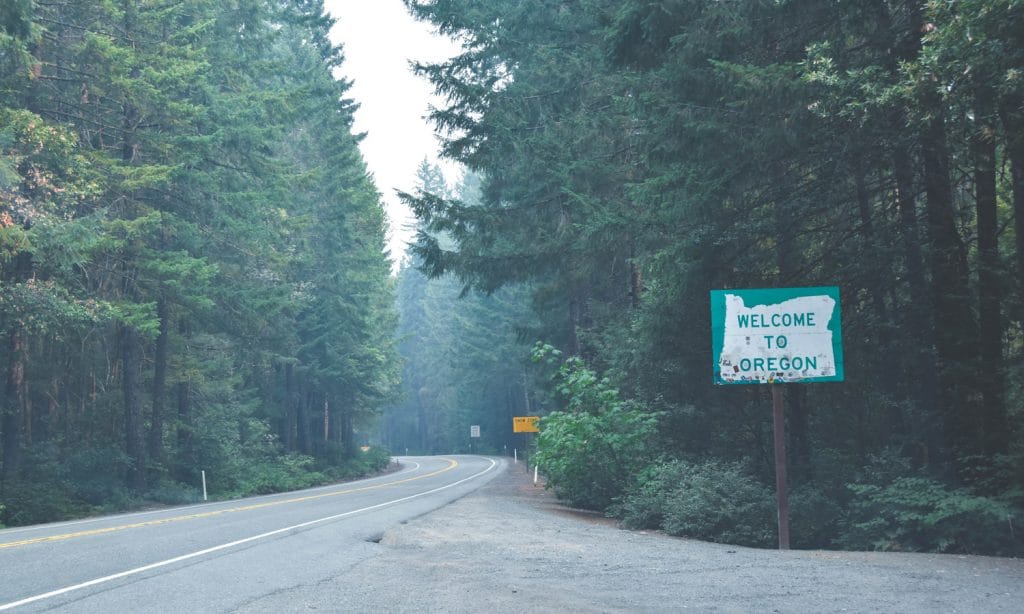
Oregon decriminalized the possession of all drugs in the November 2020 election. The law officially goes into effect on February 1, 2021. This means, from this point forward, those caught holding what the state considers a “small amount” of any illegal substance, including cocaine, methamphetamine and heroin, will no longer be charged with a crime and fed to the wolves of the criminal justice system. Instead, the offender would have to pay a small fine. No jail, no lengthy court battle.
The state is also putting a renewed focus on drug rehabilitation by allotting more than $100 million in cannabis taxes for those services. This concept might sound groundbreaking, but it is actually nothing new. Drug decriminalization has been successful for decades in Portugal. But will the United States government take notice of this policy and make a similar shift in the coming years?
The new drug decriminalization law in Oregon eliminates the criminal penalties associated with the possession of illicit substances and makes it a civil infraction. Anyone caught holding personal amounts of illegal drugs will be given the option of paying a $100 fine or participating in a health assessment. The goal is to provide addicts with a pathway to recovery rather than treat them like criminals.
According to the Oregon Criminal Justice System, the new law will decrease the number of convictions for possession of controlled substances by more than 90%. In addition to using cannabis funds to finance addiction services, the state says it will save millions by not locking up drug offenders. This money will also be put toward harm reduction programs.
Photo by pina messina via Unsplash
Portugal became the first country to decriminalize all drugs in 2001. It didn’t do this to be cool or progressive, but to combat a devastating heroin problem. It was a simple idea: Get caught with dope, go to drug rehab. Many critics thought Portugal was destined to become a drug addled nation — even worse than it was already. But the opposite happened. It started to recover.
In the years following decriminalization, drug deaths were around five times lower than the European average, HIV cases diminished significantly, and drug use overall experienced a decline in people 15-24 years old. It seemed the country was on the mend — big time. Between 1998 and 2001, the number of Portuguese people in drug treatment increased more than 60%. Most of these rehab cases were people seeking treatment for opioid addiction. And while the law didn’t stop the flow of illegal drugs from pouring into the country, it provided drug users with more options than jail or death. Furthermore, drug dealers in Portugal are still put in prison.
Meanwhile, drug addiction continues to skyrocket across the United States — 83,000 drug overdose deaths since May 2020 — and the federal government still considers drug possession a crime. As it stands, more than 46% of federal inmates are there as a result of a drug-related offense. Although some jurisdictions have opted lately to decriminalize marijuana, possession of any other controlled substances almost inevitably means jail time.
Photo by everett mcintire via Unsplash
Oregon is the only state so far that has opted for the full decriminalization model. And while the program is only in its infancy, it is expected to mimic Portugal in the way of results. Even though it won’t eliminate all of the problems associated with drug abuse, it could help chip away at it while saving law enforcement resources. It’s a policy that should be considered greatly at the national level. But that could take time.
In 2014, when Colorado became the first state to legalize marijuana for recreational use, lawmakers often referred to the new law as an “experiment.” They felt the state was just kicking around a new idea that, depending on the outcome, might serve as a roadmap for federal policy. Well, now, more than half the nation has legalized, with federal reform expected to come fairly soon.
Perhaps similar to how they watched marijuana legalization, lawmakers will take notice of the decriminalization policy in Oregon and introduced like-minded measures in the years to come. After all, the U.S. has already proved that locking up drug offenders doesn’t work. It’s one of the reasons that President Biden has promised to decriminalize marijuana nationwide. But what’s right for pot users should be applied to drug users across the board. Let’s hope the 117th Congress thinks about this in 2021 while drafting criminal justice reform.
“This shows what can happen when politics override the will of the people and causes a stalemate in the rollout of voter-favored programs,” says one industry expert.
Four of the five states that passed cannabis-centric ballot initiatives on Election Day 2020 have since run into hurdles. Lawmakers in some states want to overturn legal weed.
The pathway from ballot question to implementation has only been smooth for one of the five states to pass measures recently — Arizona. Adult use sales began on Jan. 22, with many medical dispensaries expanding to adult use to accommodate the newly opened market.
The Copper State sets a new bar by opening its market just a couple months after passing an initiative. Lawmakers from the other four states, however, are stalling the process.
South Dakota
South Dakota Governor Kristi Noem issued a January executive order showing that she ordered a lawsuit to overturn the adult use portion of its results.
Adult use, which passed by a 54.2% to 45.8% margin, was voted into law simultaneously as citizens approved of a medical market that the governor is not opposing.
Montana lawmakers aren’t opposing the results of its election. However, they rejected requests from the Department of Revenue to fund the program.
Despite opposition, home grow and possession laws did take effect on New Year’s Day. In the weeks since, amendments were filed to address taxes, their allocation, and product advertising.
There didn’t appear to be much concern from sources in the state, who indicated that implementation is still underway.
Chris Lindsey, a Montana citizen and director of government relations for the Marijuana Policy Project, says the funding rejection was disappointing. Still, the legislative session remains underway.
“We expect that the Governor and the legislature will ultimately make the right decision and uphold the will of the people,” Lindsey says.
Photo by strelov/Getty Images
Mississippi
Mississippi’s bill is contested by Mary Hawkins, Mayor of the city Madison. The mayor argues that the initiative process was out of date because rules weren’t updated after Mississippi shrank from five to four congressional districts.
Hawkins, who filed her claim days before the election, has since been joined by the American Medical Association and the Mississippi State Medical Association in contesting the ruling. The groups cite risks to physicians and public health as their concern.
New Jersey
New Jersey Governor Phil Murphy is refusing to sign legalization or decriminalization bills in their current states. His objection has been largely over the removal of language regarding underage possession.
He now has to issue a conditional veto seeking changes to the bill or hope that legislators compel themselves to amend the bill to his liking.
Murphy has until Feb. 8 to pass the bill, per New Jersey’s legislative calendar.
Despite his veto threat, Murphy said he is optimistic a bill would pass by the deadline.
Michael McQueeny, counsel for Foley Hoag’s cannabis practice, says the legislature and government are playing “constitutional chicken,” waiting to see which blinks first.
Jessica Gonzalez, a New Jersey-based cannabis and IP attorney for the firm Bressler, Amery & Ross, says the bill does not fully consider all parties.
“While I give credit to legislators who have been actively pushing for a regulated cannabis market, the legislative process did not leave much room for meaningful input from the patients, advocates and communities most harmed by the prohibition of cannabis,” Gonzalez says.
Photo by Photography by Steve Kelley aka mudpig/Getty Images
Confidence Among Most Market Leaders
Several cannabis executives did not seem concerned by the developments.
Paul Blair, VP of government affairs for Turning Point Brands (NYSE:TPB), looked toward recent positive news, highlighting Arizona’s efforts.
“That’s the new attainable benchmark for rolling out a regulated marketplace consistent with voters’ interests moving forward,” Blair says.
The state’s existing retail framework helped bring it online quicker than others, he explained.
“What’s clear across the country, though, is that public sentiment is rapidly shifting in the direction of market liberalization,” Blair added.
Others weren’t surprised by delays, saying that is the nature of the industry.
“We are not concerned and, to some extent, not even all that surprised,” ManifestSeven (CSE:MSVN) CEO Sturges Karban says. “The cannabis industry’s history of regulatory reform has often involved starts and stops, persistent political ambivalence, and delays in legislative action.”
Medical Marijuana Inc. (OTC:MJNA) CEO Dr. Stuart Titus also addressed the stalls in New Jersey, Montana and South Dakota.
“This shows what can happen when politics override the will of the people and causes a stalemate in the rollout of voter-favored programs,” he said.
Despite his worries, Titus does see each state eventually passing legislation.