Elections are stressful; it’s okay if you’re losing your mind a bit. Here are some normal emotions you might be experiencing.
We’re less than a week away from the elections. While our circumstances are overwhelming and just plain weird, a mixture of emotions and feelings is inevitable. Elections are always stressful, but this year they’re contributing to an already tense climate.
This entire year has been one unexpected event after another. By the time we’re getting used to the overall malaise, something seems to suddenly happen, and we get new spikes of stress. There’s few things we can do to prepare ourselves for these changes, but it helps to accept your feelings as they come. It’s okay if you’re having trouble sleeping or spend most of your hours glued to the news. It’s okay if you can’t stand to look at your social media feed.
Here are 5 common feelings you might be experiencing ahead of the election:
Overwhelmed
If you’re not feeling overwhelmed right now then you have some exceptional coping mechanisms. We’re living under a constant barrage of change and stressors, from far off situations like global warming to near ones, like the loss of our jobs and the closure of thousands of businesses. Your body can process these feelings by making you feel more tired than usual, perhaps making you feel like you can’t tolerate everyday life stressors. When feeling overwhelmed, it’s good to create some boundaries between you and the source of your stress, whether that’s COVID or the elections. Be open with your friends and family and don’t resist the urge to mute some topics on social media.
Presidential debates and ads are stressful, both of these being particularly vicious this year. The world tends to reduce these situations and transform them simply to black and white, which can leave you feeling very disturbed. Feeling stressed out is completely natural. What you can do to make this better is to be open with the people in your life, to talk out your feelings, whether you’re having a conversation or journaling on your own. Try your best to stay in the present.
Optimism
It’s also okay to feel like you’re seeing the light at the end of the tunnel. Voting is a kind of happy and festive occasion, especially when you see others mobilizing and working towards some bigger change. Try to avoid people who are feeling negative, encouraging them to vote but avoiding contaminating yourself with their energy, and also let everyone process their emotions by themselves. No one knows what’s going to happen until it happens.
Another coping method is to distract yourself with whatever is in front of you, thus, stopping your brain from screaming “election panic” every 5 minutes. Distraction is pretty useful right now, especially since this is a short term thing that’s meant to end soon (hopefully). While you shouldn’t shut down your feelings, now’s the time when you should be the most understanding with yourself. It’s okay to binge on some Netflix if you’re still completing work and staying relatively healthy.
You’re looking forward to November 4th
What most people are feeling is probably the need for this whole thing to be over and to be done with the uncertainty. Come election night, be sure to take care of yourself and surround yourself with a support system. Meditate a bit ahead of time and have some good food at the ready. While it’s impossible to plan for something that hasn’t yet happened, you can make your life a little easier by encouraging some self care.
Your eating habits have likely fluctuated over the past months. Here’s how you can get back to normal.
Changes in routine can affect our lives, no matter how small or insignificant they seem. The pandemic, a change that’s the polar opposite of small, is bound to affect your health in ways both obvious and imperceptible. Your sleeping and eating habits might be some of the most simple changes to keep track of.
Even if you’ve been trying harder than usual to leave your house and enjoy fresh air, the unlimited access to your fridge and pantry might have left a quarantine imprint on your life. You might not fit into your jeans anymore or might find their fabric a little weird now that you don’t wear them as often. It’s okay. There are ways of getting back to normal.
Unbalanced food habits affect much more than our waistlines. These changes can be our body’s response to anxiety, and can be messing with your mental health and making you feel bad about yourself. Whether you’ve been eating less, more, or just different, it’s important to do some thinking and try to approximate your eating routines to something closer to healthy.
Food plays a huge role in our lives. We use it to celebrate, to curb boredom and to eat our feelings. By keeping an eye on your food habits you’ll get a snapshot of your health and mental state. Here are some tips that can help get your eating back to normal:
Lunch breaks used to signal when it was time to go out for food and a walk. Working from home makes everything more muddled, but we’re still capable of setting up parameters to adhere to, like a start time, a lunch break and an end to work. While this schedule doesn’t need to be rigorous, it helps to stick to it as best as you can. This way, you won’t forget that you need to eat.
When planning out your week, account for the time you’ll spend cooking or ordering in your food. These small acts can help you have a better grasp of your day and will likely result in more productive work weeks.
Cook more
While most of us got into a habit of cooking more during the pandemic, it’s been seven months and people get bored of cooking and doing the dishes. If you’ve lost your cooking steam, try to get back into it by making it more fun. Look for recipes online, purchase a cookbook or subscribe to an app that provides you with good and simple recipes. This can all help get you excited about cooking.
It’s unrealistic to think that you’ll be joyfully cooking three meals a day for seven days a week. When you order in, be conscious about what you put in your body. This doesn’t mean that you can’t order burgers or pasta periodically, but it does mean that if you’re ordering in several times a week, a couple of these orders can have some veggies and greens that will make you feel good in the long run.
Limit your snacking
It’s very difficult to not snack on stuff if it’s within your reach. Instead of constantly testing your self-control, avoid buying snacks, at least for a period of time. Once you’ve built up a bit of tolerance, buy a limited amount of them, including some healthy options, and have them when you feel like it. Try to avoid snacking while watching TV or working, since this can distract you and facilitate binging episodes and anxiety eating.
Infused cannabis beverage makers are still addressing and experimenting with taste and dosing issues, and progress has been steady. But there is still a sense that all is not ready to go… just yet.
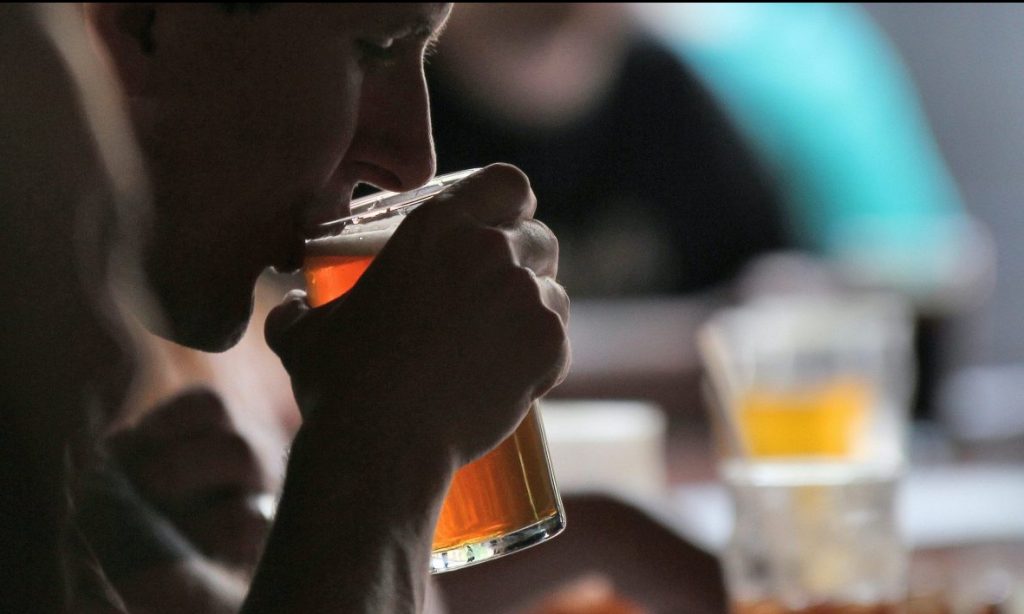
Non-alcoholic beer infused with CBD or THC sounds like a good plan. A natural fit. A new sort of buzz that doesn’t put you under the table, drooling as you slip into a moment of blanking out. It’s a more user friendlier intoxicant.
But there are a number of obstacles to overcome with cannabis-infused beverages, including taste, how much and what kind of CBD or THC to infuse, and consumer education about drinking these new cannabis products amid a mind-numbing onslaught of more and more cannabis products that clutter the shelves of most dispensaries.
Consumers know infused beverages as a sort of beer replacement product that does what beer does, only different.
The non-alcohol brewed beer infusion product represents a newly developing forum that has had a few rushes to market, some fits and resets. But overall it still looks viable. It still seems bankable.
Investors, big beverage companies, and startups instantly saw the opportunity for a new product that just may appeal to a consumer tired of just getting drunk, and dealing with the hangover, but still liked the buzz.
They have gone to work. But the last couple of years have not been kind to some, and have harpooned their ambitious cannabis infused product plans.
One of the world’s biggest beer breweries, Belgium-based Anheuser -Busch InBev, with over 630 brands globally, jumped at a chance to get into the cannabis business through a $100 million joint venture with major cannabis producer, Tilray, in December, 2018.
Then Tilray hit the skids, and is still struggling to survive, reporting a $81.7 million loss in the second quarter of 2020, essentially putting a kink in the InBev plan.
The other big non-alcohol cannabis infused beer player is Constellation Brands, makers of Corona and Modelo beer brands, investing $4 billion and taking 56 percent ownership in a deal with the other major cannabis producer Canopy Growth in 2017—and, in the process, becoming one of the first alcohol companies to partner with a cannabis company.
Then Canopy Growth stumbled as well over the last two years, losing its CEO Bruce Linton last July after it revealed a $300 million fourth quarter loss.
Like Tilray, Canopy Growth appears to be recovering slightly today.
And rumors about Constellation getting out of their deal with Canopy swirled around the cannabis community late last year. But that noise has since abated and Constellation moved on—months after Linton’s departure, and with a new CEO, Canopy got their license in November, 2019, to begin production of their cannabis beverages.
Photo courtesy of Lagunitas Brewing Company
They began rolling out CBD-infused beverages in March, 2020. In an August 2020 earnings call, Canopy Growth’s new CEO David Klein said that its product line of cannabis beverages has accounted for 74 percent of all ready-to-drink cannabis beverages sold in Canada. “We’re on track to expand our market leadership in beverages,” Klein said.
Constellation just doubled down on its investment in Canopy. “While global legalization of cannabis is still in its infancy, we continue to believe the long-term opportunity in this evolving market is substantial,” Constellation Chief Executive Officer Bill Newlands said in a press release.
The latest news about progress in cannabis infused beer comes from hemp and cannabis infusion technology company Vertosa, teaming up with Pabst Labs, which is a newly formed licensed cannabis company making Pabst Blue Ribbon Cannabis Infused Seltzer. That cannabis infused beer beverage is now available in a select group of California dispensaries.
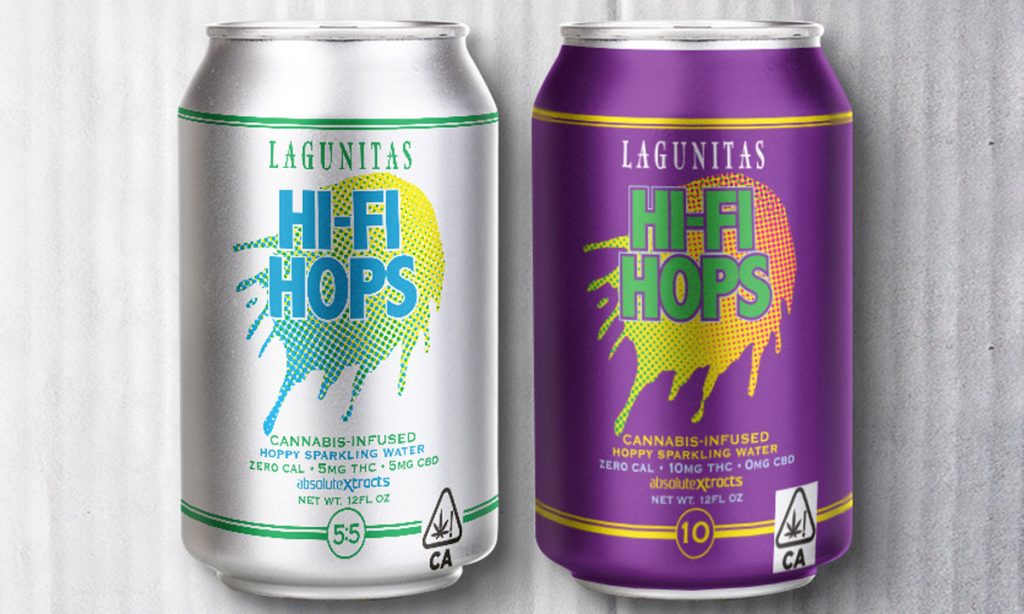
Vertosa has been the cannabis and hemp infusion partner for other infused brands, including VitaCoco, Calexo, Lagunitas Hi-Fi Hops, Viv & Oak wine, and Soul Grind cold brew by Caliva.
The infusion technology has been difficult to perfect, but is getting better.
One of the companies that does the delicate job of extracting and replacing alcohol with cannabis for both beer and wine is BevZero, working with its sister company, Conetech.
Conetech has designed a specially developed low temperature vacuum technology that enables the creation of lower alcohol or totally non-alcoholic versions of most craft beers without affecting the taste of the original brew.
So what does all this mean to the cannabis consumer?
After early amateur tinkering with the cannabis drink infusion concept, there was a “back to the drawing board” pause in the action until about 2017. Infused cannabis beverage makers are still addressing and experimenting with taste and dosing issues, and progress has been steady. But there is a sense that all is not ready to go just yet.
Photo via goodhempinc/Instagram
Enjoying these infused drinks in an acceptable social setting is another issue. Can they be sold like any other beer at, say, your neighborhood bar? Seems logical, but not likely.
Many state laws have regulations about this possibility, such as California’s Medicinal and Adult-Use Cannabis Regulation and Safety Act (MAUCRSA), which says that it is OK for someone to own a license for cultivation and selling cannabis, and a license to sell liquor. But liquor and cannabis in any form can’t be sold at the same location.
Meanwhile, combination cannabis and alcohol bar concepts have been drawn up in anticipation of a hoped-for change to come, designed with doors between the alcohol-only bar and the cannabis infused beverage bar as a way to create an enforceable space separation.
But these plans are basically on hold until regulators, industry advocates and business owners figure out what to do next.
Still, there are tempting developments that may chip away at any obstacles. The first official cannabis consumption restaurant, Lowell Cafe, opened in West Hollywood last October to record business, further confounding what can and can’t be sold in a cannabis-themed restaurant.
And the smaller breweries are taking a stab at the cannabis infused non-alcoholic beer market on their own, including Ceria Brewing in Arvada, Colorado and brewmaster Keith Villa, the only man with a doctorate in brewing from Belgium.
Villa created the popular and fast-selling Blue Moon.
Photo by Robert Mathews via Unsplash
Ceria launched their first product, Grainwave, in December, 2018, which is a Belgian-style white ale like Blue Moon, carefully replacing the alcohol with 5 mg of THC. They launched their second product, Indiewave IPA, later, again removing the alcohol, this time replacing it with 10 mg of THC plus 10 mg of CBD.
The company has looked into infusion of higher levels of THC, but 10 mg is the maximum amount allowed by the state for any consumable cannabis product.
Ceria worked on the premise that the effects of the 5 mg of THC infused in the beer comes on in 10 to 20 minutes—meaning just about the time you are finishing one beer, and drinking a second, you begin to feel the effects of the first.
Bottom line is that it’s a challenging business proposition as both craft brewers and Big Alcohol are finding out. And there is no real proof of a developed market yet, no real promising figures of pent-up demand for these infused drinks.
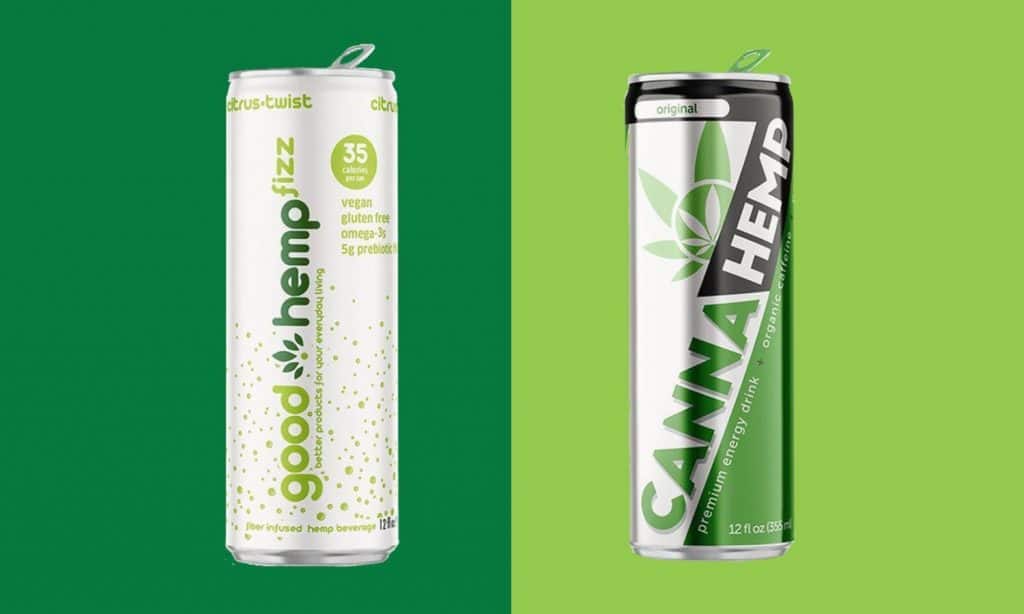
Yes, CBD infused beverages are on the rise in Europe, according to one study, which are mostly carbonated drinks and teas, fruit juices and sparkling waters—not something that you would associate with a bar. But since these products are intoxicants, they may help to sort of lay the groundwork for more beer-based infusions to come.
And there appears to be some momentum behind infused beverages of late. For example, as of September 2017, there were 107 cannabis beverage brands available at dispensaries in Colorado, Arizona, California and Oregon, according to BDS Analytics, a cannabis industry analytics and business intelligence company. BDS also predicted this would be a $1 billion market by 2022.
In any event, economic conditions now are not great for rolling out a product such as a non-alcohol, new-buzz, infused cannabis drink that may either catch fire or fail because there are so many unknowns, and so many consumer preferences to track and measure.
But putting a good buzz on that doesn’t get you so drunk you can’t talk may be just the ticket to a different level of conscious fun at the bar. And that’s something we can all celebrate.
Edibles can be intimidating if you don’t know what to look for. Here are some basics you should know before visiting a dispensary.
The world of edibles can be overwhelming for those who have no previous experience with them. There are all types and dosages available, not to mention their reputation for bad highs. It’s natural to step into a dispensary and turn away from edibles, choosing something more approachable, something you have more experience with that doesn’t have the potential to keep you couch-locked.
Despite this, a large percentage of cannabis users enjoy edibles, so much so that they choose them over all other methods of consumption. Edibles are healthier than vaping and smoking (at least for your lungs), and are capable of producing stronger results. They’re likely to provide more pain relief and a stronger response from your mind and body.
Still, these facts don’t make edibles any less intimidating, especially if you don’t know what’s in them and how they work. Here are some of the basics you should know, but first, make sure you understand Why You Need To Be Careful Using Edibles The First Time.
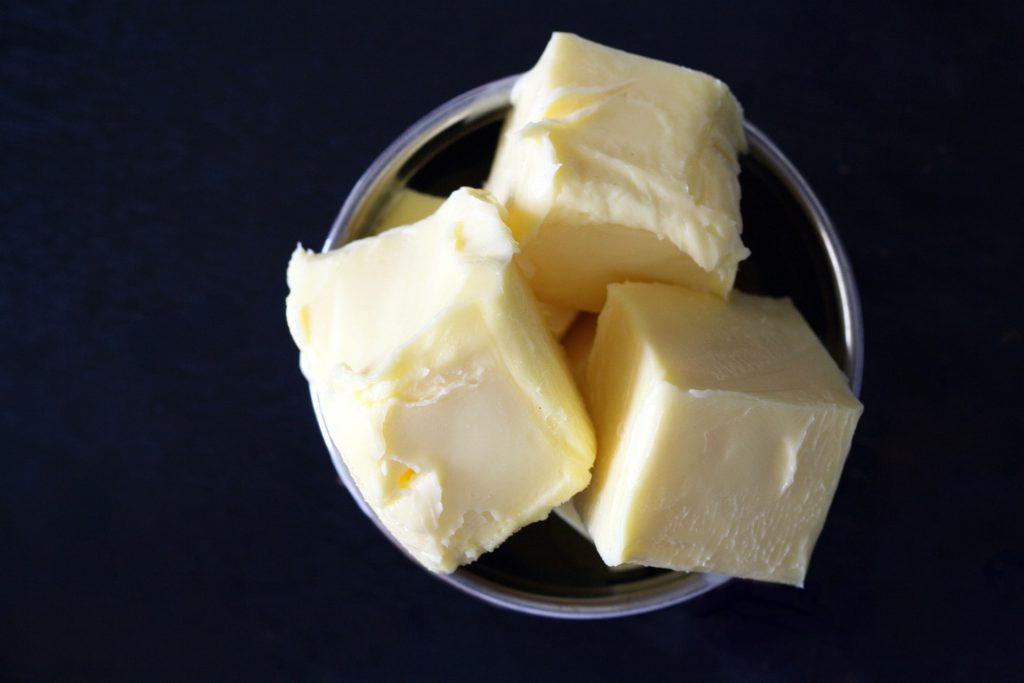
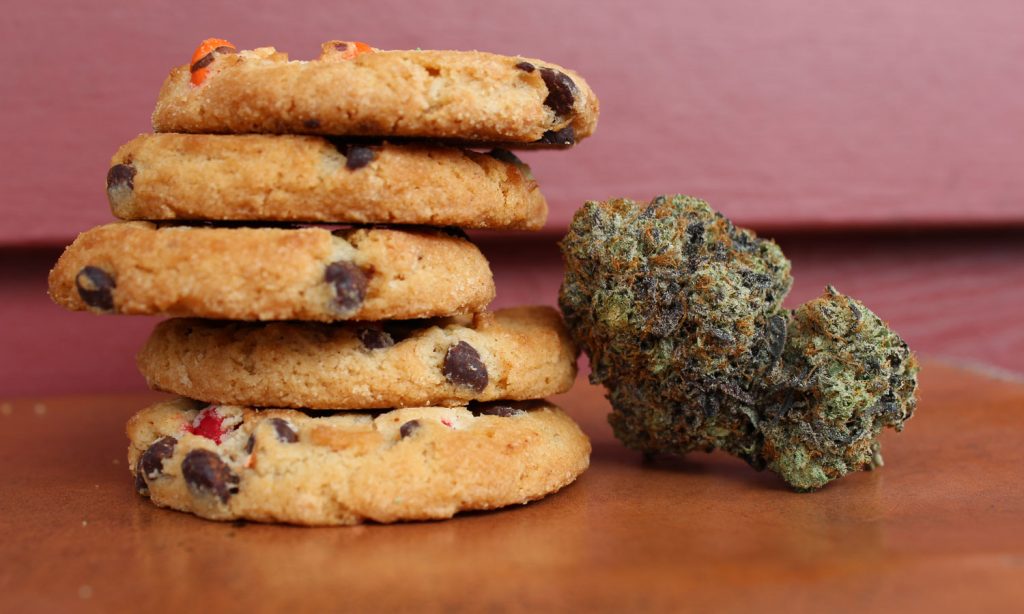
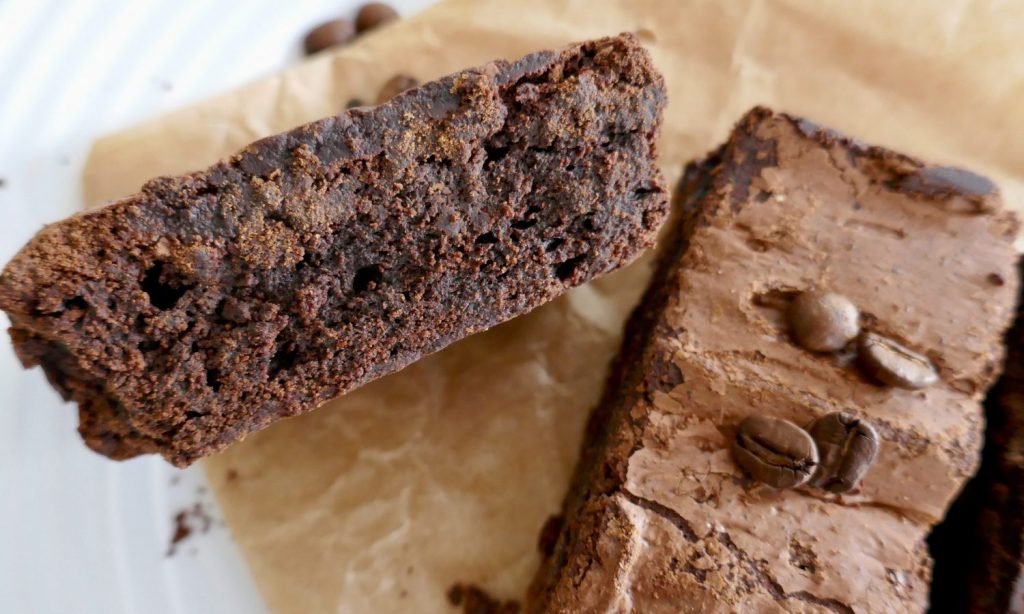
Edible makers can infuse their foods with marijuana through a variety of ways, primarily with cannabutter and extracts. Cannabutter is the product that results once butter or oil is infused with cannabis. This mixture is then used to make brownies, chocolates, etc.. Cannabutter includes the benefits and limitations of the whole cannabis flower, providing you with the full spectrum of cannabinoids. This means that there’s THC, CBD, and more in these types of edibles but also that they’re more unpredictable.
Edibles made with extracts are more targeted. Producers can isolate THC or CBD in a lab and later add them to their products, making something that is more reliable and consistent. Edibles prepared with extracts are a good option for people who are looking for a specific effect.
This all depends on the edible, but for the most part, edibles prepared with extracts tend to have less of a weedy flavor than those that are made with cannabutter. In order to be sure, you should ask your budtender and get a full breakdown of their products. Also, a lot of people enjoy that weedy flavor in edibles, so don’t be afraid of it.
While buying edibles is the easiest choice to make, especially if you’re a newbie, preparing edibles is a fun experience, one that can be done alone or with others. When preparing them yourself, it’s important to find a recipe and to stick to it, keeping in mind that cannabis must be decarboxylated and that the entire process will likely take you some time.
It’s also important to have patience and to know that you’ll be consuming cannabis through your stomach, which results in a delayed response. The best advice you’ll get is to pace yourself and to avoid eating more if you’re not feeling high yet, because you will.
You need genetic authentication to get specific information on cannabis strains. And getting that genetic information may not be available now—or for years to come.
You buy your favorite cannabis strain—let’s say it’s Blue Dream. It’s a common strain, very popular and available at many dispensaries no matter where in the 33 states you go to get it.
But a lab check will tell you that the Blue Dream you got in Denver is not the same Blue Dream you got in Chicago. There may be little changes in the chemical composition. There may be big changes. Or there may just be downright deceit: “Hey, Blue Dream is popular, let’s slap a label on this generic preroll of indistinguishable origin and call it Blue Dream and voila, sales increase!”
Only a lab analysis can show you the cannabinoid and terpene combinations of a specific strain of marijuana that can help you get what you want. Most responsible dispensaries have that information.
But that only gets you close to what you want. You need genetic authentication to get more specific. And getting that genetic information may not be available now—or for years to come.
That unknown is a quiet, ongoing problem with cannabis cultivators and sellers—making sure the consumer gets the strain they want. It has been the sort of Holy Grail that, according to one study, has been “confounded by many cultural factors” because the cannabis plant “has seen wide geographic dispersal and artificial selection by humans over thousands of years.”
Clearing up the genetic structure of a certain cannabis strain is top of the agenda for researchers. The cannabis genome has been sequenced. But researchers say that hasn’t helped with the confusion about what is truly in the plant, and where it originally came from.
To get closer to answers, let’s do a little CSI.
It all started on a Tuesday millions of years ago, in the Pleistocene era. The species of cannabis sativa is thought to have begun during that period in the upland valleys of a mountain range in central Asia, with domestication following a few million years later in the same area.
It has been generally agreed on that the cannabis plant spread alongside the development of humanity.
But the plant has a history of being uncontrollable. Cannabis sativa is a wind pollinated plant, with evidence of cannabis pollen traveling across the Mediterranean from North Africa to southern Spain.
Recreational cannabis appeared in the 19th century in the Magdalena River valley in the Columbia Andes, at various coastal ports, and in Panama during the construction of the canal in the early 20th century.
In 2003, a formal excavation of a shaman tomb in the Yanghai Tombs near Turpan, Xinjiang-Uighur Autonomous Region, China, revealed the oldest evidence of C. sativa cultivated specifically for its psychoactive components.
According to classic Chinese literature, Shen Nung (ca. 2800 BCE), a celebrated herbalist and patron divinity (whose name literally means “Divine Farmer”), was the first to instruct his people to cultivate hemp. He also prescribed it for medicinal purposes.
Also in 2003, a genetic study of cannabis concluded that cannabis is derived from two major gene pools in Central Asia, but there was insufficient evidence to make an accurate determination. Evidence also suggests the domestication of cannabis sativa could have occurred in more than three areas in Eurasia.
Researchers say that there is immense genetic diversity in the plant that is thought to be divided into four main gene pools: 1. Narrow Leaf (European) Hemp (NLH; C. sativa sativa), 2. Broad Leaf (Chinese) Hemp (BLH; C. sativa chinensis), 3. Narrow Leaf Drug-type (NLD; C. sativa indica), 4. Broad Leaf Drug-type (BLD; C. sativa afghanica).
Another study about cannabis and genes found that the “progenitor-derivative relationships” in cannabis (meaning the original species of the plant and a separate species that diverges from this ancestor) “are yet to be well understood. Until an extensive amount of additional sampling and subsequent genetic analysis on introgressive hybridization is completed, the precise cannabis genetic–geographic data will remain unsettled.”
There you go: Nobody knows what this plant is made of, really, and are trying to figure out what to do with all of this information. Meaning: Your Blue Dream might as well have an asterisk by it *… Blue Dream-esque.
“Regulators should institute broader chemical profiling, genotyping and mandatory cannabis cultivar registration with specific criteria required to grow the cultivar,” the author wrote. “The first step toward standardization in cannabis strain naming would be to throw out the current unregulated model and replace it with the horticultural and agronomic convention of cultivar names. Blue Dream would become Cannabis Sativa cv. Blue Dream. The second step would be to associate a referenced chemotype and genotype with Cannabis Sativa cv. Blue Dream. The combination of the Blue Dream cultivar name with its chemotype and referenced genotype would authenticate it.”
Sounds reasonable. And complicated. And maybe too much too late. Will it happen? Doubtful.
CGRI is working on building an ultra-high density genetic map of cannabis; developing analytics to figure out the history of cannabis; and discover hybrid origins of various strains.
The group’s is in the process of sequencing “numerous pure C. sativa, C. indica, and C. ruderalis accessions and heirloom varieties to develop our understanding of the relationships among the major lineages within the genus, the spread of cannabis throughout the globe, and rates of historical hybridization between the named species. This will help identify important genetic variation that could be used for breeding purposes, as well as answering basic science questions about the genus, such as its origins and taxonomic classification, which is a topic of controversy among biologists.”
Your choice here is to keep getting the strain you like from the same dispensary and chances are it will be identical to the same strain you got the last time. But keep in mind: Cannabis is a complicated plant. Cultivators will tell you it seems to have a mind of its own. It can change during cultivation, even transform into a hermaphrodite because of a hidden code in its genes.
You can get creative about ways to enjoy the possible healing properties of CBD oil. You’ll just need to try different methods to find the styles that you prefer.
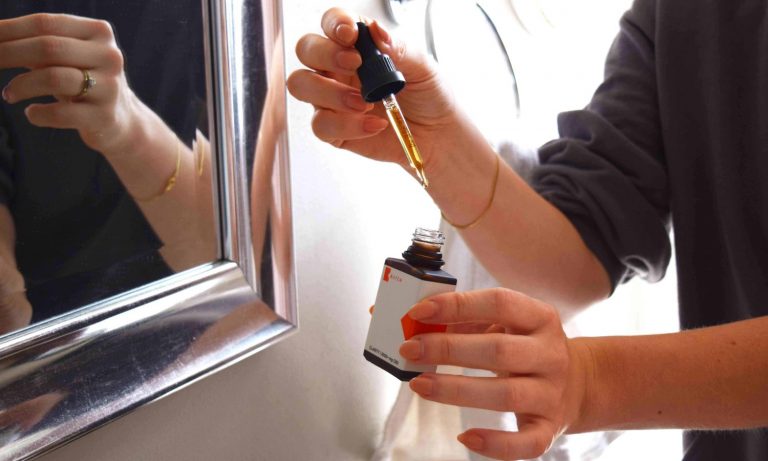
CBD oil is naturally extracted from the hemp plant and is appreciated for its possible healing properties. Hemp is not to be confused with marijuana as it doesn’t contain the psychoactive component, THC, required for the high effect. This is the reason why hemp oil is legal and safe to use as a health supplement.
Inflammation occurs when the body signals send blood to the areas that need repair. The interacting processes of the cells are what cause inflammation. Inflammation can also be caused by side-effects of medication used to treat certain ailments such as chemotherapy.
We have compiled a list of 8 different ways that you can use CBD oil to treat inflammation.
CBD oil is a possible source of anti-inflammatory compounds and chemicals, meaning the oil may reduce inflammation if applied directly to the inflamed body parts. You can use CBD oil to gently massage the areas so that joints or muscles soak in the particles. After you have massaged the oil on the swollen areas such as the ankle or knee, you can tie a cloth bandage around the area as you would after applying a muscle cream. Tying a bandage may encourage the soaking in of the oil.
Apply Heat Compresses
Applying heat compresses on swollen body parts may soothe and reduce the swelling. You can apply heat compressions by adding a few droplets of hemp oil into the warm water and soaking a clean towel. Once you wring the towel you can then compress the swollen parts for a few minutes. The combination of heat and oil on the towel may alleviate pain and swelling.
Make Ice Blocks
Just as a hot compress may work for alleviation, so does a cold compress. You can add CBD oil into water and freeze to produce ice blocks. Rub the ice blocks on the swollen parts of your body for possible pain and relief from inflammation.
Alternatively you can add the CBD ice blocks into your cold beverages. That way, you ingest the oil and may benefit from the anti-inflammatory properties.
Infuse Lotion
Photo by vadimguzhva/Getty Images
If you want to effortlessly apply hemp oil, you can add a few droplets into your body lotion. This assures that whenever you apply lotion, you will moisturise and massage the swollen areas simultaneously.
Before you add the oil into your lotion, start by experimenting with the mixture in a different container. Depending on the type of lotion you use, not all products infuse smoothly with oil. Some products may result in lumpy texture. Therefore, pre-mixing is recommended to decide whether the texture will be of quality. If you notice any reactions such as skin rash and pimples after adding CBD oil to your lotion, you should discontinue use and visit your doctor.
Take Infused Baths
Photo by Roberto Nickson via Unsplash
Soaking in a tub of warm water may relax your muscles and reduce swelling. Adding a few drops of CBD oil into your bath may further help with the alleviation. You can facilitate the process by massaging the swollen parts while you are in the bathwater. It’s recommended to take CBD baths in the evening when you are ready to sleep because of the possible relaxing effects caused by the oil.
Inhale CBD
If you are a smoker, you can include CBD oil into your smoking gadgets. You can add CBD oil into your one hitter or include into the hookah water. You must consult your doctor how much oil you can smoke seeing that this strategy means taking it in straight to your lungs. Your doctor will guide you on whether your health is in a condition where you can inhale the oil, and how frequently you can smoke it. You must also research the safe ways to smoke CBD oil for the best possible effects.
Take with Medicine
If you have been put on a medication schedule for the inflammation that you experience, you can take CBD oil whenever you take your medication. You can take a few drops and wash down with water if you don’t enjoy the taste. You can however get flavoured hemp oil and discover the type that tastes best for you.
Keep in mind that CBD is not meant to replace medicine. It is merely a supplement to the treatment prescribed by a medical professional.
Make CBD Treats
Photo by Tree of Life Seeds via Pexels
Making CBD treats is a fun and tasty way to ingest the oil. You can get creative and bake muffins where you add hemp oil drops into the mixture or make CBD gummy bears or jelly, for example. If you think of a treat that you enjoy making at home, you can always include drops of CBD oil in the baking or cooking process. You can then snack on the treats as you would normally.
It is, however, important to note that there is no official dosage recommendation of CBD oil. You may want to consult your doctor regarding the amount of oil you can ingest a day. Your doctor can guide you based on experience and your medical record.
Conclusion
You can get creative about ways to enjoy the possible healing properties of CBD oil. The oil can be used in the form of a massage, hot and cold compresses, a bath soak, infused with lotion, in the form of baked treats, taken with medicine, or inhaled. You will have to try different methods to find the styles that you prefer.
Although this hemp product may come with dosage recommendations, keep in mind that these are not official dosages. You will have to use your discretion and draw from medical advice on this front.
If you experience chronic inflammation, you must seek medical guidance as CBD oil is not medicine nor is it a substitute for medical treatment. Also, if you are currently taking any medications or undergoing medical treatment, consult your doctor. Your doctor can let you know whether CBD oil is a good supplement for your health plan.
This year Thanksgiving will look very different. Here’s how you can still celebrate it.
With COVID-19 cases rising all over the country, Thanksgiving couldn’t be coming at a worse time. The holiday, one of the most important ones in terms of family and reunions, is also accompanied by a host of other social gatherings, like friendsgiving. Despite it all, thanks to technology and some creativity, there are ways of making something enjoyable out the season during 2020.
Here’s are a few low stress and safe ways you can celebrate Thanksgiving this year:
Thanksgiving tends to group all of your family members in one place. Do you really want to do that this year? After all we’ve been through? A better option is to host a smaller dinner, one that eliminates a lot of risk but also allows you to have a good time with the people you love. Analyze your level of risk and that of your guests and be as thorough as you wish when it comes to you and other people’s safety. Host the dinner somewhere outdoors, make sure guests isolate for a period of two weeks before hand, have them wear masks and stay socially distanced, etc.
Have drinks over a meal
Meals are difficult to have if you’re trying to maintain social distance. They take longer and require people to take off their masks for long periods of time. While having drinks is still a risk, this outing will most likely be not as long (if you don’t get too drunk that is) and won’t expose people as much.
While there’s no way of recreating the feeling of everyone cooking in the same kitchen, you can try to host a virtual dinner with the same menu. Have everyone cook the same items and talk it out over dinner. There’s no need to go overboard and force people to eat through video together, but it can help if you and your loved ones are located in different states and don’t have a way of spending the day with each other. You can also broadcast your Zoom to your TV, making your family members feel a little closer to you.
Make a donation
It’s been a tough year on a global scale, with a lot of health and economical uncertainty. One way that can help you feel more proactive and thankful for what you have is to make a donation to an organization or charity that matters to you, or engage in some volunteer work. You can help your local community by donating food to a food bank, by assisting your elders and by maintaining social distance.
Because it’s listed top of the schedule of abused drugs, there is an expectation that marijuana must be as highly addictive as heroin, and therefore horribly destructive.
Every time you light up a joint or inhale the vapor from a THC-infused vape or crunch down on an edible or put a couple drops of a THC-infused tincture into your coffee, you are effectively becoming part of a statistic: the marijuana addict.
There are so many ways to get THC into your system now, and researchers say that’s the problem. Having so many options, often packaged in such a way that it just seems like ingesting this psychoactive drug is harmless fun with a sort of backhanded illusion of safety, is just the sort of thing that makes anti-marijuana believers think that there is more to see here. They smell coverup. They sense capitalism overreach threatening citizen health. They see a brand new industry jostling with the rules to make a buck.
They even believe that the fun and the party jolliness and the fuck-em-all camaraderie that is part of the experience of consuming marijuana is lulling all of us cannabis enthusiasts into getting addicted—and we don’t even know it.
But wait. Let’s take a closer look at what makes an addict.
You have a few cups of coffee each day, you’re a caffeine addict. You smoke a pack of cigarettes a day, you’re a tobacco addict. Yes, you can have withdrawals from both, which are classic signs of addiction. Withdrawals from caffeine can cause fatigue, headaches and nausea. Only 20 percent of all smokers are able to kick the habit using various medications because it’s so addictive, and smoking tobacco kills 1,300 each day in the U.S. (COVID-19 currently kills about 600-1,000 each day).
But being a marijuana addict goes to another level, because these other addictions are socially acceptable and not under the intense scrutiny of the U. S. Department of Justice. Unlike marijuana, they are not listed as the worst drug on the planet with no medicinal usage whatsoever (but strangely, neither is alcohol, one of the most addictive and destructive substances consumed by man).
So because it’s listed top of the schedule of abused drugs, there is an expectation that marijuana must be as highly addictive as heroin, and therefore horribly destructive.
That sort of belief sounds like a cruel joke to many marijuana consumers, but it’s what lawmakers use as a benchmark of why they don’t support legalization, and never will until this DEA scheduling error gets corrected. (One bill in Congress now, Kamala Harris’s Marijuana Opportunity Reinvestment and Expungement Act of 2019, does just that.)
That’s just one of the many ironies of marijuana.
Photo by Irene Rodriguez/EyeEm/Getty Images
Thousands of people “use” marijuana daily for medical ailments, from pain management to sleep disorders to help with anxiety. It’s changed the lives of hundreds of people suffering from epilepsy.
To say that they are addicted to marijuana does not really apply here — they are living because of marijuana, and living a better life because of marijuana.
They are choosing marijuana over other pharmaceuticals that are extremely addictive, such as opioids that killed nearly half a million U.S. citizens from 1999 to 2018 and is now in a third wave of overdose deaths. They are choosing to go with a plant that humans have consumed for over 5,000 years because they are living proof of its efficacy.
Yet, the marijuana-as-gateway drug theorists continue to call out marijuana as an addictive substance. They say that the upbeat medical side of marijuana is just a ruse used as a distraction from the recreational usage of marijuana, which is or will soon become an out-of-control addiction epidemic.
And upstanding medical organizations like the National Institute on Drug Abuse (NIDA) back up claims of marijuana addiction, something that they call “marijuana use disorder.”
“Marijuana use can lead to the development of problem use, known as a marijuana use disorder, which takes the form of addiction in severe cases,” NIDA claims. “Recent data suggest that 30 percent of those who use marijuana may have some degree of marijuana use disorder. People who begin using marijuana before the age of 18 are four to seven times more likely to develop a marijuana use disorder than adults.”
NIDA goes on to claim that in 2015 about 4 million people in the United States met the diagnostic criteria for a marijuana use disorder; 138,000 voluntarily sought treatment for their marijuana use.
Other studies have shown that cannabis addiction behavior is a relatively new thing, and was not really anything on the radar of global health experts until the 1990s, when more and more patients began seeking treatment due to various cannabis-related disorders, including cognitive deficits, psychosis, and dependence. When those people stopped consuming cannabis, they reported classic addiction withdrawal symptoms, including up and down mood symptoms, and physical symptoms such as weakness, sweating, restlessness, dysphoria, sleeping problems, anxiety, and a craving for cannabis which led them back to consuming more cannabis.
There are not-for-profit marijuana addiction recovery centers popping up spouting questionable statistics that marijuana is the “most frequently abused drug in the U.S.” that makes up “17% of admissions to treatment programs” and that “9% of all marijuana users become addicted.”
The usual suspects pile on. Smart Approaches to Marijuana, the well-financed thorn in the side of the cannabis industry, claims that despite popular myth, “peer-reviewed research finds 30% of past year marijuana users met the criteria for a cannabis use disorder. Marijuana addiction is real” and that “more kids are in treatment for pot today than all drugs combined.”
Sigh.
To the cannabis-friendly connoisseur, this is all push-back noise because of the success of the industry growing and thriving in nearly every state in the country. And to the consternation of those seeking to create a distorted narrative around consuming marijuana, there is more and more evidence that marijuana may actually help with opioid addiction — even as other studies report that consuming cannabis actually increases opioid use disorder, and that marijuana is actually contributing to the opioid epidemic.
Huh? What?
There has even been research using other DEA-scheduled drugs like LSD and psilocybin to help people overcome cannabis addiction. Hmm…using one illegal drug to overcome the addiction of another illegal drug?
So the issue goes back and forth, like a tennis game of scores and fouls, with one genius disputing the findings of another, caught up in an undercurrent of states’ rights issues and special interest groups fighting advocacy groups and medical marijuana patients, all using their own statistics or studies to back up their claims.
Back to the original question. Is marijuana addictive? That depends on who you want to believe. And the truth is that only you can answer that question.
Whew. Whatever. Hand over that joint my friend, and let’s discuss.
There are several ways in which you can track the success of your workouts that aren’t limited to sweat and body aches. Here are 5 of them.
Most people judge their workouts by their body’s response to them. If they’re covered in sweat or their muscles ache, it means that whatever they did was successful and they just burned a bunch of calories. While this tends to be true, the more you start working out and habituating to these routines, the less reliable these factors become.
There are plenty of ways of measuring your workout’s success and not all of them are painful or visible. For example, if your workout is particularly sweaty it could mean you were working out with a lot of intensity, that the weather was warm, that you were drinking a lot of water or that you were wearing a lot of layers. There are a lot of variables that might not be indicative of the effectiveness of your workout.
Here are 5 signs that do actually indicate your workouts are effective:
You feel good afterwards
Not all benefits of exercise are physical ones. Health experts recommend working out regularly since it helps your mental health and is a simple way of feeling good. Aside from producing endorphins and dopamine, a good workout makes you feel good with yourself, like you did something positive with your body.
If you’re able to run faster, for longer periods of time, to lift heavier weights and to have more mobility, it means that your workouts are producing results. While these might not be notable in the mirror, they’re experienced only after you’ve worked out consistently and suggest that you’re working towards something.
Workouts feels easier
People who workout by repeating routines and movements might find themselves completing these exercises more easily after some time. At first, your body isn’t used to these changes and might feel as if it’s impossible to complete the workout; after repeated efforts, your body learns the right ways to move and it becomes easier and effective to complete your routines.
While some people are good with coordinating their limbs, having a natural predisposition to dance workouts and in finding the right timing in their routines, a lot of people don’t. The more you practice these kinds of workouts, the easier they become, giving people a burst of confidence since coordination is very visual and easy to notice.
You can feel the effects in your muscles
Consistent workouts will also strengthen the connection between your muscles and your brain, making each movement feel more purposeful and like you’re more in control. When trying new movements, be sure to focus on the muscles you’re meant to be using, that way knowing if you’re doing these movements correctly and preventing injuries.
Jennifer Lawrence is an award winning actress and one of the biggest names in Hollywood. Does she smoke weed?
Jennifer Lawrence hasn’t released a film since 2019, an acting break that feels longer than it is. Since her breakout in 2010 with Winter’s Bone, the actress has received Oscar nominations basically every other year.
Recently, she reappeared in the media urging people to vote, discussing her marriage and talking about that time she tripped on the Oscar’s stage after winning the award for Best Actress.
This week, on Heather McMahan’s Absolutely Not podcast, Lawrence talked about the time she confronted Anderson Cooper over his claim that she faked her Oscar fall.
“I’ll tell you what, I saw him at a Christmas party and I let him know. My friend told me a vein was bulging out of my eyes. He apologized. I think we’re good friends now. On my end, we’re all good. What I led with was, ‘Have you ever tried to walk up stairs in a ball gown? So then how do you know.’ He apologized immediately and said he didn’t know and gave this wonderful apology. I was all fired up…he probably told everyone I was a psycho.”
As someone who portrays themselves as super approachable and normal, does Lawrence smoke weed?
There aren’t many stories regarding Jennifer Lawrence and marijuana, but the ones that exist provide pretty conclusive evidence. In 2018, she made an appearance in the Howard Stern Show and talked about the time she freaked out after smoking weed while at an Ellen DeGeneres birthday party, causing her to fight with a woman over a Port-a-Potty.
“All of a sudden security is grabbing me because what I hadn’t realized is I am grabbing this woman by the shoulders, shaking her, screaming, ‘You have to poop! You have to poop,'” Lawrence said. “And the security guard is laughing so hard because he heard the whole exchange, and he’s like, ‘You can’t grab her, but I agree, she has to poop!”
She told Stern that she smoked weed with some rappers who she didn’t name, calling their weed stronger and different because it made her enter “a different universe.”
In 2015, during an appearance on Watch What Happens Live, Lawrence also discussed marijuana, talking about the time she smoked a little weed with her brother before attending the Oscars.
As to which Oscars she’s referring to, we’ll just have to make assumptions.