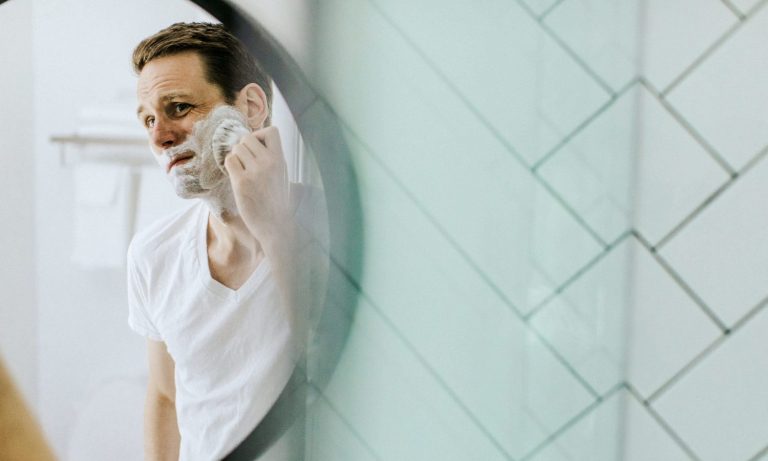
Is irritation just part of the shaving experience? Do men and women need different razors? Let’s debunk some common shaving myths to put you and your skin at ease.
The camera and poor lightening can be unforgiving in the days of the Zoom call. Rarely in the history of meetings have so many people been focused on just faces. Turning the camera off is an easy solution, but sometimes you have to bite the bullet and turn it on to make your point.
At that moment, your skin is on display and, if poorly groomed, can distract from the words you are saying. Here are four myths dismissed so you can put your best face forward.
Multiple blades give you the best shave
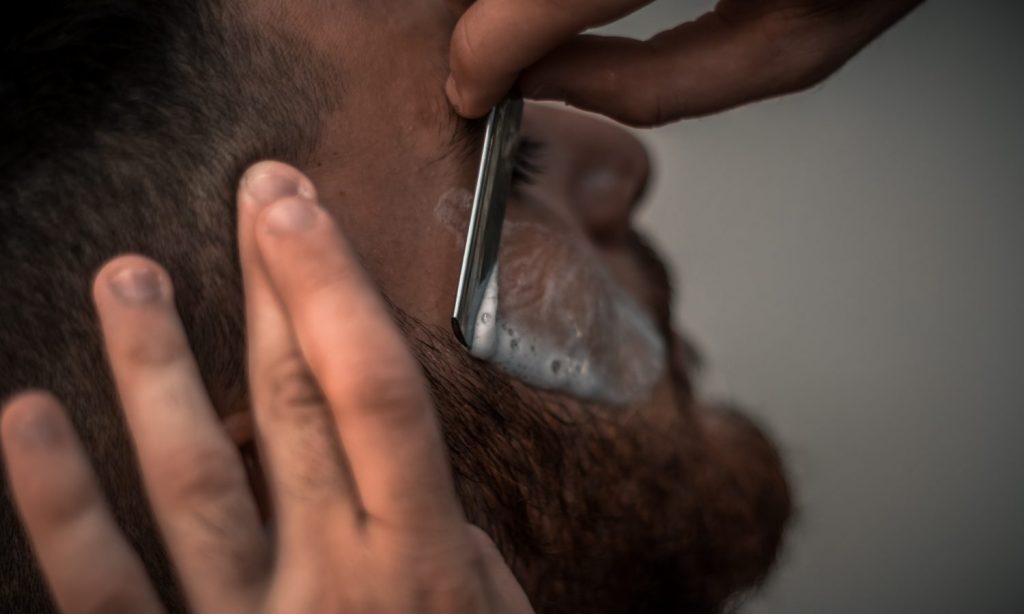
Doctor shaving your skin before surgery? Single blade. Pre-tattoo shave? Single blade. There is a reason these professionals go old school. Shaving with multiple blades actually tugs on hair, cuts below the skin and leads to more friction, irritation and ingrown hairs. Your doctor or dermatologist will likely agree.
“The best shave you can get is a hot towel shave at a barber with a single blade,” says Paul Tappon, co-founder of UNO Shave Co.
Skin irritation is just part of shaving
Photo by Supply via Unsplash
How many times have you heard that shaving irritates someone’s skin and they use it as a reason to grow a beard, scruff or the poor soul patch? According to the American Academy of Dermatology, you have roughly five million hair follicles across your body. To help your skin, always use some type of lubricate before you shave, only use a sharp razor and shave in the direction your hair grows. You shouldn’t settle for irritation and ingrown hairs because of a habit.
The more expensive, the better the shaving cream
Photo by Supply via Unsplash
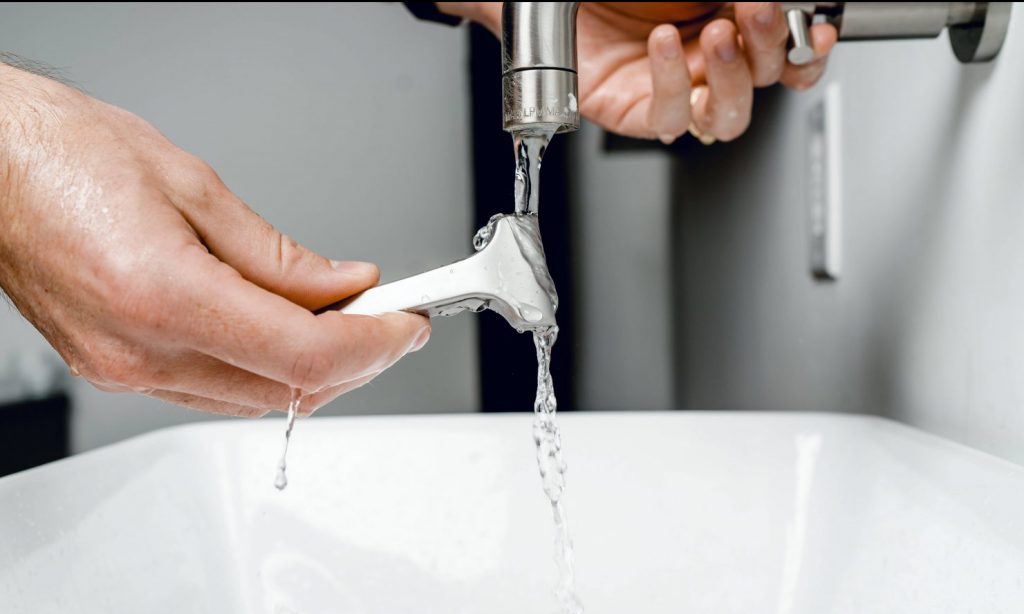
There is no shortage of shaving butters and oils, some with prices exceeding $50. But shaving cream bought at Walgreens or Target gets the job done just as well, and acts as a better carrier material for cut stubble because it is water-based. Oils and butters grease stubble, and don’t wash the razor well because oil and water don’t mix. You also run the risk your skin will be oily after shaving, leading to clogged pores and other problems.
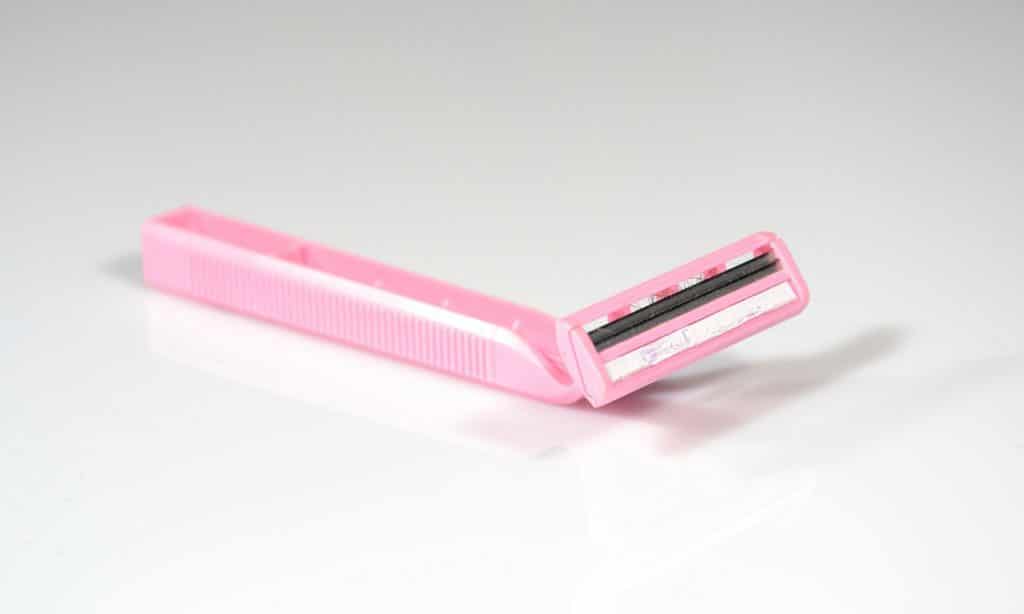
Men and women need different razors
Photo by kropekk_pl via Pixabay
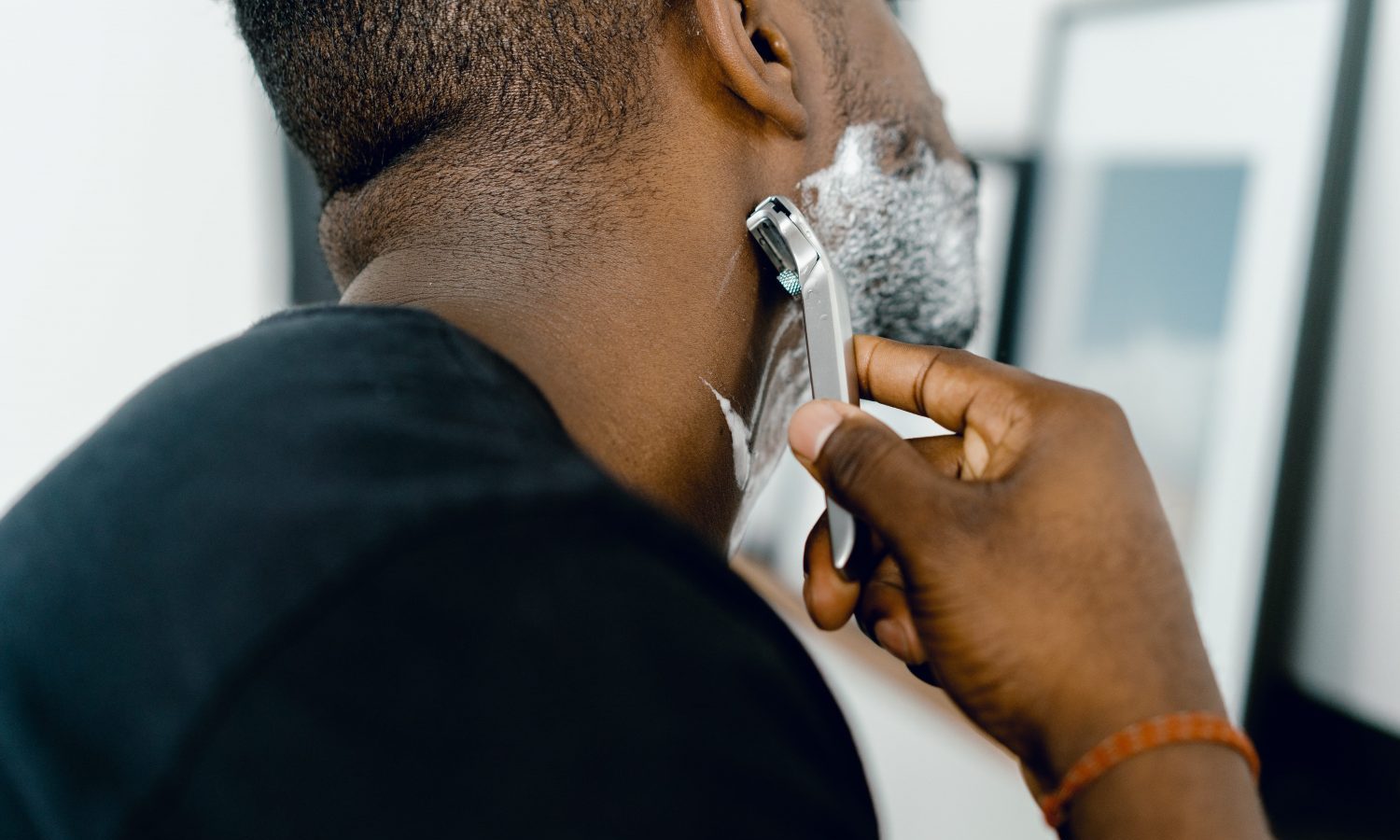
For peace in a relationship, there might be a need for separate equipment, but to get the job done, any respectable razor will do. In reality, razors marketed at women can be poorer quality behind pink colors and marketing. Some do have a moisturizing strip which offers some benefit.
All in all, a bright, fresh face can make a difference in your next Zoom call.
True crime podcasts abound and they’re super spooky, which make them the perfect companions for this year’s weird Halloween.
For those who love to celebrate Halloween, this year will be a little different. While some will still take the opportunity to get dressed up and have a few drinks, others might choose to take it easy and find creative ways of getting spooky and have a good time.
Podcasts are always an answer and now that there’s less stuff to do, it’s good to remember how informative and entertaining they can be!
Photo by Benedikt Geyer via Unsplash
One of the mediums that translates best to an audio format is scary stories. Unlike news and in depth explorations of other kinds of content, you don’t need to be an expert on horror to enjoy some auditory spookiness. One of the scariest and most prolific type of podcasts out there are those based in true crime stories. We don’t know why we love them so much, but we do.
Here are 5 true crime podcasts you can check out this Halloween:
The Orange Tree
This limited series podcast covers the murder of 21 year old Jennifer Cave, which took place in 2005. Conducted by two students of the University of Texas, the podcast investigates the disappearance and murder of Cave, who’s body was found at a condo complex near the university called The Orange Tree.
Morbidology is a weekly podcast that covers all kinds of crimes, from child murders to cults. Known for its exhaustive research, the podcast is hosted by Emily G. Thompson and features 911 calls, interviews and trial testimonies.
Obscura
Obscura, hosted by Justin S. Drown, takes a narrative approach to real life crimes, covering murders, missing person reports, mysteries and more. Although they go in deep with gory details, the content is always respectful of the victims and remains objective throughout.
This podcast is a bit different than the other entries on this list. Hosted by friends and comedians Christie Wallace and Heather McKinney, the podcast focuses on a different crime, cult or mystery each week, providing funny insights while also providing listeners with a good amount of research.
Dr. Death
Hosted by Laura Beil, Dr. Death is a podcast that explores the life and murders of Christopher Dunstch, a Dallas neurosurgeon responsible for killing and maiming 33 patients. The podcast is disturbing and provides a look into a healthcare system that fails those who need it most. The podcast is currently being adapted into a TV series meant to air on Peacock.
ICYMI: Here are the headlines making news this week on The Fresh Toast.
Because it’s highly abused, there is an expectation that marijuana must be as addictive as heroin, and therefore horribly destructive. But is this true?; Night sweats, day jitters, and the need for weed all pass in a matter of days to a week or so if you experience these symptoms of cannabis withdrawal; and also known as the “father of cannabis research,” Dr. Raphael Mechoulam revealed his latest discovery, cannabidiolic acid methyl ester (EPM301), a few months ago.
Let’s dive into these stories and more as we round up the top five headlines on The Fresh Toast this week:
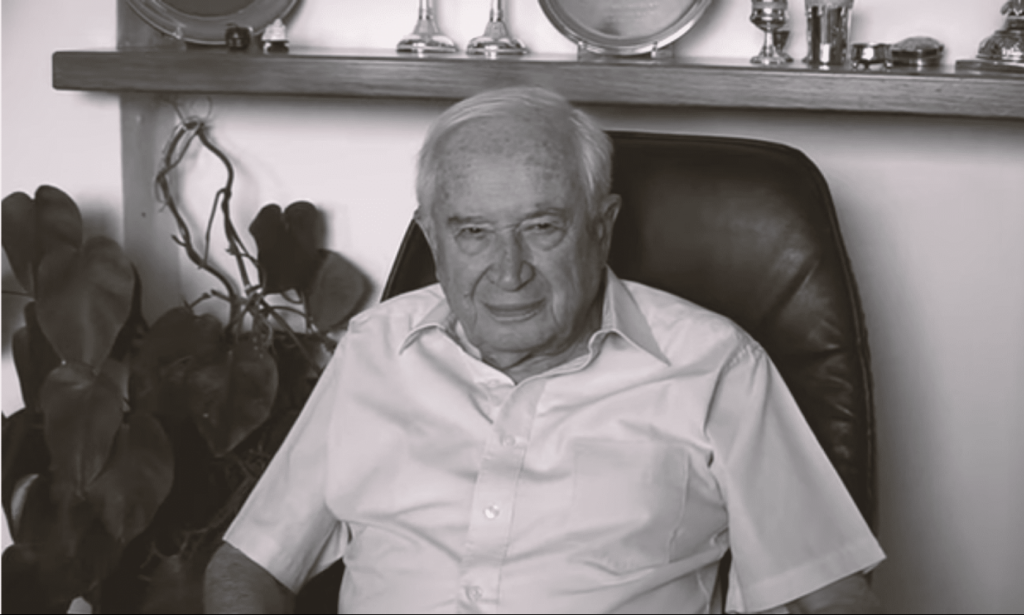
Far More Potent Than THC And CBD: Dr. Raphael Mechoulam Explains His Latest Discovery
Screen shot via YouTube
That CBD and THC can help with a long list of conditions from inflammation and anxiety, to depression and nausea, has been known for quite some time now.
In fact, Mechoulam was possibly the most significant academic to shed light on the active principles of the cannabis plant back in the 1960s, when his work at the Weizmann Institute led to the discovery of the human endo-cannabinoid system, crowning him the “father of cannabis research.”
But the 88 year-old researcher’s newest discovery presents cannabidiolic acid as a far more potent compound than CBD or THC — with no known negative side effects.
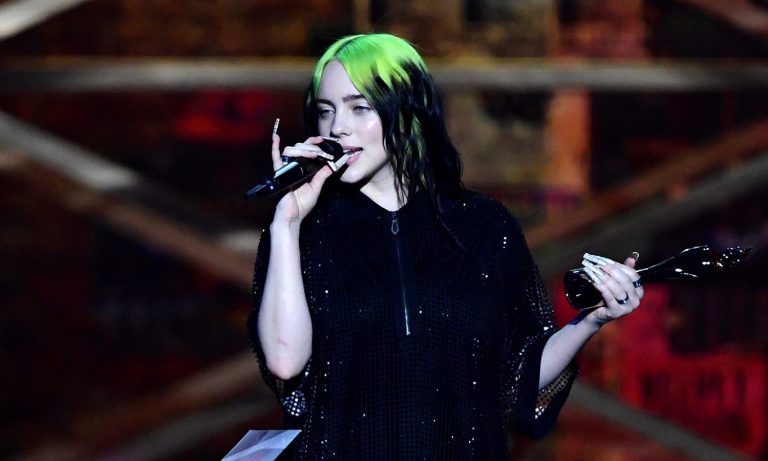
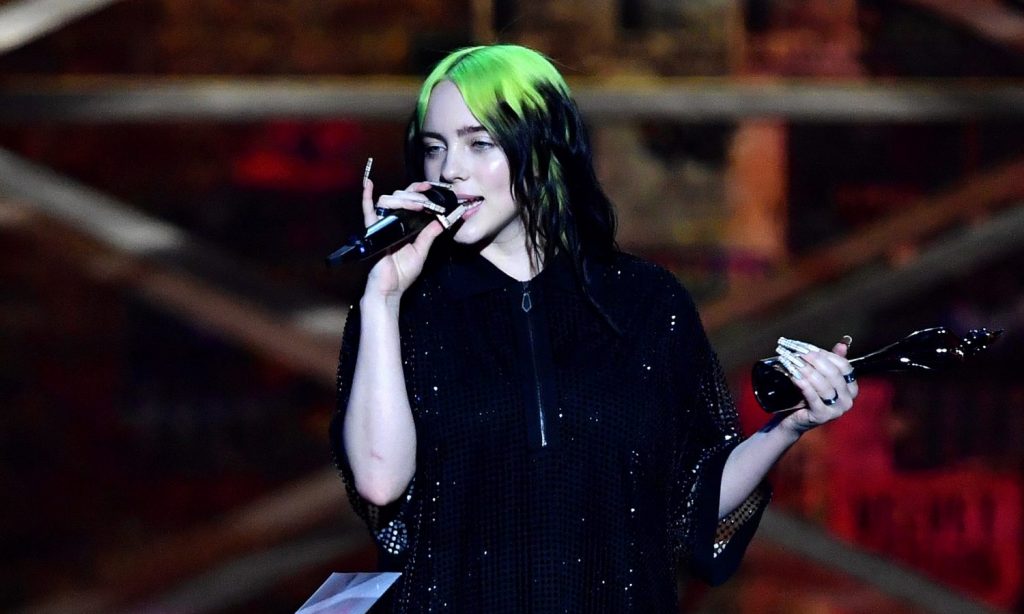
The fact that Billie Eilish is 18-years-old hasn’t stopped her from breaking all kinds of records. Winning five Grammys and releasing a bunch of Billboard hits that deal with unusually dark subject matter (at least for pop music), Eilish is a hugely successful singer, song-writer and performer, and an embodiment of her generation. She’s an artist who’s politically active, outspoken about issues like body image and animal rights.
Recently, a picture of Eilish circulated that showed the teenager wearing something more revealing than her signature baggy look. (Earlier this year, Eilish explained that she chose to wear baggy clothes because she “hated” her body, which makes this story even more sad.)
If you search the internet for “cannabis withdrawal,” you’ll find a few helpful articles from cannabis sites acknowledging cravings, short lived mood swings and trouble sleeping. But mostly you’ll find drug war propaganda that suggests treatment options that can be as severe as physically checking into rehab.
Most cannabis users have had to quit for a period at some time or another in life. Sometimes for a few days, sometimes weeks or even months. Maybe a job came along that conducts hair sample tests, maybe you’re vacationing in a non-cannabis friendly place, perhaps it’s probation or a detox of some sort.
Experimenting with a new activity is a trial and error process. Not everyone has the proper tools, and by the time you find out what you’re missing, your first crack at a new experience has come and gone, likely a little lackluster. This is the case with cannabis, which tends to be a messy, low-quality smoke session with friends the first time you give it a go.
While items like proper grinders and quality rolling papers are not necessary to smoke weed, they will definitely contribute to a better experience. If you’re new to the plant, a positive experience will greatly impact your relationship with cannabis, resulting in something that’s fun and easy, which is what most people are looking for when they’re first trying it.
Every time you light up a joint or inhale the vapor from a THC-infused vape or crunch down on an edible or put a couple drops of a THC-infused tincture into your coffee, you are effectively becoming part of a statistic: the marijuana addict.
There are so many ways to get THC into your system now, and researchers say that’s the problem. Having so many options, often packaged in such a way that it just seems like ingesting this psychoactive drug is harmless fun with a sort of backhanded illusion of safety, is just the sort of thing that makes anti-marijuana believers think that there is more to see here. They smell coverup. They sense capitalism overreach threatening citizen health. They see a brand new industry jostling with the rules to make a buck.
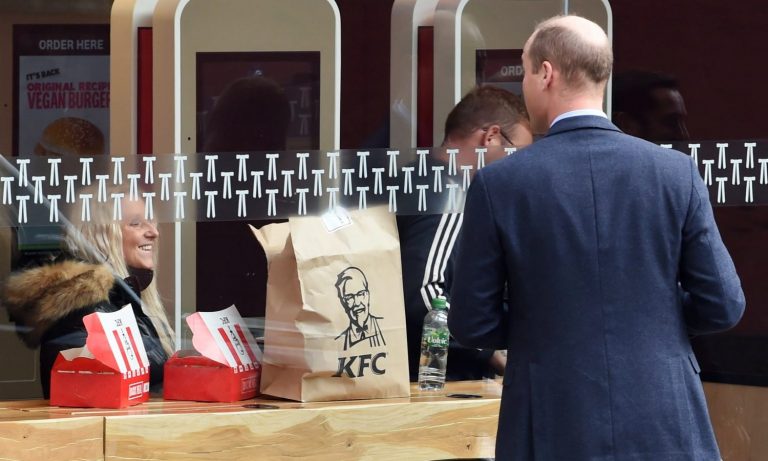
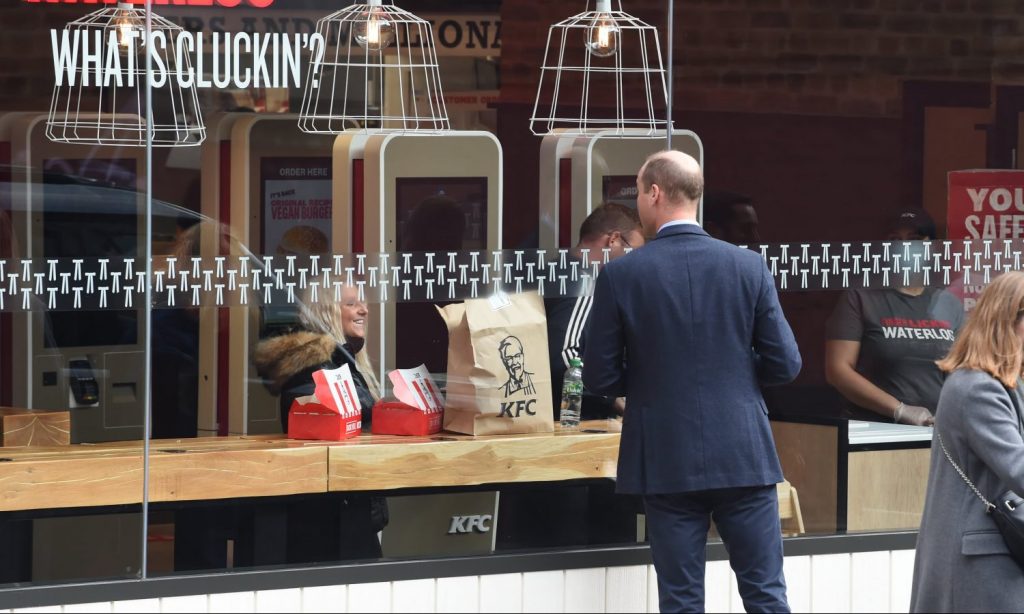
We know he loves chicken and now he has a nickname to prove it. Here’s how KFC trolled the Duke of Cambridge and his affinity for their finger lickin’ fast-food.
Prince William’s love of chicken is not news. In fact, we’re seriously starting to wonder if he has ever eaten anything else in his life. He’s acknowledged it’s the one dish he loves to cook, it’s the dish he and Kate make at home when they’re just hanging out, and now, he’s been bestowed a new title for his wandering fast-food eye: His Royal Thighness.
The nickname comes courtesy of KFC, which trolled the 38-year-old Duke of Cambridge earlier this week while he and Kate Middleton were out and about for an official event, and Will got distracted by a KFC in London along the way. He was snapped peering through a window watching people eat.
I’m sad I didn’t call him His Royal Thighness in the main tweet tbh
KFC has some competition for a place in William’s fast-food loving heart. In 2018, Will revealed that he’s a fan of a chain called Nando’s, which serves something called peri-peri chicken, a flame-grilled bird with African Bird’s Eye Chili.
Photo by Jeremy Selwyn – WPA Pool/Getty Images
Will says he became a fan after one of his protection officers, who is a diehard fan, introduced him to the fast-casual spot.
According to People, Will told told Robert Brozin, the guy who started the company in Johannesburg, South Africa back in 1987, that he recently started eating the eatery’s spicy chicken. Referring to his protection officer, Will told Brozin, “This man here is your biggest fan, he’s introduced me to Nando’s. It’s very good.”
Brozin said he wasn’t surprised Will had eaten his chicken because “the beauty of Prince Harry and Prince William is that they’re really accessible and they are guys that go out a lot – I’m very happy that they’ve tried it.”
Many cannabis consumers have a story about someone who tried cannabis for the first time and literally thought they were losing their minds. Were they tripping?
Cannabis is a strange, complex plant that researchers are still trying to figure out. Now they are saying that there is an element of a psychedelic experience involved with consuming the plant, but are not entirely sure how and why that happens.
The plant has more than 60 cannabinoid compounds (including CBGA, or cannabigerolic acid; THCA, or tetrahydrocannabinolic acid), some of them with opposing effects, with not all of their interactions understood. As a result, cannabis consumption affects people in different ways depending on these interactions (and especially because of the strength of the THC content), along with the genes and personality characteristics of the consumer.
Like caffeine, cannabis is a psychoactive drug, meaning it affects cognition, consciousness, mood and emotions. Since it does affect these areas of the central nervous system, it can evoke certain new ways of thinking that matches the effects of LSD—though at generally a much lower level.
Many cannabis consumers have a story about someone who tried cannabis for the first time and literally thought they were losing their minds. They were seeing things, reaching out for floating objects that were not there, got dizzy and began vomiting—all after just one or two hits from a joint.
Yes, they were tripping on cannabis.
When someone consumes cannabis, it interacts with a neurotransmitter receptor in the brain that creates the (mostly pleasant) effects. But there is more to it, because that neurotransmitter interacts with other neurotransmitter systems in the brain, resulting in unexpected pharmacological effects, according to a 2012 study published in the journal Therapeutic Advances inPsychopharmacology.
Most marijuana that is available for both medical and recreational consumption contains a combination of THC and CBD. The psychedelic experience seems to be more related to the THC.
Researchers found that THC caused transient psychotic symptoms and increased the levels of anxiety, intoxication and sedation of a consumer, whereas CBD had no significant effect on those behaviors.
Photo by Isi Parente via Unsplash
A 2018 study published in the journal CannabisandCannabinoidResearch reported that cannabis has been historically classified as a hallucinogen, but that subjective cannabis effects do not typically include hallucinogen-like effects. “Empirical reports of hallucinogen-like effects produced by cannabis in controlled settings, particularly among healthy research volunteers, are rare and have mostly occurred after administration of purified THC rather than whole plant cannabis.”
The study went on to discuss the case of a healthy 30-year-old male who had auditory and visual hallucinations in a controlled laboratory study after inhaling vaporized cannabis that contained 25 milligrams of THC. The “trip” lasted about 90 minutes, and the volunteer was “functionally incapacitated.”
The hallucinatory experience in this case was different than the effects of classic psychedelics like LSD and psilocybin, according to results of the study, suggesting that the hallucinatory effects of cannabis may have a unique pharmacological mechanism of action.
Other advocates, such as author Steven Gray, describe cannabis as a “spiritual ally” that can create “ego dissolution,” which is a major effect of psychedelics that contributes to a sense of peace and connectedness. He leads cannabis meditation sessions to explore that relationship.
Some cannabis consumers say that LSD is like “weed times a million.” Consumers report a more “psychedelic-like” reaction to smoking the flower from certain strains with generally higher levels of THC (such as Amnesia Haze, Headband, Durban Poison), but even more so with concentrates and edibles that can have as much as 70-90 percent THC content (oils, sugars, live resins, waxes).
As the cannabis industry grew and became more accessible to first-timers, people experiencing an edible often consumed much more than the suggested amount, leading to “trip” like experiences and emergency room visits. That has led to a common refrain from cannabis concentrate makers: Go low (THC level), go slow (eat only the suggested amount).
So there is a difference about the experience between LSD and cannabis, and both can be called psychedelic. But there exists a more fine-tuning of that term.
“The term ‘psychedelic’ itself is not related to a chemical structure of a compound,” noted Brad Burge, director of strategic communications for Santa Cruz-based Multidisciplinary Association for Psychedelic Studies (MAPS) in an article on their website. When it comes to psychedelic drugs, “most of them have little, if anything, in common chemically,” he wrote. What they do all have in common is their ability to “bring up the contents of the mind,” whether that’s subconscious thoughts or repressed traumatic memories, Burge wrote.
Photo by Cannaclusive via Flickr
While cannabis can be used in related ways, such as augmenting a meditation practice or sparking creativity, Burge wrote that the plant is mostly used in ways similar to alcohol or nicotine: It “smooths over symptoms that people are having.”
Another important distinction between cannabis and psychedelics is the way in which they’re used in therapy. Whereas psilocybin, the chemical in magic mushrooms, is used to enhance therapy, it’s not the treatment in and of itself. “The goal is getting at the root of people’s problems,” Burge wrote. Cannabis, on the other hand, mostly treats symptoms.
So cannabis be a trippy experience, depending on your definition of trippy. But like with many things related to how cannabis operates inside the human endocannabinoid system—which has been implicated in a growing number of physiological functions, both in the central and peripheral nervous systems and in peripheral organs—the jury is still out.
The CDC released a new set of guidelines that define who, exactly, is considered a “close contact.” Here’s what that means for you.
The Centers for Disease Control and Prevention (CDC) released a new set of guidelines, one that relates specifically to those people who are considered a “close contact” of someone infected with the coronavirus.
Close contact was previously defined by the CDC as a person who was within 6 feet of distance of someone infected with the virus for a period of 15 minutes or more. The new guidelines expand on this definition, explaining that close contact is now someone who’s within 6 feet of an infected person for a cumulative amount of time of 15 minutes or more within the span of 24 hours.
While this definition doesn’t seem to make an impact in the majority of people’s daily lives who are working from home, it could provide some helpful guidance for people who attend school and office settings. While the 15 minute mark isn’t set in stone — you can get COVID from spending more or less time with an infected person — it’s an effective rule when there’s several people coming in and out of a building.
Photo by Matthew Henry via Burst
“It’s easy to accumulate 15 minutes in small increments when you spend all day together — a few minutes at the water cooler, a few minutes in the elevator, and so on,” explains John Hopkins epidemiologist Caitlin Rivers to the Washington Post. “I expect this will result in many more people being identified as close contacts.”
Another aspect that this new guideline tweak is contact tracing; more people now fall within these categories, increasing the pool of exposures and possible infections and thus resulting in more people who should isolate or quarantine.
While every day we’re discovering new aspects of the coronavirus, one thing remains clear: wearing face masks and keeping 6 feet of distance between others remains the most efficient ways of curbing the virus, even if they’re not infallible.
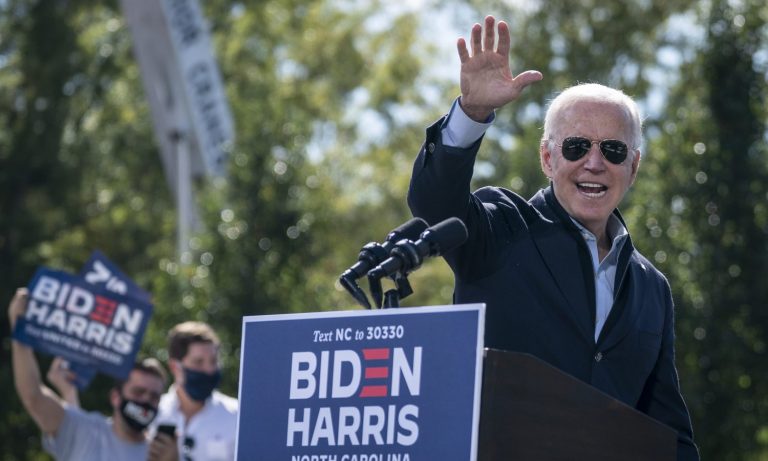
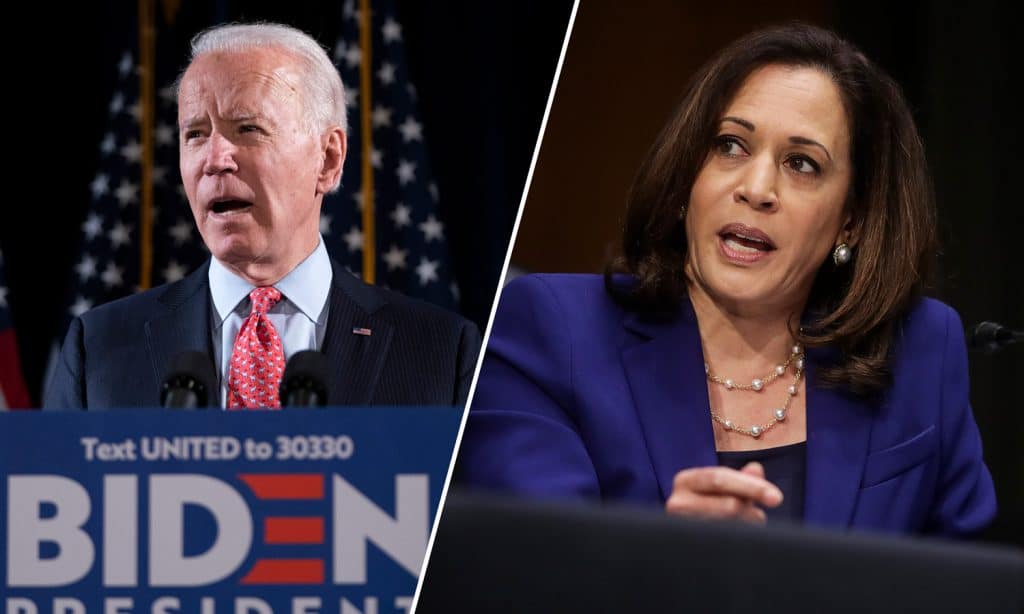
Heading into Thursday night’s final presidential debate between President Donald Trump and former Vice President Joe Biden, Biden has a commanding lead in most polls and online prediction markets. The stock market has a lot riding on the election outcome, but Sevens Report‘s Tom Essaye said this week three industries in particular could experience some extreme Biden volatility.
The first industry that could get a significant Biden bump is cannabis.
A Biden victory could open the door for the decriminalization of adult-use marijuana, potential rescheduling and other federal cannabis legislation. The direct beneficiaries of this trade would be multi-state operators, but Cantor Fitzgerald said earlier this week Canadian legal cannabis producers could see “collateral benefits” as well.
Traders can pick and choose their favorite MSOs or Canadian LP stocks, or they can bet on Biden by trading the ETFMG Alternative Harvest ETFMJ 0.7%.
The second industry that could get a Biden boost is the battered cruise industry, Essaye said. Not only would the cruise industry benefit from a potential $5 trillion in stimulus in the event of a blue wave election, Essaye said normalization of relations with Cuba could also be a major shot in the arm for cruise stocks like Carnival CorpCCL 4.35% and Royal Caribbean Cruises LtdRCL 3.73%.
“These stocks are historically cheap, and we believe the cruise industry will return to normal over the coming years, so any announcement about re-opening travel to Cuba would be another positive catalyst for this beleaguered space once business starts to return to normal,” Essaye said.
Photo by Darren415/Getty Images
Finally, Essaye said private prison stocks GEO Group IncGEO 3.09% and Corecivic IncCXW 2.41% could find themselves on the short side of the Biden trade.
“[Sen. Kamala] Harris said a Biden administration would eliminate the use of private prisons at the debate last week, and while that was a bit of an exaggeration, the point is that the Biden administration would re-implement an Obama administration policy that would phase out the use of private prisons by the Federal government over the coming years,” Essay said.
Benzinga’s Take: The Biden victory trade is looking pretty good ahead of the debate, with online prediction market PredictIt giving Biden a 64% chance of victory. However, on this day in 2016, PredictIt had the odds of a Hillary Clinton victory at 82%, so investors should be cautious about relying too much on poll numbers and online bookmakers.
It’s clear that this election cycle represents the best chance for the cannabis industry to finally turn the corner with lawmakers.
Assuming current polls about Joe Biden’s lead over Donald Trump holds true, it appears that Biden may just win the election.
Of course, there are plenty of ifs, ands and buts here because, as everyone knows, Trump is throwing every complaint and conspiracy theory into the works in the hopes of convincing fence-sitters to help him get re-elected.
So the outcome is far from certain.
But the cannabis industry is more and more hopeful for a Biden victory as election day gets closer, which also means a Kamala Harris victory. Why that is significant is that Harris sponsored one of the most far-reaching and comprehensive cannabis legalization bills ever seen in Congress, the Marijuana Opportunity Reinvestment and Expungement Act of 2019 (the MORE Act).
That bill is unlikely to get any serious traction before the end of this year. But it could become a priority by the end of January if Harris takes office—even more so if the Senate becomes a Democratic majority.
And that is just the scenario that the cannabis industry is counting on.
More cannabis-related bills have been introduced into this Congress than ever before—over 90. There have been a few cannabis bills, such as the Secure and Fair Enforcement Banking Act of 2019 (the SAFE Act) that passed out of the House only to be sidelined in the Republican-controlled Senate by Senate gatekeepers like Mike Crapo (R-ID and chair of the Senate Banking Committee), Mitch McConnell (R-KY and Senate Majority Leader) and Lindsay Graham (R-SC chair of the Senate Judiciary Committee).
Photo by Mario Tama/Getty Images
It’s Graham that has the most control here—cannabis bills have to pass his committee because cannabis is a controlled substance, therefore a Department of Justice issue. The Department of Justice is part of the Judiciary Committee.
As it stands now, two of these senators are not doing well in the polls against challengers, and may possibly lose. Graham, who has held his senate seat since 2003, is reportedly “running for his life” against a suddenly energized opponent and state Democratic Party Chair, Jaime Harrison.
McConnell still maintains a slim lead over his opponent in Kentucky, and is reportedly attempting to distance himself from the Trump administration just in case he needs to energize any undecideds to fight off a late-cycle surge by Democratic contender, Amy McGrath.
It’s clear that this election cycle represents the best chance for the cannabis industry to finally turn the corner with lawmakers, including getting rid of barriers to Congressional progress and ending the single biggest impediment to real sustained progress: getting cannabis totally de-scheduled from the top of the Drug Enforcement Administration’s list of controlled substance, something that the MORE Act proposes.
Standing by watching and waiting are a number of cannabis companies working on initial public offerings (IPOs) who are literally banking on a Biden-Harris win, and who are jazzed by the comment Harris made during the vice-presidential debate about decriminalizing cannabis under her/their administration.
As reported by Reuters, these companies include Flora Growth, that just secured a $30 million funding round and is planning an initial public offering; Gage Cannabis, standing by to do their initial public offering early next year; as well as a startup, biosynthetic maker Biomedican.
Cannabis stocks are surging in recent weeks as well. Aurora Cannabis showed a significant bump the day after the vice president debate, and is up 4% already today. Canopy Growth is up nearly 5% today, riding a wave of highs after the debate. Tilray is up nearly 7%, also trending to higher levels since the debate. Ditto with Cronos Group, up nearly 4% today.
These gains are significant because all of these companies had been trending downward in late summer-early fall. Some—such as Aurora and Tilray—were high flying stocks right after their initial public offerings. Both experienced significant crashes. For example, Tilray traded at $143 per share just two years ago. It now trades at just under $7 a share.
The 2020 election will also feature voters in five states—New Jersey (Question 1) and Arizona (Proposition 207) among them—voting on recreational use of marijuana.
And with cannabis sales rocking across the country, the stage is set for cannabis to finally assume its position as a sure-fire economic engine. Sales in Colorado, for example, have been hitting record highs month after month this year, coming in at $1.4 billion in total sales through August this year and a total of $9.2 billion since legalization in 2014.
An even more impressive factoid is the global reach that the cannabis industry has created. Global cannabis sales are expected to reach $19.7 billion by the end of this year, an increase of 38% over 2019, and are forecast to be $47.2 billion by 2025, according to BDS, a cannabis market intelligence company.
So all the ducks are lined up. If you were a legislator, and wanted to fix the economy from the COVID fallout by legitimizing an industry proven to generate jobs and increase your state’s wealth, maybe now is the opportunity.
This year could become the perfect cannabis-friendly storm: A Democratic administration, Democratic majorities in both the House and Senate, huge cannabis sales and tax revenue figures, and more states legalizing. Will it happen? November 3 will tell all.
Although there is not much scientific evidence proving the existence of the marijuana hangover, anyone who has ever had an overly ambitious night with weed will tell you that it is real.
You eat one and then another. After 30 minutes or so of feeling nothing but the need for a tall glass of milk, you devour a couple more of those delectable little boogers. It is somewhere in the middle of a “Seinfeld” binge when the weed starts to kick in. And it keeps on keeping on.
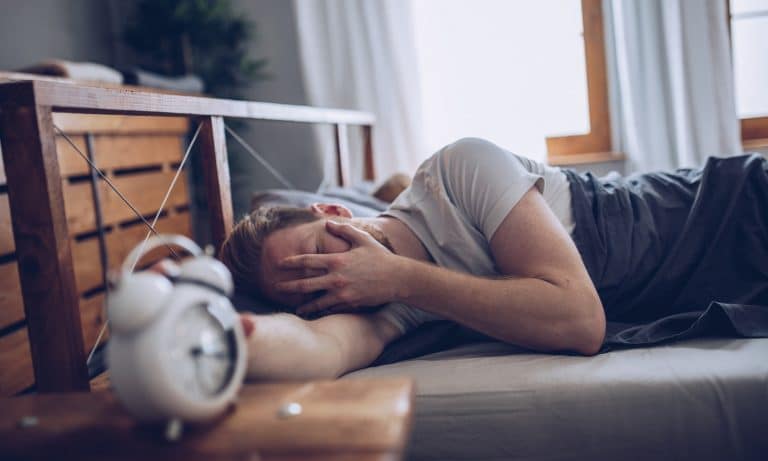
Soon you are as stoned as you’ve ever been in your life. It’s actually a lot of fun, up to the point when you realize that you have to be at work first thing in the morning and the pot brownies are refusing to loosen their grip. Yet you manage to crash out…eventually. But in the morning, that dastardly alarm clock wakes you from a stoned slumber and something just isn’t right.
You’re in haze, a bizarre funk, unlike any you’ve ever experienced. It is difficult to put on socks, and forget about tying your shoes. This, my friends, is a sure sign you have entered the realm of the weed hangover.
Although there is not much scientific evidence proving the existence of the marijuana hangover, anyone who has ever had an overly ambitious night with a fat sack of grass will tell you that it is real. But it is nothing like the kind of lingering effects one can get after a long night of hitting the bottle. There is no worshipping the porcelain gods or debilitating body aches. High hangovers typically come with a slight headache or severe dry mouth, while others just leave the user in a dense fog. Back in the day, people who woke up in this condition would explain it as feeling, “a little burned out.”
Photo by Sharon Mccutcheon/EyeEm/Getty Images
In some cases, however, especially after a rendezvous with one too many marijuana edibles, a weed hangover is nothing more than the user waking up stoned. This is rare when you’ve only consumed marijuana by smoking it, but it becomes more likely when consuming the herb in edible form.
Health professionals might attribute this to how edibles metabolize in the body compared to smoking. But it doesn’t really matter how this ganja grog occurs, just know that it can, it does, and probably will happen to you at some point in your life…if it hasn’t already.
The main thing to remember when trying to pull yourself out of this THC-infused hangover is to listen to your body. It’s going to tell you that it is hungry, thirsty and still far too tired to function properly in the real world. For those folks who really tilt the scale, this feeling may also come with some difficulty swallowing without a blinding fear of choking on their tongue.
Marijuana, specifically the psychoactive ingredient we all know as THC, has a way of infiltrating the brain and telling it to shut off the valve responsible for saliva production. Pot does not dehydrate the body, but the lack of spit in every crevasse of the mouth makes it feel that way.
Drinking plenty of water and enjoying a good breakfast is a good way to start pulling out of the hangover haze. Top that off with copious amounts of caffeine and you’ll be one step closer to human. Just try to take it easy on the edibles next time. Okay, tiger?
Elections are approaching and COVID-19 cases are rising. Here’s how you can stay safe while voting in person.
The election is right around the corner, meaning that we should all be working on a voting plan. While many this year are opting to vote by mail, a lot of people don’t have that option or don’t want to take a risk due to the widely reported mail-in voting issues.
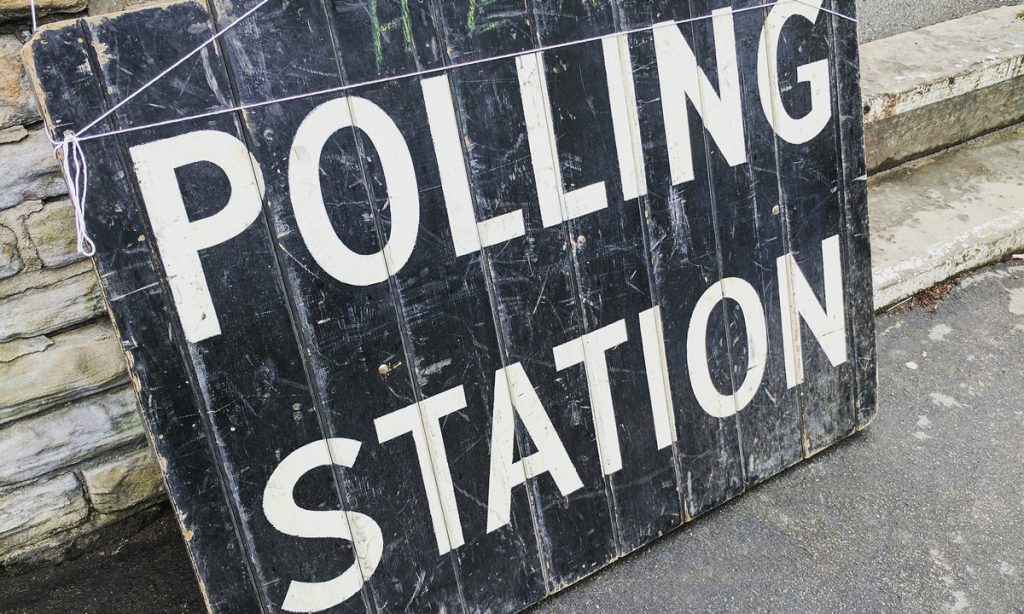
Luckily, the majority of election centers will likely be taking some form of precaution against COVID-19. The CDC issued a set of guidelines that polling places should follow, painting a picture of how elections might look. Poll workers should wear face masks and polling places should have visual cues signaling for social distancing and regular disinfection. Still, it doesn’t hurt to be extra safe.
Here are the most effective ways of staying safe while voting in person:
Wear a mask
Photo by Willie B. Thomas/Getty Images
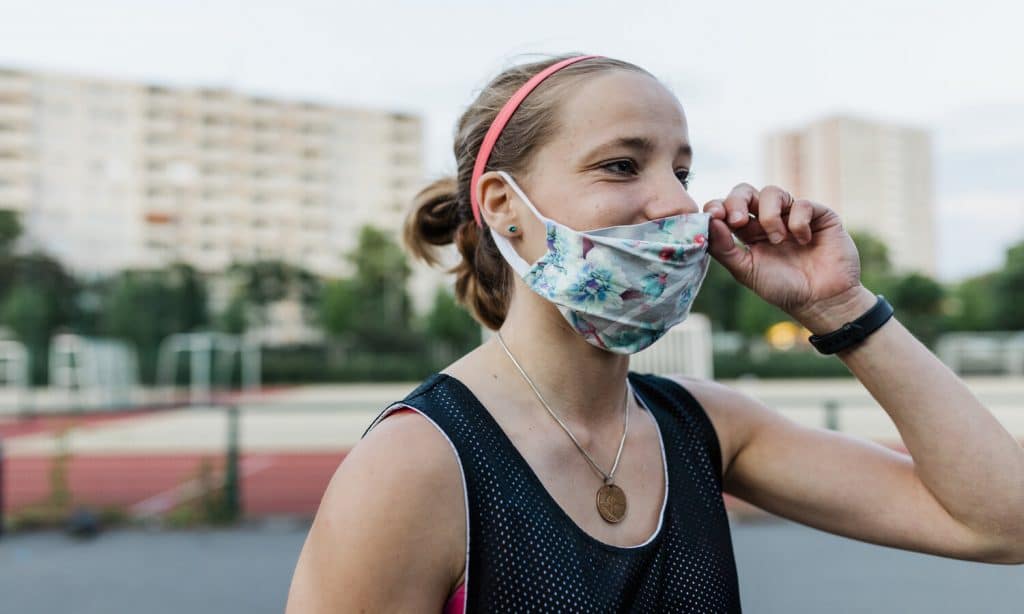
There’s no better protection against the virus than social distancing and a face mask, especially if you find yourself in a crowded spot. Research shows that consistent use of a face mask vastly reduce transmission risk and viral dose, possibly resulting in milder cases of the disease when contracted.
Masks should have two sheets of cloth and should cover nose and mouth and fit snugly against your face. If you need a drink or a snack, remove your face mask for this quickly, or wait until you’re done voting and out of the polling place.
Keep 6 feet of distance
Photo by mounsey via Pixabay
It’s important to keep at least 6 feet of distance between you and other people standing in line to vote, if you’re opting for a polling location to cast your ballot. Follow the cues of the polling place and be extra careful once inside.
Regular hand washing and use of hand sanitizer are effective ways of eliminating the amount of germs you have on you, even if this is not one of the main ways in which the virus is spread. Still, it helps to be careful, so be sure to use hand sanitizer once you get to the polling place and once you leave.