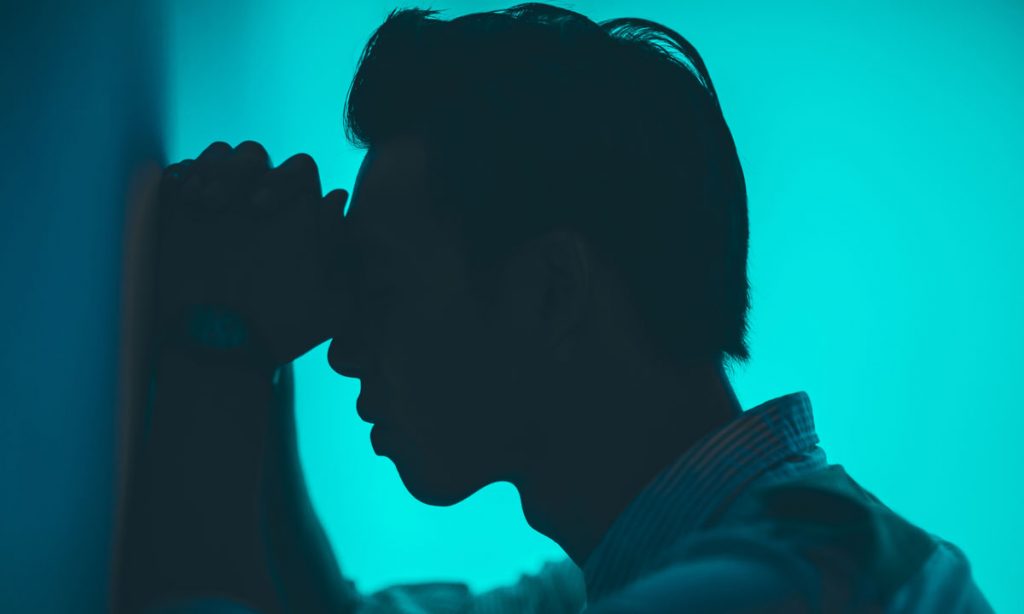
It’s not just all true crime and horror. Podcasts are here to help strengthen your mental health during these trying times.
Podcasts are some of the most exciting and digestible ways of consuming content. Nowadays, these programs are also some of the most innovative forms of telling stories, with creative people finding different angles and ways in which to enter a cluttered market.
When discussing podcasts, it’s not all about true crime and news headlines, even if this type of content tends to take up the spotlight. Mental health specialists and those who just love talking about the subject have also taken to this platform, creating content that is interesting, entertaining and provides some much needed mental health information.
Here are 5 mental health podcasts you should be on the lookout for:
Griefcast is an interesting blend of humor and grief. Hosted by comedian Cariad Lloyd, Griefcast invites different comedians and funny people and gets everyone to discuss their experiences with grief and death. It’s sad but also very funny, which is the best way of approaching grief.
Mental is a podcast hosted by Bobby Temps, who’s looking to destigmatize mental health by inviting guests and having honest and open discussions regarding mental illness. It covers a wide range of topics, from suicide, to bulimia, to loneliness, appealing to anyone who’s interested in learning more about these diseases or who has had personal experiences with these issues.
The Joy of Procrastination is a podcast that talks about…procrastination. Duh. Interestingly enough, the show goes out of its way to reframe this problem in a positive way, providing listeners with tools that will allow them to use procrastination to their advantage. And who doesn’t procrastinate? This is a podcast for everyone.
This is one of the rare podcasts that’s run by a mental health expert and not a celebrity or comedian. Still, the podcast manages to be entertaining and easy to understand, even when tackling topics like depression, anxiety, PTSD, and more. Hosted by Dr. Robert Duffy, the program goes live every Tuesday, giving people the opportunity to provide feedback and submit questions that they’d like to discuss.
The Confidence Chronicles is a podcast that wants people to feel comfortable in their skin, providing methods and ways for people to explore themselves and to come out as more comfortable with their looks, sexualities, and more.
New research finds that patients suffered from EVALI before the 2019 outbreak, and new cases may be currently obscured by the pandemic.
Chatter around E-cigarette or Vaping-Related Lung Illness (EVALI) has been consumed by the more lethal COVID-19 pandemic, but new research indicates that hospitalizations due to EVALI likely happened before it received the national spotlight.
This April the Centers for Disease Control and Prevention implemented new coding guidelines that allowed doctors to better identify EVALI, including causes, symptoms, and more. Kam S. Ho, an internist at Mount Sinai St. Luke’s and West Hospital in New York, applied the coding to 2016 hospital data and classified at least six cases as EVALI. This study was the first to apply the CDC’s EVALI coding to a national hospital registry and was presented at ATS 2020, a virtual conference for the American Thoracic Society.
The CDC reported in February that more than 2,800 hospitalized EVALI cases had occurred throughout the United States, resulting in 68 confirmed deaths. According to national emergency department visit data, the CDC noted EVALI cases sharply rose in August and eventually peaked in September. The CDC later identified vitamin E acetate present in vaping products as the culprit behind the outbreak.
But Ho told MedPage Today the CDC and fellow investigations likely underestimated the prevalence of EVALI before the 2019 outbreak. That’s because health care providers weren’t regularly asking their patients about e-cigarette or vaping usage back in 2016.
“We believe there is an element of under-reporting here,” he said.
Photo by Chimpinski/Getty Images
The study’s authors used 2016 nationwide data from the Agency for Healthcare Research & Quality Healthcare Cost and Utilization Project (AHRQ-HCUP). In total, the retrospective analysis found 68,149 total hospital admissions were connected to e-cigarette use. EVALI patients in the study were 54.6 years old on average and usually stayed at the hospital for about 11 days. Patients reported nonspecific economical pain related to EVALI more than any other.
However, a limitation of the data was that Ho’s group could not assess if these EVALI cases were caused by vaping products that contained vitamin E acetate as an additive.
According to a report by Aurelius Data, doctors and researchers have stopped tracked EVALI diagnoses and symptoms that resemble a COVID-19 infection. The CDC has also stopped tracked EVALI data. Industry experts actually predict vaping THC products will make a comeback this year despite health concerns related to vaping and smoking amid the pandemic.
“Serious, even deadly, vaping-linked lung injuries dominated the headlines late last year, then COVID-19 took over the news cycle,” said Aurelius Data CEO and co-founder Julie Armstrong. “Now researchers are saying it isn’t clear if EVALI cases had been missed in early 2020 because those people with EVALI could also have had COVID-19.”
In the face of the pandemic, polyamorous people face struggles that monogamous people aren’t.
The pandemic has asked more of us than anyone could have ever imagined, challenging our personal relationships, our work and the ways in which we go out and have fun. It’s a problem that has had a wide reaching effect, the widest effects in recent memory on a global scale.
Dating, something that has always been complex, is now an even more thorny topic. Whether you’re meeting someone new or having a discussion with your long term partner, their safety habits and thoughts regarding the virus come with a set of logistics that must be addressed. When talking about polyamorous relationships, there’s a whole subset of issues that monogamous people don’t have to contend with.
Polyamorous relationships are different from one another, much like monogamous relationships. Each relationship has its own set of rules and ways of functioning. One thing that studies have shown is that people involved in polyamorous relationships tend to be more communicative and open with their partners, eliminating some of the insecurities and hang ups that people involved in monogamous relationships struggle with.
Self Magazine interviewed different people involved in polyamorous relationships and how the pandemic has challenged their lifestyle. Here are 4 of the most common situations that they’re are facing:
Polybubbles are like the quarantine pods people are making with their loved ones in order to see each other, hang out and try to make the most out of the pandemic. Polybubbles can refer to sexual and romantic partners visiting or living with one another. Polybubbles ensure that everyone involved in the group is staying safe and that they’re all taking a risk level that’s agreed upon.
Challenges when supporting multiple partners
Maintaining relationships during the pandemic is challenging. Our mental health is struggling, which means that being an understanding partner is more difficult than it used to be when we were able to go to our jobs and then hang out at the movies. For polyamorous people, juggling different relationships with different levels of intimacy can be a big challenge. “For someone who already plays a compassionate role, there’s a lot of compassion fatigue,” 34-year old New Yorker Alex V. told Self.
COVID-19 affects people in different ways, particularly if they’re over a certain age or if they have some underlying condition. Then there’s also the fact that every person handles their pandemic differently, with some people being willing to take bigger risks than others. These changes in lifestyles have made some relationships incompatible, making people opt out from seeing some of their partners, at least until the pandemic has passed.
Communication is still key
While many people who are monogamous struggle to understand those who are polyamorous, one thing that most agree on is that polyamorous people tend to be more communicative with their partners, ensuring that everyone involved is happy and informed of whatever it is that they’re doing. Thanks to the pandemic, these habits are becoming even more necessary, giving people security and certainty during a moment in time that feels anything but stable.
Increased cannabis use during pregnancy is concerning, “because we know so little about how cannabis affects pregnant women and their babies,” the study’s lead author noted.
Children whose mothers used cannabis during pregnancy have an increased risk of developing autism, a new Canadian study found. The findings coincide with recent research that showed negative association between pregnancy and cannabis use, including infant health risks and small birth weights.
The study was published in the journal Nature Medicine this week by authors from the Ottawa Hospital and affiliated institutions in Ontario. Researchers examined data from 500,000 births in Ontario between 2007 and 2012, and found about 0.6%, or 3,000 mothers, reported cannabis use during pregnancy.
When reviewing the half million figure dataset, the study’s authors found 1.4% of children were born with autism spectral disorder. But that number rose to 2.2% among children whose mothers used marijuana while pregnant. That increased exposure of risk remained the same when the only substance mothers used was cannabis.
“Despite these warnings, there is evidence that more people are using cannabis during pregnancy,” said study senior author Dr. Mark Walker. “This is concerning, because we know so little about how cannabis affects pregnant women and their babies. Parents-to-be should inform themselves of the possible risks, and we hope studies like ours can help.”
Photo by Ömürden Cengiz via Unsplash
Researchers noted their study did not qualify how these mothers-to-be consumed cannabis — smoking, vaping, edibles, tinctures, or more. They also don’t know how often cannabis usage occurred. The study’s conclusions do not signal a cause-and-effect relationship between cannabis use while pregnant and children developing autism.
But as a small Washington State University study found, more mothers have opted for cannabis to combat morning sickness symptoms. These mothers chose cannabis because they believed anti-nausea pills and opioids posed greater harm to their children.
A systematic review on cannabis and pregnancy, published in the journal Frontiers in Psychology in May, concluded that previous research had overstated the effects between prenatal cannabis exposure and cognitive development. Because this type of research is mostly limited to observational studies, the review’s authors emphasized that available literature was lacking in various forms.
Said the review’s authors, “The current review of the literature found that there are relatively few cognitive alterations noted in offspring exposed to cannabis prenatally.”
When hormone issues are caused by environmental factors like toxins, growth hormones or waste byproducts, it affects not only the body’s ability to reproduce, but the aging process as well.
Sometimes, emotions are like fireworks, suddenly exploding into colorful arrays, spilling down into every facet of life. Talk to any woman who has fluctuating hormone levels and she’ll tell you that feeling unbalanced or “out-of-whack” is something that she wishes never occurred.
Scientists have been looking into the link between hormone imbalance, early menstruation, and quality-of-life for decades. While not always caused by environmental factors, (some are genetic or induced by thyroid problems or stress,) hormone imbalances can affect mood, weight gain, hair loss and pain levels. While both men and women are susceptible to hormone fluctuations, Between the Bridges Healing Center explains that, “Women experience hormonal imbalances at key transitions in their lives, for example, puberty, childbirth, perimenopause and menopause. “ Amanda Holmberg-Sasek, a therapist at Radiant Living Therapy out of Plymouth, Minnesota, says she often sees clients who are experiencing the effects of hormone imbalance and its direct connection to a healthy sex life. “Working with the psychological effects of hormone imbalance can really help make big changes In and out of the bedroom,” she explained. Often a cause of dysfunction in relationships, she believes having a conversation is the first step to feeling and communicating more effectively with your partner.
Photo by chriss_ns/Getty Images
When hormone issues are caused by environmental factors such as toxins, growth hormones or waste byproducts, it affects not only the body’s ability to reproduce, but the aging process as well. According to the Dr. Shel wellness center in Sugarland, Texas, an imbalance can overwhelm the liver, which helps “to filter out excessive hormones.” When the liver can’t keep up with the disruptors in the food we’re eating, the air we’re breathing and the water we’re drinking, we experience symptoms, like, “weight gain, brain fog, sleepless nights, headaches” and more.
So, how can CBD play a role in easing the effect of imbalance? Cannabinoids have long been studied for their effect on a body’s metabolism. A few studies showcased that CBD actually harmed fertility in male mice, yet the compounds has been shown to have positive effects with hormone imbalances. Research has long confirmed CBD’s role in moving the bowels to assist with bloating, but it also seems to be able to ease cramping as well. While more studies are certainly needed to determine CBD’s effectiveness on the male and female hormone system, research is in the works all over the globe. Harvard Health recommends talking to your doctor if you feel it might be right for you.
Neither major presidential candidate has emerged as the nominee for the United States of Weed.
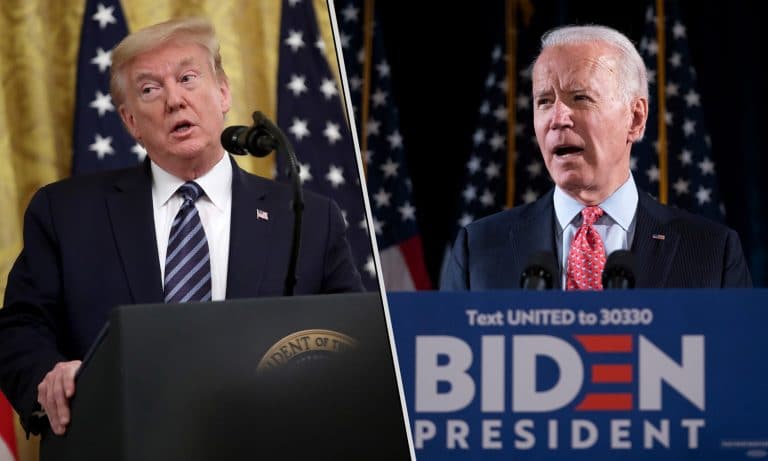
One thing we learned when polling Fresh Toast readers about which presidential candidate they believe would legalize cannabis if elected: Little faith exists that either major party candidate is pro-marijuana. Belief in Donald Trump and Joe Biden enacting serious cannabis reform was split almost evenly among our readers.
This is an unscientific poll and does not necessarily reflect the views of Americans at large. But it should provide some insight into how online cannabis advocates view Biden and Trump in the upcoming election.
More than 5,600 readers participated in an online Facebook poll that asked: “Who is more likely to legalize marijuana if elected?” Biden received 52% support while Trump had 48% of all votes cast. The lack of a clear frontrunner among cannabis advocates was expected, as both Trump and Biden have distanced themselves from marijuana reform at a time when some prominent members of their party have.
Though he campaigned in 2016 as someone open to cannabis issues, Trump has earned a reputation as anti-legalization as of late. A whistleblower told Congress earlier this year Attorney General William Barr, who was hand-picked by Trump, was inappropriately using Justice Department funds to target the legal cannabis industry and cause financial setbacks.
Photo by dvulikaia/Getty Images
In addition, a secret memo released as part of a lawsuit showed the Trump Administration had quietly blocked cannabis research for years. A Trump 2020 campaign director also indicated that Trump believed parents needed to keep cannabis out of the hands of children, although research finds that cannabis legalization was linked with a decline in adolescent use.
A contingent of Democrat voters hoped Biden would embrace cannabis reform ahead of the election, but the former Vice President has rejected the possibility. His official platform includes federal decriminalization and removing marijuana as a Schedule I drug. Even a task force formed with Sen. Bernie Sanders, a well-known supporter of federal legalization, did not sway Biden in changing his mind on cannabis.
Biden participated in and advanced America’s War on Drugs throughout his career in the Senate. On the campaign trail, Biden has stated some confusing and at times conflicting opinions on cannabis. He stated he “knew a lot of weed smokers” and that helped him understand marijuana’s long-term impact on brain development. But he also emphasized marijuana was not a gateway drug in an audio recording obtained by Politico. “I think It is at the point where it has to be, basically, legalized,” he added, a statement that he later backtracked.
The primary complaint lodged by Fresh Toast readers was that we did not include third party candidates like Libertarian party nominee Dr. Jo Jorgensen and Green party nominee Howie Hawkins. Both have stated they would prioritize ending the Drug War if elected. However, both candidates polled at less than 2% in a recent CNBC/Change poll and aren’t expected to make significant noise in the upcoming election.
Although CBD oil and hemp oil are both low in THC, the difference in the amount of CBD these products contain is huge.
There is a lot of noise reverberating throughout the United States these days regarding cannabidiol (CBD). It is the primary non-psychoactive chemical of the cannabis plant, beneficial in the treatment of a variety of conditions from epilepsy to chronic pain. Some patients believe CBD has the most medicinal benefit of all the cannabis compounds. But most of them do not realize that there are actually two versions of this product on the market. One is created from hemp, while the other marijuana.
So, what’s the difference?
It is first important to understand what CBD is. It is one out of at least 100 cannabinoids found naturally in the cannabis plant. For the past few years, there have been countless reports released about the medicinal power of this marijuana component. It really began gaining traction once people began to see how CBD could reduce seizure frequency in epileptic children without getting them stoned.
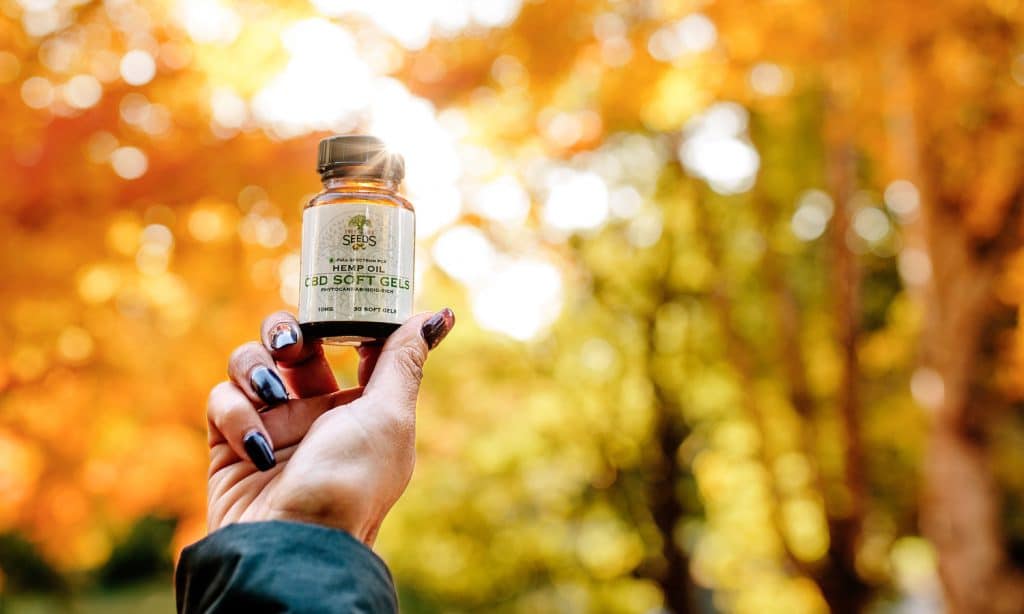
Photo by Tree of Life Seeds via Pexels
Several states have passed ultra-restrictive CBD laws as a means to help sick children. But the federal government still considers it an illegal drug. Yet, CBD products are found on retail shelves all over the country — even in areas of total prohibition.
It is the distinction between CBD derived from marijuana and CBD from hemp that sets them apart. Marijuana is harvested for its buds, which contains psychoactive properties known to produce stoned effects. When it comes to hemp, the stalks and seed are the targets of this crop. These plants do not contain enough THC to get anyone high. In fact, for cannabis to be considered hemp, it must have no more than 0.3% THC.
Although CBD oil and hemp oil are both low in THC, the difference in the amount of CBD these products contain is huge. Hemp oil has only traces of CBD (around 3.5%,) while CBD oil can have up to 20%. It is the higher concentration that makes CBD beneficial in the treatment of various health disorders. Hemp oil based CBD products do not contain enough of the compound to be considered much more than a health supplement. These are the products found in health food stores all over the country – legal in all 50 states.
Just think of hemp oil-based CBD as a vitamin (high in Potassium and Magnesium) and the bud-based products to be pharmaceutical grade.
Some states have aligned themselves with the FDA’s position. Others have taken a more permissive approach. Many states have provided little to no guidance on the subject of Hemp CBD.
The 2018 Farm Bill removed hemp from the Controlled Substances Act did not affect or modify the Federal Food, Drug, and Cosmetic Act (“FDCA”) or the Food and Drug Administration’s (“FDA”) ability to promulgate regulations and guidelines that relate to hemp under. The FDA regulates a wide variety of medical and consumer products sold in the United States including food, drugs, dietary supplements, medical devices, cosmetics, and tobacco products.
The FDA has approved of the use of CBD in the prescription drug Epidiolex. As a result, the FDA has indicated in press releases, enforcement letters, and its website that Hemp CBD cannot be used in foods, beverages, or dietary supplements. This is because under the FDCA, any article that is investigated as a new drug cannot be used in food, beverages, or dietary supplements, unless the article was widely marketed in those products prior to the drug investigation.
In addition, the FDA has taken a hard line against Hemp CBD in unapproved drugs. The FDA determines whether something is a drug based on its intended use, and determines a product’s intended use, in turn, based on how it is marketed. If a manufacturer or distributor makes any type of health claim (“CBD cures cancer” or “CBD may treat inflammation”) or human structure claim (“CBD may increase levels of calcium in bones”) about a product that the FDA has not investigated and approved as a drug, the FDA will consider it a drug. Foods, ingredients in foods, drugs, and dietary supplements are all subject to premarket FDA approval.
The FDA also regulates tobacco and nicotine tightly but does not have clear regulatory authority of smokable hemp products, such as dried flower, e-liquid and vape pens. That’s because generally, these products don’t contain any tobacco or nicotine. To clarify, the FDA likely could have regulatory authority over these products, but it hasn’t established a clear jurisdictional hook.
Though the FDA is a federal agency, its policies have a significant impact on the states. Some states have aligned themselves with the FDA’s position. Others have taken a more permissive approach. Many states have provided little to no guidance on the subject of Hemp CBD.
Almost 90 years ago, in 1932, Supreme Court Justice Louis Brandeis wrote a dissenting opinion in New State Ice Co. v Liebmann, which contained this timeless passage:
To stay experimentation in things social and economic is a grave responsibility. Denial of the right to experiment may be fraught with serious consequences to the nation. It is one of the happy incidents of the federal system that a single courageous State may, if its citizens choose, serve as a laboratory; and try novel social and economic experiments without risk to the rest of the country.
This concept of states as “laboratories of democracy” remains a “happy incident” of our federal system to this day. States can experiment with their own laws without subjecting the citizens of other states to the related risks (or, including them in the upside).
Photo by TinaKru via Pixabay
Experiments are complicated and require close observation. That can be tough when you have 50 “laboratories of democracy” all operating at once. Over the past few years, states have been experimenting with how to regulate products containing Hemp CBD. This has resulted in a complex system of inconsistent policies on Hemp CBD. For businesses that are distributing Hemp CBD products across the country, it seems that these laboratories of democracy have created a logistical monster.
Our attorneys have watched this play out in real-time and in doing so, developed a method to track how each of the fifty states treat Hemp CBD. Our approach is to answer the following questions for each state:
Does the state allow the sale of Hemp CBD products and if so are there any general regulatory requirements on these products (e.g., labeling requirements, product registration)?
Does the state authorize or restrict the sale of consumable Hemp CBD products such as food and dietary supplements?
Does the state authorize or restrict the sale of smokable Hemp CBD products such as dried flower and vapor liquid?
Does the state authorize or restrict the sale of cosmetic Hemp CBD products such as topicals and lotions?
Has any state authority take an enforcement action against Hemp CBD businesses in the last six months?
What are the relevant statutes and regulations that govern Hemp CBD in the state?
Are there any pending laws or regulations on Hemp CBD in the state that would impact the ability to sell Hemp CBD products?
Guided by these seven questions, we developed a Hemp CBD risk matrix that covers all fifty states and is updated each month by a team of Harris Bricken attorneys. We look at each of the seven questions for every state and update the risk matrix accordingly. Click HERE to download a sample of the risk matrix.
The matrix provides a snapshot of each state’s laws, regulations, and policies regarding Hemp CBD products. By simply updating a website or issuing a memorandum, a state regulator can totally change the legal landscape for Hemp CBD products overnight. In addition, both the United States Department of Agriculture (“USDA”) and the Food and Drug Administration (“FDA”) are actively working on regulations and policies that could impact the states.
The risk matrix can help your business with the following:
If you are interested in purchasing the Hemp CBD Risk Matrix, you can do so entirely online through this page. You can also email me directly at daniel@harrisbricken.com to learn more about the risk matrix.
In addition, below are links to each post from our “Hemp CBD Across State Lines” series which covered each of the 50 states, as well as certain U.S. territories and Tribes. Unlike the risk matrix, which is updated monthly, these posts may be out of date due to the fast-changing nature of this industry.
Havening is a technique that’s used to treat trauma and compulsions. It can also be used to treat everyday anxiety.
Anxiety is a feeling we’re all acquainted with, either intimately or peripherally. The word encompasses a variety of emotions, ranging from nervousness and panic, to irritability. While there are plenty of effective ways to treat low levels of anxiety, such as working out or meditating, havening is a new thing that’s been popping up more and more.
When people experience anxiety, their bodies get locked in a fight or flight response, triggering their adrenaline, heart rate, and more, where there’s no immediate threat. It’s a very confusing and annoying feeling that can alter your eating and sleeping patterns and also disrupt your relationships and your life.
Havening is a tool used by therapists and psychologists in order to cope with trauma. Developed by Dr. Ronald Ruden, the practice consists of touching and massaging your arms, hands or face as you chant a relaxing mantra, tricking your body into a relaxed state.
“First is activation of the emotional content of the traumatic event by imaginal recall … A gentle and soothing touch is then applied to the upper arms, palms, and around the eyes,” explains Havening Techniques. “It produces an extrasensory response of safety that arises from the evolutionary equivalent of what a mother’s touch does at the time of birth. It is innately wired.”
Photo by Raj Eiamworakul via UnsplashWhile it sounds strange, like something that you likely won’t feel comfortable doing while walking down the street, sessions conducted by psychologists and therapists have found lots of success within short periods of time.
While now’s not the most comfortable time to go to your therapist and ask for someone to give you a soothing massage, havening can be done simply by rubbing your arms and repeating soothing words to yourself. If you have a kid who is also experiencing anxiety due to quarantine or social distancing, it can help them feel safe and cared for.
Havening is not much different than Progressive Muscle Relaxation and other relaxing practices that keep your anxiety at bay and remind you to stay in the present.
Arizona has emerged as a fierce battleground in marijuana legalization and lawmakers aren’t too happy about it.
Arizona is expected to vote on legalizing recreational marijuana after an advocacy group submitted more than 420,000 signatures to put the question on the ballot. But opponents have already attempted to de-legitimize state legalization in a lawsuit and a new adversary with a powerful position has also emerged — Arizona Gov. Doug Ducey.
An official state voter guide argument was published last Monday and included commentary from notable figures on upcoming ballot initiatives. Ducey submitted an argument against legalizing weed in Arizona, calling it “a bad idea based on false promises.”
“We know from states that have fully legalized marijuana that it has real consequences: more deaths on highways caused by high drivers, dramatic increases in teen drug use, and more newborns exposed to marijuana,” Ducey wrote.
State Sen. Sine Kerr also wrote that she was “deeply saddened by the prospect of how this initiative would harm children.”
“Kids would become easy prey for an industry hungry to create a new generation of users,” she added. “The industry will succeed in hooking too many of our kids and stealing their potential early.”
Photo by Florian Schneider via Unsplash
However, studies have shown these comments to be misleading. Research indicates states have seen an increase of traffic deaths after legalizing marijuana. But those same states also experienced a stark drop off immediately following the increase, calling into question what role cannabis played in traffic deaths.
Multiple studies have shown teenage marijuana use decreasing after states legalize cannabis. One study actually claims that legalization discourages teen use.
The same voter packet also featured voices in favor of the marijuana, including comments by former Gov. Fife Symington III.
“Today the evidence is overwhelmingly clear: criminalizing law-abiding citizens who choose to responsibly consume marijuana is an outdated policy that wastes precious government resources and unnecessarily restricts individual liberty,” he wrote. “A far more logical approach would be to respect the right of adults to choose to consume marijuana while regulating and taxing its production and sale.”
A poll last month found that 62% of Arizona voters were in favor of legalizing recreational cannabis.



%20no-repeat%20center%20center;-webkit-background-size:cover;-moz-background-size:cover;-o-background-size:cover;background-size:%20cover; "Study Finds Pregnant Marijuana Use Linked To This")