Monday, May 11, 2026
Home Blog Page 495

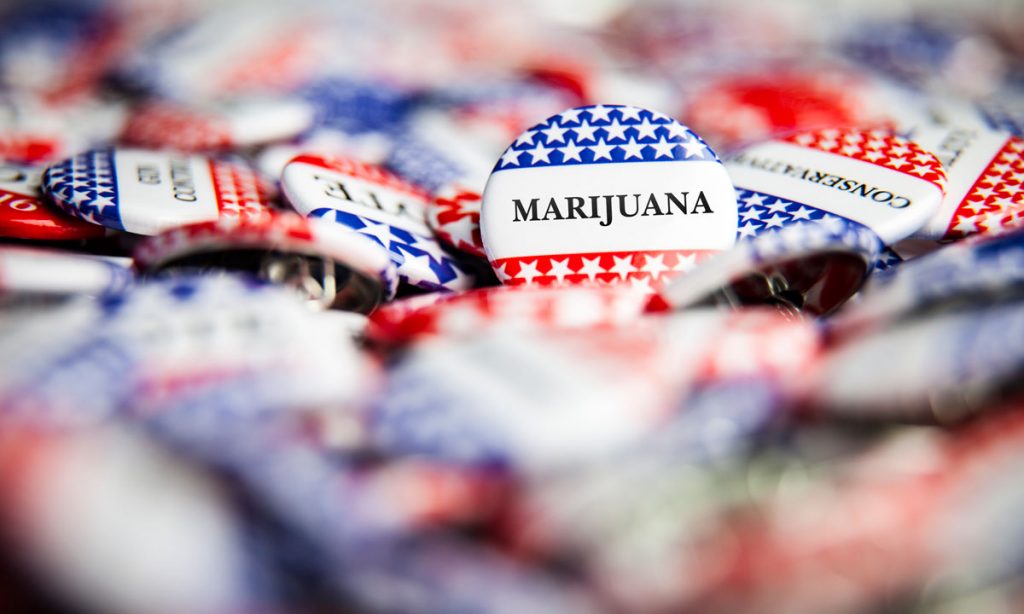
NJ Gov. Suggests Legal Marijuana As Post-Pandemic Economic Fix

Phil Murphy emphasized the social justice benefits, as well as the financial ones, to legalizing adult-use marijuana in New Jersey.

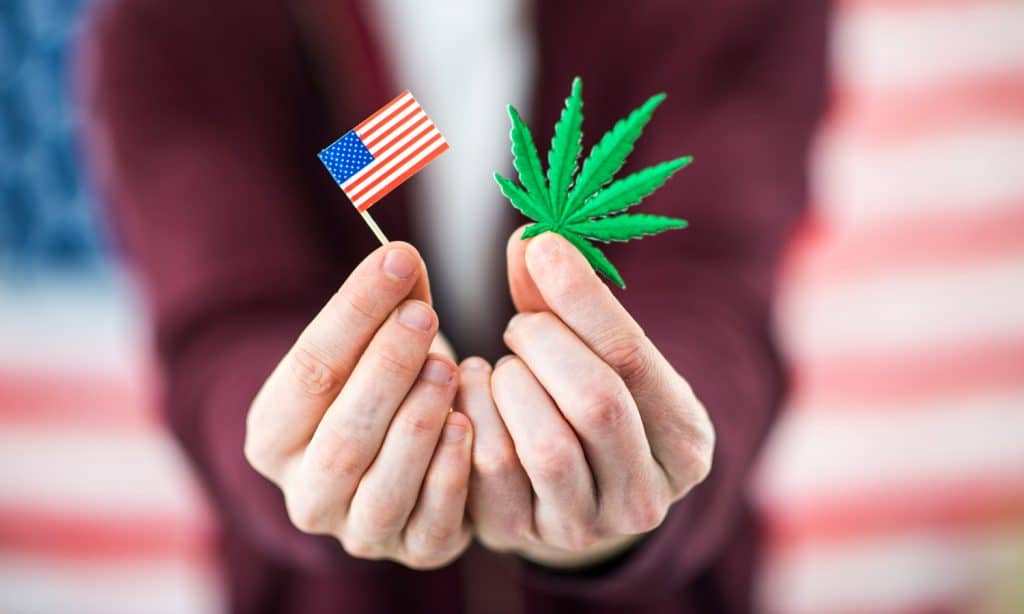
Add New Jersey Gov. Phil Murphy to the growing list of state lawmakers positioning marijuana legalization as a quick fix to struggling economies. Murphy also emphasized the social justice benefit legalizing would induce, calling the act “an incredibly smart thing to do.”

“We’re not inventing marijuana,” he said during a radio interview Tuesday with the Jim Kerr Rock & Roll Morning Show. “It exists.”

The looming financial crisis caused by the coronavirus pandemic means the state will need to find ways to innovate moving forward. A co-host on the program suggested cannabis and Murphy agreed, saying he’s “been on that from day one.” He added marijuana’s importance in criminal justice reform — a Black person is 3.5 times more likely to get arrested for cannabis possession in New Jersey than a white person, despite similar rates of use.

RELATED: This Black Veteran Was Just Sent To Prison For Possession Of Medical Marijuana

“It’s got a huge social justice piece for me,” Murphy said. “The overwhelming percentage of persons nailed in our criminal justice system are persons of color. It’s a no-brainer in that respect. It’s a job creator, it’s a tax revenue raiser, it checks a lot of boxes. I hope we’ll get there sooner than later.”

NJ Is Primed For Marijuana Legalization, What's Taking So Long?
Photo by BruceEmmerling via Pixabay

Murphy has pushed cannabis legalization multiple times through the Democrat-controlled Legislature, but has been unable to secure the necessary votes. A proposal by Senate President Stephen Sweeney instead put the measure in voters’ hands, who will decide on adult-use cannabis this November.

RELATED: Biden-Sanders Task Force Does Not Recommend Legalizing Marijuana

A recent Monmouth poll found that 6 out of 10 voters would approve the measure, but questions remain around regulation and sales. Less than 50% of people believe retail cannabis sales would be a good idea. A growing number of New Jersey towns have already passed bans on recreational marijuana sales, though the act is still illegal.

Bipartisan lawmakers in New Mexico, New York, and Pennsylvania have also suggested legalizing recreational cannabis as a post-pandemic boon. One conservative Republican strategist in Pennsylvania said legal marijuana was “inevitable, so why not get ahead of the curve and do it now.”

5 Most Common Questions About CBD Topicals

CBD can be found in lots of skincare and pain relieving products, but the compound is still shrouded in some mystery. Here are the most common questions consumers have.

Despite the fact that CBD makes a lot of money for both big and independent companies, a surprising amount of people don’t know what the compound does or where it comes from. No matter if you think it’s crazy that someone will swallow or put something on their bodies without knowing what it does, we have to recognize that the CBD industry is confusing. It’s common and okay for people to be a little bit unsure.

Here are 5 of the most popular questions people have Googled about CBD topicals:

What is the purpose of CBD lotions? 

What Is The Functionality Of CBD’s Presence In Skincare Products?
Photo by Linda Prebreza via Pexels

CBD lotions can be used for a wide variety of medicinal conditions and, depending on the other components in the lotion, can produce myriad results. CBD is primarily known for its anti-inflammatory effects, which is why there are so many CBD lotions designed to target chronic pain, arthritis, eczema and the like.

How many mg of CBD should be present in the topical in order to have some effect?

RELATED: The Latest Report From The FDA Shows How Poorly It Has Handled CBD

Since the FDA has only approved one type of CBD product (for epilepsy), there’s still no set dosage that the industry has to follow. Each product contains different dosages of CBD, with some topicals containing different potencies, from 750mg to 1000mg. It’s important to read the label of the product you’re using and to follow their instructions in order to avoid wasting your product needlessly or messing with their intended effects.

Can CBD lotion make you fail a drug test? 

Why Businesses Are Dropping Mandatory Marijuana Drug Testing
Photo by KLH49/Getty Images

While drug tests detect THC and not CBD, some CBD products contain trace amounts of THC, which could trigger a positive result. This isn’t very common and the risk of this occurring is almost zero when using CBD lotions and topicals.

Can CBD lotion prevent wrinkles? 

Could CBD And Cannabis Eliminate The High-Cost And High-Stakes Of Current Psoriasis Medicines?
Photo by IRA_EVVA/Getty Images

RELATED: Here’s What You Should Know About Mixing CBD And Alcohol

If used in the right product, CBD can help manage wrinkles, yet there’s not one product that can completely prevent them. Wrinkles are an irreversible process that can be slowed down by exposing your skin to collagen and antioxidants. The most effective measure you can take is to keep your skin hydrated and to shield it from the sun.

Can you have a bad reaction to CBD? 

The Latest Report From The FDA Shows How Poorly It Has Handled CBD
Photo by athima tongloom/Getty Images

There hasn’t been a lot of tests conducted on CBD, meaning that the reactions that have been documented have been mostly anecdotal. While CBD hasn’t been associated with allergies, the cannabis plant has. Male cannabis plants are the ones that produce pollen, but they’re also the ones that produce the least amount of CBD, so these kinds of allergies are unlikely.

CBD oils have been associated with fatigue, diarrhea, loss of hunger and more, especially when consumed in large amounts. When it comes to CBD topicals, negative side effects haven’t been thoroughly documented. Even if there’s little research out there on the compound, most experts believe that the topical use of it comes with no negative side effects.

VA Mental Health Commission Recommends Federal Marijuana Research

The Creating Options for Veterans Expedited Recovery (COVER) Commission determined that cannabis and psychedelics represent promising mental health treatment options for veterans. 

Many government officials are comparatively skittish in supporting marijuana and its synthetic counterparts because of its Class 1 drug status, even in the treatment of COVID-19. There was surprising news from an association that may have made some people in the Federal government sit up and take some notice.

The independent association, the Creating Options for Veterans Expedited Recovery (COVER) Commission, released its report in January of this year. Despite the unique recommendations of its drug policy findings, the document has gone mostly unnoticed by reform advocates and the media. Chaired by presidential appointee Jake Leinenkugel, the panel determined that cannabis and psychedelics represent promising mental health treatment options for veterans. 

The COVER Commission Report that VA officials should work closely with other Federal agencies to research the potential and short- and long-term risks and the benefits of medical cannabis and psychedelic drugs.

A federal commission tasked with developing recommendations to improve mental health treatment for military veterans has reached a surprising conclusion: Congress and the executive branch need to promote research into the therapeutic potential of marijuana and psychedelics such as psilocybin mushrooms and MDMA.

The findings have limited generalizability due to sample size and homogeneity issues. Still, studies have shown some promise for treating disorders for which available treatments are insufficient—mood, substance, anxiety disorders, post-traumatic stress disorder—using psychedelics, including MDMA,” the COVER Commission report laid out in recommendations.  

RELATED: Veterans Can Use Medical Marijuana, They Just Have To Pay For It

An earlier report, issued in 2019, emphasized the comparative similarities between federally produced marijuana and its synthetic counterparts.  Previous studies have demonstrated that marijuana that’s grown at the University of Mississippi, with funding from the National Institutes on Drug Abuse (NIDA), has lower THC and CBD than commercial cannabis products. But researchers at the University of Northern Colorado wanted to learn specifically about their genetic differences.

“As the interest for medical Cannabis increases, it is important that research examining the threats and benefits of Cannabis use accurately reflect the experiences of the general public,” the researchers wrote.

ICYMI: DEA And Cannabis Research Still Lousy Bedfellows
Photo by boonchai wedmakawand/Getty Images

Where can cannabinoids have positive effects related to the coronavirus? One physician sees a potential connection, with treatment for the ancillary symptoms (or concurrent medical conditions), associated with COVID-19.

RELATED: Congress Approves Bills That Will Expand Medical Marijuana Access For Veterans

Patients with asthma or reactive airways of any kind will benefit significantly from CBD, with or without the Coronavirus infection. An informal observational study conducted with 10 asthmatic patients showed incredibly significant bronchodilation, even after discontinuing their asthma medications.

With a vaccine only on a very distant horizon, there are still many uncertainties about how the coronavirus spreads. Anxiety has undoubtedly increased during the 24-7 hour news cycle of COVID-19. Another area in which CBD can be extremely useful in managing anxiety. Although the coronavirus’s media coverage has been necessary, responsible, and highly informative, it has triggered many fears from both public officials and private citizens.

Israel Is A Cannabis Powerhouse

While Israel has by far been one of the leading nations with respect to medical cannabis, two recent developments will position Israel to be a leader in the global cannabis trade.

Israel is among the world’s leaders in the medical and non-medical cannabis research and development (R&D). Israeli scientists made breakthrough discoveries in the mid-twentieth century, paving the way for the country being one of the early adopters of a medical cannabis program. Now, Israel is gearing up to legalize recreational cannabis and export cannabis across the globe and become one of the leading nations in the global cannabis trade. In this post, I briefly examine the history of cannabis in Israel and what the future may hold for the country.

While cannabis has been used for thousands of years in ancient sites in Israel, the country’s developments in the last few decades have been extremely significant. In the 1960s, Israeli chemist Raphael Mechoulam began making breakthroughs in researching cannabis, becoming the first researcher to isolate the THC compound. Fast forwarding a few decades, in the 1990s, the Israeli government began researching and studying potential reforms for cannabis in Israel.

Cannabis in Israel has long been regulated under the Dangerous Drugs Ordinance as a dangerous drug (sort of like cannabis in the US and the Controlled Substances Act). Nevertheless, the first medical cannabis authorizations were allowed in Israel in the 1990s, making Israel one of the first nations to legalize any form of cannabis for medical use. In 2013, the Israeli Medical Cannabis Agency, an agency housed within the Israeli Ministry of Health, was established to further regulate medical cannabis. More recently, the Israeli government decriminalized possession of certain amounts of cannabis for recreational purposes, but full-scale legalization of recreational cannabis has not yet occurred.

RELATED: Israel Researchers Believe CBD Could Play Crucial Role In COVID-19 Treatment

While Israel has by far been one of the leading nations with respect to medical cannabis and cannabis R&D, two recent developments will position Israel to be a leader in the global cannabis trade.

israel
Photo by stinne24 via Pixabay

First, Israel is gearing up to be a leading exporter of medical cannabis. Back in 2017, we wrote about how Israel began the process of exporting medical marijuana. The process has been long and arduous, but earlier this year, the export process for medical cannabis was approved and Israel is therefore one of the few countries that’s authorized the export of medical cannabis (for reference, the United States has not). There are many countries globally that authorize importation of cannabis (in fact, Israel just surpassed Germany as the world’s largest importer of medical cannabis), and Israeli cannabis will likely do very well globally.

RELATED: Archaeologists Discover That Ancient Israelites Used Marijuana To Worship God

Second, the country is shifting towards a full-scale recreational market. In late June 2020, the Israeli Knesset (its parliament) voted to advance two bills that would legalize cannabis for recreational purposes. This vote was just a preliminary vote and there are still some hurdles to clear before this becomes a reality, but it’s a major step in the right direction for legalizing cannabis for recreational purposes.

The next few years are likely to see further significant progress in Israel’s cannabis market, both globally and domestically.

Griffen Thorne is an attorney at Harris Bricken. This article originally appeared on the Canna Law Blog

Black Veteran Sent To Prison For Possession Of Medical Marijuana

The case exposes the cruelty of the Alabama criminal justice system and the unfair responsibility placed on medical marijuana patients.

Sean Worsley, a disabled Black veteran who served in Iraq and was awarded a Purple Heart for his service, received a five-year prison sentence because of a simple mistake: He stopped for gas in Gordo, Alabama. He and his wife, Eboni, were visiting family in the South, hers in Mississippi and his in North Carolina. In the back seat was marijuana, but Sean Worsley didn’t worry. A doctor in Arizona had legally prescribed him the medical cannabis.

He used marijuana to treat his post-traumatic stress disorder (PTSD) and traumatic brain injury, caused by his service. He had nightmares and back pain, which the cannabis medically treated. He didn’t think he was doing anything wrong.

But a local police officer approached the Worselys when he heard their music and thought it was too loud. Officer Carl Abramo smelled marijuana and asked to search the vehicle. The Worsley allowed it because they believed they had nothing to hide. Abramo, upon discovering the cannabis, informed them otherwise.

“I explained to him that Alabama did not have medical marijuana. I then placed the suspect in hand cuffs,” a police report submitted by Abramo reads.

RELATED: What’s The Difference Between Marijuana Legalization And Decriminalization?

The arrest took place in 2016 and Worsley received a 60-month sentence for his infraction. The story highlights the daunting pressure placed on medical marijuana patients who have to navigate the confusing world of cannabis legalization, which varies wildly state by state. Alabama Appleseed, a criminal justice organization, first brought national attention to Worsley’s story in a detailed account published online.

“I feel like I’m being thrown away by a country I went and served for,” Worsley wrote in a letter from the Pickens County Jail to Appleseed. “I feel like I lost parts of me in Iraq, parts of my spirit and soul that I can’t ever get back.”

Along with the marijuana prescription bottle, the police officer found a pipe, rolling papers, a bottle of vodka, a six-pack of beer, and pain pills. Eboni Worsley had a prescription for the pills, but they weren’t in their original bottle. This constituted a felony, Abramo said, which he charged Eboni with. Though first-time marijuana offenses typically receive a misdemeanor charge, according to Appleseed, it can become a felony if the charging officer believes the marijuana is for purposes “other than personal use.” Abramo booked Sean Worsely for a class C felony.

more delays in farce that is international cannabis rescheduling
Photo by LPETTET/Getty Images

The Worsleys spent six nights in jail for the felony charges and were later released on bond. They believed their nightmare over. But a Pickens County judge announced he was renouncing all his bonds about a year later and the couple had to borrow money to return to Alabama. The Worsleys were ushered into separate rooms. Eboni said that Sean’s disability required a legal guardian to help him understand the process and come to an informed decision. Alabama denied the request.

Officers told Sean if he didn’t sign their plea deal, he and his wife would remain incarcerated until December. In addition, Eboni would receive the same charges as Sean if he refused the please. He accepted, not wanting his wife to go to jail. His agreement included 60 months probations, drug treatment, and thousands in fines.

The couple struggled to keep up with the mounting costs. Eboni, who works as a certified nursing assisted, lost a job offer. The Worsleys lived with family or in their car for a while. By January 2019, they were homeless. Sean missed a February court date in Pickens County that year, and the Department of Veteran Affairs told him that Alabama had issued a fugitive warrant for his arrest. As a result, the VA cut his benefits.

RELATED: Biden-Sanders Task Force Does Not Recommend Legalizing Marijuana

Sean couldn’t pay the $250 to renew his medical marijuana card. During a traffic stop in Arizona, he was arrested for marijuana possession without a valid medical card. He was extradited back to Alabama, per Pickens County demands. He already owed $3,800 in court costs, but Alabama made Worsley pay for his cross-country move, more than doubling those fees. He has been in a Pickens County jail since early 2020 and a judge revoked his probation in April and gave Sean a five-year sentence.

His mother hired an attorney to appeal the case. The Alabama prison system is overcrowded, due to Covid-19 regulations. Until a spot opens up, Sean Worsely remains in the Picket County jail.

Does Your Kid Need To Go To Rehab For Marijuana?

0

For families that are not well versed in the ways of the cannabis plant, it is conceivable that some moms and dads may see junior’s marijuana use as a gateway to harder drugs.

Although most Americans would vote for marijuana legalization at the national level if it were put to the vote, some parents are still frightened by the idea that their children could be negatively impacted by such a thing. All they keep hearing about is how the drug epidemic in this country is spiraling out of control. How millions of people are now addicted to drugs and that tens of thousands of them every year are dropping dead from overdoses. It’s a horror show out there if we’re honest.

For those families that are not well versed in the ways of the cannabis plant, it is conceivable that some moms and dads may see junior’s pot use as a gateway to harder drugs. There are even some that do not understand how marijuana is any less dangerous than drugs like cocaine or heroin. After all, the federal government says it’s basically the same thing. 

Studies have suggested that teens’ perception of risk in these products is influenced by flavor.
| Photo by Diego Cervo/Shutterstock.com

So parents may go rifling through their kids’ stuff at times to find out if they are messing with weed. Often this mission is backed by the motto: “No kid of mine is going to become a drug addict!” Most of the time, the parents are going to find that their kids are clean. We’re not saying they are not using, just that teens are smart and typically understand how to keep their activities clandestine when necessary. But there are those times when the parental quest to find out if a teen is using marijuana shakes out. They might find a stash of marijuana somewhere or articles of paraphernalia.  

To an anxious parent, this discovery may be processed as one indicating that little Joey is hell bound and coming in hot on the broken wings of illegal drugs. 

Their initial reaction might be drastic ⁠— three parts shotgun, one part common sense. You know, lots of yelling, finger-pointing (this is because of those kids you hang out with, isn’t it?), and they might eventually start to blame themselves. The stress of the situation may even prompt the parents to get their child some help by checking them into a rehabilitation facility. It is their hope that the professionals can work some witch doctor style voodoo on them and rid them of this vile affinity for weed.  

But is it really necessary to admit your child into rehab to save them from marijuana addiction? 

RELATED: How Can Parents Tell If Their Teenager Is Using Marijuana?

The thing about this so-called addiction is it’s rare. In fact, associating marijuana with the word addiction at all feels a bit overboard. According to federal data, really only about 9 percent of people who abuse marijuana will end up with a problem. Junior has just as much of a chance at becoming addicted to caffeine. And for those worried about their teen’s marijuana use turning them into junkies, that doesn’t seem likely either. It’s actually “alcohol and nicotine” that are “more likely to inspire people to use harder substances,” reads a report from the National Institute on Drug Abuse.

Photo by rawpixel.com

But let’s just say that none of that matters and you insist on dropping your teen off at the local rehab center to get them fixed. Just know that these people do not have a magic wand that can put your kid on the right track. Impatient marijuana addiction treatment consists of a lot of therapy. The idea is that we must talk about our feelings to get to the bottom of why we are inclined to use marijuana on a daily basis.

This is where t professionals attempt to help patients cope with their problems by identifying triggers and working on a plan to avoid those situations. This means that, throughout the day, the average patient is going to be required to journal in the morning, engage in individual and group therapy sessions, journal in the afternoon, and get involved with various social activities with other marijuana addicts. There is a lot of downtime, too.

RELATED: Marijuana Legalization Discourages Teenage Use, Study Finds

But here’s the thing about rehab: Unless someone (even a teen) really wants to make a change in their life, none of these efforts are going to ensure a proper recovery. Also, without insurance, buying a chance to get junior off weed forever can cost families tens of thousands of dollars. It might even bankrupt some. Therefore, rather than going off the deep end, it is perhaps better to discuss the issue with your child like they are human beings. Share with them your concerns and try to come up with a better course of action than institutionalization.

Try to remember back to the day when you, too, were a teen and think about all of the idiotic stuff you did that had no long term effects on your life. Because that’s all you’re likely dealing with ⁠— a teen being a teen. 

Ask Mister Manners, Thomas P. Farley: ‘Do I Tip For A Hair House Call?’

My hair stylist is coming to my home to fix my unruly hair. Since I’m paying in cash, he’ll be pocketing the entire amount. Do I still tip?

Etiquette tips on how to interact in today’s world. Have a question for Mister Manners? Send your queries to info@whatmannersmost.com and look for replies in the coming weeks. 

SPLIT ENDS MEET WIT’S END

Q: No sooner had California started opening salons than they are shutting down again. Ugh! After four months, I’ve had it with my unruly hair and have asked my stylist to give me a cut and color at home. His fee is the same as it would have been at the salon, but I’ll be paying in cash, and he’ll be getting 100% of that money rather than splitting it with the salon. Do I still tip him?

A: Have you asked him this question? Don’t be afraid to inquire, in as polite a manner as possible. Doing so over text message can make the conversation less awkward for both of you. Either way, I predict the answer may be: “Some people do, some people don’t.”

If you press the issue, he may respond along the lines of: “Gratuities for in-home services are never expected, but they are always appreciated.” Which more or less translates into: “I won’t hold it against you if you don’t—but I won’t forget it either.”

You might be rationalizing your inclination to skip the tip by insisting you’re missing out on the salon experience, something for which you’re willing to pay a higher premium. And you’d have a point. Between being pampered in a cushy salon versus craning your neck over your own kitchen sink as shampoo runs into your eyes unfettered, there is only one clear winner.

RELATED: Ask Mister Manners, Thomas P. Farley: ‘I Hate Splitting The Check

But before you continue with your objections, consider this: a hairdresser who comes to your home during lockdown is likely violating the salon’s rules, not to mention the state’s emergency regulations. The former could cost him his job; the latter could cost him his license.

So look at it this way: as you bid farewell to the grays and the flyaways, your coiffeur is going out on a serious professional limb. Factor in the potential health concerns (for both of you, admittedly) and this high-stakes favor makes the skipping of a gratuity far less defensible. In exchange for a tip of 15% (and up), you’re going to look and feel 100% better. Isn’t that well worth every penny?

Ask Mister Manners, Thomas P. Farley: ‘Do I Tip For A Hair House Call?’
Photo by Taisiia Shestopal via Unsplash

PREGNANT PAUSE

Q: A friend of mine is in her early 40s, unattached and quite eager to have a baby. For about a year prior to the pandemic, she spent a boatload of money on IVF treatments. She has already miscarried once, and I feel as though she may be pursuing a dream that is simply not in the cards. She had to put her quest on temporary hold during the nationwide lockdown, but as fertility clinics begin to open again, she wants to resume her quest. How do I advise her to consider alternatives?

A: Has she come to you seeking advice, letting you know she respects your opinion and wants your honest counsel? If the answer to this one is no, the standard to be met next is a high one: Are you genuinely concerned for her emotional, physical or financial well-being? Is she in some sort of danger? Is there anyone closer to her with whom she may be confiding?

RELATED: Ask Mister Manners, Thomas P. Farley: ‘My Cousin Thinks Corona’s A Conspiracy’

If you firmly believe she is putting herself in peril and that she is not hearing this from anyone else, yes, you should speak up. In such a scenario you might say: “I have some thoughts about your plan and would love to share them with you if that’s okay?” From there you will reveal your feelings in as kind a way as possible. Then you will do a whole lot of listening. 

If, on the other hand, you are simply perplexed as to why she is following a path you believe is inadvisable, you must let it go. The decision to start a family is deeply personal. And with one in six couples struggling with issues of infertility, it is a far more prevalent situation than you may realize. This is her journey to take, and wherever that road leads, she needs to find her own way. When and if she’s ready to ask for your advice, she will.

Mister Manners, Thomas P. Farley, is a nationally regarded expert who appears regularly in the media to discuss modern-day etiquette dilemmas — from how to split a check fairly to how to get a word in edgewise. Follow Thomas on Facebook, Twitter and Instagram. And for more insights, listen to his brand-new podcast, “What Manners Most,” which will be focused exclusively on Coronavirus-related etiquette for the foreseeable future.

How The CURE Drug Repurposing Collaboratory Helps COVID-19 Research

The FDA is partnering with The Collaboratory to help capture data from diverse population segments, such as pediatric patients and pregnant women.

A partnership between government agencies is determined to provide researchers with additional dimensions of real-time data for some COVID-19 research.

The CURE Drug Repurposing Collaboratory (CDRC) is a public-private partnership initiated in June 2020 by C-Path and the U.S. Food and Drug Administration (FDA) in collaboration with the National Center for Advancing Translational Sciences (NCATS). The NCATS is part of the National Institutes of Health (NIH).

The collaborative organization seeks to accelerate the pace and reduce medical product development costs by creating new standards in data, methods, and research, aiding in the scientific evaluation of the efficacy and safety of new therapies.

The FDA is partnering with The Collaboratory to help capture data from diverse population segments, such as pediatric patients and pregnant women. C-Path leads the CDRC efforts supported by a different set of global stakeholders, including clinicians, scientists, U.S. Health and Human Services (HHS) agencies, non-government organizations, foundations, and societies.

RELATED: FDA Issues New Guidance For Testing Asymptomatic COVID-19 Patients

For the CDRC, there are five focused goals: 

  • To promote the CURE ID platform to enable the global health community to share patient treatment results openly;
  • To evaluate drug leads through advanced analytics to identify candidates for repurposing as new treatments in a transparent, open forum;
  • To inform the design of clinical trials of existing marketed drugs for new indications;
  • To generate real-world evidence for expanding drug labels;
  • To provide a regulatory roadmap to advance drug repurposing and expedite the availability of safe and efficient treatments for diseases with limited or no treatment option; and
  • The data will be collected from several sources, including clinical trials, and analyzed to support future decision making. 

The CDRC initiative identifies existing drugs that demonstrate possible therapeutic benefits for COVID-19 and should be studied further in appropriately powered randomized clinical trials (RCTs) to determine a safe and effective treatment.  

FDA Authorizes First Next Generation Sequencing Test For Diagnosing COVID-19
Photo by Lucas Ninno/Getty Images

Data collected via the CURE ID platform is compiled and then used by CDRC to showcase the results from studies with the drugs, offering pathways for the future of treatment. However, many COVID-19 patients are unable to participate in RCTs because they do not meet eligibility criteria or do not live near a clinical trial site. As a result, hundreds of thousands of patients will eventually receive treatment outside of RCTs.

RELATED: COVID-19 And Cannabis: What’s The Latest In Treatment?

The COVID-19 working group will reach out to collect, share, and to compile data. The CURE ID mobile app is an FDA-NCATS collaboration to build an internet-based repository that allows the global clinical community to report novel uses of existing drugs to treat diseases through a website, via a smartphone or other mobile device.  With this setup, the repository would capture the clinical outcomes, such as when drugs are used for new indications, in modern populations, in further doses, or new combinations.

If you are interested in joining the CURE Drug Repurposing Collaboratory, please send inquiries to CDRC@c-path.org.

Researchers Say Microdosing Marijuana Provides Pain Relief

Few researchers have explored the benefits of microdosing cannabis until now.

Microdosing marijuana offers pain patients an alternative method to reduce symptoms without receiving the plant’s psychoactive components, a new Israeli study found. The clinical trial offers some of the first scientific insights into the efficacy of microdosing marijuana and could represent a new relief for patients who don’t like or aren’t suited for the traditional “high” associated with cannabis.

You probably recognize the term microdosing for its association with psychedelics, particularly in microdosing psilocybin mushrooms or LSD. A microdose is generally considered a subtherapeutic uptake of a drug. Put more plainly, it’s when you use a drug but don’t experience the mind-altering sensation.

Though the trend received serious attention in Silicon Valley communities, scientific research doesn’t support the anecdotal claims made by those microdosing psychedelics. But few researchers have explored the benefits of microdosing cannabis until now.

Traditionally, pain patients establish their own medical cannabis doses through a faulty trial-and-error process. No traditional dose of THC, the psychoactive component in marijuana, exists. The National Institute on Drug Abuse (NIDA) actually requested help from the scientific community to standardize a unit dose of THC earlier this year.

But the new study, published in the European Journal of Pain, investigated the therapeutic value of using a marijuana inhaler made by Syqe Medical, an Israeli pharma-tech company. The company touts its product as a first of its kind and reportedly allows precise doses of THC to patients.

RELATED: Sorry, But Science Doesn’t Favor Microdosing Psychedelics

“We’re moving, for the first time, towards being able to give physicians detailed information on the actual dose that they should be prescribing, and enabling them to be sure that the desired amount is actually reaching the patient’s body,” Syqe Medical CEO Perry Davidson told The Times of Israel.

cbd as medicine how much do we know so far
Photo by OlegMalyshev/Getty Images

The research team conducted a randomized, double-blind, placebo-controlled trial with 27 patients suffering from chronic neuropathic pain. Subjects received an inhaled dose once across different test days containing one of the following: 500 microgram (0.5mg) of THC, 1,000 micrograms (1 mg) of THC, or a placebo.

“Both doses, but not the placebo, demonstrated a significant reduction in pain intensity compared with baseline and remained stable for 150-minutes,” the researchers wrote. “The 1mg dose showed a significant pain decrease compared to the placebo. Adverse events were mostly mild and resolved spontaneously. There was no evidence of consistent impairments in cognitive performance.”

RELATED: Microdosing Marijuana: What Doctors Say Is The Best Way To Consume

The study was independently peer-reviewed, but Syqe Medical provided funding and conducted the trial, which positively favors its device. However, it’s not the first clinical trial to tout the medical benefits of metered dosing for medical cannabis patients. In addition, a study published earlier this year found 70-90% of marijuana products contain THC levels too high for effective, long-term pain relief. A 2018 study also reported three puffs a day were enough to keep the pain away.

DEA And FDA Blame Each Other For Marijuana’s Illegal Status, Says Dr. Oz

The daytime TV host says America should completely change its policy on marijuana because ‘it absolutely works.’

Dr. Oz alleged in a new interview that representatives at both the Drug Enforcement Agency (DEA) and Food and Drug Administration (FDA) want to make cannabis legal. But, according to Dr. Oz, the two agencies point fingers at each other for the continued prohibition of marijuana.

The popular daytime television host also described cannabis as “one of the most underused tools in America.”

https://www.instagram.com/tv/CCWCLVhDtsd/

“It ought to be used more widely and we can’t even study it that easily because of the way it’s regulated,” said Dr. Oz. “You know what, I called the DEA. They said, ‘We don’t want this to be illegal. Your government ought to change that. But we got to enforce the law.’ I call the FDA that regulates the drugs. They say, ‘We think it ought to be used, but until the DEA says it’s allowed, we can’t let people prescribe it everywhere.’”

RELATED: FDA Advised DEA To Eliminate CBD From Drug Category

Though Dr. Oz has never smoked marijuana, he claims, he has emerged as an ardent supporter for the plant in scientific and medical contexts. He argued on “Fox & Friends”, a program that has mocked medical marijuana advocates, that cannabis could be America’s exit drug out of the opioid epidemic. He has used his namesake program to discuss Cannabis 101 and the ethics of medical marijuana, as well as discussing the issue on other programs to raise awareness.

How Impeachment Could Affect Marijuana Legalization
Photo by Esther Kelleter/Getty Images

Dr. Oz revealed in the recent interview with Fatman Scoop that a conservation he had with fellow daytime host Montel Williams opened his mind to medical marijuana. Williams suffers from multiple sclerosis and uses the plant daily to get out of bed in the morning.

RELATED: It’s Time To Disband The DEA

“Now I’ve seen this helping people with sleep issues, with pain issues for sure, and a lot of people who have serious medical problems getting relief,” said Dr. Oz. “Here’s the thing, you can’t die from it. I’m unaware of any case when anyone has overdosed.”

“We ought to completely change our policy on marijuana,” he added. “It absolutely works.”

Don't Miss Your Weekly Dose of The Fresh Toast.

Stay informed with exclusive news briefs delivered directly to your inbox every Friday.

We respect your privacy. Unsubscribe anytime.