Royal titles have become a bit more tricky – it isn’t always a given now.
Did you know there was almost an issue with the Cambridge’s family? Here is why Prince Williams’s son almost didn’t get a royal title. The youngest child of Prince William and Kate Middleton wouldn’t have been bestowed a royal title when he was born if it wasn’t for his grandmother.
According to Hello! Magazine (by way of Daily Express), a 1917 law that dates back to King George V states that only the first grandson of Prince Charles would be granted an official royal title (which would be Prince George). But the Queen took legal action and had that law changed.
Had it been enforced, two-year-old Prince Louis and his older sister Charlotte would have been known as “royal” and “lady” instead of the more regal “prince” and “princess.”
The Queen’s legal action also ended another antiquated rule: that sons trump daughters in the line of succession, which means that Louis would have been fourth in line for the throne and Charlotte would have been bumped down to fifth.
The Queen’s intervention also means that her daughter, Princess Anne, could have given her children royal titles as well, but she declined. Anne’s husband, Mark Philips, also rejected the title of “earl” before their wedding.
Prince Harry and Meghan Markle’s son, Archie, was entitled to be styled as the Earl of Dumbarton. But because his dad wants his kid to have a chance at a “normal” life, little Archie is formally known as Master Archie Harrison Mountbatten-Windsor.
Kate is not referred to as “princess” for a completely different reason. According to the Daily Express, the reason that Kate isn’t known as “Her Royal Highness Princess Catherine” is pretty simple: it’s not the highest ranking title. The Duchess of Cambridge is a higher rank that many princess titles (such as Princess Eugenie, the daughter of Prince Andrew, who is not higher ranking that Kate).
Now, if Prince William were to become the prince of a principality, say, replacing his father as the Prince of Wales, Kate could decide to take the title of princess, becoming Catherine, Princess of Wales. But just like her mother-in-law, Camilla, she may choose to stick with the title of Duchess, even though it doesn’t sound as cool to us commoners.
Even though we’re still in the midst of a pandemic, gyms are reopening across the country. Here’s what you should know in order to stay as safe as possible.
As the U.S. slowly tries to find a new normal, states are reopening non-essential businesses, including gyms and restaurants. While distancing measures have been implemented to keep people safeguarded against COVID-19, this is a trial period and no one knows how this phase will turn out. Still, life must go on.
One of the dirtiest environments are gyms, which were one of the first businesses to close some months ago when the coronavirus struck the country. Gyms are notorious for their germs and general lack of sanitation. Add to that an open workout environment with a lot of sweaty people and you have a recipe for virus exposure.
It doesn’t help that gym equipment, such as dumbbells, yoga mats and machines, are almost constantly in contact with different people who are potentially contaminating them in some way at all times.
Simply put, even if you’re rigorous with cleaning and social distancing, there’s always some degree of risk when inside a gym. Here’s what you can do to try and keep yourself safe:
If you’re planning on rejoining your gym, be sure to have your tools on you, whether that means masks, cleaning wipes, disinfectant or hand sanitizer. The security measures are dependent on the gym itself, but don’t trust employees or gym goers to wipe down each item after they’re done with it. It helps if you bring your own yoga mat for your floor exercises, and try to limit touching equipment you absolute don’t need to use. Before and after using each machine and dumbbell, be sure to sanitize it. Also remember to wash your hands before and after you leave the building. And possibly inbetween sets.
Keep your distance from others
Another thing that can help you stay safe is to keep your distance from other people in the gym. Try to visit during off hours and wait for others to be done with the machines instead of hovering over them. Remember that sweaty and tired people tend to breathe harder, ejecting droplets that can travel further distances.
The best thing you can do for your safety is trust your gym. While you can’t be sure that employees are doing their job in cleaning every surface regularly, you should feel like your gym is being diligent with their cleaning and distancing measures. Before you rejoin your gym, account for the building’s structure, ventilation and the coronavirus safety measures they’ve implemented. If staff is not regularly filling spray bottles of disinfectant and restocking paper towels to wipe down equipment, consider this a red flag.
Should the resolution pass, the Nevada pardons represents growing marijuana-centric criminal justice reform occurring nationwide.
A new resolution introduced by Gov. Steve Sisolak would pardon tens of thousands of low-level marijuana offenders in Nevada, a state that voted to fully legalize cannabis in 2016. Sisolak will present the resolution to the Nevada Board of Pardons Commissioners next week. If passed, it will provide an unconditional pardon for anyone convicted of possessing less than one ounce of marijuana.
“The people of Nevada have decided that possession of small amounts of marijuana is not a crime,” Sisolak said. “If approved, this resolution will clear the slate for thousands of people who bear the stigma of a conviction for actions that have now been decriminalized.”
The Governor’s office clarified that such pardons would not apply in cases of possession with intent to sell. A bill, signed last year by Sisolak, already exists that allows low-level marijuana offenders to petition the courts to expunge their records. This new resolution would remove that bureaucratic step and pardon offenders automatically.
Sisolak first floated the resolution back in March at a Board of Pardons Commissioners meeting. Though a pardon does not overturn a conviction, it does restore various rights to offenders, including the right to vote and hold certain jobs and public office.
Photo by Andrey Grinkevich via Unsplash
The resolution coincides with widespread criminal justice reform in the country, following weeks-long protests over police violence and systemic inequalities. California Gov. Gavin Newsom labeled cannabis legalization a “civil rights issue” earlier this week. Portland, Oregon Mayor Ted Wheeler announced he would redirect marijuana tax revenue from police budgets and fund programs that directly support communities of color.
The National Organization for the Reformation of Marijuana Laws (NORML) petitioned the feds to recognize marijuana prohibition as more harmful than the plant itself.
“We all have an important part to play right now in acknowledging the role that racially-motivated drug war policies have played in perpetuating systemic injustice in America,” NORML wrote in an open letter. “We hope that you continue to use your voice to call attention to this issue, and that you consider joining those of us in calling for long overdue public policy changes.”
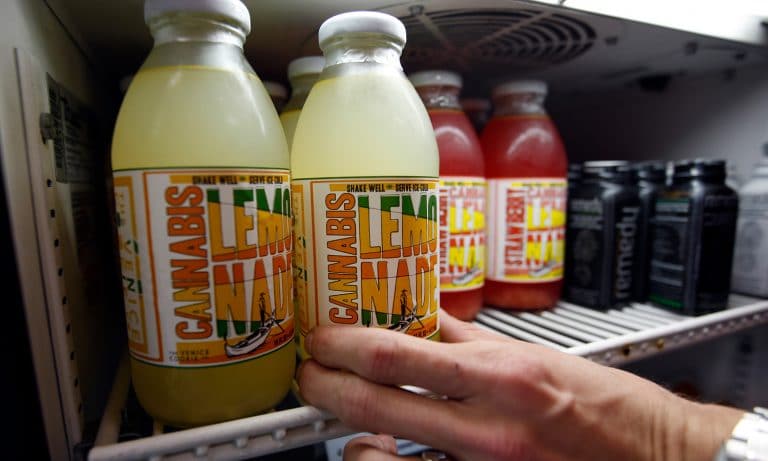
CBD and THC infused drinks to benefit from “the lipstick effect” as consumers seek small luxuries during COVID-19 lockdown and beyond.
Prohibition Partners, has released a new report indicating that all segments of the beverage industry are now embracing cannabis-infused drinks, with a clear potential for a growing consumer base as 16% of people who have not yet consumed cannabis-infused drinks say they will probably do so within the next 12 months. They estimate the global cannabis drinks market will be worth US$1.82 billion by the end of 2020 and that number will be infused by those looking for relief from the current COVID-19 pandemic.
“When facing an economic crisis, consumers will be more willing to buy less costly luxury goods. The underlying assumption is that consumers will buy luxury goods even if there is a crisis, but that these goods will be more budget conscious luxury. Cannabis infused drinks are an ideal example of this and Prohibition Partners has found that cannabis products are expected to benefit from this period of self-isolation,“ said Stephen Murphy, Managing Director of Prohibition Partners.
Consumers are stockpiling cannabis products in a bid to ensure that their supplies are secured indefinitely. As part of the “home entertainment line-up” in regions where cannabis is legal, beverages can expect to benefit from this trend in hard times to watch more television and spend more on little extras for their in-home leisure. The current stressors of 2020 have already proven to be a boost to cannabis-based products. Despite the current inevitable economic downturn, cannabis is still set to record impressive growth as consumers look for products to help them relax and de-stress and as the most popular format, drinks will likely be the greatest beneficiary.
Consumer demand is strong; the report finds that one in four consumers or would-be consumers of other cannabinoid-based products would be willing to try cannabis-infused drinks, and 28% of people who have already tried infused beverage consumers say they intend to buy more infused consumer goods in the coming three months.
“We are on the cusp of a drinks revolution, for hundreds of years, legal socializing has either involved alcohol, or sobriety; outside of caffeine and nicotine, ultimately you either got drunk, or you didn’t. The emerging cannabis drinks market is one of the most exciting sectors within the beverage industry; cannabis infusion will truly disrupt the drinks market and become a highly lucrative source of revenue for those who embrace it,” said Murphy.
The cannabis beverage industry has been further driven by COVID-19 shining a spotlight on respiratory illness and lung disease in an unprecedented way in how people choose to consume cannabis. People are avoiding smoking and vaping in favor of other formats such as edibles, including drinks. Furthermore, governments throughout the globe will be searching for ways to bolster flagging economies and cannabis-infused beverages have the potential to deliver.
Photo by George Hodan via publicdomainpictures
Prohibition Partners has also found that working parents have been particularly responsive to the beverages; 2020 has seen them take on the roles of worker, teacher and parent all at once – their wish to reduce stress is evidenced by the fact that almost 70% of people who reported that they are likely to buy more infused products in the coming three months, have children under the age of 18. This indicates that parents may need an outlet to provide a form of escapism or herbal self-medication during the crisis. This is likely to also be a key reason that more than half of those who intend to purchase more cannabis-infused drinks in the coming three months are ages 25–44.
Claire Birks, Prohibition Partners Senior Analyst says “The global drinks market may be large but overall industry growth is slow with some analysts forecasting annual growth at around just 3%. Our research has found that cannabis-drinks, however, are poised for much bigger growth and point towards an almost 45% compound annual growth rate for the cannabis-infused segment of the drinks industry.”
Federal US Government Statistics from April show a rise in stress-drinking directly resulting from the global pandemic and this has been mirrored across much of the world. Furthermore, a leading professor of Health at the University of Boston has warned that a spike in alcohol use disorders is on its way owing to a shift in alcohol purchase and consumption habits during the crisis.
The emerging cannabis drinks segment, however, could lessen that impact. Consumer research conducted by Prohibition Partners has found that four in 10 consumers who have or intend to purchase cannabinoid-infused beverages do so as a replacement for other intoxicating substances.
How Cannabis is Disrupting Drinks Globally, is set to be discussed at the online global event Prohibition Partners LIVE – set to run in place of the annual Cannabis Europa on June 22-23.
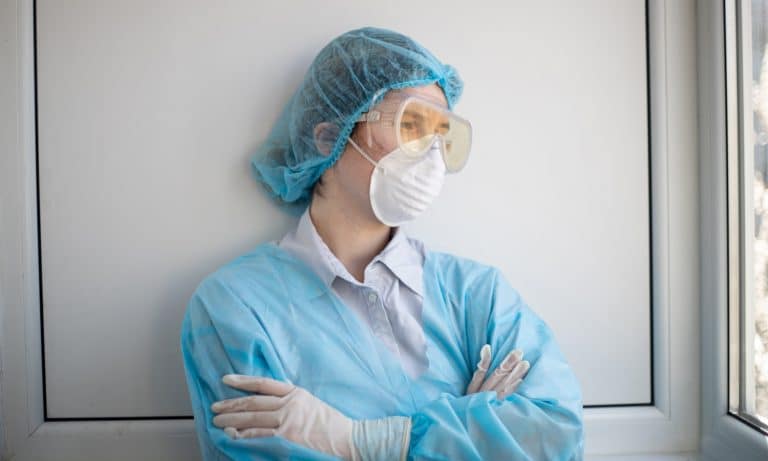
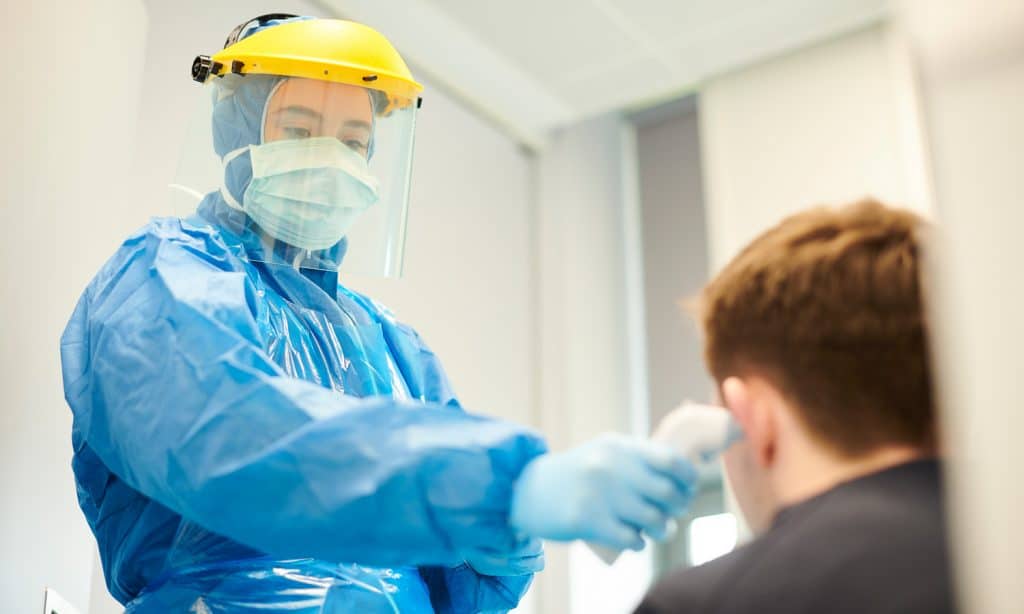
Against the backdrop of the current pandemic — and the fear of another COVID-19 wave in future months — the availability of PPE has been affected at both ends of the supply chain.
With the rapid spread of COVID-19 and cases quickly spiraling into the tens and hundreds of thousands, there’s still an on-going need for personal protective equipment (PPE) in hospitals and clinics. This unprecedented set of situations, and the emergency rush to find needed equipment for the medical community, in the U.S., and at hot spots around the world, created a perfect storm of medical needs and lack of essential equipment.
The FDA has issued an Emergency Use Authorization (EUA) to reflect the marked shortages of PPE. The nature of the virus SARS-CoV-2 is the almost relentless spread of this virus between people, their contacts, and medical professionals. In this full body blow to the medical community, COVID-19 has demanded constant use of PPE, only some of which can be reused.
Against the backdrop of the current pandemic — and the fear of another COVID-19 wave in the future months — the availability of equipment and supplies has been affected at both ends of the supply chain. Equipment as varied as shields, protective foot gear, N-95 masks, etc., all suffered various shortages of different levels.
Looking at the state-by-state statistics of COVID-19, there is a constant rise and fall in many areas, both leading to demands on available equipment, as measured against available supply. The availability of PPE is also affected by many other issues, including manufacturing challenges, and the logistics of delivering supplies where they are needed, when most of the U.S. is under quarantine restrictions.
Photo by sturti/Getty Images
Against the backdrop of the empty streets of quarantine, the challenge was the demand for the PPE equipment coming from all sort of disparate sources like private corporations, Police and fire, manufacturing facilities, hospital networks and medical agencies, non-governmental organizations, plus state and local agencies.
This blizzard of requests from throughout the country, was met by a limited, finite supply of PPE. The existing inventory, and the logistics to create and deliver PPE equipment to where it was needed was hampered by the lockdown of the quarantine situation.
The EUA functions as a fast track process for both equipment and treatment, in times of health crisis. Rather than the traditional regulatory and approval process which could last months, the EUA is one technique used as specific countermeasures against chemical, biological radiological, nuclear (CBRN) defense situations.
Current recommendations for anxiety patients is to utilize high-CBD, low-THC marijuana strains for the best results.
On the surface, using marijuana to treat anxiety symptoms seems like an obvious treatment option. Smoking a joint or eating an edible would result in relaxing times on the couch, maybe scrolling Netflix until another puff helps you fall asleep. This belief is pervasive: According to a 2017 national survey, about 47% of Americans believe marijuana helps manage anxiety.
Used effectively, marijuana can certainly benefit anxiety patients. A 2018 study in the Journal of Affective Disorders reported that about 90% of participants experienced reduction in symptoms of anxiety, stress, and depression in the short term. Repeated use, however, did not cause any long-term decrease in baseline symptoms and could increase depression over time.
At high doses, however, some studies show that marijuana can worsen anxiety. This is due to tetrahydrocannabinol (THC), the cannabinoid that causes marijuana’s psychoactive effect. THC makes your heart beat faster and leads to racing thoughts, both of which can exacerbate anxiety. Sometimes, you hear someone with anxiety smoking a joint at a party, thinking it will relieve symptoms. Instead it causes them to feel worse and reject cannabis as therapeutic.
Photo by Oliver King via Unsplash
A 2015 review concluded that “current evidence indicates CBD has considerable potential as a treatment for multiple anxiety disorders.” This, in part, explain why new emphasis exists on CBD for anxiety patients in recent years. Higher doses of CBD work effectively in reducing anxiety symptoms, the review found, without any of the negative side effects associated with THC.
CBD works for different types of anxiety as well. A 2019 Japanese study followed older Japanese teenagers diagnosed with social anxiety disorder. Using the Fear of Negative Evaluation Questionnaire and the Liebowitz Social Anxiety Scale, researchers found CBD significantly decreased anxiety in both measurements.
Current recommendations for anxiety patients is to utilize high-CBD, low-THC marijuana strains for the best results. Remember: using a little goes a long way. If you consume too much, you might regret it.
We’re all geared up to enjoy summer after months in quarantine. And while Vitamin D is great, sunburns, bug bites and overheating can be a total buzzkill. Here’s how cannabis and CBD can help.
It’s finally (almost) here: sweet, sweet, summertime! Summer is a season that’s meant to be enjoyed. From spending more time outdoors thanks to longer days, to glorious weather that makes you want to jump in the pool or drive to the beach (while taking precautions, of course), there’s a lot to love about this time of year.
But then… there’s also the other side of the seasonal debate. Summer also means extreme heat, sunburn, and bug bites, which can be a downer.
If you want to enjoy the summer as much as possible, cannabis and CBD can help. Here’s how.
Did you spend a little too much time in the sun? Ouch. Sunburns hurt, there’s no sugarcoating it. But don’t spend money on aloe this year. Instead, try CBD for some relief. There hasn’t been a lot of official research on CBD to treat sunburn specifically, butstudies show CBD is effective for treating pain and inflammation. (Two of sunburns unfortunate side effects.) Try applying CBD topically a few times a day until your symptoms improve.
Better Sleep
Photo by kevin laminto via Unsplash
If you have trouble sleeping when it gets hot in your home, you’re not alone. Many adults have trouble getting enough solid shuteye without cool air at night. That’s where cannabis can help. A2008 study found that cannabis with higher levels of THC can reduce the amount of REM sleep you get at night. Less REM sleep may mean fewer dreams, and more “deep sleep.” This can also result in less tossing and turning when it gets hot.
Depending on where you live, mosquito bites may be an inevitable annoyance once the weather heats up. Don’t suffer this year, though. CBD oil can help with bug bites, too. Here’s how: When you get a mosquito bite, it’s actually inflamed, swollen, and red skin. Topical CBD oil can help reduce the inflammation and swelling, so your bites will go down and you won’t feel as itchy.
Cool Down
Photo by sheri silver via Unsplash
Living without AC in the summer can be a nightmare. While cannabis can’t reduce your body temperature, it can be turned intoice cream andpopsicles. A cool treat can be just what you need on a hot day to feel better.
Chilling Out
Photo by KAL VISUALS via Unsplash
Summer is supposed to be a laid-back time. If you still find yourself stressed or anxious, CBD may be able to help. A2019 study found that 79% of adults living with anxiety were able to sleep better at night after just a month of trying CBD. Try some the next time you feel worried or stressed (or can’t sleep on a camping or road trip) it is summer after all!
Mayor Ted Wheeler announced they will redirect $12 million from police budgets toward directly supporting communities of color.
Police benefit from marijuana legalization in ways you probably don’t expect. Research shows no longer enforcing marijuana policies allows cops to redirect their attention to solving more pressing crimes, including burglary, theft, and property crimes. But multiple states and municipalities also allocate legal marijuana tax revenue to police budgets. That could change following nationwide protests against police brutality and systemic racism.
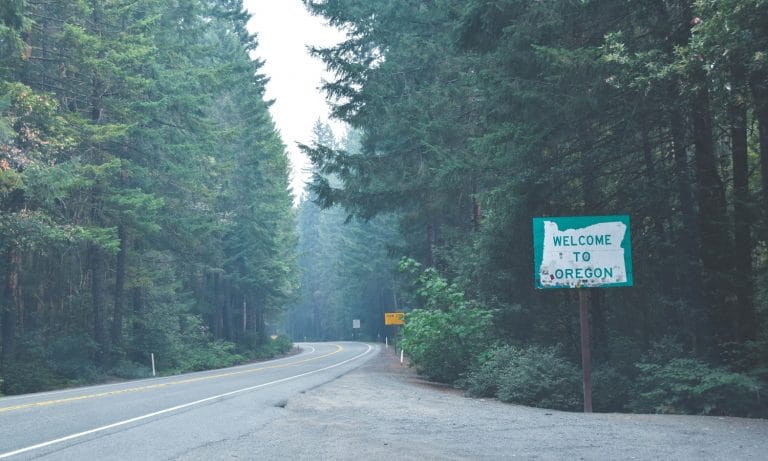
This week Portland, Oregon Mayor Ted Wheeler announced the city would redirect $12 million from the city’s police department and pledged the funds toward supporting communities of color. This comes just one day after the Oregon Cannabis Association (OCA) called upon Wheeler to stop sending Portland police budget funding derived from cannabis tax revenue. According to the OCA, police budgets received more than $2 million from marijuana tax proceeds last year.
“This is simply unacceptable,” the OCA’s open letter reads. “As the Council considers its budget this year, it is imperative that you take strong steps to end the distribution of these funds, even in the face of declining revenues, to the same law enforcement agency that very often is the perpetrator of similar actions that caused the demonstrations in Portland these past weeks.”
In a press conference, Wheeler said he hopes that cannabis tax revenue will help source the redirected $12 million in police funding.
Photo by Vasiliki Volkova via Unsplash
Police departments often argue legal marijuana will require more labor dedicated to catching drivers under the influence of cannabis. However, studies on the topic deliver conflicting results. In Washington state, Colorado, and Oregon, a study published in the Addiction journal reported there was one additional traffic death per million residents the first year of marijuana legalization. But scientists found this increase was temporary and rates returned to normal after a year.
There is a darker side to the marijuana industry that isn’t always revealed to the public or investors. Here are three digital publications shining a light on the weed industry underbelly.
The marijuana industry is booming during and post lockdown. Investors are starting to look again at the industry with dreams of finding the cannabis version of Amazon, Apple or Google. But while retailers and product companies are profitable, other parts of the industry are struggling with profitability or finding a workable business plan.
Over $20 billion has poured into the industry and multiple companies have gained unicorn status by going public at $1 billion or more. But as companies like Medmen, High Times, MassRoots and others show, there is a darker side that isn’t always revealed to the public or investors.
“When I talk to investors, especially family offices interested in the space, they want to know the full, unvarnished story. Companies that try to hide negative or damaging news only hurt the industry as a whole” says Noa Kahner, founder of Kahner Global, the highly respected cannabis investor summit series.
Mainstream media, like Politico and the New York Post, are quick to share the scandals, but most cannabis media tend to shy away from negative business coverage. MJBiz.com, the largest B2B media in the space, trails others in unpleasant news. Luckily for investors and the industry itself, three mavericks expose the honest and unvarnished truth.
The editorial process of Green Market Report, founded by former Wall Street executive Debra Borchardt, is based on a review of SEC filings, investigative reporting, and interviews with sources. They mostly report on publicly traded companies as the SEC filings are a wealth of information. Their background gives the advantage of being able to quickly analyze complicated financial documents and pick up on details that other reporters may not catch. The Fresh Toast syndicates some of their content.
All sources are verified, and do not rely on documents unless a reporter has been able to obtain a copy. They do not accept anonymous sources and will not use source material like emails, court cases, or other financial records without seeing the actual documents. They also ask companies for comment when reporting difficult stories in order to make sure the company has a chance to clear up any details or get their side of a story told.
Unlike many sites, Green Market Report does not provide sponsored posts as they feel it is a conflict of interest and would hurt journalistic integrity.
Cannabis.net founder Curt Dalton says, “We are an amalgamation of National Lampoon, the Wall Street Journal, and Barstool Sports. Writers have editorial freedom to give opinions, use a swear or two, and take a stand against the greed and corruption that has plagued the early years of the legal cannabis industry.”
He shared that his publication’s secret sauce is hardly a secret, as most of their content is responses or opinions about publicly posted information via filings, social media and press releases. Independently funded, they have no ties in the industry that could color coverage.
Photo by VIKTOR HANACEK via picjumbo.com
Dalton worries about the importance of company transparency, especially after the recent cannabis stock market crash. “The cannabis stock market crash exposed some shady dealings and back door deals in the marijuana space, and we just hope to be a voice of honesty and integrity in a niche that is having a hard time gaining legitimacy in the public’s eye, and for good reason.
“With any new industry, greed and dishonesty took over in many back alleyways of the early industry as people tried to make a quick buck at shareholder or investor expense. We use our text and video platforms at Cannabis.net to expose some of those characters, bring a laugh to a few faces, and always try to give the reader something to think about or ponder as they finish reading our articles,” said Dalton.
L.A. Cannabis News is in the middle of the hub of the U.S. marijuana industry. They cover local, hyper-local business news and national stores. Founder Brian Weiss is from a noted Angeleno family, giving him extensive contacts who provide the insider take.
“As the cannabis industry continues to grow globally on a daily basis there is a lot of news to cover and not always good news. I feel many publications are afraid to cover the people/companies that are not always doing right by the industry, but we have no problems doing that.” – Brian Weiss, Cofounder & CEO, L.A. Cannabis News.
Their goal is to ultimately cover all local markets where cannabis is legal or becoming legal around the world under CN Media which stands for CannaNation.
It seems the wild wild west of the marijuana industry has at least three good folks who watch out for the public’s best interest.
As Dalton said, “This plant is doing so much good in the world and helping so many people, we want to highlight those facts and be a force pushing for its legalization and acceptance.”
Sure, it’s a natural instinct to jump in there and start chiefing away like Cheech and Chong, but that’s where most beginners go terribly wrong.
There is nothing that makes a marijuana user appear more like a novice than when they cough after every single hit. Their face turns all beet red, their eyes start watering as though they had just watched “Toy Story 3” and the hacking sounds coming from their gyrating body tells the others in the room that they can’t hold their weed.
In a lot of ways, coughing incessantly after smoking marijuana is tantamount to when someone scrunches up their face down at the local bar after taking a shot a tequila. Everyone can always tell a lightweight by these physical reactions and let’s face it, no one wants to be considered an amateur in a time when smoking grass is becoming so popular.
If you are reading this, chances are you sound as though you are choking on a chicken bone every time you smoke weed. Fortunately, there are a few things a person can do to help them cough less and join the ranks of the professionals. Pay close attention here, kids, your reputation is on the line.
The first move a new marijuana smoker can apply to diminish those embarrassing coughing fits is to just take smaller hits. Sure, it’s a natural instinct to jump in there and start chiefing away like Cheech and Chong, but that’s where most beginners go terribly wrong. The virgin lungs need some finessing, a little wining and dining before they are anywhere ready for this sort of abuse. Smoking weed isn’t a competition. Never be afraid to take a smaller hit than everyone else, if that’s what needs to happen to prevent one of your lungs from ending up on the living room floor.
A true professional understands his or her limits.
Another pro toker move that helps keep coughing to a minimum is to just inhale deeply after taking a hit. One of the most common rookie mistakes is taking a hit and hesitating to suck the smoke down into the lungs right away. This can sometimes cause the smoke to get trapped in the throat, and that’s when the body goes haywire in its fight for survival. What’s more is inhaling the smoke deeply also allows you to gain the maximum buzz benefits from your weed smoking endeavors.
Photo by Artur Matosyan on Unsplash
Well, would you look at that, you’re already well on your way to stepping up your weed smoking game.
There is also something to be said about buying higher quality marijuana. Some of the stuff sold on the black market could contain dangerous pesticides and other chemicals that make even the smallest hits entirely too harsh. And nobody wants to smoke grass that has been tainted by poisons anyway.
The best move is to purchase cannabis products from a licensed dispensary, one that is subject to testing and other regulations that ensure the weed you are buying is clean. That could make all the difference in the world when it comes to controlling those coughing fits.
However, some people just aren’t fit for smoking. It doesn’t matter how good the weed is or how small the hits are, these people are just destined to cough themselves into a red-faced stupor each time they partake. If you find that you are one of those who falls into this category, don’t give it a second thought. There are a variety of other marijuana products on the market right now that are entirely smoke-free. Might we suggest trying vaporizers (from legal stores only) or edibles? These products come with their own risks and side effects, but coughing typically isn’t one of them.