Friday, June 19, 2026
Home Blog Page 518

A Doctor’s Insight On Treating COVID With Cannabis

The goal of an upcoming study is to examine the receptors to which cytokines bond, the cellular messages that are communicated, and the extent to which cannabinoids reduce the inflammatory response.

Here is a doctor’s insight on treating COVID with cannabis. One medical research team in Israel believes they have a small piece to the coronavirus puzzle. In an exclusive interview with The Fresh Toast, Dr. Igal Louria-Hayon, head of the Medical Cannabis Research and Innovation Center at the Rambam Health Care Campus in Haifa, Israel, says that the healing properties in marijuana may be able to help the body fight against COVID-19. 

Announced in May, Louria-Hayon and his team of researchers announced they would begin a clinical trial in studying how cannabis aids in inflammation within the body and if that could decrease the effects of COVID. One of the main causes of death with the disease is “cytokines” — proteins that signal cells to turn on to fight — that are released, causing the body to react in wild, uncontrollable ways against the virus. As a part of the body’s endocrine signal process, once they are turned on past their maximum, the proteins become difficult to control and can cause a shockwave of effects, leading to death.

In some studies, cannabis was proven to help regulate inflammation and cytokines, offering better signaling to the body. The goal of their upcoming study is to “examine the receptors to which these substances bond, the cellular messages that are communicated, and the extent to which cannabinoids reduce the inflammatory response.”

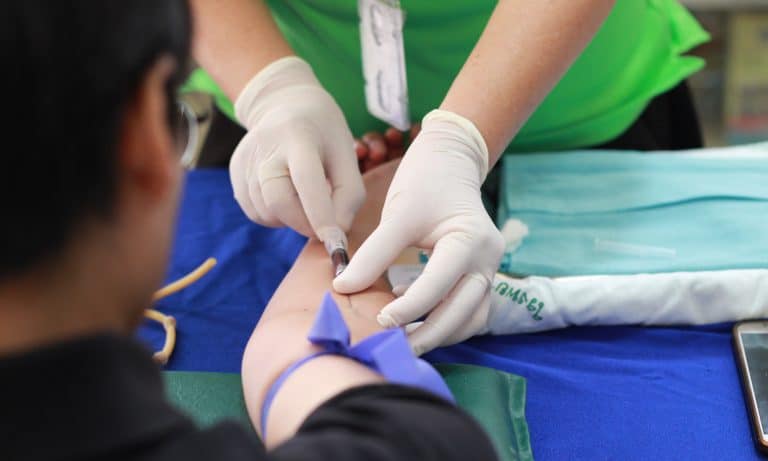
Especially important to note, Dr. Shlomit Yehudai-Reshef, Director of the Rambam Medical Research Institute, shared that her team was able to identify a key method to understanding the virus and the human body’s subsequent reaction: white blood cells. “Despite the complexity and high risk, we found a safe way to separate the white blood cells, including the immune cells from verified patients,” explained Yehudai-Reshef, clarifying that when the cells were separated, they were easier to study and manipulate. Yehudai-Reshef illustrated that when blood samples were accessible, they could continuously learn from the disease, its “biological processes” leading to the blood becoming a key factor in developing treatment.   

RELATED: Israel Researchers Believe CBD Could Play Crucial Role In COVID-19 Treatment

In discussing his team’s preliminary research and goals, Dr. Igal Louria-Hayon answered the following questions: 
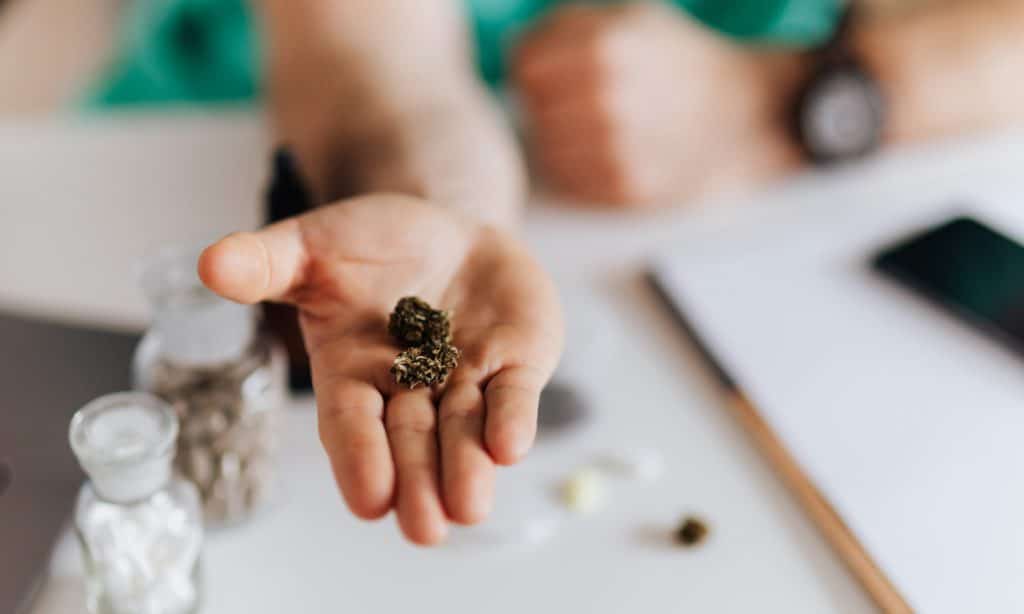
A Doctor's Insight On Treating COVID With Cannabis
Photo by Karolina Grabowska via Pexels

How do these findings change the outlook in the healthcare community? 

“The current lack in scientific knowledge about cannabis spanning from taxonomies to clinical research has led us to the understanding that we need to change our attitude when examining this plant. By developing a rigorous system of analysis, such that discards anecdotal information and accidental findings, we aim to discover the clinical significance of the cannabis plant’s active components.

RELATED: Can Marijuana Terpenes Treat COVID-19? These Scientists Believe So

“With each and every experimentation determining the active mechanism and its effect on disease, we see the scientific community acknowledging the necessity to develop our understandings towards medicine. The manner in which we conduct experiments in Rambam Medical Center, is at a level in which our results will enable the healthcare community to practice the use of Cannabis in informed and productive ways.”

Do you think this will open the eyes of health practitioners to start looking to alternative medicine in these times? 

“Our current time dictates a state of emergency, a time that calls for innovative initiatives in various areas of expertise. In fact, we have seen and are still seeing different initiatives inaugurating during this time of plague in both technology and medicine. If this time of crisis requires unconventional treatments and creative minds, it is our task to encourage thinking outside the box. I believe that physicians treating covid19 patients who already found that conventional treatments are not clearly at hand, will turn to examine alternative care. It is therefore our task to provide the exact knowledge for novel treatment in this time of need.”

Have you spoken to/heard from doctors that this has changed their strategy? 

“What makes Cannabis research at Rambam medical center unique, is the fact that we are literally situated at the heart of the hospital. The cross pollination between health doctors and researchers manifests in many ways, stemming from our use of clinical materials, to collaborations with doctors rising questions from the field of practice and joint research. These are indeed the very platforms we are establishing for the concrete use of our results which will be made into treatment. As we are deep into research, it is only via these collaborations which are happening that alternative treatments may prove not merely as potential solutions, but as care methods.”
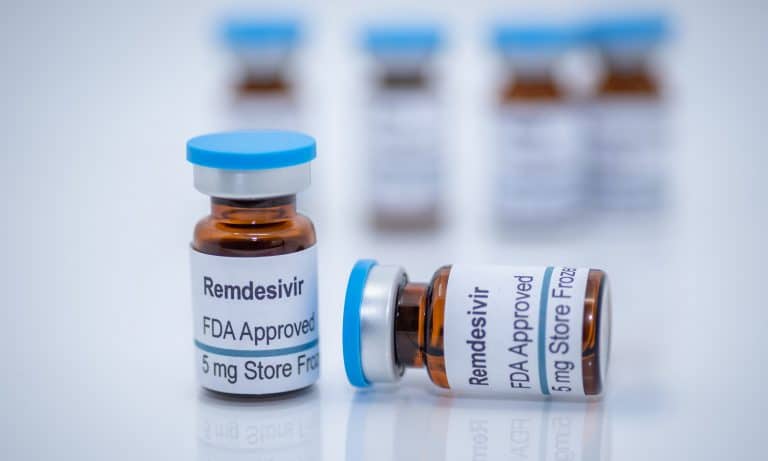
What Healthcare Workers Need To Know About Potential COVID-19 Treatment Remdesivir

With no other proven treatments available for coronavirus, remdesivir is one of the most promising therapies available for patients struggling to recover.

“(The) FDA’s emergency authorization of remdesivir, two days after the National Institutes of Health’s clinical trial showed promising results, is a significant step forward in battling COVID-19 and another example of the Trump Administration moving as quickly as possible to use science to save lives.” — Alex Azar, Heath and Human Services Secretary

In earlier May, the U.S. Food and Drug Administration (FDA) approved an off-label use for generic drug remdesivir, which was initially used in the fight against Ebola, a virus known for severe bleeding, organ failure, and death. 

The generic drug, once used to treat a myriad of other diseases, was unleashed against coronavirus in an attempt to try any weapon on hand, to wield against the virus ravaging the globe.  As a treatment for infection, remdesivir is well-known for earlier trials with Ebola, SARS and MERS, but didn’t prove it success before being greenlit for COVID-19.

FDA explained said FDA Commissioner Stephen M. Hahn, M.D explained the agency’s decision, saying, “From day one, the FDA has been committed to expediting the development and availability of potential COVID-19 treatments. Today’s action is an important step in our efforts to collaborate with innovators and researchers to provide sick patients timely access to new therapies where appropriate, while at the same time supporting research to further evaluate whether they are safe and effective.” 

RELATED: Convalescent Plasma: What Is It And Can It Fight COVID-19?

The FDA Reissued Guidelines For PPE In Hospitals And Clinics
Photo by sturti/Getty Images

Hope is on the horizon

U.S. News and World Report recently shared that when remdesivir is combined with other drugs, it may work even better against infection. With clinical trials underway at Emory University School of Medicine in Atlanta as well as CytoDyn, a biotech firm in Washington, it appears that with moderately-low chance of drug interactions, it could change the face of the pandemic moving forward, but that’s if it can continue to get clearance. 

RELATED: How COVID-19 Has Changed The Healthcare Landscape 

With an emergency use authorization (EUA) quickly enacted in place by the FDA, the decree, “allows for remdesivir to be distributed in the U.S. and administered intravenously by health care providers, as appropriate, to treat suspected or laboratory-confirmed COVID-19 in adults and children hospitalized with severe disease.”

With no other proven treatments available for coronavirus, remdesivir and convalescent plasma remain the two brightest therapies available for patients struggling to recover. When an EUA is in place, it is effective until the FDA has proof that the drug either works or doesn’t work. Often acknowledged as a way to perform a trial, the FDA is looking to any treatment it can in saving American lives. 

What CBD Can’t Do For You

0

When talking about what a product can do, the words we use matter. This is especially true when we talk about how CBD might affect the symptoms of a disorder versus providing a cure.

Even the biggest fans of hemp-derived cannabidiol have to admit that this product has its limitations. While the ability to manage seizures for a few hard-to-treat pediatric conditions, decrease anxiety, and improve sleep have all been supported by preliminary research, there are false claims being made about CBD. Here is what CBD can’t do for you.

CBD can’t do it all. Unfortunately, not all manufacturers are willing to market honestly, especially if it might mean sacrificing profits. This has resulted in disappointed consumers and a pretty detailed FDA warning about bogus health claims. 

CBD and Cancer

One misunderstanding about CBD is that it is a cure for cancer. So far, the research surrounding it hasn’t found this to be true and the FDA was pretty clear when they sent a letter warning manufacturers about false claims about CBD curing cancer. What has been proven is that, in a lab setting, CBD may be able to slow down or kill certain cancer cells, according to The American Cancer Society. More research will need to be done before cannabis can be shown to be a promising treatment method of cancer.

RELATED: 5 Ways To Incorporate Effective CBD Products Into Your Everyday Life

Additionally, both marijuana and CBD have been successfully used to manage the symptoms of cancer. Whether it is nausea, pain or appetite, this hemp-derived oil can be effectively used to improve quality of life in many patients.

CBD and Diabetes

When the FDA warned marketers about what they were saying about the benefits, its use for treating diabetes came up in their warnings. So far, there isn’t a lot of evidence that this hemp-derived product is a good option for managing blood sugar. We know that the endocannabinoid system does play a role in insulin sensitivity, but the information on the link between diabetes and CBD stops there.

Why is this an important thing to know? Substituting prescribed medications for an alternative treatment can be incredibly dangerous for diabetics, making false claims about the usefulness of CBD for diabetics especially worrisome.

Do I Really Need Both CBD And THC?
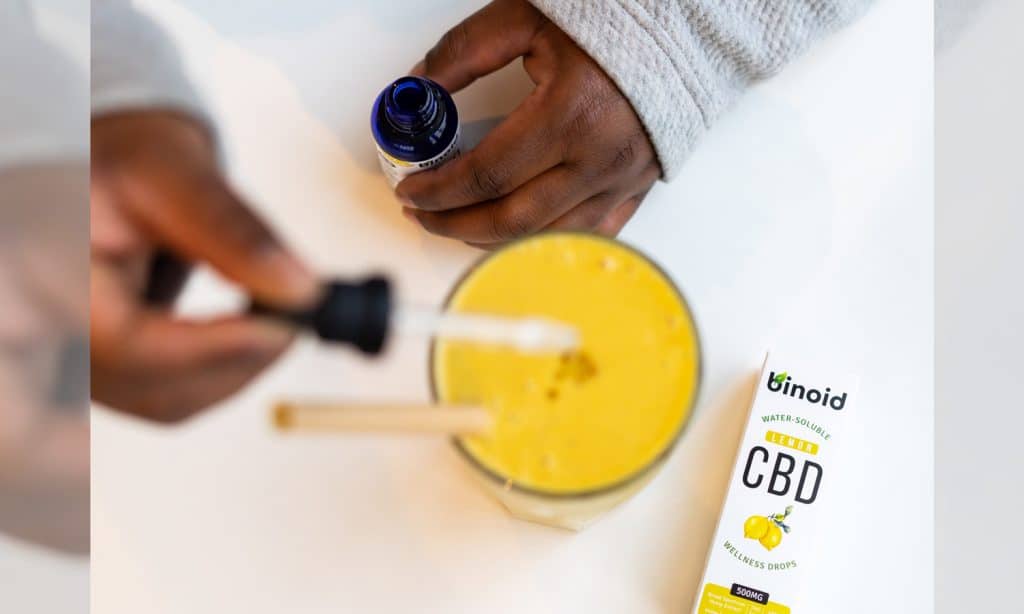
Photo by Binoid CBD via Pexels

CBD and Psychosis

When talking about what a product can do, the words we use matter. This is especially true when we talk about how it might affect the symptoms of a disorder versus providing a cure and applies to the idea it might play a role in psychosis treatment.

Although there was one study that showed CBD produced changes in the brain that indicated some effect on psychosis, the study’s authors were very clear that this was not a treatment study. Additionally, this study was performed on adults who didn’t have a formal psychosis diagnosis, but rather were in the early stages of experience psychosis.

RELATED: How To Find High-Quality CBD Oil

This means, there simply isn’t enough information to indicate it can be used to help manage the symptoms of psychosis. However, it may eventually play a role in preventing psychosis or supporting other medications.

CBD is safe for consumption by the general population, which makes it a risk-free, alternative treatment for many. The being said, there are risks to dropping medication and turning to alternative treatments without the advice of a health professional. So, if experimental treatment with CBD is something that might be on the horizon for you, make sure you have a talk with your healthcare provider first. And keep in mind what CBD can’t do for you.

FDA Updates For Collecting Blood And Convalescent Plasma During COVID-19

The FDA believes the risk is minimal for donation if donors are in good overall health and practitioners follow screening guidelines already in place.

With over 1.5 million confirmed cases of coronavirus in the United States, the U.S. Food and Drug Administration (FDA) updated its recommendations around specimen collection, as well as convalescent plasma in a recent mid-May update. 

Understood to not be caused by blood transfusion, COVID-19 is spread through droplets both in the air or on surfaces. With, “no reported cases of transfusion-transmitted coronavirus” worldwide the FDA’s newest guidance focused on both offering insight into the safety measures in place with blood donation and the importance of encouraging donation, saying, “as communities are affected, it is imperative that healthy individuals continue to donate blood.” 

RELATED: Convalescent Plasma: What Is It And Can It Fight COVID-19?

Here are five, key points from the FDA’s recent directive: 

Understanding New Rules Around Serological Testing
Photo by cicerocastro/Getty Images
  1. With the lack of SARS-CoV-2 (the name of the coronavirus responsible for causing COVID-19) cases spreading by blood, the FDA believes the risk is minimal for donation if donors are in good overall health and practitioners follow screening guidelines already in place. It was also recommended that, “The blood establishment’s responsible physician must evaluate the prospective donor and determine eligibility.” The FDA illustrated that individuals overcoming COVID-19, or with suspected cases of the disease wait, “blood for at least 14 days after complete resolution of symptoms.” The FDA also shared that, “individuals who are tested and found positive for SARS-CoV-2 antibodies, but who did not have prior diagnostic testing and never developed symptoms, can donate without a waiting period and without performing a diagnostic test (e.g., nasopharyngeal swab).” 
  2. Since donors are already checked for temperature and health, the FDA does not believe donors should be tested to see if they are “asymptomatic.” Revised in early May, the FDA’s policy on antibody tests focuses on prioritization.
  3. The FDA took a soft stance on clinics offering pamphlets or information, stating, “Blood establishments may wish to consider donor educational materials to instruct individuals to self-defer and refrain from blood donation” if they have come into contact with or are suspected to have COVID-19. 
  4. Recommending clinics consider instructing donors pause from giving blood, “at least 14 days after complete resolution of symptoms or the date of the positive diagnostic test, whichever period is longer,” the FDA is asking blood facilities to be mindful of the spread. 
  5. The FDA summarized they supported the “recommendations of AABB’s Interorganizational Task Force encouraging healthy individuals to make plans to donate blood to maintain the adequacy of the nation’s blood supply.” For individuals that wish to donate, the FDA recommends: 

Things You Can Do To Feel Normal

The pandemic has hit us hard, some more than others. Here are some simple things you can do to help bring back some normalcy to your life.

It’s been a strange couple of months. It’s safe to say it’ll be a strange rest of the year, with most of us making accommodations and adapting to this new era. Still, it wouldn’t hurt if, throughout this process of adaptation, we could enjoy the little things that we used to. Here are some some things you can do to feel normal.

Even if there’s no way of going back and enjoying a packed concert or a screening in a movie theater anytime soon, there are a lot of factors that make up our everyday lives that we can utilize to help us adjust to these wacky days.

Stay active

Whether you were active or not before the pandemic, this is a good time to move around. You probably don’t need to hear this, but exercise is a great way to release endorphins and make yourself feel good. One of the few good things about the pandemic is the influx of free time. Use it to your advantage.

Work on your coffee technique

this is how much coffee is safe to drink each day
Photo by Sara Johnston via Unsplash

RELATED: What Is ‘Quaranteam’ And Is It Safe?

If you’re someone who used to enjoy coffee from your favorite coffee shop every morning on your way to work, try working on your coffee technique at home, adding elements that you think you’d enjoy, such as a dash of cinnamon, syrup or ice, and purchasing soy or coconut milk, if that’s what you used to do. It’s not that hard to make your own lattes or iced coffees at home. Here are 11 coffee hacks that will make your mornings better.

Plan stuff

If you’re having a hard time looking forward to things, it might help to use a planner and start putting in everything that brings you some joy. For the short term, add in Zoom happy hours with friends, new shows on Netflix, or even a long walk you have planned. For post-pandemic planning, think about trips with friends and family. Daydream about the future and remind yourself that this isn’t the end of the world; you’ll get the opportunity to go back to regular programming at some point.

Prepare meals 

5 Things You Can Do To Help You Feel Normal
Photo by August de Richelieu via Pexels

RELATED: 5 Ways To Contribute To Healthcare Workers

It’s likely many of us have cooking fatigue. Sure, cooking is fun and all, but not having a few nights out to break up the monotony has taken a toll. To try and get yourself out of a slump, purchase a new cookbook or find some YouTube cooking channels you love and start playing around with recipes. If you live with roommates or family, this is also a nice way of spending time together and bonding, preferably discussing other things aside from the pandemic. Drinking a bottle of wine during the process might also help.

Identify the silver linings

The pandemic has created a whole new set of issues that we could have never imagined, while highlighting some of the most pressing problems in the world. It’s overwhelming, but it’s also forced us to acknowledge the important aspects of our lives. Be grateful, even when it seems like you have nothing to be grateful for. Get into the habit of writing down what you’ve been blessed with every day, even if it’s just connecting with a friend, your morning cup of coffee, or finding a bottle of hand sanitizer at your local grocery store. Like all things, this moment will pass.

If you are stressed, may these things you can do to feel normal help.

CBD And Cannabis With Anxiety And Autism

With the stigma of cannabis fading by the day, more families are exploring treatments that are more accessible and less pharmaceutical.

The autism community is (literally) buzzing over several recent studies showing that cannabis and CBD-based products may help those on the spectrum, alleviating symptoms, and creating a much better quality of life. Here is a look at the potential of CBD and cannabis within the anxiety and autism community.

The Journal of Autism and Developmental Disorders found that in a study of 60 children on the autism spectrum, the use of cannabidiol-rich cannabis improved behavioral outbreaks in 61% of patients. Building on that vein, a study published in January 2019 found the same results. With 188 patients on the autism spectrum treated with medical cannabis between 2015 and 2017, the study found that an oil with 30% CBD and 1.5% THC not only offered patients improvement, but the oil appeared to be “well-tolerated, safe and effective.”

Some parents claim that CBD can alleviate behavior related to outbursts and anxiety. Often coupled with anxiety, both autism and anxiety has been so stigmatized, many choose to stay quiet about their diagnosis. New studies and growing conversations around the role of cannabis and CBD between both caregivers and those on the autism spectrum are opening doors for greater understanding and less fear to try different and innovative methods of managing symptoms into solutions.

AmyLou Fawell, cofounder and president of MAMMA USA is focused on making CBD and cannabis available for children with an autism diagnosis. Passionate about what she’s witnessed, Amy recently shared, “The medical community needs better options when it comes to treating autism. Our children are routinely prescribed heavy duty pharmaceuticals (for example anti-psychotics or benzodiazepines) that come with potentially devastating side effects. Our families would prefer something like medical cannabis, which has an incredible safety record. Between emerging research and anecdotal evidence, it is clear that cannabis can improve many symptoms of autism, from core symptoms to maladaptive behaviors. Even tough cases and older kids are finding relief with the addition of cannabis to their treatment plan.”

RELATED: Israeli Study Shows Marijuana May Relieve Autism Symptoms

Photo by Nik Shuliahin via Unsplash

According to the Interactive Autism Network, “About 40 percent of youth – and up to half of adults – meet the clinical criteria of an anxiety disorder, such as social anxiety, phobia, panic disorder, or generalized anxiety, or obsessive-compulsive disorder.” Forty percent is an astounding number of individuals who have the opportunity to seek different methods of alleviating symptoms and evaluating new methods to find peace.

Mothers for Medical Marijuana Treatment for Autism has a platform dedicated to sharing stories of how cannabis is a safe, affordable, and effective medical option for autism spectrum disorders. Jennifer, the mother of a little girl named Abby, shared on the site that her little girl benefitted from cannabis almost immediately.

“After almost a year of experiencing the intense, self-injurious episodes, (Abby) finally found relief for her daughter using a 3:1 THCA:THC oil.”

Sitting down and chatting with parents and individuals in the past two weeks, I found similar stories related to their children or themselves. Put simply; cannabis was a game-changer.

RELATED: Here’s How Cannabinoids Quell Anxiety

CBD and cannabis have shown improvement in anxiety in hundreds of trials, all over the globe. A woman from Colorado, Nichole, shared with me something truly powerful. She stated, “I’m a better person today because CBD and cannabis gave me the ability to get out of my head and live.”

Echoing the same, Ernie, an individual who identifies on the autism spectrum, recently shared that the role that CBD and cannabis are paramount to her everyday health. She explained, “CBD really helps me deal with large crowds of people and loud places -better- than without.”

CBD Oil Is Secret Health Weapon Of These 3 Celebs
Photo by Hankimage9/Getty Images

State Medical Marijuana rules are slow to keep up with the growing demand that offers accessibility and options to caregivers and those with autism. The National Conference of State Legislatures updates a list of each state’s laws and notates, “As of June 25, 2019, 14 states and territories have approved adult-use cannabis.” For many, it’s a welcome addition to their toolkit of therapies.

“Cannabis is an answer to a prayer,” Nichole explained as she smiled. “It’s so amazing to me to see myself now compared to who I was four years ago before I began my research.”

Whether cannabis will remain a Schedule 1 drug seems to be less important in conversations than where families can purchase, or what has been vetted. One point remains certain: With the stigma of cannabis fading by the day, more families are exploring treatments that are more accessible and less pharmaceutical.

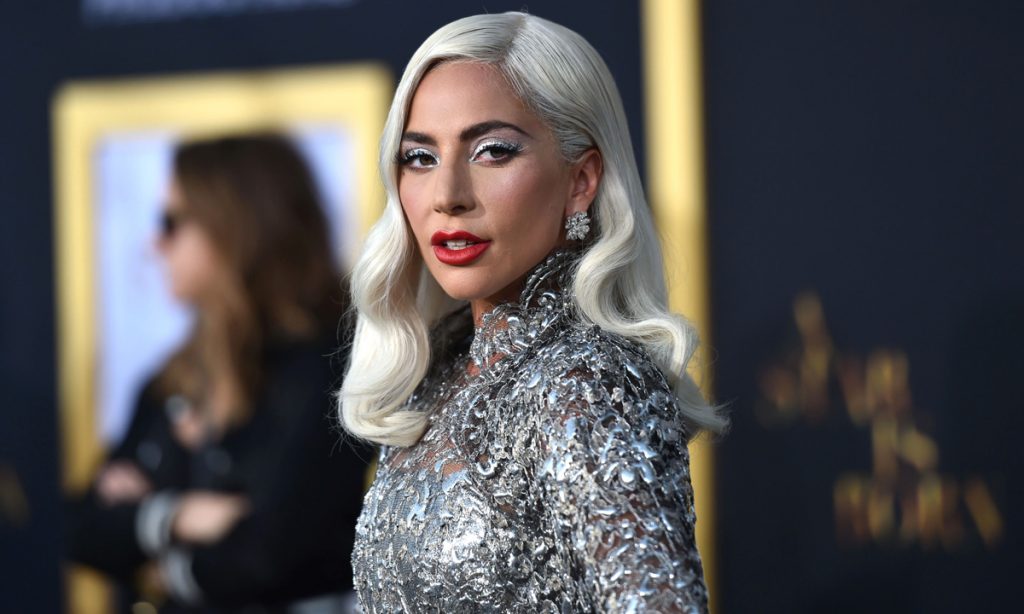
Does Lady Gaga Smoke Weed?

At one point, Lady Gaga said that she was smoking up to 20 joints a day to battle chronic pain. Does she still smoke weed?

Lady Gaga, real name Stefani Germanotta, is one of the world’s most iconic artists, straddling the line between mainstream popstar and critical success. With every new record and performance, Gaga throws her hat into a new ring, whether it’s tackling a different musical genre or even a new movie role. As someone who isn’t afraid to do what she wants, regardless of what others think, many assume she smokes weed. Does she?

Gaga is well-known for her outspoken personality, happily discussing her private life and using it to support causes she cares about. In her Netflix documentary, Gaga: Five Foot Two, she discusses her experiences with marijuana, mentioning how one time she smoked so much that she almost gave Beyonce a panic attack, telling a friend:

“I don’t know, I just always feel like when I’m with her and Jay-Z, I’m always like hanging out in the corner with like nine joints hanging out of my mouth being like ‘Whaaaaat’s up?!’  and she’s like ‘You’re not a lady but why? How is this working?'”

RELATED: Does Lana Del Rey Smoke Weed?

lady gaga I couldnt make it as an actress
Photo by Neilson Barnard/Staff/Getty Images

She’s also expressed that at one point she was smoking 15 to 20 joints a day in order to treat her own anxiety and pain due to a hip fracture. “I was living on a totally other psychedelic plane, numbing myself completely, and looking back I do see now that some of it had to do with my hip pain,” she told People. 

RELATED: Does Lady Gaga Still Love Cannabis? We Investigate

While that’s an unhealthy approach to have to any substance, she now says that she has a better relationship with marijuana. “For weeks and weeks I didn’t smoke at all. And now I smoke a little bit at night, just you know, for fun — but not to cope. That’s the difference.”

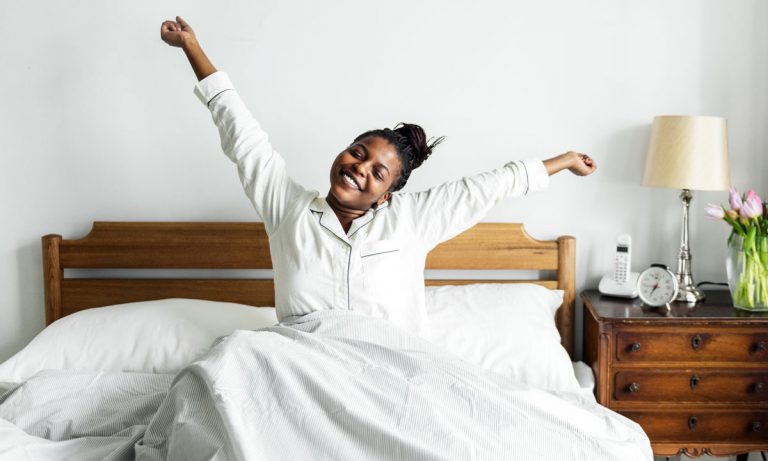
5 Common Morning Habits That Aren’t Great

Morning routines can determine how the rest of your day will go. Here are some common habits that you should try to avoid.

We all have our morning routines that help us focus and start the day off right — at least that’s what we assume. Although these habits are very personal, there’s a lot of overlap with the majority of the population. People like to have their coffee, watch TV and check their phones to catch up on world news Instagram.

Whatever works for you works for you, but there are a few tweaks here and there that can improve your mornings and make you feel better for the rest of your day. Bustle spoke with experts and compiled a list of popular morning habits that are not that healthy when you give them a closer look.

Jumping right out of bed

While ripping the band-aid off quickly works for many (who are these people?), there are some experts who believe it promotes anxiety. Dr. Catherine Jackson explains that rushing so early in the day puts unnecessary stress on your body, increasing your need to get everything done as soon as possible. If you’re an anxious person, waking up 5 or 10 minutes earlier than usual in order to meditate and have some time to think could really improve your attitude toward the rest of your day.

Checking your phone

instagram is considering making their like invisible
Photo by rawpixel.com

RELATED: A Lot Of People Are Having Weird Food Cravings During Coronavirus

You knew this one was coming. This habit is extremely common, with almost everyone checking their phone first thing in the morning since they have to interact with it in order to deactivate their alarm. While checking social media or reading the news might be something you like to do, these activities are highly addictive, delaying the start of your day and distracting you from other things. There’s also nothing more stressful than waking up to a bunch of unread emails or by reading crazy tweets from politicians.

Eating lots of carbs

There’s a common belief that consuming high caloric meals in the morning is good for you, because it gives you energy for the rest of the day. While this is true, consuming a lot of carbs, especially simple ones, like sugar cereal or pastries, can make you feel very sluggish and bloated. Experts recommend getting in some protein and fat with your carbs. Foods you may have thought were carb-heavy but are actually great sources of protein and fat include: oatmeal, sprouted grain bread, and chickpea flour pancakes.

Thinking about your to-do lists

Photo by rawpixel.com

RELATED: How To Take Care Of Your Libido When Quarantined With Others

To-do lists remind us of all the stuff we need to do, which is great, but maybe checking them first thing in the morning is not what you need. This anxious feeling can quickly become overwhelming when you’re waking up to particularly busy days, filled with meetings and things you need to do. Keep your to-do lists in mind, but try to push them to the back of your head, at least while you’re waking up and getting ready to work.

Washing your hair

Lots of people need a shower first thing in the morning in order to feel like they’re up and awake, which is great, but maybe skip the shampoo. Society has taught us to wash our hair more than necessary, leaving most people with tons of split ends and dryness. Buy a shower cap and try washing your hair every other day or every couple of days. Two words: dry shampoo. You’ll quickly notice the change.

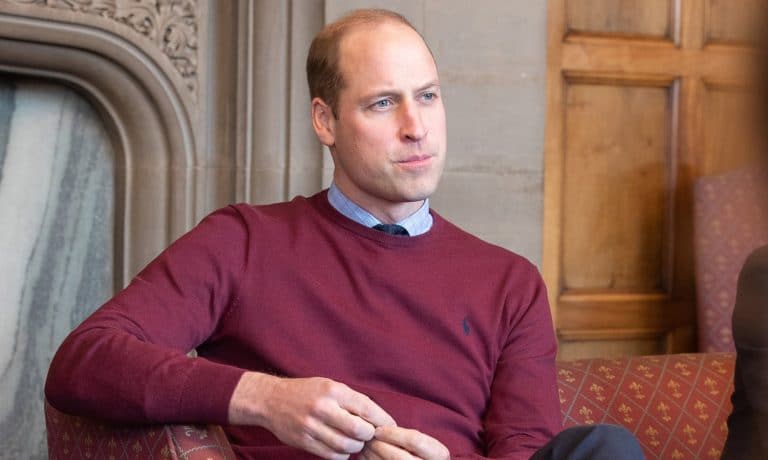
The Unusual Way Prince William Has Dealt With Anxiety

The Duke of Cambridge opens up about how he’s managed to deal with intense anxiety while giving important speeches.

There’s possibly no better time to discuss mental health than during a pandemic when many are struggling with anxiety and depression. It’s a featured topic in a new documentary called Football, Prince William and Our Mental Health.

In the documentary, which aired earlier this week on BBC One, William interviews soccer players and fans across the U.K. in an attempt to destigmatize mental health issues surrounding men.

Having grown up in the public eye, the Duke of Cambridge is no stranger to anxiety himself. In the documentary, he shares that, “Certain days, especially certain speeches as well when I was growing up, you definitely get a bit of anxiety.”

William revealed that his failing eyesight actually helped him manage his anxiety when giving public speeches.

“My eyesight started to tail off a little bit as I got older, and I didn’t used to wear contacts when I was working, so actually when I gave speeches I couldn’t see anyone’s face,” he says. “And it helps, because it’s just a blur of faces and because you can’t see anyone looking at you—I can see enough to read the paper and stuff like that—but I couldn’t actually see the whole room. And actually that really helps with my anxiety.”

RELATED: The Hilarious Reason Prince William Won’t Watch ‘Tiger King’

Speaking to former soccer player Marvin Sordell, William added that the trauma and anxiety he experienced when his mom, Princess Diana, died, resurfaced when he had his own kids.

“Having children is the biggest life-changing moment, it really is. I think when you’ve been through something traumatic in life…my mother dying when I was younger, the emotions come back, in leaps and bounds.”

https://www.instagram.com/p/CApRAKkgjMu/

Last year, in another BBC documentary, William talked about the loss of Princess Di when he was just 15-years-old, saying that he experienced “pain like no other.”
It’s one of the reasons he’s able to be a proponent of mental health and why he is urging British men in particular to open up about their struggles.

Cleaning Marijuana Gear Without Using Rubbing Alcohol

The coronavirus has created a shortage of many cleaning products, including rubbing alcohol. Here’s how you can effectively clean your bongs and pipes without it.

The pandemic has affected the production of a variety of disinfectants, from hand sanitizer and Clorox wipes, to the latest product in short supply: rubbing alcohol. These items, intended to clean surfaces, heal cuts and disinfect all sorts of areas of your home, are in high demand during the pandemic for obvious reasons. But sometimes you need rubbing alcohol for more mundane and non-related COVID-19 activities, like making sure your bong is clean and your hits don’t taste strange.

Luckily for you, there’s lots of ways to clean your marijuana gear. As always, the best way to prevent the build up of gunk on your expensive smoke pieces is to clean them regularly and to never use products that may harm the materials in them or your health. Here are three cheap and easy ways to do it.

Vinegar & coarse salt

How To Clean Your Marijuana Gear With No Rubbing Alcohol
Photo by Jason Tuinstra via Unsplash

RELATED: How To Choose And Use CBD Tinctures

This simple mixture doesn’t require much and it’s completely safe for bongs and pipes, removing all kinds of caked on grime and ensuring your smoke piece is clean. (You might just have to scrub a little more without the alcohol.)

Simply mix some vinegar and coarse salt and use the mixture to clean the inside of a bong, coating it entirely. Use a scrub brush or Q-tip for the parts that are harder to reach. This recipe is also highly adaptable; you can swap the salt for baking soda or the vinegar for vodka, which isn’t ideal in these heavy-drinking pandemic times, but chose your fighter.

Bong & pipe cleaning products

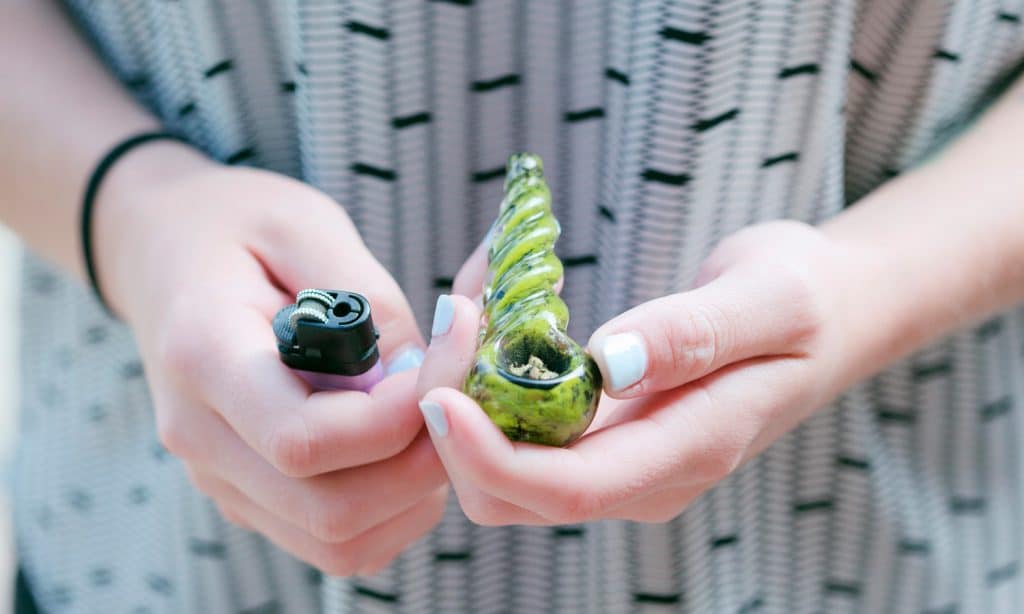
marijuana pipe
Photo by SharonMcCutcheon via Pixabay

Marijuana cleaning products like 420 Formula and ResRemover may be more expensive than salt and vinegar, but they smell pretty nice smells and are very easy to use. There’s different categories of products, including those that can treat glass, plastic or are meant for soaking.

Bong & pipe cleaning kits

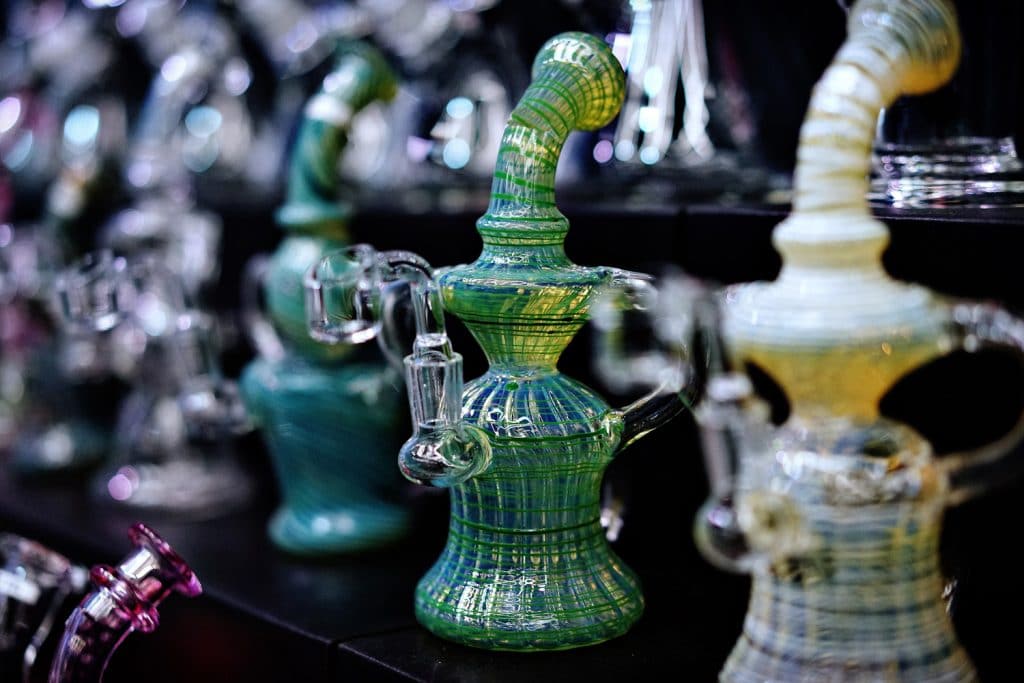
bong
Photo by secret agent mike/Getty Images

RELATED: 5 Ways To Calm Down A Friend With A Bad High

If you’re new to this world, you may be surprised to find out just how many companies sell bong and pipe cleaning kits. These kits contain all the necessary cleaning supplies for your smoke piece(s), such as cleaners, brushes, wipes, seals for joints and mouthpieces, screens for reducing build up in bong water, and more.

Don't Miss Your Weekly Dose of The Fresh Toast.

Stay informed with exclusive news briefs delivered directly to your inbox every Friday.

We respect your privacy. Unsubscribe anytime.