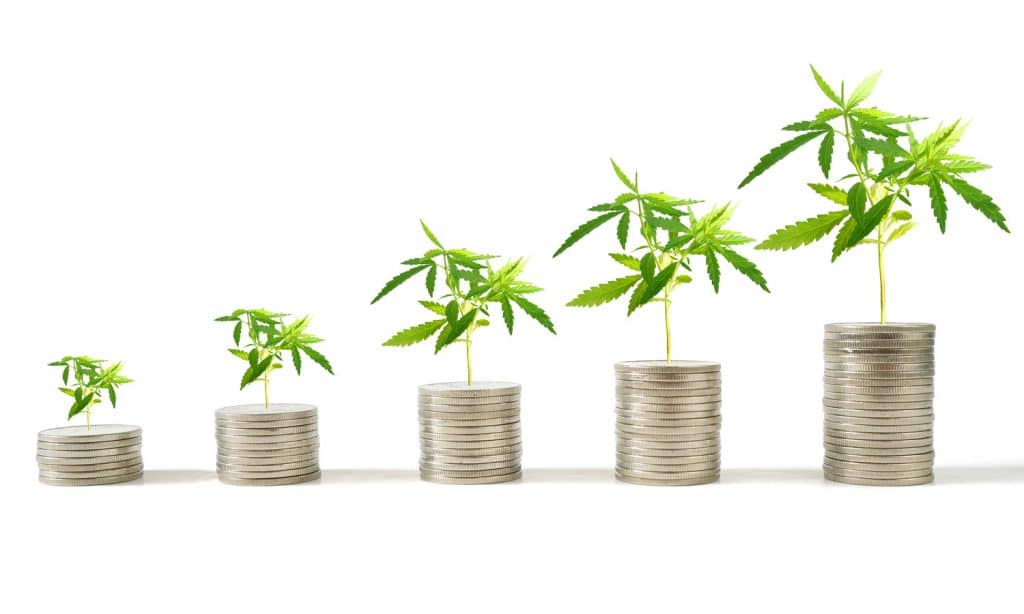
Once Colorado and Washington allowed legal marijuana sales, tourism and hotel bookings saw major bumps.
Virtually no one is traveling around the United States at the moment, but that might change as all 50 states announce some re-opening measures after shutdowns caused by the coronavirus pandemic. When travel does resume, a new study finds that marijuana legalization actually increases tourism.
The study, published in the Journal of Regional Analysis & Policy, reviewed data on how legalization impacted outsiders visiting Colorado and Washington state. Researchers compared hotel and tourism trends in both Colorado and Washington post legalization with states where marijuana remained illegal. Researchers concluded that legal marijuana boosted Colorado and Washington as travel hotspots following legalization, with an even higher increase once retail sales began.
Post-legalization correlated with 51,000 extra hotel rooms rented per month in Colorado. That figure jumped to an additional 120,000 hotel rooms rented per month once tourists could purchase marijuana legally. Washington numbers were about half of Colorado’s.
“Marijuana legalization led to a larger increase in tourism in Colorado than Washington. One possible explanation is that Colorado is an easier travel destination than Washington and Denver’s airport is a major hub for United Airlines,” the study’s authors wrote.
“Another possible explanation is that Colorado may have achieved a first mover advantage over Washington since it legalized commercial sale six months earlier than Washington,” they added.
Photo by Bailey Starner via Unsplash
This study isn’t the first to positively connect marijuana legalization with tourism dollars. Penn State researcher John O’Neill concluded in a study earlier this year that Denver hotel revenue increased by $130 million after marijuana was legalized. Data showed a 9% bump in occupancy rates the first year post legalization.
“We found that Denver hotels were able to charge and receive higher prices for hotel rooms following recreational marijuana legalization, and also found increased visitation to the Denver […] resulting in positive economic impact,” O’Neill said.
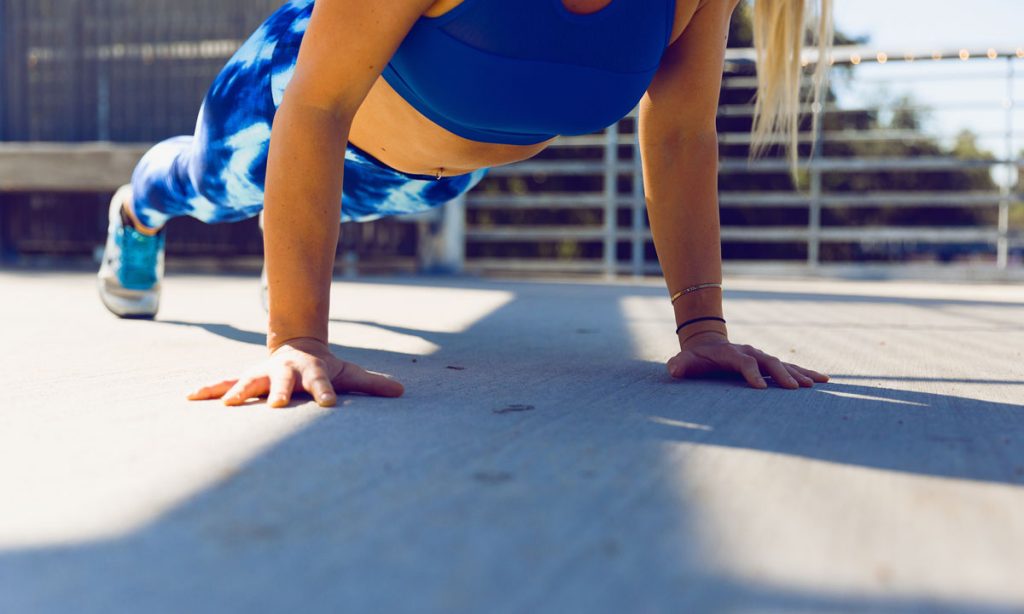
There’s not a lot of research on cannabis use and its impact on athletes. Here’s what some experts have to say on the matter.
Rest days are very important for people who work out regularly. The more people physically exert themselves, the more they realize how important these days off are, whether they’re doing active recovery or spending the day chilling out. Does cannabis for your workout recovery work?
All workouts cause stress to your body, tearing your muscles and causing inflammation. Although this process sounds a little disturbing, it’s a good thing since it allows the muscle to rebuild itself and grow stronger, without even getting into the benefits your body experiences due to fat loss and increased cardiovascular health.
There’s been no scientific research conducted on marijuana and the effect it has on your body after you work out, but there’s a growing community of people who enjoy working out while high, reporting better results thanks to the herb.
Even if we know that cannabis has a lot of anti-inflammatory agents, scientists still don’t know enough to say how much of the compound could produce relief or reduce inflammation when applied to strength training and workouts in general.
“It will definitely make delayed onset muscle soreness—or DOMS—less unpleasant, which may lead to getting you back into the gym faster,” Dr. Jordan Tishler tells Men’s Journal. Tishler explains that cannabis has some pain relief properties, and that it could provide relief for particularly grueling workout sessions, similar to the effect you’d get from taking an Advil. He also says that it’s less risky.
Photo by Ayo Ogunseinde via Unsplash
Other experts believe that cannabis can help treat different conditions that have a significant influence on athletic performance, such as sleep and pain. They highlight CBD as a standout compound, one that provides positive long term effects for workouts and workout recovery without the highs associated with THC.
“CBD seems to have a much greater antioxidant effect than vitamin C or vitamin D, so many athletes are using this to deal with inflammation,” Dr. Stuart Titus tells Men’s Health.
While cannabis has gained some traction among athletes, more research needs to be conducted in order to get definitive answers. In the meantime, if you like cannabis, why not include it with your workouts? If you want to keep things healthy, try consuming an edible or a CBD tincture and seeing how your body responds.
Legislators have been busy with marijuana laws across the country. Here’s a recap, in case you missed it.
By Jose Rodrigo
When it comes to thecannabis industry, numerous changes occur at the state and federal levels — often in a short amount of time.
Here’s a look at the latest legislation news to come out of the U.S. House of Representatives.
Minnesota
On Sunday, the Minnesota Senate voted to eliminate the previously passed provision that allowed medical marijuana patients to buy raw and whole-plant forms of cannabis.
Since the endorsement of medicinal cannabis in Minnesota, sales of the flower are not allowed. Only the sale of extracts is supported, undermining the rights of marijuana users.
In a session of less than 30 minutes, the Senate passed legislation that reflected the bill passed by the house, but extracted the cannabis flower from it. Since Republican senator Paul Gazelka stated that any special session will advocate Covid-19 related policies only, hopes for short-term re-examinations were dashed.
Louisiana
The Louisiana House of Representatives passed bills sponsored by Republican member Larry Bagley to significantly expand the state’s medical cannabis program. It will allow doctors to issue recommendations for any debilitating conditions instead of a shortlist of particular diseases as is the case under current law.
“It’s something that deserves to be done,” Bagley told Marijuana Moment after the floor votes. “I knew that it was bipartisan. I never thought it had a chance to fail unless I messed up somewhere in the presentation.”
Original image from Carol M. Highsmith’s America, Library of Congress collection, Digitally enhanced by rawpixel
People that have physical problems will be able to have an alternative to opioids, he explained.
“I know we have a terrible addiction here in Louisiana with the opioid epidemic,” Bagley added. “Opioids can kill you. I don’t think anybody’s ever died from medical marijuana. It’s just a safety issue.”
The approved bills now head to Senate seeking further promulgation.
Coronavirus Bill
The House recently approved a provision in the coronavirus relief package that grants protection for banks that provide services to marijuana companies from being penalized by federal regulators.
The inclusion of the SAFE Banking Law was previously approved by the House as an independent bill last year, and it is unclear how the issue will fare in the Senate.
“I’m encouraged that the House recognizes the urgency of this issue and has taken this strong and necessary position,” Steve Hawkins, executive director of the Marijuana Policy Project stated in a press release.
“Continuing to exclude the cannabis industry from accessing basic and essential financial services during this time will result in more harm than good,” he said. “Not only will it make the country’s economic recovery that much harder, but the provisions intended to help minority-owned businesses would continue to be absent within the industry.”
Protective face masks may be here here to stay. Here’s how you can take care of your skin and prevent rashes and acne.
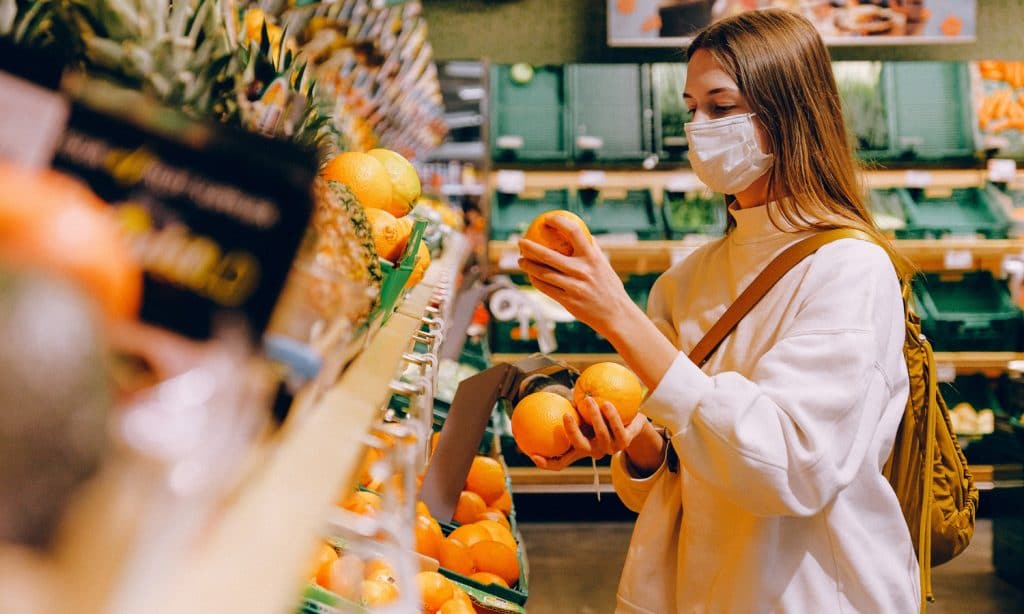
Face masks are all the rage now, with fashion companies making their own versions and people using them as a way of expressing themselves. Who would have guessed in January that face masks would be the new must-have fashion accessory? This trend started when COVID-19 emerged, but now that the CDC is advising everyone to wear them, we’re coming to terms with the fact that face masks have become a part of our routines. Possibly forever (please not forever, please!).
Wearing a face mask is not very comfortable or flattering, no matter what it’s made of. The covering makes it hard to breathe, fogs up your glasses and smears your makeup. The constant contact of fabric on face is also annoying, making your face itchy and uncomfortable. People who wear face masks for long periods of time or have sensitive skin might be experiencing rashes, bouts of acne, irritation and more.
Here’s how you can protect your skin from an invasive mask as much as possible:
Face masks can and will get dirty easily and it’s very important to clean them since you’re breathing through these. You should wash your face mask depending on the frequency of use; for example, if you go out once a day you should wash the mask about once a week. If you go out every day, you should wash your mask every couple of days, or buy different face masks and keep track of your use, like a t-shirt. If you feel like you may have been close to someone who’s sick, you should wash your mask right away.
If you’ve been experiencing bouts of acne, rashes and other types of skin irritation near the seams of your face mask, it might help you to wash your face before putting on the mask and after you take it off. Face masks can trap oil and debris in your pores, especially if you wear them for long periods of time or if your face is naturally oily. You can also wear acne dots if you have pimples and don’t want them to come in contact with your mask.
The skin on your face is very delicate. There’s also a wide variety of products that can target all sorts of ailments, making it very appealing for you to buy what you want and start tending to your skin. Most of the time, it’s best to control these impulses and to give your face some breathing room. Adding tons of different chemicals might just dry your skin and irritate it more, making your problem more painful and prominent. Treat your pimples and blemishes with products that you trust, pimple patches and regular washes. The best thing you can do is to keep your face hydrated, healthy and clean.
But marijuana companies now see their fortunes on the rise, in no small part due to the nationwide call to label cannabis “essential business” amid the coronavirus pandemic. American cannabis companies outperformed their Canadian counterparts in recent months, according to Bloomberg. The Horizons US Marijuana Index ETF gained 94% since mid-March. The Horizons Marijuana Life Sciences Index ETF, which includes mainly Canadian businesses, added 38%.
“I think this is an inflection point where the U.S. market is becoming the dominant market in the global marijuana space,” Mark Noble, executive vice president of strategy at Horizons ETFs Management Inc., told Bloomberg. “I think the only thing that’s really keeping these stocks from overtaking the Canadian LPs is the fact that they’re not listed on the U.S. stock market.”
U.S. companies can’t be listed on the New York Stock Exchange or Nasdaq, as marijuana is federally illegal, but Canadian marijuana businesses can. Same goes for the Toronto Stock Exchange. But investors worry far more about Canadian headwinds over potential U.S. hurdles. A vibrant black market remains in Canada, as just below half of Canadians admitted to buying from illegal sources a year after legal cannabis sales went into effect.
Ontario, the most populous province in Canada, has also experienced a dramatically slow rollout of stores and the COVID-19 pandemic has virtually halted any progress. According to researchers, Ontario operates at a 96% deficiency in cannabis stores. Only five dozen stores exist for almost 15 million people living in Ontario. Alberta, which has a population of nearly 4.5 million, has 449 stores.
Photo by p_saranya/Getty Images
The pandemic also caused CIBC Capital Markets to reduce its 2020 recreational cannabis sales forecast from $3.4 billion Canadian dollars to CA$2.5 billion. The investment banking subsidiary of the Canadian Imperial Bank of Commerce (CIBC) slashed its 2021 forecast by CA$1.4 billion as well.
Meanwhile, Green Thumbs Industries Inc. revenue rose above $100 million this month, becoming the first U.S. company to do so. Curaleaf and Cresco Labs, both American companies, also announced growth in recent quarters.
“For people putting new money into the marijuana market, it’s going into these stocks rather than the existing, legacy LPs from Canada,” Noble added. “It’s a startling divergence, in my opinion.”
As part of Phase 1 re-opening, Mass. Gov. Charlie Baker will allow recreational cannabis stores to provide curbside pickup.
Massachusetts marijuana companies had warned of a looming extinction, due to Gov. Charlier Baker’s actions. Baker had shut down the Massachusetts recreational cannabis industry to slow the spread of the coronavirus pandemic. Eleven states have legalized adult-use marijuana, but Massachusetts was the only state to shut down recreational cannabis operations as “nonessential.”
Hope now exists for Massachusetts retailers, who could not receive federal COVID-19 aid as marijuana remains federally illegal. The Baker administration announced this week the state would initiate phase 1 of re-opening starting May 25. That means adult-use marijuana stores, closed since March 24, may open for curbside pickup and remote order fulfillment.
Phase 1 is expected to last at least three weeks, according to WBUR. Customers may not enter recreational cannabis stores until Phase 2, when stores may fully open for businesses provided they maintain social distancing rules and other regulations. Throughout the pandemic, the state’s Cannabis Control Commission has allowed patients to enter medical marijuana dispensaries for cash transactions
Adult-use marijuana delivery is illegal in Massachusetts, though the state will begin opening license applications for third-party companies May 28. Customers will call ahead or order online for now. Baker has maintained he shut down Massachusetts recreational marijuana stores fearing they would attract out-of-town visitors that might spread the coronavirus. Massachusetts is the only state along the East Coast with a regulated recreational marijuana sales.
“Significant numbers of the customers who procure cannabis at recreational marijuana dispensaries in Massachusetts are not from Massachusetts,” Baker told The Associated Press last month. “Making those sites available to anybody from the northeast would cut completely against the entire strategy we’re trying to pursue.”
Photo by Anthony DELANOIX via Unsplash
A group of recreational marijuana stores had filed a lawsuit against Baker for his action, but a judge ultimate ruled in favor of the governor. The Commonwealth Dispensary Association (CDA), a group that includes 80% of Massachusetts recreational and medical dispensaries, said they were “pleased” with the re-opening announcement.
“We appreciate this gesture of confidence by the Administration and believe it is reflective of our industry’s commitment to workplace and consumer safety, as well as our history of compliance and significant regulatory oversight,” David Torrisi, president of the CDA, told Boston.com.
“We have long maintained that adult-use retail facilities are uniquely prepared to safely operate as we combat the spread of COVID-19 as our industry has successfully done so on the medical side.”
Online therapy is very different than an in-person session. Here are some tips that can help you adapt better.
The coronavirus outbreak has created a complex landscape for mental health and wellness. People are stressed out due to the virus, financial uncertainties, communities in crisis and more. There’s also the fact that, since we’re spending most of our time indoors, there’s plenty of time to think about the long list of problems that are plaguing us.
While online therapy is better than no therapy, there’s a learning curve for everyone involved, from patients to therapists. Here are 5 things you can do to make the most of your therapy right now:
Change anything that’s bothering you about the new set up
There’s a long list of things that make teletherapy less effective than real-life therapy, like poor wi-fi or awkwardness over having to see your face at the bottom of your screen as you’re confessing your deepest and darkest feelings.
Therapy relies on body language, physical cues and open and vulnerable conversation. A lot of that is lost once you decide to cross over to teletherapy. Still, you should be as flexible as possible and work with the problem. If your room is messy and you don’t feel like having therapy there, be sure to clean up your space before your session and put yourself in a comfortable position.
Make sure your internet connection is working, add a video background, or anything else that will help ease you into this new virtual setup. If you have roommates and feel like the walls are too thin, try having your session while going on a walk or in your garage.
The pandemic is a strange time for stress. It may feel like you’re being selfish when you’re worried about toilet paper while others are losing their jobs and lives. But all of your feelings are valid, especially in therapy. It’s important for you to discuss them and address them — hopefully with a therapist that makes you feel like you’re being heard. When you address your feelings you’re much more likely to be in a better mental state.
Discuss your biggest pandemic fears
Is the pandemic keeping you up at night? Now that we’re living in timeless times, when there’s no everyday occurrences that can provide padding for your therapy sessions, it might be a good time to discuss these scenarios with a professional. Discussing these fears and acknowledging them alongside an expert will validate your emotions and make you feel safe, removing the fear of the unknown.
With teletherapy, you might need to work harder in verbalizing your emotions and feelings in an attempt to help your therapist deliver the best results. Therapists are experts and decipher your feelings through your facial expressions and eye contact. It may be more taxing to try to name these feelings yourself, but it’s a good long term exercise that will leave you better equipped to handle problems and your own emotions.
Know that it takes time to adapt
When in between sessions, try journaling, writing down possible conversation topics and memories that could work for your therapy. These moments can serve as conversation starters and can help you feel more prepared and less awkward over your virtual therapy session.
I’m going crazy listening to the rambunctious toddler who lives upstairs from me. Working from home is nearly impossible. How do I stop this living nightmare?
Etiquette tips on how to interact in today’s world. Have a question for Mister Manners? Send your queries to info@whatmannersmost.com and look for replies in the coming weeks.
CAUSING A COMMOTION
Q: My upstairs neighbors have an energetic two-year-old who spends his day knocking things over. With both of his parents working from home and daycare closed, I know they have their hands full. But I’m working from home, too, and frankly, I can’t concentrate with all of the upturned toy boxes, bookshelves and tricycles pounding on my ceiling like a hailstorm of heavy objects. Is there a way of addressing this matter that won’t offend his parents?
A: As so many of us continue to work from home, and with innumerable companies suggesting it will be quite some time before employees are invited back to their offices, it’s essential that you and your neighbors work out a solution. With noise issues, in particular, I often find that apartment dwellers don’t ever bring their concerns to the offending party. Instead, they resort to measures such as abusing the ceiling with broomsticks. Others prefer a subtler approach, cranking up a song like Mastadon’s Curl of the Burl.
I don’t recommend either tactic. Though if you’re a metal fan stuck in a multifamily dwelling, feel free to blast whatever playlist gets you through your day — providing you’re listening on a good pair of headphones, of course.
With the understanding that conversations with neighbors carry their own potential for awkwardness at this time, I would put on a mask, knock on their door and, from six feet away, as nicely as you can, mention that there seems to be a bit of noise coming from their apartment. Since you’re WFH as they are, advise them that anything they can do to diminish the decibels would be greatly appreciated. If they plead powerlessness when it comes to reining in their high-energy tyke, a sound-dampening rug may help. For good measure, offer that if noise from your apartment ever bothers them, you hope they’ll let you know immediately so you can address the din.
By your taking the high road they will not be on the defensive, and chances will be greater they’ll work to reduce the pandemonium. If all else fails, remember: the terrible twos are not forever. And though it may feel this way, neither is the quarantine.
Photo by Brandon Griggs via Unsplash
WHAT’S UP WITH THAT, DOC?
Q: Last week, I accompanied a friend to an orthopedist appointment and was stunned by what we encountered. Although the other patients in the waiting room were appropriately covered — as were we — the receptionist wore neither a mask nor gloves. Even more alarming, when it was our time to see the doctor, he entered the treatment room maskless and gloveless, and even tried to shake our hands. Just as I thought things couldn’t get worse, he initiated a conversation about how Sweden’s casual approach to the pandemic has kept their economy intact. Maddening! When it’s time for her next appointment, how should my friend broach the topic of safety precautions (not to mention politics) with this doctor and his staff?
A: In all seriousness…next appointment? If his concern for the respiratory health of his patients is this cavalier, I shudder to ponder his standards for ensuring their bone health. Even if he is a leader in his field, what good is it to arrive at his office with a fractured clavicle only to leave as a carrier of COVID-19?
If for whatever reason this particular specialist is your friend’s only option (e.g., he is the leading medical practitioner for a rare condition or the only one within 100 miles of her home who accepts her insurance), I suggest she put these concerns to the doctor in an email, referring him to American Medical Association guidelines on this issue. If he balks or simply ignores her requests, I would report him to the AMA and without question find another doctor.
Make no bones about it: It should be easy enough to find a new practitioner who actually believes in the Hippocratic Oath.
Mister Manners, Thomas P. Farley, is a nationally regarded expert who appears regularly in the media to discuss modern-day etiquette dilemmas — from how to split a check fairly to how to get a word in edgewise. Follow Thomas on Facebook, Twitter and Instagram @MisterManners. And for more insights, listen to his brand-new podcast, “What Manners Most,” which will be focused exclusively on Coronavirus-related etiquette for the foreseeable future.
Moms have become new leaders of normalizing cannabis within family households, according to a new poll.
Sorry wine moms, but there’s new game in town. That would be “weed moms,” who have emerged as a strong driving force in the normalization of cannabis nationwide. As a new poll finds, moms are more likely than dads to educate their children about using hemp or CBD.
Oasis Intelligence surveyed 20,000 adults who consume marijuana or hemp CBD to better understand how attitudes around the plant have changed within family households. According to the results, more than half of marijuana-consuming moms (54%) approved using cannabis products for pain relief and other medical ailments under medical supervision.
Marijuana-consuming dads were less likely (46%) to consider cannabis-derived medicine for their kids. Both moms and dads who consumed hemp-CBD were more willing to use similar medications on their children. Two-thirds of moms (66%) supported hemp-CBD as pain relief for children under the age of 17. More than half of dads approved similar measures.
Oasis was struck by the higher rates of moms embracing cannabis medications over dads.
“This is likely due to the continued role of moms as the primary medical and wellness caretaker in families, and indicates an increased willingness to try more natural healing modalities than dads,” Oasis wrote in an analysis of the poll.
Photo by Klaus Vedfelt/Getty Images
Similar disparities played out when it came to discussing cannabis with their kids. About 83% of moms surveyed were in favor of educating students about marijuana while 74% voiced support in discussing marijuana use with their kids. Dads and non-parents were not as keen on marijuana education for students.
A different Oasis Intelligence poll previously found that moms with kids at home were the most likely adult demographic to use marijuana more amid the coronavirus pandemic. The demographic least likely to turn to marijuana? Men without kids.
CBD can be very helpful for stressful times, making it one of the most timely products out there. Here are some products you might want to try to unwind.
Stressful days are common, especially while in the midst of a pandemic. While some people have better coping mechanisms than others, everyone is likely feeling the stress of their circumstances right now, whether they’re going through a rough time or are just tired of being stuck inside with others.
CBD is a good product to have in your arsenal right now to help you cope with symptoms of depression, stress, anxiety and more. CBD products can also help you protect your skin, and treat your achy muscles.
Here are 5 CBD products that can help you relax when you need it most.
CBD massage oils
One of CBD’s strongest properties is its effect on inflammation, providing plenty of relief for people with sore muscles due to workouts, bad posture or because they spend most of the day sitting down (read as: all of us). While you won’t be able to replicate the experience of getting a cannabis massage, you can still reap the benefits of CBD by massaging some oil or lotion on your joints and muscles and letting the compound work its magic.
There’s plenty of CBD faces masks, from the ones that come in a tube to those masks that you just have to remove from the package and put on your face, preferably after spending some time in the fridge. Face masks are relaxing and an efficient form of self care, hydrating your skin and preventing flakiness and irritation. The addition of CBD increases blood flow and prevents blemishes since it battles inflamed skin.
CBD topicals
Working from home limits your movement by a considerable amount. CBD creams and other topicals can help you get rid of those kinks and muscle pains since the compound quickly targets all sorts of cramps and hydrates your skin.
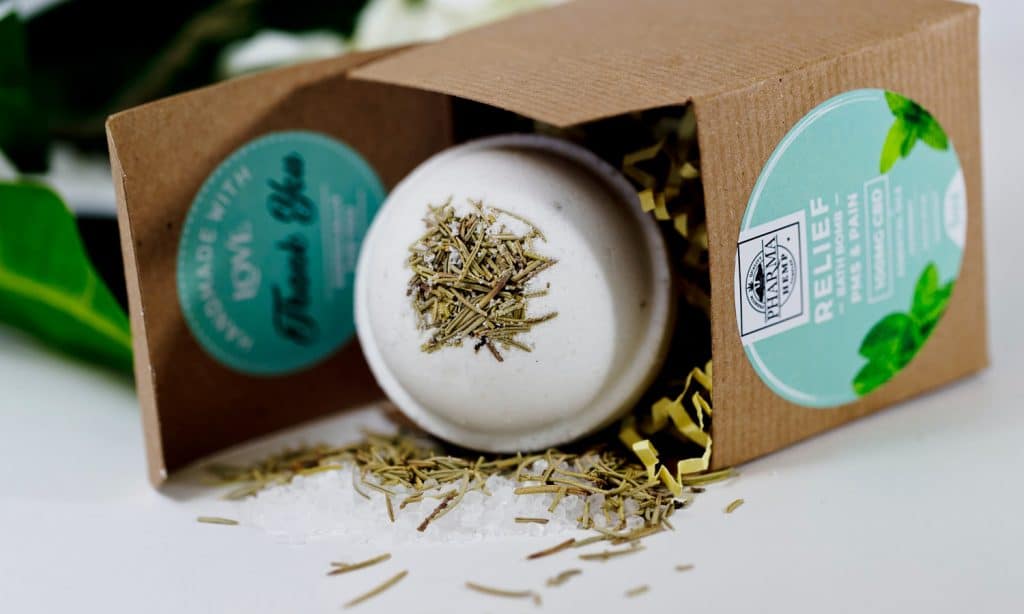
Baths are always relaxing, especially if there’s a fizzy, good smelling bath bomb thrown in there. CBD bath bombs are good for releasing tension, making you feel even more relaxed and also providing plenty of benefits for your skin.
CBD gummies
While CBD gummies probably won’t provide instant relaxation — every user’s experience is different when it comes to CBD — the effects can build up over time, increasing results as you become a regular user. CBD gummies are delicious and won’t make you feel high, but they will make you feel relaxed, which sounds pretty ideal right now.