Friday, June 19, 2026
Home Blog Page 525

4 Tips To Help Smoothly Slide Into Someone’s DMs

Hitting on someone through direct message is common, but not always successful. Here’s how you can improve your odds.

Nowadays, approaching someone without a match on a dating app might as well be an extreme sport. Introducing yourself to someone at a bar? That’s the stuff of romantic comedies (set in a post-pandemic world, of course).

There are strange instances of relationships that start of through direct messages (DMs), although they are quite rare. These situations are hard to approach since most people tend to distrust online strangers. Still, the more time we spend online — and nowadays, that’s a lot  — the more savvy we are in communicating through these outlets and discerning if people are worth our time or not.

Here are some tips that could make it easier for you to slide into your social media crush’s DMs:

Be prepared to not hear a reply

5 apps that can teach you something new everyday
Photo by rawpixel.com

RELATED: What Will Sex Look Like In The Post-Pandemic World?

Sending a DM to a stranger, be that a famous person or someone random, is kind of like a shot in the dark, especially if they’re relatively well-known. Most of us are so paranoid and oversaturated with content that we tend to ignore messages and emails from strangers, thinking they’re either spam or bots. Have this in mind before hitting “send” on a message. Avoid sending them multiples, since this is very creepy, and be as respectful as possible to show that you’re a real person with a personality and quirks. Even if you want to make your intentions clear by being flirtatious, there’s no need to overdo it. The DM is enough of a hint.

Keep your social media profile looking good

Contacting a stranger through DM has a two-part plan for success: your message and your profile. Keep your profile up to date, post things that you’re interested in, and have some nice profile pictures at your disposal. Avoid having TV or movie characters and memes as profile photos, since these make people think you’re a troll. Also, work hard on trying to have a unique voice online. It’s not easy, but it’s worth it.

Get to know them through their profile

3 Tricks That'll Help You Fix The Most Common Smartphone Problems
Photo by rawpixel.com

RELATED: 15 Coronavirus Memes To Help You Laugh Through The Bad Times

Do your research and message them about something that they like. And whatever you do, avoid sending a DM that just says “you’re hot.” If you’re trying to reach someone on Twitter, reply to one of their tweets with something smart or interesting, maybe a funny gif if you’re that type of person. If you’re DMing on Instagram, avoid commenting creepily on their photos from two years ago. Reply to one of their stories or most recent photos instead.

Be aware that your odds of success are low

Social media has basically given us carte blanche to thirst over strangers and interact with them, even if we don’t have thousands of followers. If you want your DM to survive the masses and be special, it’s best to be nice about it and avoid pestering people. It’s that simple.


Prince Harry Is Reportedly Missing These Comforts Of Home

Since moving to Los Angeles, Meghan Markle and Prince Harry have been trying to adjust to post-royal life. But friends say Harry is having a harder time adapting.

Meghan Markle and Prince Harry, who are getting ready to celebrate their two-year anniversary May 19, are still getting used to life in Los Angeles after moving to the West Coast in late March. But while Markle has reportedly found solace returning to her roots (she was raised in L.A.), Harry is having a more difficult go at it.

The most brutal part of stepping down from his full-time royal duties in January was not being able to use his official military appointments, which the Queen bestowed upon him. According to Vanity Fair, this has been the toughest part for Harry post-royal life because the military is such an important part of who Harry is.

A source told the magazine that Harry has been feeling homesick in L.A. and that “he has a lot of friends in the military community in the U.K. and of course he misses them. This is a very strange time for us all, but I think Harry is missing having a structure to his life right now. He doesn’t have friends in L.A. like Meghan and he doesn’t have a job. So at the moment he’s a bit rudderless, but it won’t always be like this, and he knows that.”

RELATED: Even During Coronavirus, Meghan Markle Is Feeling More Like Herself Again

Photo by Chris Jackson/Staff/Getty Images

One of the things keeping Harry occupied is his and Meghan’s charity Archewell, named after their son, Archie. Harry also finds comfort continuing to oversee the Invictus Games, a foundation which he created to empower service men and women living with life-changing injuries.

RELATED: The Terrible Way Young Prince Harry Found Out He’d Never Be King

In fact, in a video posted on the Invictus Games Twitter account May 9 (what should have been the kickstart of this year’s event), Harry encouraged the Invictus family to check in on those “who have gone quiet or that are no longer visible on the chat sites.”

Meanwhile, the Duke and Duchess of Sussex are staying in Tyler Perry’s 8-bedroom, 12-bathroom Tuscan-style villa perched on a hilltop overlooking 22 acres in the “ultra-exclusive” Beverly Ridge Estates until they find a more “suitable” home for their family. Harry may still be adjusting, but at least he’s doing it in style. That’s gotta help with the adjustment, right?

Adults In Legal Marijuana States Don’t Have Buyer’s Remorse

In every state except Maine, a majority of respondents characterized legalization as a success.

Eleven states have legalized marijuana for recreational use and a plurality of adults in those states don’t regret it, a new poll finds. That doesn’t mean adults in these states consider legalization an unmitigated success. Instead they would characterize recreational marijuana legalization as more of a success than a failure.

YouGov polled more than 32,000 Americans, asking if adult-use legalization in their state “has been a success or a failure.” In every state except Maine, a majority of respondents characterized legalization as a success. At least two-thirds of adults called legal adult-use marijuana a success in five states — Colorado, Nevada, Oregon, Washington, and Massachusetts.

RELATED: Study: Teenagers Are Waiting To Experiment With Drugs Later In Life

“This polling data reaffirms that most voters do not experience ‘buyer’s remorse’ following marijuana legalization,” NORML’s Deputy Director Paul Armentano said in a statement. “In the minds of most Americans, adult-use marijuana regulations are operating as voters intended and in a manner that is consistent with their expectations.”

5 Things You Should Know Before Getting A Medical Marijuana Card
Photo by Bill Oxford/Getty Images

These beliefs appear strongest in states with the longest ties to legal recreational marijuana, YouGov noted. In the poll, respondents could choose between five different answers: “Success only,” “more of a success than a failure,” “more of a failure than a success,” “failure only” or “don’t know.”

RELATED: Could Marijuana Legalization Swing Voters To Joe Biden?

Approximately one-fourth of residents in Colorado, where voters approved recreational marijuana in 2012, called adult-use marijuana laws a “success only” while 45% of them labeled the laws “more of a success than a failure.” A little less than one in five Colorado residents (17%) said recreational marijuana laws were a “failure only.”

Maine isn’t as high on the state’s legal recreational marijuana laws, though they have good reason. Less than half of respondents (47%) said legal marijuana has been more of a success. A third of residents said they were uncertain about the laws while one five said they were more of a failure. Though Maine residents voted to legalize adult-use marijuana in 2016, lawmakers and regulators still have not fully implemented marijuana laws.

How Coronavirus Might Change Dating For The Better

The pandemic has encouraged people to video chat and connect before having to face real world distractions.

Like most things in the world right now, dating has been heavily impacted by the coronavirus. Social distancing guidelines encourage people to stay home and away from their loved ones, never mind strangers meeting through dating apps. While singles quarantined alone are reporting a lot of stress and loneliness, some experts believe that, in the long run, the pandemic might alter dating for the better.

There’s always been some sort of crisis going on in the dating world, whether it’s a declining marriage rate, declining sex rate or the much maligned “hook up culture,” which encourages momentary and abundant connections without real depth.

The pandemic is reshuffling that a bit. Despite the fact that people are not meeting up in person, they are video chatting a lot. The New York Times reports that 69% of Match.com users are open to video chatting with dating prospects, with a large cluster of them already doing this. Before the pandemic, only 6% of people were interested in video calls.

RELATED: People In Relationships Are Using Dating Apps While In Quarantine

Looking at people — even if it’s through video — is a much different experience than looking at a photo, exchanging a few quick words and rushing to meet up on a date. Speaking to this person through a video chat or a phone call allows you to get a realistic impression of them, one you could not accurately get from a traditional social media profile.

Some Experts Think The Coronavirus Might Change Dating For The Better
Photo by Anastasia Shuraeva via Pexels

According to the New York Times, the pandemic has created a temporary fix for the two most important issues we stumble upon when dating: sex and money. “When singles meet in person, they’re obliged to navigate this nether world: Should I kiss him or her? What if they invite me back to their pad?”

RELATED: What Will Sex Look Like In The Post-Pandemic World?

There’s no need to worry over who’ll pay the bill, the gender imbalances that implicitly exist or how long you have to wait until it’s appropriate for you to kiss and hook up with this person. The pandemic creates an environment where these situations are temporarily off the table. In the long run, the connections made throughout this time period could prove to be more impactful and long lasting.

4 Ways To Counteract Sitting Down All Day

Working at home can mess up your usual daily movement and activity. Here’s tips to counterbalance the damage your body suffers from sitting all day.

The monumental shift to working at home has upended the way we think, produce and feel.  Working at home usually means going down the rabbit hole of projects and not really moving, much less standing for long periods of time. Such inactivity is tough on the thought process and the body.  Here are 4 ways to counteract sitting all day.

Modern life asks us to spend much of our daily routing sitting down, but quarantine life takes this to a new extreme since there’s no commute or even the need to walk to your car every day. Excessive sitting is a serious issue, leading to back problems, cardiovascular conditions and an increased risk of developing chronic pain and depression.

Remind yourself to get up once every hour

5 Online Bookclubs To Join Now That You're Spending More Time At Home
Photo by Toa Heftiba via Unsplash

RELATED: 5 Things You Can Do If You Have ‘Working From Home Fatigue’

We’re used to working for long periods of time, taking mental breaks but not physical ones. Once every hour (set a reminder if it helps), go for a short walk, have a glass of water or stretch on your feet. This will provide immediate release of tension and will help you feel more productive, especially if you’re having a hard time finding motivation and drive to complete your work.

Work on your breathing

Breathing patterns are very important for your posture, with long hours spent on a chair encouraging poor breathing. This results in tension, tight muscles, lethargy and more. Try breathing in from your belly and diaphragm. In order to get this habit down, lay down on your back with your knees bent and place one hand on your belly and the other on your chest. Breathe in and out, feeling the flow of air on each hand.

Lunge and rotate

RELATED: How Not To Die From Sitting In Front Of Your Laptop All Day

Deep lunges and rotations target most body parts affected by long hours spent sitting down. These exercises are simple and provide plenty of relief and toning for a lot of muscles. Lunges relax your hip flexors, stretch your spine and extend your core. Adding in rotations ensures that both sides of your body are getting equal attention.

Use house items to stretch

Take advantage of your door frames, couches, chairs and desks, utilizing them for releasing tension in your body. Here’s a list of exercises you can complete without having to leave your office.

Study Says Cannabis Might Prevent COVID-19 Infections

Marijuana could regulate the main gateway COVID-19 enters host cells in patients, new research concludes.

New research into preventive measure and possible treatment to the novel coronavirus has yielded an unlikely candidate — cannabis. At the pandemic’s start, public health officials warned inhalation of combustible marijuana could make individuals more susceptible to contracting the coronavirus and worsen illness symptoms. This hypothesis came from preliminary data out of China and Italy where underlying lung disease correlated with more hospitalized COVID-19 patients.

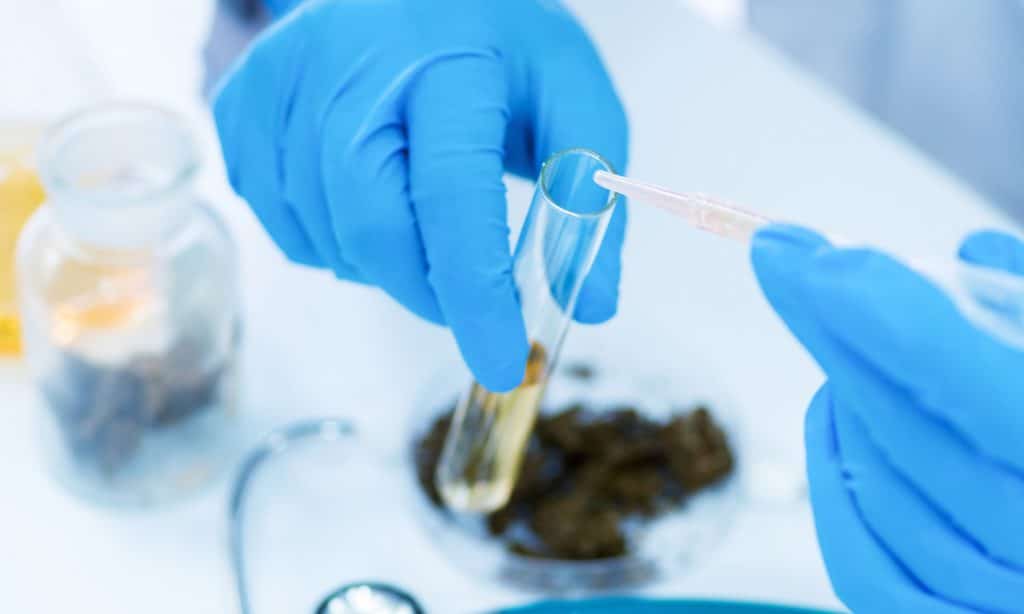
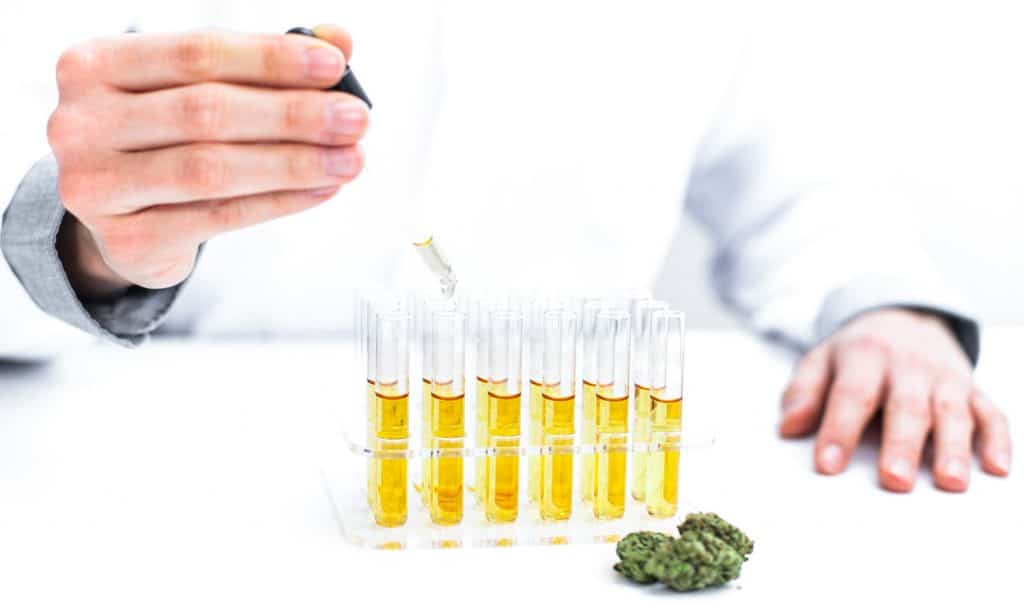
A new study published in the journal Preprints, which is not peer-reviewed, finds certain marijuana strains could prevent the spread and severity of COVID-19. It’s all tied to how the coronavirus is transmitted between patients. Like most respiratory illnesses, tiny droplets carrying the disease expelled by coughing or sneezing go airborne. Once a non-infected patient inhales those droplets, it typically enters your body through cells in your lungs and corresponding tissue.

The scientific community has recently identified the ACE2 protein as the primary gateway the coronavirus infects patients. Researchers suspect modulating the level of proteins present in a patients could prevent susceptibility to the disease. In a study completed before the pandemic, researchers had observed the combination of THC and CBD cannabinoids could lower gene expressions that produce and regulate ACE2 proteins.

This made researchers from the University of Lethbridge in Alberta, Canada curious. After all, it could mean cannabis might help prevent the coronavirus from infecting patients. The scientists corroborated the findings, though they were using cannabis oils on human cultures that contained ACE2 proteins.

RELATED: What The Coronavirus Has Taught Us About Safe Drug Use

Novel combinations of cannabinoids “may become a useful addition to the treatment of COVID-19,” the researchers wrote. “They may also be used to develop additional easy-to-use preventative strategies such as mouth wash and throat gargle products that may be tested for their potential to decrease viral entry via the oral cavity and may be used both in clinical practice and at-home treatment.”

Understanding The Importance Of Marijuana Studies And Outcomes
Photo by boonchai wedmakawand/Getty Images

According to the researchers, the most effective marijuana profiles to decrease ACE2 production were a 1:21 THC-to-CBD ratio oil and a 1:3 ratio oil. These disparate ratios caused scientists to conclude other cannabis properties could be playing a role in regulating reduced ACE2 activity. Israeli researchers recently identified cannabis terpenes as possible antiviral agents and have begun testing their effectiveness against the coronavirus.

RELATED: Israel Researchers Believe CBD Could Play Crucial Role In COVID-19 Treatment

“While our most efficacious extracts require further validation in a large-scale analysis and an animal model, our study is crucial for the future analysis of the effects of medical cannabis on COVID-19,” concluded the researchers. “Given the current dire and rapidly developing epidemiological situation, every possible therapeutic opportunity and avenue needs to be considered.”

5 Therapy Apps When You Need To Talk To An Expert

Apps have thrived in the mental health space, especially during the pandemic. Here are different options that range in prices and functionality.

Navigating the mental health system is no easy feat. Throw in a pandemic and things grow a little more digital and way more complicated. Luckily, there are apps out there working hard to connect you with experts in ways that are faster and much less expensive than a traditional therapy session.

These options provide different kinds of digital connections, whether they’re through texting, crisis lines, or talk therapy apps. Although there’s not much data out there on how effective these apps actually are, they’re an efficient way of speaking with a professional, especially if you find yourself in a crisis and need some help.

Here are 5 apps you can start using right now:

Talkspace

This app offers a variety of different plans ranging from $65-$99 a week that include everything from low-key text options to more involved video sessions and direct connections to mental health experts. Talkspace provides different tools, such as a progress tracker and exercises to develop coping skills.

7 Cups 

5 Therapy Apps You Can Use When You Need To Talk To An Expert
Photo by cottonbro via Pexels

RELATED: 4 Meditations For Your Fluctuating Quarantine Moods

7 Cups is another paid app that connects you with experts and volunteers. By filling out a questionnaire where you address which topics you’d like to answer, the app asks you if you’d like to be connected with a listener or a therapist, and things move from there. Membership is $150 per month.

What’s Up

What’s Up is one of the few apps that is free to use, suggesting different methods for coping with depression, anxiety, and more, all following Cognitive Behavioral Therapy (CBT) and Acceptance Commitment Therapy (ACT) techniques. The app features a tracker for positive and negative behaviors and page that helps you spot and recognize your thinking patterns.

Mood Kit

5 ways to find more affordable therapy
Photo by Kelly Sikkema via Unsplash

RELATED: Why It’s Good People Are Indulging In Video Games And Weed In Quarantine

Mood Kit is another app for mild symptoms of depression and anxiety. It follows CBT, and comes with more than 200 mood improvement activity recommendations. It’s a good app for practicing self-care whether you’re feeling down or are simply looking to work on improving your personal habits.

notOK

This app was developed by a struggling teen and his brother and features a big red button that you can press and alarm your friends and loved ones that you need their help. Users can select up to five contacts to be a part of their support group. These contacts will receive the emergency message and a GPS location of the user’s phone.

Colorado Gov. Suggests Hypnosis To Get Ohio Gov. To Legalize Marijuana

Gov. Jared Polis meant it as a joke, but Ohio’s Mike DeWine has long maintained he won’t legalize cannabis under any circumstances.

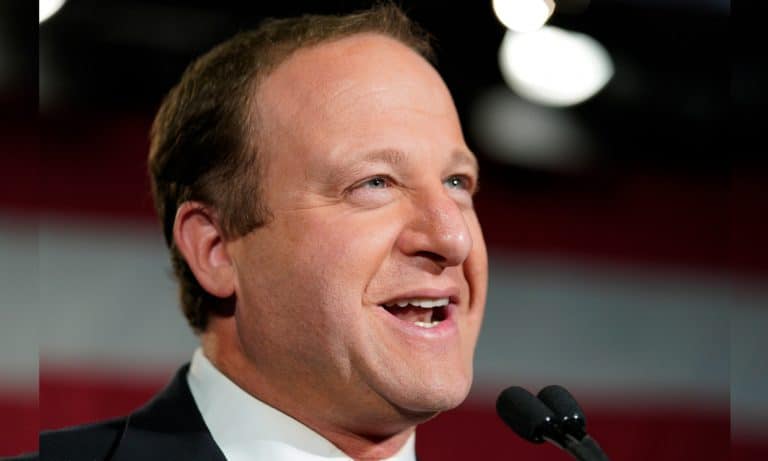
If you can’t beat them, might as well hypnotize them. That was the joke Colorado Gov. Jared Polis made over the weekend in a Reddit Ask Me Anything session. Polis, who has hosted several AMAs, used the opportunity to answer questions about Colorado’s COVID-19 response, opening state parks again in Colorado, and more.

Polis also answered several drug policy questions, including a specific request from a user.

“Can you convince my governor here in Ohio to allow recreational marijuana?” user Pioneer411 asked Polis.

“Sure, at the next National Governors Assoc. meeting I will hypnotize him and plant the suggestion deep in his psyche,” Polis responded.

While clearly a joke, the suggestion speaks to Ohio Gov. Mike DeWine’s intransigence against marijuana legalization. Marijuana advocacy group NORML gave DeWine an “F” score on its annual NORML gubernatorial scorecard, citing the governor’s public position against the legalization of cannabis. DeWine re-asserted this stance in January as nearby states like Michigan legalized.

“It would really be a mistake for Ohio, by legislation, to say that marijuana for adults is just ok,” DeWine told the Statehouse News Bureau.

RELATED: Joe Biden Adds Marijuana And Drug Reform To ‘Plan For Black America’ Agenda

Ohio has a medical marijuana program through H.B. 523 that allows access to patients with qualifying conditions, including cancer, epilepsy, PTSD, chronic pain, and more. But 30% of registered patients haven’t purchased anything at an Ohio dispensary, complaining program rules inhibit them from purchasing what they need.

colorado passes bill in state revenue for cannabis
Photo by Bailey Starner via Unsplash

The criticism led to a recreational marijuana drive in the state and organizers submitted a petition to the Attorney General earlier this year. The petition was rejected, due to its language and lack of support. Advocates have until July to change the amendment proposal and gather more than 440,000 valid signatures.

RELATED: How The Coronavirus Has Negatively Impacted Marijuana Legalization

Another Reddit user asked Polis whether marijuana tax revenue would subsidize the accumulating costs to the economy amid the pandemic.

“Hardly at all, it’s just a tiny part of the overall economy,” he responded. “But yes we are grateful for every penny to fund our schools.”

The Most Important Dos And Don’ts When First Using CBD

CBD is easy to use, yet it’s very important to understand a few things before you make your first purchase.

Incorporating CBD into your life is pretty simple. The compound has plenty of relaxing benefits that should fit neatly with the world’s current stressful environment, helping you to cope with anxiety, depression, and physical pain. Before you make the leap, however, there are a few things you should be aware of.

The CBD industry is relatively new. Although the compound is very promising and newsworthy, there’s not a lot of scientific study that supports it, which means that buyers should be extra careful when browsing for products because there’s a ton of misinformation out there.

Here are some simple dos and don’ts when it comes to buying your first CBD product:

Do your research

5 Interesting Things Apple Didn't Clarify About iOS 12
Photo by Matthew Henry via Burst

RELATED: A Guide To Buying CBD Online

Buying CBD is not like buying a t-shirt or a new brand of shampoo. Thanks to the relative newness of the product and the fact that the government is still behind on product testing, there are a lot of loopholes that many businesses are trying to take advantage of. Since CBD is so popular, many companies are making CBD products that don’t contain CBD, are misleading with their information, and don’t follow the proper safety guidelines. Do your research on CBD products that have verified results, endorsed by people you trust and that have plenty of reviews from all kinds of users.

Don’t buy the first product you stumble upon

Since CBD is so popular, you’ll likely find products anywhere, from convenience stores, eBay, Amazon and more. Before you make a purchase, make sure that you trust them. Here’s a helpful guide that can assist you and ensure that the CBD products you’re considering are safe and actually do what they’re meant to do.

Do read the product label

The Best Types Of CBD To Get Delivered While In Lockdown
Photo by Enecta Cannabis extracts via Unsplash

RELATED: Too Many Quarantinis? Here’s How CBD Can Curb Day Drinking

Reading product labels is not easy, not even when it’s a common household item. CBD labels are even more complex, differing depending on the state that issues them and the type of product they are. When reading a CBD label, look for the amount of CBD in the product, the dosage, the oil source and a COA analysis. This analysis ensures that the product was tested by a third party, which is a lab that has no connection with the product makers. (You can read more on how to read CBD labels.)

Don’t buy all of the information that’s out there

There’s a ridiculous amount of CBD products out there, from oils, creams, transdermal patches, to CBD infused workout clothes and pillowcases. While the compound has some promise in certain areas, there comes a point when you have to draw a line and face the fact that a lot of companies are simply after your money. Do your research, look for a CBD product that targets the ailment you’re trying to find relief from and enjoy yourself. Do your best to tune out the noise because there’s a lot of it.

The World Trade Organization And Cannabis

If a WTO member country legalizes a product domestically, its justifications for restricting international transactions might not succeed under WTO law.

Last year, we helped a client take a hard look at an issue related to cannabis and the World Trade Organization (WTO). It was a fascinating project and WTO lawyers took preliminary interest in the issue. We were told that cannabis had not come before the WTO in any formal or informal context to that point, whether for market access or other issues. Moreover, there were no WTO working groups related to cannabis, no real reports, no recommendations and no “disciplines.” As far as we know, all of that is true today.

What exactly is the WTO and what does it do? The WTO is a multilateral organization governing trade among nations, based on obligations its member states undertake through various treaties. The WTO is the largest international economic organization in the world. It’s also kind of new, having formed via the the Marrakesh Agreement in 1994. According to that Agreement, the purpose of the WTO is “the substantial reduction of tariffs and other barriers to trade and… the elimination of discriminatory treatment in international trade relations.” The WTO administers a complex legal regime regulating international trade, and WTO member countries must abide by these rules. Otherwise, they can be dragged before WTO’s dispute settlement body (sued, basically).

When it comes to cannabis, it’s important to note that the WTO recently clarified (and even emphasized) in an Appellate Body Report that “illicit trade” is not exempt from WTO disciplines. This means that the WTO legal framework permits member countries to ban trade in products that are also prohibited domestically. However, if a WTO member legalizes a product domestically, its justifications for restricting international transactions might not succeed under WTO law. More and more countries are legalizing cannabis domestically, to various degrees.

Let’s look at a few examples of how this could work: one with respect to “market access” issues, and one on “national treatment”, the two primary categories of WTO dispute resolution.

RELATED: The Psilocybin Movement Is Like The Cannabis Movement (Except When It’s Not)

The market access example for cannabis is based on a recent WTO dispute related to tobacco. Suppose Mexico finally gets its act together and puts the finishing touches on federal cannabis legalization in 2020. And suppose Mexican companies wish to export beautifully packaged cannabis chocolate to Canada (another country that has legalized cannabis federally). Canada tells Mexico it won’t accept the chocolate, because Canada has essentially adopted “plain packaging” regulations for cannabis based on public health concerns. Mexico could bring this issue to the WTO, challenging Canada’s “technical barriers to trade” and obstacles related to trademark registration. The WTO would parse these claims in the context of various treaties, including but not limited to TBTTRIPS and probably even USMCA. That would be a fun dispute.

DEA Seeks To Expand Marijuana Research Opportunities
Photo by Esther Kelleter/EyeEm/Getty Images

Next is the national treatment example. Let’s say a WTO member country with a CBD export economy, like Bulgaria, accused another WTO CBD country, like the U.S., of “unfair treatment as to a like product.” Bulgaria might argue that the U.S. is unlawfully supporting or subsidizing its CBD industry in some fashion. Or, it might argue that U.S. FDA governance as to CBD is merely a pretext for economic favoritism. These types of “vice product” disputes come up frequently before the WTO. Also fun.

RELATED: What Is CBG And Is It Legal?

It’s important to note that the WTO does not exist solely to resolve disputes. Sometimes the WTO takes on modernization projects if a new commodity comes to market. Other times, it serves as a trade policy “think tank” of sorts: member states gather to hash out topics, recommend rules and explore new disciplines (just like in regional trade agreements). In general, though, the WTO is viewed as more reactive than proactive in most respects. When the organization does engage, a core philosophy seems to be that “markets should be open” and restraints on trade should be viewed skeptically.

When WTO finally picks up cannabis, it will look closely at relevant treaties joined by member states. Those treaties will include WTO agreements, such as TRIPS and TBT , regional trade agreements, and also treaties like the U.N. Single Convention on Narcotic Drugs. It will contend with health reports promulgated by the World Health Organization and other bodies, and defer to those treaties extensively. The role of WTO is not to recommend policy, after all. Instead, it examines what other authorities have produced, and it considers member state trade policies in light of those reports and recommendations.

The WTO will engage the international cannabis trade somehow, some way, in the next few years. It will be fascinating to watch that play out.

Vince Sliwoski is an attorney at Harris Bricken, a law firm with lawyers in Seattle, Portland, Los Angeles, San Francisco, Barcelona, and Beijing. This story was originally published on the Canna Law Blog

Don't Miss Your Weekly Dose of The Fresh Toast.

Stay informed with exclusive news briefs delivered directly to your inbox every Friday.

We respect your privacy. Unsubscribe anytime.