Del Rey sings a lot about getting high, so the question becomes: has anyone actually seen her consume weed in public?
She is one of the more strange popstars. Unlike her contemporaries with broad appeal, like Ariana Grande and Lady Gaga, Del Rey’s audience is more niche. Her music tends to be moody and her albums don’t have the required pop dance anthems. She’s polarizing in the sense that she has rabid fans and people who just don’t care at all what she’s doing. There’s not much of a middle ground. But, does Lana Del Rey consume weed?
The answer is an obvious yes. Del Rey sings a lot about getting high — she has a song called “High by the Beach” — so this column isn’t questioning whether she does it or not. We’re focusing more on whether anyone has actually seen it.
Unlike Ariana Grande or Miley Cyrus whose fanbases are made up of a lot of young girls (Miley’s fans should’ve aged up; Hannah Montana was years ago), Del Rey inhabits a space that allows her to be more open. She’s one of those singers whose music embodies a mood and a personality, someone who can sing about sex with nobody batting an eye. Seeing her smoke a joint at a show wouldn’t spark outrage, it’d be kind of fitting.
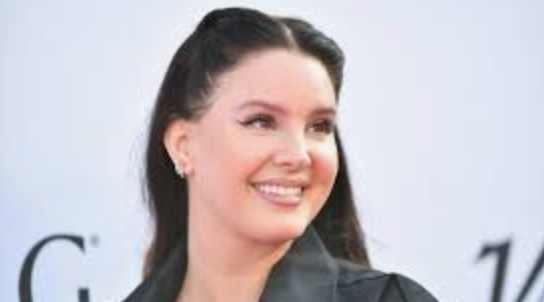
Luckily, Del Rey kind of doesn’t care much about her image. There’s that time where she went to the Grammys in a dress she bought at the mall and there’s also this gem of a photo.
Couples are facing new challenges during quarantine, which is resulting in extra stress nobody needs right now. Here are some tips on how to keep your bond strong.
Whether you’ve been reading stats online or accidentally listening in on more arguments coming from your neighbors, quarantine hasn’t made it easy for cohabitation. Couples are going through a rough time, getting on each other’s nerves and losing their patience. Adding to it all are the different ways in which we cope with the pandemic and the challenges that occur due to economic and health uncertainty.
A lot of couples have been forced to face new challenges, whether that’s living together in closed spaces, moving in after having been dating for only a couple of months or navigating an unexpected long distance relationship. If you’re feeling stressed out or your significant other is getting on your nerves more than usual, you’re not alone. Experts and therapists say this is expected and that relationships that manage to overcome this time period will come out stronger than before.
Here are 4 tips couples living in different kinds of situations can try to implement in their daily lives and try to work things out:
Whether this includes talking every day, checking in on each other, sex or video chats, schedule ahead of time and make your relationship a priority. Although it’s understandable if you’re feeling down due to everything that’s going on right now, the virus isn’t leaving us anytime soon. At some point we’re going to have to try to get our lives back in order.
Get creative with date ideas
You’re going to have to get creative with dating right now by trying to incorporate fun and intimacy in different ways. If you live together, make the time to cook a nice meal, have some wine and light some candles. Take this opportunity to talk about what’s going on, preferably avoiding any virus talk (not sexy). You can also plan to watch a movie together whether you’re in the same house or not. While Hollywood is not working, there are plenty of new movies being released on a weekly basis online.
If you’re having a hard time communicating with your partner, it’s very important to be clear about your feelings, whether you’re angry, sad, upset or whatever. Use simple words that can encapsulate your feelings and help you both get to a place where there’s understanding.
Make time for yourself
Staying in touch with your feelings is necessary when you’re living with someone or flying solo. Just like you prioritize your relationship and make the time to call the important people in your life, you should touch base with yourself regularly to see how YOU are doing. If you’re living with others, it’s especially important to find a space for ‘me time,’ asking people to give you some room if you need it. Listen to music, go on walks, read a book, etc. Solitary activities are important in order to stay healthy and present with others.
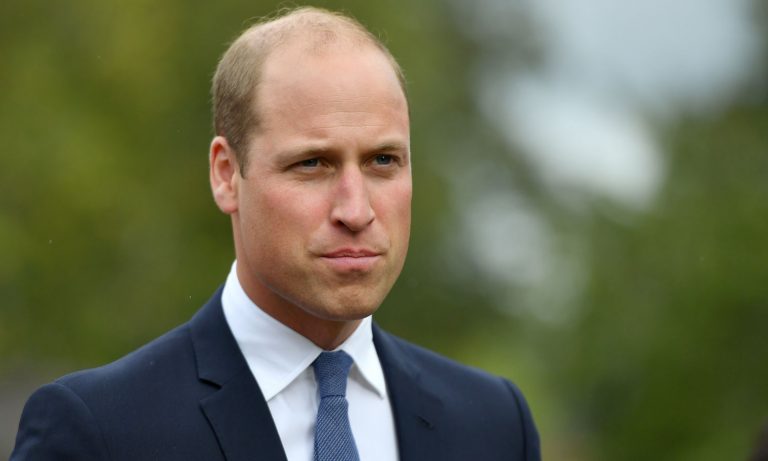
During a call with healthcare providers, Prince William talked about the quarantine side-effect that’s making him most anxious as father of three small children.
As we all hunker down and try to get through this mandated quarantine, let’s take a moment to remember nobody is above this lockdown. The royals are also trying to keep it together while stuck indoors with their loved ones.
Recently, while on a video call with caregivers in Northern Ireland, Prince William talked about his fears regarding the longterm effects this pandemic is going to have on our children.
During his chat with members of the Belfast Health and Social Care Trust organization, William revealed:
I’m particularly worried as to how the young people are going to cope longterm because we’re all muddling through this period at the moment and helping each other. But the longterm implications — of school being missed, anxiety levels, family members sadly dying and the sort of general economic outlook.
According to People, psychiatrist Frances Doherty, who runs an inpatient mental health unit for teenagers, replied: “Interestingly in our service in the short-term, some of our referral rates have gone down, but I would imagine that as we’re starting to come out of lockdown and people are starting to get back into the world again, [we’re] starting to realize just what we’ve been through and we’ll start to see our referral rate increase and the impact on our services.”
Photo by WPA Pool/Pool/Getty Images
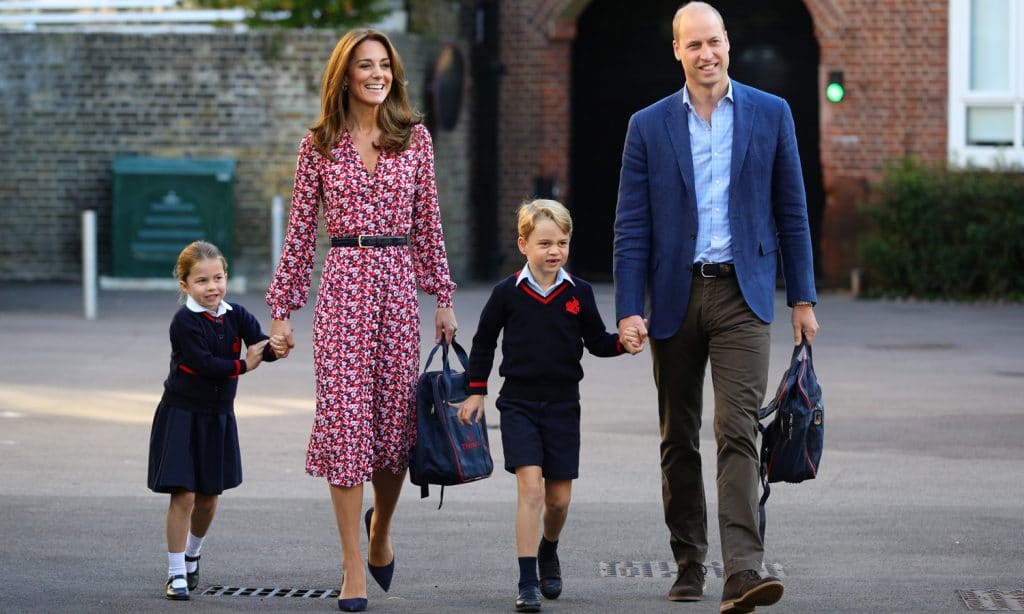
Child psychiatrist Dr. Clare McKenna said that the children she works with “don’t understand social distancing,” to which William, a father of three kids, insightfully replied, “That’s all children, isn’t it? I don’t think any children understand social distancing!”
“I know it’s unprecedented and it’s scary and it’s daunting, but you’re all making a huge difference,” William told the caregivers, “so please pass on to all your team how grateful everyone is and how appreciative everyone is at what they’re doing at the moment.”
New York has a $13 billion deficit and lawmakers believe marijuana legalization should be part of the solution.
The coronavirus pandemic halted any chance New York had at passing marijuana reform earlier this year, but lawmakers have reintroduced the idea as a way to kickstart the economy once a semblance of normalcy returns. New York state Sens. Jessica Ramos, Jamaal Bailey, and Brad Hoylman, in conjunction with the Legal Aid Society, urged Gov. Andrew Cuomo and lawmakers this week to legalize recreational marijuana.
In a press release, the lawmakers stated tax revenue from legal cannabis could alleviate growing budget concerns in New York. The state currently holds a $13 billion deficit and Cuomo announced last week the state needs $61 billion in federal aid to avoid “devastating” cuts to New York schools, police departments, hospitals, and more.
“It’s not enough to say the state doesn’t have money. We have to find it,” Ramos told The New York Post. “I believe legalizing marijuana can help.”
Cuomo has advocated strongly in favor of marijuana legalization over the past year, though his efforts to legalize through the state budget earlier this year fell short. Differences in opinions about how marijuana-generated tax revenue should be allocated appeared reconcilable in March, but then the coronavirus outbreak hit New York. With an April 1 deadline looming, lawmakers focused on passing a workable budget to keep the state running amid the pandemic.
Photo by Robert Bye via Unsplash
During a recent press conference, Cuomo was asked why he hasn’t pushed marijuana legalization or sports betting as economic kickstarters over federal aid. Cuomo objected to the characterization.
“It’s the federal government’s obligation as part of managing this national pandemic that they provide financial relief to state and local governments, just the way they took care of the big corporations,” Cuomo said.
“I support legalization of marijuana passage,” he added. “I’ve worked very hard to pass it. I believe we will, but we didn’t get it done this last session because it’s a complicated issue and it has to be done in a comprehensive way.”
Legalization advocates agree with Cuomo’s sentiment, although they still pushed for legal marijuana as an immediate solution instead of a problem for later.
“Legalizing cannabis does not happen overnight, and the COVID-19 pandemic will likely continue to affect our society past 2020, the approval of a regulated cannabis program – gets us closer to helping the communities that have been disproportionately affected by COVID-19 and over-policing,” Ryan Lepore, Deputy Director of New York City NORML, told New York County Politics.
“Tax Revenue, Job Creation and a de-burdening on our criminal justice system are now needed more than ever. So immediately implementing a legal cannabis program would align with the state’s ability to recover in the coming years post-COVID-19.”
The former Vice President underscored the need for more cannabis research, as anecdotal evidence suggests how marijuana impacts the brain.
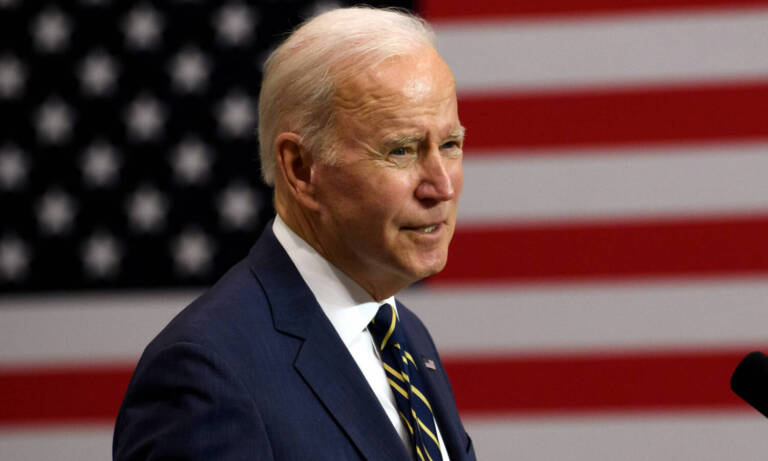
Joe Biden joined The Breakfast Club radio program Friday, where the former Vice President discussed his agenda for black Americans as well as his drug policy. In an attempt to explain why marijuana should be decriminalized instead of legalized at the federal level, Biden replied, “I know a lot of weed smokers.”
The conversation started with Biden reprising his drug policy platform’s aim to undo the damages caused by the war on drugs, particularly for communities of color. Biden emphasized the need to eliminate jail time for drug possession crimes and provide mandatory rehab as an alternative solution.
“No one should be going to jail for drug crime. Period. Nobody. Nobody,” Biden said. “No matter what the crime, particularly marijuana which makes no sense for people to go to jail.”
“It costs less to put people in a drug rehabilitation program than it does in jail,” he added. “And you have a chance. We’ve got to give people a chance.”
Breakfast Club host Charlamagne tha God asked Biden if he felt strongly about the issue, why did he differentiate between legalizing and decriminalizing marijuana? The presumptive Democratic presidential candidate replied it’s because marijuana research is lacking. Biden underlined that while cannabis is not a gateway drug—an opinion also stated by the National Institute on Drug Abuse (NIDA)—we need better understanding of marijuana’s impact on brain development.
“We should wait until the studies are done,” Biden said. “I think science matters.”
Photo by Jonathan Bachman/Stringer/Getty Images
Charlamagne suggested America has “decades and decades of studies” from actual cannabis users, which should provide some indication of how marijuana impacts the brain. Biden adopted a joking manner in response.
“Yeah, we do,” Biden said. “I know a lot of weed smokers.”
Though Biden stressed the need for rigorous cannabis research, the offhand remark concerned cannabis advocates like the Marijuana Policy Project (MPP). It appeared like Biden was going back on his word, using personal anecdotes about marijuana’s long-term neurocognitive impact to guide policy.
“It is irresponsible for any policymaker to make decisions on the basis of anecdotal evidence,” MPP Deputy Director Matthew Schweich told The Fresh Toast. “We call on both President Trump and Vice President Biden to listen to the American people and take firm positions in support of comprehensive federal marijuana reform.”
MDMA-assisted psychotherapy is expected to receive FDA approval by 2022, following successful Phase 3 trials.
The Food and Drug Administration (FDA) tapped MDMA as a “breakthrough therapy” to treat post-traumatic stress disorder three years ago. This was seen as monumental because, like cannabis, MDMA is classified as a Schedule I drug by the Drug Enforcement Agency (DEA). That designation is given to drugs “with no currently accepted medical use and a high potential for abuse.”
Fast forward to the present day and the Multidisciplinary Association for Psychedelic Studies (MAPS), the organization behind the MDMA research, is experiencing rapid success with their Phase 3 clinical trials examining how MDMA can treat PTSD. According to MAPS founder Rick Doblin, the FDA is set to approve MDMA-assisted therapy for PTSD by 2022. The organization believes such treatment will become widely available the following year.
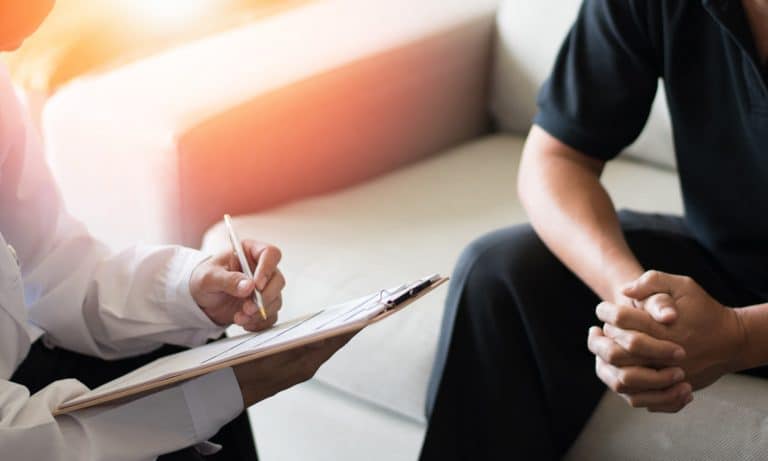
To be clear, this research doesn’t mean dropping MDMA acts as a cure-all for PTSD. Instead, this treatment combines MDMA with traditional psychotherapy where trained professionals guide patients to therapeutic outcomes. In Phase 2 trials, in which researchers test the efficacy of a new treatment, MAPS-sponsored studies found that more than half of patients no longer experienced PTSD symptoms after two months. At the 12-month mark, the figure was even higher—two-thirds of patients who received MDMA-assisted psychotherapy didn’t meet the diagnostic criteria for PTSD.
Doblin’s optimism comes following a recent interim analysis conducted amid Phase 3 trials, which are scientifically rigorous as approximately 25-30% of experimental treatments receive approval. In agreement with the FDA, third-party data monitoring committees (DMC) typically review Phase 3 clinical trials after 60% of participants have completed the study. After analyzing the MAPS trials, the DMC determined a 90% probability the study will produce statistically significant data once all participants have finished.
Photo by rawpixel.com
In other words, the treatment should meet FDA approval.
“In the pharmaceutical drug development community, this is what you dream about,” Doblin told Forbes. “The results of the interim analysis of MAPS’ pivotal first Phase 3 trial are the most powerful evidence yet that MDMA-assisted psychotherapy could help transform the lives of people suffering from PTSD.”
MAPS have already begun preparing next steps following the research’s conclusion. The organization launched a $30 million Capstone fund, with already $12 million raised, attracting big names like Dr. Bronner CEO David Bronner and Austin Hearst, the grandson of William Randolph Hearst. MAPS will partner with the Psychedelic Science Funders Collaborative (PSFC) to raise additional funding.
“This first look at data from the first-ever Phase 3 trial of a psychedelic-assisted therapy only makes us more confident that we’re standing on the cusp of a breakthrough,” PSFC co-founder Joe Green told Forbes. “The approval of MDMA-assisted psychotherapy would be a catalytic event that brings psychedelic medicine into the mainstream.”
Although some hoped that the warm weather would stop the spread of the virus, experts aren’t so sold on that idea.
With every passing week, evidence suggests that there will be no stopping the spread of the coronavirus until a vaccine is found — something that likely remains, at minimum, a year away.
COVID-19 has been compared to influenza, another disease that spreads through respiratory droplets, but it remains unknown if the weather will have some kind of effect on it. Even if it does, experts don’t know if it will matter.
Different viruses have different behaviors, which is why the flu is more common in the fall and the winter, when the weather is colder. When it comes to COVID-19, the weather might reduce its life and survival when the virus particles hit hard surfaces, such as doorknobs and light switches, but that still won’t stop the spread between people. With the arrival of summer, experts fear that large amounts of people will be spending their time with others outdoors, especially after growing tired of following social distancing guidelines for several months.
Research conducted on the pandemic during the month of March found that COVID-19 is unaffected by climate. The study involved different countries and discovered that what determined the number of deaths and infections was not the weather, but the guidelines each specific country embraced, like closing schools and quickly enforcing social distancing guidelines.
Photo by Ethan Robertson via Unsplash
There’s a lot we don’t know about the coronavirus, but the data shows that it spreads incredibly fast between people, especially in crowded locations indoors. The virus can spread by coughing, sneezing and even talking to others located within 6-feet of someone who’s sick. The fact that there’s asymptomatic people who can spread the virus makes this all the more complex.
As is the case with most viruses that jump from animals to humans, these pathogens tend to be harder to predict and control since our bodies haven’t been exposed to them, lacking the necessary antibodies and defenses to fight them off.
At this time, we don’t know who is or isn’t infected. Without this information, the most accurate way to stop the spread of the virus and to stay safe is to comply with social distancing guidelines and remain isolated as much as possible. It’s the one method that has worked in coronavirus hubs across the board.
Though men tend to smoke greater amounts and more frequently than women, women tend be more sensitive to marijuana consumption.
We know women and men react differently to cannabis. The endocannabinoid system — the set of receptors that bond with consumed marijuana — interacts directly and indirectly with estrogen in a women’s body. A 2009 study, published in the European Journal of Pharmacology, found the amount of CB1 receptors in a woman’s body fluctuates depending on estrogen levels, meaning women experience more intense highs when their estrogen levels peak.
Though men tend to smoke greater amounts and more frequently than women, a 2014 study from Washington State University found that women tend be more sensitive to marijuana consumption. Another difference: men are more likely to get the munchies.
Published in the Journal of Addiction Medicine, scientists from the University of Texas-Dallas found that when it comes to regular marijuana consumers, women experience more intense craving than men. In addition, when women self-reported higher estrogen levels due to their menstrual cycles, they rated their marijuana cravings higher on average.
Photo by Priscilla Du Preez via Unsplash
“This research has moved the needle forward in accounting for these individual differences in the development and administration of interventions to help improve clinical outcomes for everyone, particularly women,” study author Dr. Shikha Prashad said in a statement.
Dr. Prashad and her team used 112 participants for the study — 58 men and 54 women. Those subjects where then given “a piece of cannabis equipment to hold,” ranging from a standard pipe to an ice blue bong. When asked to rate their urge to smoke marijuana on a scale from 1 to 10, women averaged a 5.5 level of craving compared to men’s 4.6.
According to the study’s authors, “It is important to emphasize that this finding is preliminary and it is unclear whether this increase may have contributed to the sex-related differences.”
Cannabis has powerful anxiolytic (anti-anxiety) properties, and when administered as-needed, can provide relief from several anxiety disorders.
Anxiety, like marijuana, comes with a stigma, but with the increasing impact of anxiety disorders on family life and the economy, it’s no wonder everyone seems to be looking for a salve.
The relationship between cannabis and anxiety disorders exists, but remains wholly misunderstood. Anxiety presents differently in every patient, and there is no definitive cure with conventional drugs, so just imagine something as variant as the cannabis plant.
Evidence suggests that cannabis has powerful anxiolytic (anti-anxiety) properties, and when administered as-needed, can provide relief from several anxiety disorders, including generalized and social anxiety, obsessive-compulsive disorder, social anxiety, post-traumatic stress disorder, panic disorder, and depression. It might even help with a fear of public speaking.
Just One Puff Could Be Enough for Anxiety
One thing that holds people back from treating anxiety with cannabis was the myth that it made anxiety worse through the manifestation of paranoia. The truth is, while some cannabis users feel a sense of heightened fear and worsened anxiety from marijuana; it is a side-effect that can be controlled with smaller doses as well as a cannabinoid profile that does not produce the effect. It is likely that paranoia is a reaction to strains with higher THC content.
Photo by Foundry via Pixabay
A 2018 study conducted by Washington State University researchers, published in the Journal of Affective Disorders, assessed how varying levels of cannabinoids (chemicals found in marijuana) affected people’s moods and feelings of well-being. The team found that a single puff of cannabis high in cannabidiol (CBD) and low in tetrahydrocannabinol (THC), was enough to reduce depression symptoms. After two puffs, patients felt less anxious, and after ten they were less stressed.
Although the body manufactures its own cannabinoids, called endocannabinoids, we are susceptible to shortages of them; excessive exposure to trauma might contribute to a disordered endocannabinoid system (ECS). Experts believe cannabis can help replenish and condition the ECS, resulting in a balancing effect that quells anxiety, physically, psychologically and emotionally. What we don’t yet have is data on the most therapeutic dosages and strains for anxiety.
While this study suggests that one puff of marijuana can help ease the symptoms of depression and anxiety, experts insist that prolonged use over time had the opposite effect.
Strains of Cannabis for Anxiety
Cannabis consumers have a few tools at their disposal when choosing a strain, but ultimately, beyond the recommendations of a budtender, the patient must find their own perfect balance of cannabinoids and terpenes. No varietal works quite the same for two people.
Photo by LPETTET/Getty Images
What makes someone with anxiety a unique cannabis consumer is that they’re probably not looking for something high in THC because just about every current study points to CBD as the critical ingredient for calming anxiety. The interest in cannabidiol’s anxiolytic effects means that there are more high-CBD marijuana strains and products out there than ever and CBD oil can be ordered online without a prescription from just about anywhere on the continent.
The Washington State study is one of the first to provide guidance on various strains and dosages for reducing stress, anxiety, and depression To track their data, the researchers used a new app called Strainprint that helps medical marijuana users record how different doses affects their wellbeing. The free cannabis journaling app is now widely used among patients who want to track just about any diagnosable condition and the medical marijuana they are using.
A new report from Strainprint tells us that anxiety is now one of the top symptoms, along with pain and arthritis, attracting cannabis use among citizens 50 and over. That, complemented by the thousands of studies being conducted on cannabis, and the flow of legalization means that more definitive answers on marijuana for anxiety are on the way.
People are adding comfort foods and just plain strange foods to their pantries and fridges. Here’s what might be going on.
With the pandemic keeping a lot of people indoors, comforting and easy-to-make meals have made a comeback of sorts. Cereals, mac and cheese, frozen pizza and other types of fast foods are some of the items that are most sought after in grocery stores for those who don’t want to deal with cooking on top of everything else going on in their lives. Other people, however, are reporting a more curious change, claiming that the pandemic has provoked some strange cravings.
Like someone who’s pregnant and finds themselves craving weird stuff, a lot of quarantined people have reported a craving for weird foods that they normally wouldn’t think of eating, and also tackling recipes (re: sourdough) they never would have attempted before.
It would make some sort of sense that, after an approximate two months of following social distancing guidelines, people would get bored of the foods that are in their pantry and desire to try something new. And if you’re thinking that stress might be a cause for these strange behaviors, you’re right. Stress tends to be the answer to a lot of things.
Men’s Health spoke with Kent Berridge,PhD, who said that food cravings are influenced by stress, even the sort of stress that we’re dealing with now, which feels long lasting, quiet and mutating. There’s days of normalcy, where you forget everything that’s going on, and others of anxiety triggered by any stressor. “Yes, to the degree home isolation and financial consequences are stressful, that would definitely set the stage for the processes above to kick in and magnify craving,” says Berridge.
Photo by Keegan Evans via Pexels
Comfort foods are called comfort foods for a reason; they make us think of simpler times, perhaps when we were younger. Ricardo Fernandez, CEO of General Mills, told USA Today that sales of cereals like Cinnamon Toast Crunch, Trix and Lucky Charms are booming. (Just a hunch, but these cereals probably aren’t just being enjoyed by kids.)
“Families are turning to things like cereal to instill a sense of what’s familiar, what’s normal, something they trust,” says Fernandez.
With everything thrown out of order and no knowledge of when/if things will go back to normal, food seems like a good place to find an escape, whether that’s comfort or something more exciting.