Wednesday, May 13, 2026
Home Blog Page 524

New COVID-19 Relief Bill Includes Marijuana Banking Legislation

The House included marijuana business relief in the latest coronavirus aid bill, but advocates question if lawmakers went far enough.

Business is hurting due to the coronavirus pandemic, and that includes the cannabis industry. Marijuana businesses big and small have asked for federal relief amid the crisis, just like other U.S. companies have received. Due to the plant’s federally illegal status, many marijuana companies were denied relief assistance by the Small Business Administration, even as state operators deem these same businesses “essential.”

As the federal government prepares the next rollout of coronavirus aid, House Speaker Nancy Pelosi unveiled a new plan that includes improved access to financial services for the regulated marijuana industry. The legislation is identical to the SAFE Banking Act, which protected banking institutions that provided loans, accounts, and other services to legitimate marijuana businesses.

“On behalf of the legal cannabis industry, we commend the congressional leadership for prioritizing public health and safety by including sensible cannabis banking policy in this legislation,” Aaron Smith, executive director of the National Cannabis Industry Association (NCIA), told The Fresh Toast in a statement.

“Our industry employs hundreds of thousands of Americans and has been deemed ‘essential’ in most states,” he continued. “It’s critically important that essential cannabis workers are not exposed to unnecessary health risks due to outdated federal banking regulations.”

RELATED: Federal Marijuana Legalization Necessary For Coronavirus Bailouts

The relief bill, named the HEROES Act, still won’t allow the cannabis industry access to SBA loans and assistance. Marijuana advocacy group NORML fears that if the legislation passes, it will accelerate the consolidation of the industry and push out small businesses from competing. As NOMRL noted, more than 240,000 American workers make up the cannabis industry and the majority of these companies are small to medium size.

Could Marijuana Legalization Be the Economic Relief America Needs Post-Corona?
Photo by Anton Petrus/Getty Images

“The inclusion of the SAFE Banking Act in the CARES 2 package is a positive development, but one that’s akin to applying a band-aid to a gaping wound,” NORML Political Director Justin Strekal told The Fresh Toast in a statement.

RELATED: How Drug Use Is Changing For Better—And Worse—Under Quarantine

“While larger, better capitalized players may be able to weather this storm, smaller cannabis businesses may not be able to do so absent some economic stimulus,” he continued. “By continuing to deny these small businesses eligibility to SBA assistance, it is possible that we could see an acceleration of the corporatization of the cannabis industry in a manner that is inconsistent with the values and desires of many within the cannabis space.”

The bill does include a provision that would help those with prior conviction receive access to SBA relief.

The House voted 321 to 103 in favor of the SAFE Banking Act in September. The bill has remained in the Senate Banking Committee ever since, although Republican Sen. Cory Gardner said a deal was close in February.

It’s Good People Are Indulging In Video Games And Weed

Despite having more free time, people report having difficulty focusing and completing their daily tasks.

There’s been a lot of talk about negative habits and the possibility of picking these up while in quarantine, only to have their consequences follow you around for years to come. But it’s good people are indulging in video games and weed during quarantine.

There’s also been a lot of talk about using isolation time for cultivating positive habits, such as learning a different language or completing a novel. Although that sounds ideal and super productive, it’s a complicated idea since we can’t even watch a YouTube video without being bombarded by coronavirus ads and news.

Many activities have become popular during the coronavirus pandemic, from baking bread, to washing dishes and binging Netflix. One of the most popular habits people have picked up (or gotten reacquainted with) is gaming, which is one of the world’s most absorbing and distracting activities for a reason.

Verizon reports a 75% increase in gaming among its network. One of the biggest sources of memes throughout the past couple of months has been Animal Crossing: New Horizons, a game for the Nintendo Switch. Nintendo’s sales have been so rampant that the company announced they’d be producing an extra 22 million console units by the end of May.

RELATED: 15 Coronavirus Memes To Help You Laugh Through The Bad Times

Marijuana businesses have also reported spiked sales, whether a particular state deems dispensaries as essential or not. In New York, the New York Post reports an increase of 50% of sales between March 16-22. Legal states like California, Colorado and Oregon also reported an increase (41%) compared to that same date last year.

5 video games to play during summer
Photo by Aleks Dorohovich via Unsplash

Despite the vast amount of time at your disposal, it’s hard to focus and motivation in this current environment. Parents quarantined with their children are reporting increasing amounts of stress over an accumulation of responsibilities that include work, caring for their kids, and coping with an uncertain economic environment. And that’s for the lucky ones who aren’t essential workers and who still have jobs.

RELATED: Marijuana Use Reaches All-Time High Under Coronavirus Pandemic

In an interview with Time, Stetson University associate professor Chris Ferguson said that despite the bad reputation that video games have developed over the years, there’s no real scientific evidence that says that games are associated with negative outcomes. When in quarantine, he says that while it’s important for parents and kids to get exercise and complete their chores and work, “there are honestly no maximum limits on video game time, particularly as right now there might not be much else to do.”

It’s all about perspective. If you find yourself unable to detach from your vices, whether they’re made up of alcohol, weed, porn or video games, then it’s time to put your health first. Make the time for activities that help you preserve your mental and physical health, ensuring that your house is clean and that your kids and family members are cared for. After you’re done? What you choose to do with your free time is up to you. In this era of isolation, whatever helps you decompress is the right choice.

How CBD Can Help You Cope With Social Distancing Guidelines

Social distancing guidelines can contribute to feelings of anxiety and isolation. Here’s how CBD can help you cope with these emotions.

Social distancing guidelines have taken a toll on all of us, whether we’re quarantining alone or with family members. One of the worst parts of the coronavirus pandemic is that it forces us to be distanced from others, preventing us from reaching out to friends and family at a time when we need the most support. Could CBD help you cope with these moods and feelings?

While there’s been no studies conducted on the benefits of consuming CBD while in isolation, there have been several studies that suggest CBD can help you manage symptoms like stress, anxiety and depression, which are all symptoms that have been reported by people of different ages who’ve been following social distancing guidelines over the past couple of months.

There’s no straight answer when it comes to coping with the problems that social distancing produces and the stress that the pandemic has unleashed on our health and finances. What most experts are recommending is to equip yourself with tools that can help you deal with these situations better, from paying extra attention to what you eat to ensuring that you keep your body active and moving throughout your days.

If you still feel like you need more help when it comes to finding focus and managing your anxiety, meditation and calming techniques are very helpful, allowing you to refocus your perspective and to have the ability to choose to focus on the positive aspects of your situation over the bad.

RELATED: Taking CBD For The First Time? Here Are Some Quick Basics

As you’ve likely guessed, these habits can’t be picked up in a day; they take time and effort. CBD can help you access these skills more easily, interacting with your endocannabinoid system and progressively promoting calm and relaxation while reducing mild symptoms of stress and depression.

Here's How To Have Better Etiquette While Social Distancing
Photo by Anna Shvets via Pexels

CBD oils and products produce a soothing effect, controlling recurring thoughts, anxious ideas and anxiety spirals. Clinical studies for CBD show that the compound provides powerful relief for different kinds of anxiety without the negative side effects that many medications produce. In one study, CBD diminished social anxiety in teens, and encouraged them to reach out for help, something that’s uncommon for teens that are coping with these kinds of issues.

RELATED: Too Many Quarantinis? Here’s How CBD Can Curb Day Drinking

When facing unprecedented situations, it’s common to experience a certain amount of stress and fear over the unknown. CBD is a good option to cope with these emotions, provided that they’re not significantly impairing your day to day life and functioning.

Ask Mister Manners, Thomas P. Farley: ‘My Neighbor Is Quarantining In The Nude’

Two months into working from home, I’m unsure how to address the ongoing, unwanted display of my neighbor parading around in his apartment nude. Help?

Etiquette tips on how to interact in today’s world. Have a question for Mister Manners? Send your queries to info@whatmannersmost.com and look for replies in the coming weeks. 

THE NAKED CITY

Q: I live in a condo building next to a cluster of similarly sized high-rises. A resident in the tower opposite mine has been parading in his apartment without any clothing. I know he’s in his own place, but I find this offensive, and wish he would put on a shirt and pants. Two months into working from home, I’m unsure how to address this ongoing, unwanted display.

A: It sounds as though you’re living in a Groundhog Day version of a long-running plotline from Friends. Except that while Ross, Rachel, et al. were piqued by having a naked neighbor, you are perturbed.

There are several factors to consider here. First and foremost, is he going about his daily tasks innocuously, occasionally passing in front of a window? Or is he making a deliberate, lewd display of being in his birthday suit? Depending on where you live, the authorities will likely view the former and the latter quite differently. 

As city dwellers from Syracuse to Seattle can tell you, living in a concrete jungle requires developing a high tolerance for sights and sounds that are not always to our liking. If what you are experiencing is merely passing glimpses of nudity, I would challenge you to ignore them. If you feel you cannot, this is nothing a nice new set of drapes won’t fix.

RELATED: Ask Mister Manners, Thomas P. Farley: ‘Do I Give A Gift If It’s A Virtual Wedding?’

If, however, you suspect he is using his unclothed state to intimidate, shock or harass the neighbors, contact law enforcement. Rest assured you’ll be performing a civic duty by helping bring his naked disregard for modesty to an abrupt end.

smoke marijuana apartment without getting evicted
Photo by Karla Alexander via Unsplash

NAILED IT!

Q: I have a daily Zoom call with thirty team members every morning. I thought I’d seen just about everything on these calls—from people in their pajamas to people eating messy meatball sandwiches. But I hit my limit last week when someone started clipping fingernails during a call. How can I ensure I never have to see (or hear!) anything like that again?

A: Grooming while Zooming is among the many no-nos of video conferencing. And though we should all cut our colleagues some slack for bad webcam angles or the occasional bed head, attending to hygiene matters, whether using the bathroom—as apparently happened during a livestream of Supreme Court opening arguments last week; brushing one’s hair or teeth; putting on makeup; or filing, clipping or painting one’s nails must happen away from the camera, away from the microphone. And outside of work hours. 

Should someone on a call need to use the rest room, the best course of action is to put up a “Be Right Back” slide in place of your video signal and to head to the lavatory sans phone or laptop.  

The wholeheartedly discretionary choice to clip one’s nails on a call (with or without the mute button enabled) is simply not acceptable.

RELATED: Ask Mister Manners, Thomas P. Farley: ‘My Cousin Thinks Corona’s A Conspiracy’

Since we can’t count on everyone to abide by these standards, other methods may be necessary to cut such actions down to size. If the offender can be identified easily, the conference host should mute that person’s microphone. Without feeling the need to get snippy, after the call, the individual’s supervisor should follow up on the matter one-on-one. 

If the perpetrator cannot be found, the host of the call should make an announcement to the effect of: “As a reminder, please give all speakers and attendees the attention and courtesy they deserve. If you believe your background noises cannot be heard, you are mistaken.”

Mister Manners, Thomas P. Farley, is a nationally regarded expert who appears regularly in the media to discuss modern-day etiquette dilemmas — from how to split a check fairly to how to get a word in edgewise. Follow Thomas on Facebook, Twitter and Instagram @MisterManners. And for more insights, listen to his brand-new podcast, “What Manners Most,” which will be focused exclusively on Coronavirus-related etiquette for the foreseeable future.

The FDA Reissued Guidelines For PPE In Hospitals And Clinics

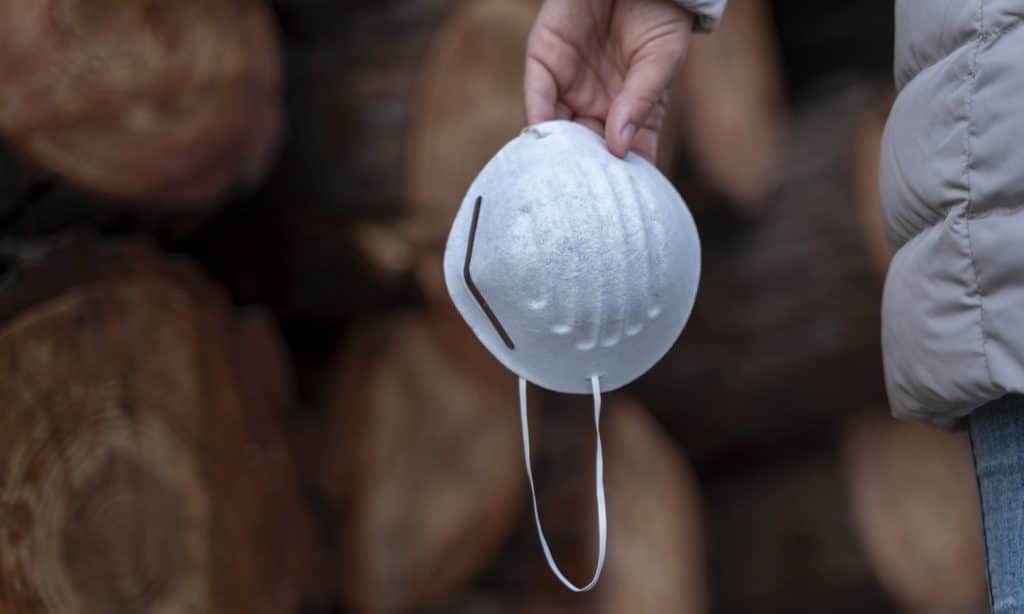
The FDA says cloth face masks are helpful against spreading COVID-19 via face and mouth moisture, but are not a viable substitute for N95 respirators or surgical face masks.

“After receiving questions and concerns about the Emergency Use Authorization (EUA) for face masks posted on April 18, 2020, the FDA updated and re-issued the EUA. In doing so, the FDA clarified that face masks, including cloth face coverings, that are authorized by the EUA are only authorized for use by the general public and health care personnel as source control. These face masks are not authorized to be personal protective equipment, meaning they are not a substitute for filtering face piece respirators or surgical face masks.” (FDA.gov) 

The U.S. Food and Drug Administration (FDA) clarified its rules around personal protective equipment (PPE) and its Emergency Use Authorizations (EUAs) regarding COVID-19. In an FAQ posted to their site, the FDA offered more detail around best practices when wearing and decontaminating PPE. 

Noting that changes were made due to feedback received in late April, the FDA explained, “the FDA updated and re-issued the EUA to clarify that face masks, including cloth face coverings, that are authorized by the EUA are only authorized for use by the general public and health care personnel as source control. 

Further explaining that cloth face masks are for “use by the general public and health care personnel as source control,” the FDA shared that cloth face masks are helpful against spreading the virus via face and mouth moisture, but are not a viable substitute for N95 respirators or surgical face masks. A full guide to cloth face masks may be found here. 

RELATED: Decontaminating Personal Protective Equipment: Here Are The New Rules

One important point the FDA noted was that, “(Cloth) face masks are not personal protective equipment. Health care facilities should not purchase or offer these masks as substitutes for surgical masks or filtering facepiece respirators.” Many hospitals and clinics have been struggling to purchase PPE and have turned to cloth masks with filters to try and offer an alternative for health care professionals.

Cannabis Companies Step Up To Help Fight COVID-19
Photo by Noah via Unsplash


The FDA further explained that approved PPE (such as surgical masks and N95 respirators) are, “critical supplies that must continue to be reserved for health care personnel and other medical first responders, as recommended in the CDC’s Strategies for Optimizing the Supply of Facemasks.”

With many healthcare facilities struggling to keep up with the demand both by employees and the FDA for PPE, limitations in the supply chain could further slow elective care and surgeries. With new companies manufacturing masks, face shields and other protective coverings, unlikely candidates like home 3D printers, Nike, and package manufacturers are stepping forward to offer front-line workers safety and relief. 

Positive Data About Marijuana Treating COVID-19

Israeli researchers will utilize antiviral agents found in cannabis terpenes to slow the spread of the novel coronavirus.

When you smell marijuana, what you’re actually smelling is terpenes. These organic compounds create aroma in all plants, and each cannabis strain contains its own set of terpenes. This is why your stashes of marijuana smell different, even if they share the same general perfume. Similar to cannabinoids like THC and CBD, terpenes bond with your endocannabinoids and deliver therapeutic effects to your system.

This isn’t the first research to investigate how terpenes impact a coronavirus. In a 2007 study, Chinese scientists found that different sets of terpenes reduced the severity and spread of the SARS coronavirus in-vitro and in-vivo — or, in both a laboratory petri dish and live organisms. The plant compounds blocked a specific protein that allows the virus to replicate itself throughout the body.

Israeli researchers plan to build upon that research and develop a novel terpene combination to use in COVID-19 treatment. Cannabis research company CannaSoul Analytics and Israeli entrepreneur Nadav Eyal will collaborate on the venture. Their formulation will be administered through direct inhalation.

RELATED: How To Manage Your Alcohol Intake During Coronavirus

“Our lab has been approved to operate as a corona lab, and in doing so, we are promoting 2 studies based on existing cannabis studies: First, we will try to identify the plant’s own molecules that are capable of suppressing the immune response to the COVID-19 coronavirus, which causes inflammation and severe disease,” Dedi Meiri, Cannasoul Chairman and Asst. Professor at the Israel Institute of Technology, said in a statement. “To lower the immune system response without suppressing it, thereby providing better complementary treatment to the steroids, which completely suppress the immune system.”

Can Hospitals Draw From COVID Relief Fund To Cover Costs?
Photo by Bill Oxford via Unsplash

Another study will explore with how these cannabis compounds affect the ACE2 receptor. This specific receptor, copious within cells in the respiratory system, is what triggers the coronavirus to enter cells and spread accordingly.

RELATED: Israel Researchers Believe CBD Could Play Crucial Role In COVID-19 Treatment

“There is a process that examines the effect of cannabis molecules on proteins as well and we are now examining which ones are relevant to the same receptor, with the goal of reducing its expression, making it difficult for the virus to enter the cell and proliferate,” Meiri added.

Other Israeli scientists have begun research into what role CBD could play in COVID-19 treatment. While Meiri and his team will explore terpenes as antiviral agents, the clinical trial will utilize CBD’s anti-inflammatory properties to reduce symptoms and regulate the body’s immune system.

Microdosing: The Secret To A New Cannabis Experience

If the thought of medicinal benefits without the overwhelming psychoactive effects of THC seems like an attractive proposition, then microdosing might be for you.

By Goldleaf‘s Alfonso Colasuonno, provided exclusively to Benzinga Cannabis.

The term microdosing has appeared with increasing frequency on social media, in urban nightlife venues, and throughout general wellness and mental health circles. Medically speaking, it means to consume a small amount of a substance, then gradually increase the dose in order to achieve a desired effect, such as pain relief. As more states legalize cannabis and peoples’ curiosity and approval grow, a market for THC microdosing essentials has emerged. We’ve researched the science—emerging healthcare industry developments and vital dosage information—to guide you through the process.

Cannabis and Your Body’s Physiological Processes

Cannabis is a complex plant with over 400 chemical compounds, 60 of which are cannabinoids. Recreational cannabis use can produce effects such as light-headedness, increased appetite, feelings of relaxation, and reduced blood pressure. While these effects may be mild and temporary, feeling intoxicated (the sub-perceptual effect) may prove uncomfortable or inappropriate for those who wish to simply obtain medicinal benefits.

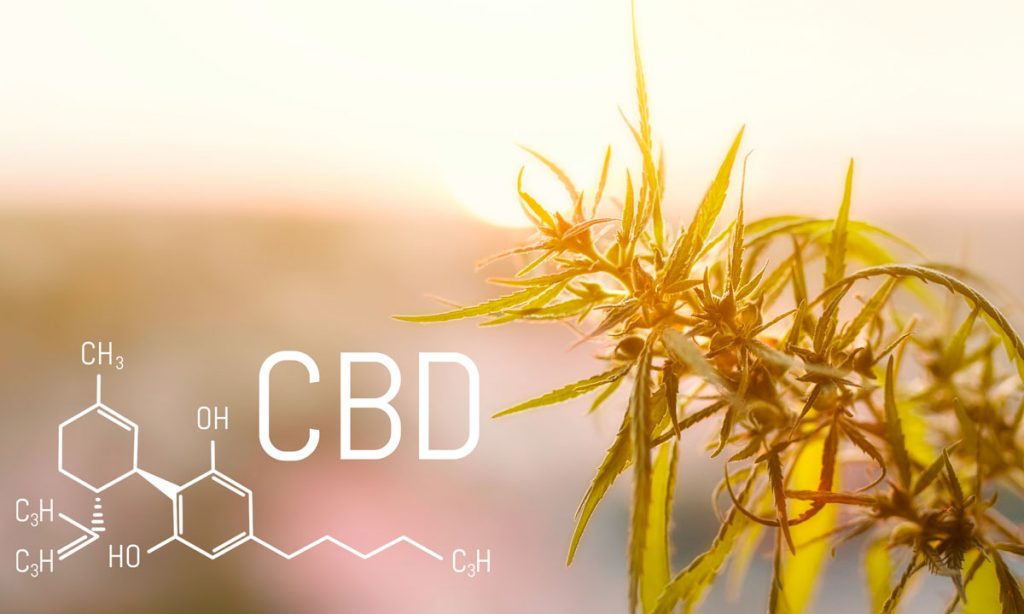
CBD (cannabidiol) is a non-psychoactive compound, while delta-9-tetrahydro-cannabidinol (THC), is the main psychoactive ingredient in cannabis. In states where medicinal cannabis consumption is legal, several small storefronts have emerged selling all manner of CBD products from oils and tinctures to infused water. CBD and THC both have the same molecular structure and are similar on a chemical level to your body’s built-in endocannabinoids; however, the arrangement of these atoms varies which allows them to interact differently with your body’s cannabinoid receptors. Because CBD is non-psychoactive and doesn’t have as many adverse effects, microdosing with CBD and other cannabinoids apart from THC is unnecessary.

Medical Conditions Aided by Microdosing

The effects of medicinal cannabis are still undergoing significant research. It is currently used to treat psychological conditions such as depression, anxiety, and PTSD as well as physical symptoms like gut pain, migraines, and PMS. Although pharmaceuticals exist to treat these conditions, they are often not without unpleasant side effects. For example, while treatment options for depression and anxiety have improved dramatically over the course of the past decade, medication and counseling are not equally effective for everyone. In fact, according to NCBI, antidepressants proved just 40-60% effective at managing symptoms. For some patients, a more holistic approach may be needed.

RELATED: Microdosing Marijuana: What Doctors Say Is The Best Way To Consume

Microdosing Art Print by Goldleaf, Designed by Haiikuu

THC Microdosing Methodology

If the thought of medicinal benefits without the overwhelming psychoactive effects of THC seems like an attractive proposition, then microdosing might be for you. Generally speaking, there are several ways to consume THC: smoking, vaping (flower or oil), edibles, and dabs.

RELATED: Sorry, But Science Doesn’t Favor Microdosing Psychedelics

When smoking, inhale no more than two seconds and immediately exhale without holding it in the lungs. Wait approximately ten minutes before consuming more. Once you achieve the desired state, cease consumption.

  • If you’re vaping flower or oil, set the vape pen or other device to a low heat setting, inhale for two seconds and exhale immediately. Wait about ten minutes before inhaling again. Once you reach your desired destination, don’t inhale more.
  • Edibles are tricky to microdose with, but if they prove to be a more convenient option you can make them yourself by starting with 2.5 mg of THC. Even if you don’t feel anything, wait a minimum of twenty-four hours before trying again. You can increase or decrease the dose by 1 mg as needed. If you’re adept at dessert making, you can try making hard candies instead of baked goods as it’ll be easier to control the dosage.
  • Finally, dabs aren’t recommended for novice consumers because they’re difficult to microdose with. If novice consumers are intent on using dabs, someone more experienced should guide them on the process.

You might need to experiment with different methods to see which one is right for you. If any of these methods produce an unintended effect or you worry that you may have accidentally consumed too much, simply reduce the amount until you find a happy medium.

This article originally appeared on Benzinga.

Pete Davidson Pleads Please Stop Sending Weed To His Mom

Pete Davidson said he was quitting drugs, but the internet didn’t listen.

What we say on the internet impacts what happens in real life, although not always in ways we might predict. Comedian Pete Davidson learned this lesson last week when he announced in an Instagram video he was quitting drugs. Three hours later, strangers showed up to his mom’s house with free marijuana.

Davidson relayed the story on “The Tonight Show” while promoting his upcoming movie, The King of Staten Island. Loosely based on Davidson’s life (he co-wrote the movie), the movie follows 20-something Tyler as he attempts to overcome a potent, and potently funny, case of arrested development. Due to quarantine lockdown, Davidson and director Judd Apatow have used social media to promote the movie, which kicked off the unexpected cannabis delivery.

“Me and Judd released this video to try and get it out there that the movie’s coming out. I mentioned that I wasn’t doing drugs, that I was trying not to,” Davidson told host Jimmy Fallon.

“And then, literally three hours later, a lady rang my doorbell with a full bag of weed and gave it to my mom and said, ‘I heard your son needs this.'”

pete davidson breaks silence after ariana split
Photo by Theo Wargo/Staff/Getty Images

RELATED: That Time Louis CK Told ‘SNL’ Producers That Pete Davidson Smoked Too Much Weed

Davidson added that the driver came from Bayonne, New Jersey — about a 20-30 minute drive, give or take. Apatow followed up on IGTV what we all wanted to know: what happened to the drugs left at Davidson’s door? Though he estimated it was about a couple weeks worth of marijuana, Davidson didn’t keep it.

https://www.instagram.com/tv/B_5klpBFpbc/?utm_source=ig_embed

RELATED: Is Marijuana A Drug Or Something Else?

“I gave ’em to my friend Jay,” he said, then added, “I haven’t heard from him since. It’s been about four days.”

The King of Staten Island will be available on demand June 12.

4 Meditations For Your Fluctuating Quarantine Moods

There’s never been a better time to pick up the habit of meditation. Here are several types to get you started.

There’s a crazy amount of benefits associated with meditation. For true devotees, meditation can help them sleep, stay calm and grounded, and provide tools for coping with the stressors of everyday life. Still, in order to reap its benefits, meditation must be practiced with certain regularity, just like working.

In quarantine there’s been a resurgence of meditation. When faced with a situation that provides stress from all angles — health, financial, emotional, you name it — people have been turning to their meditation apps for some release and peace of mind.

In meditation, there’s no one size fits all; there’s long meditation, chanting meditations, and the kind of truncated meditations you do with an app. The list is endless, providing ample opportunity for anyone who’s interested to give it a shot.

Here are 4 different kinds of meditation for you to try during lockdown:

For positive thinking 

5 Accessible Ways To Manage Anxiety
Photo by Andrea Piacquadio via Pexels

RELATED: Yoga Can Help You Manage Coronavirus Stress

A lot of people struggle with negative thoughts, especially in times of stress. These thoughts make it hard for people to stop themselves from feeling jealous, angry or depressed. There are meditations out there designed to treat these kinds of emotions, like the ones provided by Insight Timer, which provides different meditations depending on what you’re feeling.

For better sleep

Insomnia
Photo by Flickr user anoldent

Meditations geared toward better sleep encourage mindfulness and relaxation, mostly in the shape of soothing sounds and voices that whisper sleepy things in your ear. There’s different options that can provide relief for you, whether it’s a simple and short meditation or something like what Calm provides. This site allows you to create your own profile. If you select the options for sleep aid, you’ll find different stories and fairy tales that’ll quickly put you to sleep.

For better workouts

How Does Meditation Fuel Wellness? Experts Chime In
Photo by Ksenia Makagonova via Unsplash

RELATED: Using Marijuana For Better, More Relaxing Meditation Sessions

Meditating before your workout session can help you manage the most grueling parts of it, especially that last block of your workout where you usually feel like giving up. Meditating briefly before starting your workout will allow you to maximize your experience, push yourself harder than usual and stay calm in times of stress. Once you try it out, you’ll feel a big difference.

Quick sessions

heres how you can fall asleep while listening to music without draining your iphones battery
Photo via freestocks.org

Quick meditation sessions are good since they encourage different kinds of people to complete them, especially those that get spooked when learning that some people can meditate for an hour straight. You can find these meditations quickly on YouTube or on apps like Headspace, which have free trials and give you helpful guidance on these developments.

Is Sex Safe For Essential Workers?

0

Essential workers have been the most impacted by the pandemic. Is sex with their partners a risk for their families?

COVID-19 has thrown a wrench into sex, particularly the dating world. Singles who’d been used to meeting people through apps and casual dates have had to stop due to social distancing guidelines and just plain common sense. When there’s a disease transmitted through close proximity to people, kissing others doesn’t sound like a great idea.

While sex for singles has been put on hold, couples who live together have continued on with their sex lives as usual. But what about couples who find themselves partnered with an essential worker who is at a higher risk of being exposed to the virus?

The CDC explains that the coronavirus spreads when “an infected person coughs, sneezes, or talks, and droplets from their mouth or nose are launched into the air and land in the mouths or noses of people nearby.” This becomes more complicated with the knowledge that asymptomatic people can spread the virus without knowing that they are carriers themselves, meaning that essential workers could expose their family members to the virus without feeling sick or having coronavirus symptoms.

In an with Elite Daily, Dr. Vincent Racaniello explains that any person to person contact for essential workers should be considered “risky.” “Understand that sex places both partners in very close proximity, and therefore can lead to the exchange of respiratory secretions,” he says.

RELATED: How The Coronavirus Pandemic Is Affecting Our Sex Lives

Sex with an exclusive partner also falls under this category. “If two people are living alone, then sex would be acceptable as long as they understand that this is a good way to infect each other. There’s nothing that can be done to make sexual activity safe if one partner is infected.”

Here's What You Should Know Before Mixing Sex And Cannabis
Photo by rawpixel.com

When other family members are added to the mix, the issue grows more complex since you have to account for their health as well. Many essential workers don’t know how to cope with these situations, asking their family members to spray them with Lysol the minute they get home or using copious amounts of hand sanitizer to prevent catching the disease. It becomes a question of safety vs. work, with many being forced to choose the latter in order to continue to provide for their families.

RELATED: What Will Sex Look Like In The Post-Pandemic World?

Essential workers with more space in their households have also tried quarantining themselves from their families in separate rooms, minimizing contact with them as ways of protecting them from the virus.

Don't Miss Your Weekly Dose of The Fresh Toast.

Stay informed with exclusive news briefs delivered directly to your inbox every Friday.

We respect your privacy. Unsubscribe anytime.