Thursday, May 14, 2026
Home Blog Page 542

FDA Crackdown On Coronavirus Medical Claims: CBD Companies, Take Note!

“What we don’t need in this situation are companies preying on consumers by promoting products with fraudulent prevention and treatment claims.”

Unfortunately, in times of crisis and hardship there will always be companies attempting to take advantage of people, playing off of fear and desperation. Earlier this month, the FDA sent out a round of warning letters to companies that were selling fraudulent COVID-19 products. We’ve written extensively about what CBD companies should not do if they want to avoid FDA scrutiny, as well as the scrutiny that CBD companies have already received. And although none of the letters sent out in this round of FDA enforcement specifically referenced CBD products, at least one of the companies targeted does sell CBD products, and we have heard anecdotal reports of CBD companies making dubious statements related to the coronavirus that may or may not rise to the level of medical claims.

In light of the foregoing, we thought it would be helpful to lay out the nature of the claims being made related to COVID-19 that the FDA will not tolerate, and to review the basics of labeling and advertising related to medical claims as they pertain not just to CBD companies, but to any company in the health and wellness space. Here’s what the FDA had to say in its March 9, 2020 news release:

The FDA considers the sale and promotion of fraudulent COVID-19 products to be a threat to the public health. We have an aggressive surveillance program that routinely monitors online sources for health fraud products, especially during a significant public health issue such as this one,” said FDA Commissioner Stephen M. Hahn, M.D. “We understand consumers are concerned about the spread of COVID-19 and urge them to talk to their health care providers, as well as follow advice from other federal agencies about how to prevent the spread of this illness. We will continue to aggressively pursue those that place the public health at risk and hold bad actors accountable.”

“There already is a high level of anxiety over the potential spread of coronavirus,” said FTC Chairman Joe Simons. “What we don’t need in this situation are companies preying on consumers by promoting products with fraudulent prevention and treatment claims. These warning letters are just the first step. We’re prepared to take enforcement actions against companies that continue to market this type of scam.”

One of these letters was issued to Herbal Amy Inc., a company out of Idaho that also sells CBD products online. Herbal Amy was selling “Coronavirus Protocol” products including “Coronavirus Boneset Tea, Coronavirus Cell Protection, Coronavirus Core Tincture, Coronavirus Immune System, and Elderberry Tincture.” This is some of the language included with the products that the FDA deemed unlawful:

“Corona virus treatment. Stephen Buhner has analyzed how corona viruses infect tissues, what tissues they infect, and the herbs that are useful to interrupt that process, as well as the herbs useful to shut down the cytokine cascade they create. Here is his protocol.… [T]his is a rather extensive protocol because the particular corona virus that is now spreading world wide is exceptionally potent in its impacts. All the herbs are specific in one way or another for this virus. A number of the herbs are strongly antiviral for corona viruses .…. The formulations are preventative as well as specific for acute infections ….”

“Stephen Buhner has used this with other corona virus infections, including SARS, it works well.”

Perhaps Blame Marijuana For Coronavirus, States Discredited Author On FOX News
Photo by Javier Zayas Photography/Getty Images

These types of statements are extremely misleading, and illustrate the purpose for which the FDA was created. Our blog archives contain a multitude of resources for companies in the CBD space regarding what you can and cannot say in marketing your products. Generally speaking, products that are not approved by the FDA for the “diagnosis, cure, mitigation, treatment, or prevention of any disease” cannot be marketed as drugs, meaning that these products cannot be marketed with health claims or structure/function claims. If you make health claims regulated by the FDA related to CBD or other cannabis products, you are risking federal enforcement action.

RELATED: 4 Coronavirus Scams And How To Avoid Them

If you are unsure as to whether or not your labels, websites, social media, or other marketing materials contain statements that could be construed as health claims (and it’s important to remember that even vague or general statements could constitute health claims), you should consult with your attorney. We advise many clients on these very issues. And in closing, a reminder from the FDA:

“There are currently no vaccines or drugs approved to treat or prevent COVID-19. Although there are investigational COVID-19 vaccines and treatments under development, these investigational products are in the early stages of product development and have not yet been fully tested for safety or effectiveness.”

Alison Malsbury is an attorney at Harris Bricken, a law firm with lawyers in Seattle, Portland, Los Angeles, San Francisco, Barcelona, and Beijing. This story was originally published on the Canna Law Blog

Myths Vs. Facts About CBD Gummies

Thinking about purchasing a bottle of this hyper popular edible? Before you swipe that card, here are some important facts you should know.

More individuals than ever before are looking to different methods of utilizing CBD gummies to help with everything from pain, to anxiety and beyond. And since there are  multiple varieties and potencies of gummies to choose from, we broke down the common myths and misconceptions about this popular portal of CBD you should know before you purchase. So here are the myths vs. facts about CBD gummies.

Myth: Gummies have the same ingredients but only vary by flavor

Not all gummies are created equal. In fact, the amount of CBD in gummies can vary from one company to another as each company mixes its proprietary blend. The potency of CBD within each gummy can range anywhere from 5mg to over 15mg. It’s best to look at the information on the bottle and ask questions up-front to know the CBD dosage. Product formulations are complex, as is the process of extracting the CBD oil from the hemp plant. Knowing where the hemp is grown and how its extracted can help you better understand the product you’re taking and all that’s involved.

Myth: CBD gummies offer fast relief

This isn’t always the case. First-time users often don’t know what to expect and many don’t realize that gummies first must be broken down in the stomach and then filtered through the body to take effect. Because of research heavily regulated by the Food and Drug Administration  (FDA) and Environmental Protection Agency (EPA) many claims of CBD aren’t irrefutably proven.

RELATED: Third Most Popular Google Food Search? CBD Gummies

do cannabis products over promise and under deliver
Photo by Jamie Grill/Getty Images

Myth: All CBD gummies are safe

Like most concoctions, CBD gummies can take on elements in their environment which can have negative effects (think pesticides, chemicals, etc.) Kazmira, LLC. claims that many companies try to dilute chemicals like pesticides out of the gummy instead of removing them completely. They cited a report from 2016 where Steep Hill Laboratories found that almost 85% of cannabis samples had pesticides present. Kazmira explains the issue with diluting pesticides like this: 

“Think about it this way, if a basic food product like an egg tested positive for a pesticide above the legally established tolerance limit, it would be removed from the shelves immediately. This happened on a massive scale in Europe when millions of eggs were removed from the shelves for having high levels of an insecticide. Egg producers cannot cut the egg in half or mix it with clean eggs before testing to lower the amount of pesticide in the egg. Whatever is in the egg cannot be modified. CBD oil, however, is a different beast. There is no standardized “unit” of CBD, such as “one egg” or “one apple.” Therefore, formulators can mix contaminated oil with clean oil to mask contaminants from analytical instruments.”

Whether you’re a first-time user of CBD products, or someone who is curious about their effect, it’s wise to ask these 5 questions before you purchase or order: 

  • Can you explain the process of where the hemp is grown, how the CBD oil is extracted and what methods are in place for testing to ensure safety and accuracy? 
  • Does your company use any fillers or products not listed on the package? 
  • In what methods can you certify that the ingredients are clean and free of pesticides and chemicals? 
  • Are you bottling your own products or purchasing products from another manufacturer and white-labeling them as your own? 

Being an informed consumer will help you be better educated and knowledgeable about CBD products and the way they fit into your lifestyle.

Marijuana Dispensaries Should Open As Late As Liquor Stores

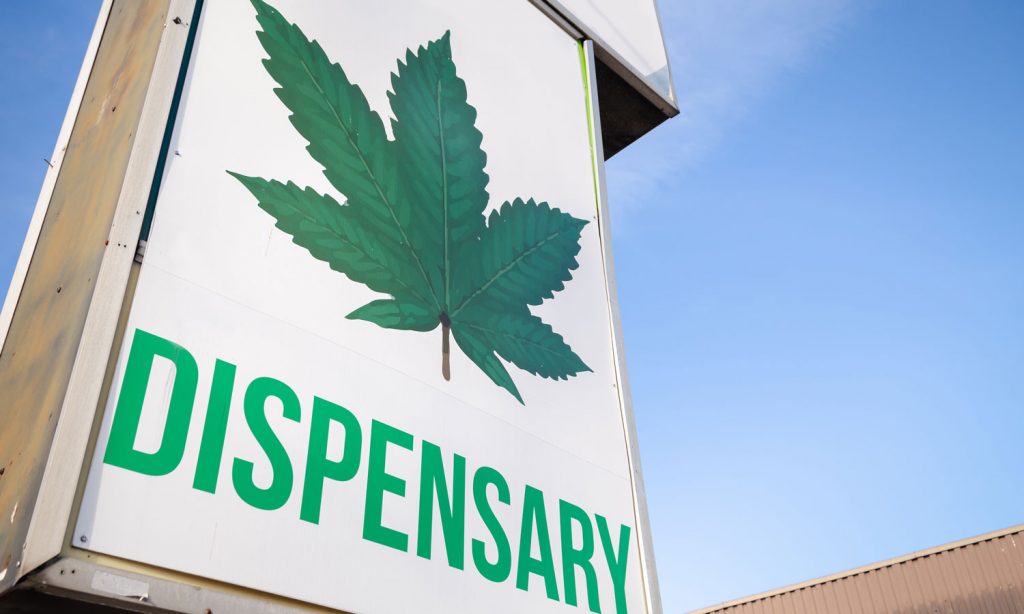
“It doesn’t seem consistent as to why a liquor store would be essential, but a dispensary wouldn’t,” said Rep. Alexandria Ocasio-Cortez.

A YouGov poll reported last week that 53% of Americans believe medical marijuana dispensaries are “essential businesses” amid the global coronavirus pandemic. Another 26% of the more than 5,000 Americans surveyed disagreed while 21% answered they “don’t know.”

In an Instagram Q&A this week, Rep. Alexandria Ocasio-Cortez was asked a similar question: “Do you think marijuana dispensaries should be considered essential businesses?” As first reported by Marijuana Moment, her response came with a caveat.

RELATED: NORML Gives Marijuana Consumption Safety Guidelines During Coronavirus Outbreak

“I’d say that if your state is deeming liquor stores to be an essential business—it doesn’t seem consistent as to why a liquor store would be essential, but a dispensary wouldn’t,” Ocasio-Cortez said. “You’ve got to make a decision one way or another.”

This question has been ongoing throughout various shelter in-place orders and quarantine lockdowns. The majority of legal states have continued to allow medical marijuana dispensaries to run, so long as strict social distancing and sanitization protocol is met. State lawmakers have also loosened restrictions on marijuana delivery and curbside pickup to help keep businesses open

More Legal Marijuana Equals Less Crime? Not So Fast
Photo by nattrass/Getty Images

Recreational states like California and Colorado have followed AOC’s lead, but when Massachusetts Gov. Charlie Baker closed all non-essential businesses last week, he included adult-use marijuana stores. The decision caused mild anxiety for residents, who rushed to stockpile cannabis in response. Some admitted they will resort to the black market should the closure continues. Baker said this week re-opening marijuana stores is a “non-starter.”

RELATED: Marijuana Users Indulging More Than Ever Amid Coronavirus

NORML (The National Organization for the Reformation of Marijuana Laws) sent a memo to lawmakers like Baker this week, urging that access to legal, regulated cannabis goes uninterrupted during the pandemic.

“In this era of tremendous uncertainty, it is crucial that policymakers use every tool in their toolkit to promote public health and safety,” NORML Political Director Justin Strekal said in a statement. “The enactment of various marijuana policy reforms can assist in these goals by reprioritizing law enforcement resources, mitigating interpersonal contact in our communities, and by ensuring that the elderly and more vulnerable patients continue to have uninterrupted access to state-regulated cannabis products via home delivery or curbside pick-up.”

Feds Will Pay Scientists To Study Marijuana’s And COVID-19

0

In an unusual turn, NIDA will pay researchers up to $100K per year to find out if smoking weed impacts COVID-19 symptoms.

Earlier this week, Canadian doctors announced their interest in researching whether properties found in the cannabis plant, including cannabinoids and terpenes, could cure COVID-19 symptoms. Now, the American government also wants scientists to study the relationship between marijuana and coronavirus, though not in the same way.

The National Institute on Drug Abuse (NIDA) issued a Notice of Special Interest last month that they would provide funding for research into how individuals with substance abuse disorders are affected by COVID-19. The letter specifically called for research into individuals who smoke tobacco, marijuana, and/or vapes and whether those behaviors poses a serious threat against the coronavirus.

RELATED: Marijuana Sales Have Leveled Out Post-Coronavirus Bump

“As people across the US and the rest of the world prepare for what could be a pandemic of the 2019 novel coronavirus, or COVID-19, the research community should be alert to the possibility that it could affect some populations with substance use disorders or HIV particularly hard,” NIDA wrote. “Because it attacks the lungs, COVID-19 could be an especially serious threat to those with histories of smoking tobacco or marijuana or of vaping.”

Canadian Scientists Researching If Cannabis Can Treat COVID-19 Symptoms
Photo by Wanida Prapan/Getty Images

The letter also mentions those using opioids or methamphetamines, as those drugs compromise immune systems and impacts respiratory health. Other research requests include how homelessness, incarcerations, and other environmental factors, as well as if overcrowded hospitals could change how the treatment of pain patients and opioid use disorder.

NIDA will accept applications through March 31, 2021 and will give projects up to $100,000 per year in funding. One caveat exists: Studies must be able to be completed within two years. Though federal agencies have typically avoided drug research in the past, that has slowly been changing in recent years.

RELATED: Marijuana Users Indulging More Than Ever Amid Coronavirus

A federally backed study found that medical marijuana dispensaries attract less crime than tobacco or alcohol stores. In addition, the Drug Enforcement Agency (DEA) will finally review 37 applications to grow more marijuana for medical research after a four-year wait.

Ways To Stay Healthy Once The Munchies Hit

The munchies affect us all in different ways, which is why we’ve compiled a list of highly adaptable precautions.

The munchies are one of the most consistent side effects of consuming marijuana. While this side-effect does a good job of magnifying the most delicious tastes in food, it also taps into our lizard brain, bringing out the animal in us when we so much as hear the crinkling of a Doritos’ bag. Here’s some ways to stay healthy once the munchies hit.

This is fine for occasional marijuana smokers, but problematic for regular consumers who need to find a way of controlling the munchies before they take a toll on their waistline.

There are all sorts of imbibers out there, all with different strengths and weaknesses, which is why we’ve compiled this list with individual methods that people can commit to. Here’s what you should do in order to stay in shape and still find joy in your munchies:

For those who like to workout

3 Reasons Why You Might Be Gaining Weight If You Just Started Working Out
Photo by Jonathan Borba via Unsplash

RELATED: Is Resin A Good Replacement If Marijuana Supplies Go Dry?

If you’re someone who’s active and and smokes occasionally, this method shouldn’t be much of a stretch. Plan your smoking session in advance and start your day off with a good workout, preferably one that gets your heart pumping, activating your body and allowing you to burn calories as you go about your day. Once breakfast and lunch hits, focus on eating healthy, consuming filling foods with low calories, like veggies and grains. This method gives you a pass for the day and allows you to enjoy your munchies to the fullest.

If you’re organized

5 Things You Can Do To Revamp Your Spring Cleaning
Photo by Priscilla Du Preez via Unsplash

The most mature thing you can do before you smoke is to clean out your home, throwing away cookies and ensuring that there’s nothing dangerous in your kitchen. Stock up on healthy snacks like fruits and granola bars. Make sure you have stuff that can be eaten easily, skipping the cooking process, preventing you from ordering delivery and destroying your hard work. Sure, this method robs some of the fun out of the smoking process but it’s the most reliable thing that regular cannabis consumers can do, changing their habits from the ground up.

For those with a strong mind

how to make your breakfast more instagrammable
Photo by Flickr user Meal Makeover Moms

RELATED: Link Between Cannabis And The Munchies Is More Complicated Than You Might Think

Before opening the door to the munchie monster, try having a satisfying meal. Then get ready to distract yourself as much as possible, perhaps engaging in an activity that inspires brain power, like watching an engrossing TV show, writing or painting. Careful, though. Even if you’re distracted, this method has no way of ensuring that you won’t forget your promise and end up eating whatever is in sight.

People Are Drinking Gallons Of Alcohol During Lockdown

The coronavirus has prompted lots of people to stock up on booze.

The coronavirus has caused the closure of millions of businesses around the world, leaving people to their own devices for entertainment and comfort. Predictably, the pandemic has inspired people to not only smoke weed, but to drink. In fact, people are drinking gallons of alcohol during lockdown.

According to Nielsen data, alcohol sales have risen 55% in the United States. There’s been a 75% increase in sales of hard alcohol, such as gin, tequila, spirits and premixed cocktails. Wine and beer have also received attention, with wine sales reporting an increase in 66% and beer 42% when compared to data from last year.

The vice president of Nielsen explains that the reason why these numbers are so high is because they specific reflect the week of March 21, when strict stay at home measures were implemented across the country. Data from the following weeks will probably show a more accurate depiction of alcohol consumption through the pandemic.

RELATED: Here’s A Breakdown Of Who Supports Cannabis As ‘Essential’ During Pandemic

Binge Drinking Plummeting in States With Legalized Marijuana
https://unsplash.com/photos/MxfcoxycH_Y

Drinking is often an activity enjoyed in social situations, while out at a bar or party or enjoying the company of a friend. So it makes tons of sense that people are turning to alcohol for comfort during these times of isolation. While it’s definitely okay to indulge and to have fun while stressed out, it’s also important to avoid drinking all day, every day.

RELATED: Everything You Should Know About Coronavirus And Food

Try to frame your drinking with friends through Zoom and other virtual chat apps, or as an end of the day/weekend activity. Make the most of your down time by pursuing hobbies, cooking, working out and checking in with family and friends. Alcohol is certainly a good thing to have during these stressful times, but it’s also important to focus on the long game and to not burn out during the first couple of weeks spent in self-isolation. Yes, it’s only been a few weeks, not years!

4 Reasons Why Cannabis Is Better Than Drinking During Lockdown

Now that we’re in self-quarantine, it’s important to find sources of fun while also taking care of ourselves. Here’s why cannabis is better than drinking during a pandemic.

Alcohol and marijuana sales have skyrocketed with the emergence of the coronavirus. People have been indulging more than ever in order to battle all sorts of mental wellness challenges prompted by the pandemic, whether it’s boredom, anxiety or stress.

There’s no correct way to combat stress, especially when faced with a situation that has affected every aspect of our lives. But it’s important to stay relatively healthy during these stressful times, especially since COVID-19 is expected to stay with us for an undetermined amount of time.

Using substances as important coping methods is never a good idea, but when it comes to marijuana vs. alcohol, there’s a clear winner — at least when it comes to less impactful side effects. According to different studies, alcohol is the world’s leading risk factor for death for people between the ages of 15-49. It’s a cause of substantial health loss, something that can’t be said for marijuana.

Here are 4 reasons why consuming marijuana and CBD is a better option than alcohol for quarantine:

It doesn’t cause hangovers

Ignoring the statistics and health hazards that alcohol poses, one of the worst aspects of consuming it are hangovers. Depending on your body, hangovers can affect you for days, making you feel nauseous and with painful migraines. While there are people who experience weed hangovers, these are nothing when compared to the average alcohol hangover.

It’s great for treating stress and anxiety

Science: Mixing Cannabis And Alcohol Can Be Dangerous
Photo by freestocks.org via Pexels

RELATED: 5 Ways To Incorporate Effective CBD Products Into Your Everyday Life

Your reaction to alcohol depends largely on your mood, making it a double edged sword when undergoing stress. CBD, on the other hand, can treat symptoms of anxiety and stress without altering your moods and mindset, becoming a useful tool for managing your emotions.

It’s better for longterm health  

The consumption of alcohol creates health risks, such as liver damage. But it also increases your odds of developing different kinds of cancer, including lung, breast, liver, stomach and more. While there are risks associated with marijuana, especially when it comes to smoking it, moderate consumption of the herb is still way less risky than drinking.

It’s less addictive

Cannabis May Help Treat Alcohol And Cocaine Addiction
Photo by Matthew Henry via Burst

RELATED: Marijuana Users Indulging More Than Ever Amid Coronavirus

Despite the fact that marijuana is one of the most popular drugs in the world, the amount of people that are addicted to it is relatively small. Alcohol addiction is very common, affecting 1 in every 8 Americans. There are also many diseases related to it, such as fetal alcohol syndrome, strokes, cardiovascular diseases, and more.

No matter your preference for either marijuana or alcohol, it’s always important to have some moderation, especially when vulnerable in the midst of a pandemic. Use substances for fun, for bonding with others, and for enhancing experiences. But also make time for  healthy hobbies.

Mental Health Gut Check — When Do You Talk To Someone?

Medical providers are being stretched more than ever before while looking for resources and ideas to help clients in need.

Kristin, a single mom in a suburb outside of Madison, Wisconsin recently shared, “I need my village — this is too hard.” Individuals everywhere are turning to social media to share frustrations and pandemic prep advice while starting to wrap their minds around what’s coming next with COVID-19 — a virus barreling through communities.

With over 43 million Americans faced with the stigma of mental illness, the National Alliance on Mental Illness (NAMI) shared that the fear of stigma often keeps people from wanting to seek help. The Barna Group shared trends of U.S. adults in 2018 and found that 42% have seen a counselor at some point in their lives. In fact, Barna’s findings indicate that, “One-fifth of Millennials (21%) and 16% of Gen X are currently engaged in therapy.” 

Would counseling help Kristin, a mom faced not only with her own mental health, but protecting the health of children in her home?

Trauma, such as a pandemic can bring many emotions like grief, trepidation, and anxiety. The American Psychological Association (APA) has created a page on pandemics for providers to better understand how to serve potential clients like Kristin. Flush with information on minimizing stress, encouraging healthy discussion and creating innovative new approaches to address anxiety, providers are being stretched more than ever before while looking for resources and ideas to help clients in need.

RELATED: How Cannabis And CBD Can Help Eliminate The Stigma Around Mental Illness

how cannabis and cbd can help eliminate the stigma around mental illness
Photo by Anthony Tran via Unsplash

Even the World Health Organization (WHO) is acknowledging the complex and often unspoken emotions that come with a pandemic’s effects on the human mind. They found: 

“In any epidemic, it is common for individuals to feel stressed and worried. Common responses of people affected (both directly and indirectly) might include: 

  • Fear of falling ill and dying 
  • Avoiding approaching health facilities due to fear of becoming infected while in care 
  • Fear of losing livelihoods, not being able to work during isolation, and of being dismissed from work 
  • Fear of being socially excluded/placed in quarantine because of being associated with the disease (e.g. racism against persons who are from, or perceived to be from, affected areas)” 

It’s no wonder both  providers and individuals are struggling to find ways to navigate the much-changed day-to-day activities and perhaps a changing future as well.

RELATED: Doctor’s Advice On How To Ease Anxiety Around Coronavirus

If you or a loved one is struggling during the COVID-19 epidemic, professionals believe reaching out and asking for help is one of the best ways to tackle emotions and bring clarity. If you’re unsure how to move forward, it may be time for a mental gut check. Consider looking into these resources ready to listen and help: 

  • Crisis Text Line: Text HOME to 741741 to connect with a Crisis Counselor
  • National Suicide Prevention Lifeline: Call 1-800-273-8255
  • CDC Disaster Distress Helpline: Call 1-800-985-5990

If you, or someone you care about, are feeling overwhelmed with emotions like sadness, depression, or anxiety, or feel like you want to harm yourself or others call:

  • 911
  • Substance Abuse and Mental Health Services Administration’s (SAMHSA’s) Disaster Distress Helpline: 1-800-985-5990 or text TalkWithUs to 66746. (TTY 1-800-846-8517)

Marijuana Users Indulging More Than Ever Amid Coronavirus

People are smoking more marijuana than usual under the coronavirus pandemic, often to combat anxiety, stress, and sometimes boredom.

When the imminent reality of life under the coronavirus set in, many consumers rushed to buy more marijuana than they normally would. According to a new survey, they’re smoking more of it, too.

Goldenseed, a California cannabis company, polled more than 1,200 Americans between the ages of 21 and 65 through a third-party surveyor. About 40% of marijuana users admitted to consuming more cannabis during the pandemic, while 35% worried whether they’d run out of goods. The survey offers a glimpse into the ongoing behavioral changes in marijuana use caused by the global coronavirus pandemic.

Previous data provided by Headset Analytics demonstrated intensive stockpiling trends in legal markets in the middle of March. Some states saw almost double their usual sales, approaching levels typically reserved for 4/20. That coronavirus bump has cooled as of late, but 22% of marijuana users continue to stockpile because of the pandemic, according to Goldenseed’s survey.

RELATED: Canadian Scientist Wants To Research Cannabis As Treatment For COVID-19

You can attribute multiple reasons to the increase in cannabis use, though stress and anxiety relief rank highest for users. A staggering 73.7% credited relieving anxious and stressful symptoms as reason for their higher usage. According to a 2019 study published in the Journal of Affective Disorders, which focused on how cannabis affected common mental illnesses, about 90% of users lowered symptoms of depression, anxiety, and stress after smoking marijuana.

Marijuana Users Indulging More Than Ever Amid Coronavirus
Photo by Yoel Peterson via Unsplash

However, the study’s authors concluded, while “[c]annabis reduces perceived symptoms of negative affect in the short-term, but continued use may exacerbate baseline symptoms of depression over time.”

But relieving stress and anxiety isn’t the only reason why people are smoking more marijuana. The survey found that around 37% use more marijuana just to combat boredom during our time of social distancing and self-isolation. Another group (28.1%) say using marijuana has helped maintain social bonds at this time, whether they participate in virtual happy hours or within a quarantine setting.

RELATED: 5 Things You Can Do In Self-Isolation While High

Among those polled, the majority of households made between $10-100,000 in the past year, while about 6% of respondents preferred not to answer. Survey participants also came from across the country, with the largest groups coming from the South Atlantic (18.2%) and the Pacific (17%) regions.

Here’s A Breakdown Of Who Supports Cannabis As ‘Essential’ During Pandemic

The coronavirus has prompted federal governments to reconsider legal marijuana, with some of them classifying dispensaries as essential businesses.

The COVID-19 pandemic has prompted states with legal marijuana programs to think quickly about the status of the drug and whether it’s considered an “essential” business or not. This qualification ensures that dispensaries remain open while other non-essential business close in order to prevent the spread of the virus.

A new poll conducted by YouGov asked more than 5,000 American adults about their opinions on this issue, documenting their results.

RELATED: Marijuana Sales Have Leveled Out Post-Coronavirus Bump

More than half (53%) of responders agreed that marijuana dispensaries should be considered “essential” during the coronavirus outbreak, which speaks to the progress that legal marijuana has made over a short span of time.

Oregon Marijuana Retailers Pass Decoy Test
Photo by Heath Korvola / Getty Images

RELATED: Canadian Scientist Wants To Research Cannabis As Treatment For COVID-19

Predictably, the poll showed that Democrats (62%) were more likely than Republicans (43%) to consider cannabis an essential service. (In February, a Gallup poll on cannabis consumption found that 24% of liberals reported consuming cannabis while only 4% of conservatives did.)

The largest demographic that approved of dispensaries as an essential business were those between the ages of 25-34. On the flip side, those who disapproved most were over the age of 55.

Don't Miss Your Weekly Dose of The Fresh Toast.

Stay informed with exclusive news briefs delivered directly to your inbox every Friday.

We respect your privacy. Unsubscribe anytime.