Monday, June 22, 2026
Home Blog Page 653

7 Glorious US Vacations For The CannaCurious And Marijuana Enthusiast

There are a million ways to enjoy this newfound marijuana freedom, and one of them is to travel around legal states and act like a tourist.

The legalization of cannabis is slowly changing the way people perceive it, fostering a growing appreciation and celebration of the plant’s culture. Whether you’re looking for something medicinal or recreational, there are plenty of amazing options at your disposal, each one better than the last.

So long, Amsterdam! These options are cheaper and closer to home. Here 7 glorious US vacations for the cannacurious and marijuana enthusiast.

Bud And Breakfast

RELATED: Your Ultimate Guide To West Coast Cannabis Tourism

Aside from all the great things that come with a good hotel, Bud and Breakfast offers complimentary wake+bake breakfast, bottomless mimosas, coffee, tea, beer and wine. It’s like a dream. Their happy hour starts at 4:20 pm, where they offer delicious food and different kinds of cannabis products. Bud and Breakfast also provides options for whatever style of vacation you might be craving for, offering packages for couples, discounts on concerts and sporting events, and cannabis tours for those who are interested in learning.

Marijuana Vacations: Best Bud & Breakfasts In The US
Photo via rawpixel.com

Bud and Breakfast currently has several locations, one of them located at Adagio, one of Denver’s coolest and oldest neighborhoods. The hotel has 6 rooms, which guarantees an intimate climate of comfort and luxury that will be hard to match. Think about Bud and Breakfast as a super fancy Bed and Breakfast with a twist.

The Standard Hollywood

https://www.instagram.com/p/B06L4JDH1e3/

Another hotel that welcomes cannabis is The Standard, which has several beautiful locations in New York, Miami and L.A. If you’re looking for the best cannabis deal you can find, the spot in West Hollywood is the way to go. In 2017 The Standard made a partnership with Lord Jones, trying to become the first hotel with a marijuana dispensary. While the dispensary is rumored to open in the fall, the Hollywood location connects you with amazing cannabis products, including CBD gummies in their mini bar.

Kush Tourism


The Seattle-based company offers the best deals for those who are looking to learn and have fun with marijuana, be that through tours or lodging, connecting you with the best weed out there.

Kush Tourism connects you with all types of tours that can last over two hours and that range from educational, like the Kush Tour that explains how the cannabis industry works; to recreational, like the Cannabis & Spirits Experience, where you’ll try different strains from different dispensaries in the area.

My 420 Tours

https://www.instagram.com/p/B0UGfzThNl9/

This company offers a wide array of activities for different levels of marijuana enthusiasts, giving you the chance to be friends with people that have similar interests and immerse yourself within the exciting and expanding culture of cannabis. With My 420 Tours you can get amazing experiences like the 2 Story Grow Tour, where you get to walk through a dispensary that’s practically a jungle of cannabisor join a Sake, Sushi and Joint Rolling Class, which is honestly a skill we should all master.

The Alchemy Lounge

https://www.instagram.com/p/BXeirP-hQUj/

The Alchemy Lounge in L.A. is a comfortable space where members and people who purchase day or weekend passes are able to hang out, smoke and have a great time. Equipped with TV sets, video game monitors, Wi-Fi, awesome music and more, The Alchemy Lounge encourages you to do whatever you want and to have tons of fun. The lounge permits patrons to bring their own stuff but also sells vape pens and accessories.

Travel THC


#cannabiscupdenver, we can’t wait for tomorrow!!

A post shared by travelTHC (@travelthc) on

RELATED: Here’s Why You Need A Cannabis Concierge Next Time You Travel

Travel THC can connect you with different homes, Airbnb style, where you can enjoy a puff or two without worrying about neighbors or having to hide anything. The company offers deals in discreet locations, including places like Breckenridge, so you can start planning that marijuana ski trip with your friends. Travel THC is great for planning a trip with a large group of people, where you can comfortably stay in a home that fits 14, or a more intimate kind of vacation in a smaller lodging that allows you to explore and visit all the cool things Colorado has to offer.

CannaCon

For the really serious cannabis enthusiasts, this is the best thing out there. CannaCon specializes in connecting people planning on learning about the growing business of cannabis in America and getting involved in it. This is the best place to learn about the coolest and latest cannabis inventions, developments and investments. The CannaCons are held in Seattle and Santa Rosa, where you’ll listen to the ideas of some of the best representatives of the cannabis industry in America.
Why Recreational — Not Medical — Marijuana Access Reduces Opioid Overdoses

New research shows recreational marijuana laws reduce annual opioid deaths by 20-35%.

An ongoing conversation in research literature this summer is determining what effect exactly does marijuana legalization have on the opioid crisis. The narrative that medical cannabis could be the savior from an opioid epidemic raging across the country began with a 2014 study published in JAMA Internal Medicine. Using data from the 10 states that had legalized medical marijuana at the time, researchers found opioid overdoes reduced by around 25% when medical cannabis was available.

This narrative, often touted by cannabis advocates and marijuana-friendly politicians alike, gained momentum and remained unchallenged for several years. However, a few studies published earlier this summer have poked significant holes in the idea medical cannabis could thwart opioid overdoses and addiction.

RELATED: Cannabis: Misinformation About CBD Can Be Life-Threatening

A study published in June in the Proceedings of the National Academy of Sciences replicated the 2014 study’s experiment, but expanded it to include the 33 states that have legalized medical marijuana. The results flipped the 2014 study on its head. Instead of reducing opioid overdoses, states with medical cannabis laws were now associated with a 23% increase in overdoses. Even when accounting for the differing medical marijuana laws in these states, the results still held.

Another study from Columbia University researchers corroborated that medical marijuana wasn’t the savior that was promised. Published in JAMA Network Open, scientists found that while medical marijuana use was up for prescription opioid patients, it was supplementing, not replacing, their opioid medications.

In each of those recent studies, the scientists called for further research to disentangle how marijuana laws could positively impact the opioid crisis. A new Economic Inquiry study published this month may provide the beginnings of an answer.

While the “research corroborates prior findings on [medical marijuana laws],” write the scientists, the study offers “the first causal estimates of [how recreational marijuana laws] impacts on opioid mortality to date.” According to the investigators, legalization and access to recreational cannabis provided a 20-35% reduction in annual opioid mortality. The effects were even more pronounced on synthetic opioid overdoses.

RELATED: Bernie Sanders Tells Joe Rogan He’ll Legalize Marijuana If President

“Recreational marijuana laws affect a much larger population than medical marijuana laws, yet we know relatively little about their effects.” co-author Nathan W. Chan said in a statement. “Focusing on the recent wave of recreational marijuana laws in the U.S., we find that opioid mortality rates drop when recreational marijuana becomes widely available via dispensaries.”

Though more extensive research is necessary, this study sheds important light on the conversation, as the opioid epidemic ravages the country.

Why You Can’t Overdose On Cannabis

0

Nobody can physiologically overdose from cannabis nor has there been any reported or documented deaths from a cannabis overdose in all the years the substance has been used.

In 2016, more than 40% of all U.S. opioid overdose deaths involved prescription opioids, which equates to over 46 deaths every day, according to Centers for Disease Control and Prevention. When it comes to alcohol, each year, an estimated 88,000 people die due to alcohol-related reasons. In the U.S., alcohol is the third leading cause of preventable death. Although opioids and alcohol are federally legal substances, they can be very harmful, addictive, and dangerous.

But there is one substance that while federally illegal, delivers the exact opposite effects to users: cannabis. Nobody can physiologically overdose from cannabis nor has there been any reported or documented deaths from a cannabis overdose in all the years the substance has been used. Why is this and why is cannabis different than other commonly-used drugs?

Background of The Endocannabinoid System and Its Link to Cannabis

We all have an endocannabinoid system (ECS) and an endogenous network of different cannabinoid receptors. The ECS consists of endocannabinoids, cannabinoid receptors, and different enzymes. The two main cannabinoid receptors that people may recognize are the CB1 and CB2 receptors. Then, there are various cannabinoids found within the cannabis plant, and two of the most well-known ones are CBD and THC. The cannabinoid receptors are scattered throughout our bodies, and they have a unique link to the ECS.

According to cannabis author, Martin Lee, the following was stated regarding cannabinoid receptors and where they’re most concentrated: “Cannabinoid receptors are more abundant in the brain than any other type of neurotransmitter receptor and function as subtle sensing devices.”

RELATED: If Cannabis Addiction Is Real, How Many People Are Affected?

Essentially, the ECS operates like a centralized processing center and ensures that all systems are balanced and working properly. The ECS is involved in regulating many different basic physiological processes such as memory, cognition, appetite, coordination, mood, etc. This explains why when one gets high, their thoughts, behavior, and actions are impacted. Although cannabinoid receptors are scattered throughout our bodies, they’re not present in the brainstem. Instead, they’re present in parts of the brain that regulate the different processes listed above.

How the Body and Brain React to Opioid, Alcohol, and Cannabis Consumption

Now that you know where cannabinoid receptors are located, what’s the importance of this? For one, this means that the body and brain process cannabis differently than other drugs like opioids. There’s an endogenous network of different cannabinoid receptors, but there’s also an endogenous system of opioid receptors as well. In the last couple of decades, opioid overdoses have rapidly increased, which has turned into a widespread epidemic. When individuals overdose from opioids, the brain fails to breathe since opioids depress a part of the brainstem. When this happens, breathing significantly slows down, and then the individual stops breathing entirely, which results in death from oxygen deprivation.

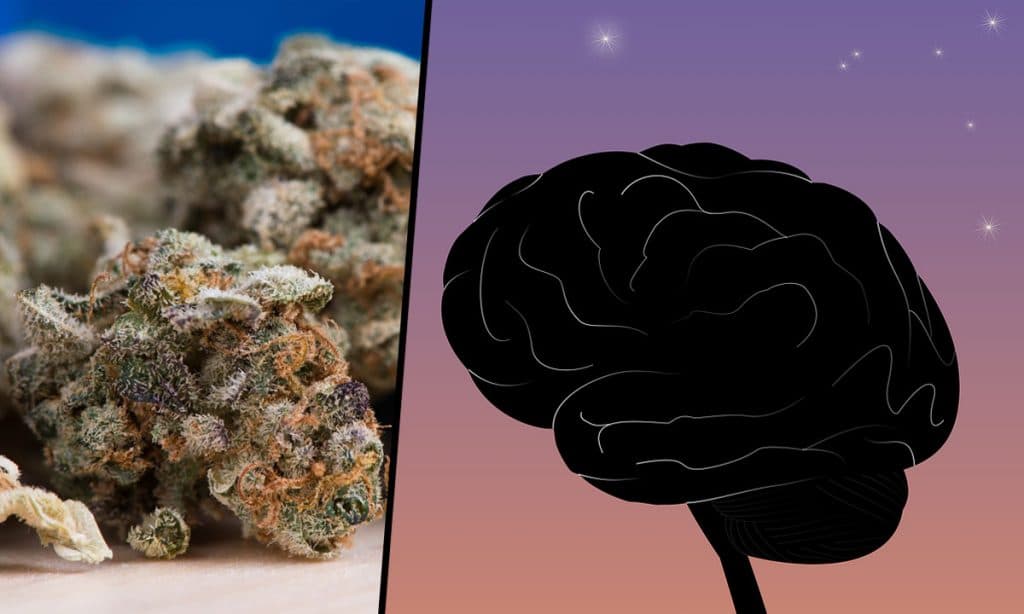
Marijuana
Photos: msqrd2 via Pixabay; 95C via Pixabay

Additionally, opioids can weaken certain regions of the brain, especially regions that control blood and heart circulation. Due to this weakening, one’s blood pressure can plunge to unsafe levels. Regarding other substances like alcohol, overdoses and deaths can occur. When one dies from an alcohol overdose, the body is unable to get rid of the excess alcohol from the liver. From here, alcohol makes its way to certain brain regions and disrupts the same areas that opioids do aka the parts that regulate breathing, blood, and heart circulation. Then, this causes those regions of the brain to completely shut down.

Whereas, with cannabis, the opposite occurs. Since cannabinoid receptors aren’t present in the brainstem, the parts of the brain that control breathing, blood pressure, and heart rate aren’t affected by cannabis consumption. In the past, it was found that our brains produce a hormone known as pregnenolone, which acts as protection from cannabis’s psycho-active effects. Once THC binds to the appropriate receptors, pregnenolone is produced and released, which hinders the impact THC has on the brain. Thus, many people believe that this can prevent cannabis consumers from getting too high.

Overall, the brain works differently when cannabis is consumed as compared to when other substances are consumed. When cannabis is ingested, the chemicals within it spread into the body’s central nervous system, the brain, and they attach to the body’s cannabinoid receptors. However, it’s still possible for people to get high to the point of experiencing paranoia, anxiety, psychosis, and even hallucinations.

Why It’s Physiologically Impossible to Die from Cannabis

In addition, one reason why someone cannot physiologically overdose from cannabis is because of the body’s ability to create its own ‘endogenous’ cannabinoids, which are also found in the cannabis plant. In general, cannabis has a very low toxicity, and it presents extremely minor physiological risk, especially in comparison to other drugs like tobacco, alcohol, and opioids. It’s not possible to consume a lethal dose of cannabis and die. Also, certain cannabinoids like CBD have an incredible safety profile as well as a non-addictive and non-toxic makeup.

RELATED: Proof That Marijuana Is More Than 100 Times Safer Than Alcohol

Thus far, according to the Centers for Disease Control & Prevention, there have been zero reported nor documented overdose deaths due to cannabis usage. This is mostly due to cannabinoid receptors located in areas other than the brainstem. Hypothetically, in order for someone to die from cannabis, one would have to ingest 1,500 pounds of the herb in fifteen minutes, according to David Schamder, a popular cannabis author.

What to Do If You’re Too High

Photo by Tobias Tullius via Unsplash

Moreover, although an individual cannot overdose and die from cannabis consumption, they can still get extremely high. If one consumes too much cannabis, it’s possible to feel anxious and experience shaking hands and an increased heart rate. However, this feeling will pass, and eventually, the high will wear off. In the meantime, there are a few tips you can try if and when this happens to you or a loved one. For starters, don’t panic because this will make everything worse and more stressful. A handful of other tips include the following:

  • Take a nap or lay down
  • Drink water to stay hydrated—several glasses of water can help counteract the high and help lessen negative effects
  • Eat some of these snack foods—nuts, seeds, coconuts, avocados, or fruit
  • Talk to a friend or loved one who can calm you down
  • Listen to relaxing music or sounds that soothe you
  • Munch on some black peppercorns—some people have reported that chewing peppercorns have counteracted the effects caused by too much THC
  • Consume CBD — It’s has been found to counteract the effects of too much THC

In sum, although it’s possible to get very high and experience adverse effects if too much THC is consumed, one cannot overdose and die from cannabis unlike other drugs. Thanks to our endocannabinoid system and the special placement of cannabinoid receptors, physiologically, cannabis usage doesn’t lead to fatality. If you’ve ever been uncomfortably high before, you understand that eventually, the high wears off, and your body balances out. Comment below about an experience of yours where you were too high and what helped you get through it.

When It is Hot, How To Use Make-up to Look Hotter

0

Summer is the time of shorts, sleeveless, boat rides and fun. You want to look your best, but with these heat waves, it is putting a bit of a crimp on your look. Don’t worry, we got you, when it is hot, how to use make-up to look hotter. In regards to face and makeup, you have 4 enemies to face this summer: Water, Heat, Oils and Sweat.

Water

Water hydrates your skin from the inside, but melts everything on the outside. Since no one wants to get into the ocean looking like Ariel from “The Little Mermaid”, only to get out looking like the girl from “The Ring”, the easiest solution is to use waterproof products.

Photo by Nicole De Khors via Burst

Heat

Summer heat can transform you from looking smoking hot… to a hot mess, so keep it simple when it comes to foundations and DON’T layer. Always remember, less is more and more is more than you need. Say “No! No!” to foundations, and “Sí! Sí!” to CC creams! Color Correcting creams are water resistant, SPF 30-50, full coverage and will give you all the life you need.

RELATED: Travel Makeup: How To Survive The Packing Nightmare

Oils

What you can’t forget is that waterproof products can only be fully removed with oil-based removers. What you might forget is that our pores are also producing oils and you may find your makeup start to run down your face, neck, knees and toes. If you have used all waterproof liners and mascaras but within hours you look like a raccoon then there is not much you can do but to invest in lash tints and extensions.

This Woman Put Her Face Full Of Make-Up Under A Microscope
Photo by Matthew Henry via Burst

Sweat

In the event you start sweating at an event, don’t panic; simply go to the nearest restroom, put your hair up, pull out your beauty blender and dab, dab, dab; never rub, rub, rub.

Good luck with your summer makeup and never forget “A smile has always been, and always will be, the best makeup.”

The Word ‘Marijuana’ Got Nixed From Billy Ray Cyrus ‘Old Town Road’ Remix

The country singer originally made a clever joke about his daughter Miley’s marijuana habit, though it didn’t make the final version of the song.

When Billy Ray Cyrus first heard Lil Nas X’s “Old Town Road,” he didn’t think there was anything he could add to it. Columbia Records had approached the country singer about adding a verse, but he thought it was already “a hit, and I thought it was done,” Cyrus said in a recent radio interview.

But eventually Cyrus agreed to adding his spin on the track, and wrote a verse in “about 8 to 10 minutes.” The recording company loved what Cyrus had created, but they had one small objection to the original verse—they didn’t like when he mentioned “marijuana.”

RELATED: Stunt Swag: Noah Cyrus Is Selling Her Tears For $12K

“For some reason I thought it was funny to say, ‘Baby’s got a habit: diamond rings and marijuana,’” Cyrus told Taste of Country Nights host Evan Paul.

Paul immediately started cracking up, causing Cyrus to exclaim, “See, it is funny! That song could’ve done something if they kept that in there.”

Chances are you’ve heard the updated lyric of “Old Town Road,” which has ranked number one on the Hot 100 charts for over 17 weeks now. Unfortunately, the studio heads didn’t think “marijuana” was appropriate to keep in the song. Instead, a producer suggested to Cyrus he change “marijuana” to “Fendi sports bra,” and the lyric stuck.

“She said, ‘What about Fendi sports bra?’ And I said, ‘I don’t know what that is, so it’s probably good,’” Cyrus revealed.

Of course, the joke of “Baby’s got a habit: diamond rings and marijuana” is still pretty great. For anyone unaware, the “baby” in Billy Ray Cyrus’ lyric refers to his daughter Miley, an on-again, off-again marijuana fan. To be fair, Miley’s parents are pretty big fans of marijuana, too. She ousted her parents last year as growing their own cannabis and smoking plenty of it, too.

RELATED: Miley Cyrus Blames Her Mom For Being Back On The Weed

When news of their habit spread, Billy Ray Cyrus posted an image of Miley’s mom Tish in front of bags and bags of bud.

Maybe the lyric should’ve been, “Whole family’s got a habit: diamond rings and marijuana.” That would at least be accurate.

5 Everyday Situations That Are Great Excuses To Meditate

Meditating is an extremely relaxing experience, but one that demands your time and attention. Here are 5 opportunities to sneak in some much needed relaxation.

If you want to become one of those laid back people who can regularly and easily meditate (yes, one of the those people), it’s important for you to prioritize this practice and to put it at the forefront of your mind.

Much like developing a reading habit or catching up on copious amounts of TV, meditation asks that you create a space for it in order for it to become a part of your routine. While you don’t have to meditate it every day, the practice works best if you set weekly goals and if you challenge yourself to do more.

Here are five everyday opportunities that lend themselves to meditation.

While commuting to work

Checking emails during commute should count as part of the working day
Photo by rawpixel.com

RELATED: 6 Ways Meditation Can Drastically Improve Your Work Week

Believe it or not, there are benefits to having a long work commute. If you’re riding public transportation this time can be used to read, watch some TV or listen to music. With a good pair of noise cancelling headphones it can also be used to complete a brief three or five minute meditation, leaving you feeling invigorated for the start of your work day.

After having a great day

Meditation shouldn’t only be used when faced with stressful and negative emotions. If you’ve just had a great day, take a couple of minutes to meditate in silence in order to prolong these positive feelings for a little while longer.

Photo by rawpixel.com

While going through a stressful situation at home

We go through stressful moments all the time, be that while living with our parents, roommates, a partner or even while living alone. If you had an argument with someone or are experiencing some tensions with them, take a couple of minutes to meditate before you lock yourself inside your room. Doing this will recenter you and give you some calm and clarity before engaging with them.

After a stressful day at work

be less stressed
Photo by caio_triana via Pixabay

RELATED: Using Marijuana For Better, More Relaxing Meditation Sessions

Sometimes it’s very hard to shake off work at the end of the day, making you feel anxious and checking your emails every five minutes while at home. Meditation can help ground you and give you some perspective, reminding you that the work day is over and that tomorrow you’ll have the chance to fix whatever needs fixing.

Before a date or meeting that causes you anxiety

If you’re someone who gets anxious easily, meditation can help you control and rein in these feelings, especially if you practice regularly. Take a few minutes before important meetings or dates that cause anxiety in order to tune in with yourself and listen to your own body.

Macaulay Culkin Hilariously Responds To ‘Home Alone’ Reboot; Did Taylor Swift Just Come Out Of The Closet?

Macaulay Culkin has a grown up response to news that Disney is remaking the movie that made him a child star; and people want to know what’s up with T-Swifts “proud” bracelet.

Did Taylor Swift just come out of the closet?

Via Queerty:

Singer/songwriter Taylor Swift has caused an Instagram stir that has fans convinced she’s just come out of the closet as bisexual.

Swift posted a photo of her wrist covered in bracelets, with several spelling out the names of things she loves. That included the name of her cat Benji, and “Fearless,” the title of her second album.

https://www.instagram.com/p/B0yzUuGjB7q

Fans quickly took notice of one bracelet which read “Proud,” and which also featured pink, blue and purple beads, which happen to also be the colors of the bisexual Pride flag.

This isn’t the first time Swift has hinted at possible bisexuality. In the video for her song “You Need to Calm Down” she also wore a wig which featured the colors of the bisexual flag.

Swift has proven herself, if nothing else, a strong ally to the LGBTQ community. This June, she released “You Need to Calm Down” on Donald Trump’s birthday, and with a video featuring a number of out-queer celebrities, including Ellen DeGeneres, Laverne Cox and RuPaul. The video also encouraged fans to support the Equality Act, which would bar discrimination of LGBTQ people in all 50 states.

Macaulay Culkin hilariously responds to ‘Home Alone’ reboot plans

Via Certified Pop:

Disney’s announcement that it will reboot Home Alone for the Disney+ streaming device drew metaphorical groans from film purists and fans of the 1990 original. Now Kevin McAllister himself has weighed in.

Macaulay Culkin, who leaped to child stardom as the precocious kid who outsmarts two bungling burglars in the family favorite, took to social media to share his hilarious response to Disney’s news.

According to Culkin, who will turn 39 on Aug. 26, Kevin is still pigging out unsupervised in the living room. We can only assume he’s streaming Angels With Filthy Souls on that laptop, right?


How To Naturally Beat Nicotine Addiction With Cannabis

Over 500K die from tobacco-related diseases annually, while many others suffer from nicotine dependence and addiction, how can this be stopped?

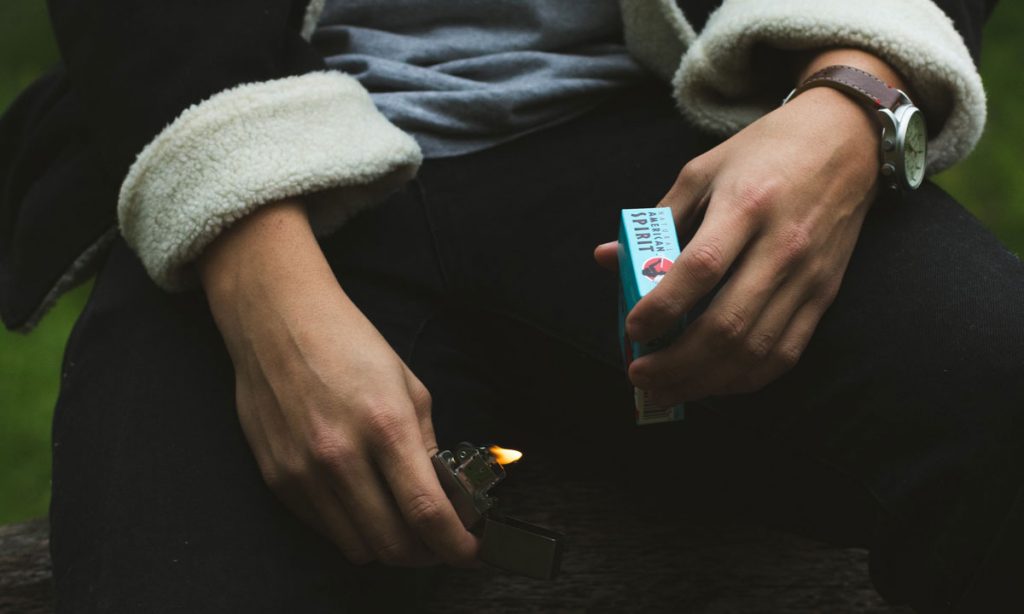
Not so long ago, tobacco was mainly consumed through cigars, pipes and chewing tobacco. Today, that list has grown to include synthetically manufactured cigarettes. As a result of this harmful habit, roughly 1 in 5 deaths that occur in the U.S. each year are caused by tobacco consumption. It has also been found that cigarette smoking is the top leading cause of premature deaths. It’s even the top preventable disease in America and several other countries. So how to naturally beat nicotine addiction with cannabis.

Not only do thousands of people die from tobacco-related diseases annually, many suffer from nicotine dependence and addiction, which can severely impact their well-being and quality of life. One treatment method that can help individuals beat nicotine dependence and addiction is via cannabis and cannabidiol (CBD) usage.

Important Takeaways About Nicotine Dependence—What Tobacco Consumers Should Know

Nicotine is normally defined as a certain type of chemical that possesses nitrogen. Various plant species produce nitrogen including the tobacco plant, which possesses a significantly larger amount of nicotine than in other foods and plants like potatoes and eggplant. Unfortunately, though, it’s very possible for people to become dependent and addicted to nicotine. Oftentimes, tobacco is synthetically manufactured in the form of cigarettes, which can be more addictive than other forms of tobacco.

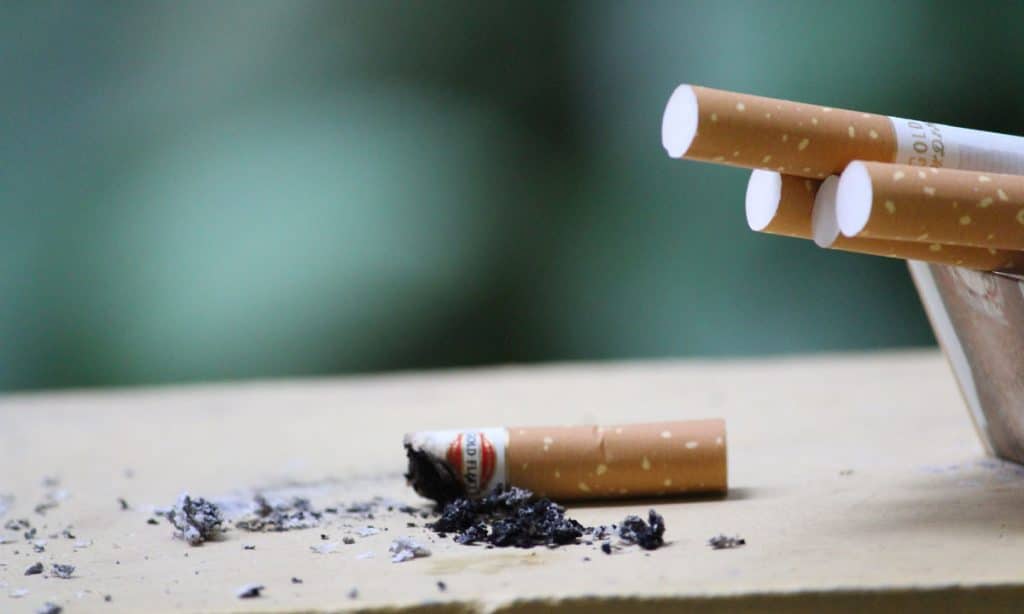
Cigarettes
Photo by Basil MK via Pexels

In addition, nicotine dependence refers to one’s addiction to tobacco products that contain large amounts of nicotine. The dependency comes into play when an individual cannot stop consuming the product or chemical despite understanding how harmful it is. Nicotine creates and delivers results in the form of mind-altering feelings and physical effects within the brain, which leads to short-term pleasure. This ensures that the individual will keep wanting to consume tobacco that contains nicotine, which then results in a dependency problem. When one smokes tobacco, dopamine is released within minutes, and this supports smokers’ urge to keep consuming tobacco.

RELATED: CBD: The Next Weapon In The War Against Opioid Addiction?

Furthermore, one study mentioned that ingredients of cigarette smoke besides nicotine contribute to nicotine addiction. The same study stated the following: “In addition to delivering nicotine to the brain quickly, cigarettes have been designed with additives and engineering features to enhance its addictiveness.” Similarly, the study mentioned that nicotine’s speedy absorption rates and access into the brain produce an intense ‘rush’, which strengthens the drug’s effects. It has also been found that when nicotine is inhaled, it enters the body’s lungs and travels to the brain within seconds. Thus, people get hooked on this feeling, the rapid ‘rush’, and they crave to feel like this time and time again.

The Impact Nicotine Dependence Has on Tobacco Users’ Well-being

For years, various scientists and researchers have examined the impact nicotine can have on the brain, the body’s different systems, and functions. Sadly, nicotine dependence and addiction can significantly harm one’s quality of life, well-being, and physical, mental, and psychological health. When one is dependent on nicotine, they can experience physical and behavioral changes in the form of altered habits, routines, and emotions.

Many of these behavioral changes associated with smoking tobacco products can potentially become triggers, which could then stimulate strong tobacco cravings despite how long it has been since the user has smoked. Ultimately, it’s essential to understand which triggers affect a tobacco user, so they can choose the most appropriate treatment method to help combat nicotine dependence or addiction.

RELATED: The Startling Health Effects Of Mixing Tobacco And Marijuana

Since nicotine creates and delivers mood-altering feelings and physical effects within the brain, short-term pleasure occurs, which keeps users craving for more. When tobacco smoke is inhaled into the lungs, nicotine is even more addictive because this method quickly releases nicotine into the body’s blood, which allows it to reach the brain within seconds of inhaling one puff. Unfortunately, smoking tobacco can negatively impact all the body’s systems, which can then lead to the following health issues: lung disease, cancer, strokes, heart disease, cardiovascular disease, reproductive disease, osteoporosis, cataracts, etc.

Although nicotine dependence can deliver physical and mental health issues, it can also deliver psychological issues like depression, anxiety, emptiness, moodiness, and irritability.

Life-altering Nicotine Withdrawal Symptoms & Treatment Methods

Moreover, annually, only about three percent of tobacco smokers succeed in quitting and stick with it. When one tries to quit, they experience different withdrawal symptoms. There are numerous nicotine withdrawal symptoms with some of them being mood swings, isolation, worthlessness, low self-esteem and self-confidence, irritability, and anxiety. It’s even possible for nicotine withdrawal symptoms to manifest into impatience, frustration, sleeping difficulties, anger, and concentration issues. Once one decides to quit smoking though, they normally experience physical and mental withdrawal symptoms such as depressed moods, diarrhea, severe cravings, elevated hunger, and restlessness.

Study: Cannabidiol Shows Promise As Treatment For Tobacco Addiction
Photo by christian acosta via Unsplash

Fortunately, though, there are various treatment options available, especially for those suffering from nicotine withdrawal symptoms. A few treatment options consist of the following:

  • Medications (patches, gums, lozenges, inhalers)
  • Support groups, counseling, or stress management workshops
  • Acupuncture
  • Yoga
  • Essential oils and herbs
  • At-home changes (healthy eating, more exercise, staying busy during usual smoking times, and avoiding certain triggers)
  • Electronic cigarettes
  • Cognitive retraining
  • Drug therapy or aversion therapy
  • Forms of therapy measured by PET imaging
  • Cannabis and cannabidiol (CBD) consumption

Cannabis and CBD for Combating Nicotine Dependence & Addiction

Besides the available traditional treatment methods, cannabis and CBD can help treat many nicotine withdrawal symptoms without further harming the individual. In recent years, different research findings have revealed that cannabis isn’t as addictive as several other illegal substances. Specifically, CBD is non-addictive and non-psychoactive, and one study found that it could help reduce addictive behavior and control addiction, especially nicotine addiction. It has also been discovered that CBD can help control nicotine addictive habits.

One 2013 study that focused on addictive behaviors demonstrated that whole plant derived CBD helped lessen smokers’ tobacco usage, especially users that were nicotine dependent. The study’s participants who used a CBD inhaler demonstrated a 40 percent reduction in the number of smoked cigarettes compared to the subjects who used the placebo.

RELATED: Study: Cannabidiol Shows Promise As Treatment For Tobacco Addiction

Furthermore, cannabis and CBD can help alleviate and treat the following withdrawal symptoms associated with nicotine dependence and addiction: headaches, irritability depression, anxiety, sleeping difficulties, panic attacks, restlessness, and cravings. Fortunately, there are different cannabis strains that can treat symptoms due to nicotine dependence and withdrawal such as the following:

To alleviate moodiness and irritability: Pineapple Kush, Blue Dream, & Harley Mandala

To relieve headaches: Purple Haze, Green Crack, Lemon Kush, & G6

To relieve sleeping difficulties: Skywalker, Granddaddy Purple, & God’s Gift

To avoid additional lung irritation and worsening of existing respiratory issues, it’s suggested that tobacco users consume cannabis and CBD via vaping, oral ingestion, transdermal administration, or topical administration instead of smoking. It’s crucial to experiment with different strains and consumption methods to find which ones work best for you.

Although nicotine dependence and addiction are more prevalent in people with substance-abuse disorders or mental illnesses, anyone can become hooked on nicotine. To avoid harmful tobacco-causing diseases from occurring and a poor quality of life, it’s recommended to quit the consumption of tobacco, especially smoking.

Since cannabis and CBD can naturally help you through this process by relieving negative withdrawal symptoms and improving your well-being, why not try it? You’re strong enough to beat nicotine dependence and addiction, and with cannabis and CBD on your side, you can get back to the best of health, but you must believe it yourself.

Telling Your Anesthesiologist About Marijuana Use?

Medical professionals must adjust their operating procedures for marijuana users, especially if your procedure involves anesthesia.

Doctors from Colorado are advising patients to disclose their cannabis use before undergoing surgery, regardless if it’s a routine or major procedure. As marijuana use becomes more widespread in legalized states, doctors, nurses, and anesthesiologists must adjust their practice to safely accommodate the needs of patients.

The biggest reason medical pros need to know about a patient’s cannabis use involves the potential increase of sedation marijuana users (specifically the habitual users) might need and how to safely treat them in recovery. Doctors in Colorado currently enjoy the advantage of legalization, as their patients feel more comfortable disclosing their marijuana use.

The National Survey on Drug Use and Health reported that 17% of Colorado residents had consumed cannabis in the past 30 days in 2017, a considerable jump from the 8% reported in 2006. Across the nation, only 9% of Americans admitted to marijuana use in the past 30 day in 2017.

opioid abuse
Photo by sasint via Pixabay

“It has been destigmatized here in Colorado,” Dr. Andrew Monte, an associate professor of emergency medicine and medical toxicology at the University of Colorado, told Kaiser Health News. “We’re ahead of the game in terms of our ability to talk to patients about it. We’re also ahead of the game in identifying complications associated with use.”

RELATED: How to Start Talking to Your Doctor About Cannabis and CBD

Monte and Kaiser Health News pointed to a small Colorado study on propofol, a common sedation drug. The study analyzed 250 medical records on a routine medical procedure involving propofol, and compared between cannabis users and non-cannabis users. On average, cannabis users required three times the regular amount of sedation to non-cannabis users. That increased sedation made the study’s authors question what potential risks, particularly with regards to breathing problems, were to be considered when treating marijuana users.

To catch up with the changing trends, the American Association of Nurse Anesthetists has updated its guidelines to include treating habitual marijuana users. In these cases, nurse anesthetists must take special care in keeping patients airways clear and avoiding drugs that might affect heart rate.

RELATED: Not Telling Your Doctor About Marijuana Use Can Hurt You

Still, more research is needed to accurately determine how medical professionals should treat patients. For now, doctors are urging their patients to inform them of marijuana use so they can adjust accordingly. Otherwise it could hurt more than help you.

“We really don’t want patients to feel like there’s stigma. They really do need to divulge that information,” Linda Stone, a certified registered nurse anesthetist in Raleigh, North Carolina, told Kaiser Health News. “We are just trying to make sure that we provide the safest care.”

Why Losing A Dog Can Be Harder Than Losing A Loved One

Perhaps one reason our relationships with dogs can be even more satisfying than our human relationships is that dogs provide us with such unconditional, uncritical positive feedback.

Recently, my wife and I went through one of the more excruciating experiences of our lives – the euthanasia of our beloved dog, Murphy. I remember making eye contact with Murphy moments before she took her last breath – she flashed me a look that was an endearing blend of confusion and the reassurance that everyone was ok because we were both by her side.

When people who have never had a dog see their dog-owning friends mourn the loss of a pet, they probably think it’s all a bit of an overreaction; after all, it’s “just a dog.”

However, those who have loved a dog know the truth: Your own pet is never “just a dog.”

RELATED: This Is Why We Value Dogs More Than Cats

Many times, I’ve had friends guiltily confide to me that they grieved more over the loss of a dog than over the loss of friends or relatives. Research has confirmed that for most people, the loss of a dog is, in almost every way, comparable to the loss of a human loved one. Unfortunately, there’s little in our cultural playbook — no grief rituals, no obituary in the local newspaper, no religious service — to help us get through the loss of a pet, which can make us feel more than a bit embarrassed to show too much public grief over our dead dogs.

Photo by Xan Griffin via Unsplash

Perhaps if people realized just how strong and intense the bond is between people and their dogs, such grief would become more widely accepted. This would greatly help dog owners to integrate the death into their lives and help them move forward.

An interspecies bond like no other

What is it about dogs, exactly, that make humans bond so closely with them?

For starters, dogs have had to adapt to living with humans over the past 10,000 years. And they’ve done it very well: They’re the only animal to have evolved specifically to be our companions and friends. Anthropologist Brian Hare has developed the “Domestication Hypothesis” to explain how dogs morphed from their grey wolf ancestors into the socially skilled animals that we now interact with in very much the same way as we interact with other people.

Perhaps one reason our relationships with dogs can be even more satisfying than our human relationships is that dogs provide us with such unconditional, uncritical positive feedback. (As the old saying goes, “May I become the kind of person that my dog thinks I already am.”)

RELATED: Why You Shouldn’t Bury Your Pet In The Backyard

This is no accident. They have been selectively bred through generations to pay attention to people, and MRI scans show that dog brains respond to praise from their owners just as strongly as they do to food (and for some dogs, praise is an even more effective incentive than food). Dogs recognize people and can learn to interpret human emotional states from facial expression alone. Scientific studies also indicate that dogs can understand human intentions, try to help their owners and even avoid people who don’t cooperate with their owners or treat them well.

Not surprisingly, humans respond positively to such unqualified affection, assistance and loyalty. Just looking at dogs can make people smile. Dog owners score higher on measures of well-being and they are happier, on average, than people who own cats or no pets at all.

Like a member of the family

Our strong attachment to dogs was subtly revealed in a recent study of “misnaming.” Misnaming happens when you call someone by the wrong name, like when parents mistakenly call one of their kids by a sibling’s name. It turns out that the name of the family dog also gets confused with human family members, indicating that the dog’s name is being pulled from the same cognitive pool that contains other members of the family. (Curiously, the same thing rarely happens with cat names.)

It’s no wonder dog owners miss them so much when they’re gone.

Psychologist Julie Axelrod has pointed out that the loss of a dog is so painful because owners aren’t just losing the pet. It could mean the loss of a source of unconditional love, a primary companion who provides security and comfort, and maybe even a protégé that’s been mentored like a child.

Photo by Alvan Nee via Unsplash

The loss of a dog can also seriously disrupt an owner’s daily routine more profoundly than the loss of most friends and relatives. For owners, their daily schedules – even their vacation plans – can revolve around the needs of their pets. Changes in lifestyle and routine are some of the primary sources of stress.

According to a survey, many bereaved pet owners will even mistakenly interpret ambiguous sights and sounds as the movements, pants and whimpers of the deceased pet. This is most likely to happen shortly after the death of the pet, especially among owners who had very high levels of attachment to their pets.

While the death of a dog is horrible, dog owners have become so accustomed to the reassuring and nonjudgmental presence of their canine companions that, more often than not, they’ll eventually get a new one.

So yes, I miss my dog. But I’m sure that I’ll be putting myself through this ordeal again in the years to come.

[ Like what you’ve read? Want more? Sign up for our daily newsletter. ]The Conversation

Frank T. McAndrew, Cornelia H. Dudley Professor of Psychology, Knox College

This article is republished from The Conversation under a Creative Commons license. Read the original article.

Don't Miss Your Weekly Dose of The Fresh Toast.

Stay informed with exclusive news briefs delivered directly to your inbox every Friday.

We respect your privacy. Unsubscribe anytime.