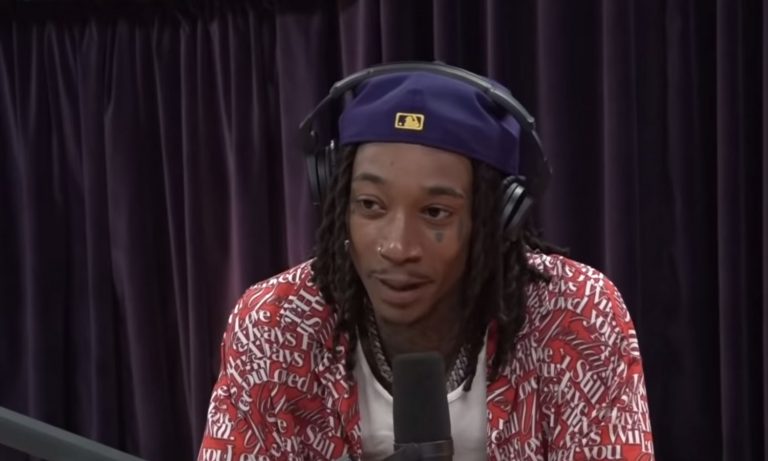
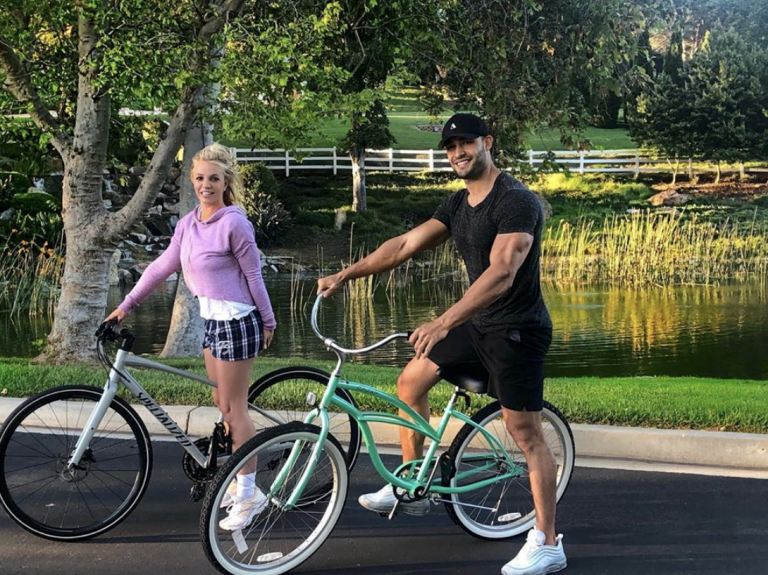
Even if you didn’t hear a single track from Wiz Khalifa’s catalogue of music, you’d still know one defining characteristic about him: this guy likes to smoke weed. His whole brand, after all, revolves around marijuana. He has an eponymous marijuana strain he developed —called Khalifa Kush — and his breakthrough mixtape into the mainstream was called Kush and Orange Juice.
On a recent episode of the “Joe Rogan Experience” podcast, host Joe Rogan asked Khalifa when his long-standing romance with cannabis began. That would be in high school at the age of 16, when Khalifa’s music career started taking off. He credits smoking cannabis with helping him “get through school because it made it tolerable.”
“For me, that was the bare minimum — to graduate high school. I could move on with the rest of my life after that,” he said. “Weed helped me get through high school. I ain’t gonna say that for everyone, but it helped me.”
Then again, Wiz Khalifa’s marijuana consumption is far from comparable to the average user. “We burning a cool ounce per day,” he told Rogan. (For the record, Rogan responded that was more like “a joint a day” for him.) And Khalifa recognized that health and wellness trends will move people away from smoking cannabis and consuming in different ways.
“Smoking pot is gonna be old school,” he said. “We’re still going to do it, but it’s totally moving to just ingesting it and rubbing it own. It makes people less scared of it and it works.”
The cannabis space is full of opportunities for bright young minds to bring innovation and a new way of thinking to an industry that is rather new and open to different perspectives. As such, Millennials have begun to make their mark within the cannabis industry, and their efforts are being recognized.
Here are three emerging and successful entrepreneurs who are making waves in the cannabis industry and modeling the way for both their successors and predecessors on how to make a serious impact in an emerging industry:
Karson Humiston, Founder & CEO, Vangst
Recruitment has become front and center with numerous platforms that aim to connect eager applicants with vacant opportunities within a growing and established companies.
Karson Humiston, with a background in student travel after founding On Track Adventures, Karson has gone on to become the Founder & CEO of Vangst, the cannabis industry’s leading recruitment and hiring platform.
Since launching in 2016, through Direct Hire & Vangst GIGS, Vangst has connected more than 10,000 people with jobs at over 650 leading cannabis businesses around the US and Canada.
Her accomplishments include raising $12.5M from leading tech and cannabis investors, including Lerer Hippeau and Casa Verde Capital. She was featured on the 2018 Forbes 30 under 30 lists.
Ryan Smith, Co-Founder & CEO, LeafLink
Companies that have aimed to streamline communications and operations processes within the cannabis industry have found great success. POS systems, inventory management systems, and internal/external communication systems are helping cannabis companies find efficiencies that in turn increase profit.
Ryan Smith is the co-founder & CEO of LeafLink, the cannabis industry’s wholesale marketplace. LeafLink connects thousands of cannabis brands and retailers and empowers them to streamline the ordering process, simplify communication, and spend less time on administrative work, so they can focus on growing their businesses.
Launched in Colorado in March 2016, LeafLink is now live in 20 territories across the United States and Canada. Under Smith’s leadership, LeafLink has raised $14 million in investor capital with the software helping cannabis retailers and brands to manage over $1B+ per year in orders.
Smith specializes in managing B2B firms and online marketplaces, successfully founding and exiting two companies, one of which he sold to an NYSE public firm. In 2016, he was the first CEO of a cannabis-facing company to be listed on Forbes’ 30 Under 30 list. In February 2018, LeafLink was the first company in the cannabis space to make Fast Company’s 2018 list of Top 10 Most Innovative Companies in Enterprise.
Aaron Riley, President & CEO @ CannaSafe
An important component of cannabis legalization has been product testing to ensure all that is sold to consumers are free of contaminants and pesticides while providing information on cannabinoid content for consumers.
With experience in the luxury car industry, Aaron Riley brings his business acumen to the cannabis industry in his role as President of CannaSafe, the first ISO accredited cannabis lab in the world. CannaSafe is a full-service testing lab offering a one-stop solution where cannabis cultivators and distributors can ensure they are in full compliance with all regulatory requirements and that their products are safe and effective for use.
Their 12,500 square foot lab facility, based in Los Angeles, CA, currently tests approx. 25% of all compliant batches in the state. The company has a second facility opening later this year. Riley obtained a Bachelor & M.B.A. from Jacksonville University, earning his way through college on a football scholarship. Under Aaron’s leadership, CannaSafe recently won Testing Facility of the year award for California by Dope magazine.
Follow in their Footsteps
Opportunities abound for emerging professionals within the cannabis industry. Green Market Report featured cannabis companies that are accepting summer internships for young professionals to get their foot in the door and follow in the footsteps of these three professionals under 3 who are getting noticed within cannabis.
Perhaps the Prince of Darkness isn’t the first person you’d expect to extend your sympathies, but from the sound of it, Ozzy Osbourne has been having a tough go this year. Osbourne had planned to tour significantly, but he’s since postponed all 2019 tour dates due to sickness and injury.
Pneumonia and a fall at home — in which his head smashed a bedside table, dislodging metal rods from a previous ATV accident years back — are to blame. But according to his wife and manager, Sharon Osbourne, Ozzy has turned to CBD oil to assist in his recovery.
“He’s off all of those [painkillers]. He had to have it after he was operated on the last time but now for pain, he has that CBD oil — whatever it’s called — and he’s dealing with it that way,” she said in an interview with Loose Women.
Ozzy has a history of addiction issues, which might explain why he’s opting for CBD oil instead of addictive opioids. In her interview, Sharon said he’s currently working with a physiotherapist as well. But Ozzy’s greatest difficulty, according to Sharon, might be the boredom of being stuck at home.
“He’s in terrible pain and his pain is, he’s not good at being at home. He prefers to be back with his band and he’s pining and it’s really—the challenge is not his injuries, it’s state of mind and keeping positive.”
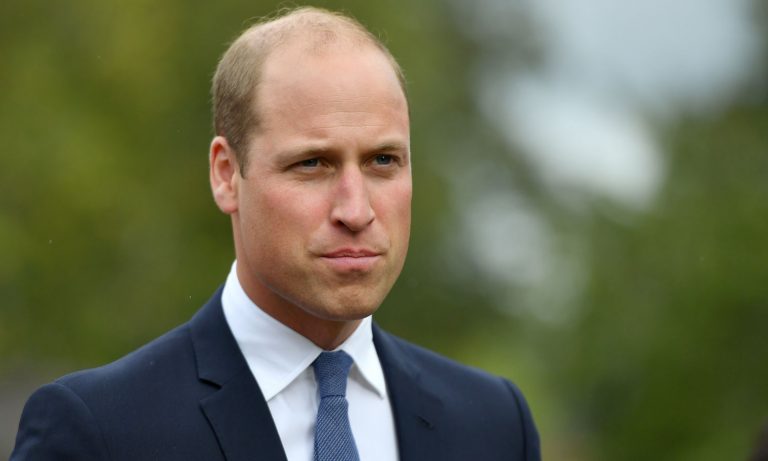
It’s almost common knowledge by now that Kate Middleton and Prince William broke up back in 2007, five years after the two started dating during their time at University of Saint Andrews. Some say Kate couldn’t take Will’s wandering eye, but others say she was flat-out dumped, plain and simple.
One of those is royal correspondent Richard Palmer, who told the Daily Express that Will was feeling claustrophobic in their relationship and called it off, however, it only took a week before the future King started missing Kate.
“Prince William enjoyed a lonely trip to the cinema to cheer himself up after refusing to rule out an eventual reconciliation with dumped Kate Middleton,” wrote Palmer, adding that William, accompanied by only his bodyguard, “snuck in to catch a late comedy film, Blades of Glory, after leaving his Army base at Covington, Dorset, for a quiet night out.”
The two got back together shortly after splitting and William proposed three years later in 2010. The couple got married the following year.
“I think at the time I wasn’t very happy about it, but actually it made me a stronger person, you find out things about yourself that maybe you hadn’t realized,” Kate said during a TV interview shortly after her engagement to William was announced.
“I think you can get quite consumed by a relationship when you’re younger.
“I really valued that time for me as well, although I didn’t think it at the time!”
Pending the signature of Gov. J.B. Pritzker, Illinois will become the 11th state in the country to legalize recreational marijuana. Late last week, both the Illinois State Senate and House approved legislation that will create a commercial recreational marijuana industry. Included in the bill is a social equity program that will provide benefits and potentially business incentives to those directly affected by the War on Drugs in the state.
This marks the first time a state has legalized commercial marijuana sales through the legislature instead of voter initiative. In 2017, Vermont lawmakers legalized recreational marijuana possession, but did not approve any legal apparatus for cannabis sales. Pritzker, who campaigned on pushing recreational marijuana legislation in his gubernatorial race, issued a statement promising to sign the bill once it hits his desk.
Pritzker labeled Illinois’ marijuana legislation as “the most equity-centric approach in the nation.”
“This will have a transformational impact on our state, creating opportunity in the communities that need it most and giving so many a second chance,” Pritzker said in the statement.
The bill will go into effect Jan. 1, 2020. Under the program, Illinois residents 21 and older can legally possess 30 grams of cannabis, 5 grams of concentrate or 500 mg of THC within infused products like edibles. Meanwhile, Illinois visitors will be able to possess 15 grams of cannabis.
The bill takes effect Jan. 1 and would allow residents age 21 and older to legally possess 30 grams of cannabis, 5 grams of cannabis concentrate or 500 milligrams of THC contained in a cannabis-infused product. Nonresidents could possess 15 grams of cannabis. Initially, medicinal marijuana dispensaries will be the only licensed sellers of recreational cannabis, though more licenses are expected to be handed out in mid-2020.
Under the social equity program, past convictions for possession of 30 grams or less will be pardoned by the governor and records will be expunged by the attorney general. Any possession conviction above 300 grams and up to 500 grams can be petitioned for expungement. Prosecutors may object to the petition, though judges will make the ultimate decision.
“Illinois has put in place a set of equity provisions that should serve as a national model for other state legislatures grappling with how to redress the harm caused to communities targeted in the drug war,” said Steve Hawkins, executive director for the Marijuana Policy Project, in a statement. “The expungement remedy in the Illinois bill is truly historic.”
“This is a measure that will improve people’s lives on a level commensurate with the devastation wrought by prohibition,” he added.
iTunes, one of Apple’s flagship apps, is finally phasing out.
After two decades of iTunes having a key placement within Apple devices, Bloomberg reports that the company will now replace it with three separate apps for all Mac laptops. These apps are called Music, TV and Podcasts.
iTunes has long been criticized for being a bloated app, containing a lot of important information mixed in with features that are no longer relevant. On a statement to Pitchfork, Apple said that users will continue to have access to their music library through the Music app, “whether they downloaded the songs, purchased them or ripped them from a CD.”
iTunes was released in 2001, during a time where the music industry was battling online piracy and file sharing sites. The iTunes store was a great step forward, changing the music industry and positively influencing the business, providing an easy and intuitive solution for distributors and buyers alike.
Over the years, some of iTunes’ key features have been handed over to Apple Music, the music subscription service that Apple has worked hard to build as their flagship music provider and as a rival for Spotify. The announced Music app will now take over some of iTunes features like managing Apple devices.
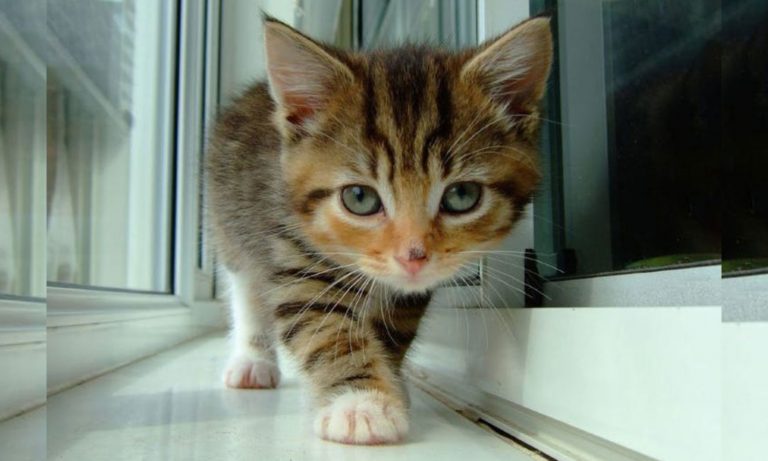
According to ReelSEO.com, a website about video marketing, there are more than two million cat videos on YouTube. People have watched these videos more than 25 billion times, which equates to an average of 12,000 views per cat video.
The statistics speak for themselves, but they don’t tell the whole story.
Perhaps it’s because I’m a dog lover with a cat allergy, but the staggering amount of cat media available to internet users came as a surprise to me. With numbers like that, I couldn’t help but wonder: who, exactly, is so drawn to this type of content? And what effects do cat-related media have on viewers?
These were the overarching question that spurred my initial quest to gather empirical data on the internet cat phenomenon. I scoured academic databases to see what the literature could tell me, but found no existing data about why people watched so many cat videos online, or what effects these videos might have on us.
My neighborhood internet celebrity feline – the adorable Lil Bub, who happens to also live in Bloomington, Indiana – shared the link on her website after I launched an online survey. With Bub’s help, the survey quickly garnered nearly 7,000 respondents.
The results from this exploratory study suggest that certain people are, in fact, more likely than others to view copious amounts of internet cat videos. It also showed that cat videos can positively influence the emotions of viewers.
According to my study, if you currently own or have previously owned a cat – or if you’ve volunteered to assist pets in the past year – you’re more likely to watch cat videos. Cat video viewers also spent more time online than other participants, tended to be more agreeable and shy, and felt they had adequate emotional support in their lives. However, emotional stability was negatively (albeit only slightly) related to watching online cat-related media.
The data also revealed information about the nature of audience interactions with online cat media. Three-quarters of respondents did not actively seek out cat content. Instead, they happened upon it in the course of their daily internet use.
This means that it’s hard to avoid internet cats, even if you want to.
Still, online cat videos aren’t all about passive consumption. Many people indicated they also produce their own cat-related media to post online, which often amass comments and likes. Online cat-media consumption is therefore an interactive process where media consumers can be media producers and media critics, all in the same space.
But I really wanted to learn what effects watching online cat videos might have on viewers.
People in my study reported experiencing more positive emotions and having higher energy levels after watching cat videos than before. They also reported lower levels of negative emotions after viewing online cat-related content.
In short, most of us get a little psychological “pick-me-up” when we watch Lil Bub climb the stairs or view a hilarious Grumpy Cat meme.
You might wonder: So what? Why does this study matter beyond its momentary entertainment value?
Well, we now spend more time with media than ever before. If – as my study suggests – part of that media diet includes cute pet videos, then it’s important to know how that specific genre impacts us psychologically if we want to truly understand the role of media use in shaping who we are.
Second, media is often criticized (sometimes rightfully so) for harming society – for making us violent, confused about science or even narcissistic. This study, though, indicates that media use can have a beneficial impact. Even a short-lived boost in one’s mood may help someone make it through a day or charge through an unpleasant task.
Because this study was an exploratory attempt to quantify an anecdotally popular activity, I don’t think it should be the final word on the role of pet-related media in our lives. Instead, it should be a springboard for more research.
Experiments that use control groups can test different types of cat videos (eg, humorous, cute, or inspirational) for differences in emotional reactions. Additionally, researchers could test if digitized cats or dogs can serve as a low-cost form of pet therapy for those who are allergic to real pets.
Cat videos are here to stay, so I hope researchers continue to study the potential “paw-sitive” effects of this type of media.
The gym is never as entertaining as running outdoors, but it does offer some benefits to those that live in areas where there’s weather to account for. Gyms are convenient, providing simple solutions for varied schedules and containing all that’s necessary for a complete workout. But they still can’t replace the benefits of the great outdoors.
Working up a sweat outside comes with its own set of challenges, but it’s an activity that should be pursued every once in a while, especially when it’s warm and nice out. This change of pace will help you feel invigorated, give you a break from the routine of the gym, and provide you with different health benefits. Here are 5 of them.
Different studies have proved that fresh air is good for your mental health, lowering your stress levels and positively improving your mood. If you spend long hours inside an office the benefits of outdoor runs are even greater, providing you with a healthy routine that can give you some much needed perspective and a mental break.
Grass, rocks and dirt make your runs more intense than the treadmill, making you more present and aware of your surroundings. Interval runs are also easier and more entertaining when you’re outdoors, using landmarks and hills as different ways of marking your runs and increasing and decreasing your speed.
Accounting for your daily vitamins is not as easy as you think, with 43% of Americans having a deficiency in vitamin D, according to one study. The sun is one of the best sources of vitamin D and running is an easy way of sneaking some in.
Running atop of ground and pavement activates more muscles on your body, making you work harder on your glutes and hamstrings since these have to push themselves. Different studies also show that outdoor runs are more successful in increasing leg strength and ankle flexibility when compared to treadmill runs.
A more distracting and entertainment environment helps people stay there for longer periods of time, which is why people who work out outdoors tend to burn more calories. You can’t hit the stop button even if you want to.
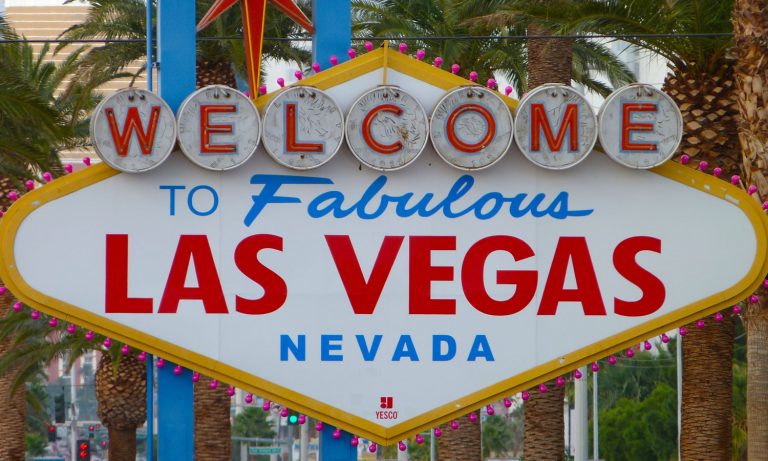
Although Las Vegas was set to open a slew of cannabis lounges in the coming months, giving pot consumers a place where they can smoke weed in a social setting, a bill being pushed through the Nevada Assembly could end up delaying this concept. Its success could mean that the millions of tourists that pour into Sin City may have to wait a few years before they have access to the Amsterdam-style consumption areas that many advocates say are needed right now.
It was just last week that lawmakers advanced a bill to the state Senate (39-1) intended to create a Cannabis Advisory Commission and Board. The goal of this action is to take cannabis licensing and regulation out of the hands of the Department of Taxation and give it to the board.
However, with this move comes a potential snag for cannabis lounges. An amendment attached to the bill would also postpone the launch of these venues in Las Vegas for two years to give the board time to research how these types of establishments should operate.
It was a wild card thrown down by the general counsel of Nevada Governor Steve Sisolak. “The governor believes that it’s better to address the issue of consumption lounges the right way than the quick way,” said Helen Kalla, a spokesperson for Sisolak’s office, according to the Reno Gazette-Journal.
If the amendment survives the Senate and moves on to the governor for a signature, it spells bad news for Las Vegas and its mission to bring cannabis lounges to the scene sooner rather than later. The amendment, which would supersede any local ordinance, would mean that the city could not move forward with this plan to set up consumption lounges until around July of 2021.
Las Vegas welcomes nearly 40 million tourists every year. For decades, these visits have been about gambling, fight nights and the kind of debaucherous affairs that gave birth to the phrase “What Happens In Vegas Stays In Vegas.” But ever since the state legalized marijuana for recreational use, people have been showing up in Las Vegas for legal weed. Unfortunately, without cannabis lounges, there is nowhere for these folks to go and consume the herb without breaking the rules.
This is the reason the Las Vegas City Council recently approved a measure to allow these lounges to emerge. “We can’t wait for the state to act,” Councilman Bob Coffin said last month before the vote.
Cannabis advocates are now concerned that the proposed freeze on Vegas consumption lounges is just the governor’s ploy to gain control over the situation. Some feel that if Nevada wants to study how cannabis lounges work, then it only makes sense to allow the Vegas ordinance to progress as planned.
“We should let that ordinance proceed so we can have some of these businesses open and use that data to inform this quote-unquote ‘study,’” said Scot Rutledge, a partner with Argentum Partners, a cannabis lobbying firm. “I don’t see how you can study a thing if you don’t have a thing to study.”
Some lawmakers do not agree with the moratorium at all. In fact, Assemblyman Al Kramer, the one vote against the measure, says there is no reason to build a “new bureaucracy.” He believes Las Vegas should get to move ahead with consumption lounges without the state playing interference.
But it is up to the Senate to determine what happens next.
Britney Spears offered fans some levity amid reports of her alleged struggles with her mental health.
The “Toxic” singer posted an Instagram video making goofy faces, captioning it, “.. after therapy and being too serious it’s so nice to be silly !!!!!”
Spears’ boyfriend, Sam Asghari, left her a supportive comment, writing, “Inspiring people to be themselves rather than trying to get others approval #humble #real.”
The 37-year-old pop icon canceled her “Domination” residency in Las Vegas before its kickoff after her father, Jamie Spears, suffered a ruptured colon. She spent time in a mental health clinic to cope with the stress associated with her father’s health issues.
Since then, Britney and her family members have reportedly been at odds over the terms of her conservatorship.
The singer’s finances and many of her day-to-day decisions have been under her father’s control since her breakdown in 2008.
A video clip appearing to show “Jeopardy!” phenom James Holzhauer’s historic run come to an end made the rounds Sunday on social media.
The minute-long snippet — believed to be a leaked clip from an episode expected to air on Monday — picks up as the contestants reveal their responses in the Final Jeopardy segment, and ends with the 34-year-old professional gambler in an unfamiliar position: Second place, trailing leader Emma Boettcher by $3,200.
Though Holzhauer offered the correct response — “Who is [16th-century English playwright] Kit Marlowe?” — the Las Vegas resident bet an uncharacteristically low sum.
“His wager, a modest one for the first time,” said an audibly surprised Alex Trebek, as it was revealed that Holzhauer had bet a conservative $1,399, bumping his score from $23,400 to $24,799.
Boettcher, who led with $26,600, sealed the deal and her place in game-show lore by also acing Final Jeopardy, wagering $20,201 to net a total of $46,801 — along with gasps from Trebek and the audience.
“Oh gosh! What a payday,” exclaimed Trebek, as Holzhauer strolled across the podium to give the giant-killer a sporting high-five. “What a game! Oh my gosh!”
The apparent stumble cuts down Holzhauer after a mind-boggling 32 consecutive wins, good for a total haul of $2,464,216, including the $2,000 he would receive for finishing second on Monday’s episode.
He comes up short, however, of besting legend Ken Jennings, who notched 74 wins good for $2,520,700 in 2004 — and marveled at Holzhauer’s run as “astounding.”