There’s always a time of the year in Florida when alligator sightings become more common, all with an added dose of strangeness. These alligators have a knack for appearing in the most unlikely spots, like under parked cars, outside county jails and within pools and homes.
Turns out there’s a couple of factors at work—a steamy concoction of horniness and heat. A bad combination of things, much more frightening when applied to scary reptiles with hundreds of teeth at their disposal.
According to experts, warm weather and the fact that it’s mating season for alligators makes these animals more likely to move around, looking for food and possible mates.
“They have to find some food so that’s when we’ll find them on sidewalks and people’s pools. They’re really just out there browsing around,” says Brian Norris, a representative from Florida Fish and Wildlife.
Among the many alligator sightings that have been reported throughout the season, there’s a 300-pound big boy who snuck inside a fenced pool, an alligator napping under a car conveniently parked outside a buffalo wings joint, and an ancient three legged giant who weighs 650 pounds and is estimated to be in his 60’s.
MASSIVE FLORIDA GATOR!? – Chelsea Brinson captured this huge gator talking a stroll in Fort Myers today! The video quickly went viral. The caption read: “Hey there buddy.” #OnlyInFloridapic.twitter.com/jEV31yGetj
In January 2019, Ontario announced an agreement with the federal government to inject another $100 million in fighting the crisis. These funds will likely be spent on safe injection sites, naloxone kits for emergency and medical personnel, public education about how to respond to an overdose and task forces to improve pain management.
I fear this focus on pain and overdose is a focus merely on the symptoms of a broader crisis — a crisis of under-managed mental illness and unresolved emotional trauma throughout Canada. Pain and substance use disorder are linked, but they are not synonymous. The opioid crisis is not, at its root, a problem of pain.
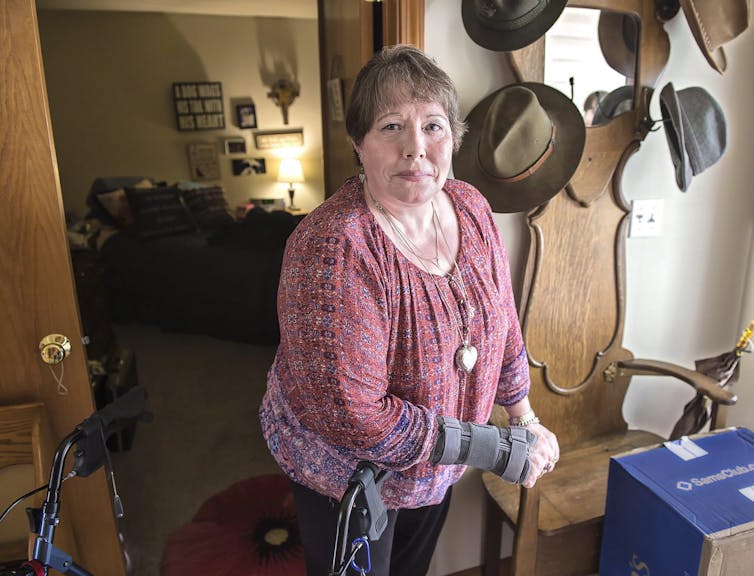
“Without pain meds, I cannot walk or accomplish even the simplest of household tasks. Going to the toilet will be beyond my capabilities. I have always employed narcotic pain meds to live as close to a normal life as is possible; without them I am only a burden to myself and others.”
As a physiotherapist, educator and pain researcher over the past 19 years I have heard this story, shared with me via email, countless times. In the shadow of the alarm over the opioid crisis, an important message seems to have been lost: many people live with daily pain and depend on opioid-based medications to live bearable lives.
(Bill Wagner /The Daily News via AP)
Many people find that opioid medications such as codeine, OxyContin, morphine or in some cases even fentanyl, can be effectively used in combination with other therapies like exercise, meditation or psychological counselling to maintain a tolerable quality of life.
Through no fault of their own, these people are now described in the same breath with sufferers of substance-use disorders. And they find themselves in the middle of a largely North American tug-of-war between policy-makers, doctors, pharmaceutical companies and the public. Many of them find themselves unable to access the prescription opioids they need to live bearable lives.
Record number of opioid deaths
When alarms were raised in 2015 about the growing rate of opioid overdose deaths, the discourse at the time almost exclusively focused on manufacturers of opioid-based pain medications like Purdue Pharma, and the doctors that prescribe them.
While there is merit to these arguments, making the opioid crisis almost exclusively about pain has given policy-makers license to focus on dangerous metrics. Most notably, many focused on counting the total number of opioid prescriptions.
So far it seems we are losing on both fronts — opioid poisoning continues while the burden of pain increases.
Vending machine opioids
The opioid crisis needs to be understood in the context of a diagnosable health condition now known as opioid use disorder (OUD). Chronic pain, on the other hand, is best thought of as an umbrella disorder — most commonly defined by the duration of pain — that can take many forms.
OUD is partly a disease of impaired impulse control, characterised by an inability to stop using opioids even when faced by clear evidence of harm. While it can affect people from any background, there are increasingly clear connections between OUD and environmental factors such as homelessness, poverty and interpersonal, intergenerational and childhood traumas.
Not surprisingly then, since the introduction of opioid-prescribing guidelines in 2017 we can see a shift in behaviour of those with unmanaged OUD. For example, recent trends have shown that the primary substance in opioid-related overdose deaths is now illicit fentanyl, a drug that was rarely prescribed by physicians even before the crisis started.
This means we are facing a very real situation in which some people can access opioids through a vending machine while those with uncontrolled pain cannot do so through their physician.
Let’s invest in mental health
The good news is that Ontario’s $100 million in government funds could have real impact if properly directed.
For example, advances in pharmacogenetics towards personalized medicine mean it may become routine care for doctors to prescribe the type and dose of opioids that will be most beneficial based on a patient’s genes. This line of research is also expected to improve doctors’ ability to identify those most vulnerable to substance use disorder through routine clinical screening.
This will help us get the right treatment to the right person at the right time and avoid potentially harmful treatments for those who may be at risk.
Other strategies could include investing in mental health services especially for at-risk youth. These services could arm them with resources needed to cope with trauma and stress and ensure access to alternative pain-management strategies such as physical therapy, mindfulness or cognitive behavioural therapies.
The focus on opioid prescriptions as a metric of success in the opioid crisis has not been successful. We need to think about a world after the opioid crisis has passed — to ensure that mental health services are available and that those who require opioids for intolerable pain have options.
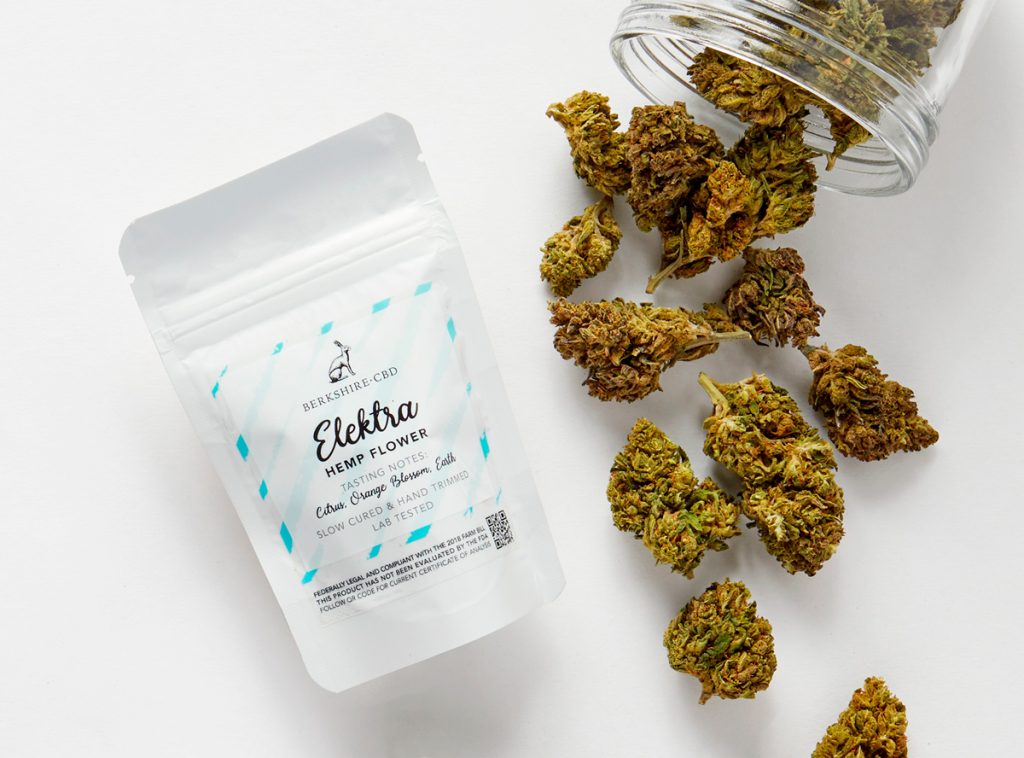
Hemp is enjoying its new legal status with a bang in mainstream culture. With the recent passage of the 2018 Farm Bill, CBD products are NOW everywhere. And one of the most captivating markets to emerge is the development of smokable CBD hemp flower; essentially low THC cannabis bred for its cannabinoid profile and cultivated exactly like a premium marijuana flower. Is CBD hemp flower the next big thing?
Because of the now legal status of hemp-derived CBD, cannabis growers are shifting focus from high tetrahydrocannabinol (THC) bud to cutting-edge hemp flower with that potent punch of beneficial CBD. For those who love to smoke and vape flower, this is the answer for consuming CBD, and taking advantage of everything the entourage effect provides. CBD hemp flower just like its high THC brethren provides full-spectrum benefits delivered in their most natural and powerful form.
Let’s define exactly what you will and won’t get from this premium hemp flower. What you will get is cannabis flower with potent non-psychoactive CBD at percentages that rival the lofty THC percentages in marijuana flower. What you won’t get is large doses of THC. To be legal, CBD strains must contain only 0.3 percent or less THC. This is not to say that the overall effect of hemp flower is not profoundly therapeutic. CBD flower is rapidly gaining popularity as the next gen for combatting anxiety, depression, insomnia and pain.
The names of the hemp flower strains are as iconic as their alter ego marijuana strains. Leading CBD flower strains include Elektra, Special Sauce, Sour Space Candy, Lifter, and Hawaiian Haze. More strains are in the research and development stage and will be hitting the market in the near future to satisfy demand.
The best part about CBD hemp flower is it can legally ship to your front door.
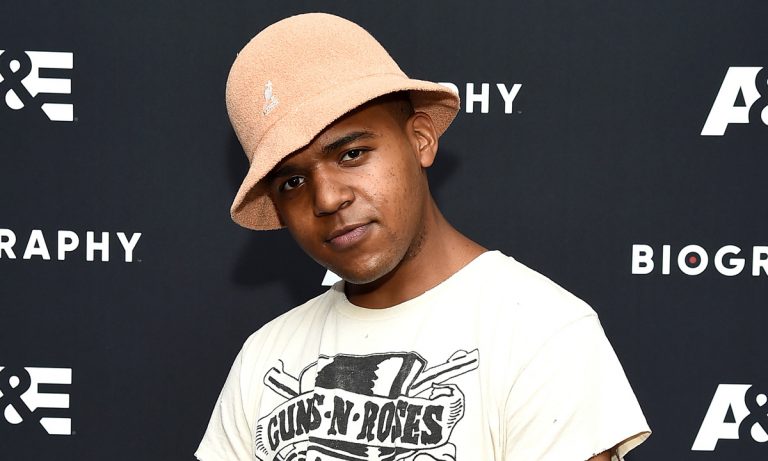
“It was all a dream.” So begins Notorious B.I.G.’s mega smash hit “Juicy,” but now his son CJ Wallace is bringing some of those dreams into reality. This week Wallace announced he’s launching a cannabis company in honor of his late father called Think Big, and revealed why he’s becoming an advocate for cannabis legalization.
Think Big—which Wallace founded along with his stepfather, music executive Todd Russaw and entrepreneur Willie Mack—will release cannabis products like pre-roll joints, gummies, vapes, apparel, and more. The company’s products will focus on marijuana’s ability to inspire “creativity, contemplation, and healing.”
Their first product, made in collaboration with Lowell Herb Co., is The Frank White Creative Blend pre-roll pack, inspired by Biggie’s alternate mafioso ego, Frank White.
“I’ve always been inspired by my dad and his alter-ego, by the ghostly figure of Frank White,” Wallace told Esquire. “I’ve always wanted to play with that, and this was my chance to do it. A lot of people don’t really know this, but my dad actually went to jail a few times. His longest stint was about nine months. And that’s when he made his decision to take his writing, his craft more seriously.”
Wallace also talked about growing up around the music industry (his mother is Faith Evans), and seeing artists like Usher, 112, and Whitney Houston in his house.
“We had this dope studio in the basement, and me and my brother and my sister, we were music heads,” Wallace said. “We were a musical family. We just loved being around that whole process. And cannabis was always part of the process.”
But Wallace was also careful in rolling out his new venture, wary of all the new cannabis companies and brands looking to cash in quick in the nascent industry. Wallace, along with his cofounders, believe that marijuana companies also have a responsibility to fighting for cannabis reform and expungement efforts. The companies who don’t participate are hurting the rest of the industry more than helping it.
“We talk about this almost every day now. Just every other brand that’s out there, if they don’t have a criminal justice angle, they’re doing a huge disservice to everybody,” he said. “Everybody has, or should have, a responsibility to speak on that and do as much as they can to correct those wrongs.”
Home is where the stoner is. If it’s not, maybe it should be, according to a new report that finds homeowners in states with recreational marijuana laws on the books are enjoying higher property values than those living in areas of prohibition. It’s just another sign that the business of growing and selling weed is not diminishing the pursuit for the American dream but rather providing more opportunities to live it.
A recent study from the folks at Clever Real Estate finds that property values in legal pot states are worth $6,000 more than in places where possession of the herb means living in a jail cell. This conclusion was made after analyzing data provided by the popular real estate website Zillow.
Researchers found that people who owned home in spots with legal marijuana experienced an increase of $6,337 in their property values between 2017 to 2019. This appreciation was actually more significant in those places where retail marijuana dispensaries were easily accessible. The study finds that these areas saw an increase of almost $23,000 over the past five years.
“States that legalize recreational cannabis see an immediate bump in home values following legalization, even without retail dispensaries opening up,” the report reads.
It was once believed that marijuana legalization would cause a deterioration in property values. Back before the first states moved to establish a taxed and regulated system on the drug back in 2012, there were concerns that legalization would open those areas open to less than desirable characters are sink the investments of upstanding citizens for years to come.
But the latest report seems to indicate that the complete opposite is happening—that communities and the homeowners that built them and welcoming more positives, which is translating to all good things in terms of property value. This is especially true for major cities where consumers are able to find legal weed as easy as other inebriating necessities of life in this day and age.
“The first two states to legalize recreational cannabis, Colorado and Washington, enjoyed the biggest increases of all since changing legislation to allow adult use cannabis sales and consumption in 2012,” according to the report.
Denver, in particular, has seen a significant boost.
“Since Denver retail dispensaries opened their doors on January 1, 2014, residential property values have increased 67.8%, the most significant growth in over two decades.”
Over the years, there have been reports of increasing crime rates in states that have legalized the leaf, yet there isn’t really any hard data that suggests this uptick in insanity is attributed solely to marijuana legalization. Furthermore, many state officials have said they are pleased by the results that legalization has had in their neck of the woods. So, without a doubt, “real estate investors can find blazing housing markets in cities where recreational cannabis is legalized,” the report finds.
Many cannabis users and fans follow their favorite canna-accounts on social media, but it’s not as simple as looking up your local fashion blogger or liquor brand. Facebook may be slowly peeling back the layers of prohibition just like the rest of society, but the power it wields over the reach of any given person’s brand or message can be astounding — it’s not always used for good.
Despite a reluctance to censor dangerous hate speech, Facebook and by default, Instagram, are plenty able to hinder sex workers, cannabis organizations, and even Black Lives Matter activists with their policies. This makes little sense, and has made plenty of people angry enough to leave the platforms, but given the degree to which we rely on social media for work, friendship, and even news and connection, there is a distinct cost to opting out.
In 2018 Marijuana Moment wrote, “Algorithms often block promotions for news articles or other noncommercial posts that merely mention “marijuana” or “cannabis,” a situation that often requires lengthy appeals processes to clear automatically flagged content that doesn’t actually violate terms of service.”
Though there is talk of loosening the reins, it’s mostly hearsay as Facebook doesn’t comment too much directly on their plans for cannabis or advertising policies in general.
We asked Cannaclusive co-founder and cannabis marketing pioneer Mary Pryor for some clarification. She says she isn’t as against the slow rate with which Facebook and Instagram progress on cannabis because of one important caveat — the illegality prevents the pay-to-play vibes that anyone else has to flex to get any traction on social media.
She told us, “Funny enough, I actually enjoy the provisions Facebook and Instagram place on cannabis brands. Relying on paid media and paid amplification is actually killing most publisher and consumer packaged goods brands on social. Those CPM [cost per mile] and CPC [cost per click] rates are quite expensive and display very minimal results.”
So while cannabis brands and companies can exist on social media, they aren’t subject to the same monetized game that other brands have to play. Pryor continued, “It takes a rather large budget for large brands to run full paid campaigns (over 50K across all of social). Utilizing influencers in authentic ways within the cannabis scene can be useful in the interim. And I think that brands need to drive more Into inclusive digital marketing organically before tapping into paid amplification in the first place.”
Pryor’s logic is pretty sound, there’s too many variables between states and without federal legalization. Cannabis is too small of an industry with too much to learn to dive right into Madison Avenue type of advertising, for the time being.
Wink products bring CBD into the hands of waiting consumers with unique products for all types of dosing. Their founder, Stacy Verbiest, has been vocal about what CBD can do for people with illness and pain, and her take comes from the experience of trying to reach consumers in spite of Facebook’s tough policies.
“The government will not allow companies to promote cannabis products through social media,” Verbiest told us. “Hemp products are federally legal, but since hemp is a species of cannabis, it is still prohibited. As a brand, Wink has developed a high level of professionalism online so our accounts will not be pulled. We do not cater to an underage audience and our posts are educational, not promotional and we do not advertise any products.”
It’s truly a shame that kids can be exposed to almost anything on the internet without proper monitoring, but people are worried about cannabis in particular because of decades of stigma. Cannabis, and in particular CBD, holds potential to help issues that children suffer from too, something that alcohol and tobacco could never do, despite that content regularly reaching their eyes.
Verbiest said, “Personally, I think the FDA is prohibiting the public from learning the medicinal benefits cannabis has to offer. The best channels to educate our country on cannabis is through social media and the press. Without these platforms, it is difficult for the consumer to know how to purchase and consume safe products.”
Cannabis advertising is already here in many forms, but it’s mainstream future is inevitably huge, whether the FDA or Facebook come around now or down the road, they’re going to have little choice.
CBD is a remarkable new health trend with many impressive qualities, but the promising research and buzz has led to a “Green Rush” — and just like the Wild West Gold Rush, there are snake oil salesmen everywhere, trading on flashy branding on empty promises, often with little quality control. Here’s how to cut through the noise and determine which CBD product will do the most for you.
What it actually does
CBD does a lot of cool stuff — supporting balance in the body’s root level operating system, the Endo-Cannabinoid System — but real medical studies are expensive, so only Big Pharma has earned the right to “treat or cure” specific conditions.
But there’s a pile of anecdotal evidence supportingCBD’s value in fighting stress and anxiety — and the science is there too, with preliminary studies suggesting that CBD can help people cope better with stressful situations.
CBD’s inflammation-relieving properties also account for some of its most intriguing applications. Chronic inflammation is implicated in a number of serious disorders from cancer to depression, in addition to ordinary lifestyle bummers like menstrual cramps, soreness after workouts and chronic pain.
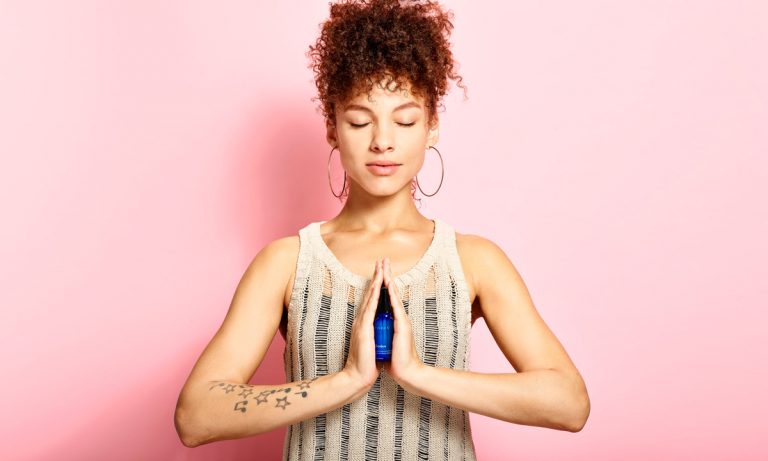
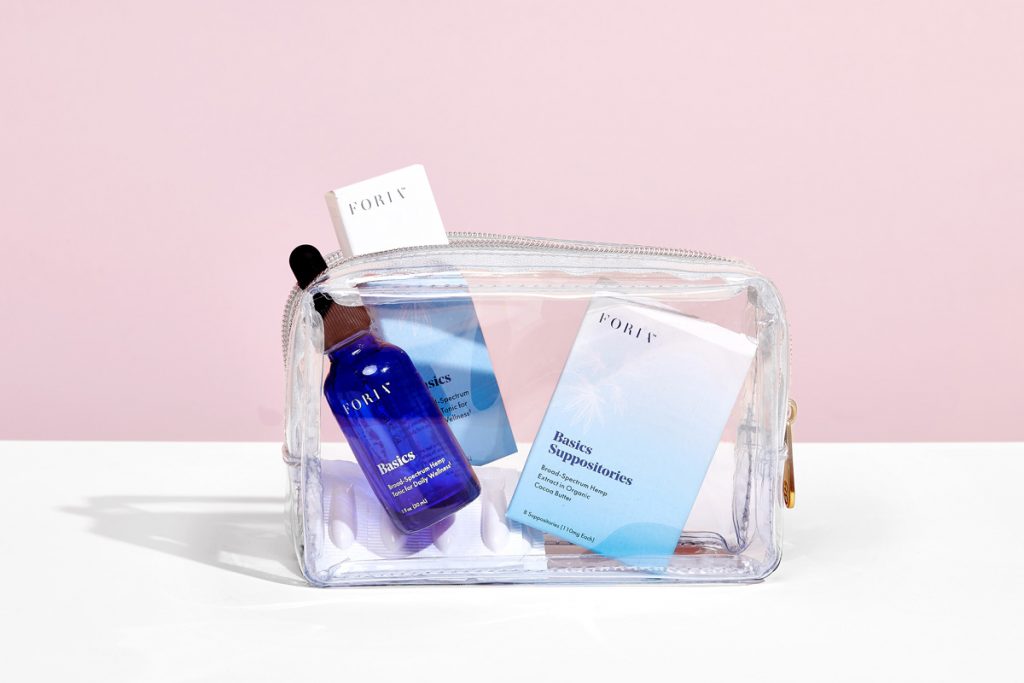
“Within 40 minutes or so of using Foria’s CBD oil,Basics Tonic, my mood was very gently yet significantly elevated. I feel light and strong. It’s as if the oil deactivated the cortisol spike I was experiencing.” – Teighlor
Broad-spectrum CBD vs CBD isolate
Not all CBD is alike. Many products use isolate, which you can buy by the pound off the internet for pretty cheap, and sellers have been taking advantage of this.
Isolate won’t hurt you, but it probably won’t help much either. The real deal isbroad-spectrum or whole-plant-extract CBD. It comes with an “entourage” of cannabinoids, terpenes and phenolics that are greater than the sum of their parts.
Advantages & Pitfalls
Though vaping is the quickest way to get results, if vaping isn’t your thing, there’s a whole world of tonics and edibles available — but edibles are mostly a waste of good CBD, since the majority of active ingredients are lost during digestion. However CBD oil can be swished in the mouth for rapid, efficient absorption.
What’s in there? Sometimes it’s hard to tell. Reputable sellers include a Certificate of Analysis to show that there’s nothing scary lurking in the product.
And carrier oils matter. Look for organic-certified oils, ideally something fast-absorbing like MCT — the favorite of biohackers and keto/paleo dieters, since it’s an easily-digested source of energy and brain fuel.
“Game of Thrones” star Kit Harington admitted it was “really odd” to kiss his “best friend” Emilia Clarke onscreen in the season 8 premiere that aired Sunday, in part because Clarke is so close to his wife, former “GoT” actress Rose Leslie.
“Emilia and I had been best friends over a seven-year period and by the time we had to kiss it seemed really odd,” Harington, 32, told The Daily Mirror.
“Emilia, Rose and I are good friends, so even though you’re actors and it’s your job, there’s an element of weirdness when the three of us are having dinner and we had a kissing scene that day.”
We still don’t know who will come out on top when the final season of the HBO fantasy series comes to a close, but we’ll just go ahead and nominate “The Good Place” star to take the Iron Throne for this epic dragon costume.
Bell attended a premiere bash, complete with appropriately-themed snacks like “Hodoritos” and “Dragon’s Slop,” alongside husband Dax Shepard to celebrate the show’s Season 8 kickoff on Sunday night.
The actress committed and then some to her look, rocking a skin-tight dragon costume with a tail, wings and icy blue contacts.
There is only one thing Joe Jonas needs to have at his wedding.
“I mean, we are getting married in France, so a lot of Coors Light is necessary,” the singer said of planning his upcoming wedding to Game of Thrones actress Sophie Turner in an interview on the Zach Sang Show.
“Not hard, really, to get that, but we needed to make sure that was going to happen,” Jonas said.
As it turns out, the brothers are trying to avoid the same mistake they made planning Nick‘s wedding to Priyanka Chopra last year.
“We learned a lesson from my wedding,” Nick said in the interview. “Our friends drink a lot of beer, specifically, and we ran out of beer at the wedding, at my wedding, which was a big issue.”
According to Kevin, once the beer was out it was all downhill from there.
“It starts to get very dark very fast with hard alcohol instead,” Kevin joked. “It’s just like ‘Oh, we’re doing this now? Okay.’ “
No official date for the wedding has been revealed, but last month Joe told James Cordon on The Late Late Show that they plan to have a summer wedding.
The couple first started dating in November 2016 after Joe slid into Turner’s Instagram direct messages after mutual friends mentioned they should meet.
Daily life aboard the International Space Station moves fast. Really fast. Traveling at approximately 17,000 miles per hour, 300 miles above the Earth, astronauts watch 16 sunrises and sunsets every “day” while floating around in a box with a handful of people they depend on for survival.
One need look no further than Hollywood blockbusters like “The Martian,” “Gravity” and “Interstellar” for futuristic visions of life beyond Earth as we venture longer and deeper into outer space. But what about the human body’s response to real-life spaceflight – what are the health effects? Will space travelers age at different rates than those of us on Earth? Just how adaptable to the space environment are we?
Certainly these are concerns for NASA. How space travel and long-duration missions might change the human body, and whether those changes are permanent or reversible once astronauts return to Earth, is largely unknown. The opportunity to explore these intriguing questions arose with identical twin astronauts Scott and Mark Kelly.
In November of 2012, NASA selected astronaut Scott Kelly for its first one-year mission. At a press conference not long thereafter, it was Scott who hinted that that this mission might provide the chance to compare the impact of space living on his body with his Earth-dwelling identical twin brother, Mark Kelly, who had also been an astronaut and former Navy test pilot. Remarkably, the Kelly twins were individuals of similar “nature (genetics) and nurture (environment),” and so the perfect space experiment was conceived – featuring “space twin and Earth twin” as the stars. Scott would spend a year in space aboard the International Space Station, while his identical twin brother, Mark, would remain on Earth.
The NASA TWINS Study represents the most comprehensive view of the human body’s response to space flight ever conducted. Results will guide future studies and personalized approaches for evaluating health effects of individual astronauts for years to come.
As a cancer biologist at Colorado State University I study the impact of radiation exposure on human cells. As part of the TWINS Study, I was particularly interested in evaluating how the ends of the chromosomes, called telomeres, were altered by a year in space.
One day before astronaut Scott Kelly reaches the six-month mark in space, he talks live from onboard the ISS with John Hughs, left, his twin brother Mark Kelly and Astronaut Terry Virts, right. NASA/Bill Ingalls
Teasing apart health effects of space living
NASA put out a call and selected 10 peer-reviewed investigations from around the country for the TWINS Study. Studies included molecular, physiological and behavioral measures, and for the first time ever in astronauts, “omics”-based studies. Some teams evaluated the impact of space on the genome – the entire complement of DNA in a cell (genomics). Other teams examined which genes were turned on and producing a molecule called mRNA (transcriptomics). Some studies focused on how chemical modifications – which do not alter the DNA code – affected the regulation of the genes (epigenomics). Some researchers explored the proteins produced in the cells (proteomics), whereas others scrutinized the products of metabolism (metabolomics).
There were also studies examining how the space environment might alter the microbiome – the collection of bacteria, viruses and fungi that live in and on our bodies. One investigation examined the immune response to the flu vaccine. Other teams searched Scott’s biological samples for biomarkers of atherosclerosis and upward fluid shifts in the body due to microgravity, which can affect vision and cause headaches. Cognitive performance was also evaluated using computer-run cognition tests specifically designed for astronauts.
More than 300 biological samples – stool, urine and blood – were collected from the twins at multiple times before, during and after the one year mission.
The Kelly twins are without a doubt one of the most profiled pairs – on or off our planet. They are also one of the most interviewed. One question often asked is whether Scott will return from space younger than Mark – a situation reminiscent of “Interstellar” or Einstein’s so-called “Twin Paradox.” However, because the ISS is not traveling anywhere near the speed of light relative to us, time dilation – or the slowing of time due to motion – is very minimal. So any age difference between the brothers would only be a few milliseconds.
Telomeres are the protective sections of DNA at the tip of the chromosomes. As people age the telomeres get shorter. VectorMine/Shutterstock.com
Even so, the question of spaceflight-associated aging and the accompanying risk of developing age-related diseases like dementia, cardiovascular disease and cancer – during or after a mission – is an important one, and one that we aimed to address directly with our study of telomere length.
Telomeres are the ends of chromosomes that protect them from damage and from “fraying” – much like the end of a shoestring. Telomeres are critical for maintaining chromosome and genome stability. However, telomeres naturally shorten as our cells divide, and so also as we age. The rate at which telomeres shorten over time is influenced by many factors, including oxidative stress and inflammation, nutrition, physical activity, psychological stresses and environmental exposures like air pollution, UV rays and ionizing radiation. Thus, telomere length reflects an individual’s genetics, experiences and exposures, and so are informative indicators of general health and aging.
Telomeres and aging
Our study proposed that the unique stresses and out-of-this-world exposures the astronauts experience during spaceflight – things like isolation, microgravity, high carbon dioxide levels and galactic cosmic rays – would accelerate telomere shortening and aging. To test this, we evaluated telomere length in blood samples received from both twins before, during and after the one year mission.
Scott and Mark started the study with relatively similar telomere lengths, which is consistent with a strong genetic component. Also as expected, the length of Earth-bound Mark’s telomeres was relatively stable over the course of the study. But much to our surprise, Scott’s telomeres were significantly longer at every time point and in every sample tested during spaceflight. That was exactly the opposite of what we expected.
Furthermore, upon Scott’s return to Earth, telomere length shortened rapidly, then stabilized during the following months to near pre-flight averages. However, from the perspective of aging and risk of disease, he had many more short telomeres after spaceflight than he did before. Our challenge now is to figure out how and why such spaceflight specific shifts in telomere length dynamics are occurring.
Our findings will have relevance to earthlings as well, since we all grow old and develop age-related conditions. These TWINS Study results may provide new clues into the processes involved, and thereby improve our understanding of what we might do to avoid them or extend health span.
The long-term health effects of long duration spaceflight are yet to be determined, but the TWINS Study represents a landmark step in humankind’s journey to the moon, Mars and beyond…and to making science fiction science fact.
This season, up your cookie dipping game with a DIY marijuana milk. Basically, what you’re doing here is infusing the milk with marijuana by slowly cooking it over low heat. You’re left with a thick, slightly sweet, distinctly marijuana-scented batch of milk which can be used either as a drinking liquid or as an ingredient for cooking or baking.
I personally think it tastes great slightly warmed with a little honey, but you can add some wherever you’d normally use milk: your morning cereal, a batch of buttercream, or stirred into coffee.
Photos by Jessie Moore
Canna-Milk
Makes about ¾ cup (the milk reduces slightly during cooking)
1 cup milk
About 3 grams marijuana (see recipe notes, below)
* This recipe can be scaled up or down using the same ratios
1. Decarboxylate the marijuana. Scatter the marijuana on a lined, rimmed baking sheet; toast at 240 degrees F for 30-40 minutes, turning a few times throughout the baking. Remove from the oven, let cool completely, and then grind it finely. You can also grind it before, but I find that it’s easier to grind after this heating process as it is drier.
Photo by Jessie Moore
2. Pour the milk into a saucepan. Add the marijuana. It will float at first, but as it warms it will become more combined. Place the saucepan over medium heat, and bring the mixture to a simmer, stirring occasionally to discourage scorching on the bottom of the pot.
3. Once the mixture comes to a simmer (with bubbles around the edges and steam coming off the mixture, but not boiling), reduce the heat to the lowest setting. Cook, uncovered, for 30-45 minutes, stirring every few minutes and making sure that the mixture isn’t getting so hot that it scorches the bottom of the pan, and that it isn’t forming a “skin” on top (if it does, just break it up and stir it around) If it seems like the milk is reducing a lot, add ¼ cup more. The mixture will thicken slightly as it cooks; it will also begin to take on a slightly greenish-yellow tint.
Photo by Jessie Moore
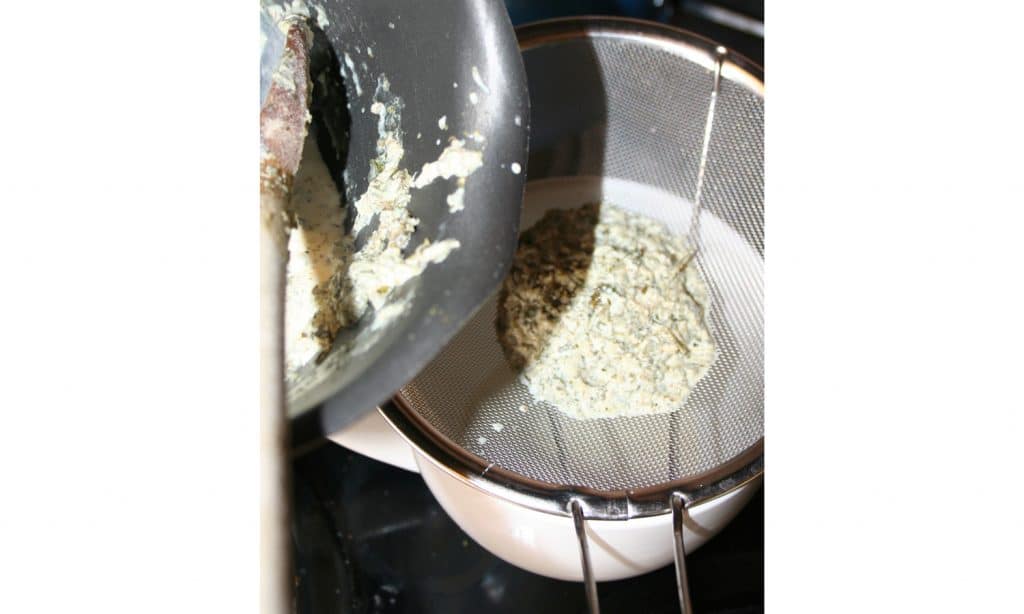
4. Remove from heat and let the mixture cool completely (I let it cool with the marijuana still in the mixture; extra infusing couldn’t hurt, right?). Strain through a mesh strainer or cheesecloth into your storage container. Place in the fridge, and enjoy as you see fit.
Photo by Jessie Moore
Recipe notes:
Dosage: dosing your marijuana milk can be tricky because of the differing strengths of strains and your personal tolerance. I personally found that about 3 grams per cup of milk was a good amount. For me, each “serving” was about ¼ cup. So, each serving had about 1 gram of marijuana, which for me is a little more than the average joint. If the average joint is far larger or smaller for you, you can adjust this recipe accordingly.
Dilution: The milk will reduce during the cooking process. You can either add more milk during the cooking process if it is losing a lot of volume, or you can mix a little milk in after your batch of cannamilk has cooled, so that it will bring it back to the original amount of liquid.
Storage: Store your canna-milk as you would store regular milk, in a sealed container in the fridge. Keep in mind, the expiration date on your milk is still going to be the expiration date for your canna-milk, so consume with that in mind!
Serving suggestions
How should you use your canna-milk? Here are just a few ideas: