Friday, June 19, 2026
Home Blog Page 870

DEA Will Increase Marijuana Production For Medical Research In 2019

While the goons of ganja control over at the U.S. Drug Enforcement Administration have spent much of the past few decades restricting cannabis production in the United States, the agency now seems to be opening up to the idea of growing more weed in the Land of the Free. The nation’s leading dope henchmen have given the green light to increase cannabis production for medicinal research purposes, according to a new filing in the Federal Register. Meanwhile, opioid manufacturers are taking it on the chin.

This does not mean that the DEA is all of a sudden cool with cannabis. Not even close. Despite a growing body of evidence showing that marijuana comes with a wealth of therapeutic benefits, the agency still considers anything derived from the cannabis plant a Schedule I dangerous drug—in the same rank as heroin.

This means the herb has “no known medicinal value” and drug agents will swoop down from the sky and nail your ass to the wall if it is grown without their permission. But since 1968, the DEA has allowed marijuana to be produced by a single supplier—the University of Mississippi. This is the only facility currently permitted to grow the weed used to explore the pros and cons (mostly cons) of this popular plant.

But the DEA is ramping up pot production in 2019. The agency has approved the cultivation of 5,400 pounds of marijuana, which is a substantial raise considering the measly 1,000 pounds being grown this year.

Although the DEA has been working to put more cannabis suppliers to work, it is not immediately known whether the increased pot production will result in any of the reported 25 interested cultivators climbing on board. The last we checked, U.S. Attorney General Jeff Sessions had stymied the concept of bringing on more facilities to grow government weed.

In addition to pushing forward with greener times, the DEA is also curbing the production of popular opioid painkillers, such as oxycodone, hydrocodone, and fentanyl.

“We’ve lost too many lives to the opioid epidemic and families and communities suffer tragic consequences every day,” DEA Acting Administrator Uttam Dhillon said in a statement. “This significant drop in prescriptions by doctors and DEA’s production quota adjustment will continue to reduce the amount of drugs available for illicit diversion and abuse while ensuring that patients will continue to have access to proper medicine.”

So, what does all of this mean in the grand scheme of progress on the federal drug reform scale? Not much. As far as we know the DEA’s requested increase in pot production will continue to be supervised exclusively by the University of Mississippi. There have been a number of problems stemming from this antiquated relationship, including poor quality weed being distributed to researchers looking to explore its medical benefits. The only positive takeaway from this change in production is the fact that the DEA has deemed it necessary to make some advancements with respect to medical marijuana.

Why Are Marijuana Advocates Getting Pushed Out Of Florida’s Cannabis Industry?

While many other states and regions are putting legislation in place so that those impacted most by the drug war can now benefit from it, Florida is just saying no to applicants who either love weed or who have been convicted of anything at all, including cannabis violations.

A passion for consuming marijuana is just not something to bring up at a job interview for budtender, dispensary manager or any other cannabis related job in Florida, according to the Orlando Sentinel. Apparently, some low-level, simple possession cases will possibly make it into the fray, but for the most part if you’ve got caught toking, your chances of working in the Florida industry are slim to none.

The powers that be have their reasons, like that money handling takes a lot of concentration. But as the Sentinel reported, working in the cannabis businesses grants workers slightly higher pay than other industries in Florida, thus creating an incentive for those with pristine records to apply. It’s yet another way that those who care about the plant can get pushed out of participating in the industry’s growth.

It’s a sad bit of irony. Activists and advocates have fought a long time to get us where we are now with cannabis, and one of the platforms they’ve stood on is to either free non-violent offenders, expunge their records, or at least give them a second chance. Just recently, Sacramento became the fourth city in California to make sure that 50 percent of their hires in recreational cannabis were of those most impacted by the Drug War.

It doesn’t seem fair that if you’ve been convicted of what is no longer a crime that you should still be penalized for it. Especially if the offense is cannabis, the job is cannabis related and we’re operating under the ospis that this is a compassionate movement.

Really, the Florida industry doesn’t need to hire people with experience in weed, as applications are pouring in by the hundreds for all different positions and employers have their pick of the cream of the crop. Just not the crop they’ll be peddling.

The medical marijuana industry in Florida is projected to bring in $456 million in sales this year alone and by 2022 the Sunshine State is estimated to create up to 25,000 jobs in the industry. Sadly, that’s a large market that will be ironically furthering a stigma about a plant business owners plan to profit on greatly. As Rodney Dangerfield would say on behalf of Floridian pot imbibers, “I get no respect around here.”

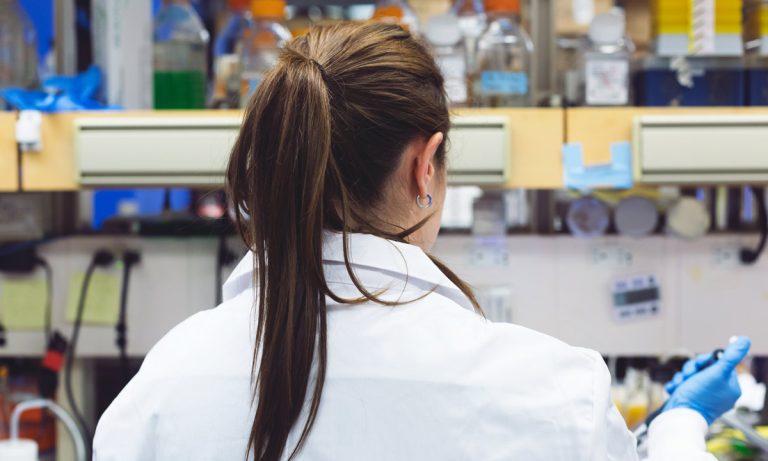
This Environmental Program Is Teaching Girls How To Be Scientists

Encouraging young women to take part in the sciences has been an important activity for the US in the past few years. With evolving perspectives on women’s issues and damning statistics that claim that women make up only 14% of the physicist population and 24% of STEM jobs, groups and organizations within the country have been trying to get to the root of the issue of why women aren’t involved in these areas of work.

Green Girls, a program run by the City Parks Foundation, started off in 2002 with the goal of encouraging women to pursue the sciences. At first, it was a three week program with a few girls. Now, it lasts five weeks and it runs throughout the year.

Mashable reports that the most important thing that Green Girls does is to give confidence to young girls, allowing them to work in the field. Different studies suggest that a big part of why girls aren’t involved in the sciences is the fact that, from a young age, they see math as too complicated, with everything in their lives reinforcing this and making them quit. Administrators of the program are well aware of this gender bias, so they focus on creating a safe space where girls have role models and are given the opportunity to learn, grow, and make mistakes.

“Female students and students of color have gotten messages in different ways that, when it comes to science, they should step back and shouldn’t put themselves out there,” says Chrissy Word, Green Girls Director of Education.

A post shared by City Parks Foundation (@cpfnyc) on

Classes are taken outdoors where girls are free to get their hands dirty by interacting with trees and bugs, making the whole experience feel like summer camp. “You may think it’s boring to learn about the environment, but you’re probably not learning about the details,” says 12 year-old Mritika Rahman.

While it’s true that women in the sciences have to deal with a lot of sexism and racism – more so than women in other areas of work – programs such as Green Girls suggest that things can change, and that maybe there’s a chance for equal opportunities in the future.

K2 Laced With Fubinaca Causes Mass Overdoses In New Haven

0

Emergency responders in New Haven, Connecticut dealt with more than 110 overdose cases from individuals who consumed K2 laced with fubinaca. Most of the doses and the people who took them were passed out in a local park.

No fatalities were confirmed at the time of our reporting. However, they discovered dozens of people who had overdosed on “K2,” between last Wednesday and Friday near the Yale University campus on the New Haven Green. Officials expect they will see more occurrences among those who accepted the drug but saved it for later use.

“It’s very reminiscent of a mass casualty incident,” New Haven Office of Emergency Management Director Rick Fontana told the New Haven Register.

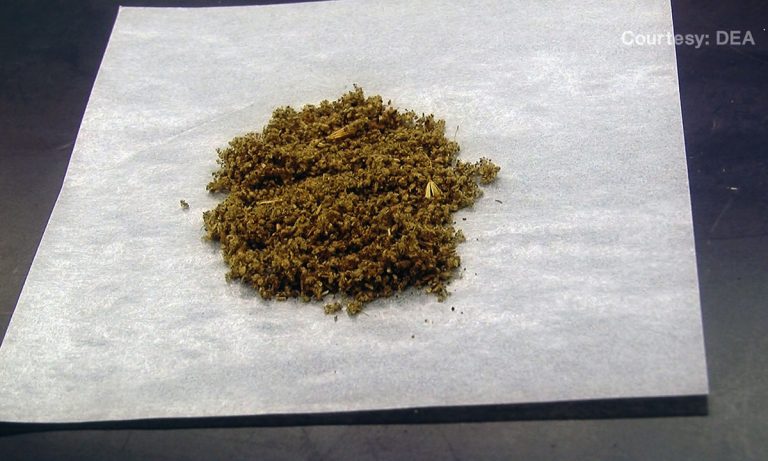
K2 is mostly “plant matter,” sprayed with various chemicals. It is commonly referred to as a “synthetic marijuana.”

An infamous early version of synthetic marijuana was called “Spice.” Synthetic marijuana can also be called K2, Spice, Kush or Klimax interchangeably. By any name, it is a mix of herbs, sprayed with a revolving host of dangerous chemicals, whose effects purportedly mimic the high from regular marijuana when it isn’t making humans drop like flies, as was the situation with this  tainted batch. Some users have reported effects similar to LSD.

Fubinaca is an indazole-based synthetic cannabinoid that is a powerful agonist for the body’s cannabinoid receptors. It was originally developed and patented by big-pharma company Pfizer in 2009 as an analgesic medication but was never pursued for human use. The Drug Enforcement Agency says AB-Fubinaca is found in myriad synthetic cannabinoid products smoked for their psychotropic effects.

New Haven Police have arrested and charged three people in connection with the case, and the investigation is currently ongoing:  John Parker, 53, Felix Melendez, 37, a third suspect whose name has not been released. However, New Haven Police Chief Anthony Campbell said the latest suspect is male and has “a history” with the department.

Chief Campbell also alleged that the two suspects are known for selling K2 and both have previous arrests.

The Hartford Courant reported court records list there was an outstanding warrant for Parker’s arrest for allegedly selling K2 at the green in February. There was also a warrant out for Melendez, a convicted felon, who had previously been arrested for dealing.

According to Campbell, the alleged perpetrators were selling the drug to some people and giving the drug away for free to others in the park, in an attempt to get people addicted in the hopes they would become repeat customers. The drug dealers’ strategy apparently worked because some users who were treated in the hospital and released, returned to the park only to wind up OD’ing again.

Chief Campbell told reporters the short-term effects of K2 incited many of the people treated at the hospital to return to the park for another hit. Some were brought back to the hospital “up to four to five times,” he said. A few returned to the hospital for repetitive treatment while still wearing the identification bracelet from the previous hospital visits.

It was previously misreported the K2 had been tainted with the often-fatal synthetic opioid fentanyl; however, only a few people had fentanyl in their systems which was potentially was consumed in addition to the fubinaca-laced K2.

Either way, the tainted K2 should not be taken and the police have issued an advisory.

“We’ve been trying to get the word out to make sure people understand please not to use this K2, it is clearly contaminated,” Chief Campbell stressed to reporters outside City Hall. “One of the chemicals is fubinaca, which is really supposed to be, for whatever reason, knocking people down and taking them out.”

Dr. Sandy Bogucki, an emergency medicine specialist for Yale-New Haven Hospital, told the Courant the batch of K2 was a rapid, but short-lived version of the drug.

“People who smoked it or ingested it tended to go down very fast, almost right in their tracks,” she said.

As of Monday, no fatal K2 overdoses were reported, though many smokers had to be resuscitated after ingesting it, according to Dr. Bogucki. Chief Campbell told reporters on Friday that the epidemic of K2 overdoses, which gripped New Haven for 48 hours, seems to have abated. No new reports came in over the weekend.

“It is our hope and our prayer that we have come to the end of this crisis,” Chief Campbell said.

According to the emergency medical responder’s website EMS1, a spokesman for the mayor put the exact number of K2 overdosed and subsequent hospitalizations at 114.

Power Of The Plant: Growing Your Own Medical Marijuana

You just may find yourself with a better awareness of how the plant affects you, a more distinguished palette, and a higher expectation for your medicine. 

For millennia, humans have understood the curative properties of cannabis. Anthropologists have found mummified remains of shamans buried with stores of cannabis for a pleasant afterlife. As recently as the early 1900s, doctors used it for everything from asthma to promoting uterine contractions in childbirth. 

I like growing tomatoes and having their fresh summer fruits, but I really love growing my own medicine. As a registered patient in the state of Washington, I grow at home, sourcing good genetics and grow organically as possible. The process continues to teach me lessons I just don’t learn anywhere else. For many people, the idea of growing for healing is a novel idea. But, as author Michael Pollan reminds us in his book, “The Botany of Desire”:

For the most part of their history, after all, gardens have been more concerned with the power of plants than with their beauty – with the power, that is, to change us, for good and ill.

We live in a day of single compound medicines, synthetic molecules, magnetic imaging systems and genetic manipulation. Many of our great-grandmothers knew volumes more about natural healing than we do. Often we accept that medical knowledge is something that belongs to surrogates and sometimes take a passive role in the process.

Related Story: Chronic Pain Patients Are Ditching Opioids In Favor Of Marijuana

Home growing involves the patient and allows for a greater level of input and control. Jerry Whiting has worked with medical cannabis patients for years. He is the co-founder and president of LeBlanc CNE, specializing in cannabis genetics, formulations, product development and education and is quite passionate on the matter:

It’s important for patients to grow their own medicine to have control over what they ingest. It alleviates fears about unwanted fertilizers and pesticides. Not only does it save money but citizen-farmers play a vital role in preserving vintage heirloom genetics that large commercial farmers ignore. Growing your own cannabis is as important as making your own tinctures, topicals and edibles.

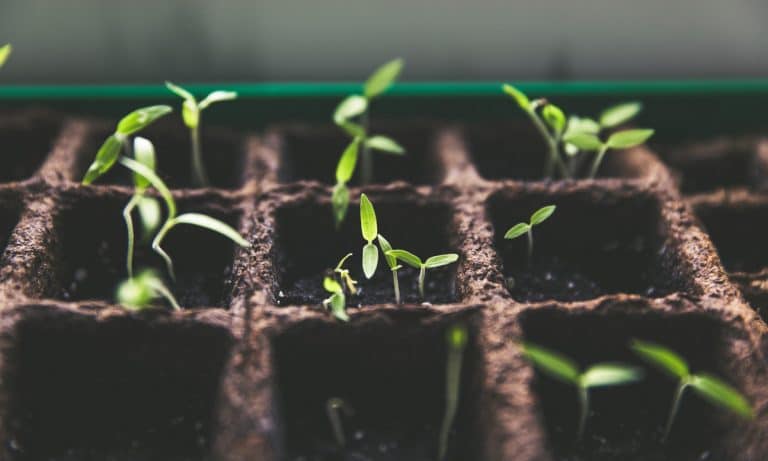
That is why the chance to grow your own medicine is unique. If you are in a position to home grow legally in your state, I encourage you to do so. You may get occasional pests and may even accidentally kill some plants. But in the process, you just may find yourself with a better awareness of how the plant affects you, a more distinguished palette, and a higher expectation for your medicine. 

Everything You Need To Know About Cannabis Oil

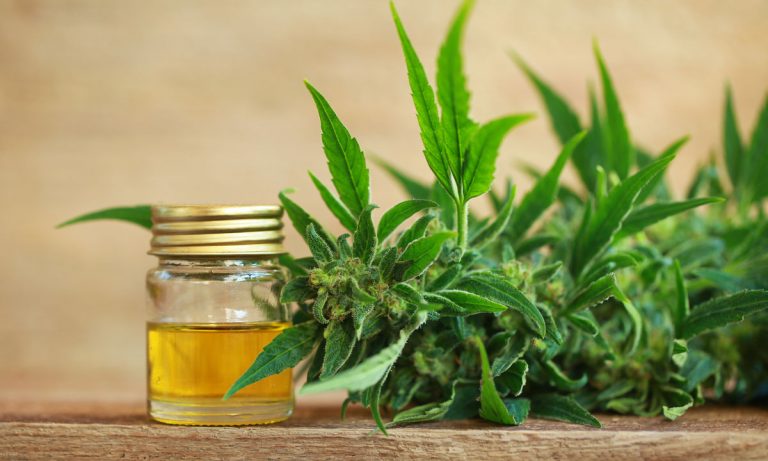
Cannabis oil has been a hot topic of discussion for the past few years. The term became popular after Dr. Sanjay Gupta reported on the magical effects of CBD oil in epileptic children. Now, it seems like every state apprehensive about implementing a comprehensive medical marijuana program has put into place a restrictive scheme that allows epilepsy patients to have access to low-THC cannabis oil. But the term cannabis oil is really just a basic description.

There are different types. Some are designed for cooking, while others are used to treat serious health conditions. What’s more, not all cannabis oil is non-intoxicating. Here is a quick run down.

Cannabis Oil

Cannabis oil is an infusion of marijuana and cooking oil. It is dark green (almost brown) in appearance. This type of oil is generally produced using strains of marijuana that are packed with the psychoactive component of the plant known as THC.

RELATED: The Only CBD User’s Manual You Need

Cannabis oil is extremely versatile. It can be used to make medicated meals or topical solutions for the skin. The oil can be made easily in about an hour using a Magical Butter machine. But it can also be manufactured using basic household appliances.

Hemp Oil

Hemp oil is not something that can be made at home. It is produced through a process in which hemp seeds are pressed to obtain the oil. The finished product is packed with vitamins and it is commonly sold in health food stores as a dietary supplement. Only small traces of THC can be found in this product, so it cannot get the user high. Hemp oil is also multipurpose. It can be used in a variety of industrial products from lubricants to paints. But, unlike cannabis oil, it is not optimal for cooking.

Butane Hash Oil

Butane hash oil (BHO) is one of the most popular cannabis extracts. It is a solvent oil that is manufactured using oil and alcohol. It has a lighter color than regular cannabis oil and is sticky. A little dab will do you when it comes to using BHO. It allows the user to achieve a stronger high without much effort. Although BHO is relatively easy to make at home, it can be a dangerous process. Butane is highly flammable and has toxic fumes.

CO2 Oil

C02 oil is made for vaporizers. This extraction method ensures that all of the components of the cannabis plant stay intact – providing the user with the cleanest oil available on the market today. But this oil is not something that can be made in the average kitchen. It requires expensive equipment. What is most interesting about the process of producing C02 oil is the product can be fine-tuned. It can be made to pack a punch of THC or have no psychoactive effects whatsoever.

Rick Simpson Oil

Rick Simpson oil (RSO) can be used orally or topically. It was developed in the early 2000’s as a way to treat skin cancer. The manufacturing process behind this oil is simple, as well. All it takes is about an ounce of dried cannabis and some isopropyl alcohol and a couple of buckets. But, due to fumes and flammability, it can be dangerous to make.

RELATED: CBD Coffee Is The Easy Way To Pain-Free Mornings

A man named Rick Simpson is responsible for the development of this product. It is also known as Phoenix Tears. On his website, Simpson says RSO can “cure or control cancer, MS, pain, diabetes, arthritis, asthma, infections, inflammation, blood pressure, depression, sleeping problems and just about any other medical issues that one can imagine.”

CBD Oil

CBD oil is a powerful medicine. Although it does not have any stoned effects, it has a number of therapeutic benefits. In fact, this is the product most people are referencing when they talk about cannabis oil. You may have heard it called “Charlotte’s Web,” which is one of the most popular brands of CBD oil. It can be made using high quality oils, C02 or solvents. The most crucial aspect of the process is ensuring the use of marijuana high in CBD and low in THC. Although CBD oil can be made at home, it is typically purchased from a dispensary in legal medical marijuana states. When it comes to life saving medicine, it is best to leave it to the experts.

Green Market Report: Marijuana Money, Aug. 17

The big news this week was the $5 billion investment by alcohol company Constellation Brands (STZ) into Canopy Growth (CGC). Constellation made an earlier investment in the company late last year and this recent move brings its total ownership up to 38%. Constellation also paid a premium for its shares. Canopy plans to use the money for strategic expansion into other countries.

That wasn’t the only big deal this week.

The longtime Bay Area Harborside dispensary which is actually a company called FLRish Inc. is entering into a binding letter agreement with  Lineage Grow Company Ltd.  (CSE:BUDD) for a reverse takeover in a deal valued at C$200 million. Lineage will acquire all of the outstanding shares of Harborside in exchange for newly issued shares of Lineage.

C21 Investments Inc. (CSE: CXXI)  has entered into an agreement to acquire Oregon-based premium cannabis edible companies Grön Chocolate and Grön Confections. The deal is expected to close by November 1, 2018. C21 has agreed to pay Grön unitholders $6.8 million plus the bonus earn-out shares of $4.375 million

Cronos Group (CRON) stock popped over two percent in early market trading after the Canadian cannabis reported that its revenue for the second quarter jumped 428% to $3.4 million. It was an increase of $2.8 million over the previous year’s quarter.

The main drivers behind the revenue increase were an expansion in patient onboarding, an increase in average sales price and the strong growth in cannabis oil sales. Second quarter cannabis sales were responsible for 40% of the company’s domestic medical sales.

The Green Organic Dutchman (TGODF) reported its quarterly results that demonstrate the company is still in a phase of ramping up as there are no sales to report as of yet. The net loss for the quarter ending June 30, 2018, was C$8.5 million or C$0.04 per share versus last year’s C$2.3 million loss or C$0.02 per share.

MedMen (MMNFF) reported its unaudited fiscal fourth-quarter sales of $19 million. The sales come from 7 locations in Southern California and do not include the newest store in Abbot Kinney or the store that was just opened in Las Vegas. The company said it would release its full-year audited results in October.

Cowen Research initiated coverage on Tilray Inc. with an Outperform rating and a $34 price target.

Stifel initiated a buy rating on GW Pharmaceuticals (GWPH) and $181 (36% upside) price target citing bullish prospects for Epidiolex.

This article was original posted on GreenMarketReport.com

A Sneak Peak At Massachusetts’ First Recreational Cannabis Dispensaries

0

While they haven’t opened yet, the six dispensaries issued provisional retail licenses by the Cannabis Control Commission are waiting in the wings for final pieces of Massachusetts law to be upheld, including the licensing of an independent testing lab.

Other hold ups include the need for employee background checks and building and health inspections, and even though the projected date was missed months ago, Massachusetts is a lot closer to opening its shops now than it was before. So who are these new pot shops and what makes them unique?

Verilife Pharmacann Dispensary gets its name from the Latin root word of “veri” or truth. It’ll be the Cape’s best bet for procuring recreational cannabis as it’s by far the closest location to the vacation hot spot. Their menu boasts a wide variety of topicals, edibles, flowers, pre-rolls, concentrates and vape cartridges, which come in sativa, indica, hybrid and with different THC to CBD ratios.

Triple M’s website optimistically and perhaps realistically projects to be open by fall. With locations in both Plymouth and Mashpee they are bound to do well. The dispensaries are locally owned and operated and their website offers helpful advice as to what to ingest for different kinds to relief or elevation.

NETA or New England Treatment Access in Brookline cultivates their own cannabis and offers a different kind of oil dispenser called D-Line, which reintroduces terpenes into the mix. D-Line gives you precise dabs, enhances joints or even melts right into your morning cup o’ joe. Their interactive menu lets you reserve products ahead of time, so you don’t risk missing out on a favorite.

INSA of Easthampton, currently craft medical marijuana dispensaries also in Easthampton and Springfield, sources, grows and dispenses cannabis in forms to fit unique needs as well. They state that they believe that better is just that, better and they strive to please patients and the community. Their current medical special is $200 ounces, let’s just hope those specials transfer over to the adult use market.

Cultivate is a compassionate outfit that offers discounts to veterans, seniors and those with financial hardships. All of their flowers, edibles and extractions are grown or made on premises. You can pre-register as a patient on their website to beat the rush when these dispensaries finally open to the public.

Alternative Therapies Group in Amesbury was the first medical marijuana dispensary in Massachusetts and now they will be among the first to open recreationally as soon as the stars align for patient imbibers 21 and over. Each dispensary has a unique component, but it’s likely going to come down to location, location, location as to where you go for the adult use cannabis that’s on its way.

The Ultimate Guide To West Coast Cannabis Tourism

Marijuana vacation travel is really taking off, with many desirably dank destinations available for visitation. Plan a pit stop, or a pot stop, the ultimate guide to west coast cannabis tourism.

The Flow Cannabis Institute in Redwood Valley, Mendocino County, California is an 80-acre former winery that is currently developing into a cannabis processing, manufacturing, testing facility as well as a tourist destination.

Flow Kana, is a cannabis distribution company that sources from small sun-grown farmers in Mendocino and Humboldt County. They have distribution hubs across the state, which originate from the Flow Cannabis Institute.

Billed as the world’s first cannabis campus,  Flow Kana’s co-founder and CEO Michael Steinmetz says touring the facility gives people the opportunity to learn how “preserving the immense biological diversity that exists in this Northern California region is key to fighting against the monocropping culture we see moving into the cannabis industry today.”

Amanda Reiman is on the Board of the California Cannabis Tourism Association and is also the Vice President of Community Relations for Flow Kana.

Reiman sees cannabis tourism becoming similar to wine tourism. Urban areas will specialize in tasting rooms and small production facilities, while rural areas where most production occurs will host farm tours, tasting rooms and specialty retail based on regional strains.

“The Mendocino Appellations Project is working on establishing growing regions similar to wine, where the unique qualities of the environment and their subsequent impact on the plant are used for marketing purposes, think the Champagne region of France,” says Reiman.  “I also think that we will see cannabis infused into different tourist experiences. From CBD treatments at health spas, to infused meals and pairing cannabis with everything from wine to yoga, tourism will see an uptick in experiences that are cannabis and something else.”

Reiman is beginning to experience a lot of outside interest from people who want to tour cultivation sites/cannabis farms.

“We do see a lot of interest in farm tours,” she says. “I feel that many folks think touring a cannabis farm is like touring a winery. And while an up-close look at production might be a goal of both, the policies have not caught up to where cannabis is treated like wine, leaving those experiences still quite bare bones. Whereas a winery might have a vineyard in the back and an air conditioned tasting room with a parking lot, bathrooms and food for purchase, cannabis farms, for the most part, are in the hills at the top of long, winding dirt roads. They are not allowed to house tasting rooms or retail and are often an extension of the farmer’s home, which was not built for public tours, in fact, quite the opposite, most of these farms are hard to access by design. “

Handling cannabis plants, or even getting very close to them runs the risk of transferring pests or other contaminants from people’s clothing. And, unlike grapes and other produce that has an acceptable level of pesticides, cannabis in California has a “zero tolerance” pesticide rule. Farmers have to be very careful about maintaining the health of their garden. So having tourists traipsing in, isn’t the best idea. Anyone lucky enough to take a cannabis tour, must be cautious and mindful because it is a privilege, not a right.

Emerald Country Tours and Emerald Farm Tours, both do farm tours and originate in the San Francisco Bay Area and Sonoma, California, respectively.

Emerald Farms Tours has several different options.  Take a four-hour San-Francisco cultural cannabis tour on a limo bus. In addition to hitting historic dispensaries, sightsee all the landmarks of the medical cannabis movement.

On Fridays, EFT does a seed-to-sale tour which explores the business side of the cannabis industry, which includes visiting a nursery, extracts manufacturer, and a few dispensaries, such as world-famous Harborside.

EFT’s newest, most sophisticated offering is a three-day, fully immersive, all inclusive, heritage cannabis tour, that treks deep into the heart of the Emerald Triangle. Leave on a Friday morning from a partner dispensary in the city, then “get on the bus, Gus,” and drive a few hours north of the city, while enjoying a jam-packed itinerary along the way. The stops include visiting the farms of the folks who pioneered the legendary Emerald Triangle.

The Solar Living Center in Hopland, California hosts Emerald Pharms dispensary.

You won’t have to go as far as Tokyo, Japan to find a “love hotel,” which is just as well, because marijuana is heavily banned in Japan. Opt for Las Vegas instead. A state with legal prostitution probably isn’t the best place for a romantic rendezvous, unless you go to the 420 Luxury Condo. Escape the carnival atmosphere of the Sunset Strip in this one-bedroom, located on the 33rd floor. It provides guests unparalleled views of the Spring Mountains to the west.

The condo is stocked with curated cannabis products to try. If nothing in the marijuana mini bar strikes your fancy, the property’s location is within walking distance of its official dispensary partners. Since it is adjacent to the Palms Casino Resort, guests have access to its Drift Spa, 24-hour room service, concierge, pool, hot tub, and other amenities.

Hicksville Pines Resort located in Idyllwild, California, near the San Jacinto Mountains is one of the coolest little herb-friendly retreats you will ever come across. Hicksville Pines Bud & Breakfast Motel contains several properties, each with their unique feel and personal style.

A particular favorite love shack is burlesque star Dita Von Teese’s private chalet retreat. Sleep in the 1970’s-porn-star-style round bed, swing on the indoor swing or take a bath in her glittery, two-person claw-foot tub, by the bathroom fireplace. There are gorgeous views from the private deck which features a hot tub built for two. Just try not to picture Von Teese soaking in it with Marilyn Manson.

Converted, mid-20th-century motor inn  The Jupiter in Portland, Oregon is Portland charm personified.

Jupiter’s 81 rooms contain flirty shag pillows and fun chalkboard doors. Most of the guest rooms have platform beds. The hotel has a hair salon and a tattoo parlor just in case you want to get all dolled up before your date night at the in-house Doug Fir Lounge, one of Portland’s most popular music venues.

Getting high is A-OK when you book the first ever cannabis-friendly package in Oregon, which includes a munchie kit, a vape pen, and coupons to nearby cannabis dispensaries.

Share the love at the 70’s-inspired, adults-only Ventana Inn & Spa in scenic Big Sur, California. The relaxing, rustic guestrooms are designed for snuggling. There are oversized hammocks in front of the river rock fireplaces, and cavernous tubs in the bathrooms. Take in the views of the towering redwoods from a balcony, while munching on some edibles, over a glass of local wine. You can also book a guided hike to see hidden waterfalls and exotic wildlife. If you are not an active participant in the great outdoors, you can opt-in for the clothing-optional pool and sundeck, or the hotel-run yoga class instead.

There are plenty of opportunities for full immersion cannabis experiences. With so many 420-friendly, fun places to explore, “Go west, young man, go west!”

So, Ziploc Has A Fashion Line And We Don’t Know How To Feel

If you ever wanted your clothing to have the functionality of a freezer bag, your day has come. Japanese clothing line Beams has collaborated with Ziploc to create a new fashion line.

According to Fader, the collection is on trend with its use of unorthodox materials, “adding a heavy dose of weirdo kitsch.”

The look of a Ziploc bag has worked its way into umbrellas, hates, fanny packs, totes and other accessories, making you wonder how you ever lived without the transparency of America’s favorite sandwich holder.

The pop-up shop collection debuted Wednesday, and you shop on the Beams website beginning August 20.

Here’s an Instagram slideshow that won’t disappoint. And don’t miss the video below.

https://www.instagram.com/p/Bmc1M9DnyZr

Don't Miss Your Weekly Dose of The Fresh Toast.

Stay informed with exclusive news briefs delivered directly to your inbox every Friday.

We respect your privacy. Unsubscribe anytime.