Tuesday, June 30, 2026
Home Blog Page 956

How Marijuana’s THCV Can Positively Impact Your Life

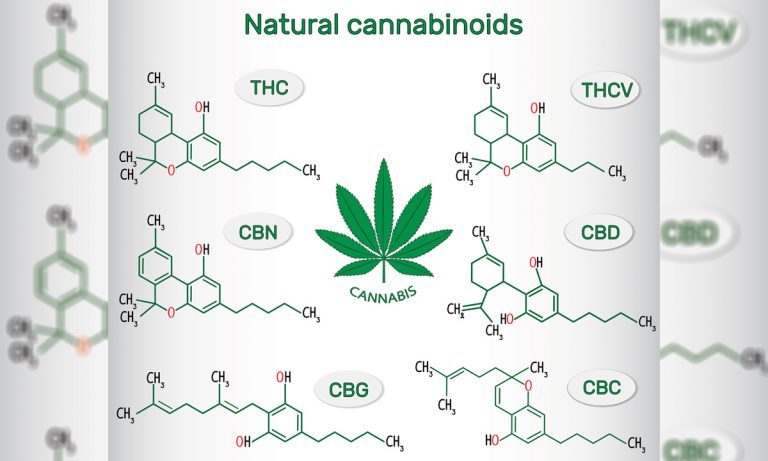
When you think about cannabis and its counterparts, what comes to mind? Perhaps you think of two of the most well-known cannabinoids—THC or CBD. Or, maybe you envision traditionally smoking cannabis and the effects that come with it. However, you might think of the medicinal properties this plant contains, especially if you consume cannabis for medical purposes. Although THC and CBD are both well-known and commonly used cannabinoids, the cannabis plant contains many other medically beneficial cannabinoids including THCV. Although THCV (Tetrahydrocannabivarin) is similar to THC, it contains its own unique benefits. Read on to learn more about THCV and how you could potentially benefit from the consumption of this cannabinoid.

What’s THCV?

If you’re new to cannabis, you may be unaware of the many cannabinoids this plant contains. However, if you’re a regular cannabis user, you may understand the significant complexity of it. Even though THCV isn’t as widely used as other cannabinoids, it contains several medicinal benefits.

THCV is extremely similar to THC in regards to its chemical structure. However, the process of creating these cannabinoids is very different. For example, THCV doesn’t begin as a cannabigerolic acid (CBGA) like THC and CBD do. THCV goes through a different process, which results in cannabigerovarin acid (CBGVA). From here, CBGVA breaks down into tetrahydrocannabivarin carboxylic acid (THCVA). Then, THCVA can be decarboxylated via a UV light or heat to create THCV.

RELATED: Which Is More Effective For Marijuana Patients, THC Or CBD?

Once individuals consume cannabis through different methods, the cannabinoids within the plant such as THCV activate specific receptors within our body. These receptors are known as CB1 and CB2. So far, it has been found that THCV is an antagonist of the CB1 and CB2 receptors. In other words, THCV blocks THC, which prevents users from getting the munchies. Although several cannabis users enjoy the appetite stimulating effects that occur after consumption, others feel the opposite. Contrary to THC’s effects, THCV is one cannabinoid that suppresses one’s appetite.

THCV’s Medical Benefits: Appetite Suppressant

Moreover, THCV contains its own medicinal properties including its ability to suppress an individual’s appetite. Bonni Goldstein, the medical director at Canna-Centers expressed that THCV can block CB1 receptors within the brain when it’s consumed at very low doses. As a result, not only can THCV lower body fat levels, but it can also increase energy expenditure and even increase weight loss.

It has also been found that THCV in its purest form can calm the unreasonable urge to overeat while also reducing hunger cravings. Thus, consumption of THCV can be beneficial for those who are overweight, obese, or individuals who want to fight off frequent food cravings. Since THCV can help curb one’s appetite, researchers believe there’s a potential for THCV helping people fight obesity and other related health issues.

Currently, research points to THCV’s ability to block the body’s rewarding sensations that transpire while eating different foods. If you’re looking to keep your food cravings at bay or prevent the munchies, check out strains high in THCV, which will suppress your appetite.

THCV’s Potential in Helping Treat Type 2 Diabetes

Thus far, one of the most significant medicinal benefits of THCV is its ability to potentially help treat type 2 diabetes. Recently, it has been found that THCV contains a strong potential in assisting type 2 diabetics by helping control glycemic levels. One 2016 study focused on the investigation of THCV and CBD and how they could affect glycemic and lipid parameters in diabetic individuals. It was discovered that THCV could represent a new therapeutic agent in type 2 diabetes patients regarding glycemic control.

After the study was completed, researchers found that THCV significantly decreased fasting plasma glucose levels while also improving pancreatic cell function. This demonstrates the potential THCV contains in helping treat medical conditions like type 2 diabetes.

THCV’s Anti-Convulsion Properties & Body Tremor Management

Aside from THCV’s appetite suppressing properties and its potential in helping treat type 2 diabetes, this cannabinoid contains other medicinal benefits. For example, THCV contains anti-convulsive properties. Therefore, this cannabinoid could be used to raise the seizure threshold for epileptic individuals. Additionally, THCV could also help manage body tremors while also improving motor control abilities. However, more studies and clinical trials should be conducted on this linkage before individuals consume THCV for this specific reason.

RELATED: Anandamide: This Natural Cannabinoid Makes Us Happy

Overall, the cannabis plant and various cannabinoids like THCV contain a multitude of medicinal properties. Although THC, CBD, and other cannabinoids are medically vast, THCV is gaining more popularity and attention for its unique medical benefits. If you’re interested in consuming THCV, try finding landrace cannabis strains from Africa or Asia that will likely contain a high percentage of THCV.

Why Marijuana-Infused Drinks Are The Next Big Thing

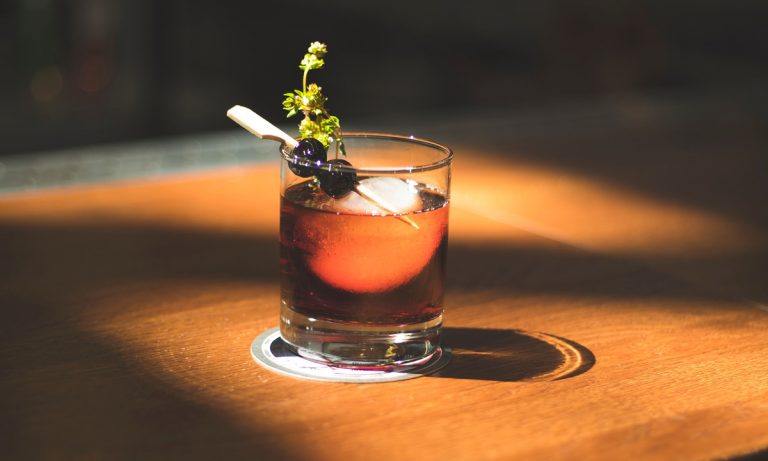
In the very near future, when you grab an adult beverage from your fridge, it might not contain any alcohol. Are you ready for the next big thing?

Legal cannabis provides a huge opportunity to reshape the consumer beverage industry, according to Cannabiz Consumer Group (C2G). And no wonder. The entire beverage industry generates roughly $1.5 trillion for the American economy. But manufacturers are getting wise to the consumer trend of healthier alternatives to traditional sugary sodas.

Although cannabis-infused drinks make up less than 20 percent of cannabis products sold in adult-use cannabis markets and account for an even smaller percentage of total sales dollars, the format is predicted to grow. Major growth catalysts for the rise of cannabis-infused drinks, especially among older-adults and cannabis novices, are the absence of inhaling smoke or vapor, and if desired, even the “high” itself. Cannabiz Consumer Group projects that in a full-national recreational cannabis marketplace, infused-beverages could produce annual revenues of nearly $15 billion dollars, comparable to retail coffee sales and double the size of the energy drinks market.

“Although most believe that the alcoholic beverage industry will lead the charge into the cannabis beverage space, our opinion is that the ultimate winners will be the non-alcoholic beverage manufacturers,” said Rick Maturo, chief product officer at C2G. Maturo cites three reasons why these companies will likely become the dominant players in the space.

First, by entering the THC-infused beverage marketplace, today’s non-alcoholic beverage manufacturers can begin to offer products to compete against the $200 billion alcoholic beverage industry. Currently, their products don’t satisfy the needs for which consumers turn to beer, wine, and spirits.

Second, many of non-alcoholic beverage manufacturers have already been broadening their portfolios to take advantage of the consumer trend toward alternative drinks, like energy drinks or shots, kombucha, and other enhanced juice drinks; offering a cannabis-infused beverage is an extension of this strategy.

“For most of the country, adults looking for a healthier afternoon ‘pick-me-up’ might turn to a Kombucha or 5-Hour-Energy, but in places like Denver or San Francisco, they can pick up a THC and CBD-infused cannabis shot with a citrus sativa strain that purportedly promotes energy and mental stimulation,” Maturo adds.

Third, higher margins mean higher profits. Cannabis-infused beverages are offered at a premium when compared to other alcoholic and non-alcoholic segments. This higher price point per serving translates into significant profits. Even better, while alcoholic beverages will directly compete with their cannabis-infused counterparts, for non-alcoholic beverage manufacturers sales will come without any significant impact on their core product lines.

Despite the upside for entering the cannabis-infused beverage marketplace, Maturo states that there are many issues that need to be considered, aside from the obvious legal challenges of entering the industry. Potential issues surrounding negative consumer sentiment and damage to corporate equity from entering the cannabis marketplace need to be addressed. Despite these uncertainties, cannabis drinks are poised to become the newest battleground for beverage manufacturers to champion. As such, we fully expect to continue to see more announcements from major players in 2018.

‘Bring Your Adult Diapers,’ Says Director Of ‘It: Chapter 2’

When it was announced Warner Bros. would release a reboot of Stephen King’s It, excitement was tepid. But upon its release, the movie exploded, as Pennywise the Clown became the it Halloween costume and It became the highest grossing horror film of all-time. You could say excitement is high for the sequel, and director Andy Muschetti is only stoking those flames.

The sequel, which takes place 27 years after events of the original, will be “scarier and more intense,” and during the CinemaCon convention, Muschetti told the audience to “bring your adult diapers.”

No new footage was shown during the convention, as the movie hasn’t officially started shooting yet, but Jessica Chastain has been announced in the lead role, with Bill Hader and James McAvoy also joining the cast. Respectively, they’ll play Beverly Marsh, Richie Tozier, and Bill Debrough, while the rest of the Losers’ Club hasn’t been revealed. Bill Skarsgård will reprise his role as Pennywise, which might produce nightmares once again for the actor, if not for audiences.

https://www.instagram.com/p/BhC63LrAGOi/

Via Entertainment Weekly:

I was home, done with the movie, and I started having very strange and vivid Pennywise dreams. Every night, he came and visited. It was in the shape of either me dealing with him, sort of Pennywise as a separate entity of me, and then also me as Pennywise in circumstances that I didn’t appreciate. Like, I’m Pennywise and I’m really upset that I’m out in public and people are looking at me.

It: Chapter Two is slated for release in 2019.

Setapp Wants To Be The Netflix Of Apps For Your Apple Computer

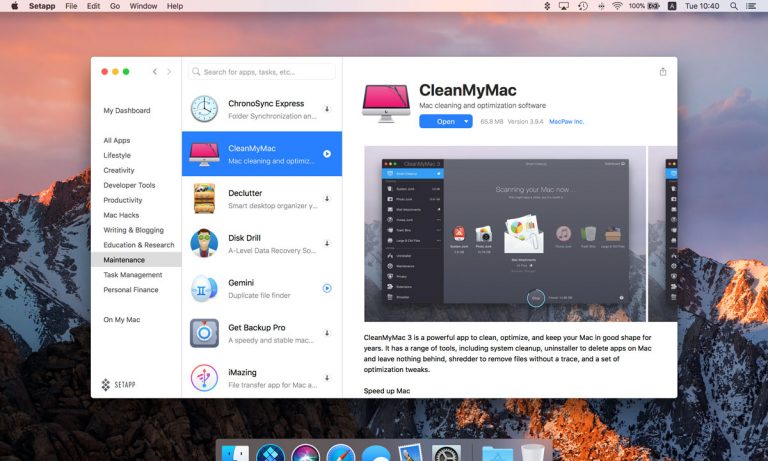
With a Netflix-like plan in mind, Setapp is planning on being the first app to offer full control of different high-end Mac apps to subscribers who pay for a monthly subscription or an annual fee.

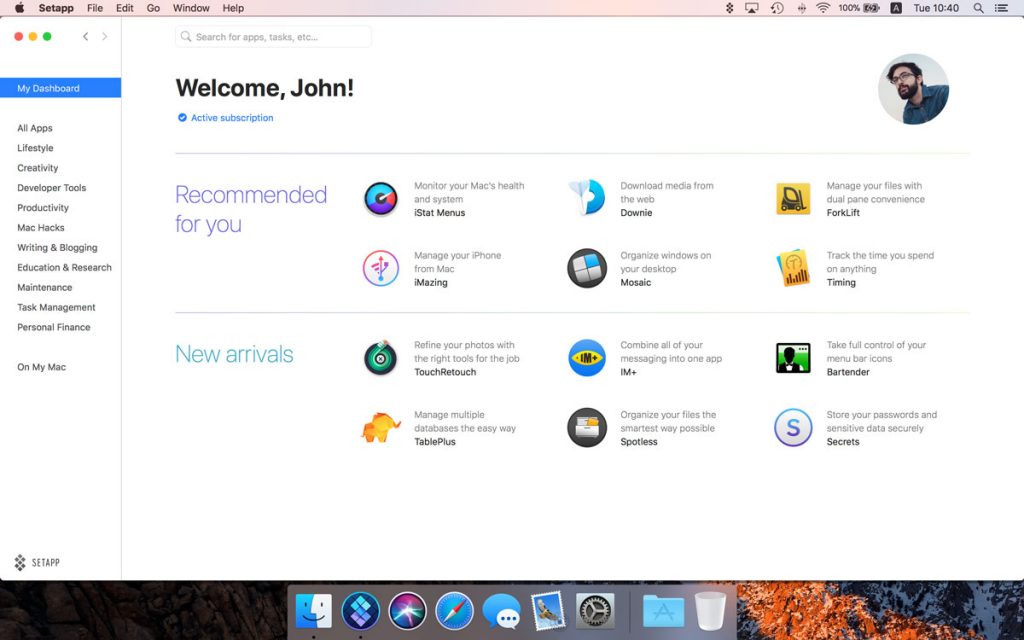
According to Mashable, Setapp is a subscription app that houses more than 60 apps that have varied purposes including utility, design, graphics, productivity, and more, which can be used on any Mac device. With the same subscription, Setapp gives users access to complex apps such as RapidWeaver, basic maintenance ones such as Clean My Mac, and simple and fun ones like Wallpaper Wizard.

Setapp allows you to skip the step of browsing through the app store, wasting money on in-app purchases or dealing with ads. Once you pay for your subscription, you’ll have access to their large catalogue of certified apps and will be able to download them directly into your device so you can use them whenever you want.

Photo courtesy of Setapp

These apps have been carefully curated and have even won Apple’s app of the month, so it’s unlikely that users will be unsatisfied with their performances. The app’s prices range from $80 to $9, so Setapp is a really good deal for users who need several apps and who are looking for a cost efficient way of gaining access to them.

Setapp is available for $9.99 a month or for 119$ a year. You can also try their 7-day free trial, or take advantage of their limited promotion where you can pay $69 for a year’s worth of content. You can sign up here.

This Marijuana Industry Job Will Pay You Six Figures

Opportunities abound within the fast-growing cannabis industry. By 2020 the cannabis industry is expected to employ more than 300,000 people, according to analytics firm New Frontier Data. As more states legalize medicinal and recreational marijuana in the coming years, those numbers are only expected to grow.

Entry into the industry is relatively easy. You could become a bud trimmer or budtender, which accounts for a large majority of the workforce. No specific college education is necessary, though budtenders will benefit from a robust knowledge of cannabis strains and effects, plus an easygoing customer service background.

But those jobs can be relatively low wages. So what’s a job in the cannabis industry if you also want to make serious money? By being a master extractor, master grower, or lab director.

“I know some master growers who make more than $200,000. They’re valuable,” William Simpson, CEO of Golden Leaf Holdings, told CNN Money. “That is going to be a very sought after, difficult position.”

What should you study if you want one of these positions? Degrees in botany, chemistry, or pharmacology will go a long way. However, if you seek a gig as a master extractor, you’ll need a PhD in biochemistry, plus a background in engineering. A limited pool for sure, but that’s part of what drives wages for the job.

Starting out might not lead you immediately to six-figures, though. Individuals just entering those fields might expect to start around a $40,000 salary for pharmacologists or growers. But those numbers could grow to $120,000 within just three years.

Of course if you want the truly big money, you should just go your own way. An entrepreneur with a business degree accepts more risk, but also more reward in the cannabis industry, as in other fields. Though unlike other fields, that risk also includes scrutiny from the federal government. If you’re not interested in touching the plant, it’s as good as a job as any.

Why Millennials Really Want To Work In The Cannabis Industry

Why would someone want to work in a stressful, sweaty workplace like a kitchen with awful hours when you could be around plants all day?

Finding jobs as a millennial isn’t an easy proposition. With a workforce that requires experience for entry-level positions or accepting unpaid internships, most millennials struggle with acquiring work. But one area has not only enticed millennials, but actively recruited them: the cannabis industry.

According the to the Philadelphia Inquirer, that is. The newspaper reported college graduates with agricultural degrees easily getting jobs in the medical marijuana industry. An institution like Delaware Valley University teaches their agricultural students a grow technique called hydroponics, a system that allows plants to grow without soil. Hydroponics is a popular technique within the cannabis industry and while teachers aren’t instructing how to grow cannabis, they are receiving similar skills they can employ within the cannabis industry.

As one dean told the Inquirer, “I’ll teach you how to grow a tomato, and if you can grow a tomato, you can grow cannabis.”

The ability to easily transfer such agricultural abilities gleaned at the university level into the cannabis industry has made these students desirable. In addition, the dean admitted student interest is growing as well.

And as the cannabis industry continues to expand, so too will the job market. Statista estimates the marijuana market will reach $37.3 billion in sales by 2024. That increased revenue will increase job opportunity, as companies will open new grow operations, which need more cultivators and processors to work.

As Bloomberg noted, the working conditions are also appealing to millennials and is driving them away from the restaurant business in places like Denver. Why would someone want to work in a stressful, sweaty workplace like a kitchen with awful hours when you could be around plants all day?

“Our work force is being drained by the pot industry,” a Denver restauranteur told Bloomberg. “There’s a very small work pool as it is. Enter the weed business, which pays $22 an hour with full benefits. You can come work in a kitchen for us for eight hours a day, in a hot kitchen. It’s a stressful life. Or you can go sort weed in a climate-controlled greenhouse. It’s a pretty obvious choice.”

This explains why one CEO of a commercial grower-processor cannabis operation told the Inquirer, “We’re getting deluged with resumes.”

So if you’re a millennial who wants work, don’t go west, young man. Go green.

Cheech & Chong Declare Stoner Comedy Done

Cheech & Chong declare stoner comedy done. The age of a marijuana leaf representing everything that’s cool and counterculture is officially over. That’s according to Cheech Marin and Tommy Chong, who made the statement after news broke that former Speaker of the House John Boehner would be joining the Board of Advisers at Acreage Holdings.

Cheech and Chong, who revolutionized the entertainment world with their “stoner comedy,” announced on the Late Show with Stephen Colbert they were done performing weed comedy, claiming “pot’s over,” alluding to the fact that when politicians enter the cannabis space, the party’s essentially finished.

Related Story: California Employs Cheech Marin To Help With Marijuana Registration

“Actually Stephen, we think this news sucks,” Marin said. “I mean, pot used to be rebellious.”

Chong added to that, saying, “Yeah, now crusty old Republicans like John Boehner are into it.

“Pot’s over, man!”

But not to worry. Cheech and Chong may quit stoner comedy, but they’re not leaving the comedy world entirely. Instead they’ll move on to “edgier stuff, stuff that’s still illegal.” For example, the duo is now into “unpasteurized dairy products…importing exotic reptiles…taping and distributing football games without the express-written consent of the NFL.”

Cheech & Chong are a comedy duo founded in Vancouver and consisting of American Cheech Marin and Canadian Tommy Chong. The duo found commercial and cultural success in the 1970s and 1980s with their stand-up routines, studio recordings, and feature films, which were based on the hippie and free love era, and especially drug and counterculture movements, most notably their love for cannabis. It is interesting after all the years in comedy, Cheech & Chong declare stoner comedy done.  Is it a by-product of mainstreaming?

You can watch the full segment above.

5 Cannabis Products You Might Not Know Exist

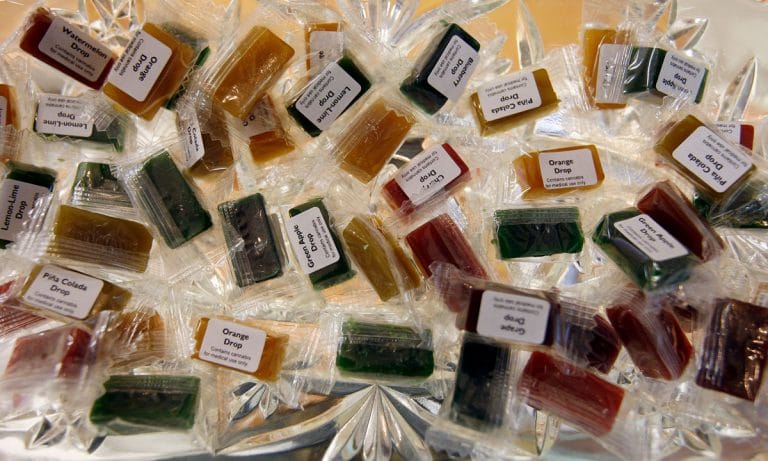
Cannabis infusions have come a long way since the simple brownie. Not to knock a favorite in the least, but only to say that with the market expansion new, bold remedies are hitting the shelves in medicinal and legal states across the nation. Even edibles period are pretty well covered and explored. Yet there are so many more ways to get your healing on these days, we had to share our favorites. Here are 5 cananbis products you might not know exist.

Hey Ladies! It turns out that Whoopi Goldberg has got your back when it comes to period pain. The entire line of Whoopi & Maya is awesome and interesting, but what really sets them apart are the herbal infusions aside from cannabis. Tried and true, they combat PMS and the discomfort of menstruation to the core. The rub. is a real stand out, ready to be spread across your throbbing pelvic area. Pro tip: this balm is also amazing on everyday aches and pains.

Related: 5 Cannabis Products That Are Perfect For Date Night

CanChew Gum is the real answer to getting your daily dose of CBD. Because it is absorbed through the mucus membranes of your mouth, the CBD is delivered more efficiently than with traditional edibles. Plus, it was developed by a team of doctors, dentists and researchers and is well regarded. The minty flavor is classic and it’s extremely portable.

Though laced coffee isn’t new to the scene, Stillwater Coffee and Teas has come out with an individually wrapped, instant coffee. The THC and CBD are water soluble and they kick in quickly for an easier start to your day. Though 10mg of THC is likely not enough to get a daily smoker high per se, it is enough to quell anxieties, calm the stomach and to mix nicely with a hit of caffeine.

Transdermal cannabis patches by Manna Molecular Science offer all day relief from what’s ailing you or simply get you to the state of mind and body that you crave. Created by actual pharmaceutical scientists from MIT and Genzyme, Manna has found a way to get you elevated without any outwardly visible signs. Their website states that they’re even perfect for work!

Not a fan of chewing gum? Well there’s a mint for that. Kiva Confections’ Petra Mints are the champions of microdosing throughout the day. They won’t knock your socks off, but they will provide the other benefits of cannabis and they’re very discreet. The small amount of THC present in each mint goes right to work and you’ll be feeling fine in no time with these innovative beauties.

10 Types Of Marijuana To Help You Sleep

You know how it is: you’re lying down and want to sleep, your mind is racing and your wide eyes just won’t shut. You’ve tried sleeping aids and countless glasses of warm milk to no avail. You listened to music, you read a book and even tried to meditate, all without success. Insomnia, why must you be so damn ruthless? Seriously. Here are 10 types of marijuana to help you sleep.

Know that there are multiple ways to consume marijuana, you can eat or drink it, rub it into your skin, vape, smoke and much more. Ask the budtenders at your local dispensary which products have the strains listed and then pick how you want to put it into your body. Insomniacs rejoice.

via GIPHY

Chemo

This strain got its name in the 70s when it was used to treat patients going through chemotherapy. Woody and strong, this indica strain will put you right to sleep.

Lavender

Lavender in general, is soothing as hell, so it’s no wonder this indica strain is perfect for a goodnight’s rest. Sweet and flowery, this is the perfect bedside companion.

Related: 5 Cannabis Products That Are Perfect For Date Night

King Louis XIII

It’s in the name, this indica is KING. The pine flavors will relax you while the wooden aromas will have you drifting straight to cloud nine.

Blackwater

Not only is this indica strain perfect for pain and stress, Blackwater will mellow you all the way out. With this earthy bud, you won’t be able to make it through the opening credits of The Sopranos.

Vanilla Kush

This strong vanilla scent is just what you need. Whether you’re trying to take a lengthy nap or get in a good, long snooze, Vanilla Kush is your guy.

via GIPHY

Mango

Mango is a night time fave. Trust us, this indica strain will take you to paradise and back. Mango, tropical and sweet, some good z’s await you.

Afghani

Afghani is the best for insomniacs. It’s sweet and forest-esque aromas will relax, soothe and calm you.

RELATED: Everything You Ever Wanted To Know About Using Cannabis For Sleep

Ogre

Shrek would be proud. Okay, no, that’s weird because that’s definitely a children’s movie. However, if you can get behind your marijuana tasting like a citrusy skunk, then Ogre is the one. It’s quite pungent and it will rock your bedtime world.

Mexican

Mexican isn’t really a strain, it refers to a bunch of different strains in the region. But if you can get your hands on some Oaxacan or something, you will probably have the best sleep of your life. Have some snacks bedside because this Sativa strain will also have you hungry.

Black Dahlia

We’ll admit, the name is kind of creepy, but this berry hybrid strain will relax you before a nice slumber. It kind of taste like a fruity cigar, so if you’re in to that, Black Dahlia is your girl.

Hope the 10 types of marijuana to help you sleep makes you snooze like a baby.

Cannabis Will Not Reduce Your Chance of Pregnancy, Says Study

Cannabis use does not reduce the chance of becoming pregnant, according to a published study in the “Journal of Epidemiology and Community Health.”

$ 5 billion a year is spent in the US towards helping couples conceive a child. Infertility is big business. More importantly, it creates stress and hardship for the approximately 15 percent of couples who have trouble conceiving.

With the increasing access to legal marijuana in the US and more users consuming the herb, researchers naturally wanted to know if fertility is reduced among couples in which one or both partners consume. The short answer is no, consuming cannabis did not show itself to affect the probability that a menstrual cycle resulted in pregnancy, otherwise known as fecundability.

The researchers conducted an online survey of over 4,194 women in the United States and Canada and 1,125 of their male partners. Participants were not using birth control nor any fertility treatment at the time. Both women and men participated in a baseline survey, and the female partners continued to submit data every 8 weeks for one year. 12% of the women and 14% of the men reported having used cannabis within the 60 days leading up to the study.

The data showed that, regardless of cannabis use, the chance of pregnancy was unchanged. It seemed to have no effect.

“Conclusions In this preconception cohort study, there was little overall association between female or male marijuana use and fecundability.”1

This is very interesting data for those of us who grew up hearing that marijuana lowers sperm count and may even cause atrophy, or shrinkage, of the testicles. Testicle shrinkage is a myth that caught the attention of many boys and men in the 1980’s, though it has no grounding in fact. The same myth was widely touted about Mountain Dew and Yellow #5 dye.

Now that cannabis is becoming locally legal for many Americans, we can no longer rely on the myths and half-truths that passed for information in the days of full bore prohibition.

Previous studies have pointed to cannabis as a cause of reduced sperm count and motility, or ability to move. The results of the recent study stand in opposition to studies like one conducted on lab mice in 2010 that showed that cannabis reduced sperm cells’ motility as well as the fertility of the male mice.  

Widely respected MDs like Harvard’s professor emeritus of psychiatry Lester Grinspoon have been very vocal about past studies that point to a connection between cannabis consumption and reduced fertility. As he stated in an interview with WedMD:

The fact of the matter is people have difficulty accepting the fact that cannabis is one of the least toxic substances known to man,” stated Dr. Grinspoon. “We keep searching with these microscopic lenses for things, but it just doesn’t show.”2

So, can we take this new study the absolute truth? It is probably a bit early for that. Researchers note one of the key limitations of this study is the fact that amount and frequency of cannabis use was not considered. Another consideration is the fact that the majority of citizens living the the US and Canada still do not have access to legal cannabis. This fact could be a very rational reason some participants may not want to admit to using the substance.

Funding for follow-up studies is bound to be available for follow-up research. Additionally, as more states legalize cannabis and the stigma is further reduced, it should be easier to find even larger groups of couples willing to contribute to this search for knowledge.

We have not heard the last on this subject.

Don't Miss Your Weekly Dose of The Fresh Toast.

Stay informed with exclusive news briefs delivered directly to your inbox every Friday.

We respect your privacy. Unsubscribe anytime.