Tuesday, May 12, 2026
Home Blog Page 1000

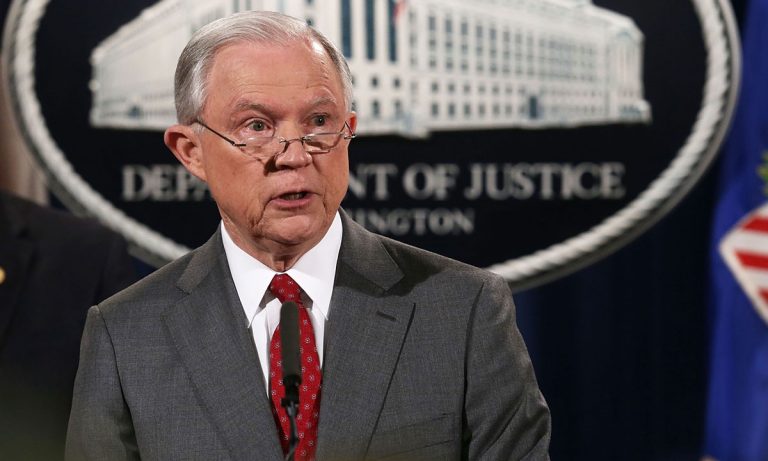
Jeff Sessions Becomes Marijuana Famous With #JeffSesh

If you are active in the cannabis community and haven’t been living under a rock, you know that US Attorney General Jeff Sessions is one of the biggest pot blocks we have. He despises cannabis, having compared it to heroin and made the illustrious statement that good people don’t smoke marijuana.

He and his reefer madness rhetoric have become something of a joke, though up until now a not quite so funny one. Enter #JeffSesh. This simple moniker isn’t just funny in itself, it is an e-commerce site that leads to delightful hilarity.

Though the website admits that the papers “started as a joke,” they’re already close to selling out of the novelty goods. The front of the pack boasts an elfish AG, joint in mouth. And from left to right the pack reads, “Ideal for legal marijuana,” “General Jeff’s Old Rebel Session Papers,” “Don’t Beauregard That Joint, My Friend” and “Have A #JeffSesh.”

They may be beyond silly, but the purveyors have a wider mission in mind. #JeffSesh hopes that every time someone sparks up with one of their papers that it’s sending a message to Sessions that, “We’re not criminals, junkies or idiots. Regular Jeffs all over the country—good, responsible, patriotic Americans—have a sesh now and then… and its [sic] OK!”

Sessions has come under a lot of fire since his comments and actions in January that led to the rescindment of the Obama-era Cole Memo. He’s just not on the progressive, reasonable side of the argument. Latest Gallup polls show support for legalization at around 64% nationwide, and that means that beyond no longer being taboo, it’s also not a party issue.

Cannabis is a substance our bodies were literally made to ingest. Our endocannabinoid system saturates our brains and bodies, paved in receptors that perfectly fit and utilize ingested cannabis. Aside from being flat out legal in 6 going on 8 states, it’s actually called medical marijuana in the rest of the 30 states with medicinal laws. It’s just not a harmful plant!

Jeff Sessions is simply behind the times, but you can still have a good laugh with his likeness when you roll one up. Just don’t start talking to the pack of papers, dude. No matter how it may appear, he still can’t hear you.

Marijuana Investments Spike 600 Percent Already In 2018

Are you listening, Jeff Sessions? Regardless of your stance on marijuana (“Good people don’t smoke marijuana.” – Jeff Sessions, 2017), the industry is booming. According to a new report, financial backers of the industry have dug deep into their pockets, to the tune of more than a billion dollars in 2018. And we’re just two months into the new year.

That’s more than the entire amount invested in 2016 and, according to Benzinga, a 600 percent increase over the $178 million raised in the first five weeks of 2017.

The report from Viridian Cannabis Deal Tracker comes just after Seattle-based Privateer Holdings announced they’ve completed Series C funding with a $100 million investment. The company’s portfolio includes Bob Marley’s cannabis brand Marley Natural, edibles company Goodship (whose owner also owns a hype-popular string of cupcakeries), and Leafly. The company so far has raised a total of $200 million, according to Entrepreneur.

According to the report, 9 out of 65 cannabis industries raised more than $50 million this year.

And as Entrepreneur reports, it’s also happening to our friends up north; cannabis companies in Canada raised $2 billion in 2017. It helps that recreational marijuana is expected to be legalized there this summer.

10 Types Of Marijuana That Will Make A Rainy Day Better

While occupied daydreaming about summer plans, it’s all too easy to forget the famous creed: “April showers bring May flowers.”

As the long winter season comes to a close, people are ready to come out of hibernation and enjoy the psychological remunerations of the springtime. For most Americans, this budding excitement is infused with notions of green grass, blooming flowers, and chirping birds. With the slowly rising temperatures of the winter thaw comes imaginings of drinking cold beer in the sun, next to a simmering barbecue, with the best of friends.

Yet, Mother Nature still has some devious tricks up her sleeve. While occupied daydreaming about summer plans, it’s all too easy to forget the famous creed: “April showers bring May flowers.” That being said, springtime can be a cruel, cruel mistress. As fantasies of extravagant blue skies quickly deflate into a dismal reality of grey rainy days it is all too easy to lose faith in impending summertime fun.

Know that there are multiple ways to consume marijuana, you can eat or drink it, rub it into your skin, vape, smoke and much more. Ask the budtenders at your local dispensary which products have the strains listed and then pick how you want to put it into your body.

Need help finding a dispensary? We got you. Just visit our directory.

Don’t fret my friends—if you are forced to spend your rainy spring days doing indoor activities, you can always indulge yourself in some fascinating new marijuana strains. Regardless of how you occupy yourself inside your home during the relentless spring downpours, here are 10 types of marijuana that are good to use on rainy days:

https://giphy.com/gifs/sonymusiccanada-beyonce-rain-lemonade-BmNN0o4Weo5Bm

Cannatonic

This high CBD and low THC strain is great for inducing a relaxing mood during spring showers—embrace the rain and mediate the day away.

Fire OG

This aromatic OG cross gives smokers a mellow yet energetic high that can surely help keep one engaged whilst cleaning the house during a gloomy day.

Tangerine Kush

This popular indica strain has a scent and color reminiscent of a tangerine orange. Moreover, it’s a great type of weed to use for chilling on the couch and watching your favorite movies during a storm.

Sour Diesel

A favorite daytime strain for stay-at-home wives in Northern California, Sour Diesel will have you cooking up a storm in the kitchen while killing time in a spring tempest.

Aurora Indica

https://giphy.com/gifs/mF4k0YXIHDHzy

As Northern Lights and Afghan cross, Aurora Indica is an excellent choice if you want to catch up on sleep during a rainy weekend—its debilitating effects will put even the most accomplished insomniac down.

Trainwreck

This infamous cannabis strain packs a powerful cerebral high that can be utilized while finishing up a neglected art project while stuck indoors.

AK-47

As a favorite for growers and smokers alike, this old-school strain will get you fired up to play video games during a relentless spring deluge.

Granddaddy Purple

For many of us, being stuck inside all day during a grey gloomy day in April can cause restlessness and anxiety—a little Granddaddy Purple smoke will help relieve this anxiousness.

Blueberry Muffins

This sativa-dominant hybrid smells like fresh muffins coming straight out of the oven. Even better, Blueberry Muffins gives you an energetic high that you can take to the gym and work-out with.

Great White Shark

https://giphy.com/gifs/ocean-shark-finding-nemo-107gPMgIBBleA8

Another sativa-dominant hybrid, GWS is a great strain to use when doing yoga on a rainy day. It’s effects feature a relaxing body high which goes well with your favorite pose.

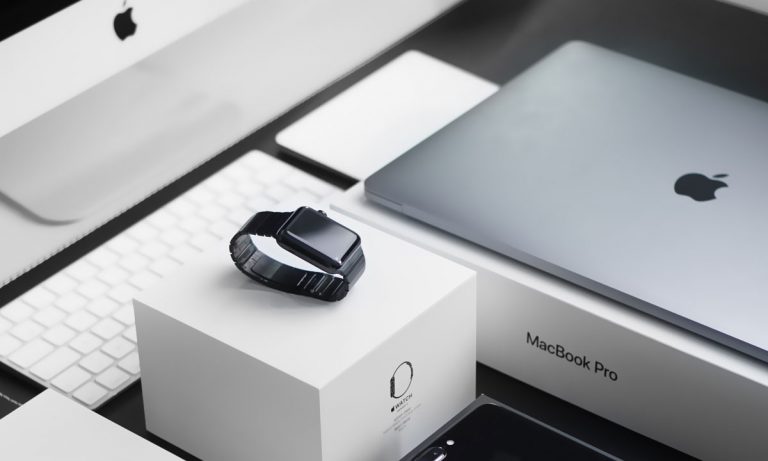
5 Of Apple’s Most Popular Products Were Developed By Other Companies

Apple has the reputation of making things famous before everyone else; something that’s largely true. Most users believe that Apple was the first to make the iWatch, the iPod, and the most prevalent smartphone. While it is true that other companies tend to follow in their footsteps, in a lot of cases, Apple wasn’t the first to invent these technologies.

According to Forbes, the thing that matters most on these instances isn’t who comes up with the technology first; it’s who markets it better. There’s no company in the world who markets better than Apple – except maybe Coca-Cola, because their commercials always make me cry. Apple broke ground when they came up with arguably the best commercial in the world; the 1984 Macintosh ad that aired during the Super Bowl. It has been 30 years since that commercial aired, and Apple’s still revolutionizing marketing.

Check out some of their greatest hits which borrowed heavily from other companies:

App Store

https://giphy.com/gifs/will-make-apps-CmllWmxb7SFvW

Apps changed the technology industry, especially the way in which we use our phones. They’re basically the reason why smartphones are smartphones. iPhones are credited as the first to introduce apps, but Nokia had apps 2 years before Apple even invented the iPhone. Their App store was called the N-Gage system, and it worked on Symbian Series 60 devices.

OLED Screens

https://giphy.com/gifs/surprised-what-sunglasses-gVE7nURcnD9bW

Even though a lot of people think that the OLED screen on the iPhone X is breaking new ground, it isn’t. OLED screens have existed for decades, they’re the ones used by several Samsung Galaxy models. Back in 2008, Nokia was the first to implement it on a smartphone. Poor Nokia, where are they now?

Face Unlock

https://giphy.com/gifs/facial-recognition-zlVOaHYIpnbck

Windows Hello has been unlocking devices with your face for a while, but it is true that Apple did it way better than them, eliminating glitches and delivering a software that works smoothly and that actually unlocks your device. Windows Hello sucks.

Wireless Charging

https://giphy.com/gifs/fullscreen-ben-pasternak-ceo-16-l2Jhzrzsd9FrlmnzG

I’m surprised that Apple users are this gullible and that they believed the iPhone X and the S8 when they claimed to be the first devices that could handle wireless charge. This technology has been around since 2012, and Apple didn’t remodel or improve the technology for their devices.

Siri

https://giphy.com/gifs/cbc-funny-comedy-mr-d-3o7abI41DLtDBd1VQs

Siri was one of the features that wowed people when it initially came out, but it existed way back in 2012 on Motorola devices. Apple just gave the software a cute and catchy name. I’m not criticizing here, it worked.

Is Legal Cannabis Really To Blame For Increase In Pedestrian Deaths?

About 6,000 pedestrians were killed in auto accidents in 2017, according to a study released this week, marking the second year in a row at fatality numbers not seen in 25 years. Is marijuana legalization to blame?

“We are not making a definitive, cause-and-effect link to marijuana,” according to Richard Retting, a traffic safety engineer at Sam Schwartz Consulting and author of the study. The data “is a marker for concern,” he added. “It may be a canary in a coal mine, an early indicator to address.”

The Governors Highway Safety Association’s annual Spotlight on Highway Safety provides a glimpse at state and national trends in pedestrian traffic fatalities for 2017. And the fatality trend is alarming. “Two consecutive years of 6,000 pedestrian deaths is a red flag for all of us in the traffic safety community. These high levels are no longer a blip but unfortunately a sustained trend,” said GHSA Executive Director Jonathan Adkins. “We can’t afford to let this be the new normal.”

States reported a total of 2,636 pedestrian fatalities for the first six months of 2017. Adjusting the raw data based on past data trends, GHSA projects that pedestrian deaths in 2017 will total 5,984, essentially unchanged from 2016, in which 5,987 people on foot lost their lives in motor vehicle crashes. Pedestrians now account for approximately 16% of all motor vehicle deaths, compared with 11% just a few years ago.

Two recent trends present an interesting correlation with rising pedestrian fatalities: the growth in smartphone use nationally and the legalization of recreational marijuana in several states. While the report does not find or imply a definitive link between these factors and pedestrian deaths, it is widely accepted both smartphones and marijuana can impair the attention and judgment necessary to navigate roadways safely behind the wheel and on foot.

“I’d be cautious about drawing a direct link to any potential cause,” said Jason Levine, executive director at the Center for Auto Safety. “But it’s certainly worth trying to figure out why those numbers are what they are.”

The reported number of smartphones in active use in the U.S. increased 236% from 2010 to 2016, and the number of cell phone-related emergency room visits is increasing as the devices become more prevalent in daily life.

The seven states and D.C. that legalized recreational marijuana use between 2012 and 2016 experienced a collective 16.4% increase in pedestrian fatalities for the first half of 2017, while all other states saw a combined 5.8% decrease.

But a closer look at the data finds some curious omissions. For example:

The seven states (Alaska, Colorado, Maine, Massachusetts, Nevada, Oregon, Washington) and DC that legalized recreational use of marijuana between 2012 and 2016 reported a collective 16.4 percent increase in pedestrian fatalities for the first six months of 2017 versus the first six months of 2016, whereas all other states reported a collective 5.8 percent decrease in pedestrian fatalities.

Astute readers may notice the absence of California, which also legalized recreational marijuana in 2016. California, by the way, experienced a major decrease in pedestrian fatalities for the first six months of 2017. If California was moved into the “legal marijuana” category, the legalization states would have collectively a larger decrease in pedestrian fatalities than the “all other states” group.

Of course, California did not have recreational marijuana stores until 2018. But the same is true for Maine, Massachusetts and Nevada. (Nevada got stores going in the second part of 2017.)

It is also worth examining whole numbers, not just percentages. Colorado, for example, had a reported pedestrian fatality increase in this new report of only 4 persons, from 33 to 37 from 2016 to 2017. But if you take a look at the data the from 2013 and 2014, when legal marijuana began in the state, you will notice a decrease from 33 down to 23.

Baton Rouge Is About To Decriminalize Marijuana

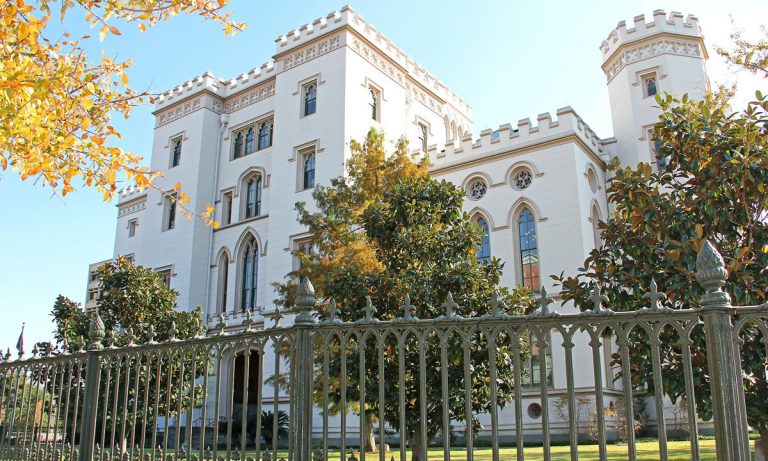
This week, the East Baton Rouge Metropolitan City Council voted 8-4 in favor of an ordinance to decriminalize marijuana in East Baton Rouge Parish, which includes the state capital of Baton Rouge.  If Mayor-President Sharon Weston Broome signs the ordinance, it will go into effect on March 31.

“This would be a significant step toward repairing the devastating harms of mass criminalization on communities of color,” said Michelle Wright, policy manager for the Drug Policy Alliance. “The data shows that arrests for marijuana possession are largely based on race and class. Black people are arrested for marijuana possession at three times the rate of white people in Louisiana, even though both groups use marijuana at similar rates.”

Following the ordinance change, co-authored by East Baton Rouge City Councilmembers LaMont Cole and Chandler Loupe, a first-time marijuana possession offense with less than 14 grams would carry a fine of $40. A second-time offense would carry a fine of $60, a third-time offense would be $80, and each subsequent offense would carry a fine of $100. Traditionally, the law mandated that those in possession of under 14 g or less face a possible sentence of 15 days in jail and a $300 fine, even for a first offense.

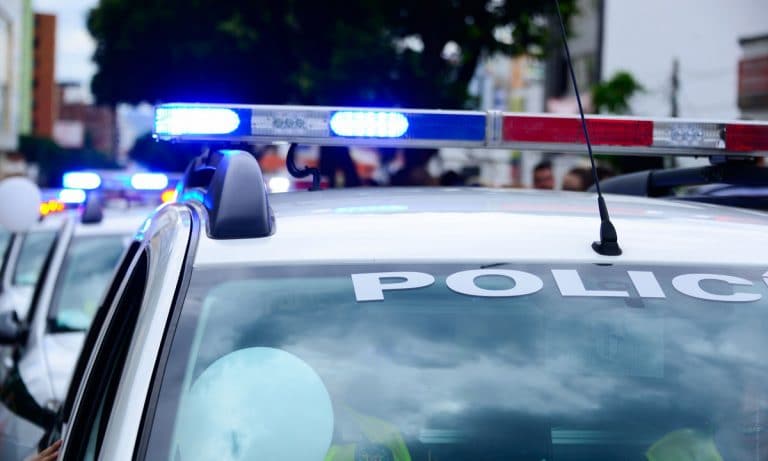
“I don’t think we should spend police resources on this,” said Councilman Chandler Loupe, who is sponsoring the ordinance change, adding that he would “rather see police spend their time on other crimes.”

Nationally, support for marijuana legalization is at an all-time high – with nearly two-thirds of Americans supporting legalization, including a majority of Republicans. In recent months, Atlanta, GA and Jackson, MS have enacted marijuana decriminalization ordinances. In 2016, Nashville and New Orleans became the first cities in the Deep South to approve marijuana decriminalization.

Unfortunately, throughout most of the Deep South, harsh marijuana laws remain the norm. Black and brown people are arrested, convicted, and sentenced for drug law violations at disproportionately high rates. This means that while some people in legal marijuana states may profit from manufacturing and selling marijuana, people in other states – especially people of color – are still arrested and incarcerated in massive numbers for merely possessing it. The consequences of these harsh policies have been devastating for millions of individuals, their families, and communities.

“The adjustments we are attempting to make in terms of marijuana enforcement is the first step in long-term crime prevention,” said Councilmember LaMont Cole, who co-authored the ordinance.

“For far too long in our community, we have allowed the penalties for marijuana to create a caste system keeping people from participating in the American vision,” added Cole. “If we want safer communities where citizens feel empowered to take advantage of opportunities we must follow the lead of larger cities and help our citizens. Thankfully we were able to take a step in that direction today.”

Battle of the Fashionistas: Meghan Markle vs. Kim Kardashian

Kim Kardashian may be “Reality TV Royalty” but who has more fashion star power: Mrs. West or Meghan Markle?

And which fashion powerhouse joined Queen Elizabeth on the front row at her first Fashion Week in London? Wearing a powder blue dress and jacket by Angela Kelly, Her Majesty was most definitely “in vogue.”

Fashion guru Dawn Del Russo also talks Royal fashion, Meghan’s style evolution and gives us some fashion tips to follow. Which color is tough to pull off (unless you are JLo of course) and what iconic dress you should toss from your closet ASAP?!

Hot Peppers Could Help This Cannabis-Induced Syndrome

Hot peppers can make a big difference in this cannabis-induced syndrome.

Cannabinoid hyperemesis syndrome (CHS) is a condition experienced by some heavy cannabis users. It is described as causing episodes of nausea and vomiting as well as the curious symptom of a craving for long, hot showers for temporary relief.

Doctors don’t yet understand the cause for this condition. We do know that cannabinoids can have paradoxical effects on the gastrointestinal system and central nervous system.

Cannabinoids are chemical compounds found both in the cannabis plant and naturally occurring in our bodies. THC and CBD are the two most well known and widely researched among these compounds. Ironically, the same cannabinoids that have helped bring relief of nausea to countless patients with cancer experiencing the side effects of treatment may also cause some to feel nauseous as in the case of CHS. While we don’t fully understand their influence, there is support to believe that cannabinoids play a role in the balance of the gastrointestinal system. 

RELATED:  Let’s Talk About The “New” Syndrome In Which Weed Users Can’t Stop Puking

While uncomfortable, CHS is not life-threatening and seems to fade away with a discontinued use of the herb. However, an individual in the throes of nausea and active vomiting is not likely to be comforted that it will eventually go away. The typical treatment for CHS includes giving the patient fluids, opioids, lidocaine, and anti-emetic (anti-vomiting) medicines to bring an end to the vomiting, though this can be ineffective for many patients. The medications used can also have side effects including muscle spasms and restlessness, diarrhea, blurred vision and more.  

mouth on fire heres how cannabis can help
Photo by FotoCuisinette/Getty Images

The health community would likely welcome a safer therapy for CHS if proven to be effective and cost effective. So, the news that a safe topical product available may be a good alternative has created a stir in the medical community. The journal Pediatrics a retrospective medical record review of a small population of adolescents who found relief from CHS thanks to use of topical capsaicin, a product made from the active ingredients in chili peppers. 

RELATED: Little-Known Health Effects Of Medical Marijuana

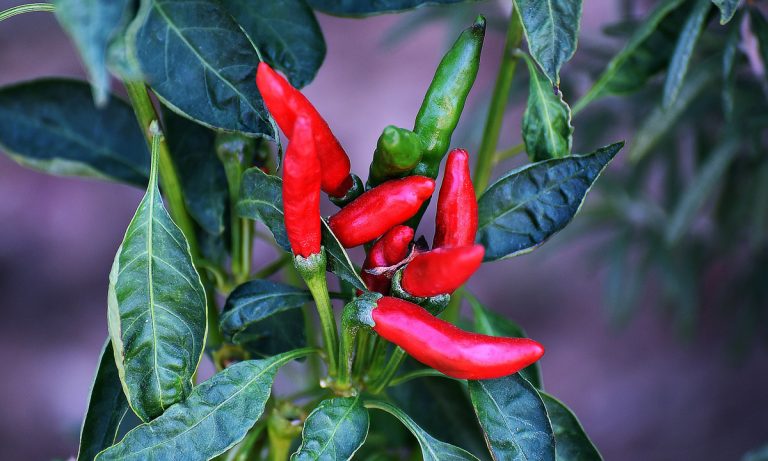
Anyone who has eaten chili peppers and enjoyed a variety of hot sauces is familiar with the burning capsaicin causes in the mouth and other mucous membranes like the eyes. It is the reason it is also a main ingredient in many pepper sprays used for personal protection. But that same compound suspended in lotions and creams has been bringing relief to people with arthritis and joint pain for years.

While the numbers of the data set are too small to draw absolute conclusions, the evidence points to the likelihood that it was a topically applied capsaicin cream at strengths between .025 and 0.75 that made the difference and brought significant symptom relief.

This could be fantastic news for the sufferers of CHS who one day could be advised to skip a trip to the hospital ER and simply buy an over-the-counter cream to remedy things. While much more research will need to be done to be able to offer such advice with full confidence, hot peppers just may be the key to stopping this peculiar condition in its tracks.  

Will You Be Invited To Meghan Markle And Prince Harry’s Wedding?

Kensington Palace announced that Prince Harry and Meghan Markle would invite over 2,600 members of the community into Windsor Castle, so the public could be a part of the wedding celebrations come May 19th.

Around 1,200 members from all sorts of backgrounds and ages will be invited from all over the United Kingdom, prioritizing young leaders and those who’ve done work for their communities. 100 of these guests will be students from two local schools, 200 will be from a variety of charities and organizations that are close to Prince Harry and Meghan Markle, 530 guests will be from the royal households of Crown Estate.

Other public guests include residents of Windsor Castle and members of St. George’s Chapel community. These guests will be able to watch the arrivals of the bride and groom, other important guests, and the couple’s departure and carriage procession through the town of Windsor.

Via CNN:

Prince Harry and Ms. Meghan Markle have said they want their wedding day to be shaped so as to allow members of the public to feel part of the celebrations too.

This wedding, like all weddings, will be a moment of fun and joy that will reflect the characters and values of the bride and groom.

The official guest list for the ceremony still hasn’t been released.

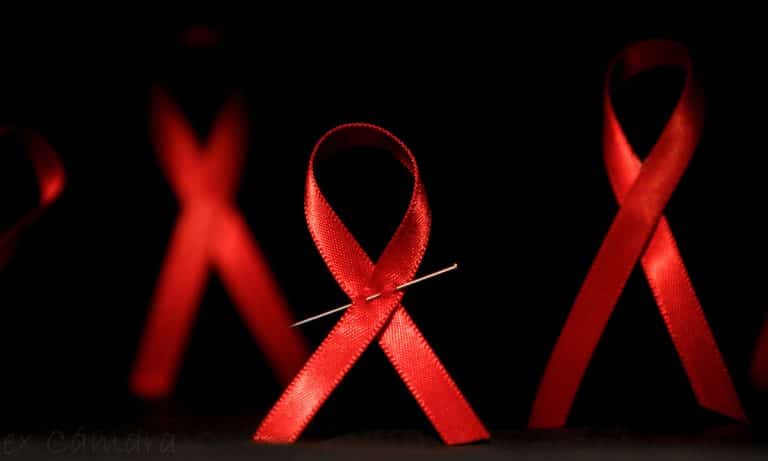
Medical Cannabis May Be Essential Tool For People With HIV

A study has been published that shows the potential benefits cannabis can bring to people with HIV. The journal Clinical Infectious Disease released data that shows cannabis may be able to reduce systemic inflammation and immune activation for those involved with antiretroviral therapy (ART). That could be life changing for some.

ART drug therapy is a combination of antiretroviral drugs used to slow the population growth of the virus known as HIV in the body. There are different categories of each medicine type because they affect the virus at varying stages of progression.

The goal is to limit the population of the virus, maintain the body’s immune health and prevent the opportunistic infections that can be particularly dangerous for people with HIV. The process is complicated and improper use of medications can help lead to the genetic mutation of the virus and cause further complications. 

Although ART drugs are helping people to live much longer lives, the toll of the meds can be dramatic. The side effects include intense allergic reactions, bleeding, bone loss, diabetes, heart disease as well as damage to the liver, kidneys and pancreas. For this reason, many patients simply do not take their medications. The side effects often just make them feel worse.

Patients with HIV have been shown to be up to 300 percent more compliant with ART medications when also using cannabis. There is tremendous interest in the benefit the herb can bring these patients and a significant amount of money is being spent by American universities to learn more. 

A collaboration between researchers at University of Washington and UC San Francisco is a good example of this continued interest. Patients with HIV in the study who were considered “heavy cannabis users” had an improved immune response over time due to the cannabinoids, active compounds found in the herb. The hope is that it could also lead to fewer related conditions to which those with the infection are vulnerable.

Specifically, the study author wrote: 

Our work suggests that cannabinoids may have an immunological benefit in the context of HIV infection, as lowering the frequency of activated T cells could limit the risk of development of non-AIDS-associated comorbidities.

While research with this kind of detail may be lost on many in the public, the real promise it holds for those living with HIV/AIDs is significant. The lives of over one million people in America living with HIV may be positively impacted as a result. It is a sign of the times that HIV and cannabis, each of which has been subject to demonization and victimized by political agendas, may find a harmonious connection no one could have previously comprehended.

Don't Miss Your Weekly Dose of The Fresh Toast.

Stay informed with exclusive news briefs delivered directly to your inbox every Friday.

We respect your privacy. Unsubscribe anytime.