Sunday, May 10, 2026
Home Blog Page 1040

Re-Criminalizing Cannabis Is Worse Than 1930s Reefer Madness

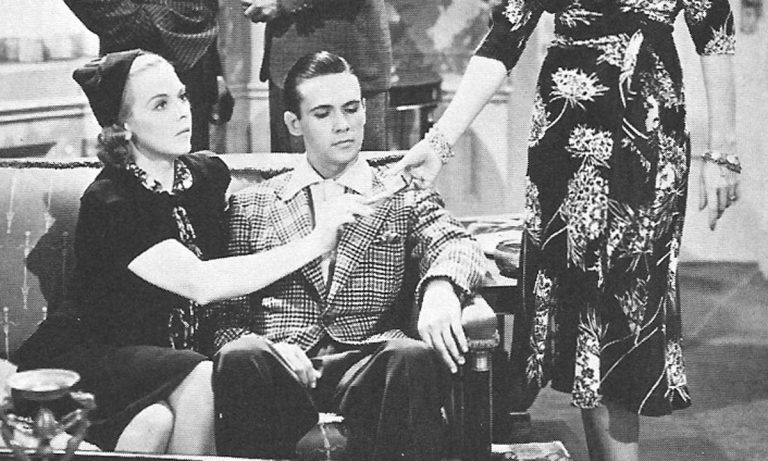
In the 1930s, parents across the US were panicked. A new “documentary,” Reefer Madness, suggested that evil marijuana dealers lurked in public schools, waiting to entice their children into a life of crime and degeneracy.

The movie captured the essence of the anti-marijuana campaign started by Harry Anslinger, a government employee eager to make a name for himself after Prohibition ended. Anslinger’s campaign demonized marijuana as a dangerous drug, playing on the racist attitudes of white Americans in the early 20th century and stoking fears of marijuana as an “assassin of youth.”

Over the decades, there’s been a general trend toward greater social acceptance of marijuana by a more educated society, seeing the harm caused by the prohibition of marijuana. But then, on Jan. 4, Attorney General Jeff Sessions rescinded an Obama-era memorandum suggesting federal agents should let states regulate control of marijuana and focus their efforts on other drugs.

Re-criminalizing marijuana in light of current research findings, including my own research of more than 15 years, makes Sessions’ proposed crackdown on legal marijuana look worse than reefer madness.

Researchers like myself, who regularly talk with people who are actively using hard drugs, know that legal cannabis can actually reduce the harmful effects of other drugs.

A trailer for “Reefer Madness.”

Reefer Madness

Re-criminalizing marijuana is a decision that makes little sense unless we consider the motives. History can shed some light here.

Media mogul William Randolph Hearst supported the criminalization of marijuana, in part because Hearst’s paper-producing companies were being replaced by hemp. Likewise, DuPont’s investment in nylon was threatened by hemp products.

Anslinger’s tactics included racist accusations linking marijuana to Mexican immigrants. His campaign included stories of urban black men who enticed young white women to become sex-crazed and instantly addicted to marijuana.

Anslinger’s campaign succeeded beyond his aims. His fearmongering was based more on fiction than on facts, but it made him head of the Bureau of Narcotics for 30 years. The social construction of cannabis as one of the most dangerous drugs was completed in 1970, when marijuana was classified as a Schedule I drug under the Controlled Substances Act, meaning it had high potential for abuse and no acceptable medical use.

Almost 50 years later, the classification remains and Anslinger’s views endure among many policymakers and Americans.

Spurious Relationships

Today, marijuana critics often cite studies that show a connection between marijuana use and a host of negative outcomes, like use of harder drugs, criminality and lower IQ. Anslinger used the same tactics to incite fear.

But a correlation does not mean a causation. Some of these studies used flawed scientific methods or relied on false assumptions.
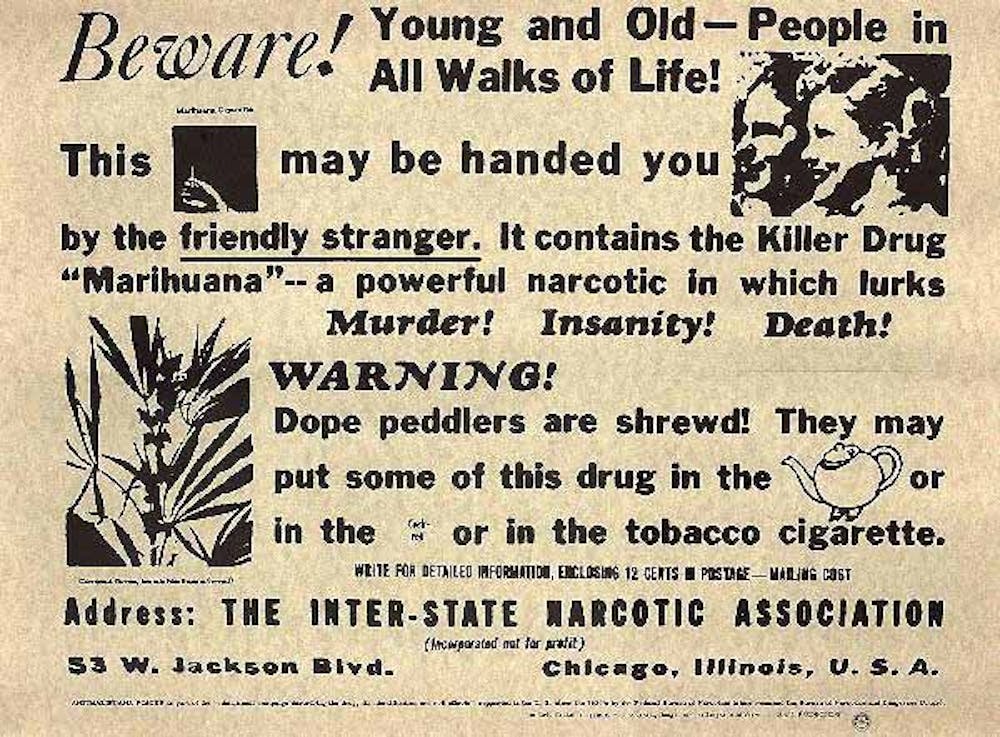
A 1935 U.S. government advertisement warning about dangers associated with marijuana.
origins.osu.edu

One popular myth, which started in Anslinger’s campaign and continues today, is that marijuana is a gateway to heroin and other opioids. Despite research dispelling this as a causal connection, opponents of marijuana legalization continue to call marijuana a “gateway drug.”

Studies on the brains of long-term marijuana users suggested a link between marijuana use and lower IQ. But later investigation showed that low IQ might actually be caused by smaller orbitofrontal cortices in the brains of children. Children with smaller prefrontal cortices are significantly more likely to start using marijuana early in life than those with larger prefrontal cortices.

One well-designed study that looked at marijuana use and brain development on adolescent twins over 10 years found no measurable link between marijuana use and lower IQ.

In a review of 60 studies on medical marijuana, over 63 percent found positive effects for debilitating diseases – such as multiple sclerosis, bipolar disorder, Parkinson’s disease and pain – while less than 8 percent found negative health effects.

The most harmful effect of criminalizing marijuana may not be its restriction on medical uses, but its devastating cost to American society, which experienced a 500 percent increase in incarceration due to the war on drugs.

The Portugal Experiment

The tragedy in this policy is that decriminalizing drugs has shown to lower drug use – not increase it.

In 2000, Portugal had one of the worst drug problems in Europe. Then, in 2001, a new drug policy decriminalized all drugs. Drug control was taken out of the criminal justice system and put under the Ministry of Health.

Five years after Portugal’s decriminalization, drug use by young people was down. Teenagers between the ages of 16 and 18, for example, were 27.6 percent less likely to use drugs. What’s more, the number of people going to treatment went up, while drug-related deaths decreased.

Fifteen years later, Portugal still had lower rates of heroin and cocaine seizures, and lower rates of drug-related deaths, compared to the rest of Europe. Cannabis use in Portugal is now the lowest among all European countries. Moreover, Portugal’s policy change contributed to a reduced number of drug addicts with HIV.

The “Portugal Experiment” shows what happens when we take an honest look at a serious societal drug issue. Taking a tactic used by Anslinger, opponents of marijuana legalization claim it will lead to more use by young people. However, in states that legalized medical marijuana, use by young people did not increase or even went down. Recent data show that use of marijuana by teens decreased even in states that legalized marijuana for recreational use.

As the U.S. battles an opioid epidemic, states where marijuana is legal have seen fewer deaths from opioid overdose.

More studies are finding medical marijuana patients were using marijuana as a substitute for pain pills. After a medical marijuana law was passed, use of prescription medication for which marijuana could serve as a clinical alternative fell significantly.

Faced with a deadly opioid epidemic, more of the medical establishment is beginning to acknowledge the potential of marijuana as a safer therapy for pain than opioids.

Listening To Those Who Are Suffering

In my own field research, I’ve conducted hundreds of interviews with people who used heroin, cocaine, methamphetamine and other really dangerous drugs. Most of them used drugs to address social isolation and emotional or physical pain, which led to addiction. They often told me that they used marijuana to help them stop using more problematic drugs or to reduce the side effects of withdrawing.

“In a lot of ways, that was my sanity,” said a young man who had stopped all drugs but cannabis.

Marijuana became a gateway out of heroin, cocaine, crack and other more deadly drugs.

While the Institute of Medicine released a report in 1999 suggesting the development of medically useful cannabinoid-based drugs, the American Medical Association has largely ignored or dismissed subsequent studies on the benefits of cannabis.

Today, in many states, people can use marijuana to treat illnesses and pain, reduce withdrawal symptoms, and combat cravings for more addictive drugs. They can also choose to use cannabis oil or a variety of healthier ways than smoking for consuming cannabis. This freedom may be jeopardized by a return to criminal marijuana.

Worse Than ‘Reefer Madness’

Almost a century after Anslinger’s campaign, “Reefer Madness” is mocked in the media for its flagrant propaganda, and Anslinger’s influence on drug policy is shown as an example of government corruption. The ignorance and naiveté of “Reefer Madness” is seen as a bygone era.

The ConversationSo we have to ask, what kind of people want to re-criminalize cannabis today? What are their motives? Who profits from continuing to incarcerate people for using marijuana? Whose power will be diminished when a drug that has so many health benefits is provided without a prescription?

Miriam Boeri, is an associate professor of sociology at Bentley University.

This article was originally published on The Conversation. Read the original article.
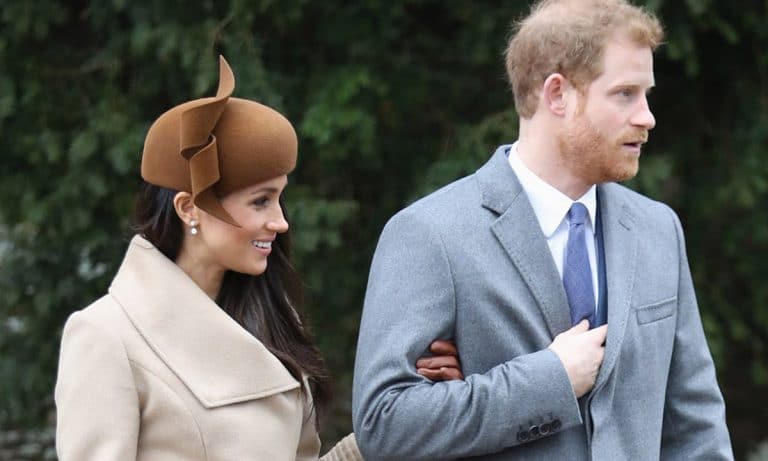
Gossip: Meghan Markle Vetos Harry’s Exes From Wedding; Mariah Carey Launching Tea Collection

Meghan Markle’s already chosen her wedding dress designer: Apparently, her favorites were “J. Mendel, Elie Saab and Costarellos.” A source says: “The wedding dress designer has been chosen.”

Meghan gets her way: Though the Buckingham Palace events team is “helping with logistics and security,” says a source, and Markle’s close pal, stylist Jessica Mulroney, is offering input, the former Suits star has a “huge say” in every detail, says the source.

Clean & simple: Markle has made decisions on decor — it will be clean and simple with “subtle touches of color,” says the source, as both she and Harry, 33, feel the beauty of the castle’s St. George’s Chapel shouldn’t be hidden — and food. The menu, says a source, will be “less British” than the lamb, potatoes and veggies Kate and Prince William served.

Whether Harry’s exes will be invited: “Both [Meghan & Harry] will be going through the list carefully. Don’t expect to see Cressida Bonas invited —the two didn’t remain friends— but do not be surprised if Chelsy [Davy] shows up with a date. The two have remained friends long after ending their relationship and still keep in touch to this day,” a source told Us. “She congratulated him the minute the engagement news was announced. Meghan would have no problem with her being there and Chelsy was on the preliminary list of friends to invite.”

Mariah Carey Launching Tea Collection

After Mariah Carey’s live performance on New Years Eve in freezing Times Square where she asked for some tea, the diva is launching her own tea collection.

“Mariah revealing that she was told there would be tea, is one of the biggest social media events of the short New Year. Everyone was talking about it and it has inspired her to launch her own tea collection,” sources tell Straight Shuter. “Not only will she sell tea, she will also have a tea service collection. Afterall, who can expect a butterfly like Mariah to drink fancy tea out of a plastic cup.”

Love the fresh dirt we bring over daily from Naughty Gossip? Let us know in the comments!

Nine-Year-Old Accidentally Doses Classmate With Marijuana Edibles

0

Ever since the dawn of recreational marijuana laws, cannabis edibles have been at the forefront of the regulatory debate. Reports of increased emergency room visits due to overconsumption in states like Colorado have even prompted lawmakers to impose tighter restrictions on the manufacturing of these products. Although the situation is all just an experiment, there is hope that by making marijuana edibles less attractive to children fewer incidents of accidental overdose will take place across the board.

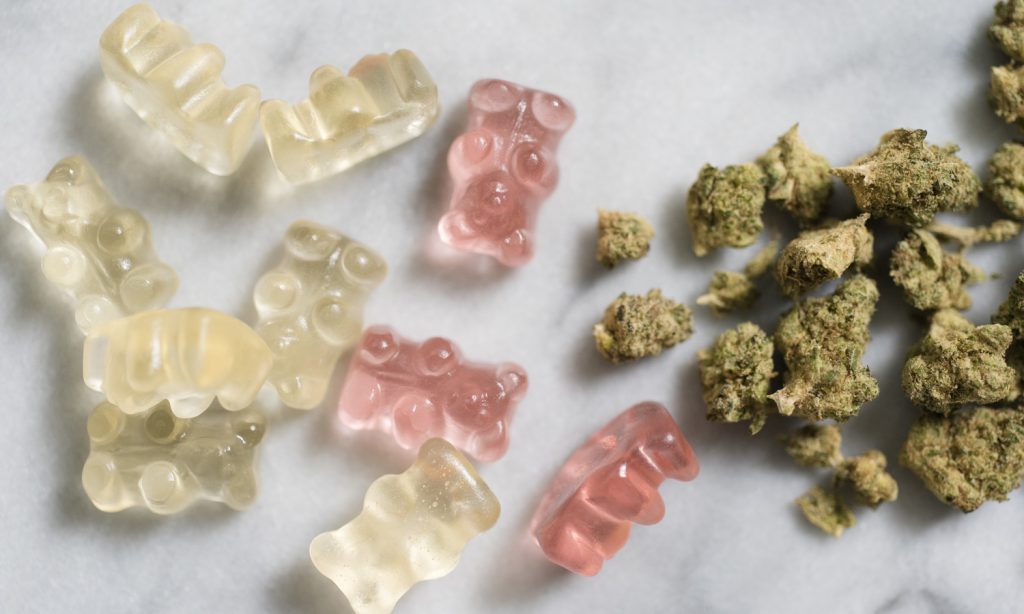
But even in states with only medical marijuana laws on the books, accidents can still happen. A recent report from the Albuquerque Journal indicates that a nine-year-old student in New Mexico recently distributed some candy to her fellow fifth-graders, only to find out that she accidentally dosed them with THC-infused edibles out of her parent’s medical marijuana stash. The situation caused some panic for the faculty at the Albuquerque School of Excellence, as the kids who ate the gummies reportedly suffered some ill effects.

“She had this box, it had a label on it that said ‘incredibles.’ We just thought it was ordinary gummies,” said one of the students who consumed the edible marijuana. “I started feeling really dizzy. I felt like the room was going to flip to the side,” the youngster went on to explain.

According to the Dean of Elementary Students, Kristy Del Curto, three students each ingested a single portion of marijuana edibles, while the little girl who brought them ate three or four. Needless to say, school officials felt it necessary to summon the assistance of emergency responders in order to prevent the youngsters from suffering a total freak out from the sheer intensity that can come from these kinds of products.

Fortunately, while the overconsumption of marijuana can spawn fear in the hearts and minds of the unprepared user, it is impossible to die from an overdose of cannabis. Even the U.S. Drug Enforcement Administration admits there has never been a single overdose death as a result of ingesting too much marijuana. Recent studies have found that “because cannabinoid receptors, unlike opioid receptors, are not located in the brainstem areas controlling respiration, lethal overdoses from Cannabis and cannabinoids do not occur.”

But that’s not to say that the parents of these children weren’t concerned. One parent told CBS-affiliate WOWK that the incident could have been avoided had it not been for “irresponsible parents.”

School officials say they are doing everything in their power to ensure an incident like this never happens again.

“We would like to remind all students and parents to be cautious about food/drink sharing… and we would like our community to be alert with drugs and any edibles that may or could be in different formats,” the school wrote. “We kindly ask our parents and community members not to talk explicitly about drugs/medicine when students are present.”

Nearly thirty states or territories have similar medical marijuana laws. Eight states and the District of Columbia have legalized for recreational use. Cannabis edibles are legal in these jurisdictions.

Angela Rye: Legalizing Marijuana Doesn’t Go Far Enough

Recently, attorney Angela Rye has established herself as a sharp political commentator in the liberal world, able to reduce big ideas and statistics into surprisingly simple messages. Her work at CNN and NPR also earned Rye a lucrative deal with BET to host and produce a news program.

In other words, when Angela Rye talks people listen. In a collaboration with news website ATTN:, Rye broke down why the issues the cannabis industry and community face moving forward extends beyond legalization.

“Legalizing weed does not go far enough to end the war on drugs,” Rye said. “White folks are making money from the same marijuana that put black and brown people in prison. Even though more than half of the states in the country have legalized weed in some form, the actual victims in the war on drugs are still being left out.”

“Some legal states won’t even let some of those former ‘convicts’ work in the industry because they previously smoked or sold weed,” she continued. “And the fallout from that is impossible to deny.”

Rye also spoke on the lack of black representation in business ownership throughout the cannabis space, an issue that continues to plague the industry. As she cites, a survey of more than 3,200 marijuana dispensaries in the U.S. found that fewer than 50 were owned by black people.

In Maryland, 15 out of the 145 applications to grow medical marijuana in the state were approved, though black owners were not included. That is despite Maryland having racial diversity requirements for issuing growing licenses. The disparity has caused serious backlash amongst Maryland’s Black Caucus who may ‘take a knee’ if the General Assembly doesn’t approve an expansion of its medical marijuana program that includes diversity owners.

“Just because a state legalizes weed, doesn’t mean everyone gets to celebrate,” Rye stated. “Because the millions of people who were arrested, convicted, and jailed over weed are still suffering the consequences. And that group happens to be mostly black, Hispanic, and low-income.”

Despite identical rates of marijuana usage between black and white people, black people are 3.7 times more likely to be arrested for marijuana possession. Those with marijuana-related arrests on their record could be denied housing loans, jobs applications, and with some states denying voter registration.

However there is improvement being made. Oregon courts now make it easier to set aside past marijuana-related convictions while the cities of Los Angeles and Oakland implemented programs that prioritizes legal marijuana permits for those with past convictions.

As Rye says, one thing is abundantly clear—when it comes to marijuana, there’s more work to be done.

Are Marijuana Edibles Better For Your Brain Than Smoking?

As more cannabis-infused foods enter the legal marijuana market, consumers have made the switch from smoking the herb to eating it. For some, eating is simply less of a hassle and a more discreet option. But for a growing number of cannabis enthusiasts, edibles are preferred because it is perceived to be a healthier method.

Indeed, consuming edibles is healthier on your lungs and body. By choosing not to smoke it, consumers avoid the toxic chemicals, bronchial irritants, and tumor initiators. But there are some downsides to this approach, chiefly the difficulty in dialing in on the right dosage.

A study released last month suggests there is an uptick in “unexpected highs” among inexperienced marijuana consumers, especially when it comes to marijuana edibles.

 The study from RTI International and published in Drug and Alcohol Dependence, finds that some novice marijuana consumers are unable to figure out a satisfactory dose and wind up having a negative experience.“Marijuana users who reported using new marijuana products or edibles were at greater risk of experiencing an unexpected high, regardless of their age, gender, education, mental health status, or amount of marijuana consumed in the past month,” said Jane Allen, author of the study.

“States that have legalized marijuana for recreational use are thinking about how they can prevent negative public health outcomes,” Allen said. “One way we can help them do that is to study consumer perceptions of marijuana, including product packaging, required warning labels, and consumption advice so states can refine how they communicate marijuana information to the public. Effective communication should help to reduce unexpected highs.”

RELATED: This Is What You Need To Do To Marijuana Before You Can Make Edibles

According to the study, most research subjects merely slept off the uncomfortable sensation. The research highlights an important point as more Americans are exposed to edible cannabis: Eating weed has a totally different effect than smoking it.

Here are some handy tips for the novice:

Do Your Homework

A smart newcomer to cannabis should take the time to study up on edibles. Most states require dosing guidelines limiting one dose to 10 milligrams of THC. There is a reason behind the regulation. For many experienced consumers of edibles, 10 milligrams may not be much at all. But for the beginner, 5 milligrams may be just what the doctor ordered. If you are buying from a reputable retailer, the edible will be properly packaged with labeling information. Read the label. Know what the dose is.

Eat Before You Eat

On an empty stomach, edibles will pack a more powerful punch. Make sure you have something nutritious in your system before eating a medicated brownie or any other edible.  You know when you have a prescription that recommends taking the medicine “with your meal”? Think of edible cannabis the same way.

RELATED: 9 Ways To Chill Out When You’ve Eaten Too Many Marijuana Edibles

No One Understands How High Edibles Will Make Them
Photo by NordWood Themes via Unsplash

Get Comfortable

Find a relaxing location that has a comfortable place to sit. Be prepared to stay in the same place for a while. When medicating with edibles, time is your friend. First of all, it will take 45-60 minutes for the edible to kick in. And once you start feeling the intoxicating effect, plan on the experience to last a few hours.

Start Small

This goes back to Rule 1 and the Homework Clause. There is no need to take a full dose right off the bat. If you are new to the experience, it’s best to gradually introduce THC into your system. Begin with half a dose. Microdosing cannabis the first few times is a great way to figure out your optimum dosage. Just two or three small bites from an edible may be all you need to start feeling the effects.

Don’t Mix With Booze

Combining alcohol with edible cannabis is not recommended. Sipping a beer while toking on a joint is one thing, but introducing booze to an edible session is a no-no. For most beginners, the result is an uncomfortable spinning sensation. Drink water or fruit juice instead.

do cannabis products over promise and under deliver
Photo by Jamie Grill/Getty Images

Listen To Your Body And Remain Calm

Even if you do everything correctly, you still may feel jittery or anxious. Remember: This is not uncommon and it is not something that should cause concern. If you are feeling out of sorts, try to relax and remain calm. Drink some water, sit down, close your eyes and take a few breaths. Remind yourself that nobody has died from a marijuana overdose. If you are uncomfortable, know that the experience will be over soon.


Most Americans Don’t Care If Celebrities Smoke Or Support Marijuana

Celebrities smoke marijuana. We know this to be truth. From celebs smoking during the Oscars to entering the cannabis industry, they aren’t hiding their marijuana usage. For some, like Montel Williams, it’s a life-saving medicine used daily while a rap group like Run the Jewels uses for creative stimulation—like a lot of creative stimulation.

As part of Yahoo’s Weed & The American Family series, they learned that most Americans really don’t care if their celebrities smoke weed.

According to this Yahoo News/Marist Poll, 74 percent of Americans say it makes no difference whether celebrities use marijuana or not. Among millennials (ages 18-34) that number is even higher, rising to 81 percent who say their favorite celebrities consuming cannabis doesn’t bother them.

Furthermore, most Americans hold little qualms regarding celebrities speaking out in favor of marijuana legalization. Nearly 56 percent of American approve of that while 38 percent do not.

This falls in line regarding other data showcasing that 47 percent of parents are open with their marijuana usage and more than half of Americans have tried marijuana at some point in their lives. Most parents worry more about their kids having sex and smoking tobacco than using marijuana.

In addition the poll also illuminates that 69 percent of people support their favorite athletes using marijuana to alleviate pain, despite what NFL commissioner Roger Goodell might say on the contrary. The times are changing after all.

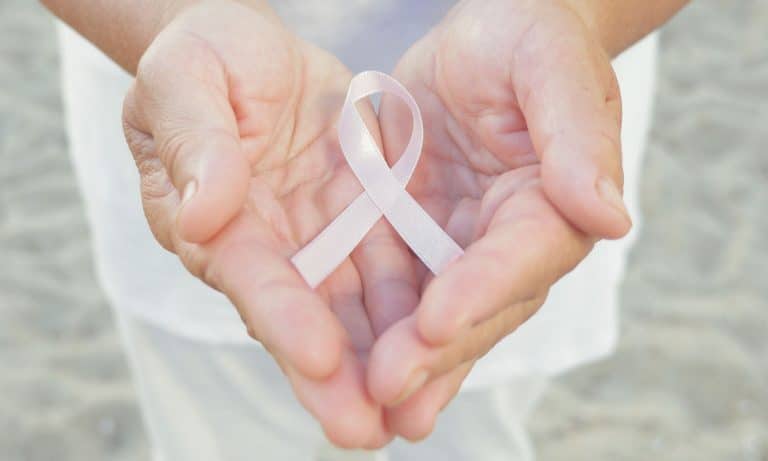
Marijuana’s THC Has The Power To Fight Breast Cancer

The THC punch proves to be a revolutionary remedy for breast cancer patients and there’s research to prove it.

Breast cancer patients come in all shapes, sizes, ages and ethnicity. While each patient’s case and diagnosis is different from the next, researchers are coming to an agreement on the powerful remedy that is cannabis.

Researches from all over the world have been able to conclude the powerful effects of the cannabinoid Cannabidiol, or CBD, mainly citing its ability to inhibit the spread of tumors in breast cancer patients while exerting very low levelsl of toxicity. So while CBD is non-psychoactive, it’s more potent sister, THC, packs quite the punch and can be attributed to the “high” sensation one gets from consuming it. However, this punch proves to be a revolutionary remedy for breast cancer patients and there’s research to prove it.

In a study published in the Journal of Biological Chemistry, research showed THC can shrink cancerous tumors. In a study performed with tumor induced mice and using human breast cancer cells, the anti-tumor effects that were present, were attributed to the cell receptors in the body: CB2 and GPR55, also know has cannabinoid receptors. Some researches have referred to the pair as blood brothers. Others have noted that THC’s anti-tumor benefits are “mediated via the joint interaction” of these receptors.

Although co-author Dr. Peter McCormick who researched THC and breast cancer at the University of East Anglia in England blatantly said, “THC, the major active component of marijuana, has anti-cancer properties,” he suggest patients have it administered by a professional because of the side effects the drug has on cognition; i.e. being too baked to function. A regulated dose can curb these intoxicating side effects while still providing the necessary amount to result in tumor growth.

By The Numbers: Celebrities Busted For Marijuana Each Year Since 2011

This may shock some of you, but celebrities smoke marijuana. We know, we can barely believe it ourselves. Celebs, they’re just like us, huh? And like us normal folks, celebrities also get arrested for marijuana possession (among other misdemeanors).

So far in 2018, only two celebrities have been cited for possession and they’ve both been football players—San Francisco 49er linebacker Reuben Foster and Denver Bronco wide receiver Carlos Henderson. Though, yes, both live in states that have legalized recreational marijuana, they were in states that still treat possession as a crime (Alabama and Louisiana, respectively).

But just how often are celebrities caught with possession? Well, lucky for us, one website compiled the data and broke down the yearly totals. The numbers, as well as the notable figures, might surprise you.

2017

Celebrities arrested: 23

Notable figures: Melissa Etheridge, Zac Randolph, Aaron Carter, Young Thug

Notorious bust: Rapper Cassidy, who was caught smoking in his own car parked in the driveway and was arrested for possession of marijuana and related paraphernalia.

2016

Celebrities arrested: 20

Notable figures: Twista, Austin “Chumlee” Russell, Cam Robinson

Notorious bust: Travis Outlaw, who turned himself in for felony possession of nearly 9 oz.

2015

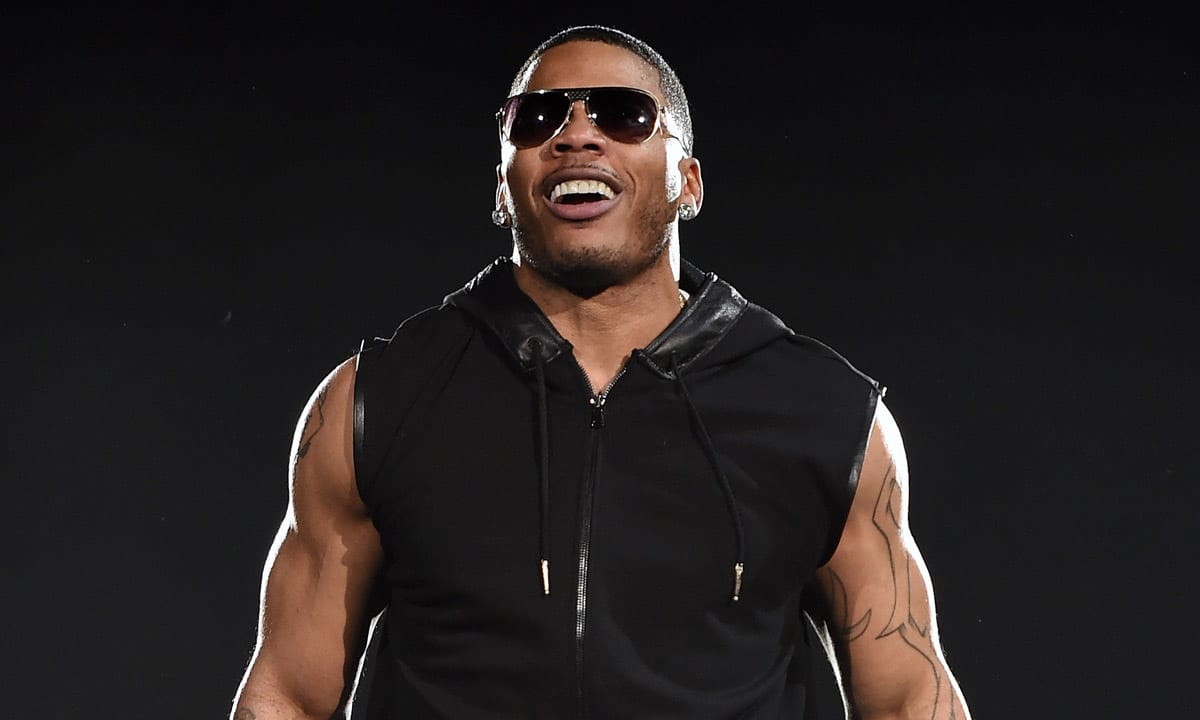
Nelly
Photo by Ethan Miller/Staff/Getty Images

Celebrities arrested: 8

Notable figures: Nelly, Ahmad Bradshaw

Notorious bust: Rick Ross, only because this is his fourth time being arrested for marijuana possession

2014

Photo by Emma McIntyre/Stringer/Getty Images

Celebrities arrested: 43

Notable figures: Kevin McEnroe, Kai Ko, Le’Veon Bell, Trick Daddy, Wiz Khalifa

Notorious bust: Paula Nelson, a.k.a. Willie Nelson’s daughter, who was caught returning to Austin, Texas on 4/20 after touring two weeks in Colorado; the charges were eventually dismissed

2013

Celebrities arrested: 48

Notable figures: Gucci Mane, Aldon Smith, DMX, Dwayne Bowe

Notorious bust: Amanda Bynes, who threw a bong out of her NYC apartment and, let’s say, going through a lot that year

2012

Photo screenshot via VH1

Celebrities arrested: 39

Notable figures: Snoop Dogg, Frank Ocean, Fiona Apple, Ahmad Black

2011

Celebrities arrested: 66

Notable figures: Marcus Camby, Janoris Jenkins, Ezra Miller, Wacka Flocka Flame, Sly Stone

Will The Feds Stall Marijuana Law Reform In Georgia?

Last week, as Washington, DC handled an aggressive onslaught of weather referred to as a “bomb cyclone,” the biggest news hitting the Associated Press was the decision by Attorney General Jeff Sessions to rescind the 2013 “Cole Memorandum,” which gave states a tentative green light to move forward with marijuana legalization while preserving the federal prosecutors’ ability to enforce federal marijuana laws. In practice, the Cole Memo allowed states to feel relatively confident about moving forward with marijuana legalization, with little fear of federal intrusion.

Although the approval rates for marijuana legalization are at an all-time high nationally – with nearly two-thirds of Americans supporting legalization, including a majority of Republicans – Sessions’ action may have implications for communities in the Deep South that have been advocating for and passing legislation decriminalizing marijuana use. This new DOJ edict may have a chilling effect on future marijuana law reforms in Georgia.

In October 2017, Atlanta marijuana advocates rejoiced when the Atlanta City Council approved an ordinance that was signed into law by then-Mayor Kasim Reed, which allowed for the reclassification of marijuana under an ounce to become a non-criminal, ticketable offense. However, the stipulation continues to be that marijuana possession is illegal under Georgia state law; carrying any amount has the potential to result in 180 days of jail time, a fine of up to $1,000, and a litany of collateral consequences that can impact employment, housing, family and life opportunities.

The Atlanta decriminalization ordinance is a prime example of cities taking matters into their own hands, without the fear of federal oversight. This strategy has the potential to be the new normal going forward. More than 90 percent of law enforcement in the U.S. is carried out at the state and local level. The federal government has neither the political support nor the resources to stamp out every person operating in compliance with state and local marijuana laws.

The flipside of marijuana prohibition, however, will continue to involve systemic racial oppression that has largely targeted Black and Brown communities.

For example, last weekend Californians celebrated the passage of Proposition 64, which permits adults age 21 and older to use marijuana. Simultaneously, on the other side of the country in Cartersville, GA, at least 63 people, mostly Black, were arrested on suspicion of possessing less than an ounce of marijuana at a New Year’s Eve house party.

As states begin legalizing marijuana, drug-war racial disparities persist. People living in states that have legalized – particularly those in positions of power, who have the resources to resist federal government interventions – will fight back against draconian drug laws. While people in states that still criminalize marijuana use will be forced to fall in line.

Unfortunately for Georgians and those living in rural areas throughout the Deep South, drug possession is the single most arrestable offense in the U.S., and Black and Brown people are arrested, convicted, and sentenced at unequally high rates. Marijuana represents by far the largest share of those arrests, meaning that people in one of the eight legal marijuana states may profit from manufacturing and selling marijuana while people in other states, especially people of color, are arrested and sentenced to harsh terms of imprisonment for merely possessing marijuana. The consequences of these harsh policies have been devastating for millions of individuals, their families, and communities.

By rescinding the Cole Memo, Jeff Sessions may encourage states like Georgia to maintain the status quo regarding marijuana, which will result in the unnecessary arrest and incarceration of hundreds of Georgians for using a drug that is legal in other states.

“Make no mistake, more families will be destroyed by this change in policy,” says State Representative Renitta Shannon, Georgia House District 84. “With the Cole Memo AG Sessions is both out of step with everyday Americans who want to see an end to the harmful prosecutions for nonviolent drug offenses and out of step with his own Republican Party that rails against big government superseding states’ rights.”

Legislators on both sides of the aisle have been quick to condemn last week’s announcement – let’s hope that they are also prepared to support legislation that will decriminalize marijuana use and prosecution moving forward. The drug war is far from over.

Michelle Wright is a policy manager at the Drug Policy Alliance whose work focuses on the South.

This Is Where Meghan Markle And Prince Harry Will Honeymoon

Some place warm: That’s the major requirement Meghan Markle and Prince Harry have for their honeymoon destination.

The couple has yet to specify where they’ll be jetting off to once they get hitched, but they will be choosing their own adventure like any other newlyweds, so says US Weekly, citing a pal who tells them Meghan and Harry want to be “somewhere hot and sunny for two weeks.”

According to a source:

Once the decision has been made, they will have a security team fly out to do reconnaissance and the info will be confidential. Should anything get out they would feel the trip’s compromised and pick a new destination.

The pair is expected to book a destination within a month.

Prince William and Duchess Kate also preferred a tropical climate when they honeymooned  in the Seychelles islands following their wedding in 2011.

In preparation of Meghan and Harry’s wedding at Windsor Castle May 19, it’s reported that hotels more than 30 miles away are already booked out, with others near Heathrow Airport more than doubling their prices. The UK is expected to rake in about 500 million pounds during the festivities— about $686 million.

Don't Miss Your Weekly Dose of The Fresh Toast.

Stay informed with exclusive news briefs delivered directly to your inbox every Friday.

We respect your privacy. Unsubscribe anytime.