Sunday, May 10, 2026
Home Blog Page 1041

Americans Say Sugar, Booze and Tobacco Are More Harmful Than Cannabis

It’s time to play Cannabis Family Feud! Let’s get right to it. According to the latest Wall Street Journal/NBC News survey, what is the top answer to this question: If you had to choose just one, which one of these four substances — alcohol, marijuana, sugar or tobacco — would you say is most harmful?

And the survey of 900 Americans says …

… Tobacco with 41 percent. Alcohol is second on the board with 24 percent. Sugar is a close third with 21 percent. And in last place is marijuana with only 9 percent.

That’s right. Marijuana is considered essentially a benign substance to 91 percent of the American public. A martini or a cigarette or a candy bar are considered more dangerous.

When the same question was asked in a 2014 survey, the rankings were essentially the same. But sugar picked up 6 percentage points (15 to 21) in the four years between the polls.

The Wall Street Journal/NBC News survey asked one other marijuana-related question:

If a law passed in your state that allowed adults to purchase small quantities of marijuana for their own personal use from regulated, state-licensed businesses would you:  

  1. Actively support such a law
  2. Be in favor but not actively support it
  3. Be opposed to it but not actively try to have it overturned
  4. Be opposed to such a law and actively work to overturn it? 

A whopping 31 percent of Americans surveyed say they actively support and another 29 percent say they are in favor — a combined 60 percent supporting legalization. Less than a quarter (24 percent) are opposed and only a measly 14 percent say they would actively fight legalization.

The 60 percent in support of legalization is up 5 percentage points from four years ago. Just last week, three separate polls concluded that the voters disagree with Attorney General Jeff Sessions’ reversal of Obama-era protections that relaxed federal marijuana laws in states where it is legalized. “The demographics say [cannabis] is here to stay, either for fun or to provide medical comfort. And the message to Attorney General Jeff Sessions: Hands off,” said Tim Malloy, assistant director of the Quinnipiac University Poll.

Despite What You Heard, Marijuana Is Not Legal In North Korea

While much of the marijuana media has reported over the course of the past year that weed is fully legal in the communist dictatorship of North Korea, all of those accounts have been false.

According to the Associated Press, marijuana is still very much considered an illicit substance under the rule of Supreme Leader Kim Jong-un. In fact, much like the United States, the national penal code classifies marijuana under the same ranking as heroin.

Swedish Ambassador Torkel Stiernlof, the diplomat in charge of tending to Americans arrested for drug crimes in North Korea, says the possession and use of all drugs are highly illegal throughout the North, even marijuana.

“One can’t buy it legally and it would be a criminal offense to smoke it,” he said, adding that there is “no leniency whatsoever” shown to those American citizens busted for weed.

In spite of the reality that American citizens have been sentenced to hard time in North Korean prisons for ridiculous offenses, the phony tales surrounding the legal status of marijuana under the Juche has had no difficultly being swallowed and regurgitated by the masses.

Most recently, Radio Free Asia, a new source funded by the U.S. government, unleashed a story about how Chinese and Russian tourists have been enthusiastically purchasing weed in North Korea’s special economic zone of Rason.

But in actuality, the only green being traded in this massive marketplace is “hemp,” according to Troy Collings, managing director of Young Pioneer Tours.

“I’ve seen and even purchased hemp, but it doesn’t contain any THC and is just sold as a cheap substitute for tobacco,” he told the AP. “It grows wild in the mountainous regions of the North and people pick it, dry it and sell it in the markets, but it doesn’t get you high no matter how much you smoke.”

Hemp is an official product of North Korea, used in the manufacturing of various goods from food to clothing. Of course, while this industrial plant may resemble cannabis, it does not contain enough THC to get a person high.

Therefore, while the North’s hemp trade is most likely the culprit behind all of the misinformation being spread about weed being legal, make no mistake about it: North Korea is not on the verge of becoming the new Amsterdam…not even close.

“The idea that the country is full of stoners blissfully getting high in a legal-weed paradise is not an accurate one,” Simon Cockerell, general manager of Koryo Tours, told the AP.

This Cannabis Club Is Raising More Than Eyebrows With Pot & Sex Party

It’s been proven that marijuana enthusiasts have more sex, so why not combine the two and throw one big pot orgy?

That’s what one cannabis club owner figured when he decided to throw an inaugural “pot and sex party” in Colorado.

Jaymen Johnson, owner of the Colorado Springs-based Speakeasy Vape and Cannabis Club, told KDVR his party was legal, saying he got the green light from city officials and claimed, “Everyone was completely respectful.”

Johnson said he threw the party because he couldn’t ignore the numerous requests he’s received over the past five years to mix cannabis and sex. But not everyone is impressed. Some are calling it disgusting and irresponsible.

Johnson told KDVR that he’s able to host group members and their “alternative lifestyles” since his business is considered a private club and that he’s already looking forward to hosting more parties in the future.

How To Replace Your iPhone’s Battery Without The Help Of Apple

0

You’ve probably heard of Apple’s latest drama, which began when the company confirmed the long held assumption that older models of their phones become slower the more they age. The company explained that this is due to the device’s aging battery, which has trouble handling the latest updates of the OS.

It’s an understandable problem. The reason why people are so angry is because Apple makes it really damn hard to fix the phone’s battery, charging up to 79 dollars plus shipping and tax. In the end, Apple just wants you to buy a new phone and be done with it.

This problem with Apple’s batteries has sparked up some controversy. The company has tried to remedy this by allowing custumers to switch batteries for a $29 service fee, which will last until December 31st 2018. This price drop made people go crazy, so now, if you have an iPhone 6 Plus with a failing battery, you’ll have to wait a couple of months for Apple to get some new batteries. According to MacRumors, this will be during late March or early April.

If you need an urgent battery change, here’s what you can do: 

Do It Yourself

Pay Someone To Do It For You

There’s no shame here. Even though it is possible to change the battery yourself, Apple devices are very hard to tinker with, especially if you’ve never fixed a phone before. LifeHacker suggests using iCracked, which offers on-site repairs of batteries while also fixing other iPhone problems, such as cracked screens.

If iCracked doesn’t operate within your area, you can check out your neighboring smartphone repair store, which will probably give you some suggestions or fix your battery for a fee.

Cheese Tea Is An Actual Thing And We Want To Run And Hide

Cheese tea doesn’t sound like the most delicious thing in the world, but it’s a trend that has been growing rapidly and plans to take the world by storm in 2018. So, what is cheese tea?

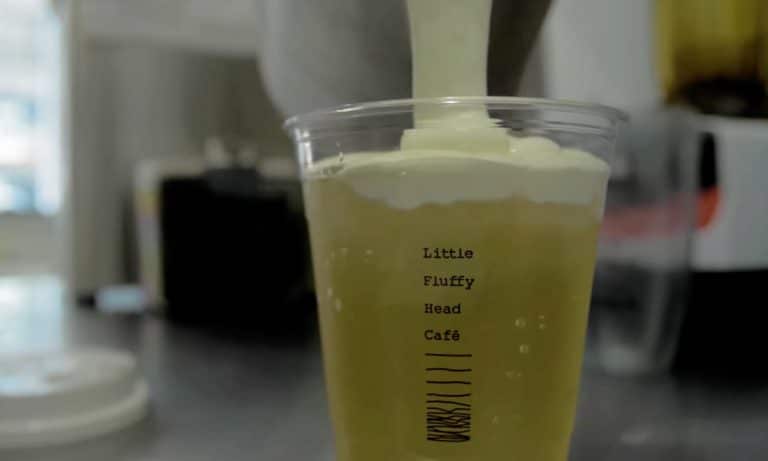
It’s a tea with cheese. But thankfully not like, chunks of Limburger (because we would have quit), more like a cream cheese that’s sweet and that makes sense when paired with tea. Little Fluffy Head Cafe makes a very interesting cheese tea -which they refer to as Fluffy Tea because of its looks – where the cheese cream contains a sweet and savory taste that compliments the innate earthiness of the tea, making the drink richer and better. The Cafe stands out because you can add a serving of cheese cream onto all of their teas, including bubble tea, and regular ones.

The Cafe prepares the cheese cream every morning from scratch, so that their teas contain only fresh cream. The cheese cream is prepared with whipped cream, milk, and pink salt, the latter adding a sweet and salty taste that the founders believe is necessary. To drink the Fluffy Tea, the Cafe has designed special sippy cups that allow you to drink the tea while getting some cream into your mouth, experiencing the blend of both flavors.

Little Fluffy Head Cafe is located in Downtown LA, don’t miss it if you’re around.

Pros And Cons Of Flying While Consuming Cannabis

0

Getting high makes some things more enjoyable such as eating, for example, or listening to music, or taking a walk on a nice day. It also—for some of us at least—makes certain things worse, like meeting important new people for the first time or going to the dentist. Here are the pros and cons of flying while consuming cannabis.

PRO: Reduced Stress and Anxiety

For some, travel is a source of anxiety, the schedule, the unknown, the loss of control all provide internal stress. People consider cannabis helpful for anxiety. A 2017 national surveyTrusted Source of more than 9,000 Americans found that 81 percent believed cannabis had one or more health benefits. Nearly half of these respondents listed “anxiety, stress, and depression relief” as one of these potential benefits. A small edible can be a way to whip through an airport or train station relaxed, confident and ready for the journey.

Pro: People Watching

Airports are full of all sorts of people you probably don’t see during your average day. You see the old and the young, and all kinds of races, religions, body sizes, and personal styles. Some people are happy and excited to be going wherever they’re headed; others are frustrated at having to be away from home. Put it all together and you have a fascinating mixture to observe, and nothing helps observing people more than a bit of pot.

RELATED: TSA And Cannabis: What You Need To Know

Con: Security

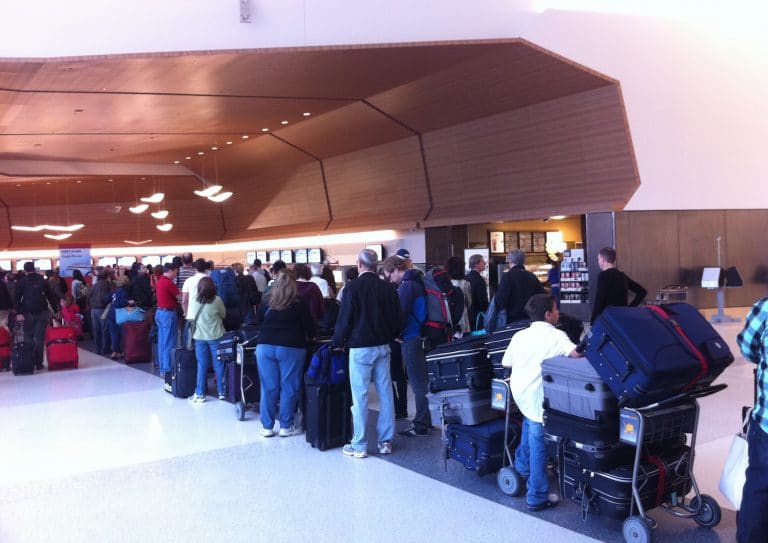
TSA checkpoints can be hell. Long lines, law enforcement, radiation-spraying X-Ray equipment, the nagging concern that you somehow accidentally packed/left something illegal in one of your bags—these are all things that can not just ruin a good buzz, but can also send you spiraling into deep paranoia. Our advice: Spring for Pre-Check if you can and remind yourself that the TSA agents aren’t onto you, no matter how high you think you look. Relax, man.

Pro: The Security Dogs

While some people think airport sniffer dogs will seek out illegal drugs, they’re predominantly trained to sniff for explosives, and to sniff for things that could introduce an invasive species into a foreign ecosystem.

RELATED: Nervous About Traveling With A Weed Vape? Here’s What You Should Know

Con: Carrying Around All Your Stuff

If you’re lugging two bags to avoid paying extra to check anything, you have valuable stuff with you that you could, in a fit of blazed forgetfulness, potentially leave behind at security or in one of those news stores.

Pro: The Painful Boarding Process

Boarding planes can take forever and be very stressful. Why not keep your headphones in and enjoy the process because you’re so pleasantly chilled out from all the cannabis you consumed just before arriving at the airport? Seems like a good plan to us.

Con: Making It To Your Gate

If you get too stoned, you might get so distracted by all the food options and little stores and people watching that you miss your flight. Try your best not to do this, but if it does happen we hope you at least enjoyed yourself first.

Pro: The Food Courts

Sure, the dining options in most airports aren’t great, but sometimes you luck into a delicious regional speciality, like Shake Shack or Chick Fil-A. Even if you don’t, nothing makes mediocre food more tolerable like a little bit of weed.

Pro: Flying Through the Air Like You’re a Damn Bird or Astronaut 


Whatever you do, be safe, be respectful and have a good trip.

Starbucks Is Testing A ‘No Cash’ Concept In Seattle

0

Starbucks is testing out a new theory that going cashless will improve user experience.

The experiment is going down at a location in downtown Seattle, inside the Russel Investment Center (Zillow headquarters), which is now only accepting plastic and pay-by-phone orders from its customers.

The coffee behemoth, which tests a lot of pilot programs at its home base in Seattle, have singled out the location to get feedback from customers and employees.

Robert Safian, editor of Fast Company, told KIRO 7 that going cashless is the wave of the future, saying, “The reason is it’s easier. It’s easier for retailers and easier for us as consumers.”

He says the downfall is that paying via mobile device has its own privacy issues.

If you’re paying for everything with your phone as opposed to with cash, you can be tracked. And there is the fear of electronic fraud.

As the Seattle Times reported last January, Starbucks actually blamed the growth of its mobile ordering app for slow retail sales because the stores were getting overcrowded by people who were just there to pick up orders.

Starbucks executive chairman Howard Shultz recently told CNBC that he has no plans to get rid of baristas, saying, “I don’t see a day where AI or robotics is going to replace the humanity of Starbucks. The equity of the brand is based on that intimacy between our customers and our people. That’s why we invest so much in our people.


The 9 Ridiculous Ways Texans Are Battling Ice This Winter

A few weeks into 2018 and the weather has been…unpredictable. Example: It snowed and sleeted all over Texas this week. This rarely happens and left many residents baffled on how to combat their suddenly frozen windshields.

Somehow, this is the second time it’s snowed in Texas in the past few months, with rare reports of snowfalls in Austin, Houston, and San Antonio. And because it almost never snows or freezing rains in Texas, many locals found themselves without the proper tools to deal with the weather conditions. That meant no snow tires, no snow shovels, and no ice scrapers for their cars.

So how did these Texans remove the ice and snow from their cars before driving to work and school? They got creative, in ways both brilliant and idiotic. Before you ask, yes, some people threw hot water on their frozen windshields and cracked them.

Anyways here are the nine creative ways Texans dealt with the snow and icy conditions.

Brooms

Kitchen Spatulas

https://twitter.com/r_johnsss/status/953326486748061697

…and BBQ spatulas

Gift Cards (featuring JJ Watt!)

Tamale Spreaders

Frisbees

https://twitter.com/LissaGreene13/status/953297342677086208

Sadly, An Entire Bottle Of Tito’s Vodka

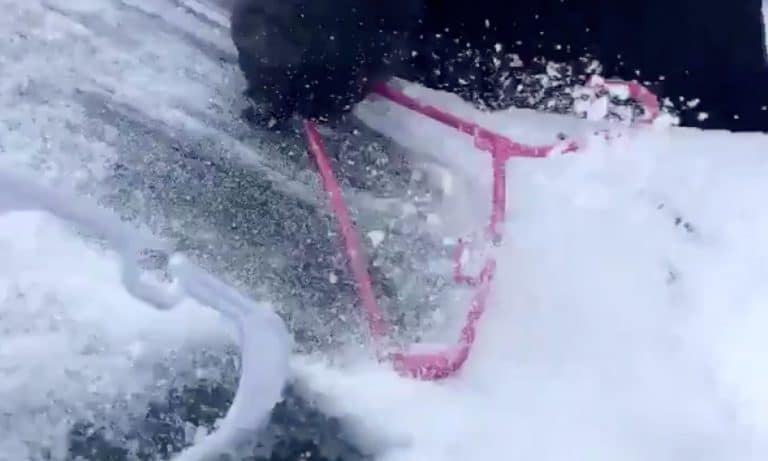
Coat Hangers

https://twitter.com/Get_a_Cloo/status/952580023088828417

Kayak Paddles

Meghan Markle’s First Official Royal Gift Has Been Revealed And It’s Perfect

It may seem like an odd choice to welcome a new royal into the family, but a gift Meghan Markle received back in December — her first official royal gift — could not be more fitting for this admitted foodie.

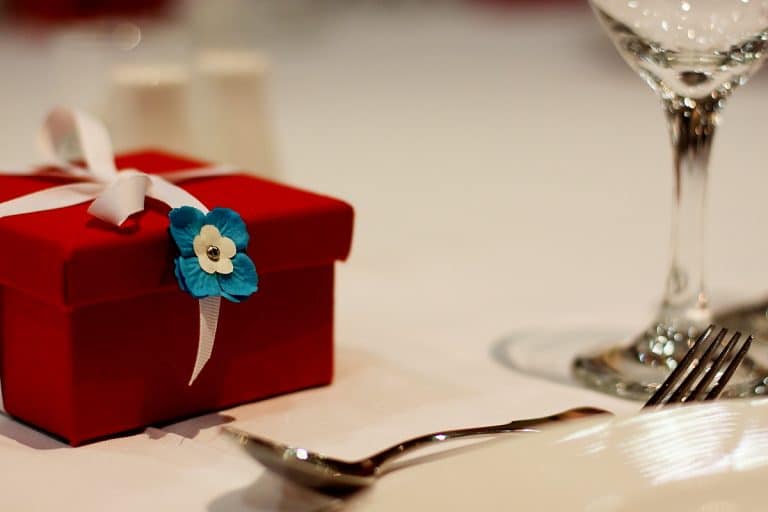
She received—an apron.

How do we know this? Because at the beginning of every year, the royal family makes a list of all the gifts they’ve received the year prior. And even though her wedding to Prince Harry isn’t until May 19, Markle received a gift back in November on behalf of her soon-to-be brother-in-law, Prince William, during a trip to Finland.

Anyone who watches Suits knows that Markle’s character, Rachel Zane, is obsessed with dining and fine food. And even if you’re not a fan of the show, Markle told the world during her and Harry’s first televised interview that he proposed while they were cooking chicken at home.

“It happened a few weeks ago at Nottingham Cottage…just a cozy night roasting chicken…It was an amazing surprise and so sweet…very romantic,” she said.

If that’s not the definition of hygge…

She even told Food & Wine that she brings roasted chicken to dinner parties, calling it “a game changer.”

When Marie Claire interviewed Markle back in 2013, she talked about her foodie status:

“I love to cook. My character is a foodie because they know that I’m a foodie. I’m always on the quest to find amazing new restaurants and new recipes. I’m a California girl, right? I grew up with that farm-to-table dining before it was sweeping the nation. I do think there’s some value to really throwing yourself into food and embracing where it comes from.

So, basically, whoever got Markle the apron is a genius.

America’s Oldest Medical Marijuana Program Will Die Next January

This week, the Bureau of Cannabis Control (the “BCC”) announced that as of January 9, 2019, Section 11362.775 of the Health and Safety Code (the “Code”) will no longer be in effect. The BCC notice ends the popular collective and cooperative models of cannabis cultivation, manufacturing and distribution in California. These models were promulgated through the use of “creative” legal advice in order to take advantage of the Compassionate Use Act’s multiple loopholes and ambiguities, and usually involved patients joining a “closed loop” membership system (sometimes a formal corporate entity and sometimes not) to receive medical cannabis from other patients in the collective who grow or process it for them.

California’s transition into a regulated commercial cannabis system left many operators, particularly those with non-profit mutual benefit corporations structured as collectives or cooperatives, uncertain as to just how much time they have left to operate. We’ve encountered some operators who, for a variety of reasons including the time and expense of the process, or their inability to comply with local zoning requirements at their current location, are reluctant to abandon the collective model in favor of receiving a state license under MAUCRSA.

Unfortunately, these operators will have no choice but to join the regulated system, and there are a laundry list of reasons why it makes sense to do that sooner rather than later. Given the recent dismantling of the federal government’s former cannabis enforcement framework, operators will be opening themselves up to much greater risk if they are choosing to operate outside of the state’s licensing framework. US Attorneys now have full discretion to determine to what extent they can and should enforce federal law in the context of marijuana crimes, and we would be willing to bet that California’s US Attorneys won’t be turning a blind eye to cannabis businesses that continue to operate in contravention of local law, or without a state license.

Following the implementation of MAUCRSA, qualified patients and their caregivers may continue to operate with limited criminal immunity without a state license, so long as: (1) the patients and caregivers operate in full compliance with state law, and (2) the local government does not prohibit the activity. See, H&S Code sections 11362.5, 11362.765, 11362.77, and 11362.7. But as we stated above, immunities for medical cannabis collectives (i.e., non-profit mutual benefit corporations, non-profit corporations, non-profit cooperatives, etc.) will expire on January 9th of next year.

And although MAUCRSA expressly exempts qualified patients and caregivers from licensure requirements, it does not allow qualified patients, their caregivers, or cannabis businesses to conduct commercial cannabis activity without a license. Any collective currently engaging in commercial cannabis activity that exceeds the strict qualified patient and primary caregiver limits is in violation of MAUCRSA and is operating illegally.

As a reminder, to be immune from prosecution under the Compassionate Use Act and MAUCRSA, a primary caregiver (or a collective) must operate within the following confines when acting without a state license:

  1. Cultivation, possession, storage, manufacture, transportation, donation, or provision of cannabis must be exclusively for the personal medical purposes of no more than five specified qualified patients for whom the caregiver is the primary caregiver. (B&P section 26033(b));
  2. The caregiver cannot receive remuneration for these activities other than for actual expenses, including reasonable compensation incurred for services provided to an eligible qualified patient or person with an identification card to enable that person to use cannabis, or for payment for out-of-pocket expenses incurred in providing those services. (B&P section 26033(b), H&S Code section 11362.765(c));
  3. The caregiver cannot possess more than eight ounces of dried cannabis per qualified patient unless a physician’s recommendation or local guidelines allow amounts in excess of this limit. (H&S Code section 11362.77(a)-(c)); and
  4. The caregiver cannot maintain more than six mature or twelve immature cannabis plants per qualified patient unless a physician’s recommendation or local guidelines allow amounts in excess of this limit. (H&S Code section 11362.77(a)-(c)).

In addition, everyone, including collectives and caregivers, must still comply with applicable local law. And collectives and cooperatives that opt not to apply for a state license right away will be limited in their ability to distribute their product. The bottom line is that commercial cannabis activity is only permitted among licensees, and once a business entity or individual receives an active temporary license or a full license from the state, they must immediately cease doing business with non-licensed entities, or they risk losing their license. See B&P section 26053(a). And for those licensees looking to “have their cake and eat it too” by obtaining a state license while maintaining a collective or cooperative, keeping that non-licensed entity will put the state license at risk.

With local license caps quickly being reached, stringent legal limitations on collectives and cooperatives, and an uncertain federal enforcement landscape, we cannot emphasize enough the importance of integrating into the regulated state system as soon as possible. Holding on to the collective model through the next year will make that transition much more difficult, and perhaps even impossible.

Alison Malsbury is an attorney at Harris Bricken, a law firm with lawyers in Seattle, Portland, Los Angeles, San Francisco, Barcelona, and Beijing. This story was originally published on the Canna Law Blog

Don't Miss Your Weekly Dose of The Fresh Toast.

Stay informed with exclusive news briefs delivered directly to your inbox every Friday.

We respect your privacy. Unsubscribe anytime.