Thursday, April 2, 2026
Home Blog Page 13

Who is Rep. Thomas Massie And Why It Matters For Cannabis

Discover who is Rep. Thomas Massie and why it matters for cannabis policy, hemp bans, and legalization

Who is Rep. Thomas Massie and why it matters for cannabis? He is the libertarian-leaning Republican congressman from Kentucky’s 4th District who has built a national reputation as an independent, tech-minded lawmaker willing to buck party leaders on principle. An MIT-trained engineer and entrepreneur who lives off-grid in a solar-powered home, Massie has served in the U.S. House since 2012 and is known for procedural savvy, high-profile lone “no” votes, and a consistent small-government worldview.  He is also a champion of hemp.

RELATED: Study Reveals Stance By Physicians And Public About Cannabis

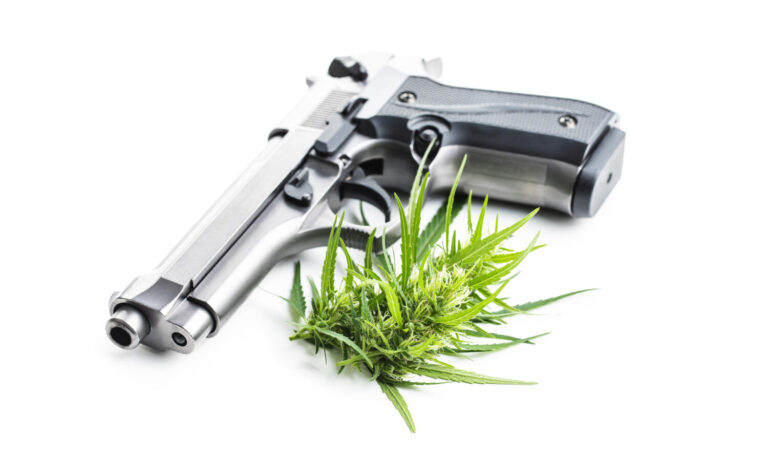
That background helps explain why Massie is suddenly central to the current debate: he could act as a stopgap against the HEMP ban language that was tucked into the recent federal funding package — a provision backed by GOP leaders and joined by eight Senate Democrats sharply restrict intoxicating hemp-derived products. Massie and other Kentucky lawmakers have warned sweeping milligram or parts-per-container limits would devastate farmers and small businesses relying on hemp and broad-spectrum CBD products. His history of sponsoring hemp-friendly measures gives him credibility when he argues the fix is regulatory clarity, not a near-ban.

Who is Rep. Thomas Massie And Why It Matters For Cannabis

What power does Massie actually hold? Formally he is a House backbencher — not committee chair or party whip — so he lacks the structural levers of leadership. Practically, however, Massie’s influence exceeds his formal rank in two ways. First, he’s a high-profile, well-connected voice on libertarian issues and hemp policy who can rally attention and allies in both parties; he has previously secured bipartisan support for hemp amendments and legislation. Second, in razor-thin or politically fraught votes — including must-pass funding measures — a small group of dissenters can stall or complicate passage. Massie’s willingness to use procedural tactics and his record of cross-bench cooperation make him someone negotiators watch when hemp language is on the line.

How does Massie relate to Sen. Mitch McConnell? McConnell gleefully lead the effort to stop cannabis legalization despite popular opinion. The two are fellow Kentuckians but not a political tag team. McConnell has been a key figure in recent efforts to close what he and others call a “loophole” in the 2018 Farm Bill that allowed intoxicating hemp products to proliferate; McConnell’s more recent push to curtail those products puts him at odds with Massie’s pro-hemp, states’-rights stance. Historically both have backed expanding legal hemp in various forms, and both care about Kentucky agriculture — but on the current crackdown McConnell is a leading architect of restriction while Massie is among the loudest House opponents trying to shield the state’s hemp sector. That tension — a Senate leader vs. a contrarian House member from the same state — is a principal reason this fight has become high-stakes and highly visible.

RELATED: The Feds Foul Play Around Cannabis

Thomas Massie is not the biggest DC power player, but he is a consequential voice on hemp and cannabis policy — one who combines a consistent legislative record on hemp, a willingness to use procedural tools, and the credibility of representing a major hemp-producing state. In the weeks ahead, his actions (and whether other House Republicans from hemp states join him) could help determine whether the new restrictions become law as written or are softened or removed before final passage.

The Difference Between Bread Made In France And The US

0

It’s a delicious journey exploring the difference between bread made in France and the US — crusty passion meets convenience.

Ask anyone who has torn into a still-warm baguette on a Paris street corner — French bread doesn’t just taste different, it feels different. There’s something unmistakably alive about it: the crackle of the crust, the tender crumb within, the faint tang of fermentation. For many, the first bite answers the question before it’s asked but what is the difference between bread made in France and the US. Is it because bread in France simply has a soul.

RELATED: What About A Cannabis Cocktail/ Holiday Party

The difference between French and American bread begins with philosophy. In France, bread is viewed as a living thing, the product of patience, craft, and regulation. The country’s Décret Pain — literally, the Bread Decree — restricts a baguette de tradition française to just four ingredients: flour, water, salt, and yeast. No preservatives, no sugar, no shortcuts. Each baker (boulanger) relies on long fermentation times which coax out deep flavor and create the unmistakable chew.

The Difference Between Bread Made In France And The US

In the United States, bread followed a different path — one prizing convenience and uniformity. The rise of industrial baking in the 20th century, followed by the invention of pre-sliced bread in 1928, transformed the humble loaf into a symbol of modern life. Soft, sweet, and shelf-stable, American bread was built to last, not to linger. Its neat slices made lunch quicker and life easier — “the best thing since sliced bread” became part of the national lexicon for good reason.

Buying bread in France, though, remains an art of daily ritual. Most people stop at their local boulangerie once, sometimes twice a day. There, the baker knows the regulars by name, and customers cradle their baguettes like fragile treasures as they walk home. Bread is bought for the meal, not for the week — it’s a practice preserving freshness and a sense of community.

RELATED: The History Of The Cocktail Party

Even as France clings proudly to its traditions, it isn’t immune to change. The demand for gluten-free and whole-grain loaves is growing, particularly in Paris and other cosmopolitan cities. While no gluten-free baguette will ever replace the classic, French bakers are exploring new flours — chestnut, buckwheat, rice — to meet modern dietary needs without sacrificing flavor.

Ultimately, the story of bread in France versus America is more than culinary — it’s cultural. French bread celebrates time, craft, and connection. American bread celebrates innovation, efficiency, and accessibility. Both feed their people — but only one still inspires a daily pilgrimage for something as simple, and as sacred, as a loaf.

The Democratic 8 Also Knifed The Hemp Industry

The Democratic 8 Also Knifed The Hemp Industry — siding with prohibitionists to gut veterans’ healthcare and hemp innovation.

They are the buzz on the internet and politics worlds over their betrayal to their political party, but did you know the Democratic 8 also knifed the hemp industry?  In a dramatic turn of events, 8 Senate Democrats have quietly helped push through a deal both re-criminalizes intoxicating hemp-derived THC products and strips out key medical-marijuana provisions previously cleared both chambers of Congress. The implications for both healthcare and cannabis policy are significant.

Under the newly negotiated spending package, negotiators agreed to ban “intoxicating hemp-based or hemp-derived products, including Delta-8,” while preserving non-intoxicating CBD and industrial hemp. At the same time, the legislation omits the provisions the House and Senate earlier this year passed to enable physicians at the Department of Veterans Affairs (VA) to recommend medical marijuana to veterans — language now excluded from this deal.

RELATED: Study Reveals Stance By Physicians And Public About Cannabis

From a healthcare standpoint, this is a two‐fold blow. First: healthcare access for veterans. The VA‐doctor recommendation language was seen as a breakthrough for veteran patients who seek alternatives to opioids or other pain management tools. Now it’s gone. Second: the broader THC market. By re-criminalizing intoxicating hemp THC products — despite their existence in a previously lawful grey-zone post-Agricultural Marketing Act of 2018 (the “2018 Farm Bill”) environment — Congress has signalled certain “hemp-derived” cannabinoids are being pulled back under prohibition.

The Democratic 8 Also Knifed The Hemp Industry
Senator Kaine voted to put in a knife in the Hemp industry

the group of eight Senate Democrats who broke from the caucus to vote in favour of advancing a funding deal to end the government shutdown include:

  • Catherine Cortez Masto (D-Nev.)
  • Dick Durbin (D-Ill.)
  • John Fetterman (D-Pa.)
  • Maggie Hassan (D-N.H.)
  • Tim Kaine (D-Va.)
  • Jacky Rosen (D-Nev.)
  • Jeanne Shaheen (D-N.H.) – whose daughter is also running for Congress
  • Angus King (I-Maine, caucuses with Democrats)

What stands out is the ban on intoxicating hemp THC products came in the same spending package, even though earlier this year the House and Senate had passed language to allow VA doctors to recommend medical marijuana for veterans. The new deal reverses earlier momentum.

For advocates of veteran healthcare this is a cold shower in addition to the failed promise to help with healthcare premiums.  It is also a deliberate smack at any real cannabis policy reform. The exclusion of VA-doctor recommendation language means veterans may have to continue navigating patchy state laws and federal prohibitions without help from the federal agency meant to serve them. Meanwhile, hemp business operators say the ban threatens a multibillion‐dollar industry built around hemp-derived cannabinoids.

RELATED: The Feds Foul Play Around Cannabis

The timing is also politically striking. By tying these policy reversals to a must-pass government-funding measure, negotiators effectively placed them in the envelope of “budget compromise” rather than standalone reform. This means Democrat 8 can gut healthcare in two separate ways at the same time…with the hemp being a hidden negative for veteran with PTSD, cancer patients and others who the American Medical Association say could benefit.

On the hemp side, the language undercuts previous regulatory efforts by Democratic senators. In September, eight Senate Democrats had sent a letter urging party leaders not to re-criminalize hemp THC products. But given the opportunity the deal they signed onto does exactly did re-criminalize hemp.  You wonder if their early comments were just for votes and optics.

The deal pushed by Democratic negotiators didn’t just fail to extend healthcare protection, it actively reversed course on veteran access to medical cannabis and tightened federal restrictions on hemp-derived intoxicants. Whether this will spark further legislative fights, or judicial ones, remains to be seen. What is clear is a policy moment earlier this year looked like progress has now been shunted aside hidden under cover of a budget compromise.

A New And Musical Telling Of A Fiery Love Story

It was the talk of the world, an epic love story now being given magnificent musical treatment

It was the talk of the world, an epic love story now being given a magnificent musical treatment, a new and musical telling of a fiery love story. The scandalous love affair between global opera superstar Maria Callas and billionaire shipping tycoon Aristotle Onassis was a global sensation. The grand and tragic  love story has been turned into an opera. Elizabeth Coppinger, a pioneering woman who made a name for herself in tech and then turned her attention to a passion. She partnered with with composer Clint Borzoni, and created her first opera.

The legendary tragic tale which eventually became a triangle with Jackie Kennedy Onassis is a saga for the ages. She decided this story needs to be framed in the grand, dramatic setting of opera to allow it to be memorialized in the perfect setting.

Maria Callas and Aristotle Onassis shared one of the 20th century’s most passionate and tragic love affairs. Callas, the world’s reigning opera diva, met the Greek shipping magnate in 1957, and their magnetic connection defied their respective marriages. For over a decade, they lived a glamorous, tempestuous romance filled with luxury, jealousy, and devotion. Onassis was the love of Callas’s life, though he ultimately married Jacqueline Kennedy in 1968—a betrayal that shattered her. Despite this, Callas never stopped loving him. Their affair remains legendary—a tale of power, passion, and heartbreak between two icons who burned too brightly to last.

Maria Callas, born in New York and raised in Greece, was one of the most celebrated and influential opera singers of the 20th century, Think Taylor Swift famous. Her extraordinary voice, dramatic intensity, and command of bel canto roles transformed opera performance. She rose to fame in the late 1940s and 1950s with triumphs at La Scala in Milan, the Metropolitan Opera in New York, and Covent Garden in London. Known for roles in Norma, Tosca, and Lucia di Lammermoor, she redefined operatic artistry. After her affair with Onassis, her career declined amid vocal struggles and emotional turmoil, yet her legend and recordings endure timelessly.

Experience the first act of La Callas at performances in Seattle by Puget Sound Concert Opera on December 5th and 7th to celebrate the famed diva’s birthday. The performance will be followed by an intermission with a special cake and champagne toast La Divina on her birthday week and a performance of bel canto and verismo arias made famous by Callas herself.  The event is at

Art Love Salon and tickets are still available..
In addition Sunday, January 25 The Dallas Opera will be performing three pieces from La Callas with its full orchestra at its Hart Institute for Women Conductors: 10th Anniversary Concert at the Winspear Opera House in Dallas.

What About A Cannabis Cocktail/ Holiday Party

Hosting a winter gathering? What about a cannabis cocktail/holiday party. It is the chic, hangover-free way to celebrate.

As the holidays approach, dinner parties and happy hours begin filling the calendar — often with a predictable lineup of wine, cocktails, and morning-after regrets. But this year, a new trend is quietly taking over living rooms and lounges. What about a cannabis  cocktail/ holiday party? For adults looking to unwind without the hangover, low-dose cannabis beverages and mocktails are becoming the chic, health-conscious alternative to alcohol.

RELATED: The History Of The Cocktail Party

Think of it as an elevated gathering — literally. Instead of traditional cocktails, hosts are serving beautifully crafted “cannacocktails,” blending sparkling juices, herbal infusions, and precisely dosed cannabis tinctures or ready-to-pour THC/CBD beverages. The result? A relaxed, social buzz that’s mellow rather than messy, perfect for those who want to enjoy the season without derailing their wellness goals.

What About A Cannabis Cocktail/ Holiday Party

“With so many people cutting back on alcohol or exploring the sober-curious movement, cannabis drinks offer a modern middle ground,” says Seattle mixologist Jordan Leary, who specializes in non-alcoholic bar programs. “They still feel indulgent and festive, but you stay clear-headed and connected.”

Low dose is the key, most cannabis beverages today range from 2 to 5 milligrams of THC, about the equivalent of a single glass of wine in social effect. Many also include CBD for balance, producing a light body relaxation without impairing focus or energy. They’re now available in elegant packaging from brands like Cann, Wunder, and Artet, all designed for adults who appreciate design, flavor, and mindfulness.

RELATED: Making Your Cannabis Dollars Stretch During The Shutdown

Hosting your own cannabis cocktail party is simpler than it sounds. The key is intentional pairing and pacing:

  • Offer a mix of infused and non-infused mocktails so guests can choose their comfort level.
  • Start with lower-dose drinks (2–3 mg THC) and wait at least 45 minutes before offering refills.
  • Pair beverages with light bites — think charcuterie, roasted nuts, or spiced popcorn — to balance flavors and absorption.
  • Set a cozy vibe: soft lighting, seasonal playlists, and clear labeling for all drinks.

And of course, safety first. Guests should plan transportation in advance, and anyone trying cannabis beverages for the first time should start low and go slow.

Beyond just being a novelty, the cannabis cocktail party reflects a broader shift toward intentional celebration. People are rethinking how they socialize, and cannabis offers an inclusive, modern way to connect.

So this holiday season, trade in the eggnog for an elderflower THC spritz, or a CBD ginger fizz. Your guests will thank you in the morning.

The Best Cocktails To Sip This Autumn

As nights grow longer, explore the best cocktails to ship this autumn — from maple bourbon Old Fashioneds to spiced vodka mules.

As the days grow shorter and the air takes on an unmistakable autumn chill, there’s no better time to trade in summer spritzes for something richer, cozier, and more complex. Cooler weather often shifts our drinking habits — research shows that people tend to favor darker spirits and warmer flavor profiles as temperatures drop. Think whiskey, bourbon, and spiced syrups instead of citrus and soda. Whether you’re unwinding by the fire or hosting a dinner with friends, classic and contemporary cocktails will make the season taste as good as it feels. Here are the best cocktails to sip this autumn.

RELATED: 5 Great Bourbons For Fall

The Gin Bramble
Created in London in the 1980s by bartender Dick Bradsell, the Bramble was inspired by British hedgerows filled with blackberries. Its balance of tart and sweet makes it an ideal transition cocktail for early autumn.
Ingredients
  • 2 oz gin
  • ¾ oz lemon juice
  • ½ oz simple syrup
  • ½ oz blackberry liqueur
Create:
  1. Shake gin, lemon juice, and simple syrup with ice
  2. Strain over crushed ice in a glass
  3. Drizzle blackberry liqueur on top
Maple Whiskey Sour

The Maple Old Fashioned 

The Old Fashioned dates back to the early 1800s and is often called the “original cocktail.” The maple version adds a seasonal twist that nods to New England’s harvest traditions while giving the drink a richer, slightly smoky sweetness.
Ingredients:
  • 2 oz bourbon
  • ½ oz pure maple syrup
  • 2 dashes Angostura bitters
  • Orange peel for garnish
Create
  1. Combine ingredienta with ice and stir
  2. Strain into a rocks glass
  3. Garnish with orange peel

The Irish Coffee

Invented in the 1940s by chef Joe Sheridan at an Irish airport to welcome cold, weary travelers, Irish Coffee remains a beloved way to warm up from the inside out.
Ingredients
  • 1½ oz Irish whiskey
  • 4 oz hot coffee
  • 1 tsp brown sugar
  • Fresh whipped cream
Create
  1. Stir whiskey and sugar into hot coffee
  2. Top with lightly whipped cream

The Spiced Cranberry Mule

A twist on the 1940s Moscow Mule — the cocktail that helped make vodka popular in America — this version introduces cranberry and spice, giving it a distinct autumn edge.
Ingredients
  • 2 oz vodka
  • 2 oz cranberry juice
  • ½ oz lime juice
  • Ginger beer
  • Dash of cinnamon or clove
Create
  1. Build over ice in a copper mug
  2. Top with ginger beer and stir gently
  3. Garnish with a lime wedge or cranberries

RELATED: Cannabis Might Be the Secret to Winning Cuffing Season

The Tequila Hot Toddy

The Hot Toddy’s roots trace back to 18th-century Scotland as a medicinal drink. Swapping in tequila gives it a warm, herbal complexity and an unexpected south-of-the-border kick.
Ingredients
  • 1½ oz reposado tequila
  • ½ oz honey
  • ½ oz lemon juice
  • 4 oz hot water
  • Cinnamon stick for garnish
Create
  1. Combine tequila, honey, and lemon juice in a mug
  2. Add hot water and stir until honey dissolves
  3. Garnish with a cinnamon stick

Whether you’re partial to whiskey’s warmth, gin’s botanical brightness, or tequila’s smooth spice, autumn is the ideal time to explore deeper flavors. So pour yourself a glass, wrap up in your favorite sweater, and toast to the cozy months ahead.

Another Benefit for Cannabis Users

Joining thousands of mom-and-pop businesses and American households, cannabis is another industry hit hard by the shutdown

As more Americans reexamine their relationship with alcohol, a growing number are discovering another benefit from cannabis users.  The green plant might offer a surprising nighttime benefit — better, more restful sleep. While both substances can make you feel relaxed, the way they affect your body and brain overnight couldn’t be more different. For many users, the difference is showing up as deeper sleep, clearer mornings, and better mental health overall.

RELATED: Making Your Cannabis Dollars Stretch During The Shutdown

When you drink alcohol, it can initially make you drowsy and help you fall asleep faster. But studies show alcohol disrupts normal sleep cycles — particularly the REM (rapid eye movement) stage vital for memory, mood, and brain restoration. As alcohol is metabolized, it can cause restless tossing, dehydration, and frequent awakenings throughout the night. The result? You might “sleep” for eight hours but wake up feeling like you barely rested.

Another Benefit for Cannabis Users

Cannabis, on the other hand, tends to work differently. Certain cannabinoids, particularly THC and CBD, interact with the body’s endocannabinoid system — the network that regulates stress, pain, and sleep. THC can help shorten the time it takes to fall asleep and extend deep, slow-wave sleep, the stage associated with physical repair. Meanwhile, CBD, the non-intoxicating compound, can ease anxiety and reduce nighttime rumination, two of the biggest barriers to drifting off. Unlike alcohol, cannabis does not interrupt REM sleep in the same way, and users often report waking up feeling more refreshed and alert.

Of course, not all strains or consumption methods affect sleep equally. Heavy THC use or stimulating sativa strains may have the opposite effect, increasing alertness or vivid dreams. Experts recommend lower doses and indica-dominant or balanced strains for bedtime.

RELATED: The Feds Foul Play Around Cannabis

The growing interest in cannabis as an alcohol alternative ties into a broader trend: the prioritization of mental wellness and recovery. Quality sleep is foundational to health — it improves immune function, mood regulation, memory, and even metabolism. When people trade late-night drinks for mindful cannabis use, they may not only avoid the hangover but gain one of life’s most underrated luxuries: truly restorative rest.

Mexican Food And Marijuana

From fiery tacos to creamy guacamole here how marijuana enhances Mexican cuisine and tips on the perfect strain for your meal.

Cannabis enthusiasts and food lovers alike have long known marijuana can heighten the senses, making ordinary meals feel extraordinary. And when it comes to pairing cannabis with cuisine, what is better than Mexican food and marijuana.  Few options excite the palate quite like rich, spicy and occasionally heat. From flavor-bursting tacos to creamy guacamole, the vibrant flavors of Mexican dishes interact uniquely with marijuana, creating a culinary experience both satisfying and unforgettable.

RELATED: Does Comfort Food Actually Help

The combination of cannabis and Mexican food isn’t just about indulgence—it’s about the science of flavor. Spicy foods, like jalapeño-studded salsas or chipotle-infused tacos, can intensify the effects of marijuana. Capsaicin, the compound giving chili peppers their heat, triggers endorphins in the body, which can enhance the euphoric and relaxing sensations of cannabis. Meanwhile, fatty ingredients common in Mexican cooking, such as cheese, avocado, and sour cream, can help THC—the active compound in marijuana—bind more efficiently in the body, potentially creating a deeper, longer-lasting experience.

Mexican Food And Marijuana

For those experiencing the classic “munchies,” Mexican cuisine is an ideal choice. The combination of textures—crispy tortillas, tender meats, and fresh, crunchy vegetables—satisfies cravings on multiple sensory levels. Dishes like loaded nachos, enchiladas, and street-style tacos offer both comfort and excitement, ensuring every bite keeps the taste buds engaged while complementing the heightened senses cannabis brings.

Some cannabis enthusiasts even select strains to pair specifically with their Mexican meal. Fruity, uplifting strains like Blue Dream or Pineapple Express can enhance lighter dishes such as ceviche or fish tacos, accentuating citrus and fresh flavors. On the other hand, earthy, relaxing strains like Northern Lights or OG Kush may pair better with heartier, spice-heavy foods like chiles rellenos or carne asada, allowing the warmth and depth of the dish to meld with the mellowing effects of the strain.

RELATED: Certain Foods And Drinks Can Trigger A Bad Mood

Beyond flavor, the cultural synergy between Mexican cuisine and cannabis is intriguing. Both have histories of social enjoyment and communal sharing. Tacos, tamales, and margaritas can turn any cannabis session into a lively gathering, encouraging conversation and celebration.

Whether it’s the tangy zest of salsa, the creamy richness of guacamole, or the fiery kick of a habanero, Mexican food provides the perfect canvas for cannabis enthusiasts to explore taste, aroma, and sensation. The next time you’re planning a night of culinary indulgence, consider pairing your favorite strain with a plate of authentic Mexican cuisine—it’s a combination promising both satisfaction and delight.

Does Jonathan Bailey Consume Weed

Does Jonathan Bailey consume weed? Inside the Sexiest Man Alive’s candid reflections on fame, sobriety, and self-discovery.

When People magazine crowned him as its 2025 Sexiest Man Alive, it seemed a natural step for the 36-year-old British actor whose blend of charm, talent, and authenticity has captivated global audiences. Known for his breakout role as Lord Anthony Bridgerton in Netflix’s Bridgerton and soon to appear as Fiyero in the highly anticipated Wicked film adaptation, he has evolved from stage favorite to full-fledged international star. Yet, behind the red-carpet polish, he has also been candid about self-reflection, sobriety, and finding balance amid fame. But the question is – does Jonathan Bailey consume weed?

RELATED: How Marijuana Can Heighten Intimacy With Your Partner

Bailey’s career trajectory has been steady and deliberate. A former child actor, he built his reputation in British theatre before landing television roles in Broadchurch and Crashing. His portrayal of the complex and brooding Anthony Bridgerton propelled him into global recognition, paving the way for roles in major studio projects and leading-man status. The Jurassic Park reboot is only one of his successes.

Does Jonathan Bailey Consume Weed

In a January 2024 Instagram post, Bailey wrote being “seven months off booze and one month off cannabis is teaching me a lot about myself that I’ve either forgotten or never knew in the first place.” The thoughtful caption suggested the actor was confronting his emotions and learning to live without substances, implying past cannabis use but current abstinence at the time.

While Bailey didn’t dwell on specifics, his honesty stood out in an industry where stars often hide their struggles. The admission offered a glimpse of vulnerability from an actor better known for precision and poise on screen. It also mirrored a broader cultural shift among entertainers choosing transparency about mental health and substance use.

Crowned Sexiest Man Alive by People in 2025, Bailey accepted the honor with good humor, calling it “surreal and flattering.” Yet he emphasized his focus remains on storytelling rather than celebrity. “Fame is an illusion you have to navigate with care,” he told The Guardian earlier this year, noting life in the spotlight can test one’s sense of identity.

RELATED: The Connection Between Country Music And Cannabis

Today, Bailey seems intent on redefining success on his own terms — choosing mindfulness, personal growth, and authenticity over excess. His openness about stepping away from substances adds another layer to his image: not just a sex symbol, but a modern star willing to confront himself honestly and publicly.

Cannabis Is Another Industry Hit Hard By The Shutdown

Joining thousands of mom-and-pop businesses and American households, cannabis is another industry hit hard by the shutdown

The ongoing federal government shutdown which began October 1, 2025 is reshaping spending behavior in several consumer categories — notably those tied to discretionary goods such as marijuana and alcohol. With paychecks delayed for hundreds of thousands of federal workers, and everyday Americans facing persistent inflation and rising costs, spending is beginning to come under strain. And with thousands of mom and pop businesses, cannabis is another industry hit hard by the shutdown like retail, grocery and dining.

According to a survey by Ipsos in October 2025, a majority of people at every income level reported cutting back on at least one expense amid economic uncertainty, tariffs and the shutdown. Another data point from TransUnion shows that 52 % of consumers in Q2 2025 reduced discretionary spending — the highest share in months.

RELATED: Making Your Cannabis Dollars Stretch During The Shutdown

The shutdown’s direct ripple effect on consumer wallets is real. Roughly 700,000 federal employees are furloughed, and nearly as many working without pay — which means delayed incomes and fewer dollars available for non‑essentials. Even more broadly, the Council of Economic Advisers warns that a month‑long shutdown could reduce U.S. consumer spending by as much as $30 billion.

For the cannabis industry (medical and recreational both), the implications are significant. While the sector continues to grow in many states, the shutdown is freezing key reform efforts — for example, regulation of hemp‑derived THC and federal policy remains in limbo. Concurrently, budget‑tight consumers are being more selective with how they deploy their discretionary dollars.

Photo by Jeff Vinnick/Stringer/Getty Images

While exact national figures for cannabis spending drops during the shutdown are not yet published, the confluence of reduced incomes + high living costs + regulatory uncertainty suggests a tightening belt is very much in play. Retailers and dispensaries in profit‑sensitive markets may feel the pinch first.

It’s worth emphasising the income angle here. According to data from the Federal Reserve’s Economic Well‑Being of U.S. Households in 2024 report, 39 % of adults live in families with incomes of $100,000 or more. By contrast, the implication is that around 61 % of adults live in households with income under $100K. Those households are less buffered from shocks like a missed paycheck, rising utility bills, or price increases.

RELATED: The Feds Foul Play Around Cannabis

On inflation specifically, a note by RBC points out that Americans earning less than $100K have seen grocery prices rise 33 % since 2019, compared to 25 % for those earning more than $150K. In short: the under‑$100K cohort is both larger in number and under more cost‑pressure.

Given this, it’s no surprise we see signs of belt‑tightening amongst this group. The KPMG Consumer Pulse Survey reports that “consumers expect to spend less across most categories this summer — except increases in groceries and automotive.” KPMG

For cannabis vendors, this means a shifting consumer base: more value‑seeking, more conservative purchasing, more emphasis on cost‑efficiency (as the Fresh Toast article highlighted). Alcohol spending may also be more vulnerable. While long‑term data show alcohol consumption trending down in some segments, the immediate dynamic here is one of substitution or reduction: when paycheck‑uncertainty and rising rent/food bills dominate, spending on “extras” tends to drop.

RELATED: Study Reveals Stance By Physicians And Public About Cannabis

The shutdown exposes a deeper fault‑line: public policy and everyday economic reality are diverging. The Speaker of the U.S. House of Representatives, Mike Johnson, has adopted a hardline posture on several fronts — including opposition to major healthcare subsidies, blocking full funding of federal agencies and resisting broader cannabis reform efforts. In doing so he appears detached from both: the majority of Americans who earn under $100K and are scrambling to make ends meet, and the broader public’s shifting views on medical marijuana and hemp reform.

While polls show majority support for medical cannabis access and broader reform, the GOP Congress remains stalled. That impasse matters because for the cannabis industry — which is still suffering under federal ambiguity — policy action isn’t just nice‑to‑have; it’s a lifeline. The leadership’s lack of responsiveness to that reality sends a signal beyond the Hill: it tells everyday consumers, and businesses, that their pressures may not be fully appreciated by those in power.

If the shutdown persists, we can expect:

  • Further reductions in discretionary spending among households under $100K as paychecks and benefit flows remain uncertain
  • Slower growth for cannabis retailers in mature markets, a greater emphasis on value plays and lower‑price substitution
  • Elevated risks for the industry as regulatory and policy advances are paused, making cost control and margin optimization more urgent
  • A heightened political risk for leadership whose policy stance appears misaligned with the economic burdens faced by a majority of Americans

The shutdown isn’t just a headline about federal funding. It is a real‑world brake on consumer spending, a warning sign for lifestyle markets like cannabis and alcohol, and a reminder policy‑making ignoring everyday economic pressures runs the risk of being out of touch.

Don't Miss Your Weekly Dose of The Fresh Toast.

Stay informed with exclusive news briefs delivered directly to your inbox every Friday.

We respect your privacy. Unsubscribe anytime.