Monday, June 22, 2026
Home Blog Page 162

Cannabis Con Man Could Get 10 Years In Prison

Last September, when Justin Costello found out he was under indictment, he ran. He was captured by an FBI SWAT team in October and was held without bail.

Justin Costello pretended to be a billionaire, claimed he was a war veteran, and took money from investors for cannabis businesses. Instead, he spent that money on himself including funding his lavish wedding. On Wednesday, Costello pleaded guilty a few months after a dramatic capture by an FBI SWAT team in California. He could get up to 10 years in prison due to his fraudulent activities.

GRN Holdings

According to the case filed in Seattle Washington, Costello claimed to be a self-made hedge-fund billionaire who managed money for wealthy people including a Saudi Sheikh. He also claimed to have a Harvard MBA and to have been shot twice as a special forces veteran with shrapnel remaining in his leg. In order to pretend he was wealthy, Costello planned to buy an $11 million house, showing bank statements for GRN Funds. The $9 million bank balance actually belonged to another cannabis company.
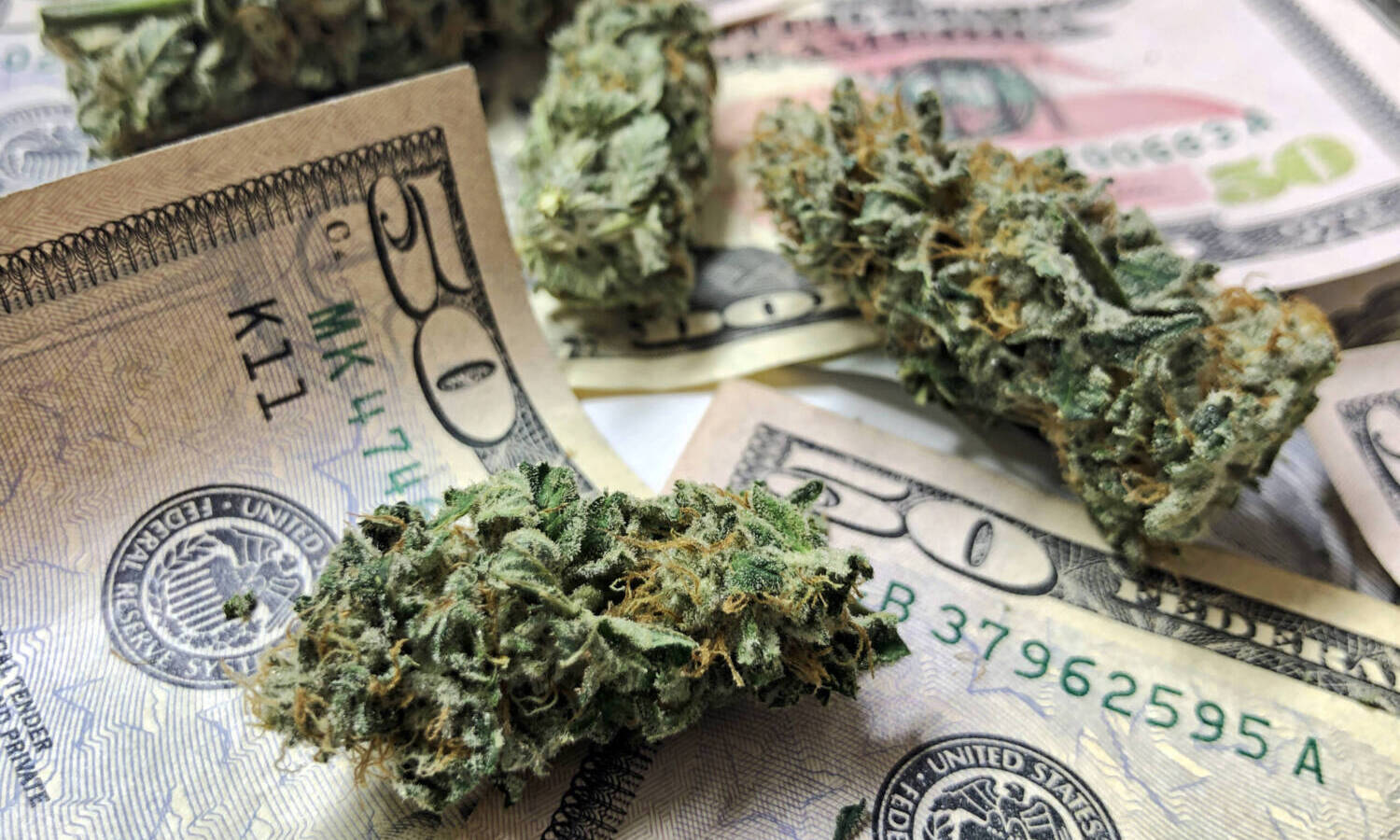
marijuana money
Photo by Cappi Thompson/Getty Images

The unsuspecting investors bought stock in GRN Holding Company, thinking the shares would eventually trade publicly. Costello also convinced the investors to open an account at TD Ameritrade and that he would manage their money at a discount from his usual fees. Costello did not possess any securities licenses. Costello was taking a 20% commission on the trades, which were only in shares of Discovery Gold Corporation (which eventually became GRN Holdings). The trading in the shares artificially propped up the price increasing Costello’s performance fees.

RELATED: Are Bad Actors In Cannabis On The Decline?

The cannabis con man kept the ruse up by putting out press releases claiming GRN Holdings was making acquisitions and that those companies had been vetted. Instead, Costello owned all the companies he claimed to be acquiring. In addition to that falsehood, a separately owned Costello company Renewal Fuels, made the acquisitions.

Ultimately, investors lost roughly $25 million in the GRN Holdings scheme.

Hempstract

Costello engaged in a similar scheme with another investor he convinced to invest in Hempstract Inc., which was trading at the time under the name Riverdale Oil & Gas. He also convinced investors to open a trading account and led them to believe he would be combining these cannabis companies into one larger entity.

By 2019, Costello told his investors that he had about 12 cannabis companies that he was planning to roll up into one larger company. He told the investors that these companies made millions in revenue, which was false. He continued to get more investor money as he claimed Hemstract was soon to go public.

Pacific Banking

GRN Holdings and Hempstract weren’t the only companies Costello was playing games with. Green Market Report reported Costello’s other company Pacific Banking was accused by Cann Distributors of failing to make millions of dollars in tax payments to the state of California on its behalf, as well as failing to pay vendor invoices. Cann was assessed $2 million in penalties by the state for not making those tax payments. The company also secured an order blocking Pacific from touching the roughly $2.8 million Cann said it had deposited with the bank that sees itself as a middleman between cannabis companies and traditional banks.

In addition to the issue over the tax payments, Cann Distributors also told the judge of a disturbing situation it learned about during the Costello deposition. The bank has apparently registered the Cann Distributor name in the state of Washington without telling the company.

RELATED: Cannabis Industry Takes On Deadbeat Dealers

The judge said at the time, “I have to say, that is the weirdest thing I have ever heard. I have never heard of an agreement that said one party could create a fictitious business in another state using the other party’s name.” The bank went through several ownership changes throughout the process. Pacific Processing was bought by Pacific Compliance, which was then bought by Renewal Fuels. It was also supposed to have been acquired by GRN Holdings (OTC: GRNF) which recently changed its name to Marijuana Inc.
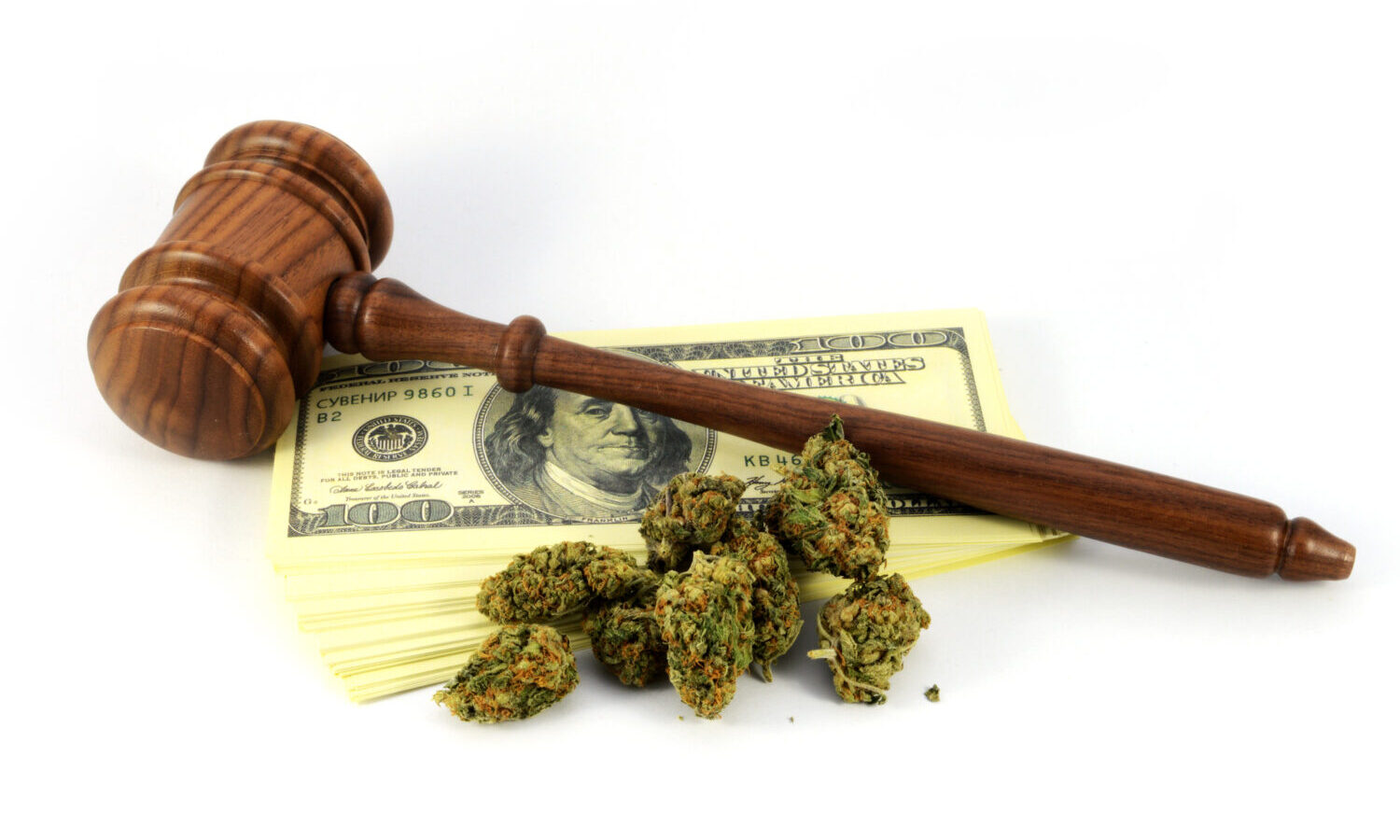
marijuana court
Photo by matt_benoit/Getty Images

On the Lam

Last September, when Costello found out he was under indictment, he ran. He was captured by an FBI SWAT team in October and was held without bail.

According to court filings, he was found in a remote area near San Diego on Oct. 4. He was reported to have been carrying a backpack loaded with six one-ounce gold bars worth $12,000, U.S. currency worth $60,000, $10,000 in Mexican pesos and banking cards and checkbooks, prosecutors said in a court filing. Costello also had a receipt for a prepaid phone number in the backpack, along with a Washington state driver’s license in the name of “Christian Bolter” with Costello’s photograph, the filing said.

Pump & Dump

Costello paid stock promoters to pump up the penny stocks on Twitter and other social media. Once the shares began to rise on the purchases from his unsuspecting investors, he would then sell his shares at a profit and pay his promoters a share of the gains. It was a classic pump and dump scheme.

In October 2022, the SEC (Securities and Exchange Commission) charged Justin Costello for using a false persona, as a Harvard-educated military veteran and hedge fund billionaire, to defraud investors out of millions of dollars. In a statement, the SEC also charged Costello and David Ferraro, an associate of Costello’s, for promoting the stock of several microcap companies on social media without disclosing their own simultaneous stock sales as market prices rose. The SEC also wants to bar Costello and Ferraro from serving as an officer and director and bar them from penny stocks.

The SEC statement said that Costello shared approximately $32,000 of his profits with Ferraro, and Ferraro profited approximately $41,000 from his own trading in this scheme. The SEC’s complaint also alleges that Ferraro separately conducted his own stock promotion scheme respecting two additional microcap stocks, generating profits of approximately $68,000.

Restitution

As part of his guilty plea, Costello agreed to pay his victims $35 million in restitution. As part of his plea deal, his wife will not face any charges.

This article originally appeared on Green Market Report and has been reposted with permission.
CBD Shows Promise In Treating Epilepsy In Asian Population

0

According to researchers, “CBD may be an effective option for Asian patients with refractory epilepsy, regardless of diagnosis or seizure type.”

A recently published Japanese study has yet again demonstrated CBD’s potential in epilepsy. This is the first study of this nature  to be conducted in the Asian population and has thus confirmed the benefits of CBD-based medications for treating severe forms of epilepsy.

The researchers administered questionnaires to 38 patients with intractable forms of epilepsy who were on CBD as a form of medication. The participants responded to questions regarding their demographics, medical history, diagnosis and type of seizure, CBD use,  and adverse events related to CBD use.

They also reported on changes observed after medicating on CBD such as seizure frequency and intensity, effect  on sleep, need for and dosage of supplemental anti-seizure medications, and quality of life. A total of 28 patients responded to the questionnaire.

medical cannabis
Photo by mikroman6/Getty Images

Promising Results for CBD Use in Epilepsy

The median intake for CBD was 12.0 mg/kg/day. Nine patients experienced some adverse effects, but they were mild and did not lead to discontinuation of the CBD treatment. Fifteen patients (over 50%) experienced a decrease in the frequency of seizures while two became seizure-free while taking CBD. No correlation was observed between the diagnosis or  type of seizure and the efficacy of the CBD treatment. The researchers hence concluded that:

According to researchers, “CBD may be an effective option for Asian patients with refractory epilepsy, regardless of diagnosis or seizure type.”

Here are a few things to note about intractable epilepsy and using CBD as a cure.

What Is Intractable Epilepsy?

Epilepsy is a disorder of the brain that is associated with frequent  seizures that occur when clusters of damaged neurons (brain cells) fire abnormal electric signals. This usually results in strong and uncontrollable muscle spasms that may result in loss of consciousness. Epileptic seizures are usually treated using antiepileptic drugs that  include sodium valproate, lamotrigine, and carbamazepine among others.

RELATED: Whole Plant Medicinal Cannabis Could Be More Effective Than CBD In Epilepsy Treatment

Unfortunately, these medications cause serious side effects when they are used for prolonged durations. As may be required of epilepsy patients. About 20% of epilepsies fail to respond to anti epilepsy medications and are hence referred to as refractory or intractable forms.

FDA Approves Epidiolex

In 2018, a drug known as Epidiolex was approved by the food and drug administration (FDA) to treat severe forms of drug-resistant epilepsy, specifically Dravet syndrome and Lennox Gastaut syndrome. This drug was created and patented by GW Pharmaceuticals and has been approved for the treatment of Lennox-Gastaut syndrome, Dravet’s syndrome, and seizures related to tuberous sclerosis complex.

CBD
Photo by Erin_Hinterland via Pixabay

CBD for Lennox-Gastaut syndrome

Lennox-Gastaut is a severe form of epilepsy that usually affects less than 5% of children. Some children suffering from this form of epilepsy experience up to 300 seizures in a day. Clinical trials have demonstrated the safety and efficacy of CBD in Lennox-Gastaut where drop seizures were reduced by 48%-71% while  total seizures were reduced by 48%-68%.

CBD for Dravet Syndrome

Dravets syndrome is a very rare type of intractable epilepsy that has been linked to a genetic mutation (SCN1A mutation). A 2017 trial demonstrated the suitability of CBD in managing  Dravet’s syndrome seizure attacks.

Does CBD for Seizures Cause Any Side Effects?

A majority of people, including children, are able to tolerate CBD quite well. When side effects are observed they are usually mild and do not necessitate discontinuation of CBD treatment. These include:

  • GI symptoms
  • Drowsiness
  • Diarrhea
  • Fatigue
  • Low appetite
  • Low blood pressure

RELATED: Asian Americans Embracing Marijuana Legalization Despite Cultural Hurdles

medical marijuana
Photo by Visivasnc/Getty Images

What Is the Right Dosage of CBD for Epilepsy?

From clinical studies, it appears that a dosage of 5-6mg/kg/day is effective at managing severe seizure disorders in children. A physician may, however, choose to adjust the dosage accordingly, depending on the patient’s physiological characteristics, severity of the  seizures, and response to  treatment. The recommended Epidiolex dosage is 5mg/kg/day or 2.5mg/kg administered twice daily.

Does CBD Interact With Epilepsy Medications?

Yes, CBD interacts with some epilepsy medications including sodium valproate and clobazam. Before you start medicating on CBD, it is advisable to consult your pharmacist and let them advise you on a route that’s most suitable for you.

This article originally appeared on MyCannabis.com and has been reposted with permission.
Where Can I Find Legal Marijuana In New York?

0

The uncertainty surrounding for-profit license holder’s real estate has led to significant delays in them becoming operational.

New York has become the latest state to begin selling adult-use (recreational) cannabis. If that’s the case, then where can you buy it? Right now, you can buy it at Housing Works Cannabis Co. in NOHO or Smacked in Greenwich Village. Housing Works Cannabis Co. has had a busy start, with over 500 sales in the first few hours of opening (with up to 1,500 customers turned away at first day closing). Where can I find legal marijuana in NY?

For now, these are the only places you can buy legal cannabis for recreational use. But why, and when will other dispensaries open? 

Despite there being illegal cannabis stands, shops and delivery operations scattered across NYC, only two adult-use dispensaries are operational. NYC also has a whopping 1,368 wine and liquor stores, 241 Starbucks stores, 100 7-11s, 221 Wendy’s, and 13 Krispy Kreme retailers. The operating dispensary is but one of thirty-six Conditional Adult-Use Dispensary Licenses that were approved in November of 2022, with more to come. Two more dispensaries, by the Doe Fund and Essential Flowers in Manhattan and Albany respectively, both hope to open within the next month.

smoking a joint
Photo by Domo Jiles / EyeEm/Getty Images

When the rest of these licensed dispensaries come online is uncertain, but many anticipate early to mid 2023. New York’s Office of Cannabis Management (OCM) has struggled to get operators online, with a focus on social equity over initial operation leading to some dispensaries potentially not opening until the summer tourist season.  

RELATED: Second New York Dispensary Soft Launches, Social Equity Fund Status Up In Air

Part of the reason only one dispensary has opened, the nonprofit Housing Works, is that NY’s Office of Cannabis Management (OCM) originally only allowed for nonprofit license holders to secure and build out their own dispensary space. While the OCM has since changed their mind, the for-profit license holders (28 of the 36 licensees) originally believed that they must have a site provided by and built out by the Dormitory Authority of the State of New York (DASNY). DASNY was tasked with securing and building out conditional dispensary locations in connection with the $200 million fund established to aid these conditional dispensaries (although it is unknown how much of this $200 million has actually been raised to date).  

This uncertainty surrounding for-profit license holder’s real estate has led to significant delays in them becoming operational. With a population of over 8 million in NYC alone, an estimated 16% of NYC residents consume the most cannabis of any city, having consumed 77 metric tons in 2017 (before it was even legal). Throughout 2023, these 36 licensees are set to open up across Manhattan, Queens, the Bronx, Long Island, the Capital Region, the Southern Tier, North Country, Mohawk Valley, and Richmond. Wait, but what about Brooklyn?  

new york
Photo by Jon Flobrant via Unsplash

RELATED: Vapes Could Be The Big Winners In New York

A lawsuit involving the Conditional Adult-Use Dispensary application process (and its alleged favoring of NY applicants) has led to a court injunction preventing licenses from being issued in the Finger Lakes, Central New York, Western New York, Mid-Hudson, and Brooklyn regions. With any luck, an appeal by the OCM will allow licenses to be issued to all regions except the Finger Lakes.

We should see more dispensaries start to pop up across New York throughout this year, with the exception of the Finger Lakes, to who we give our deepest sympathies. 

What Is The Difference Between Cannabis, Marijuana And Hemp

0

Cannabis sativa is a universal and versatile plant, so it’s no wonder that it has been given so many names throughout history and the world.

There are many names attributed to the plant that is scientifically known as cannabis sativa. From weed, to hemp, cannabis and marijuana, this seven-pointed leaf plant has a list of aliases that seems to grow as quickly as the plant itself. 

Many names linked to cannabis sativa refer to the same type of plant or product, but not all of these terms should be used interchangeably. In fact, cannabis, hemp and marijuana all refer to different products. It is critical to understand the difference as some of these products are fully legal while others are associated with possible felony offenses. 

Many cannabis enthusiasts understand the difference between cannabis, hemp and marijuana, but “a third of Americans think hemp and marijuana are the same thing, according to the National Institutes of Health, and many people still search Google to find out whether cannabidiol — a cannabis derivative known as CBD — will get them high,” according to The Conversation.

marijuana powder
Photo by Catherine Falls Commercial/Getty Images

Cannabis 

Cannabis is an umbrella term of sorts. The word cannabis is an abbreviated name that comes from cannabis sativa, its scientific plant name. “The word “cannabis” refers to all products derived from the plant Cannabis sativa,” according to the U.S. Department of Health and Human Services. This means hemp is a form of cannabis, and marijuana is also a form of cannabis.

Cannabis is a term that can be used scientifically, and is also used often when referring to the cultivation of both hemp and marijuana. When it comes to using the terms hemp and marijuana, however, there are more specific criteria involved.

Hemp

Hemp, by definition, is a form of the cannabis sativa plant that is cultivated for its tough bast fiber and edible seeds and oil. This fiber is what the term hemp often refers to. Industrial hemp, which is currently being cultivated in several areas in the United States with strict regulations thanks to the 2018 Farm Bill.

RELATED: The #1 Difference Between Cannabis Oil And CBD Oil

Although hemp’s defining attribute is its useful fibers, its most distinguishing difference from marijuana is its THC content. By law (the Farm Bill) and definition, hemp must contain no more than .3% THC. In other words, hemp is a great product for making fabrics and oil, but it will not get you high.

hemp CBD
Photo by Christin Hume via Unsplash

Marijuana

Marijuana comes from the same species of plant as hemp, but it is defined as “the psychoactive dried resinous flower buds and leaves of the female hemp or cannabis plant.” Marijuana is found on the female cannabis plants, and is located on the flowering buds it produces.

RELATED: Cannabis Investors Should Know The Difference Between Marijuana And Hemp

What distinguishes marijuana from hemp and the umbrella term “cannabis” is its THC content. In short, marijuana is the cannabis that gets you high. This means most nicknames for cannabis – like pot, weed and ganja all refer to marijuana, its buds and its psychoactive characteristics. This also means that marijuana is a term for an often still-illegal drug. 

Although cannabis, hemp and marijuana may have different meanings, they are derived from the same type of plant. Cannabis sativa is a universal and versatile plant, so it’s no wonder that it has been given so many names throughout history and the world. After all, it seems it has as many uses as it has names.

Texas Poised To License More Low-THC Dispensaries

Under Texas law, only cannabis products with 0.5% THC by weight are legal, and there are just eight qualifying medical conditions that make patients eligible for MMJ in Texas.

By John Schroyer

Texas is poised to expand the size of its highly restrictive medical marijuana program, from just three dispensaries to a still-undetermined number, but the state is retaining its ban on full-fledged cannabis.

The Texas Department of Public Safety (DPS) announced in a press release on Monday that it is now accepting applications for more dispensaries, and the application window will remain open until April 28. More information on the selection process will be made available “at a later date,” the agency said.

“The department will issue only the number of licenses necessary to ensure reasonable statewide access to, and the availability of, low-THC cannabis for patients registered in the compassionate-use registry,” the agency said in its release.

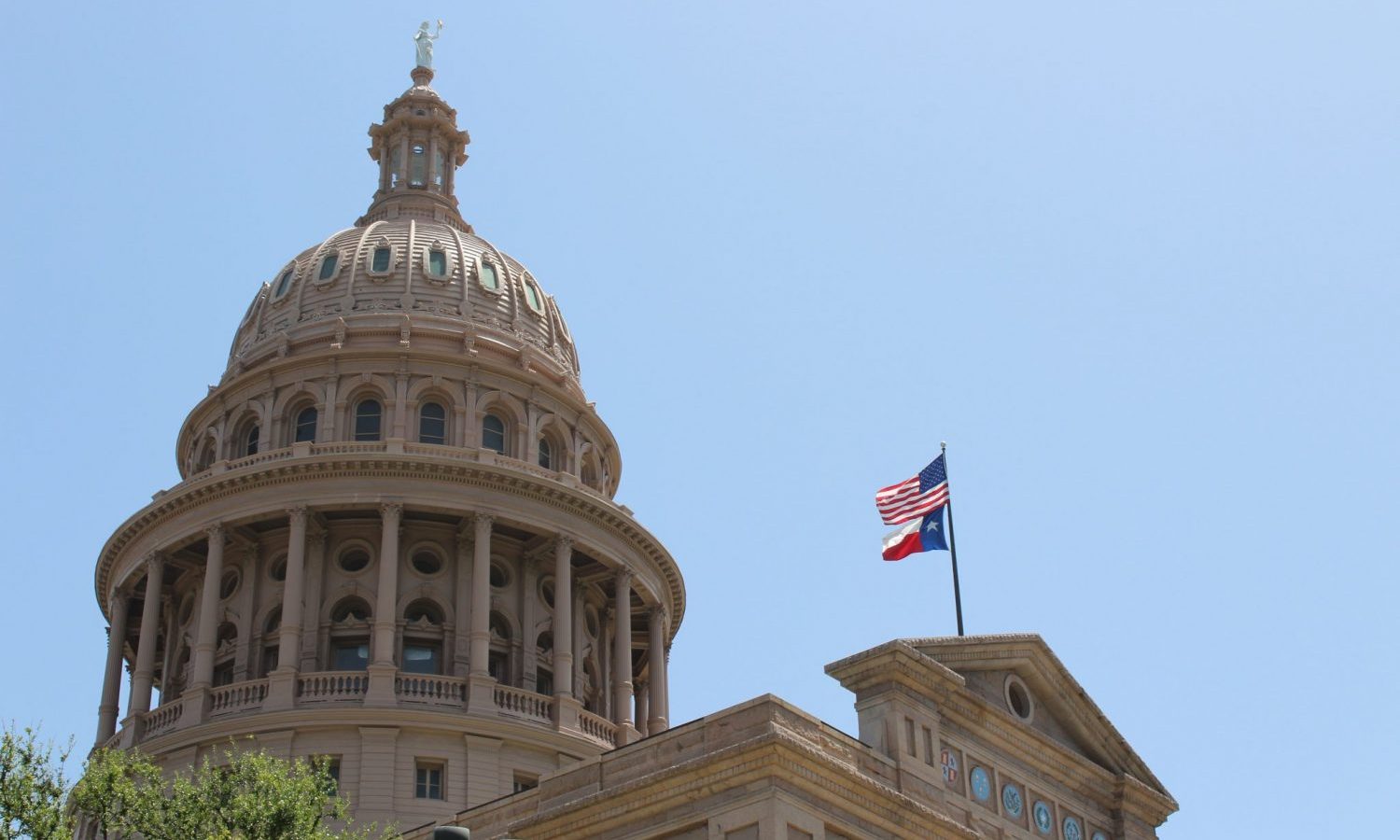
texas capitol building
Photo by Ruben Reyes from Pexels

According to The Dallas Morning News, DPS regulatory services division chief Wayne Mueller said last month that a decision on license recipients will most likely be made by June or July this year.

The three currently operating dispensaries are all in central Texas, with two in Austin and a third in Schulenberg.

RELATED: Weed Prohibition Still Official Stance Of Texas GOP As Marijuana Popularity Grows Among Residents

Under Texas law, only cannabis products with 0.5% THC by weight are legal, and there are just eight qualifying medical conditions that make patients eligible for MMJ in Texas.

As a result, there are only about 8,000 “active” medical cannabis patients in the state, which has some industry insiders in Texas worried that the customer base is still too low to support additional dispensaries, The Dallas Morning News reported.

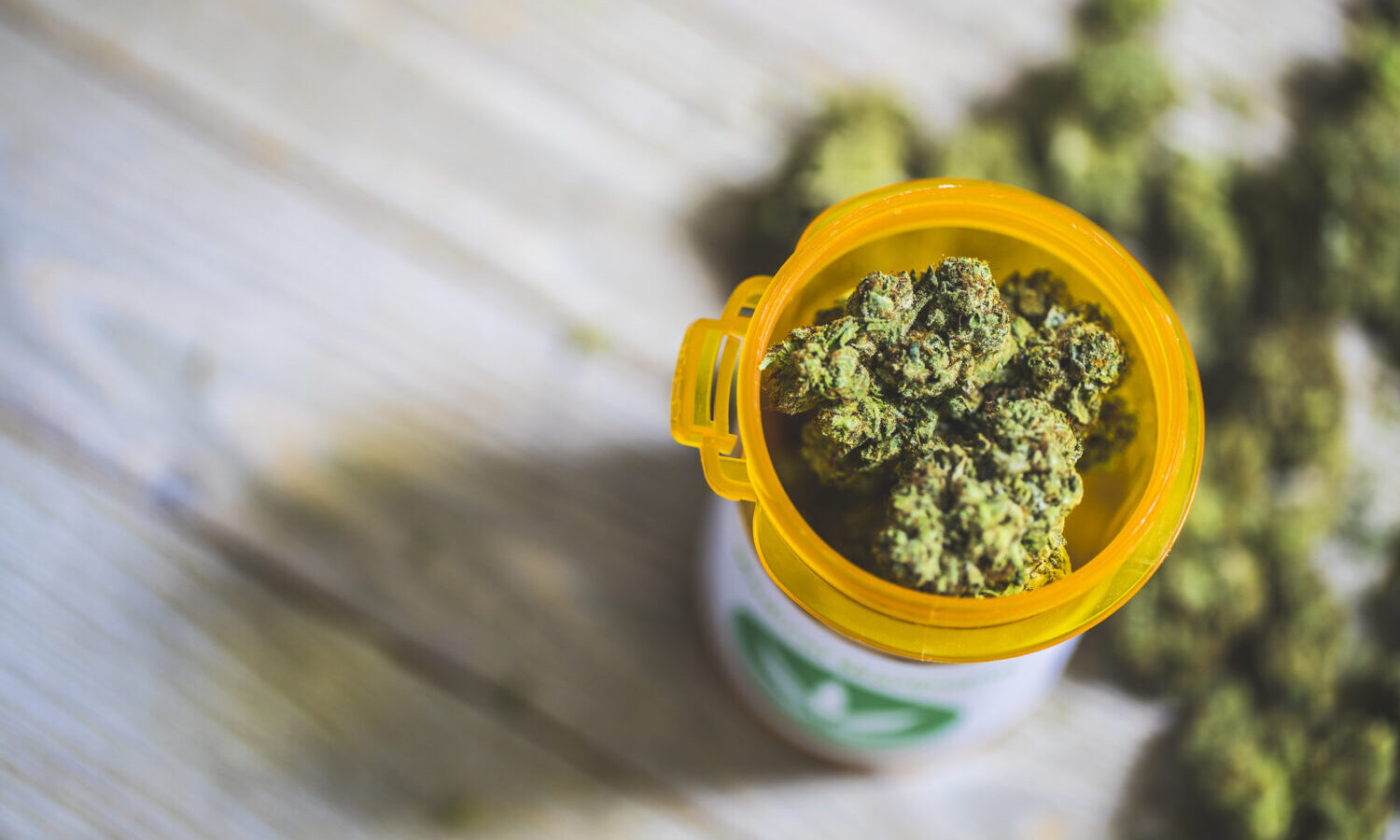
medical marijuana
Photo by LPETTET/Getty Imagess

“We think it’s closer to 100,000 total patients before we need to initiate another process for bringing on new licenses,” said Nico Richardson, acting CEO of Compassionate Cultivation in Texas.

RELATED: Texas Official Urges State Legislature To Set Aside Political Differences, Expand Cannabis Program

There is a new push in the Texas Legislature to legalize full-potency medical marijuana, by Democratic state Sen. Jose Menendez of San Antonio, but it’s unclear what political chances the bill has.

This article originally appeared on Green Market Report and has been reposted with permission.
Woman Sues Neighbor Over Marijuana Odor

While anti-smoking groups are fighting to outlaw smoking in apartments and residential buildings, the question remains — is this fair for medical marijuana patients?

By Nina Zdinjak

As marijuana legalization spreads across the country, more and more people are freely enjoying smoking the plant in the comfort of their homes. Some are using it recreationally, others for medical purposes. Either way, secondhand smoke is affecting people. So, in this interesting time of Karens, there is a case where women sues neighbor over marijuana order, claims public nuisance.

Josefa Ippolito-Shepherd is one of them. She is bothered by the smell of cannabis coming from her neighbor’s house into her own. She claims cleaning doesn’t help, and anyone who’s been around weed knows the smoke can be powerful. So much so that the offending aroma affects her sleep and everyday life.

She tried asking her neighbor to stop lighting up indoors. Then she asked the landlord to evict the smoker but that didn’t happen.

Legal marijuana
Photo by BraunS/Getty

Ippolito-Shepherd has lived in Cleveland Park, a residential neighborhood in DC, for 30 years, but claims the attack on it is ruthless, writes The Washington Post.

Until cannabis became legal, she had the option of calling the police and getting her neighbor busted. So what now? According to DC Council chair Phil Mendelson, the only thing she can do to resolve the issue is to undo the legalization of marijuana. That’s why Ippolito-Shepherd took the matter to court where she argued that the smell is a public nuisance.

RELATED: Careful Pot-Loving Parents! This Disease Is On The Rise In Legal Weed States

The trial is considered the first of its kind to make it this far in District court.

“I have the right to breathe fresh air in my home,” Ippolito-Shepherd told The Washington Post before the trial. “I’m not talking about if I go to someone else’s house or a place people go to smoke pot. They have the freedom to do whatever. I just do not want to be invaded in my own home.”

While anti-smoking groups are fighting to outlaw smoking in apartments and residential buildings, the question remains — is this fair for medical marijuana patients? Where will they be allowed to use their medicine?

San Francisco Won’t Include Marijuana In Apartment Smoking Ban
Photo by Viktor Talashuk via Unsplash

RELATED: Secondhand Bong Smoke Way More Toxic Than Tobacco — Here’s Why

To complicate matters, Brooke Hoots, an epidemiologist with the CDC, says that secondhand marijuana smoke contains the same cancer-causing toxins as secondhand tobacco smoke.

How can this be resolved to everyone’s benefit? No one knows, but one thing is certain: As more states embrace cannabis, similar lawsuits can be expected.

This article originally appeared on Benzinga and has been reposted with permission.
Yes, Marijuana Can Ease Motion Sickness And Here Are The Strains That Help

Medical marijuana is used to ease chemotherapy-induced nausea, and research has shown that it can help with motion-induced nausea as well.

One of the conditions that take the fun out of trips and journeys is motion sickness. Whether the journey is by sea, land, or air, motion sickness makes it unbearable for some people. And it can affect persons of any age, as both old and young suffer from it. Medications exist for motion sickness, but it does not work effectively for everyone. Marijuana can ease motion sickness, and here are the strains that help.

Chemotherapy-Induced nausea
Photo by Felix_Hu via Pixabay

What is Motion Sickness?

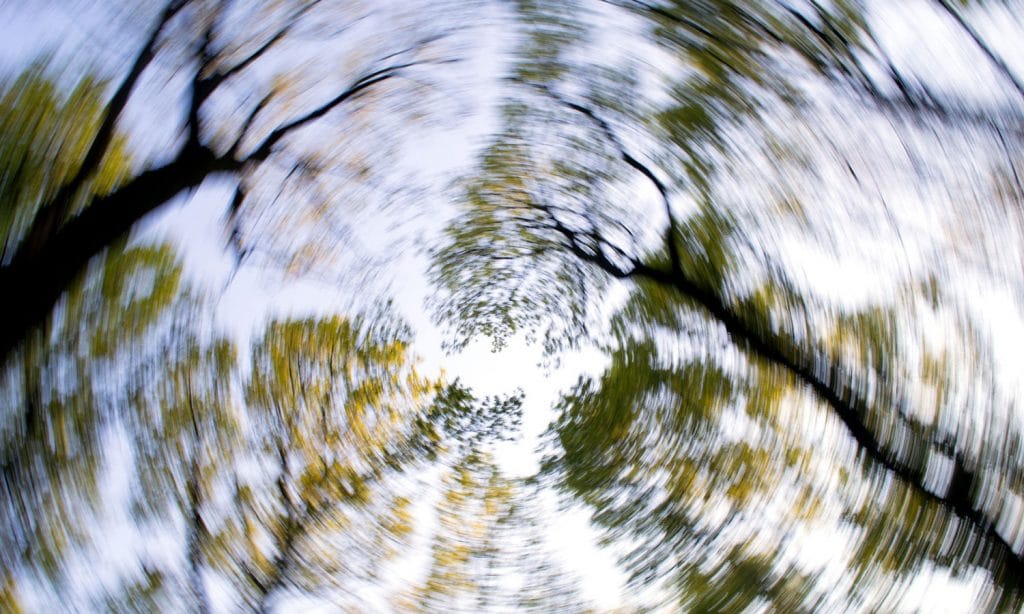
Motion sickness occurs when conflicting messages are sent to your central nervous system, resulting in a confused brain. These conflicting messages could come from any of the senses (eyes, ears, nerves) in your body, as a result of the inability to properly detect movement.

RELATED: Cannabis Offers Immediate Nausea Relief, Study Shows

For example, if your eyes cannot see the movement, it might send a signal that there is movement to your brain. If your other senses can feel the movement and send the information to your brain, it leaves the brain confused. Motion sickness can occur on a plane, car, train, as well as boat or ship, and it can turn what promised to be a fun trip into an absolute nightmare.

Types of Motion Sickness

There are three major types of motion sickness:

  • Air Sickness: This usually occurs when traveling in an aircraft, including airplanes, helicopters, gliders, parameters, and jets.
  • Car Sickness: This typically happens when you are moving in a vehicle on land, most likely a car.
  • Sea Sickness: Seasickness occurs on water, usually in boats or ships.

Categories of Motion Sickness

Motion sickness can be classified into three categories based on the source of the trigger:

  • Motion sickness that is triggered by motion that you cannot see but you can feel. In this case, while your nerves send the correct message to your brain, your eyes cannot do the same resulting in motion sickness.
  • Motion sickness that is triggered by motion that you can see but cannot feel. In this case, while your eyes send the correct message to your brain, your eyes cannot do the same resulting in motion sickness.
  • Motion sickness that is triggered when your auditory and visual systems detect different types of motion. In this case, they send different signals to the brain resulting in motion sickness.

Symptoms of Motion Sickness

The symptoms of motion sickness are usually not too serious, but can cause great uneasiness. The common symptoms of motion sickness include sweating, shortness of breath, drowsiness, nausea and vomiting, pale skin, and yawning. While the symptoms of motion sickness are not serious, regular occurrence of this condition results in more serious issues like a fear of travel.

Managing Nausea With Cannabis: What You Need To Know
Photo by elenaleonova/Getty Images

Who Is At Risk of Having Motion Sickness?

There are two classes of people that have the highest risk of suffering from motion sickness: pregnant women and children. Others can also stand a high risk of motion sickness if they are dealing with the following.

  • Anxiety and fear about traveling
  • Using an unfamiliar mode of traveling
  • Poor ventilation in the vehicle
  • Having no access to a window and being unable to see the motion.

How Cannabis Helps With Motion Sickness

In recent years, medical cannabis has been suggested by advocates as a possible remedy for motion sickness. Medical marijuana is used to ease chemotherapy-induced nausea, and research has shown that it can help with motion-induced nausea as well.

RELATED: Why Is Weed So Good At Nausea Relief? And Does CBD Help, Too?

Two cannabinoids contained in cannabis, CBD and THC, are known to be active receptors in the human body. These cannabinoids reduce counter the release of the body chemicals that cause nausea, thereby easing the discomfort that comes with motion sickness.

Symptoms of Motion Sickness That Cannabis Tackles

Cannabis helps with motion sickness by treating the symptoms. Some of these symptoms include:

  • Headaches
  • Stress
  • Anxiety
  • Nausea and vomiting
  • Drowsiness

Best Cannabis Strains For Motion Sickness

Both Sativa and Indica strains work for motion sickness, albeit having different functionality. Indica strains helps you to relax while Sativa strains energize you. Below are some of the best cannabis strains for motion sickness.

Grand Master Kush: This is an Indica dominant strain that helps with anxiety, nausea, pain, stress as well as lack of appetite.

Blue Dream: This is another Indica dominant strain. Blue dream helps with uneasiness, stress, pain as well as nausea.

RELATED: Can Marijuana Ease Motion Sickness?

Sour Diesel: This is a Sativa dominant strain that eases migraine and stops nausea.

Super Haze Lemon: Super haze lemon is another Sativa dominant strain. It helps to ease anxiety and settle a troubled stomach.

Durban Poison: This is a Sativa dominant strain that helps with loss of appetite and nausea.

nausea motion sickness
Photo by Diy13/Getty Images

Best Means of Consuming Cannabis For Motion Sickness

Popular ways of consuming cannabis like smoking and vaping are not ideal for traveling. Apart from having high mechanical risk, smoking in public is bad etiquette. This is why it is important to explore other means of consuming cannabis when treating motion sickness. The best means of consuming cannabis for motion sickness include:

Tinctures: This form of cannabis is taken sublingually. Simply place a few drops of the cannabis under your tongue before the trip.

Topicals: This includes oils, balms, and lotions that can be rubbed on the body before the trip.

Edibles: This type of cannabis is consumed in oral form, such as gummies and cookies. Edibles can be eaten anywhere.

Transdermal Patch: This method involves the infusion of cannabis into the bloodstream.

Conclusion

Before you buy cannabis for your motion sickness, be sure to confirm that it’s legal in your state. Visit a cannabis-friendly doctor to provide you with a strain that is suitable for you.

This article originally appeared on Cannabis.net and has been reposted with permission.

This State Is Next In Line For Adult-Use Sales

The challenge of the state’s industry will be to avoid some of the pitfalls that other states are experiencing.

Missouri is launching its legal adult-use cannabis sales on February 6. Last month on December 8, 2022, consumers were allowed to legally possess up to 3 ounces of marijuana, and the Department of Health & Senior Services began accepting requests for existing medical facility licensees to convert to a fully legal facility. Once approved, it is up to each dispensary to decide when it will begin selling adult-use cannabis.

According to industry analyst firm BDSA, adult-use sales of cannabis in Missouri will reach $277 million in its first year, with a total market revenue projection at $730 million for 2023.  Currently, there are approximately 208,000 Missouri patients utilizing medicinal cannabis, which is about 3% of the state’s population. But the number of cannabis consumers in the state is expected to swell to 600,000 under adult use, roughly 10% of the population.

cannabis sales
Photo by megaflopp/Getty Images

Jobs Jobs Jobs

According to MoCannTrade, the cannabis industry was responsible for one of every 10 new jobs created in Missouri in 2022. As adult sales commence early in 2023, cannabis businesses across Missouri will be expanding operations and hiring to meet the expected demand.

RELATED: This City Just Kicked Off Adult Use Cannabis Sales

“There is no question that Amendment 3’s impact will be beneficial for Missouri workers. Swade alone anticipates its staffing needs will increase between 35-45% prior to recreational retail sale commencement,” said Jason Nelson, CEO of Swade Cannabis. “The coming 12 months will see an immense amount of growth in the industry, and that means adding a lot of new jobs for the state.”

Avoiding Pitfalls

While other mature states have faced issues with high taxation, falling prices, and slowing growth, Nelson thinks Missouri will avoid that.

“Missouri is in a unique position with regard to other states,” Nelson said. “We are launching an adult-use market in response to the voters’ wishes, indicating there is a built-in level of demand right at the start. There is typically a percentage of consumers reluctant to cannabis under a medical-only market that becomes less hesitant in an adult-use market, and we expect Missouri to be no different.

RELATED: Marijuana Legalization Debate Heats Up In Missouri Ahead Of Midterms

“The challenge of the state’s industry will be to avoid some of the pitfalls that other states are experiencing. Neighboring states inhabit circumstances that make cannabis tourism amongst bordering populations a viable prospect for Missouri. Whether compared to a significantly higher product tax rate in Illinois or neighboring states such as Kansas, Iowa, Nebraska, and Tennessee that have no representation under a regulated cannabis program, Missouri is well positioned to leverage a robust menu of high-quality cannabis products available at affordable prices.”

This article originally appeared on Green Market Report and has been reposted with permission.
What Is The Difference Between Hemp And Cannabis?

0

Although hemp and cannabis are two different species, there’s an important legal difference between the two.

Hemp and cannabis are two totally different plants, right? Yes and no. Technically, hemp and cannabis are actually the two different species, from the same genus Cannabis (Family – Cannabaceae). They’re not classified as two different plants in a biological sense. Although science doesn’t fully distinguish between hemp and cannabis, the law does.

Hemp Vs. Cannabis

According to US law, hemp is defined as cannabis that contains 0.3% THC or less by dry weight.

Let’s back up for a second. THC, short for tetrahydrocannabinol, is a cannabinoid that can make you feel intoxicated — in other words, it makes you feel high. The other cannabinoids in hemp and cannabis plants don’t seem to be intoxicating.

That being said, because hemp contains 0.3% THC or less, it can’t make you feel intoxicated. It really is a small amount of THC.

Cannabis, however, contains more than 0.3% THC. You’ll find that most cannabis strains contain anywhere between 15% and 30% THC.

To summarize: hemp can’t make you feel intoxicated, while cannabis can.

growing marijuana
Photo by skodonnell/Getty Images

Why 0.3% THC?

As mentioned, biology doesn’t distinguish between hemp and cannabis. So who made up the 0.3% rule?

The definition was initially proposed by Ernest Small in his 1979 book, “The Species Problem in Cannabis: Science & Semantics.” Small pointed out that it’s difficult to define the difference between hemp and cannabis. He suggested we draw the line for THC content at 0.3% — but he actually acknowledged that it was an arbitrary rule himself.

RELATED: Here’s Why The CBD You Bought Isn’t Working

However, the number went on to inform the legal definition of hemp in the United States. Various pieces of literature, including the Agricultural Act of 2018 (the so-called Farm Bill), used Small’s definition of hemp.

The legal difference between hemp and cannabis

We mention the Agricultural Act of 2018 because it was a pretty important piece of legislature. Also known as the 2018 Farm Bill, this Act went on to legalize hemp on a federal level.

Thanks to the 2018 Farm Bill, it became legal to cultivate and process hemp throughout the United States. The Bill made it possible for companies to produce and sell hemp-based products, including hemp-based CBD products, hemp seed products, hemp milk, hemp textiles, hemp bioplastics, building materials and more.

RELATED: What’s The Difference Between CBD From Hemp And CBD From Cannabis?

Note: Cannabis that contains over 0.3% THC isn’t federally legal, although it is legal in some states.

So, although hemp and cannabis are two different species, there’s an important legal difference between the two.

cannabis
Photo by Kirill Vasikev / EyeEm/Getty Images

What about other cannabinoids?

Hemp and cannabis can both contain CBD and other cannabinoids. You’ll find that certain strains are bred to contain more of one compound, or terpene profile, than others. Some growers grow for full spectrum plants, or separately, they specifically cultivate for a target compound, such as high-CBD, high-CBG, or high-CBN strains.

However, for a cannabinoid product to be legal throughout the United States, it needs to be derived from hemp. Our wellness products are hemp-based and thus fully legal — which is why we’re able to ship our products all over the United States, and even globally.

This article originally appeared on Astraea.co and has been reposted with permission.
Biden Includes Marijuana Reform On MLK Day

“I’m keeping my promise,” said Biden. “No one—I’ll say it again—no one should be in federal prison for the mere possession of marijuana. No one.”

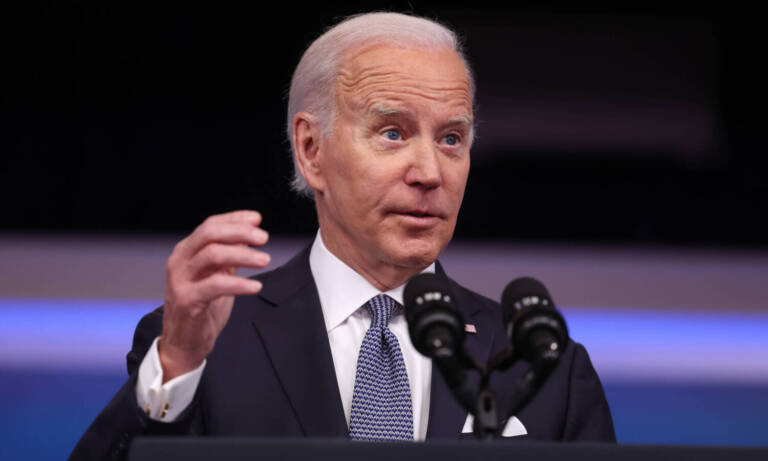
President Joe Biden celebrated Martin Luther King Jr. Day by delivering a speech on equal justice, civil rights, and more. He made it clear that marijuana reform is a part of his plan, and a necessary step in order to have “equal rights.”

Biden spoke at the national annual MLK breakfast, hosted by the National Action Network (NAN). He was introduced by Reverend Al Sharpton. 

https://www.youtube.com/watch?v=NMZg3pKzBK4&t=2070s

“I’m keeping my promise,” said Biden. “No one—I’ll say it again—no one should be in federal prison for the mere possession of marijuana. No one.”

Aside from decriminalizing marijuana, Biden also emphasized expunging the records of those in prison for weed possession. “In addition to that, they should be released from prison and completely pardoned and their entire record expunged so that if they have to ask, ‘Have you ever been [convicted], you can honestly say, ‘No.'”

RELATED: Marijuana Reform Is In The Hands Of Students, Says President Biden

Back in October, Biden issued marijuana pardons that became one of the biggest steps forward for marijuana reform and legislation. Despite their unprecedented existence and the fact that he encouraged governors and other state leaders to follow in his footsteps, these pardons are still not enough to expunge the records of many people that have been imprisoned due to marijuana possession.

RELATED: Will Governors Have To Follow Biden’s Cannabis Pardon?

Following the pardons, many advocacy groups called for an expansion of these benefits, hoping to have these reach more people and protect them from further crimes associated with marijuana. In November, over 130 advocacy groups banded together in order to push Biden to extend these benefits and include immigrants.

Joe Biden
Photo by Drew Angerer/Getty Images

“​​Moving forward, we urge you to ensure that every step taken to remedy racial injustice includes relief to impacted immigrant communities,” reads a draft letter that was sent to Biden’s administration. “In particular, we urge you to extend protection to all immigrants, regardless of immigration status, and to take necessary steps to ensure that immigrants do not suffer negative immigration consequences from marijuana convictions.”

For the time being, Biden’s pardon only extends relief to US residents and citizens that have been charged with simple possession convictions. Those who’ve been charged with selling cannabis don’t fall under this spectrum.

Don't Miss Your Weekly Dose of The Fresh Toast.

Stay informed with exclusive news briefs delivered directly to your inbox every Friday.

We respect your privacy. Unsubscribe anytime.