Tuesday, April 28, 2026
Home Blog Page 170

Ways To Celebrate Thanksgiving With Cannabis

0

Before you head out to meet your family this turkey day, read up on these five essential tips so you can have a successful thanksgiving celebration with cannabis.

Cannabis lends itself quite nicely to Thanksgiving celebrations. From mouthwatering food to reconnecting with loved ones, there are all sorts of reasons why a little weed can go a long way to enhance this holiday.

In fact, in a recent Ayr Wellness survey of U.S. cannabis consumers, 65% of respondents said they will choose cannabis over alcohol for “Danksgiving,” and 34% plan to serve THC-infused food.

So if you are someone planning to add a little cannabis to the more traditional seasonings of nutmeg and clove that flavor this holiday, you aren’t alone. But just because you are not alone does not mean you should throw caution and common sense to the wind; there are plenty of ways your holiday can go off the rails.

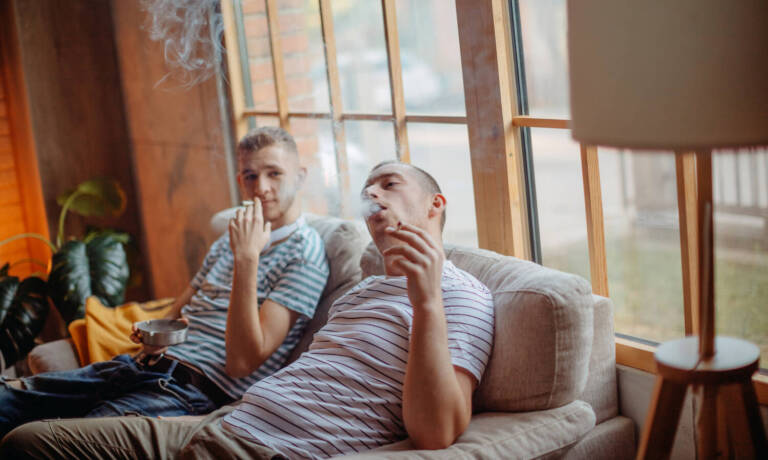
marijuana holidays
Photo by Sarah Pender/Getty Images

Don’t Show Up Looking or Smelling Stoned

This rule should always be followed. In fact, if you’re a seasoned cannabis user then you should know better by now. If you need to have some herbal therapy before embarking on a day with the extended family, make sure you brush your teeth, use mouthwash, cologne, eye drops – all the above if necessary. 

Showing up smelling like bong water or with bright red eyes is only going to worry your grandparents. If you plan to take the elevated route with your family, do so incognito as much as possible. Consider bringing low-dosage edibles or a non-offensive smelling vape if you think you will require some assistance throughout the day. Reconsider bringing along dank smelling nugs.

Consider Microdosing to Reduce Family Stress

If you are thinking about how you will cope with the added stress that family holidays bring, consider sprinkling small doses of weed into your holiday plans. Microdosing, as we have reported, can have many benefits. One great benefit is helping you feel relaxed and calm.

RELATED: 5 Fall Foods That Go Great With Marijuana

Make sure you have the proper dosage down before Thanksgiving so you don’t overdo it on the actual holiday. Microdosing is a great way to incorporate the benefits of weed without being noticeably high, or too out of it to enjoy the day. 

Thanksgiving dinner
Photo by Craig Adderley from Pexels

Post-Meal Weed Walk and Talk (With the Right Audience)

Cannabis doesn’t always need to be something hiding in the shadows. So you may want to use weed as a chance to bring you and some of your family even closer. 

RELATED: 3 Key Tools To Help Manage Your High During The Holidays

Now, that doesn’t mean lighting up a joint at the dinner table and passing it to your uncle. But a pre-planned walk in a nearby park with your cousins, or somewhere you all used to play as kids might be a great way to reconnect and reminisce. Just make sure you aren’t breaking any laws in the process.

Save Weed for Post-Family Movies With Friends

Lots of people plan to celebrate Thanksgiving with weed. But that doesn’t mean that everyone (or even a large minority) of people want to get high around their families. In fact, according to the Ayr Wellness cannabis survey, 54% of respondents said they will consume cannabis with friends on Thanksgiving. So maybe save the weed for later in the day.

RELATED: How To Deal With Weed Induced Panic And Paranoia During The Chaotic Holiday Season

You can get high and share heaps of leftover desserts with your friends or head to one of the many blockbuster movies that come out on the holiday. Either way, just know you can always wait until later on to infuse your Thanksgiving with weed.

How To Celebrate Thanksgiving During COVID
Photo by Element5 Digital

Don’t Get Too High, Seriously

Just like you shouldn’t show up looking or smelling high, also make sure you don’t use Thanksgiving as an excuse to get baked out of your mind – at least not around your family. Overeating is accepted on Thanksgiving, getting uncontrollably stoned is not.

RELATED: So, You Got Too High Before Thanksgiving Dinner — Here’s What You Can Do

Try to consume a conservative amount, leaving room for error. Thanksgiving should be a day for enjoying food and giving thanks, not struggling to stay awake and fight off paranoia.

How To Deal With Weed Induced Panic And Paranoia During The Chaotic Holiday Season

0

When you feel the “Grim Reefer” approaching,  isolate yourself from whatever is going on in your immediate environment, ASAP!

Like it or not, one of the potential negative side effects of cannabis can be paranoia and in some cases, panic. The latter is typically set off by the former, but throughout my years of smoking cannabis and engaging with the user base — I have personally witnessed a few people who “lost their bananas” on weed. The stress of holiday season can bring some strange reactions to your normal weed enjoyment, too.

A few times, I also found myself tip toeing the fine line of sanity as a direct result of weed. Once, because I over consumed on edibles which sparked a deep 18 hour trip I’ll never forget. Another time I smoked some dank weed in Santa Monica from a stranger who claimed to be a dispensary owner. It was certainly some of the more potent stuff I’ve smoked in my life and made “the way back” a lot more difficult than I had imagined. The public nature of the expedition was what added a level of difficulty. Some cannabis strains may induce the “paranoia” feeling more than other marijuana strains.

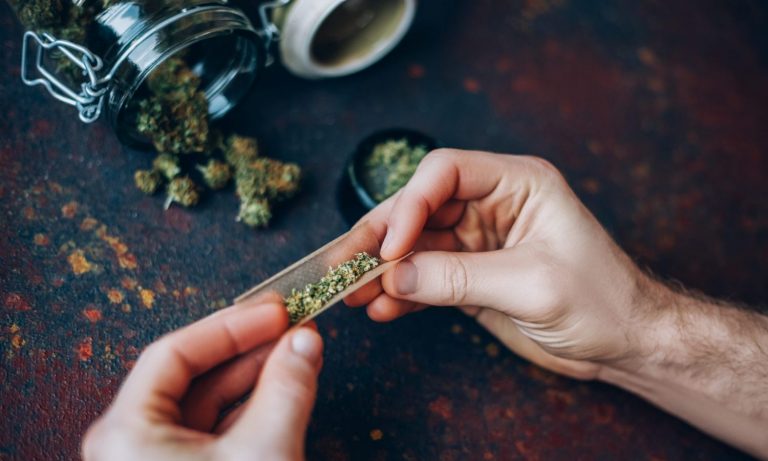
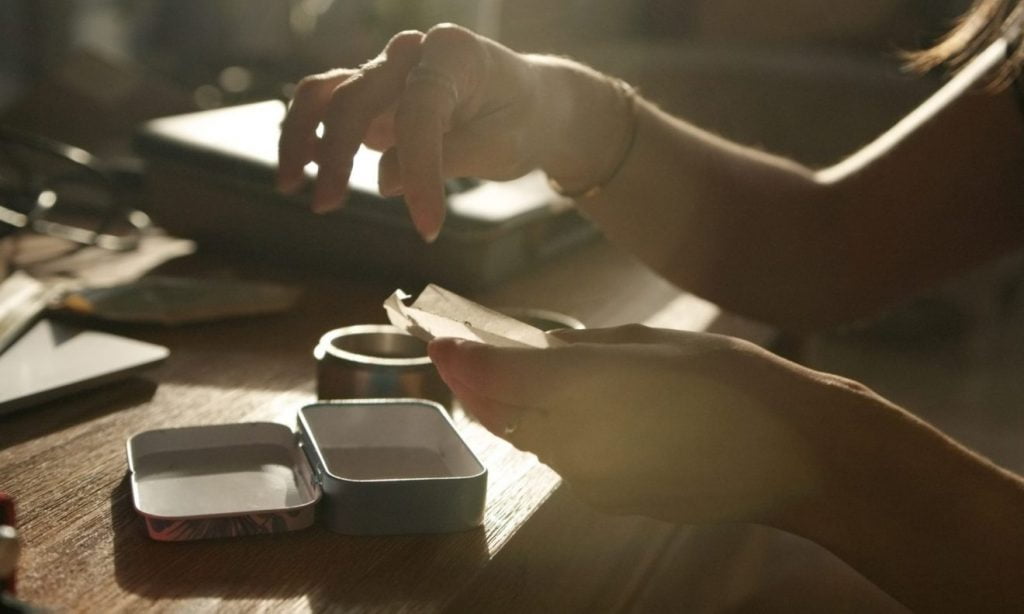
rolling a marijuana joint
Photo by Kampus Production from Pexels

Panic, anxiety, paranoia can happen if you’re in the wrong place, or with the wrong people. When you don’t feel safe or in an environment that you can relax in, one of two things can happen. Either you run down a rabbit hole of paranoia and fear, or you sober up and get the heck out of there.

In most cases, when my gut tells me to get out of a place, I listen! However, sometimes you can be smoking alone when panic sets in. I once had a friend of mine freak out at the realization that we’re on a rock floating in space. His mind was able to perceive the smallness of his being compared to the infinite expanse of the universe and as a result, he started to hyperventilate.

What this did was quickly expel all of the CO2 from his blood that induces hypocapnia, which in turn can begin to produce symptoms that exacerbate the narrative in your head.

According to Science Direct: “Hyperventilation causes acute hypocapnia resulting in cerebral vasoconstriction, hypocalcemia, a shift in the oxygen–hemoglobin dissociation curve, and reduced oxygen delivery. Symptoms include lightheadedness, dizziness, faintness, paresthesias, and altered consciousness. Hypocalcemia with alkalosis may cause seizures and tetany.”

This is in relation to hyperventilation, which is surprisingly much easier to do than you’d expect. Couple this with some highly potent cannabis, and you’ve got yourself a recipe for potential havoc. Of course, the vast majority of people who smoke cannabis don’t experience these symptoms, but for those who have walked this line before, you know that it doesn’t take much to get you to the edge.

What do you do when you feel the “Grim Reefer” revealing yourself to yourself? The first thing you should do is isolate yourself from whatever is going on in your immediate environment. Whether you’re at a party or alone, a change of scenery and a breath of fresh air should already help alleviate a lot of your symptoms. The simple act of “getting away from the scene” can be enough to shift you back to a more resourceful state.

RELATED: 7 Ways To Get A Bad High Under Control

However, if you still find that you are not feeling optimal, anxiety clawing at your throat and a weird feeling in the pit of your stomach,  the next step is to breathe slowly with controlled breath retentions. What you’re doing here is forcing your autonomic nervous system to switch form sympathetic (fight/flight/fear/fold) to parasympathetic (rest/digest/reproduce). You can do this by simply inhaling for a count of four seconds, holding it for a count of seven-seconds and then exhaling for eight seconds. Do this at least ten times and then simply release your breath and observe if you feel any better.

Smoking Marijuana
Photo by Goodboy Picture Company/Getty Images

Odds are by now you’d have a bit more control over your panic. If you want to elevate the feeling of detoxing yourself from stress and anxiety, simply visualize yourself breathing in peace and calmness and exhaling everything that is plaguing you.

If you need to breathe like this for a while, do so. If you follow this pattern of breathing you can even induce sleep. It’s a very powerful technique that has saved me from many “troubled trips”.

However, even when you do deep breathing it might not be enough for your level of anxiety or stress. In this case, all you have to do is close your eyes and simply exhale longer than you inhale. For example, inhale for a count of four, and exhale for the count of five or six. This is all you need to do, nothing too complicated.

Then, as you sit there with the paranoia and darkness covering you – begin to observe it as opposed to be affected by it. It’s a strange thing, however – typically when you stop reacting to these adverse side effects and simply become attentive to them, they quickly begin to change in intensity.

RELATED: How To Prevent Cannabis-Induced Anxiety Attacks

The way you observe them is simple. Just take a moment and focus on the breath — and only on the breath. This allows for a small disruption in the way you are reacting to the situation. Once you have focused on the breath for a few rounds return to whatever feeling is ailing you in the moment. Take a moment to see how it feels, describe it but don’t engage with it. Simply say things like “it feels like X or Y”. Then see where it sits in your body. Is it in your neck, chest or stomach. Do you have pain in your back or is your muscles having spasms? What’s the intensity — is there a rhythm to it?

getting high
Photo by Dejan Marjanovic/Getty Images

This exercise helps in several ways. Firstly, it keeps your mind busy “observing” and not “participating in the madness”. Secondly, it allows you to focus your attention to the specific areas. If you want to go deep, you can ask questions like, “When last did I feel something like this?” and then wait in silence for an answer to appear.

In all likeliness, a flash of a memory or a specific event will come to mind. Then ask yourself, when was the first time I ever felt like this…and wait again. You’ll be surprised at what you can uncover during moments like these.

RELATED: What Method Of Smoking Weed Gets You The Highest — Is There One?

However, if you’re not in the mood for internal discovery, you’ll simply observe these areas, and then, as you inhale deeply, imagine how you are filling those areas with calm light, and as you exhale, just release everything.

It might take a few tries to disrupt the mental chatter, but once you grab hold of some peace, it will guide you to safe waters.

In the vast majority of the cases that people end up in the ER for weed is because they don’t know how to calm themselves down when they are spiraling out of control. It’s not always easy, our internal illusions are strong. But with enough practice, you can walk on psychological razor blades unscathed.

This article originally appeared on Cannabis.net and has been reposted with permission.

Is CBN A Key To Keeping The Brain Sharp? Data Says Maybe

0

Can the cannabinoid CBN help slow aging in brain cells, and protect the brain from age-related conditions?

It turns out that one of the ways your brain cells fresh over time is with a steady dose of CBD. The science team at the Salk Institute for Biological Studies revealed this discovery.. Their data shows CBN, a minor and relatively unknown cannabinoid, has the potential to protect brain cells from the adverse impact of aging. So, is CBD a key to keeping the brain sharp? Data says maybe.

Research on medical cannabis has been going on for many decades. For the most of this duration, scientists have focused more on the therapeutic properties of major cannabinoid compounds (i.e. THC and CBD). Minor cannabinoids like cannabinol (CBN), cannabidiolic acid (CBDA), cannabigerolic acid (CBGA), acid (CBNA), cannabidivarin (CBDV), tetrahydrocannabivarin (THCV), cannabigerol (CBG), and acid (THCA) have been given less attention. We’ve begun to observe an influx of research into these minor compounds.

cannabis brain
Photo by Feodora Chiosea/Getty Images

Scientists say that these minor cannabinoids have more to offer medically. New researchers are investigating how these compounds are broken down and their interactions with the endocannabinoid system, emphasizing their effects on the brain.

Cannabinol and the Human Brain

Cannabinol has a similar molecular structure to THC, the major difference being that it is not psychoactive. The non-psychoactive property of the compound has caused it to be less regulated by federal agencies. The Salk researchers were pleased to announce their latest influential studies, which have established that cannabinol (CBN) positively impacts the brain. In the last decade, scientists around the world have tried to investigate the medical potential of CBN. However, the federal prohibition of the cannabis plant has limited these studies.

The primary pathway to the death of cells is through oxidative injuries. This is usually followed by neurologic disorders in aged people. This new study describes how cannabinol can shield brain cells, also called nerve cells, from the damaging effects of this pathway. The findings of this trial have been published in the online Free Radical Biology and Medicine journal. The detailed report implies that cannabinol could be an effective drug to treat or manage age-induced neurodegenerative diseases like Alzheimer’s. Scientists suggest that CBN has a high potential for protecting nerve cells as a person ages.

Salk Study Research

Professor Pamela Maher, senior author and head of Salk’s Cellular Neurobiology Laboratory, said her team had discovered the anti-neurodegenerative effects of cannabinol. She mentioned that her team studied how the cannabinoid shields nerve cells from oxidative stress and death, which are major contributors to the onset of dementia and Alzheimer’s diseases.

According to Neuroscience News, Maher and her team of brilliant researchers believe this discovery would lead to the development of new drugs and treatment plans to treat various neurodegenerative diseases, particularly Alzheimer’s and Parkinson’s. Maher’s lab had studied the use of cannabinol in the past, and this recent investigation was done to build on the first discoveries. In the preliminary research, the team found out about the protective properties of CBN on the brain and how CBN could be used to derive drugs for neurological diseases.

RELATED: Is CBN Going To Give Melatonin A Run For Its Money?

This recent study focused more on how CBN functions in the body. During this study, Salk scientists took into account the oxytosis and ferroptosis processes, a major contributing factor to aging and diseased brain cells. The oxytosis, or ferroptosis process occurs in aging brains. The mechanism is induced by the gradual loss of glutathione, an antioxidant, as a person ages. It results in prominent damage or death to neural cells through lip oxidation. The trial began by administering CBN to nerve cells to observe how they limit oxidative action. The scientists then proceeded to propose a different mechanism to induce oxidative damage.

Study Observations  

Following testing healthy and damaged brain cells with cannabinol, the following observations were made. The report stated that the administered cannabinol protected the nerve cells. They also observed that the mitochondria, a cell’s powerhouse, were protected from oxidative damage.

The mitochondria in healthy cells were compared with those in damaged cells. Maher and her team found that the mitochondria in the damaged cell appeared to be folded up in a round shape to shield it from more damage. These scrunched-up powerhouses are frequently noticed within the brain cells of Alzheimer’s and Parkinson’s patients.

Treating Dementia With Cannabis: What Patients And Caregivers Should Know
Photo by designer491/Getty Images

On the other hand, the healthy cells appropriately housed functioning mitochondria. The powerhouse in these cells remained in its regular, non-folded form.

Maher wrote that her team successfully showed that cannabinol could contribute to maintaining mitochondria in nerve cells. She added that the protective effects of CBN urged the proper functioning of the powerhouse.

More Information

Zhinin Liang, co-author and postdoctoral fellow, says that smoke evidence shows that cannabinol is safe for human and animal consumption. This can be linked to the absence of psychotropic effects after CBN is consumed. The researcher said that CBN works on specific cells in the body while delivering therapeutic effects.

Maher also noted that her team’s findings reveal implications for other neurodegenerative diseases connected to glutathione loss. The dysfunction of a nerve cell’s powerhouse results in further damage to nearby tissues. The potential of CBN to heal and maintain functions in a powerhouse suggests that it could also be used to treat other parts of the body besides the brain. This opens the floor for further research beyond the context of neurodegenerative conditions. The next agenda item for the team is to reproduce the above study in a preclinical mouse model.

RELATED: CBD Might Not Cause You To Fail a Drug Test, But CBN Might

Other researchers that contributed to the success of this study include Brendan Duggan from the University of California, Antonio Currais, David Schubert, Devin Kepchiaz, and David Soriano-Castell Salk. The Paul F. Glenn Center for Biology of Aging Research at Salk, the Shikey Foundation, the University of California, The Bundy Foundation, and the National Health Institute provided funding.

Bottom Line

Salk’s CBN research points out the need for more investigations into lesser-studied cannabinoids. Most of these minor cannabinoids have shown little therapeutic potential in the limited levels of research done.

Some of the therapeutic benefits possessed by CBN, as suggested by anecdotal evidence, include pain relief, stress relief, and anti-inflammatory effects. This buttresses Maher’s point that further comprehensive research must be done.

This article originally appeared on Cannabis.net and has been reposted with permission.

How To Vape Weed The Right Way

0

Always take short and slow puffs from your vaporizer. Taking hard, long draws can introduce cold air into the heating section, reducing the temperature inside the device.

Smoking weed is the most common way to enjoy cannabis, but there is a better way to inhale — vaping. Vaping and heat-not-burn devices avoid some of the issues related to smoking, such as carcinogens created by combustion.

Additionally, vapes are more efficient. A California NORML study revealed that vaporizers could deliver 46% of the THC in a cannabis sample. A joint of cannabis delivers only around 25% of the THC. The rest is lost to destruction by heat and side-stream smoke. 

To vape weed, you must heat the cannabis flower to release the terpenes and cannabinoids as vapor. But you’ll need a few things to get started.

vape pen
Photo by Dmitry_Tishchenko/Getty Images
  • Quality herb: extremely dry or overly moist flower won’t give you a great vaping experience. Make sure your flower is properly cured and contains a normal moisture level.
  • Vaporizer: you will need a vaporizer to vape weed. Vaporizers range from small handheld devices to medical-grade devices that sit on your tabletop.
  • Grinder: some convection vaporizers let you use full buds, but vaping is best done with ground flower, particularly if you have a conduction vaporizer. Grinding your cannabis will help increase the surface area, allowing for even heating and a better vaping experience.
  • Accessories: some vaporizers come with cleaning accessories such as brushes, cotton swabs, alcohol, pipe cleaners, and stir tools.

Once you have gathered the required tools to load your vaporizer, follow these steps:

  1. Charge or plug in your vaporizer
  2. Place your weed in your vaporizer’s oven.
  3. With your finger or a tool, remove excess weed from the top to make the surface relatively flat. Don’t stuff the vaporizer with too much weed. Allow airflow.
  4. Turn on the device. A useful rule of thumb is to set the device around 356-410°F. But once you get used to using the device, select your preferred temperature.
  5. As the cannabis begins to heat up, inhale.

Always take short and slow puffs from your vaporizer. Taking hard, long draws can introduce cold air into the heating section, reducing the temperature inside the device.

RELATED: How To Get A Medical Marijuana Card From A Doctor

After vaping, check the device to examine the weed’s color. If what’s left looks brown with a touch of green, then it is an Already Vaped Bud (AVB). You can use the AVB for edibles and recipes like cannabutter and brownies.

Now you know how to vape weed. The first device most opt for is the vape pen, which is a vaporizer for cannabis concentrates.

vaping
Photo by martin-dm/Getty Images

How to Use a Vape Pen

A vape pen is a cylindrical tool that is roughly the size of a standard ball-point pen. This device often comes with a battery attached to a cartridge, which contains between .3g – 1g of cannabis concentrate or rosin.

Although the parts of a vape pen depend on the model, most vape pens have similar core components. They include:

  • Vape battery – The battery makes vaping achievable. Some batteries come with a button that lets the user change heat settings or switch the pen on and off.
  • Vape cartridge – the cartridge is attached to the vape battery. You will also see your desired vaping substance and an atomizer in the vape cartridge.
  • Mouthpiece – You inhale the vapor through the mouthpiece.

Here’s how to use it:

  1. First, turn on the vape pen by touching the power button 5 times. Once it lights up, you have powered it on successfully.
  2. Click and hold the power button to transmit power to the atomizer.
  3. The atomizer will heat up the oil nearly instantly, producing vapor. Inhale slowly and gently and take small puffs. Some vape pens can get too hot if you inhale hard.

Please note that vaporizers should not get hot enough to burn your oil or flower. However, some vape pens are more like portable smoking devices than true vaporizers. If the heating element in your vape pen gets hot enough to combust the oil, try to set your device to the low-heat setting to ensure you are vaporizing your oil and not combusting it.

RELATED: Is Smoking Weed Bad For Your Lungs?

Vape pens are easy and convenient. It is best to store your vape pen upright to avoid unexpected oil leaks from the cartridge.

Note: Skip any stage that involves a button if you’re using a draw-fire vape. Instead, just take a draw and the pen will produce vapor. Once you’ve finished, the vape pen will go off on its own.

Lung Injuries Related To Contaminated Vapes Are Less Common In These States
Photo by E-Liquids UK via Unsplash

Get Started on Your Cannabis Wellness Journey

Have you started your cannabis wellness journey? Jointly is a new cannabis wellness app that helps you discover purposeful cannabis consumption so you can achieve your wellness goals with cannabis and CBD. On the Jointly app, you can find new cannabis products, rate products based on how well they helped you achieve your goals, and track and optimize 15 factors that can impact your cannabis experience. These 15 factors include your dose, the environment in which you consume cannabiswho you are with when you ingesthow hydrated you arethe quality of your diethow much sleep you got last night, and more. Download the Jointly app on the App Store or the Google Play Store to get started on your cannabis wellness journey.

Sam Anderson is the Content Director at Jointly, a cannabis wellness company powered by a proprietary data platform to help people reach their full potential. The company was created on the premise that purposeful cannabis consumption is the key to unlocking a better you. This article originally appeared on Jointly and has been reposted with permission.

Does THC Potency Matter When Choosing Marijuana

Surprisingly, terpene expression as well as THC potency and dose proved to be a less important indicator of the quality of consumed cannabis.

By Jelena Martinovic

Just as carefully choosing the perfect wine to pair with your meal, selecting your favorite cannabis strain is highly dependent on a variety of factors closely related to an individual’s preferences and the effects they’re seeking.

When it comes to an individual experience inhaling marijuana flower, a pleasant aroma can be a determining factor to a more positive outcome, rather than THC potency, dose or terpene expression, a new study is suggesting.

Published this month in the journal Psychoactives, the report is titled “The Nose Knows: Aroma, but Not THC, Mediates The Subjective Effects of Smoked and Vaporized Cannabis Flower” and co-authored by Dr. Ethan Russo.

cannabis smell terpenes
Photo by Sharon Mccutcheon / EyeEm/Getty Images

The Study

The group of scientists led by Russo was focused on identifying which marijuana features affect its overall appeal, reported Cannabis Health.

RELATED: Why You Should Smell Your Weed Before Buying

As part of the research, volunteers consumed several commercially available cannabis flower products and complete an anonymous survey.

The Results

Based on the data analyzed by independent researchers, a ‘pleasant subjective aroma’ seems to be a “predictive of pleasant subjective effects,” the paper said. Surprisingly, terpene expression as well as THC potency and dose proved to be a less important indicator of the quality of consumed cannabis.

It seems that those who consumed smaller amounts of marijuana enjoyed it more as they were likely to report higher appeal scores.

RELATED: New Study Just Busted Myth That High Potency THC Is Bad

The greatest overall appeal was evidenced in those aged 60 and older, while males reported enjoying cannabis more than women, as they were more likely to report the appealing effects of THC.

smelling weed
Photo by Heath Korvola / Getty Images

Conclusion

Russo and his colleagues said their findings are a step toward educating consumers about making safer choices when it comes to cannabis products. After all, high-THC consumers comprise the majority of all cannabis users, according to data from Flowhub. This study is a step toward minimizing that trend and reducing the risks of THC overconsumption.

“With a constantly growing worldwide legal cannabis consumer base, there is a great need for consumer education about how to consume safely and responsibly,” researchers said in the paper. “Aligned with harm reduction approaches, these blinded, unbiased results suggest that optimal recreational enjoyment may be achieved by using small amounts of low-potency cannabis with a pleasant aroma, particularly when used once per week or less.”

This article originally appeared on Benzinga and has been reposted with permission.

Day Or Night, Which Has A Better High

0

Whether it’s for sleep assistance or pain management, marijuana has become part of the everyday routine for many who use it regularly. But is there a “best” time to get high? 

It will prove difficult for a true cannabis lover to find a time of day that isn’t suitable for getting high. There is, of course, the morning wake and bake. Then there are the periodic afternoon sessions that are suitable for all sorts of people, from those on long hikes in the wilderness to medical users trying to manage their pain. Once the sun starts to set, those who spent the day at the office unwind with a joint, while others wait until after dinner to pop an edible before they begin their evening routine. 

Sure, weed has found a home at nearly every time of day, but which time is the best for getting high? While everyone may have a different time they prefer, is it considered better to get high in the daytime or at night?

Why Consuming Marijuana in the Day Is Better

People use cannabis for all sorts of reasons. Sometimes little thought goes into the timing of its consumption, while in other instances it is methodically planned. Regardless of which camp you fall into, there are many occurrences when consuming marijuana during the day is the best time to enjoy its benefits.

morning marijuana
Photo by coffeekai/Getty Images

Marijuana For Pain

One of the most common (and growing) reasons medical marijuanas use cannabis is to control pain. In fact, as we have reported, there is evidence that cannabis can be more effective than opioids at managing chronic pain. When using marijuana for pain it is either used before activity as a preventative, or in response to pain. Either way, it is most common to use marijuana during the day to manage pain in order to get through the day. This ensures the day is met with as little difficulty as possible.

Marijuana as a Stimulant for Activity

The notion that weed turns you into a loafing couch potato was debunked long ago. In fact, as more people use and experiment with cannabis they find that it can even have the opposite effect. Marijuana, with certain strains in particular, can act as a stimulant of sorts, and even inspire physical activity.

RELATED: What Is The Best Time Of Day To Get High?

“When we run, our bodies actually produce endocannabinoids, a naturally occurring form of THC which, along with endorphins, are responsible for the runner’s high that athletes enjoy,”according to Outside. In other words, weed helps motivate people to work out more eagerly. Sure, some people exercise in the middle of the night, but the vast majority of active individuals see most activity in the daylight hours. This makes getting high in the daytime the preferred time for those using marijuana for physical activity.

Using Marijuana to Improve Your Morning Mood 

For the individual who says they aren’t a morning person, cannabis in the daytime might be just what you need to change the morning perspective. According to a study on cannabis use and the morning time, “Immediately following cannabis use, men and women reported higher positive and lower negative effects than they did that morning. These positive consequences probably reflect the immediate “good drug” feelings associated with cannabis.” So for those who struggle with bad moods and thoughts in the morning, using cannabis to re-align you can be effective, but it must be done in the daytime for best results.

Why Consuming Marijuana at Night Is Better

Nighttime cannabis use also has its perks, even if they are mostly all different from those seen in the morning. Whether it’s for safety reasons or sleep assistance, marijuana has  become part of the nightly routine for many who use cannabis regularly.

Smoking Marijuana
Photo by RODNAE Productions from Pexels

Safer Alternative to Alcohol

Happy hour, the after work “wine” down and a beer after a long day are all engraved into the social psyche when it comes to post-work relaxation. Unfortunately, alcohol dependence can lead to some major health issues, not to mention deadly accidents. Marijuana has become a popular alternative to alcohol in these situations, as we have reported. This helps mitigate negative experiences associated with habitual alcohol use.

RELATED: Cannabis Vs. Alcohol: Which One Is Safer, Healthier, And Better For Society?

Kent Hutchison, who co-authored a study examining alcohol’s effects on the brain, told Medical News Today,”While marijuana may also have some negative consequences, it definitely is nowhere near the negative consequences of alcohol.” Unless you work the overnight shift, this benefit is only experienced when using cannabis in the twilight and evening hours.

Minimize Risk and Adverse Side Effects

While safer than alcohol, cannabis does not come without its share of risk factors. There are all sorts of less-than ideal side effects, from perception problems to potential paranoia. For those concerned about these side effects, it is often best to use cannabis in the comfort of your own home and with the peace of mind knowing that all the day’s errands are completed. “Some patients may prefer to use THC only before bed, or at other times when impairment does not impact their work, hobbies, or ability to function in daily life,” according to GoodRx.

Sleep Aid Benefits 

As we have reported previously, cannabis is often used as an effective sleep aid for those struggling to get a proper night’s rest. Both THC and CBD help many who struggle with rest for numerous reasons. If you use cannabis as a sleep aid, the odds are you need to take it at night.

Final Thoughts: Which is Better, Daytime Or Nighttime?

When attempting to answer this question, you need to ask yourself why you are getting high in the first place. If you are trying to correct a morning mood, manage pain or increase your activity levels, then daytime is definitely the way to go. If you use cannabis as a sleep aid or replacement for alcohol, then the nighttime is the right time.

Americans Who Want Legal Marijuana At Record High

0

A new Gallup poll shows that Americans who support legal weed is at an all-time high.

The number of Americans who support legal marijuana hasn’t waned. A new Gallup poll show that 68% of Americans are more supportive of marijuana than they’ve ever been.

The numbers have greatly increased since Gallup polls first started asking Americans about marijuana in 1969. At that time, only 12% of Americans were in favor of the drug.

seniors and cannabis
Photo by RODNAE Productions from Pexels

Poll results show that the majority of subgroups are in favor of marijuana use, including liberals, Democrats, young adults, women, middle and upper-income adults, and town and rural residents.

Even older adults and Hispanic adults, which are some of the least supportive demographics, are turning in higher than expected numbers, with them supporting marijuana legalization by 53% and 56% respectively.

The groups that are least supportive of marijuana legalization include conservatives with 49% and those who attend church on a weekly basis 46%.

RELATED: What Are Americans’ Views On Cannabis In General? New Poll Reveals

NORML’s executive director Erik Altieri shared a statement on the poll’s results, commenting on the discrepancy that exists between Americans and political action. “An overwhelming majority of Americans have consistently opposed our failed prohibition of marijuana for nearly a decade; it defies common sense and the concept of sound policy that our elected officials at the federal level have yet to take meaningful action,” he said.

“Voters of almost every age and in virtually every region of the country agree that marijuana should be legal. It is well past time that Congress finally takes action to reform our nation’s laws to reflect the people’s will and relegate our disastrous prohibition policies to the trash bin of history.”

 RELATED: Science Says Medical Marijuana Improves Quality Of Life

Gallup’s poll shows that marijuana isn’t as novel as it used to be, with the drug’s approval remaining steady over the past three years. While older demographics are less likely to support weed, younger people, no matter their religion or politics, are more open to embracing the plant and painting a more accurate picture of the country’s future and their stance on the drug.

How To Get A Medical Marijuana Card From A Doctor

Not all doctors can recommend medical cannabis. Only cannabis doctors registered in your state can recommend medical marijuana.

In the United States, medical marijuana is legal in 36 states, four out of five permanently inhabited US territories, and the District of Columbia. The National Organization for Reform of Marijuana Laws (NORML) is fighting to reform harmful cannabis legislation. Here is a guide on how to a get a medical marijuana card from a doctor.

There is quite a bit of variation in cannabis laws from state to state, including how it can be produced, sold, and consumed. The first state to pass a medical marijuana program was California in 1996. After California started the first medical marijuana program, several other states soon followed suit.

While the United States has medical marijuana programs across the country, cannabis remains federally illegal and is still classified as a Schedule 1 substance with no medical value. To learn why cannabis is illegal in the United States, check out our article Why Is Weed Illegal?

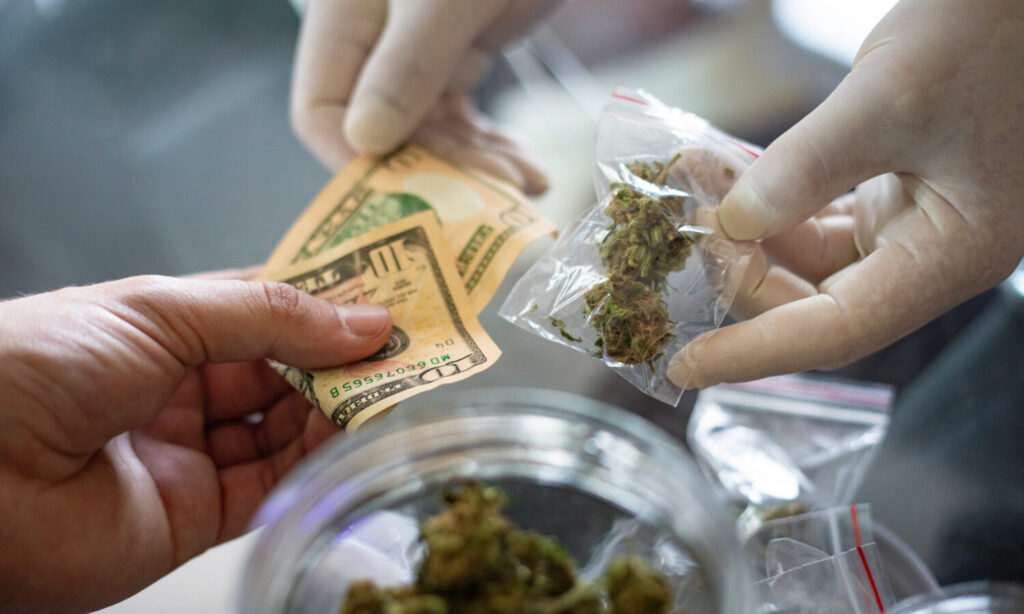
buying marijuana dispensary
Photo by CasarsaGuru/Getty Images

What Is a Medical Marijuana Card?

A medical marijuana card is a license issued by your state that indicates that you can use, buy, and grow cannabis products in that state. A medical marijuana card typically contains information like your full legal name, your date of birth, your address, your patient license number, and your photograph.

RELATED: Does Your Medical Marijuana Card Work In Other States?

In general, most states’ medical marijuana cards last for about one or two years before you need to renew the license. Some states will allow you to purchase cannabis with an out-of-state medical marijuana card, while others will not. If you are a medical cannabis patient and are planning to travel, it is a good idea to look up local regulations if you intend to use your medical marijuana card while out-of-state.

How to Get a Medical Marijuana Card

First and foremost, you need a doctor’s recommendation to get your medical marijuana card. In some states like California, you can do a quick 5-minute consultation with a doctor over the phone and get your medical marijuana card online. In other states like Oklahoma, you need to have a face-to-face consultation with a physician.

RELATED: Can You Fly With Medical Marijuana?

Of course, you need to have a qualifying condition to get a medical marijuana card. Qualifying conditions vary from state to state. In California, doctors will often recommend cannabis for back pain, insomnia, anxiety, as well as cancer, glaucoma, Chron’s disease and a variety of other conditions. Other states like New York have a more restrictive list of qualifying conditions.

What Is a Cannabis Doctor?

Not all doctors can recommend medical cannabis. Only cannabis doctors registered in your state can recommend medical marijuana. However, some states will require medical tests from your primary care practitioner to verify that you need a medical marijuana card, so it is always a good idea to consult with your primary care practitioner first.

Before you meet with a cannabis doctor, it is worth noting that no doctor in the United States can prescribe cannabis. Prescriptions are under the FDA, and cannabis is federally illegal. Cannabis doctors work around these legal barriers by “recommending” cannabis.

medical cannabis
Photo by mikroman6/Getty Images

What to Expect When Getting Your Medical Marijuana Card

While your experience will differ state to state, there are some general points that the cannabis doctor should touch on during your consultation. You should expect to be asked about your health conditions, any medications you may be taking, and any questions or concerns you have about using cannabis products. The cannabis doctor may ask you about your symptoms and advise you on what times of day to ingest based on your goals.

RELATED: Do Dispensaries Share Your Information With The Government?

Additionally, your doctor should advise you on any adverse side effects that you may experience like increased heart rate, dizziness, drowsiness, and more. After you have spoken with your doctor, you may need to register with your state’s health department. You should look up your state’s regulations to make sure you take the proper steps to get your medical marijuana card.

In California, you don’t have to do anything further and they will send you an electronic copy of your medical cannabis recommendation. It may take a few weeks to get the physical copy of your medical marijuana card, but you will be able to use the digital copy right away to purchase cannabis medicine.

Now that you know how to get a medical marijuana card, you can use Jointly to find the best products and optimize how you consume cannabis so that you can enjoy your ideal experience every time. Jointly is cannabis wellness app that teaches you how to achieve your wellness goals with cannabis and CBD. Jointly allows you to track and record your CBD and cannabis consumption, including the dose, time of use, cannabinoid profile and various other factors that can influence your experience. As you track your cannabis consumption on Jointly, you will learn about the 15 factors that can impact your cannabis experience and how to eliminate side effects. Download the Jointly app on the App Store or the Google Play Store to get started on your cannabis wellness journey.

Sam Anderson is the content Director at Jointly, a cannabis wellness company powered by a proprietary data platform to help people reach their full potential. The company was created on the premise that purposeful cannabis consumption is the key to unlocking a better you. This article originally appeared on Jointly and has been reposted with permission.

New Study Just Busted Myth That High Potency THC Is Bad

It makes no sense for medical or healthcare providers to discourage people, including recreational cannabis users, to stop buying high-THC cannabis. Here’s why.

The accessibility to a fantastic array of cannabis these days is amazing. Consumers have hundreds of choices right on their fingertips: from non-psychoactive cannabidiol (CBD), mind-altering tetrahydrocannabinol (THC) to get you high, medicinal products, and compounds of all forms for recreational and medical users.

There are also those that say the weed in the market today is nothing like our grandparents’ weed. That is also true, but many are criticizing the potential dangers of high THC cannabis.

THC
Photo by Erin_Hinterland/Pixabay

After all, it’s common to see cannabis flower and oil products with THC contents with an average of 20% THC in dispensaries, while the braver, more seasoned consumers go for concentrates that can reach as much as 95% THC. These are not for the faint of heart, nor are they for those with possible mental health problems such as a risk of psychosis and schizophrenia.

Having said that, we shouldn’t be demonizing high potency THC just because of that. It does have many health benefits.

recent paper backed up by data from the Project Twenty21 (T21) in the United Kingdom assessed the quality of life for medical cannabis patients suffering from anxiety and chronic pain when they were given a high-THC cannabis flower containing 20% THC and 1% CBD ratio, called Khiron 20:1, cultivated by Khiron Life Sciences.

RELATED: High THC Weed: A New Form Of Reefer Madness Or Worth The Panic?

High THC flower is the most commonly prescribed cannabis-based product for medical use in humans. These have been legal in the United Kingdom since November 2018, as authorized by the Home Office for eligible patients. Smoking of these flowers is prohibited, though inhalation is permitted.

The data analyzed patient-reported outcome measures (PROMS) which were collected before and after 3 months for follow-up. They looked at metrics including health-related quality of life (HRQoL), sleep, and mood of patients. Meanwhile, they also measured the severity of illness using the Brief Pain Inventory Short Form as well as the Generalized Anxiety Disorder 7-Item Scale.

RELATED: What Exactly Is Considered High-THC Cannabis These Days?

The researchers found that inhaling the cannabis was effective in improving sleep and general mood, while reducing pain severity and anxiety. “Our results indicate that controlled inhalation of pharmaceutical-grade, THC-predominant cannabis flos, Khiron 20:1 is associated with a significant improvement in patient-reported pain scores, mood, anxiety, sleep disturbances and overall HRQoL in a treatment-resistant clinical population,” the researchers concluded.

Other Benefits Of Potent Cannabis

Truth be told, many people are in dire need of the medicinal benefits of high-THC cannabis. The fact that any cannabis product contains more THC means more of it will enter the bloodstream, resulting in more powerful physiological and psychoactive effects. It also means that patients can derive more powerful therapeutic benefits from medical conditions. It has been proven to help countless people with severe and chronic pain, insomnia, vomiting, nausea, lack of appetite, and many more.

In addition, studies show that THC is a neuroprotectant, which means it prevents damage in the brain cells. Over time, the quality and quantity of brain cells are reduced, which can increase the risk of neurodegenerative diseases such as Alzheimer’s, dementia, and much more.

Thousands of people suffering from post-traumatic stress disorder (PTSD) also find relief from THC products. The insomnia, depression, severe anxiety, nightmares, and agitation can all rob one of living a normal life, but THC has also been shown to help. By taking THC products, PTSD patients can finally experience some semblance of a normal life.

On the other hand, it can also be used recreationally. Smoking or consuming potent THC products greatly leads to relaxation, offering powerful stress relief without the harmful side effects of alcohol. It can even help boost creativity and help people work out more efficiently.

marijuana THC
Photo by Olena Ruban/Getty Images

Stop Criminalizing High Potency THC

In summary, there is evidence for the benefits of high THC cannabis. Of course, we are again emphasizing that those with serious mental health disorders such as psychosis and schizophrenia are clearly not the best market for these products. But they work just fine for the others that do take it.

Take alcohol, for example. There are numerous alcohol brands containing high levels of potent spirits, which can easily cause alcohol poisoning. It doesn’t even take several drinks for this to occur. Yet, we allow these substances to be sold openly – in many cases even to minors – while demonizing high potency marijuana.

Sure, even cannabis concentrates can be over consumed. This is not ideal. But that’s why instead of criminalizing it or claiming they cause mass hysteria and psychosis, what we really do need is more education. It has been established by experts and scientists that just 5mg of THC is enough to produce mild psychoactive effects even in occasional or non-users; only experienced recreational consumers should experiment with higher doses. Furthermore, people who are prone to mental health problems are advised to work under supervision of a cannabis-knowledgeable doctor if they intend to use higher doses to assist with certain ailments, physical, mental, or otherwise.

It makes no sense for medical or healthcare providers to discourage people, including recreational cannabis users, to stop buying high-THC cannabis. No amount of THC can kill anyone, but there should be an emphasis on responsible consumption. Sure, you might have an uncomfortable hit lasting a few hours, but that’s why it’s always recommended to go low and slow.

For anyone who wants to learn more about incorporating high THC cannabis either for recreational or medical purposes, do your own research. Patients are better off talking to a doctor. Don’t go about it on your own, especially if you think you may have a mental health condition.

This article originally appeared on Cannabis.net and has been reposted with permission.

Cannabis Measures That Passed The Midterms That You Might Not Know About

There were several important, albeit lesser known, ballot measures that passed during the midterms that each help to end the prohibition and criminalization of marijuana in the US. Here’s what you may have missed.

The 2022 midterm elections were historical and surprising for many on several fronts. In addition to the unexpected senate and house results, there were an unusual number of historic ballot measures passed on everything from abortion rights to cannabis legalization. 

By now, you have likely read that Maryland and Missouri became the twentieth and twenty first states to legalize recreational adult use cannabis. North Dakota, South Dakota and Arkansas all saw their legalization ballot measures fail. These ballot measures were the big headlines, but they were not the only ballot measures for cannabis voted on in this election. In fact, there were several important, albeit lesser known, ballot measures that passed during the midterm election that each help to end the prohibition and criminalization of marijuana in the United States.

vote
Photo by JGI/Jamie Grill/Getty Images

5 Texas Cities Voted to Depenalize Marijuana Possession 

In conservative Texas, where recreational marijuana is illegal and the drug itself is still highly criminalized, five cities voted to change how cannabis position is viewed in the eyes of the law. The five cities; Denton, Elgin, Harker Heights, Killeen and San Marcos all passed ballot measures that “largely prohibit local police officers from either arresting or citing people for Class A or Class B marijuana misdemeanors,” according to NORML

This is definitely a victory for these major cities, especially in the deep red state of Texas, but these victories start creating a hyper-localized and confusing cannabis policy framework in the Longhorn state. “While these local advancements are important in mitigating harm on citizens and reprioritizing law enforcement time, they result in a patchwork of differing marijuana enforcement policies based on location,” said Texas NORML’s Executive Director Jax James, who believes this calls for lawmakers to take statewide reform measures in 2023.

5 Ohio Cities Voted to Take Local Decriminalization Measures

Texas was not the only state that had several cities vote for marijuana decriminalization measures. Citizens in five Ohio cities made similar votes. The municipalities of Corning, Kent, Laurelville, Shawnee and Rushville all approved statutes relating to marijuana decriminalization.Te

RELATED: Here Are The Big Midterm Wins And Losses For Cannabis Legalization

These five cities are not alone in Ohio, as 20 other cities have already taken this step, and many have done so through similar initiatives in the past. According to Benzinga, “The 20 jurisdictions across Ohio that have already approved local statutes decriminalizing cannabis possessions did so either via voter initiatives or through their city councils.” This continued forward momentum has many in Ohio optimistic about the state’s chances of legalization in the near future.

25 Towns in RI Voted to Allow New Weed Businesses Near Them

Rhode Island may have already legalized cannabis earlier this year, but it still found its way onto the ballot in 31 cities and towns this midterm election. These 31 cities were asked if they supported new cannabis-related businesses opening their doors in their towns — 25 voted yes. 

RELATED: Industry Thought Leaders Weigh In On Midterm Marijuana Results

This overwhelming support suggests that many in Rhode Island are ready and eager for recreational cannabis in their state, and in many individual towns. It is important to note, however, that just because the town voted “yes” does not guarantee a dispensary will be opening its doors in that town in the near future. As WPRI News explained, “Even if your municipality voted yes, it doesn’t mean a store will open there. Recreational sales are starting at existing medical marijuana dispensaries on Dec. 1, and future store locations have not yet been proposed.”

marijuana legalization
Photo by FatCamera/Getty Images

Colorado Votes to Decriminalize Psilocybin and Other Psychedelics 

While this last measure does not relate directly to cannabis, it is certainly historic, and at the very least can qualify as “cannabis-adjacent.” Colorado citizens voted to decriminalize several psychedelics, including psilocybin, which is found in magic mushrooms. Proposition 122, known as the Natural Medicine Health Act of 2022 decriminalizes the possession, growing and sharing of psilocybin, psilocyn, dimethyltryptamine (DMT), ibogaine, and mescaline, according to Time.

And if that news isn’t trippy enough, “it also clears a pathway for the use of all these psychedelics at ‘healing centers’ — facilities licensed by the state’s Department of Regulatory Agencies where the public can buy, consume, and take psychedelics under supervision.”

Don't Miss Your Weekly Dose of The Fresh Toast.

Stay informed with exclusive news briefs delivered directly to your inbox every Friday.

We respect your privacy. Unsubscribe anytime.