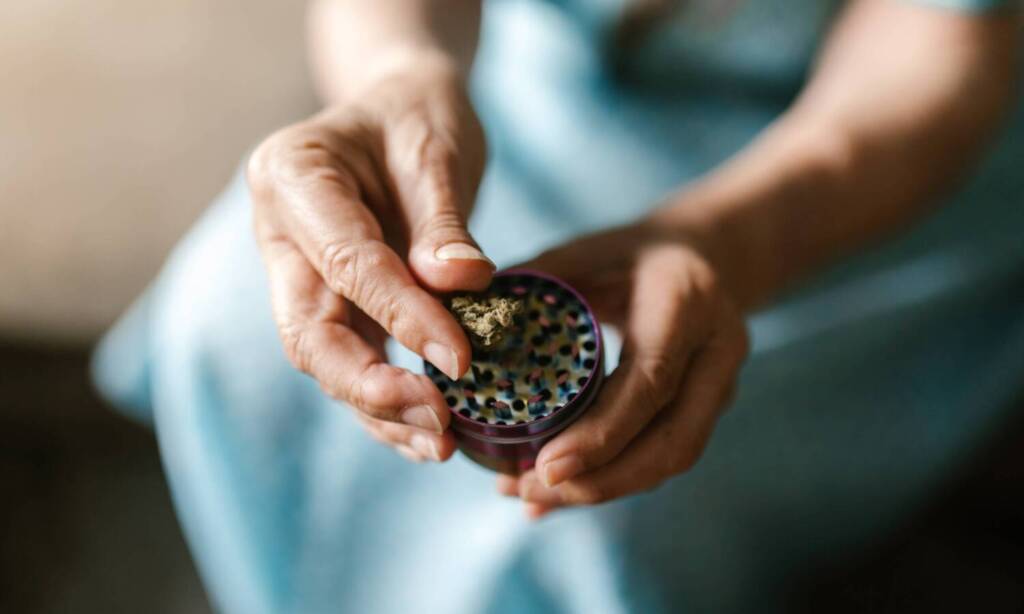
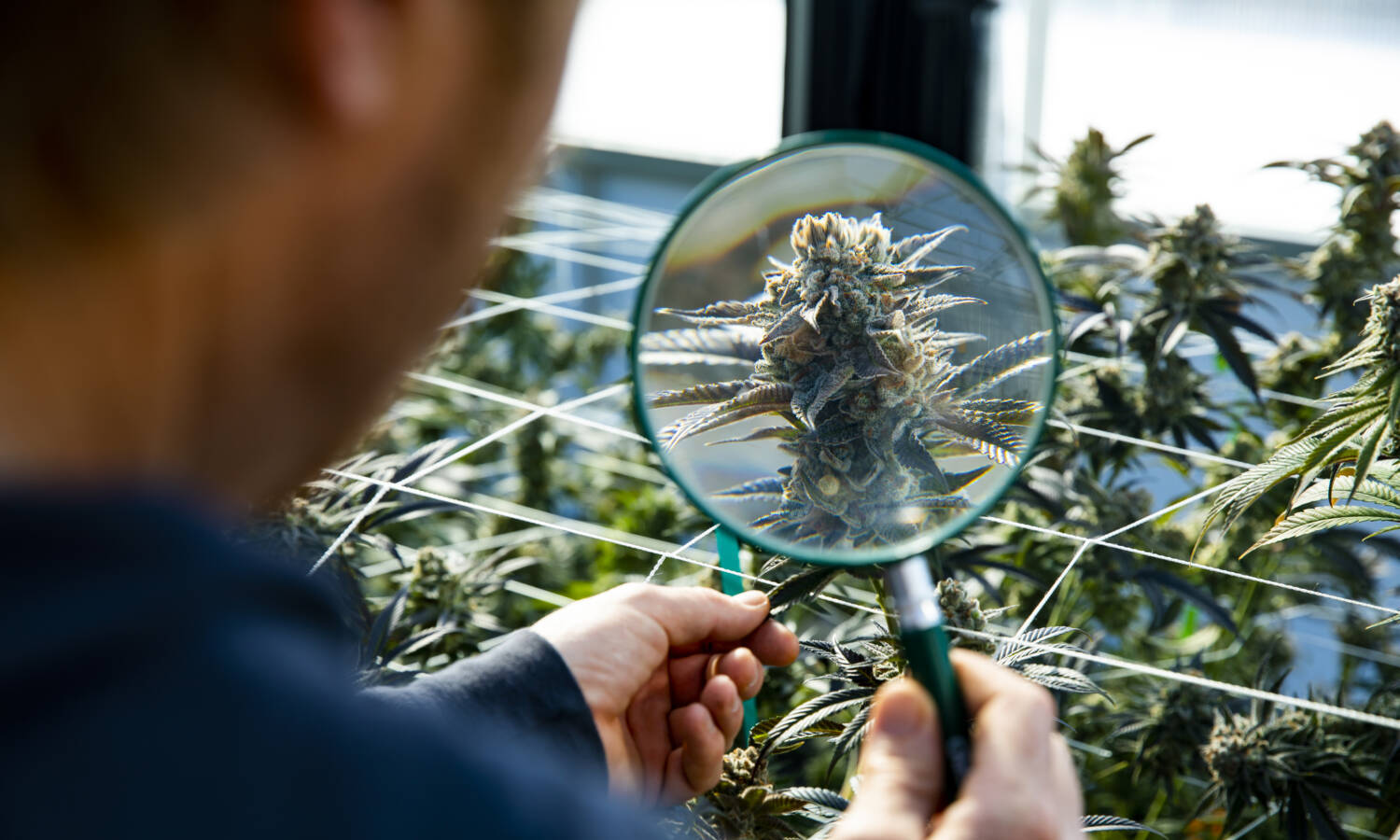
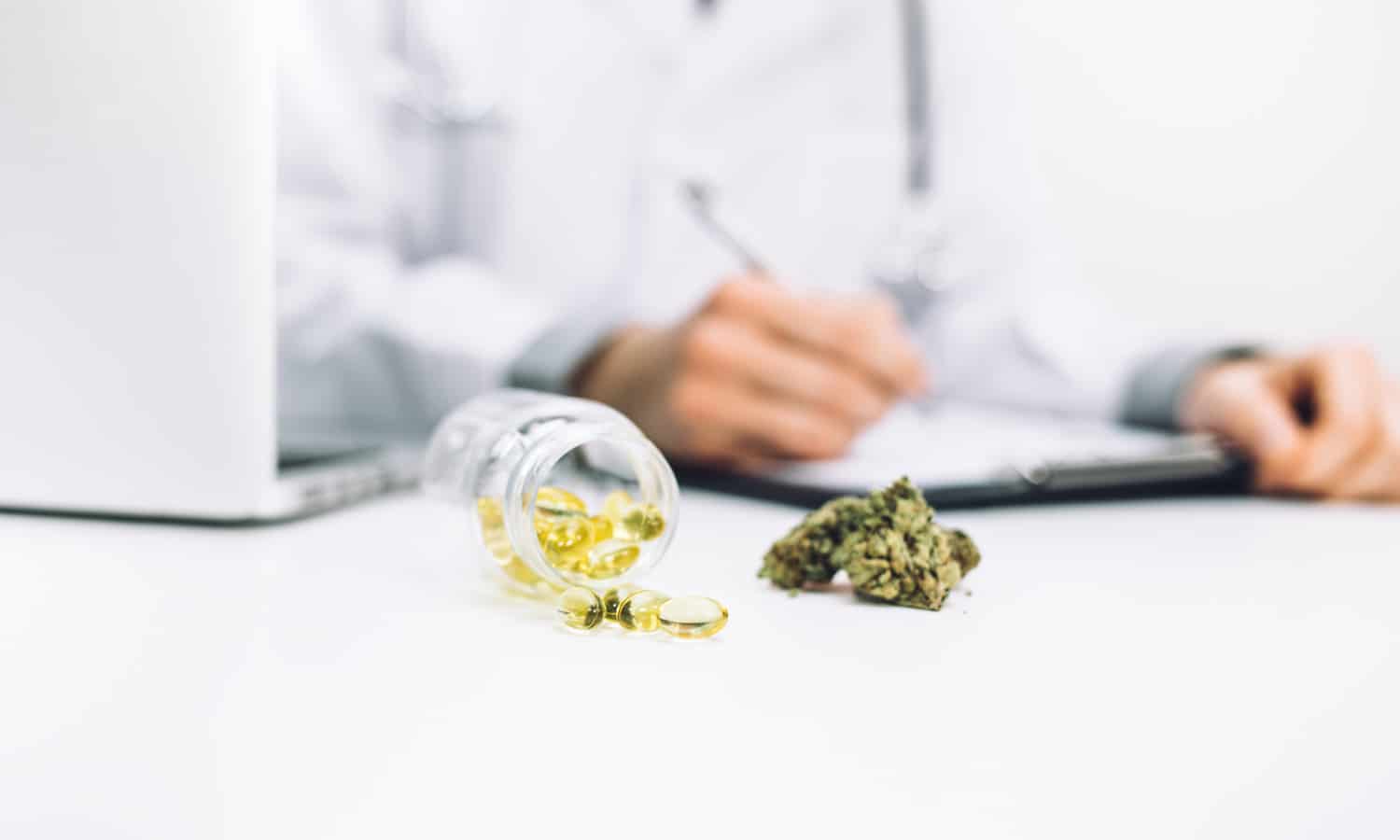
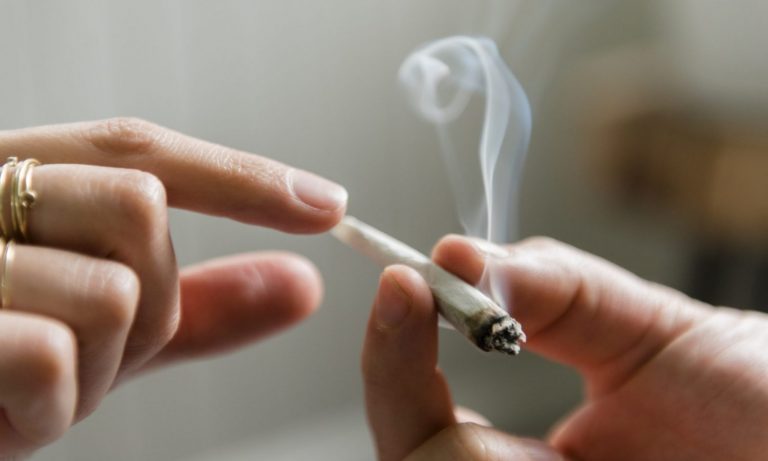
While the compound may speed up metabolism, there’s not enough information to indicate whether or not it will result in weight loss.
While cannabis is most often associated with the munchies, the plant has an impact on our stomachs in a totally different way: metabolism.
Like most cannabis matters, information on how it affects our metabolism stems from a small sample of scientific studies. There’s a 2018 survey that’s often quoted, which showed that cannabis consumers had higher caloric intakes yet lower BMI than subjects who didn’t consume cannabis.
This relationship is not wholly understood; researchers theorize that this weight loss could be due to the fact that cannabis consumers might drink less alcohol, might be more active, or that compounds in the plant might improve sleep and boost metabolism — all factors that have an influence on weight loss.
When it comes to metabolism, there’s evidence of cannabis interacting with cannabinoid receptor 1, which has an influence on metabolism and the body’s processing of food. Other factors in cannabis, like THCV and CBD, have also been linked with prompting a faster metabolism and, thus, speeding up fat loss.
This evidence appears to be counterintuitive, primarily because the munchies tend to be associated with higher consumption of calories, particularly junk food, which is a common source of relief for the munchies.
As evidence shows, it’s necessary for experts to do more research on cannabis and its impact on the body. While the compound may speed up metabolism, there’s not enough information to indicate whether or not it will result in weight loss or, if consumed excessively, prompt the opposite result, leading to more munchies and thus more calories consumed.
Cannabis isn’t going to be your answer for weight loss. Still, if it’s part of a healthy diet and lifestyle, it might boost your metabolism and help you burn more calories in the long run.
People in Illinois who enjoy or need cannabis no longer have to fear being fired as a new bill recently approved by the state’s House of Representatives seeks to prohibit most employers from letting go of workers or discriminating against job applicants for testing positive for marijuana use.
The workplace protection legislation, sponsored by Rep. Bob Morgan (D), is now headed to the Senate, Marijuana Moment reported.
Photo by Sergey Mikheev/Getty Images
After being approved by the House Labor and Commerce Committee a day earlier, the lawmakers passed an amended version of Morgan’s bill, HB 4116, on a 61–41 vote.
“If we’re going to legalize the substance, you should talk about individual liberties and what people want to do on their weekends,” the bill’s sponsor, Rep. Bob Morgan (D), told local NBC affiliate WGEM before the vote. “We should allow people to make good choices and not be discriminated against in the workplace because of those choices as long as it’s not affecting the workplace.”
The amended bill protects workers who use lawful products off the job during nonworking hours and when the employee is not on call.
However, some exceptions exist for certain categories of employees, including workers who operate heavy machinery or aircraft, carry a weapon, perform emergency services or perform other safety-sensitive tasks, as well as workers at entities that are contractors of the federal Department of Transportation.
Furthermore, employers are allowed to fire employees for being impaired by marijuana while at work.
The Prairie State legalized the sale of medical cannabis in 2015 and expanded legalization to recreational marijuana in 2020.
In 2021, adult-use cannabis sales in the state amounted to nearly $1.4 billion – more than double the figure from the opening year of sales in 2020. Combined with medical cannabis sales, the total marijuana sales reached $1.78 billion, representing an increase of 72% from 2020.
Interestingly, Illinois also took in more tax dollars from cannabis receipts than alcohol in 2021, as recreational cannabis taxes in the state exceeded liquor taxes by nearly $100 million, according to an update released by the Illinois Department of Revenue.
Sponsored by Councilmember Trayon White (D), the proposal approved by the Labor & Workforce Development Committee last week will most workplaces from subjecting job applicants to the procedure.
COVID-19 affects different parts of the body. A new study shows how it harms the brain.
The knock-out punches of COVID-19 just keep coming. A new study shows that the virus is actually capable of shrinking people’s brains, accelerating a process that naturally occurs with aging.
Published in the journal Nature and conducted by researchers from the University of Oxford, the study was conducted to examine the impact of COVID-19 on the brain, to see if it would increase the odds of people contracting dementia in the future.
Bloomberg explains that the study looked at brain scans taken before the pandemic began and afterwards, following the contagion of almost half of the participants, the majority of which were between the ages of 51 and 81.
Researchers were impressed by the results they found. Brains have the ability to heal themselves, a process known as neuroplasticity. Still, some subjects showed evidence of serious brain damage, with their scans showing a reduction in a variety of areas, including the one that processes the smell. The scans of people who had COVID-19 showed a 0.2%-to-2% reduction in brain size when compared to the people who weren’t infected, while also showing greater cognitive decline. For reference purposes, researchers said that a 0.2 decrease in brain size was barely noticeable in performance, but a 2% reduction was akin to the passage of 10 years time. The older the infected patient, the worse the harm.
Unlike many respiratory viruses, the impact of COVID-19 goes beyond the lungs and respiratory system. Among its most discussed side effects are brain fog, fatigue and symptoms of long COVID-19, which can plague people for months after infection. The impact of the virus on the brain shows a connection between these issues and is evidence of its indiscriminate symptoms.
While helpful and necessary, the study’s results are alarming. They show that the medical community will have to learn how to deal with these symptoms and provide aid to a growing percentage of people who might start presenting them in a few years’ time, long after the pandemic stops being a threat.
It seems that Israel is taking steps toward the legalization of recreational cannabis, with the government considering fully decriminalizing adult use.
President Isaac Herzog and Justice Minister Gideon Sa’ar announced Sunday that the government is also considering expunging criminal records of those convicted of personal possession or cannabis use, The Jerusalem Post reported.
Photo by Sander Crombach via Unsplash
Once the new regulations are approved, Israelis with a possession or personal use conviction will be able to have their records cleared upon submitting a request with the Justice Ministry, once it is filed for the president to decide upon.
In February, Sa’ar submitted his decriminalization of marijuana plan, which seeks to recategorize cannabis-related offenses from criminal to civil offenses, for public comment, according to the news outlet. The move will “lift the criminal labeling and the stain that accompanies it” and it builds on a proposal that was put forward to amend the Administrative Rules and Order law.’
Currently, cannabis use is partially decriminalized in the Middle Eastern country, with the first two incidents resulting in fines and an indictment filed only upon the fourth offense.
Once Sa’ar signs the regulations — which is expected in the coming days — approval followed by an immediate implementation is anticipated in the Knesset (Israeli parliament) shortly thereafter.
A Mecca For Cannabis Companies
In the meantime, more than 100,000 Israelis hold medical marijuana permits.
Israel has long dominated the cannabis industry in terms of breakthrough research and an emerging marketplace.
Major players have been in the market for some time, and new ones are joining on a regular basis.
International operator IM Cannabis (NASDAQ:IMCC) announced several Israeli market acquisitions in late July, totaling $3.7 million in further investments into the country.
In early July, Curaleaf Holdings Inc (CSE:CURA) (OTCQX:CURLF) exported more than one metric ton of medical cannabis to Israel as part of a larger supply deal with BOL Pharma.
Major U.S. cannabis brand Cookies also got involved last April through a production deal with Israeli brand InterCure Ltd. (NASDAQ:INCR), which is doing business as Canndoc, which recently signed a definitive agreement to acquire Cann Pharmaceutical Ltd., also known as Better, for $35 million. That deal is expected to strengthen its position as the largest, fastest-growing, and most profitable cannabis company outside North America.
Canadian cannabis companies The Flowr Corporation (TSXV:FLWR) (OTC:FLWPF) and Aurora Cannabis (NASDAQ:ACB) kicked off 2022 with the completion of medical cannabis shipments to Israel.
Flowr’s first shipment of $825,000 worth of weed was a part of a previously announced international supply deal with Focus Medical Herbs Ltd., which has a supply deal in Israel with IM Cannabis. Aurora’s shipment was its largest to date, worth CA$10 million ($7.8 million).
Photo by Esther Kelleter/EyeEm/Getty Images
Cannabis Research Breakthroughs
In 2020 Israeli scientists launched clinical trials into whether cannabis can effectively stop or slow the coronavirus. Three clinical trials utilized CBD’s anti-inflammatory properties as a potential COVID-19 treatment.
In February, a clinical trial conducted by Soroka University Medical Center and Israeli medical cannabis company Cannbit-Tikun Olam (TASE: TKUN) showed promising results, especially for treating post-traumatic stress disorder (PTSD).
Cannabotech, an Israeli biotech firm, recently released the results of an investigation conducted by physicians at the Hadassah Medical Center that revealed the effectiveness of CannaboBreast medications for breast cancer with the protocols involving treatment aimed at biological and hormonal processes combined with chemotherapy. They found a sixfold improvement in reducing cancer cells compared to existing treatment.
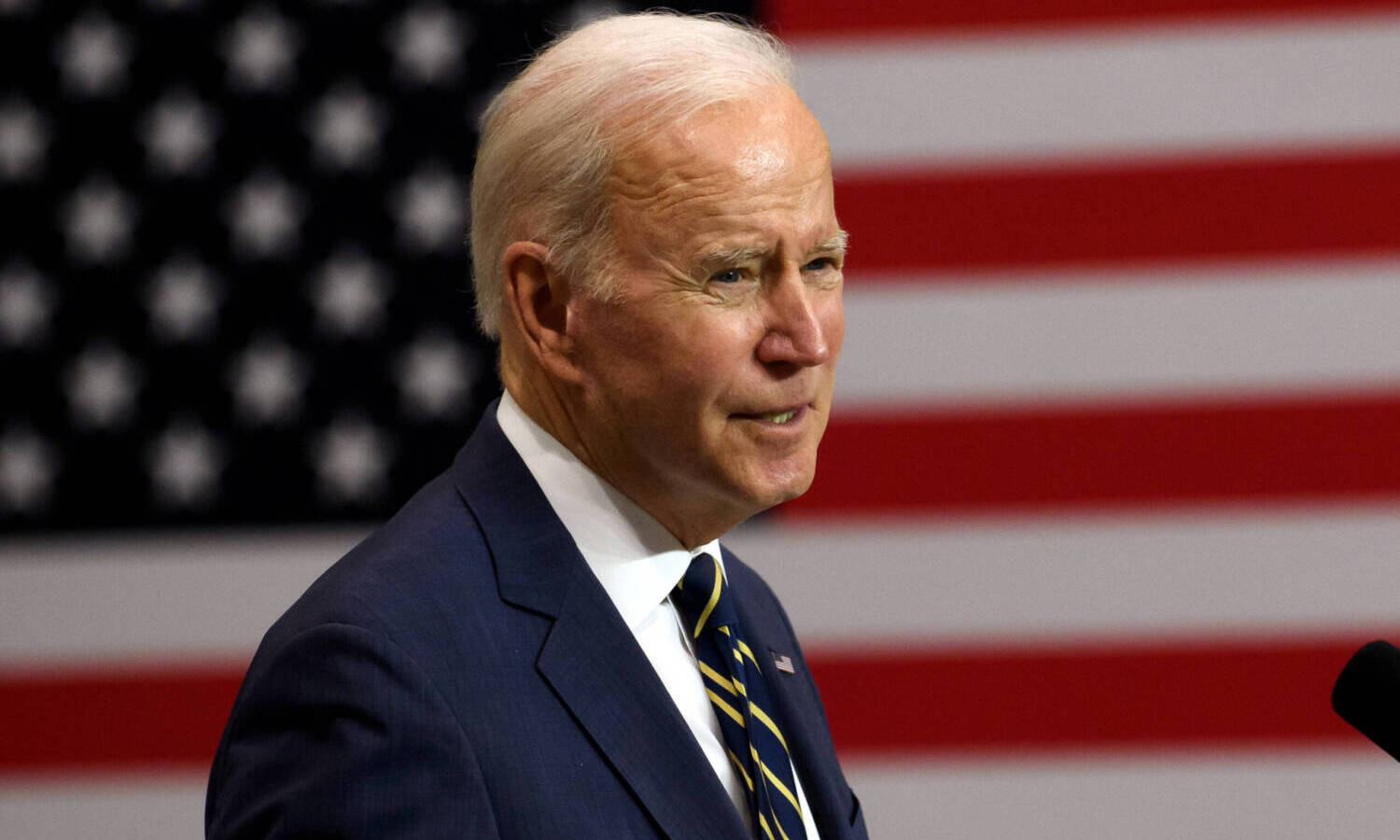
In response to new guidance from the Biden Administration’s Director of National Intelligence, Avril Haines, which states that security clearances may be denied to individuals who invest in legal cannabis securities, U.S. Cannabis Council CEO Steven Hawkins issued the following statement:
“I am deeply disappointed by the Biden Administration’s further stigmatization of America’s rapidly-growing cannabis industry. The new guidance represents a de facto ban on legal cannabis investments for the nearly three million Americans with active security clearances, not to mention hundreds of thousands of current and prospective applicants.”
Booming Market Creating Much-Needed Jobs And Revenue
“The US legal cannabis market surpassed $25 billion last year and is a job-creation engine, now supporting roughly 430,000 American jobs. Medical cannabis is legal in 37 states plus DC, and 18 states have legalized adult use of cannabis. What’s more, an overwhelming majority of Americans now support legalizing and regulating adult use of cannabis, and support for medical cannabis has reached 91%. In other words, the train has left the station, and the Biden Administration is quickly being left behind.”
Why Is Biden Accepting Cannabis Campaign Money?
“The guidance from Director Haines says that investing in the burgeoning cannabis securities market ‘could reflect questionable judgment and an unwillingness to comply with laws, rules, and regulations.’ This is frankly offensive and wrongheaded. It also begs the question: If President Biden feels this way, why does he happily accept campaign donations from individuals in the cannabis industry?”
Election Campaign Pledges Long Forgotten
“During the 2020 election, President Biden pledged to decriminalize cannabis and issue pardons to free non-violent cannabis offenders and expunge cannabis offenses. We are still hopeful that the President will deliver on these promises, but we are discouraged by his unforced errors on personnel. An evolution on the issue is overdue.”
“We share President Biden’s commitment to promoting public safety and criminal justice. Legalizing and regulating cannabis would go far in advancing both. I hope President Biden understands that criminals are the only people benefiting from the Schedule I status quo, including the gangs and cartels that fuel the nation’s estimated $65 billion illicit market.”
If you buy from a dealer or someone you don’t know well, there’s no real way of telling if the weed you’re about to consume was synthetically produced.
Many of us have had a close relationship with our cannabis dealers especially before weed was legalized. Dealers are often the first point of contact in buying pot from someone that you have known for a while. Even better, if you’ve had a long relationship with them, then they are probably giving you good prices for decent weed — even if you already have several dispensaries in your area and access to online cannabis deliveries.
In many cases, dispensary cannabis is slightly or much more expensive, depending on the variety. So why should you buy weed from one?
Photo by Zummolo/Getty Images
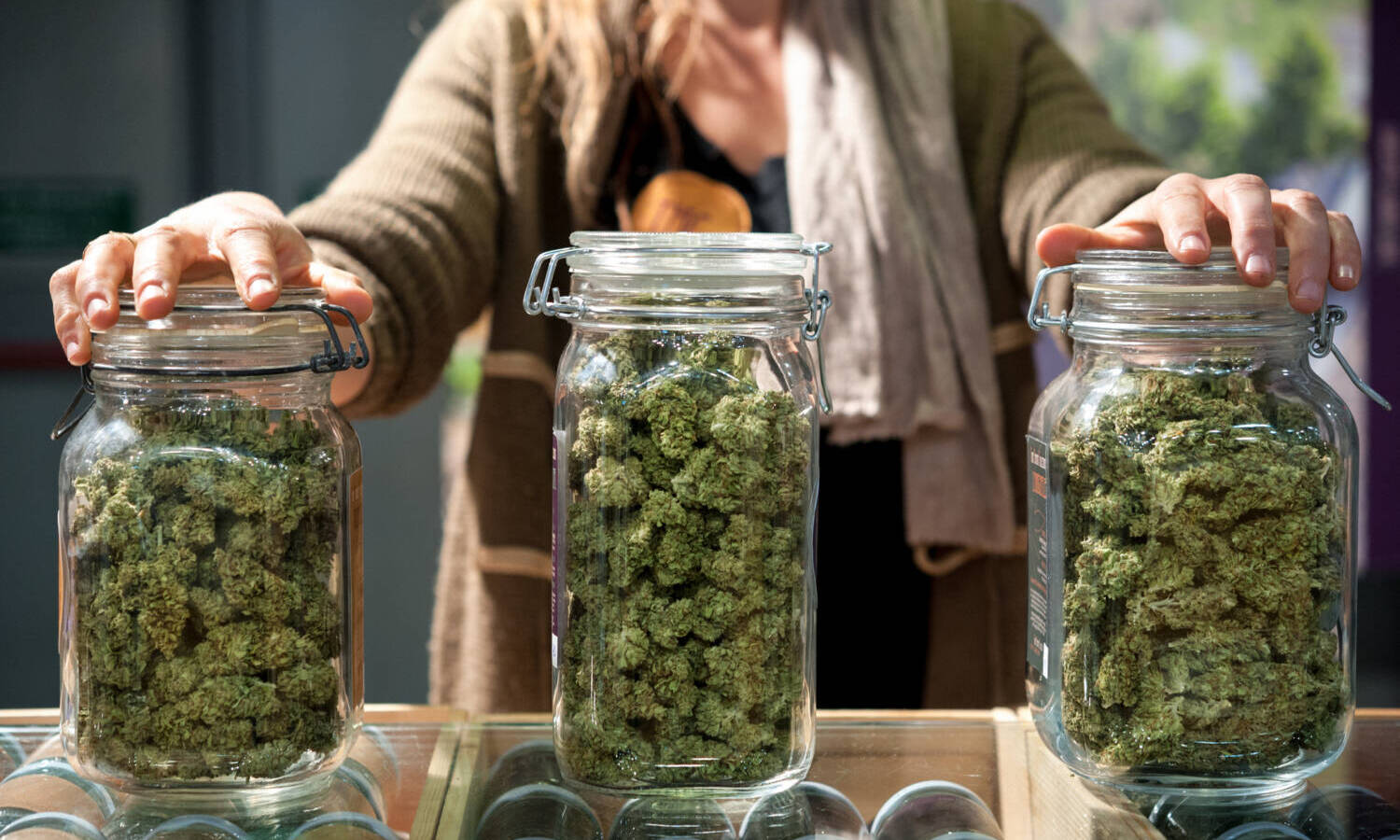
Quality control: A licensed cannabis dispensary gives consumers peace of mind knowing that you can buy not just flower, but a whole range of cannabis products that have met certain safety and quality standards.
Many dispensary products are required to undergo lab testing, and even indicate potency as well as other helpful information such as cannabinoids and terpene content in its label. This way, you don’t have to second-guess how much THC or CBD is in your pot, which is crucial especially for medical patients who need cannabis to treat symptoms of a variety of illnesses.
Cannabis dealers don’t typically grow their own pot – they are merely middlemen who profit from the sale. That means that they don’t provide their clients or patients with important information or guarantees regarding safety and potency. Meanwhile, licensed dispensaries have to adhere to state regulations so they can give you quality assurances. They have to comply to state standards to continue running their business and make a profit honestly.
Product variety: The cannabis industry is now more sophisticated than ever. What this means for consumers is that the breadth of choices is so overwhelming. You can now choose from dozens of strains, cultivars, and consumption methods, many of which can even be customized to meet your needs.
Established dispensaries even have warehouses where they always keep stock of good products. You can find an assortment of marijuana ranging from affordable to top-shelf depending on your budget and needs. Being able to shop at a dispensary, online or in-person, also enables you to compare products and make an informed decision based on your own preferences and research.
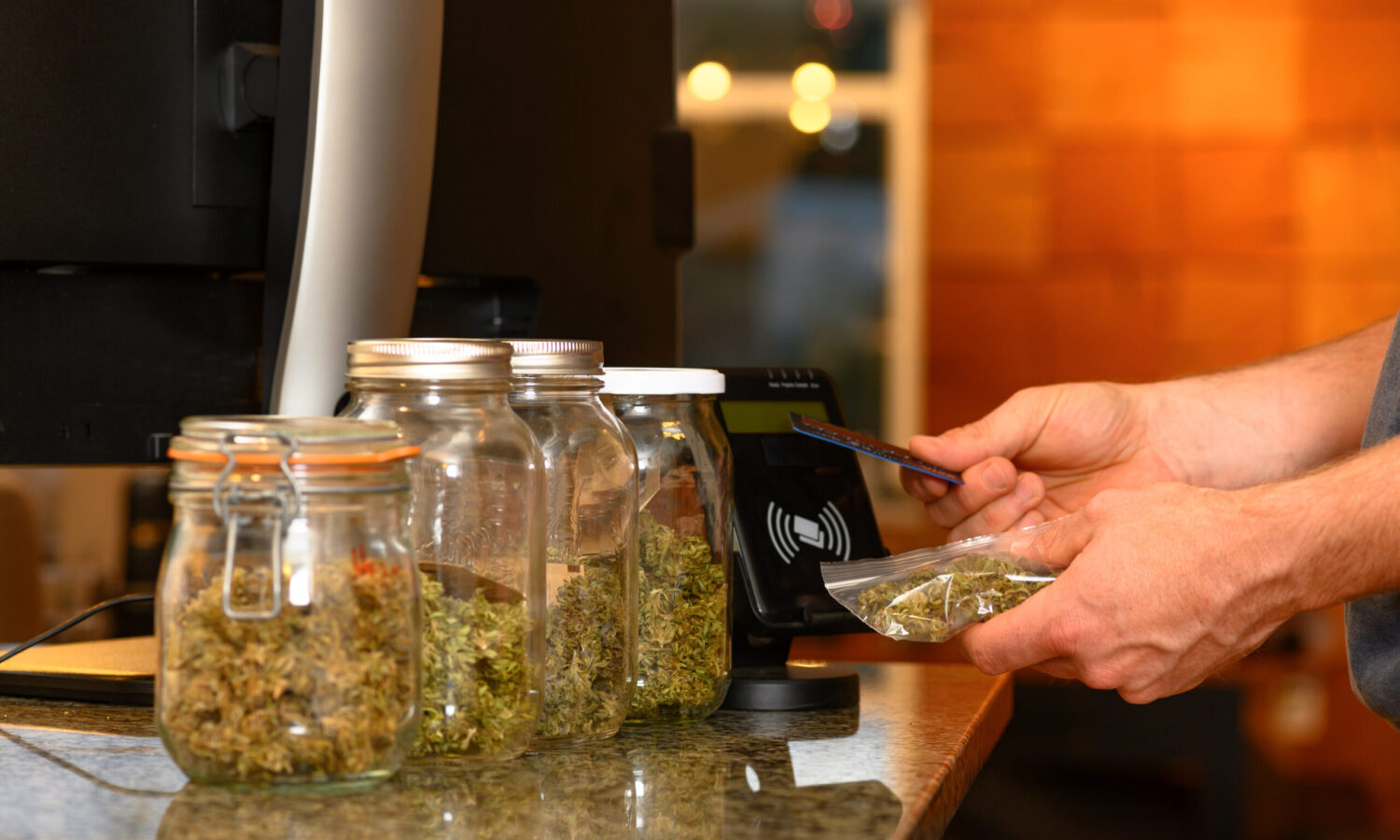
Discounts and loyalty programs: Just because you’re buying from a licensed, reputable dispensary doesn’t automatically mean you’ll always have to spend much more money.
You can still enjoy discounts and save money while enjoying all the other benefits of a cannabis dispensary especially if you partake in their loyalty and membership programs. These enable you to take advantage of a variety of money-saving offers such as rewards, dollar deals, free merchandise, daily specials sent straight to your inbox or phone, cash backs, and so much more.
Photo via Getty/StockstudioX
These loyalty programs are carefully designed by dispensaries to grow their customer base, and there is always something in it for you.
Personalized recommendations: Unlike dealers, budtenders and dispensary staff have to undergo training in order to succeed at their job. This means that they are educated, and in some cases even certified by organizations to sell cannabis professionally.
Dispensary staff are great sources of information when it comes to cannabis. They are up to date with the latest products, strains, and methods of consumption so they are even better people to build relationships with as opposed to your dealer. They are familiar with questions on THC content, first-time dosing guidelines, and many other common issues that they are equipped to answer and you can be sure that their recommendations are safe.
The more you develop relationships with your budtender, the more they will be familiar with your personal preferences and unique needs. With time, they can make excellent recommendations and give you the assistance that you truly need. You will be able to enjoy getting references based on your budget, specific health goals, and lifestyle.
Safety and reduction of health risks: If you buy from a dealer or someone that you don’t know very well, there’s no real way of telling if the pot you’re about to smoke was synthetically produced.
The rise of synthetic cannabis is extremely dangerous and has caused hospitalizations as well as death. Dealers are only after a profit. As mentioned earlier, cannabis sold at licensed dispensaries should be tested somewhat, to ensure that you are consuming cannabis that is safe and free of nasty stuff like mold and toxins — all of which pose serious health risks.
Photo by RODNAE Productions from Pexels
You won’t be supporting criminals: Buying cannabis from the black market means that your dollar goes to supporting violent crime, while buying from a dispensary supports local businesses and the economy while helping the health care system improve.
Also, keep in mind that illegal cannabis growers don’t care for the environment and the quality of product that they are producing. They use tons of herbicides and pesticides that are so dangerous to consume because they just don’t care.
Having said these, there are things to keep in mind before you go to a dispensary especially if it’s your first time.
For one, budtenders will want to know the effects you’re after. Do you want a strain that will energize or sedate you? Are you after medicinal relief for a specific ailment? Knowing what you are after will enable them to tailor a recommendation based on your needs. Never be afraid to ask questions because it’s always so much better to know that you are leaving a dispensary with a purchase you made because you were educated and informed.
A new study led by the Centre for Addiction and Mental Health (CAMH) provides some hope for those suffering from both schizophrenia and cannabis use disorder.
Despite its long history and tradition, there still exist many unknowns when it comes to marijuana. Some claim cannabis has myriad benefits, others issue myriad warnings. What is certain is that everyone seems to have an opinion and few are indifferent on the topic. A study provides information about marijuana and schizophrenia.
With more and more countries around the world embracing the plant, either for medical or recreational purposes causing the industry to boom, a glaring need still persists: research.
Despite the fact that there are more studies and information available these days on marijuana and its effects on our physical and mental health, we are so far from having it all figured out — if that is even a possibility.
A new study led by the Centre for Addiction and Mental Health (CAMH) and published in the journal NPJ Schizophrenia provides some hope for those suffering from both schizophrenia and cannabis use disorder (CUD).
According to this new research, repetitive transcranial magnetic stimulation (rTMS) is related to a reduction in self-reported marijuana use by up to 60% in people with schizophrenia who have cannabis use disorder, reveals Science Daily.
First things first. What is a cannabis use disorder?
Although not often spoken about in this era of marijuana legalization, chronic cannabis use is known to have caused cannabis use disorder. The condition causes marijuana withdrawal symptoms that come from the development of dependency, and are often compared to those of nicotine withdrawal. Most common cannabis withdrawal symptoms include anxiety, poor mood, agitation and sleep problems.
What about schizophrenia? How is this mental health disorder related to cannabis? That’s when research is scant. A chronic illness that affects some 20 million people seems to have an interesting relationship with cannabis, but not everything is completely clear.
One thing though, CAMH clinician-scientist Dr. Tony George explains, “People with schizophrenia have very high rates of cannabis use disorder compared to the general population, and there is strong evidence that cannabis use worsens psychiatric symptoms and quality of life in these people.”
Study Highlights
George talked about the positive results of the new study. “Despite the known harmful effects, there is currently no approved treatment for CUD with or without schizophrenia. These results indicate rTMS may be a safe and effective way to reduce cannabis among people with schizophrenia.”
The double-blind study, said to be the first of its kind to examine the effectiveness of rTMS in treating CUD in people with schizophrenia, was supported by the U.S. National Institute on Drug Abuse (NIDA) and the CAMH Foundation.
Interestingly, until relatively recently brain stimulation technologies were usually used for treatment-resistant depression. Fortunately, new studies revealed the potential of rTMS in treating drug use cravings for several substances among the general population.
In this study, participants were given rTMS treatment at the Temerty Centre for Therapeutic Brain Intervention at CAMH five times a week for a month, targeting the part of the brain that controls the reward system and executive function.
Photo by Tunatura/Getty Images
Those who were given rTMS confirmed cannabis use reduction of up to 60% after 28 days and also reduced cravings as compared to the control group that received fake rTMS.
The study’s authors explained that the lack of efficient treatments for CUD in individuals with schizophrenia is because people with mental illness are commonly excluded from CUD clinical trials.
“In addition to our ability to conduct clinical trials with brain stimulation at the Temerty Centre, CAMH also has one of the largest schizophrenia outpatient clinics in North America as well as state-of-the-art addiction treatment programs,” Dr. George explained. “All those factors make CAMH one of the few places in the world that can lead a study like this.”
The study’s lead author Dr. Karolina Kozak Bidzinski, added, “It was a difficult study to recruit [] given the intensity of time commitment required by patients. However, the awareness patients had of the negative effects cannabis was having on their lives, the expected benefits of reducing their use, and noticing the various positive outcomes that would surface throughout the duration of the trial, enabled such a high number of patients to complete the study,” Bidzinski said.
“Hopefully this work paves the way for more research into investigating the effects of rTMS as a treatment for cannabis use disorder in people with schizophrenia.”
A new study found links between alcohol and brain size, showing how many a day can impact the health of people’s brains.
Alcohol is often linked with negative health side effects. It’s correlated with weight gain, cancer, and a variety of diseases. A new study focusing on the brain shows the reach of alcohol’s negative effects, showing that just a drink a day is enough to shrink people’s brains. The more drinks are consumed, the worse the harm.
Published in the journal Nature, the study showed that 50-year-old subjects who had a glass of wine or a beer a day had smaller brains than subjects who only drank half of a beer a day.
Brain size is linked with age, with brains beginning to shrink as people enter their 30s and 40s. Study results showed that those who consumed three drinks a day had brains that were three years older than their real age. Having four drinks a day resulted in brains looking a decade older. “It gets worse the more you drink,” said study author Remi Daviet.
The study examined data from 36,000 middle-aged adults in the U.K., a large sample size that allowed researchers to see differences between people had a drink a day and people who had half a drink.
Still, the study can’t imply causation. “Our study is by far the largest investigation of the topic,” study’s co-author Gideon Nave told CNN. “It uses a general population sample, and it controls for more confounds than before. As such, it provides overwhelmingly more evidence than any previous investigations and gets us closer to settling the debate.”
Many factors can go into brain decay, which can be impacted by alcohol consumption, not participating in intellectually stimulating activities, and more.
“I am in Illinois, and this is a drive-thru dispensary,” the Senate candidate says in the video. “You can pull up and get your grass without ever getting out of your car.”
Democrat Gary Chambers, who is seeking a U.S. Senate seat from Louisiana, recently released a campaign ad in which he was smoking a sizable blunt while sitting in an armchair looking about as chill as someone could possibly look. But Chambers is dead serious about the harms of cannabis criminalization.
“Black people are four times more likely to be arrested for marijuana laws than white people,” Chambers said, quoting ACLU statistics. “States waste $3.7 billion enforcing marijuana laws every year. Most of the people police are arresting aren’t dealers, but rather people with small amounts of pot, just like me.”
Chambers was at it again this week. He posted an Instagram video of himself visiting a drive-thru cannabis retailer near Chicago, reported Marijuana Moment. A longstanding social justice advocate in Baton Rouge who previously ran unsuccessfully for a U.S. House seat, Chambers is now competing against incumbent Sen. John Kennedy (R-LA).
“I am in Illinois, and this is a drive-thru dispensary,” the Senate candidate says in the video. “You can pull up and get your grass without ever getting out of your car.”
A poll published in January by YouGov, a global public opinion and data company, included 4,096 adults, found that “58% of Americans would be willing to vote for a candidate they agree with on most issues who occasionally smokes marijuana in their free time.”
Thanks to recent studies, researchers are beginning to understand how COVID-19 impacts smell receptors.
The virus that caused a global pandemic has caused a lot of stress and misunderstanding on an international level. Among COVID-19’s most interesting and concerning side effects is anosmia, the loss of smell that’s been reported by over 1.6 million people in the United States alone. New research has finally revealed why this happens.
The study was published in the journal Cell, and was based on research carried out in a variety of universities located in New York, Boston, and more. It was conducted on humans and hamsters, animals that have very similar properties to humans. These subjects were infected with COVID-19, allowing researchers to analyze how the virus acted in their bodies, particularly with their nasal systems.
Researchers discovered that the coronavirus does not infect brain cells. Instead, it attacks supporting cells located in the nasal cavity. As the infected cells shed the virus and die off, the immune system floods to the nasal area with immune cells. This activity inflames the area, disturbing smell receptors and completely disrupting how they normally work. It’s a sort of brain short circuit that can last for weeks.
The New York Times spoke with several experts who believe the research also explains some symptoms of long COVID-19. “This might be a general principle: that a lot of what the virus is doing to us is a consequence of its ability to generate inflammation,” said Dr. Sandeep Robert Datta, associate professor at Harvard Medical School.
While the virus doesn’t infect and harm neurons, it prompts the immune system to react, with the ensuing inflammation causing a lot of the damage and side effects that patients later report. It’s a complex system that takes time to rearrange and normalize.
A cure for cases of anosmia and a variety of long COVID-19 symptoms has yet to be found, but studies like this set the ground for answers and treatment.