Anxiety expresses itself in a variety of ways. Here are some symptoms you might be surprised to learn are indicators.
Anxiety is extremely common. Although we’ve all experienced it in one form or another, it’s a condition that can express itself in a variety of ways, from overt forms, like getting nervous before a job interview, to more hidden ones, like losing your appetite when faced with a stressful situation. This at times makes it difficult to recognize.
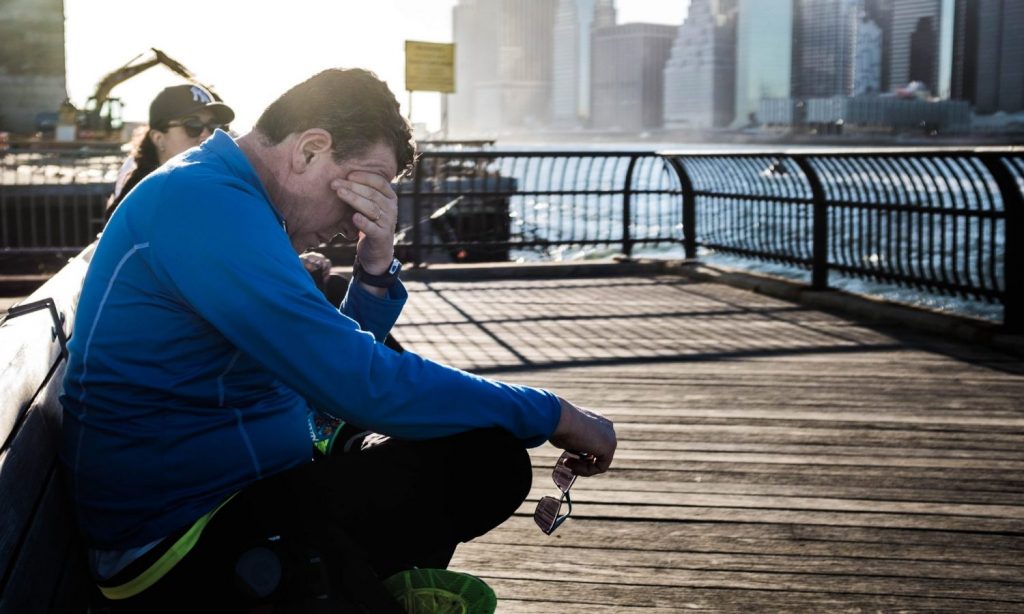
Anxiety can result in serious conditions, like a panic disorder or a phobia. It’s commonly experienced with physical side effects like a fast heart rate, sweat, rapid breathing and difficulty falling asleep. But it also encompasses some symptoms that are tougher to notice.
Here are 3 weird symptoms that suggest you have anxiety.
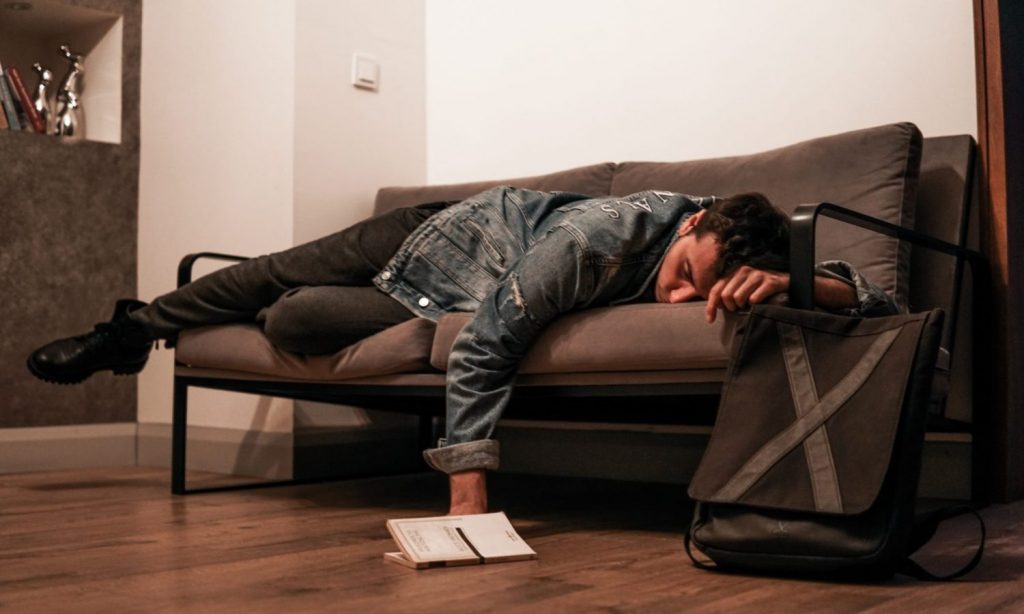
Sore Muscles
Photo by Karolina Grabowska from Pexels
Muscle aches are not the first thing that come to mind when discussing anxiety, but they are common afflictions for those who a3 Weird Symptoms That Suggest You Have Anxietyre consistently affected by this condition. This occurs due to the body tensing up when experiencing stress and anxiety, especially over prolonged periods of time.
This tension makes it likely for people to experience weakness or muscle twitches as reactions from the tensed up muscles. Mouth guards are important for protecting teeth and yoga can help muscles unwind and relax.
Yawning
Even a small amount of sleep loss affected workers’ concentration in a recent study. / Kittisak Jirasittichai/Shutterstock.com
While sleep is commonly disturbed by anxiety and can result in more yawning, anxiety can also trigger the yawning response as it is one of the body’s simplest ways of relaxing. The more stressed you are, the more likely you are to yawn, growing into a very annoying symptom.
If the idea of relaxing and spending a chill evening is anxious for you, that might be a symptom of anxiety. Relaxing is tough for anxious people, since it leaves them with ample time to stress out and ruminate on past or future problems. These behaviors make it more likely for you to experience these problems in the future, which is why it’s important to recognize these behaviors and try to stop your brain from indulging in them by meditating, admitting them and then letting them go.
The question now is which sports league will be the next to step up and evolve their views on the place cannabis has in pro sports.
As the puck dropped on another NHL season on Tuesday night, kickstarting the 104th season of play, the league is well-positioned to lead the four major sports leagues out of the Stone Age and into a new frontier regarding cannabis.
Fans may recall that during the 2020 postseason, when NHL teams were forced to finish out the postseason in a bubble, reports of players accessing weed gummies for help relaxing started to leak.
The reality is that cannabis use among NHL players has never been much of a secret. If you don’t believe us, ask former Stanley Cup Winning Detroit Red Wing Darren McCarty, who opened up his own cannabis dispensaries across Michigan following a decade-plus long career of evading the league’s anti-drug program.
Photo by skynesher/Getty Images
Nowadays, it appears that the NHL has evolved well beyond punitive punishments for players who choose to consume cannabis to recover after games or recreationally on their free time. Here are a few ways the NHL has evolved its stance on marijuana, setting the pace for other professional sports leagues to follow.
By Removing It From Its List of Banned Substances
When the NHL chose to remove cannabis from its list of banned substances, it was the first major sports league to do so until the MLB followed suit in 2009. Even though cannabis isn’t banned, NHL players are still subjected to two “no-notice” tests per year where they can be tested for all drugs, including for THC.
The point of the tests is to anonymously identify players who may be struggling with their consumption habits so the players association can provide players with the help they need. Upon being recommended, players have the choice to join the NHLPA’s joint Substance Abuse and Behavioral Health program, but they aren’t forced to do so.
By Choosing Not to Suspend Cannabis Users
Since the league has chosen not to take a hardline stance against cannabis, players are free to experiment with forms of treatment outside of the painkillers they were restricted to a decade or so ago. Now, instead of being restricted to opioid painkillers, some players have reported relying on CBD to help them overcome injuries and recover after games. Another benefit of the league’s stance on cannabis is the fact that they’re able to do more research on it to learn more about its medicinal benefits.
By Actively Studying the Effect Cannabis Can Have On Concussions
Among the research helping to guide the NHL’s cannabis policy are studies regarding the impact that cannabis could have on concussion recovery. In 2019, news came out that members of the NHL’s alumni association would be participating in a study aiming to reveal a better understanding of the relationship between CBD and the brain function of former players living with post-concussion symptoms. Doctors and former players alike are hopeful that the research can present effective alternatives to traditional painkillers.
From removing cannabis from its list of banned substances before any other major sports league, to participating in research on its long-term medicinal benefits, its clear that the NHL has taken the lead when it comes to removing the stigma around marijuana in pro sports.
Players and fans alike gain from an evolution in the way the major sports leagues think about cannabis; players get to recover on their own terms and fans get to see their favorite athletes and teams perform at the top of their game, without having to worry about suspensions or fines. The question now is which sports league will be the next to step up and evolve their views on the place cannabis has in pro sports.
A new survey shows that a significant amount of breast cancer patients are using cannabis for medicinal purposes. They’re also not turning to their doctors for answers.
Cannabis has long been used to treat symptoms of cancer. But now a new survey shows that while this is still the case, many patients are wary of sharing this information with their doctors.
The survey was conducted online and anonymously, with over 600 breast cancer patients. While the vast majority of participants were women, there were also a few men involved in the survey. The responses were gathered through Breastcancer.org and Healthline.com.
Per the survey’s results, 42% of participants reported using cannabis to treat their symptoms, which include vomiting, pain, nausea, insomnia, stress and more. The survey showed that while 39% of participants mentioned cannabis use to their doctors, only 4% of them asked further questions to obtain more information about the drug from their physicians. According to participants, sources like friends, the internet, or dispensaries, were used instead.
When it comes to the reason why these patients are turning to cannabis, the majority of participants (70%) considered the drug an alternative treatment similar to plant-based medicine, providing less side effects than the “chemicals” that are often present in other medications.
Dr. Marisa Weiss, lead author of the study, spoke with NBC News and shared some of her insights on the study. She said that while it’s okay that people are using cannabis to treat the symptoms of their cancer, she worries about their doctors not being in the loop. “Some of these products can interact with treatments they are taking, and there is a safety issue there,” she said. “We want to make sure they get relief from their symptoms without interfering with the treatments.”
While it’s understandable for doctors to not know all there is to know about medicinal cannabis, as the drug becomes more available, it’s important for them to have all of the information to help them guide their patients, including the possible side effects of choosing an alternative treatment like cannabis. Patients should be open with their doctors, but it’s the doctors’ responsibility to do their research on the topics their patients could use to treat their diseases.
Actor and musician Steve Van Zandt is launching his own line of cannabis products, Little Steven’s Underground Apothecary, reports Rolling Stone.
“The United States may be the only country in the world that considers health care, both physical and mental, as an afterthought,” Van Zandt shared in a statement.
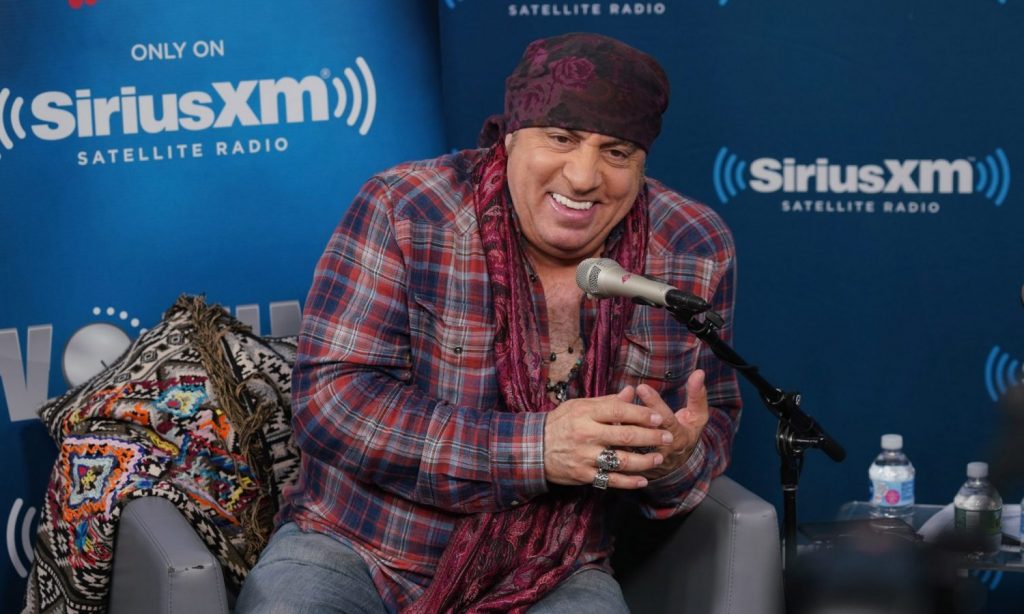
Steven Van Zandt is interviewed during a SiriusXM Town Hall/Photo by Cindy Ord/Getty Images for SiriusXM
“Little Steven’s Underground Apothecary was created to help combat that issue by focusing on natural, holistic remedies. Some will help relax you, some will help energize you, all will help you take charge of your own wellness.”
Van Zandt expressed a desire to increase education around cannabis and decrease the stigma that has plagued its consumption for decades. In doing so, Van Zandt hopes to “stop unjust criminalization for a plant that not only does a lot of good but has proven during COVID-19 to be almost as essential as art to people’s well-being and quality of life.”
Ten percent of profits from Little Steven’s Underground Apothecary sales will be put toward the National Organization for Marijuana Legalization.
Available in Massachusetts
Canna Provision shops in Lee and Holyoke Massachusetts will be the exclusive carriers of Little Steven’s Underground Apothecary cannabis pre-rolls which will be made with hand-grown high-CBD, low-THC craft cannabis from CannaProvisions.
“You don’t have to smoke cannabis or even use it to support national legalization,” said Meg Sanders, Canna Provisions CEO. “But for those that do use it, Little Steven wanted to be sure to have an approachable, low-THC and high-CBD cannabis that is less about the recreational high, and more for people seeking the benefits of cannabis and cannabinoids like high-CBD cannabis on the body and mind.”
Winter depression is a real thing, starting to affect people right around this time of the year. Here’s what you can do to prepare.
Raise your hand if you’re a fan of winter.
Aside from the cold and shorter days, a lot of people are more prone to seasonal affective disorder (SAD), a type of depression that arrives during winter and vacates when the sun starts to show its face again. SAD affects around 1 in 20 people, throwing a wrench in their days and making it difficult to function and carry on with normal life. But the good news here is that you can prepare for it.
Not a lot is understood about this condition. According to the New York Times, it tends to run in families, affecting women more often than men. Some experts believe it’s possible to, in a way, trick your body with some foresight and knowledge. Here’s how.
Understand the Stages of SAD
Photo by Mert Kahveci via Unsplash
According to experts, seasonal affective disorder functions in stages. At the start of the winter season, symptoms include sleeping for longer hours, having difficulty getting up in the mornings and craving carbs. Later, within three or four weeks, it’s possible to develop major depression. The key lies in tending to your condition before you reach the depression period. Experts recommend using bright light therapy, the most direct and efficient method of treating this condition, for a half hour every morning. This method provides better results than medication although users must be consistent in order to reap benefits.
The Sooner You Start, the Better
Photo by Bruno Aguirre via Unsplash
This is a good time to start preparing for winter depression. Slowly, start creating pockets of time where you do activities that make you feel physically and mentally happy and balanced, from regular workout sessions to pursuing fun habits to reconnecting with old friends. Consider these experiences and activities as you stocking up for what’s to come. The more fulfilled you feel, the better.
Most experts agree that going into hibernation mode isn’t great, even if that is what your body is craving. Make time for daily walks, of at least 20 to 30 minutes. If you could add in an activity to look forward to outdoors, that’s even better.
Sometimes the best way to treat a condition is with the help of medication. Pay attention to your symptoms and track them so you know if they’re increasing. This way, you can talk to someone who can provide you with the proper guidance.
There are still many European countries that will need to follow suit, but every time one country takes the bold step, it means several other countries will do the same.
Europe is beginning to take its cannabis industry seriously, and it is such a rewarding time to experience this movement. We are used to hearing cannabis news from countries like Germany, Spain but not the Czech Republic. So this information is quite informative as it shows the speed at which the marijuana sector is thriving.
This move is expected to increase calls for more marijuana reforms for all European countries. Czech President Milos Zeman signed a law in September that permits industrial hemp cultivated in the country to contain THC up to 1.0%. This prescribed level exceeds the present limit set by the European Parliament.
Photo by Animaflora/Getty Images
The prior guidelines set by the Parliament are way lesser than what is proposed (0.2% – 0.3%). Even though the changes will not happen until 2023, this move has ignited hope in millions of people that cannabis is making headway in Europe and the Czech Republic.
The changes also represent an exciting time for the global cannabis market because, with such regulations, more countries, cities, and communities will look to implementing such laws. If you are reading this, you love cannabis. If you have ever had challenges with getting marijuana, you will know it is because of severe legalization issues.
When you hear such good news, it provides an insight into what you can expect from other countries in the future. Other additions to the new provisions in the Czech Republic will improve the conversations we have regarding cannabinoid drugs. Private groups will also be permitted to produce medical marijuana products.
This move will affect the Czech Republic. It will also affect countries in the EU searching for lower-priced marijuana products beginning with, but not limited to, extracts.
With this move, the Czech Republic will be well-positioned as a significant competitor in North Macedonia regarding pricing, and its reach extending to Portugal. It will also create an alternative revenue-generating stream for the economy and increased labor in the market.
Denmark used to be the leading market point, but it will no longer be the same with the Czech Republic disrupting the market. For other countries like Poland, this move may lead to a boon in the way patients can now get access to medical marijuana, which they couldn’t afford under strict laws.
Italy will also get into the conversation as the country is already holding talks about decriminalizing marijuana and other plants like psilocybin. Growing marijuana at home is currently permissible in Italy, and that is yet another significant stride in Europe.
What Is Legal in the Czech Republic?
The cultivation of medical marijuana has been legal in the Czech Republic since 2013. However, only a few growers that grow on a large scale have been licensed. The Czechs are permitted to grow only as much as five plants at a time at home, and it is still occasionally decriminalized even though you can be punished and fined for possessing it.
The current third-place political party, Pirate Party, has promised to embrace cannabis and set up progressive policies that will favorably work for the marijuana community. This political party is set to win the nation’s election in October, and that will also be a big win for the cannabis community.
Even if the Pirates don’t win the election, the changes in the country’s marijuana policies will take the Czech Republic one step closer to becoming a cannabis-friendly nation. This country is taking a stand on a significant issue and is bound to encourage even more reforms in other places.
With the renewed call for more recreational trials all over Europe, one can understand why the Czech Republic is making significant strides. There is also another reason why the Czech Republic is taking this step, and it has to do with exportation.
The Exportation Discourse
In current times, the medical marijuana produced in the Czech Republic was solely for domestic consumption. This situation is a unique chance in Europe because the cultivation after 2017 was mainly for export. Therefore, within the country, medical marijuana doesn’t have to meet GMP (Good Manufacturing Practice) certification, making it even less expensive to grow than in other sections of the EU.
So it is safe to say that the dispensation of medical marijuana has tremendously increased within the past few years. In 2020, patients received up to 70 kgs, which is a sharp increase from what was obtainable in 2019, which pegs the figures at 17 kgs.
Photo by Sezeryadigar/Getty Images
Czech GMP discussions are one of the most exciting things in the EU. Unless the marijuana is domestically cultivated and is GMP rated, growers wouldn’t be able to export it to other Medical marijuana markets in Europe. There will most likely be a significant uptick in terms of domestic production and medical usage. So because of this, Czech Republic might become one of the countries in Europe, such as Portugal, where medical marijuana is constantly re-examined.
This move is also set against a rising wave of demands for recreational trials in different countries. The Czech Republic is not waiting for recreational tests: it is going right ahead to get rid of limitations so its market can flourish. The new development in the Czech Republic will broaden the view of cannabis enthusiasts in Europe to imagine a continent where access to marijuana is free for all (legal age limits).
Bottom Line
The excitement over the Czech Republic’s move with its new marijuana laws goes beyond one country making such brilliant regulations for the future; it births a sense of awareness in the minds of entrepreneurs and the health and wellness sector that anything is possible with marijuana.
There are still many European countries that will need to follow suit, but every time one country takes the bold step, it means several other countries will do the same. They may not all take that bold step this year, but the wheels are already in motion, and the future of marijuana is certain. If you are a cannabis enthusiast in Europe, these are exciting times for you!
This year, Halloween is a little more normal when compared to 2020. Here’s what experts are recommending for you to stay safe.
Halloween is a big deal. Halloween in a pandemic is an even bigger deal, adding in a variety of elements that we should consider in order to have a good time and stay safe. While we have the experience of last year’s Halloween for reference, this year, things are a bit different.
Here’s what experts are recommending for this year’s festivities and for you and your family’s safety:
Trick or Treating Is a Go
Photo by Haley Phelps via Unsplash
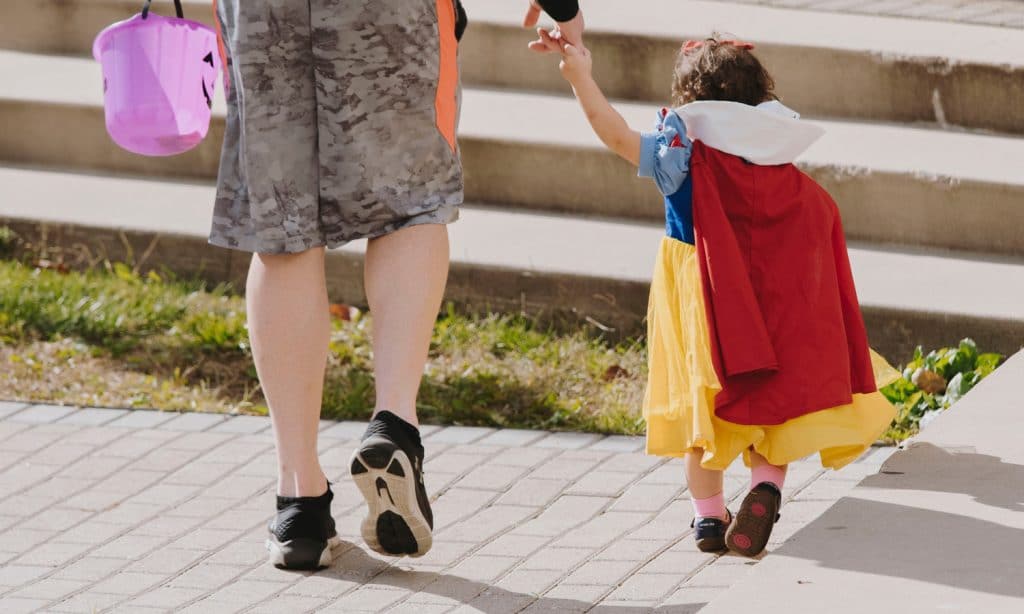
“I think that, particularly if you’re vaccinated, you can get out there and enjoy it,” Dr. Anthony Fauci told CNN’s State Of The Union. When it comes to children, things are pretty straightforward: if they’re over the age of 5 and vaccinated, they’re well protected and should go trick or treating if they want to. If they’re under the age of 5 and can’t be vaccinated, it’s still pretty safe if you’re doing it with a limited group and are going trick or treating outdoors. A lot of families will be setting up candy stations outdoors, limiting contact between others, and this is clearly the safest way to go.
“I’d encourage parents not to enter other people’s apartment buildings, and instead, look for activities in a neighboring park or other primarily outdoor settings,” Dr. Leana Wen explained to CNN.
Parties Are a More Complicated Subject
Photo by vivienviv0 via Pixabay
“I wouldn’t necessarily go to a crowded Halloween party, but I think that we should be able to let our kids go trick-or-treating in small groups,” Rochelle Wolesnky, director of the Centers for Disease Control and Prevention, told CBS’ Face The Nation.
Dr. Mona Amin spoke to the Today Show and said that indoor parties are a reasonable option depending on the positivity rates of your area. If they’re under 5%, then an indoor party is relatively safe. When it comes to other types of gatherings and living in a place with more COVID-19 cases than the 5% she talked about, it’s best to stick to family and friends who are vaccinated. Kids who’ve yet to be vaccinated could also wear face masks as parts of their costumes.
Prepare for Haunted Houses and Other Indoor Venues
Photo via pxhere.com
All of these popular Halloween activities come with some risks, which increases depending on community COVID-19 rates, the size of the gathering, and whether or not it’s indoors or outdoors. The best combo here for staying safe is knowing the transmission rate for your area and wearing a mask indoors when surrounded by strangers. It all depends on you and the amount of risk you’re comfortable with.
“This shows that small-town politics has an ugly, uneducated side,” said one cannabis activist. “This is why we continue to fight, even on the local level.”
As cannabis legalization spreads across the country over the past couple of years, more and more small jurisdictions embrace decriminalizing the plant. In the state of Ohio, so far 22 jurisdictions have already approved local statutes decriminalizing cannabis possession.
Nevertheless, there are those who don’t approve of the legalization trend and are doing what they can to sabotage it. Just last week an Ohio police department shared, and hours later removed, a post on Facebook advocating against a cannabis decriminalization proposal, reported Marijuana Moment.
Photo by Sven Mieke via Unsplash
“Downhill Tumble” For Society
According to the posted-and-later-deleted press release from McArthur Police Chief Thomas Heaton, the cannabis decriminalization initiative on which the town’s adults are meant to decide in the coming months could begin a “downhill tumble” for society.
Heaton highlighted that the proposed measure would reduce penalties for low-level cannabis possessions to a zero-dollar fine.
“The McArthur Police Department is not willing to endorse or recommend the passage of this levy,” the chief said. “Society views may think this is no big deal because it’s just marijuana. However, this is only the beginning of a downhill tumble with regards to ILLEGAL drug use. If the penalties continue to be decreased over time, then what chance does society have to combat the ever-growing drug problem facing our Village and Country.”
NORML Appalachia of Ohio responded with a press release stating that Heaton is “risking his own employment” by getting involved in polling with taxpayer money and pointed out that the police chief violated the federal Hatch Act and Ohio law because he used the police department’s voice to spread “outdated information to influence and intimidate voters.”
“This shows that small-town politics has an ugly, uneducated side,” Don Keeney, an activist with the NORML told Marijuana Moment. “This is why we continue to fight, even on the local level. Change comes from the ground up.”
Furthermore, advocates also highlighted that Heaton incorrectly described the initiative as “levy,” which means it would involve tax, which it does not.
A new study found that consuming this type of coffee diminishes the odds of developing heart disease.
Coffee provides a variety of cardiovascular benefits. Studies have shown that a moderate consumption of coffee can improve cardiovascular health and prevent heart disease. A new study provided a clearer picture of this type of coffee is best for heart health.
Published in the journal Clinical Nutrition ESPEN, the study used the fact that coffee was associated with positive cardiovascular health as a starting point.
Researchers wanted to have a closer look at the effect of instant coffee on the progression of heart disease. They collected a variety of data from males and females between the ages of 39 and 67. Thirty percent of the people analyzed said they “habitually consumed instant coffee.”
The study showed a variety of things. For starters, it showed that regular consumption of instant coffee was linked with lower systolic pressure. After researchers accounted for a variety of factors though, this influence was diminished, rendering this result inconclusive. But researchers did make a positive discovery, finding that instant coffee was linked with “carotid arterial compliance,” which, according to the journal Nature, “is afunctional marker of arterial elasticity.” This is a good thing, making it less likely for arteries to crash when exposed to high pressure.
Previous studies have linked coffee and heart health in interesting ways, with researchers discovering that caffeine is responsible for this influence. The influence of caffeine on the heart is not wholly understood, but studies comparing and contrasting decaf coffee vs regular coffee found that the former doesn’t provide heart health benefits. Regular coffee has been linked with less risk of heart failure, of developing cardiovascular disease, and more.
While coffee is not for everyone and people with a sensitivity to it shouldn’t have coffee just because of its benefits, a large percentage of people really enjoy it. It’s a relief to know that a moderate consumption of coffee, a substance that has been previously linked with a variety of damaging conditions, paired with a healthy lifestyle and diet, is a good thing, with plenty of positive benefits.
If you want to be a multi-state operator or try to expand to other countries, it makes sense to hire someone who has the background and experience to help grow the business.
As the cannabis industry scales, so does its need for experienced business veterans to steer companies towards the top. The demand has led to an influx of executives entering the space from other industries. There is a steady flow of outside execs pouring into the cannabis industry.
Most in the cannabis industry note that the move is a likely response to a nascent space. However, as recent analyses revealed, gender and diversity gaps persist at the top of cannabis companies.
Numerous cannabis companies continue to lack the needed boardroom experience to bring a startup to a grander stage. That skills gap led to the demand for outside industry talent in recent years. The trend continues today as more companies come online.
Nichole McIntyre, urban-gro Inc’s vice president of human resources, told Benzinga that bringing in leadership from industries experiencing similar regulations is helpful as companies scale.
Luis Merchan, CEO of Flora Growth Corp, echoed similar sentiments.
“The industry is going through a period of transformation where operations, supply chain management, project management and financial discipline are becoming imperatives in the skill set of executives that lead cannabis companies,” Merchan said.
Luke Zimmerman, Esq., a cannabis industry attorney and instructor at Oaksterdam University, said outside leadership is a suitable decision for many companies. “If you want to be a multi-state operator or try to expand to other countries, it makes sense to hire someone who has the background and experience to help grow the business,” he stated.
Zimmerman added that he believes the influx of outside leadership is spurred on by the innovative and exciting appeal of the industry.
He also noted that changing spaces are leading to transitions, such as shifts in tobacco use, decreasing alcohol consumption among younger demographics and an evolving pharma industry all playing a part.
“C-suite execs from these industries are paying attention to this and see the opportunities the cannabis industry is offering,” Zimmerman said.
Photo by Ivan-balvan/Getty Images
McIntyre warned incoming leaders who may underestimate the culture shift in the nascent space, notably its casual pace.
“Cannabis companies desire change and a new way of business operations which I believe originates from ongoing plant advocacy to overcome inaccurate public perceptions and misguided public policy,” McIntyre stated.
Inclusion Continues To Lag In Cannabis
Some improvements have been made since the industry first began taking shape several years ago. However, various recent reports reveal that inclusivity could be improved in the cannabis industry, including the C-suite.
Marijuana Business Daily‘s Women and Minorities in the Cannabis Industry report said that racial and gender diversity lags across the market, as does data tracking. “Social equity initiatives and cannabis legalization are now intertwined, but there is still no magic bullet to improve the landscape,” wrote Jenel Stelton-Holtmeier.
Two additional studies honed in on C-suite representation. “Gender Parity In The C-Suite,” from the National Cannabis Industry Association and the Arcview Group noted a lack of inclusion at the top, letting the problem trickle down across the company.
In June, a report from BusinessInsider reported that white males made up 70% of top executives at the industry’s 14 leading companies. Black individuals made up just 7% of top-level leadership.
Photo by rez-art/Getty Images
Most respondents felt more could be done to reach adequate levels of inclusivity in the space.
Urban-gro’s McIntyre agrees that more diversity is needed across cannabis but said that improvement is underway. “Many cannabis companies are beginning to focus their efforts on diversity, equity, and inclusion in their company culture, executive staff, and BODs,” she said.
“There is still some work to be done with regards to diversity, in part because of the stigma around the industry,” said Merchan, adding that Flora emphasizes its inclusivity, including a 50% diversity ratio in the C-suite.