The German government is in favor of decriminalizing possession of up to six grams of cannabis throughout the country.
According to Heraldo, Daniela Ludwig, the government’s drug commissioner, said she was in favor of minimum possession no longer being a crime. Instead, it would become an administrative offense.
Photo by Stefan Widua via Unsplash
Meanwhile, while minimal possession is no longer a crime in some German states, authorities are now looking to implement a nationwide plan to unify criteria.
Ludwig also argued that possession of six grams can be justified and that “marijuana is not as dangerous a drug as cocaine or heroin.”
However, he also stated, “You have to be careful where you draw the line, because these kinds of policies act as a signal and have an influence on consumption behavior.”
Jamaican cannabis will be available in pharmacies in Germany
On the other hand, Cannim, one of Jamaica’s most important growers, will arrive at pharmacies in Germany.
Although Jamaican flowers are well recognized around the world, it is rare to find them outside the country’s borders.
So how will they do it? They will partner with Cantourage, a company based in Germany. The company will be in charge of importing, manufacturing and distributing the pharmaceutical products in the European country.
The Jamaican flower product line is called Lumir, after Lumír Ondřej Hanuš, an analytical chemist from the Czech Republic whose expertise in cannabis research began almost 50 years ago.
During an interview with High Times, Stuart Marsh, Cannim’s commercial director, noted, “Germany represents an exciting opportunity for Cannim. Our ability to grow high-quality, medicinal-grade Jamaican cannabis that meets the stringent standards of the German pharmacopoeia is a recognition of the experience and expertise of our team in Jamaica.”
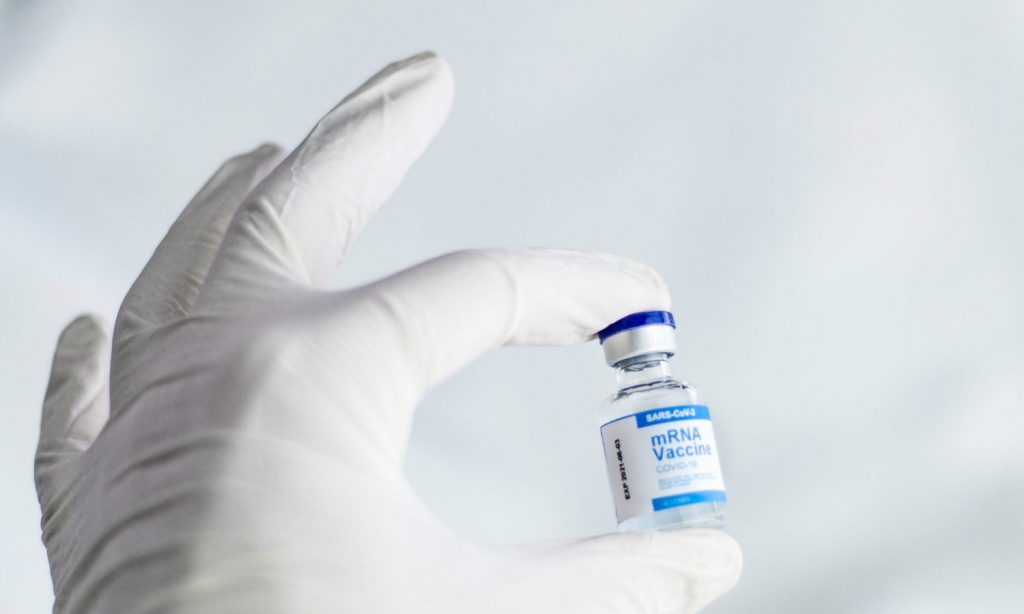
More and more COVID-19 vaccines have been approved. Here’s when children under 12 will be able to get their shot.
The third round of COVID-19 vaccines has been approved for a variety of people, prompting many to wonder when kids under 12 will be approved as well. While a lot of people have yet to be vaccinated, many parents are worried about their kids and the risk of contracting and spreading the disease in schools, summer camps, family gatherings, and more.
Per Reuters, children under 12-years old will be approved for vaccines by approximately mid-fall. “I think there’s a reasonable chance that Pfizer or Moderna could get FDA approval for younger children before the upcoming holiday season,” Dr. Anthony Fauci told TODAY. “Hopefully by the mid-late fall and early winter.”
According to the director of the Vaccine Research Center at Cincinnati Children’s Hospital, Dr. Bob Frenck, children can get powerful immunity from the virus from much smaller doses than adults, meaning that vaccine supply can spread further. Frenck is currently working on the clinical trials conducted on children in the Cincinnati Hospital. “We took a step back after we did the adolescents, and we looked at the dosing, because we thought that we may be able to use a lower dose and be able to get the same immune response,” he told CNN.
Side effects for kids are similar to the ones experienced by adults, with the majority of them mild and including a sore arm, fatigue, headache and fever in about 10% of children.
The FDA recently approved the Pfizer vaccine for people ages 16 and up, something that reiterates their safety and importance. As hospitals and doctors compile data for children’s vaccines, the emergency approval of the shot is imminent, providing protection to more people and facilitating our return to normalcy.
Re:source represents springbig’s underlying goal of removing friction and fostering genuine connections between cannabis dispensaries, brands, and consumers
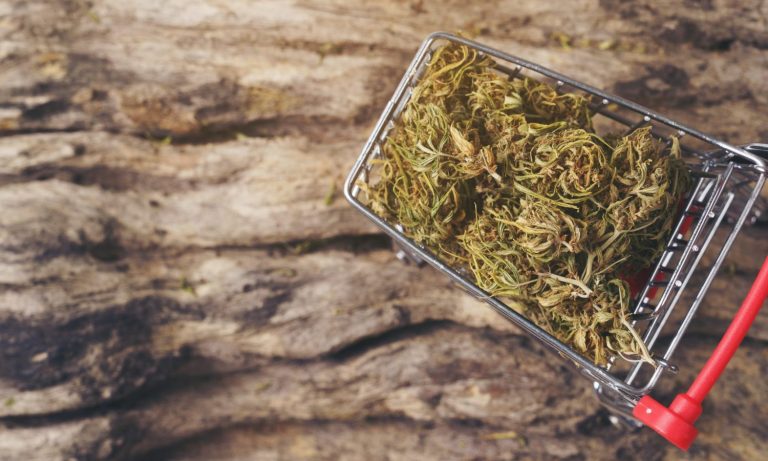
Cannabis-focused software-as-a-service marketing platform springbig has launched a new app for Android and iPhone users that consolidates consumers’ dispensary communications, shopping carts, store promotions and loyalty rewards in one seamless platform.
Re:source is another cannabis-related app to launch on Apple Inc.’s App Store after the tech giant changed its policy and now welcomes cannabis-focused apps on its store.
Photo by PhotoMIX Company from Pexels
In July, weed delivery company Eaze jumped at the opportunity first and was followed by The Parent Company’s shoppable app and Emjay’s first iOS app.
Re:source enables consumers to shop springbig-powered dispensary menus directly via their respective loyalty accounts where they can view their redeemable points and promotions available at each retailer. Shoppers can also save their contact information as well as product preferences and interests to their profile page.
“Re:source represents springbig’s underlying goal of removing friction and fostering genuine connections between cannabis dispensaries, brands, and consumers,” Jeffrey Harris, CEO of springbig said Tuesday. “Apps like re:source will usher in the next iteration of digital retail in the cannabis space and enable regulated businesses to deliver truly modern shopping and loyalty experiences.”
Having the strains you like on hand at all times solves a lot of potential problems. Here are just a few of them.
The popularity of cannabis is not going away anytime soon. So, if you like to use cannabis to manage your everyday life and do not want to be stressed all the time, this article is just for you.
Understandably, if you are using cannabis for managing your medical condition, you’ll want to have your medicine stocked at all times. Moreover, you won’t want to pay a lot of money to get access to this as well.
Photo by Kevork Djansezian/Getty Images
If you want to get access to quality cannabis strains without any troubles, consider buying weed in bulk (as long as you stay within your state’s regulations). Don’t find it convincing yet? Here are the reasons why buying cannabis in bulk will be a wise decision for you.
It Saves You Time and Efforts
Imagine you called your favorite weed supplier only to be told that they don’t have your favorite strain stocked. And worse, you have to walk to skim online for another genuine supplier for quality cannabis products. Does it sound hectic? How will you feel?
Buy bulk weed will help prevent you from needing to purchase any low-grade cannabis strain. Not only that, but it will also save your time from driving to the store or placing an order online.
You Won’t Have to Research Again and Again
It isn’t wrong to say that it takes a lot of time to find a cannabis dealer. You do a lot of research and go through many processes to verify their legitimacy and genuineness. The stress of finding genuine supplies again would make you think otherwise to buy more of your pot supply.
This is why buying in bulk would prevent you from these unnecessary headaches, especially if you use cannabis for medicinal purposes.
You Will Have Good Supply At All Times
There is peace that comes with knowing that you will have a good supply of your favorite strain. This will enable you to enjoy cannabis any day and time. Plus, you can always have a few friends and enjoy a cannabis session together. This way, you won’t have to worry about running out of your supply.
Moreover, when you buy bulk weed, you will get the strains at a relatively lesser price. So, you’ll spend less money on good weed. Why would you dish out more money when you can easily find the same thing at a lesser price?
With a plethora of benefits associated with cannabis, it is pretty evident that people would want to use it to manage their condition or improve their overall quality of life. So, it would be wise to buy it in bulk, of course, without crossing the mandatory guidelines of cannabis possession. That way you can have your favorite product at all times to lead a better life.
The marijuana industry just changed by 360 degrees as tech companies are now buying MSOs and cannabis licenses.
The cannabis industry headlines lit up recently as software and delivery operator EAZE stepped up and bought a multi-state operator (MSO). Ho-hum, nothing to see here, just a software and TECH company not getting bought by an MSO, but the exact opposite — a company that specializes in data and delivery buying a multi-state marijuana operation.
Let that sink in.
A technology platform backed by billionaire Peter Thiel and Privateer Holdings, just bought cannabis licenses in multiple states. The entire deal flow of the cannabis industry has been changed forever. Wait, what do you mean?
Photo by Blue Planet Studio / Getty Images
The big fish are supposed to gobble up the small fish in business. The big publicly traded cannabis companies have all the cash and equity to do billion-dollar deals, so how is a relatively small tech and delivery company swimming upstream and buying an MSO? One, it tells us investors are shifting their value proposition from “let’s invest in dispensaries” to “let’s invest in technology that can deliver and create cannabis orders on the cheap, hence creating a moat around margins”. EAZE recently raised $35 million in order to facilitate this buyout.
Weedmaps, now publicly traded with a market cap of $1.7 billion, is a big technology platform that helps you find and buy weed. Did I mention they are also the most successful cannabis company in the history of mankind with half a billion in sales before ever selling any marijuana?
Akerna, a publicly-traded menu management and hoping-to-be-ecommerce-platform, just announced a new ordering and dispensary delivery platform.
Still not convinced?
Leafly, the internet’s second biggest weed website behind Weedmaps, will also be going public under a SPAC fund and is looking at a $300 million valuation. Did you know who owns Leafly? Peter Theil and Privateer Holdings, same guys who own EAZE and just bought an MSO. They also happen to behind Tilray before the spinoff. How long do you think it will be before there is an “order now” button, at least in selective states, next to all those #1 ranked pages in Google coming from the Leafly strain guide?
How Did We Get There?
How did we get to this day, why didn’t we all see it coming? Well, if you are a regular reader of Cannabis.net we have told you in over 5 articles the future of cannabis is a Shopify game. In the end, cannabis will be commodity, much like its cousin’s broccoli and kale. It is a plant that grows in 12 to 16 weeks, indoors or out. Brick and mortar dispensaries are only protected by an archaic moat known as state legalization with Federal law restrictions. The walls are crumbling around keeping cannabis illegal as politicians and businesses men see the vast potential in a full-fledged, worldwide cannabis industry.
Photo by kropekk_pl via Pixabay
With all these recent moves the investment world is telling you one thing. Data, delivery, and traffic are the new Golden Gooses, not grows, dispensaries, and the actual product. In a race to the bottom for pricing, margin compression over the next few years is inevitable as the world legalizes cannabis, the winners will be those that can get an order and process it for pennies on the dollar. The top line will face massive price pressures from local and international competition, so the only way to improve your margins if you can’t raise prices, is to lower your bottom line. How can you get orders for free or super cheap, while the other guy pays millions to Google and Facebook for ads and clicks?
Basically, the guys who have all the traffic are now figuring out ways to take the order as well. The race to create a fully controlled single ecosystem for ordering and delivering cannabis is on, like an Amazon app for weed.
What caused this tectonic shift in the marijuana industry? How did this all happen so fast?
Apple.
A decision by the phone and ecosystem giant to allow cannabis apps in the IOS store changed marijuana forever, and not many people understood the ramifications of that announcement. I am sure even a few in the industry thought, “Cool, Eaze and Dutchie now work on my iPhone, that’s neat” and then went on scrolling down their news feed.
That was the earthquake that will end the Cannabis Industry 1.0 and begin the Marijuana Industry 2.0.
When all else fails, follow the money.
Apple makes the decision to allow marijuana apps in the IOS store. Within 100 hours, Weedmaps announces they can now process orders within their app (i.e. no outside browser or URL required). Within 1,500 hours, EAZE announces they are buying a full-on MSO, Green Dragon, and will now have cannabis licenses in 2 states to start. Within 1,600 hours, Akerna, or MJ Freeway cannabis menu management, announces a new ordering platform and delivery options. Let me remind you that Leafly, Weedmaps little brother, has already filed paperwork to go public at close to a $400 million valuation.
Investors are now betting big on technology and traffic, not on dispensaries and brick-and-mortar. The small fish are about to reverse stream and start buying up licenses and MSOs if they can. They are the key to fat margins and healthy profits as worldwide margins compress with full legalization.
Photo by Joanna Malinowska via freestocks.org
Dispensaries are playing checkers while cannabis sites and tech platforms are playing chess.
The world will want to order cannabis in two-clicks, just like Amazon taught us.
That is just the beginning of this shift, we will look back at the cannabis industry and say, “Is that BA, before Apple, or AA, after Apple’s decision to allow weed ordering in the app store?”.
Next up will be well capitalized cannabis tech companies buying more licenses and turning this into a traffic and sales funnel game. Dutchie is well positioned and capitalized to jump into the licensing game. Sites like Jane, Cannabis.net, Dispensary.com, anyone that has traffic and hosts online menus will be take-over targets. Cannabis sites with strong domain authority with Google will be in high demand, so look for sites like Leafwire, The Fresh Toast, Ganjapenuer, to be in play. You may even see High Times get bailed out of it’s dire straits by this newfound investor thirst. Could MJ BIZ itself be acquired based on traffic and domain authority? Jeff Bezos, tech guy, owns the Washington Post, so why can’t Peter Theil own the industry’s version of the Wall Street Journal?
Cannabis has great investment potential for the long run, but who knows when the US will finally legalize? Tilray just bet that it happens pretty soon with their acquisition of MedMen. In the meantime, the most successful cannabis company in history is a tech and menu management platform, and others are coming up the pipe like EAZE, Dutchie, and Akerna. All dealing with tech, menu management, and traffic.
Watch in the coming weeks or months for Dutchie to make a similar move into vertical marijuana integration by buying dispensaries or licenses in multiple states. Why can’t Akerna go buy a few licenses in different states to increase their intrinsic value and revenue streams?
The new green rush has begun, and it looks a lot like the NASDAQ.
Is high driving becoming an issue that society needs to take seriously? The data on this subject is mixed.
Commercial drivers are testing positive for marijuana more these days than any other drug, according to a recent report from the Federal Motor Carrier Safety Administration (FMCSA).
It’s an issue that many trucking companies and courier services must contend with as parts of the United States have gone legal. However, federal restrictions make testing positive for pot a big, fat no-no for commercial driver’s license (CDL) holders. Therefore, drivers can face a wealth of repercussions if they can’t pass a drug test.
Photo by Jed Villejo via Unsplash
During the National Association of State Directors of Pupil Transportation Services (NASDPTS) Federal Forum Plus online conference last November, attendees were shown statistics revealing that marijuana is the number one substance to look out for when drug testing truckers. The data shows that 98% of all positive drug screens in the first half of 2020 were for drugs, not alcohol — a completely legal substance. Only 892 CDL holders failed because of booze. Meanwhile, more than half (52%) of the 40,433 tests showed a positive result for marijuana.
If a CDL holder fails a drug test, which is mandated by the Department of Transportation (DOT), they could find themselves in a heap of trouble. They may be forced to attend a drug and alcohol program and take a Return to Duty test, including a drug screen, before being allowed to drive again. From there, the driver could be subject to a minimum of six random drug tests and have to attend more drug classes and jump through additional hoops for the next five years to keep working.
Fortunately, a CDL holder isn’t at risk of losing their license because of a failed drug test — at least not the first one. But repeat offenses could put the driver in a position where their driving privileges could be revoked. And yes, that even includes commercial drivers living in legal marijuana states. Since the herb is still prohibited at the federal level, FMCSA isn’t changing its anti-drug policies.
It can’t.
“The bottom line for CDL holders is you can’t use marijuana, even though you have states that allow people to use marijuana on a recreational basis,” said Larry Minor, the associate administrator for policy at the FMCSA.
Photo by Josiah Farrow via Unsplash
It should be pointed out that there’s probably not an influx of truck drivers out there riding high. About half of the failed drug tests were found during the pre-employment phase. This is where an applicant has to pee in a cup to be considered for the job. Another 13,340 were random drug screens. Roughly 1,700 failed drug screens were found following an accident, and a few hundred of them were discovered during return to duty tests. Harder illegal drugs were also found.
Still, is high driving becoming an issue that society needs to take seriously? The data on this subject is mixed.
Some studies show there hasn’t been an uptick in stoned driving since states started legalizing marijuana. But a lot of that research came when states first began experimenting with legal weed. Since then, other research has shown that high driving has become prevalent in parts of the country.
The problem is there isn’t a device for gauging marijuana impairment. Some increases may involve people who weren’t actually stoned at the time of a traffic stop or accident. To better monitor marijuana intoxication on the American roadways, science must first develop a practical tool (like the breathalyzer) for law enforcement to use.
CDL holders, however, are going to need the federal government to change the law before catching a break.
Food has an important influence on our health. A study conducted by Harvard researchers found that eating this food 5 times a week can lead to a longer life.
The food you eat is incredibly helpful for a wide variety of things, from your waistline to your heart health. A new study found that eating nuts several times a week can help people live for longer periods of time.
Published in the journal Nutrients, the study was conducted by a group of Harvard researchers, who found that consuming five or more portions of walnuts a week helped people extend their lives by an average of 1.3 years. A more specific look showed that consuming walnuts decreased people’s risk of dying by 14 percent and of dying from heart disease by 25%.
While nuts have always been associated with a healthier lifestyle, they’re usually believed to be beneficial when paired with healthy habits. But the study showed that just consuming walnuts had a positive impact on people’s health. For example, the study showed that people who had poor diets experienced benefits when consuming walnuts, having a 12 percent reduced risk of death and 26 percent of decrease in death from heart disease.
The lead investigator of the research, Dr. Yanping Li, said that walnuts could be used for people who want to start eating healthier. “What we’ve learned from this study is that even a few handfuls of walnuts per week may help promote longevity, especially among those whose diet quality isn’t great to begin with.”
Walnuts have long been associated with a variety of health benefits. They are compounds filled with antioxidants, promoting positive gut health, supporting weight loss, and having even been associated with less risk of developing cancer. Adding them to your diet could be a simple step towards achieving a healthier lifestyle, one that’s easy to comply with and that could be the gateway to a variety of healthier habits.
Yes, this is the right step in the right direction, but the process towards attaining this goal will not be easy.
There is always a sense of apprehension and uncertainty because cannabis is still illegal at the federal level. However, there is a glimmer of hope whenever such discourses occur with bipartisan support.
The new senate bill (introduced in May) seeking to regulate CBD foods and other products is an example of a bipartisan effort that empowers the Food and Drug Administration to treat hemp-derived products just like any other.
The bill
Senator Rand Paul from Kentucky, Senator Ron Wyden, and Senator Jeff Merkley from Oregon sponsored the bill alongside the Hemp Access and Consumer Safety Act. In a statement, Wyden asserts that this bill is timely because the FDA fails to update its rules regarding such hemp-based products.
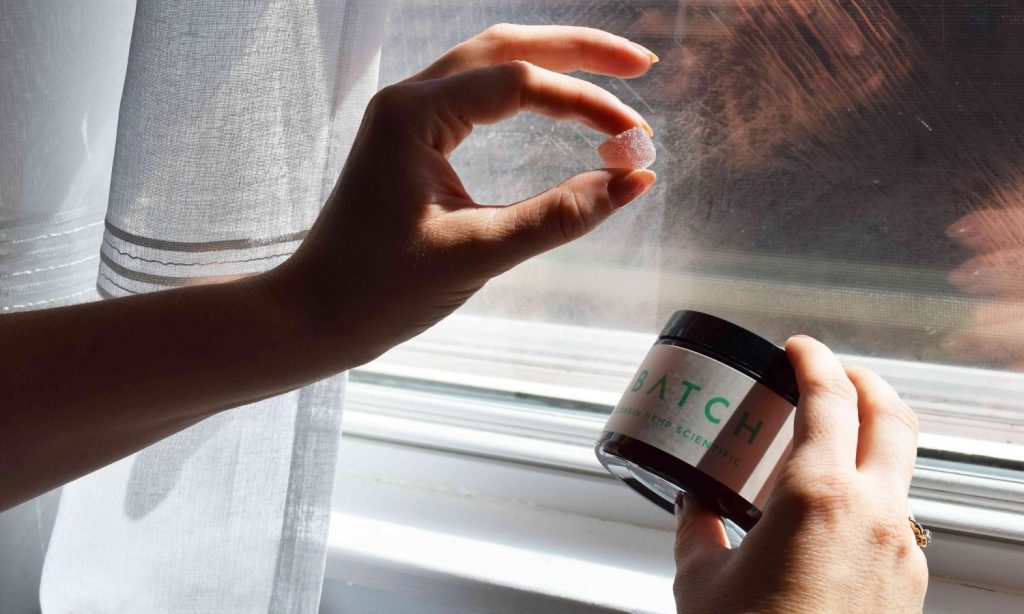
Photo by BATCH by Wisconsin Hemp Scientific via Unsplash
Senator maintained that he had worked with other senators so Congress could legalize hemp and other hemp-based products. This time around, they are set to ensure that the FDA takes the program seriously for America’s sake.
Congress confirmed the Agriculture Improvement Act in 2018, which, in addition to being the recent Farm Bill, is also a step towards removing hemp from the schedule 1 category. The schedule 1 grouping for hemp makes regulation and legalization difficult, and this act (if successful) eliminates such restrictions.
CBD products are used all over America in states that have legalized them, so one has to wonder why the Senate hasn’t done anything to ensure the federal government gets its CBD revenues. American consumers and farmers will have more liberality with CBD with a bill having the approval of Congress.
According to the FDA’s rules, it doesn’t allow any new dietary food, ingredient, or beverage into interstate commerce if it has already been approved as a drug. Now CBD is mainly already used in the pharmaceutical industry, and the FDA had approved the Epidolex drug, which is purified CBD. Epidolex is used to treat seizures.
The FDA also has the authority to remove substances from the prohibited list and has maintained that it has “Limited” knowledge about the safety of CBD and other marijuana-based substances. Although the FDA made some effort by seeking information about CBD’s safety from stakeholders, their progress has not yielded results.
Their progress has been slow because of the negative impact of the COVID-19 pandemic. Thus, the FDA has only resorted to sending warnings to companies who create several claims for their CBD substance. For example, CBD products have been marketed as treatment options for arthritis, relief from cancer pain, and even Alzheimer’s.
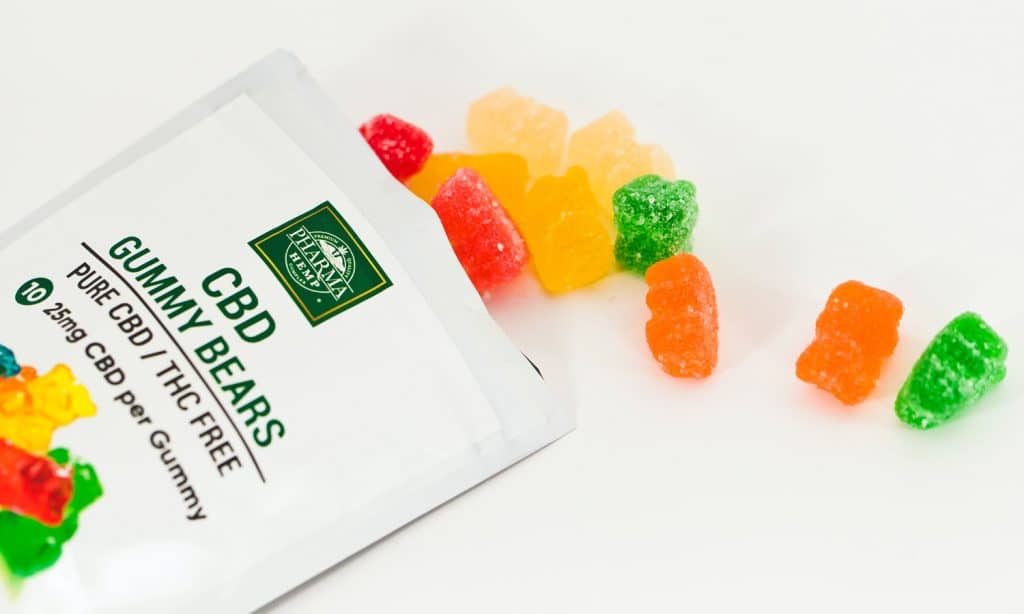
Photo by Pharma Hemp Complex via Unsplash
Only one effort from Congress to legalize hemp farming and the sponsors of Hemp Access made the FDA effectively regulate hemp products, thus providing relief to help farmers and merchants.
Yet, the FDA is the sole entity holding Congress back from taking a bold approach with CBD. Senator Merkley aptly said that for every day the FDA continues to waste time with updating CBD regulations, hemp farmers will continue to miss out on making a profit. Farmers will also be left guessing which products will be regulated, and business owners will not know how to get into the market.
The way forward
The Consumer Safety Act and Hemp Access plan allows hemp-based CBD products to be legally used in food, beverages, and supplements with the Federal Food Drug and Cosmetic Act. The bill’s sponsors agree to prioritize customer safety and ensure that manufacturers (for CBD products) comply with all federal requirements.
The bill will also ensure that all CBD-infused products are well labeled. More so, the bill insists that the Secretary of Health and Human Services will mark the requirements for dietary supplements and food that contains hemp.
Jeff Daulby, Senior Vice President of Governmental Affairs, along with the Consumer Brands Association, maintains that the CBA has commended Senators Merkley, Wyden, and Paul for displaying support for CBD. Consumer brands have also advocated for a federal regulatory framework for CBD that will help the FDA set intelligent and consistent laws.
Congress also hopes that by empowering the FDA, they will deliver the much-anticipated rules for the American CBD performer. If the FDA takes its responsibility seriously and influences Congress to legalize cannabis, it will be a good day for the farmers and users.
Every nation has to think about how to get internally generated revenues, and with the rest of the world embracing cannabis, it is time for America to do the same. The amount of lost revenues is mainly attributed to the back and forth between the FDA and the Senate.
Photo by CRYSTALWEED cannabis via Unsplash
If only both parties can agree to the process and stay committed to ensuring America has access to cannabis at will. There will still be hurdles to cross in the future, but one thing is sure: cannabis will continue to grow across states that have legalized cannabis.
Yes, indeed, the future of cannabis is right before us, but we must work together as a team to get there. So while the senators are doing their best to enforce the bill, the FDA needs to embrace the truth about CBD-infused products as valuable pieces in society.
Bottom Line
The efforts by the American Senate towards ensuring that CBD is regulated like food and other products is a nod in the right direction. Yes, this is the right step in the right direction, but the process towards attaining this goal will not be easy.
In the past, the Senate has made similar efforts to regulate and legalize cannabis without any success. However, experts and enthusiasts are optimistic about this bill. The future will tell if they are right or wrong.
Muscle cramps are relatively harmless, but when they occur in these body parts they could suggest that there’s an underlying issue going on.
Cramps usually occur when we’re overusing a muscle, spending too much time in the same position, or we’re dehydrated. They can occur in any part of our bodies and they’re usually not a sign of alarm. But in some cases, cramps could be a signal of an underlying health condition and should be tended to immediately, especially when faced with extreme weather, like a heat wave.
According to The Chicago Sun Times, initial symptoms of heat illness can include cramps and you should look out for them in areas like your calves, thighs, arms or abdomen. These cramps can appear before more serious symptoms take place, like heatstroke or heat exhaustion, and it’s important to address them as soon as you can by finding shelter from the sun and staying hydrated.
When faced with very hot weather, your body rids itself of nutrients and liquids much faster, which can result in muscle cramps. In order to treat these cramps and prevent them from developing into something more serious, it’s important to find shelter and hydrate, perhaps by drinking a sports drink, which can replenish your lost electrolytes more quickly.
Heat illness is very easy to confuse as simply feeling hot and sweaty. Cramps are a good indicator that the heat has taken a abnormal toll on your body and should be taken seriously, since afterwards people are likely to experience symptoms of heat exhaustion, which include atypical heart rate, heavy sweats, nausea, vomiting, and more.
The best way to protect yourself against very hot weather is to avoid underestimating it, something that isn’t all that easy to do. Prepare ahead of time by hydrating regularly and wearing the appropriate clothes so that your body has room to breathe and move comfortably. Keep your eye out for symptoms of exertion, stopping if you feel like the heat is getting difficult to deal with.
It’s important to remember that Mexico has very strong laws against gun ownership and a massive problem with guns, and Texas arrested 60,000 people for weed possession last year.
Disclaimer:The views expressed in this article solely belong to the author and do not necessarily represent those of The Fresh Toast.
August 13 was the 500th anniversary of the Spanish Conquest of Mexico, and things are as bloody and absurd as ever.
Well, as the Post headline suggests, American, especially Californian, marijuana has a cachet, like “French Champagne.” Mexican growers have to worry about the violence of the gangs more than the quality of the weed. On the other hand, smuggling weed south is relatively low risk, with excellent profits.
(It is important to note that this story is about LEGAL weed, bought at retail, not from the huge illegal market that is much cheaper, and exists because of high taxes and excessive regulations.)
Of course, while they are not likely to have a major impact on the Mexican market, they may embarrass the Mexican government into complying with their Supreme Court ruling and finally legalize it.
It is important to remember that Mexico has very strong laws against gun ownership and a massive problem with guns, and Texas arrested 60,000 people for marijuana possession last year.
It is also important to remember that Mexico isn’t going anywhere. While the insurrectionists like to talk about “chaos at the border” to distract us from their role in the chaos at the Capitol, the chaos really starts far to the south, and not even in the Americas.
On the other hand, the United States has over 330 million people and over 3,796,742 square miles. We are not being swamped by illegal immigration, but we and the rest of the world are being swamped by the Drug War.
President Biden’s long history of prohibitionism has left him incapable of dealing with the global problems he helped create, while too many Senate Republicans just love talking about freedom, while supporting tens of millions of arrests for marijuana possession.