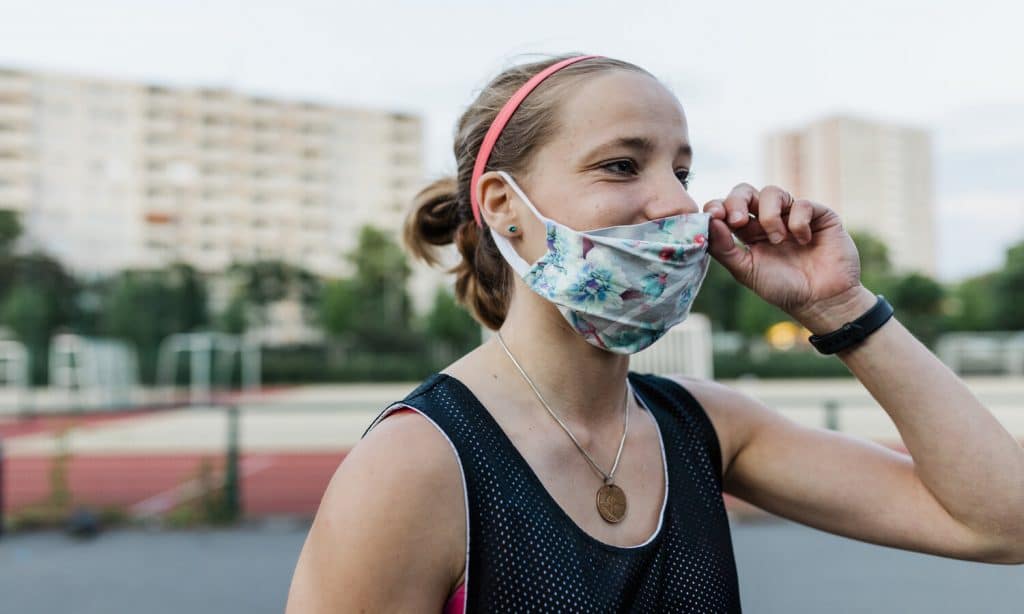
Dating in today’s world involves asking a lot of questions, including those referencing the COVID-19 vaccine. Here’s how to broach these sensitive topics.
Dating has been heavily affected by the pandemic. While not all of us steered clear of meeting others in person, a large percentage of people added virtual dates to their roster, breaking their COVID-19 protocols only after they were vaccinated. Nowadays, on a first date, you’ll likely reach the awkward moment where you ask each other whether you’re vaccinated or not, getting an inkling towards the other person’s approach to the pandemic.
The rise of COVID-19 has also brought a rise of wellness and health-related questions into dating, with the previous year and people’s experiences playing a role in people’s conversations. The New York Times spoke with several experts, who explained the best ways to broach sensitive topics like whether or not someone has the COVID-19 vaccine, their safety measures, and mental health status.
While a lot of people get into the details of their vaccine as soon as possible, including it in their profiles or discussing it over texts, others take a more cautious approach. There’s not a wrong way to approach the topic, but Dr. La Keita Carter says that a question like “Tell me what you think about the vaccine,” is a good starting point.
Topics like mental health aren’t usually ice breakers, but this year, all bets are off. Asking about someone’s experience during the pandemic and their mental health is a nice thing to do, and might be easier than avoiding the elephant in the room. Asking them straight out with an open question like “How did the pandemic affect you?” or simply opening up a bit and sharing your own experiences without going overboard could be a good way to get to know each other.
Dating in this climate is not the easiest of things to do, so it’s important to be kind to yourself and date as often as you feel comfortable with. Some people may achieve this comfort with more ease than others, and that’s fine. Take your time.
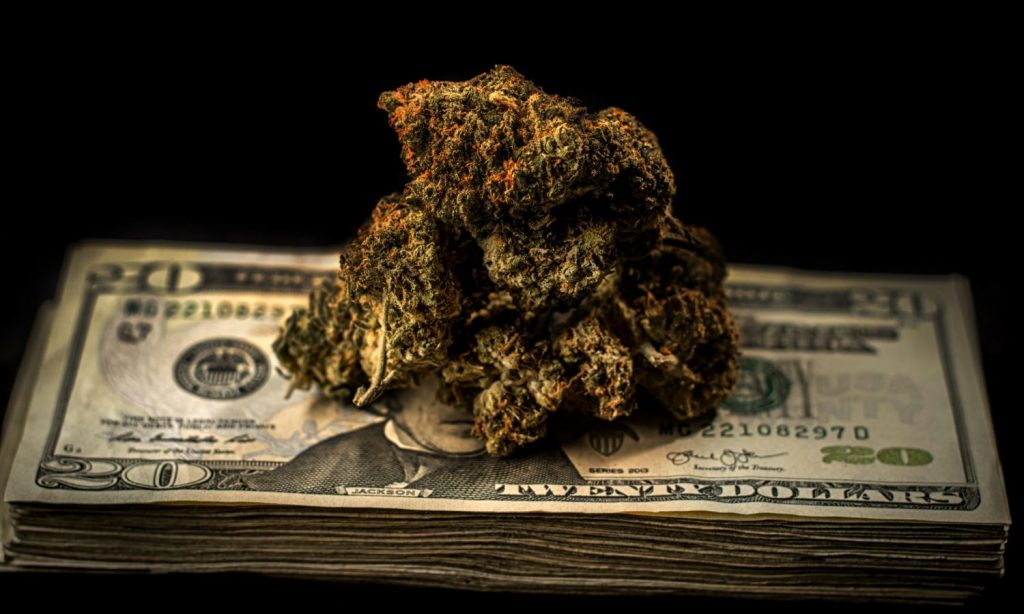
This is an interesting switch. The most sought-after weed exchanging hands at the U.S.-Mexico border is coming from the green fields of California and being sold in Mexico, instead of the other way around.
According to a Washington Post source who happens to be a cannabis dealer in Mexico City, California-imported weed dominates a booming boutique market in Mexico rather than weed from traditional sources such as the Sinaloa cartel or the newly independent “ethical growers.”
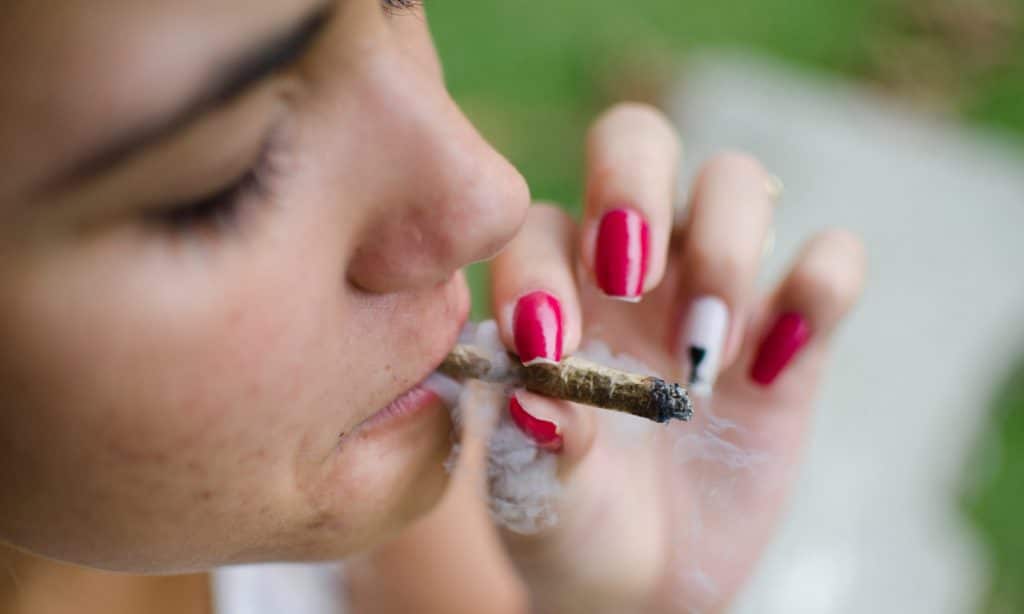
Photo by Filip Gielda via Unsplash
“The demand here for American weed has exploded,” said the WAPO source who spoke on the condition of anonymity for obvious reasons. “It’s aspirational for many of my clients. They want to be seen smoking the best stuff, the stuff rappers brag about smoking.”
No More Flinging Weed Across the U.S. Border
Gone are the days when Mexican pot smugglers catapulted bushels of weed across the border using the world’s largest slingshots, or stuffed vacuum-packed bricks into fruit shipments to slip across one of the longest (1,954 miles) and most frequently crossed land borders in the world.
Several hundred yards from the busy Tijuana border, Josh Bubeckowner, of the Urbn Leaf cannabis dispensary, estimates some 55% of his customers are Mexican nationals, he told WAPO.
California Weed: Nobody Grows It Better
“Nobody is going to grow cannabis better than California probably ever,” Bubeck said.
He noted that back in Mexico, especially for younger smokers, the appeal is clear: “You’re showing ‘This is what I’m about. I’m a bad ass. I got this from America.’”
For years, legalization advocates in Mexico argued that the country could easily establish a wildly profitable cannabis industry, but legalization came faster to parts of the U.S. — mostly importantly California — than its neighbor to the south.
This July, Mexico’s supreme court struck down laws that criminalized the cultivation of cannabis for personal use but have not yet approved legislation that would allow a commercial marijuana market to be set up, making it illegal to buy or sell cannabis and as impossible to regulate the quality of Mexican cannabis products available on the illegal market, noted WAPO.
Meanwhile, Mexico still grapples with the task of setting up a legal framework for a plant that grows like a weed in the Mexican countryside.
Young adults are the most resilient to COVID-19. They’re also the least likely to get it. Here’s why it’s important for them to get vaccinated.
Of all demographics, young adults are the least likely to get the COVID-19 vaccine, according to the Centers for Disease Control and Prevention (CDC). These stats are likely due to young people thinking that their systems are better able to cope with the virus, which is true in theory. With COVID-19 cases on the rise and the more contagious Delta variant running loose, it’s more important than ever for every person who’s able to get their vaccine.
In order to reach herd immunity, every person that qualifies needs to get their vaccine. The sooner this is achieved, the better odds we have at preventing the development of new variants and keeping everyone safe.
Not only are vaccines safe and effective, they’re also pivotal in keeping your community safe, especially people that are immunosuppressed or have comorbidities to contend with. Here’s why young and healthy people should get their vaccine as soon as possible:
Vaccines are safe and effective
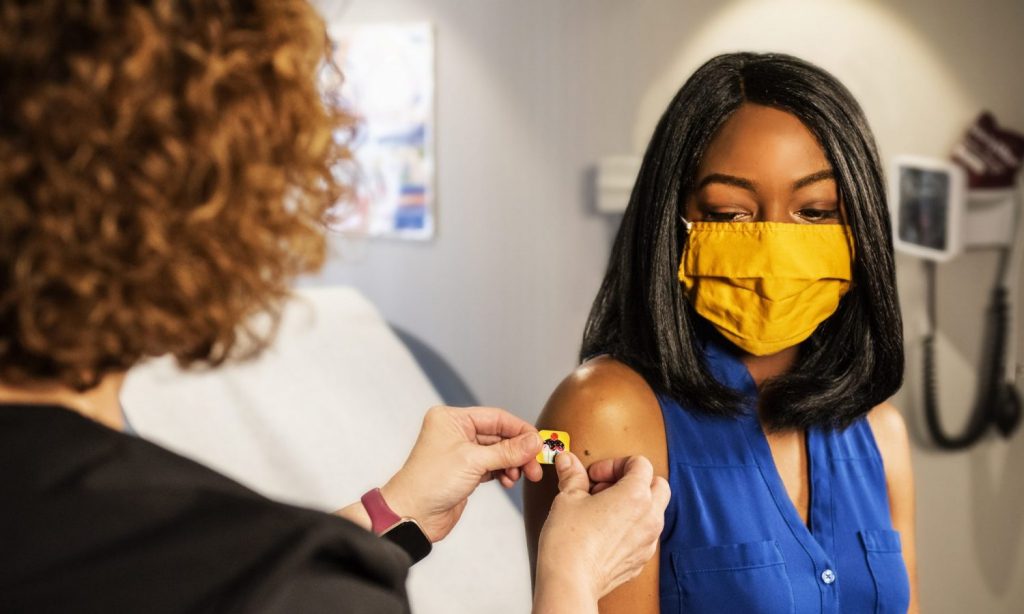
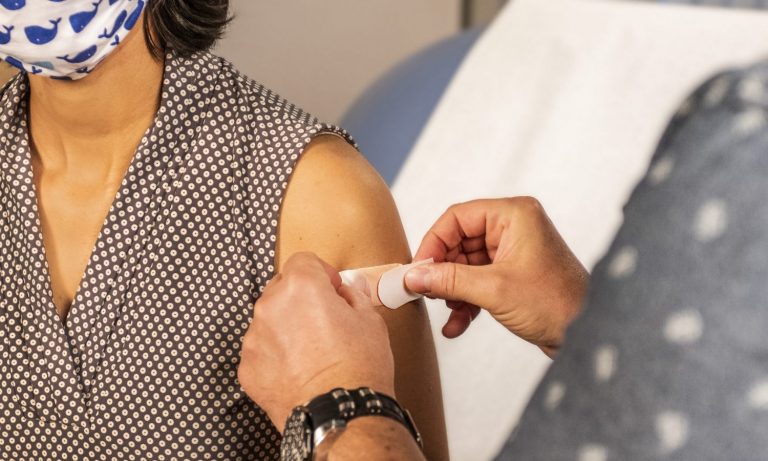
Photo by CDC via Unsplash
COVID-19 vaccines were developed in a short amount of time, but they’re incredibly safe. Their development was the outcome of years of successful medicine. And while the process was sped up due to the nature of the virus, the FDA and CDC have treated the vaccine as if it were any other, approving only the shots that were effective and safe for the majority of people.
Reports of breakthrough COVID-19 are also rare. According to the CDC, while it is possible to get COVID-19 with a vaccine, having the shot makes it less grave and likely to result in hospitalization. At the same time, the vaccine reduces your odds of spreading the virus to other people.
Side effects are manageable
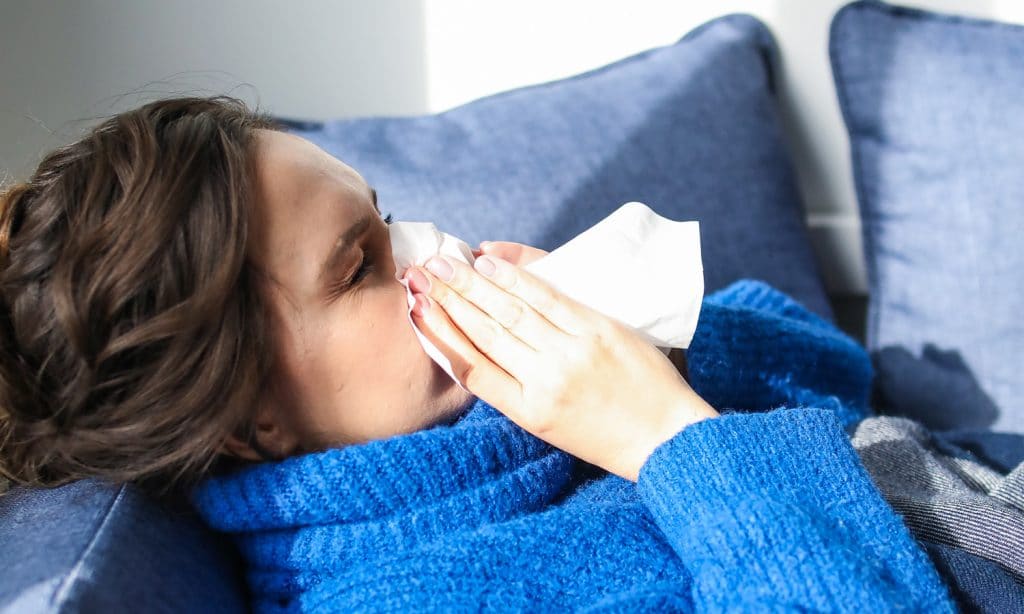
Photo by Polina Tankilevitch via Pexels
As is the case with every vaccine ever made, the COVID-19 vaccine has a few side effects. It’s common to feel flu-like symptoms after receiving it, even fever and pain in the location of the injection. This is due to your immune system developing a strong reaction to the virus, and thus developing more immunity.
Side effects like blood clots, which have been reported with the Johnson & Johnson vaccine, are very rare. When it comes to claims like the vaccine damaging fertility or producing effects that will appear long term, according to the CDC, they are not based in any scientific evidence and are dangerous misinformations to spread around.
While young people may think that they’re safe from the virus, getting the vaccine affects their community. When going through daily life, there’s interactions with people of all kinds and ages, from parents to grandparents, to friends that are immunocompromised. By getting the vaccine, everyone is keeping each other safe, eliminating sources of infection.
Vaccines are free and easy to get
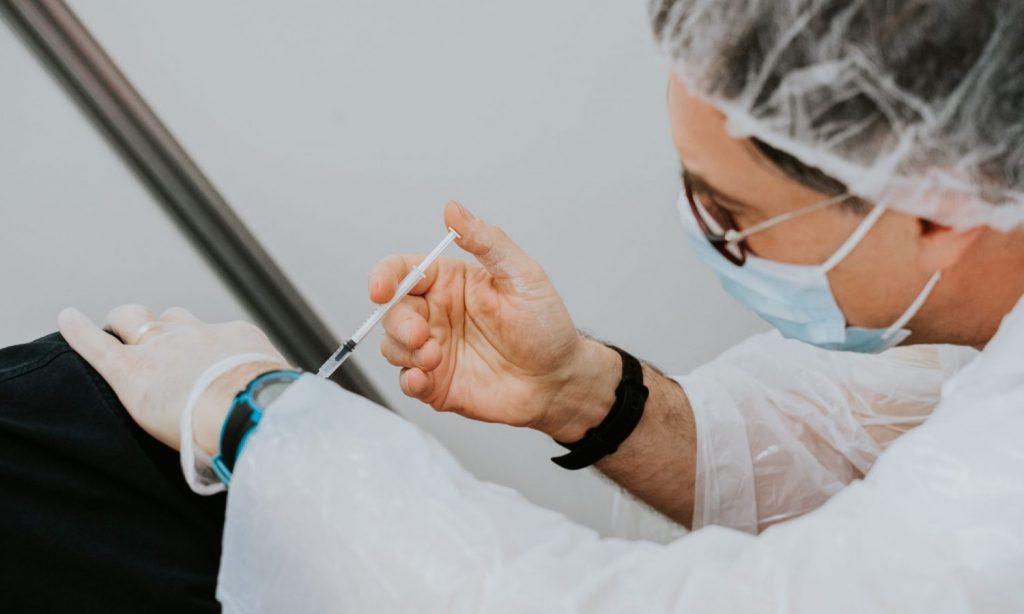
Photo by Mat Napo via Unsplash
No matter the state, vaccines are supposed to be free. There won’t be a bills mailed after getting the shot. Depending on your location, vaccines are also easy to get. For finding a vaccination site close to them, people should visit vaccines.gov.
A recent report from Flowhub finds the U.S. cannabis industry is worth $61 billion. However, much of the industry will be forced to change once Uncle Sam gets in on the mix.
Ask any longtime supporter of the cannabis legalization movement, and they’ll tell you, ready or not, that a taxed and regulated pot market is all the country needs to turn around hard economic times. Think about all the money the federal government can make from tax revenue alone, they often say.
The only problem is those people are the ones refusing to pay the taxman. In Canada, the cannabis trade presently has a 1.1-billion-gram surplus of weed that they cannot sell because many customers have continued to purchase from the black market. Some would even say that illicit sales have set the Canadian pot market up for failure. Of course, this begs the question: Is the United States cannabis market doomed to suffer the same fate?
Photo by Aditya Chinchure via Unsplash
Stockpiles of Canadian weed are going bad before it has a chance to be sold. Around 500 tons of quality retail cannabis has been destroyed over the past couple of years. Sources credit the disaster to the fact that 50% of the weed purchased in the northern nation is still coming from the black market. That’s right, despite having a legit source for buying pot, people would rather get it from their neighborhood street dealer. Why? Because it is cheaper, and people can maintain their anonymity. Some folks do not want to make their pot use public, legal or not. Unfortunately, the loyalty to the black market is sabotaging the profits of Canadian cannabis companies.
In the United States, we’ve seen a similar allegiance to the black market in some states that have legalized for recreational use. California, Illinois, and Massachusetts continue to struggle with illicit pot sales. Some say it’s the expensive startup costs and licensing fees creating the problem. There are, of course, too, all those marijuana consumers — the same ones that asserted back in the days of prohibition that weed could be economic salvation if it was just taxed — who have flat out rejected the idea of paying taxes on something they can still get cheaper from a dude down the street.
But it takes two to tango.
Meanwhile, the federal government is looking at the Great Cannabis Experiment and wondering how it will take it nationwide and make it profitable. Sure, they say ending prohibition is in the interest of social equity and repairing damages from the drug war. Still, the reality is they want to uncover the magic plan that will make legal marijuana as much of a boon to the U.S. of A as alcohol and tobacco. So far, it seems that everyone involved is coming up short.
If you remember, industrial hemp, which was legalized once again back in 2018, was also supposed to provide an enormous financial boost to the country. It was going to be used for food, paper, tires, and everything else. But it hasn’t been able to find any traction. There are oversupply issues, high processing costs, and no new markets. It seems the nation isn’t ready to embrace it just yet.
Photo by Hillary Kladke/Getty Images
Still, financial experts say the United States cannabis market isn’t headed for the same economic troubles as Canada.
“There needs to be a sense of caution when looking at Canadian cannabis companies relative to their U.S. counterparts who are very profitable and continue to grow,” Korey Bauer, chief investment officer and portfolio manager of the Cannabis Growth Fund from Foothill Capital Management, told Market Watch. “Valuations look much better in the U.S. at these current levels.”
A recent report from Flowhub finds the U.S. cannabis industry is worth $61 billion. However, much of the industry will be forced to change once Uncle Sam gets in on the mix. States do not have any federal controls and are mostly left to legalize how they see fit — for now. Senate Majority Leader Chuck Schumer is pushing a bill this year that, if passed, would create national controls. Pot prices will conceivably get more expensive once marijuana goes legal nationwide.
It’s conceivable that this could create a similar surplus situation to what is happening up to the north in Canada. Let’s just say your neighborhood marijuana dealer isn’t likely going out of style anytime soon.
Edibles should be properly wrapped and stored for a longer shelf life. Here are some basics to get you started.
Edibles are fun and delicious, producing strong highs that can last for long periods of time. When used correctly, edibles can produce long highs that are manageable and perfect for daytime use, eliminating some lung damage and perhaps saving you some money. Still, since edibles are food, it’s important to know how to preserve them for best flavor and effect.
Here’s how to store your edibles and keep them as fresh and delicious as possible.
Store them in an airtight container and a cool space
Photo by Devanath via Pixabay
Edibles vary greatly in flavor and type. Edible candies lastly last longer than chocolate, so it’s important to store each in the right place.
Candies and gummies likely have a coating of sugar, which extends their shelf life. As long as you control their exposure to air and temperature, these edibles should last for a good amount of time, for 6 to 9 months, with the harder the candy the longer the shelf life. Wrap them carefully and tightly and place them in an airtight container like a Ziploc bag or a mason jar, and place them in a cool and dry place in your pantry.
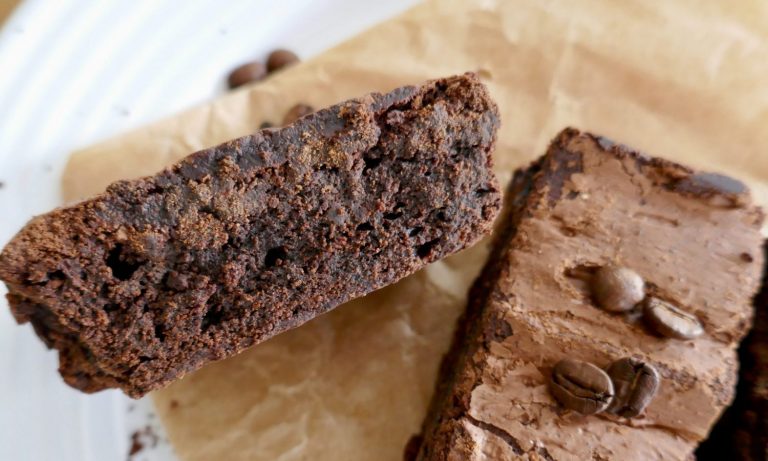
Chocolates have a shelf life of up to a year when stored properly. They should be wrapped in tinfoil and stored in a cool and dark place, like your pantry. Make sure to label them properly, since you don’t want to confuse your THC chocolate with your normal chocolate.
Freezing and refrigerating extends shelf life but affects flavor
Photo by Sarah Pender/Getty Images
Your fridge is always an option, adding an extra couple of months to edibles, but know that flavor and texture might be affected. When storing chocolate in the fridge, a white coating may appear, but this is simply reaction from the chocolate’s sugar rising to the surface after having been exposed to the cold and absorbing some moisture. It doesn’t affect flavor and isn’t harmful.
For best performance, store your edible in an airtight container in the fridge and take it out a couple of hours before you eat it, to regain best texture and flavor.
Home-made vs. store bought
Photo by Kari Shea via Unsplash
Store bought edibles have to comply with several guidelines provided by the state, meaning that the majority are shelf-stable for long periods of time. Home made edibles and condiments are a different story, only lasting for a couple of months in the freezer if stored and prepared correctly.
Some basic storage guidelines include properly packaging your foods in glass containers, jars or wrapping them in tinfoil. Every time you grab a piece make sure to use a clean spoon and knife, since a dirty utensil could result in cross contamination and mold.
Jim Belushi first ventured into the cannabis industry as a legal cannabis farmer with a 48-plant crop in 2015.
Nowadays, the “According to Jim” star runs the 93 acres Belushi’s Farm in southern Oregon, which is featured in the three-part Discovery series “Growing Belushi.”
Photo by Dimitrios Kambouris/Staff/Getty Images
The series, which premiered on Wednesday, August 19, chronicles Belushi’s life on his cannabis farm.
The actor has also teamed up with Grassroots Cannabis to launch Blues Brothers x Grassroots featuring Bubba Diagonal strain — sold exclusively at the dispensary in Skokie.
Belushi told Benzinga his mission in the cannabis business is “to break even — because the purpose, the power of this plant, serves the greater good.”
He hopes that “Growing Belushi” would change the perspective of how the public sees the cannabis businesses.
The cannabis farmer is a fierce advocate for the medical benefits of cannabis, due to losing his brother — “Animal House” star and original Saturday Night Live cast member John Belushi — to an overdose.
“I believe everybody, regardless of political affiliation, has health, trauma, and family in common,” he continued, adding that “magic in this plant can support and help all three.”
And while Belushi’s long-term game plan for the farm is modest, and includes getting rid of “all the digger squirrels, aphids, russet mites, and the grasshoppers,” the actor pointed out that it is a “lifelong battle as a farmer.”
“I feel like Elmer Fudd and Billy Murray in Caddyshack,” concluded Belushi.
Before you plan your next trip abroad, here are some countries with strict laws regarding weed that you should be aware of.
Perspectives regarding cannabis are changing on a yearly basis, with new countries legalizing or decriminalizing the plant. Large regions of North America, South America, Africa, Australia, and Europe have decriminalized or allowed for the recreational or medical use of marijuana. While much progress has been done, there’s still a lot of work to be done. Many countries remain distrustful of marijuana and can punish people with jail for simple things, like possession.
Whether you’re planning a trip there or are simply curious about other countries’ stance on cannabis, here are 5 countries with tough marijuana laws.
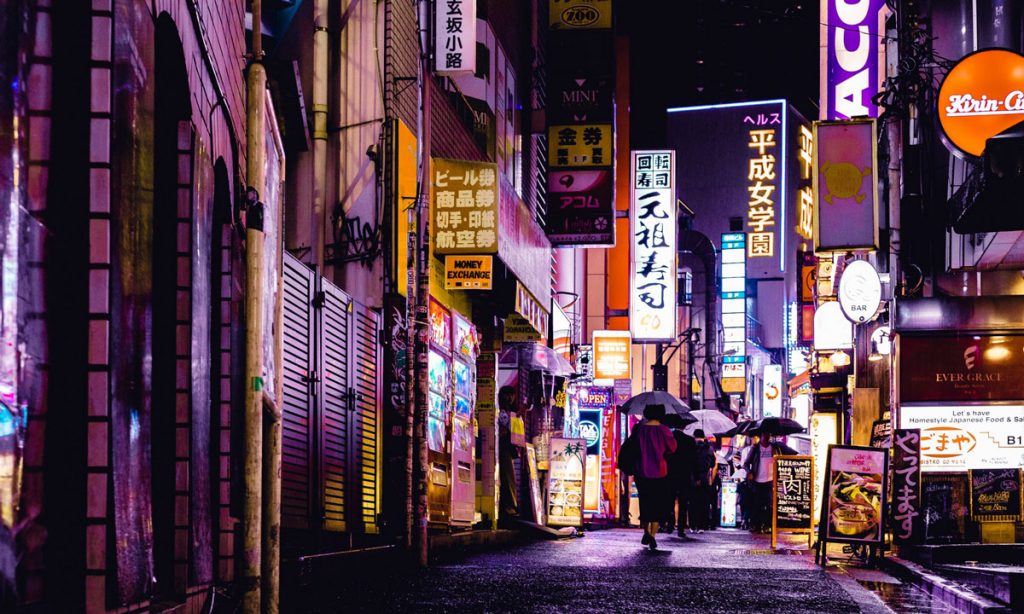
Japan
Photo by Aleksandar Pasaric via Pexels
It’s still illegal to possess cannabis in Japan. Use and possession are penalized by up to 5 years in prison and a fine. When it comes to the plant’s cultivation, sale, and transportation, the offense is punishable by 7 to 10 years. While CBD is permitted, Japan’s strict cannabis laws prevent advocates from banding together and finding solutions that may legalize or decriminalize the drug in the future.
Turkey has a strict drug policy where almost all drugs are considered illegal. Enabling the sale of drugs, selling them, or using them for personal use are all considered acts of crimes and can be punished in jail for 2 to 5 years.
El Salvador
Photo by Alejandro Alas via Unsplash
Recreational and medical marijuana is illegal in El Salvador, mainly due to the fact that it’s one of the most conservative countries in South America. The country also has a charged history with drug trafficking, which can taint the perspectives of local people. While there have been several decriminalization initiatives in the past, the support for cannabis reform remains very low.
While Saudi Arabia is more lenient with visitors, the country is still pretty strict with its drug policies. In the country, drug offenses are considered an offense to God. Cannabis use and distribution could result in imprisonment from a couple of months up to 10 years depending on the level of offense and whether or not it’s the person’s first time getting caught.
Philippines
Photo by Louise Burton via Unsplash
The Philippines have cannabis listed as a dangerous drug. That means that consuming, growing, selling or simply having it may result in prison and a fine. The law is explicit about banning all forms of cannabis, making the Philippines one of the toughest countries when it comes to cannabis laws.
If you are traveling, you might want to avoid these 5 countries with tough marijuana laws.
There is an alliance between the Trump insurrectionists, the police unions, and the Prohibitionist Deep State.
Disclaimer:The views expressed in this article solely belong to the author and do not necessarily represent those of The Fresh Toast.
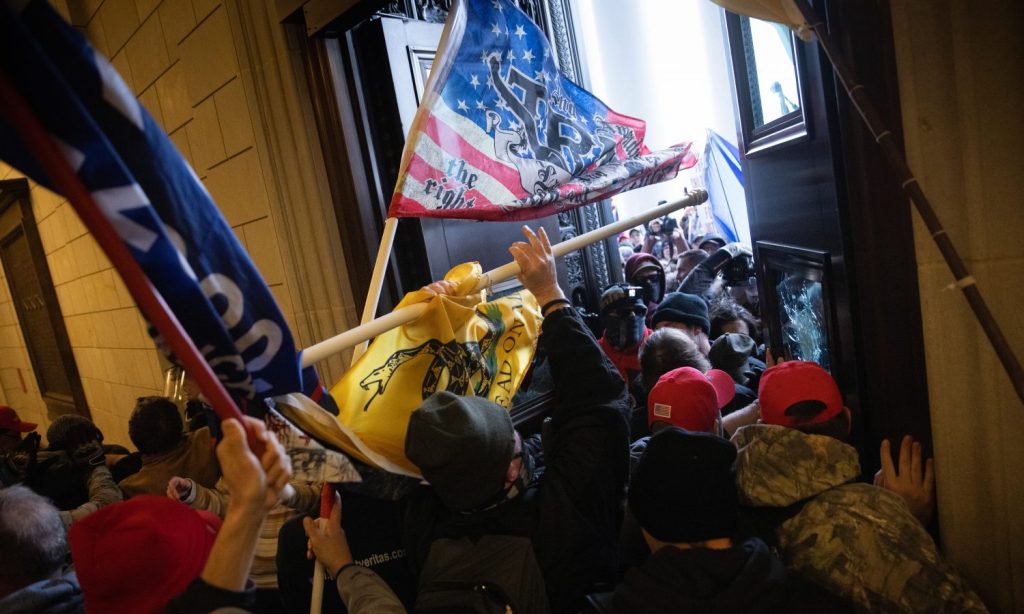
One of the most famous Sherlock Holmes mysteries was solved by the fact that a dog didn’t bark. Sometimes silence tells more than we want to know, and that is certainly the case with the January 6 insurrection.
On August 2, two more members of the Capitol Police committed suicide. It is not hard to understand their depression, especially as most of the Republicans in both chambers have defended their attackers and attacked their defenders.
The former President who cheered the mobs that attacked the police even slurred the officers who testified about the insurrection, calling them the vulgar term for the part of the female anatomy that he has bragged about liking to grab.
So where are their usual defenders? Specifically, the police unions? As The Daily Beastreported, this was the biggest, loudest cop union in America. Then came Jan. 6.
“Michael Fanone, one of the many cops who fended off rioters at the U.S. Capitol on Jan. 6, said he expected the largest police union in the country, the Fraternal Order of Police (FOP), to come out strongly in defense of him and fellow officers. The cops who stared down violent pro-Trump mobs that day have not only had to deal with their own physical and emotional injuries, but have also endured criticism from Republican lawmakers, hostile civilians, and even efforts by the former president to downplay the seriousness of the January riot. But in an interview on CNN…
“Fanone—fresh from testifying to Congress… about his experience at the Capitol—said he received no outreach from the union immediately after Jan. 6. Even though the D.C. Metro cop has been a dues-paying member of the FOP since he first became a police officer, he said, it wasn’t until six months after the riot that he spoke with FOP President Patrick Yoes to voice his concerns about a lack of support from the union.
Photo by Spencer Platt/Getty Images
“‘I’ll be honest with you,’ he told CNN, ‘I wasn’t particularly impressed with that conversation. I was extremely disappointed.’
“Among the things Fanone was visibly pissed about was what he described as the FOP’s failure to marshall institutional support on behalf of the officers who defended the Capitol. This is a group that represents over 300,000 officers across the country, and has more than 100,000 followers on social media.”
Really. As the Law and Order (former) President, and the Republican Party attack the police, the Police Unions mumbled, and the liberal Democrats defend them. Has the world been turned upside down? Or is this a part of something that has been in plain sight all along?
Last August, the New York City police union endorsed Trump for President for reelection.
Trump got only 22.6% of the votes in his hometown, even with the support of the police union during a crime wave. Of course, the police were not only ignoring the people, but they were also ignoring the fact that Trump was under investigation by the New York and Federal investigators.
And then there was the Trump University scam. On “November 18, 2016, it was reported that Trump had agreed to pay $25 million to settle the two class actions and the New York suit. The settlement was reached 10 days before the San Diego class action was scheduled to go to trial.”
So, a man who has paid millions of dollars in fines for fraud, and who is under investigation by both State and Federal investigation was endorsed by the local “law enforcement” union??
This is no hidden conspiracy. It is all happening “in plain sight.” The groups supporting Trump’s insurrection also oppose marijuana reform, medical as well as recreational, even though the American people overwhelmingly support both.
So, let’s be perfectly clear. The supporters of the insurrection are also opposed to marijuana reform. There is an alliance between the Trump insurrectionists, the police unions, and the Prohibitionist Deep State.
Here are a few ways to prevent “greening out,” and what to do if you feel some uncomfortable cannabis side effects coming on.
Those who have taken an almighty dab or eaten one too many cannabis cookies may know the dreaded feeling of “greening out.” Greening out is marijuana’s version of the more common “blacking out,” which usually references a night of overindulgence in alcohol, the ensuing mayhem, and the following morning’s amnesia. While the effects are not usually as detrimental as a blackout, spending even a few hours greened out can still be stressful.
What is Greening Out?
Greening out refers to the general symptoms of being too high. It can manifest itself as a combination of negative effects including paranoia, anxiety, nausea, dizziness, and increased heart rate. The negative experience is brought on by an overload of THC. Novice smokers are especially susceptible to greening out as their tolerance for cannabis is much lower.
Today, we are going to explore a few ways to prevent a green out from occurring, and what to do if you feel some uncomfortable cannabis side effects coming on.
Photo by Alex Moiseev via Unsplash
Ditch the Blunt Wraps
If you are trying to avoid feeling sick, then mixing substances is never a good idea. Blunt wraps are commonly made of tobacco leaves. The effects of tobacco and cannabis can often mix poorly and amplify any feelings of greening out. This is especially true for non-cigarette smokers. Blunts can also contain a large amount of cannabis which can easily lead to overconsumption.
Those who enjoy the heavy blunt smoke may benefit from tobacco-free alternatives like King Palm’s Cordia Leaf Pre-Rolled Cones. The palm leaf cones provide the same slow-burning effects of blunt wraps without the harshness of tobacco. They come in a variety of sizes to accommodate everyone in the cannabis community. And with these wraps, there’s no rolling necessary. Just pack it and you’re good to go.
Photo by Mayara Klingner/EyeEm/Getty Images
Know Your Tolerance
You can prevent the overconsumption of THC and its negative effects by knowing your tolerance. If you are an infrequent smoker, the likelihood of greening out is greatly increased. Taking even one heroic dab or giant bong rip has a high chance of causing a green out.
Setting limits ahead of time can help you monitor your intake. Give yourself a set amount of time between puffs to make sure you can handle another one.
Hydrate and Fuel Up
Dehydration can magnify the effects of greening out, so water should be used as both preventative and diagnostic care. Health experts commonly recommend the consumption of at least 8 glasses of water a day. If you aren’t hitting that mark, you may increase your chances of greening out.
Having a meal can also help prevent your bud from hitting you too hard. You know your body best, but sometimes a warm plate of your favorite comfort food can be the best medicine.
If you are already experiencing a green out episode, drinking a glass of water is sure to give you a boost in the right direction. In the same vein, giving in to the munchies and having a meal will usually ease your body.
Beware of the Edibles
Edibles have the potential to cause some of the worst green out situations. Edibles can take two or more hours to really take effect. For this reason, some people assume that the cannabis-infused cookie they ate wasn’t very strong and decide to eat another one. Then, a double-dose of effects hits at once, often rendering them immobile or asleep.
Photo by merteren/Getty Images
You can avoid this unfortunate situation by being extra cautious of edibles and the amount of THC you are consuming. When possible, edibles purchased from dispensaries are the safest to use. They have been precisely tested for THC content so you know exactly what you are consuming. Most cannabis-infused goods produced at home don’t offer this comforting knowledge, so they may be stronger than you originally intended.
CBD and Terpenes
Although not quite confirmed, many theories and anecdotal evidence point to CBD’s ability to reduce the negative effects of THC overconsumption. Puffing on strains that contain substantial amounts of both CBD and THC can help prevent greening out. The effects of cannabis seem to be at their best when all of the plant’s components are present. This phenomenon is referred to as the “entourage effect.”
Similarly, certain terpenes are known to help soothe the effects of greening out. One of these terpenes, Caryophyllene, is found in black pepper and certain strains of weed. It is noted for its herbal, woody aromas and has been found to calm cannabis-induced anxiety. If you begin feeling nauseous or anxious after smoking, eating a snack with black pepper (or even just smelling the spice) may help calm you.
Change Your Environment
Your surroundings will often play a big role in causing a green out. If you feel any negative effects coming on, you may want to change your environment. Stepping out into nature or just laying down in a quiet room can help calm your senses, especially if you were previously in a loud party environment. Likewise, breathing in some fresh air will certainly put your mind at ease (especially if you were previously sitting in a hot-boxed room).
If all else fails, just sleep it off. A nice, long nap will almost always do the trick. Be careful though, as your body may want more sleep than you are used to!
Wash It Away
If you’ve already begun to feel the effects of a green out, a steamy shower may be all you need to calm down. In a similar fashion, a cool shower will come to the aid of those who experience the sweats during a green out. Either way, you will usually come out feeling calmed and refreshed.
Marijuana provides people with relief and joy. But like any good thing, too much of it may have negative effects. Next time you’re about to embark on an epic smoke session, consider your tolerance and current hydration levels before sparking up. Take precautionary measures like avoiding tobacco, eating well, and monitoring your THC intake so you can avoid greening out.
There are several COVID-19 strains in circulation. Here’s what they all mean and why you shouldn’t freak out too much about them.
It’s starting to feel like with every passing day there’s a new COVID-19 variant. It’s not fun, but it’s not all bad news, either; no matter the variant, there are functioning vaccines in circulation. And while there’s more and more cases of breakthrough COVID-19, they remain the most efficient way of protecting yourself against the virus.
As of this writing, the Delta Plus variant is the one that’s got the internet the most freaked out about. Then the Lambda variant popped up, and people freaked out over that too. While we’ve been busy discussing the Delta variant over the last couple of weeks, COVID-19 is gonna COVID-19, and keep evolving until the Greek alphabet runs out of letters. What is the difference between these variants? When are they going to stop popping up?
There are key differences between each variant that, while interesting on a molecular level, are difficult to spot in real life. When it comes to when these variants are going to stop appearing, they likely won’t. We can expect new variants to come out as long as vaccination rates are low on a global scale. The virus will mutate and become stronger as long as it has a warm body to infect and people continue to remain unvaccinated, travel and contaminate other people. Here’s a simple breakdown of these three variants:
Delta is quickly becoming the dominant COVID-19 strain all over the world. If you get COVID-19 in the U.S., it’s very likely for it to be the Delta variant. It’s a dangerous variant because it’s more contagious than the original version of COVID-19. For now, people should be vaccinated and should mask up when entering crowded indoor spaces or hanging out with people that are unvaccinated.
Delta plus
Photo by Edmond Dantès via Pexels
The Delta plus variant is really the Delta variant with a little mutation. It’s a small change but a bad one since it makes the virus harder for our immune system to track and shut down. Still, you shouldn’t freak out since mutations are likely to pop up yet it’s unknown whether they’ll stay around or not.
Dr. Daniel Rhoads explained to USA Today why you shouldn’t be concerned but why it’s important to advocate for vaccines. “The virus mutates more or less randomly, and most mutations are detrimental to the virus and actually make it less effective,” he said. “But the more times you give the virus a chance to roll the dice, the more opportunities it has to get it right.”
The Lambda variant is not as dangerous as the Delta variant, at least for now, but it’s been picking up speed over the past couple of days. Still, you shouldn’t worry too much about it. The one concerning bit of evidence that appeared is that the Chinese vaccine, called Sinovac, isn’t as effective on this version of the virus. But then again, the Sinovac vaccine has shown to be less effective in a variety of COVID-19 strains when compared to the other shots that are available.