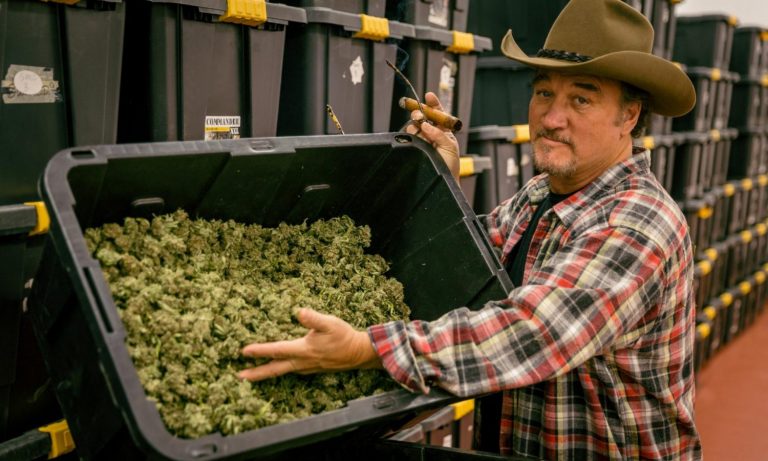
Jim Belushi first ventured into the cannabis industry as a legal cannabis farmer with a 48-plant crop in 2015.
Nowadays, the “According to Jim” star runs the 93 acres Belushi’s Farm in southern Oregon, which is featured in the three-part Discovery series “Growing Belushi.”
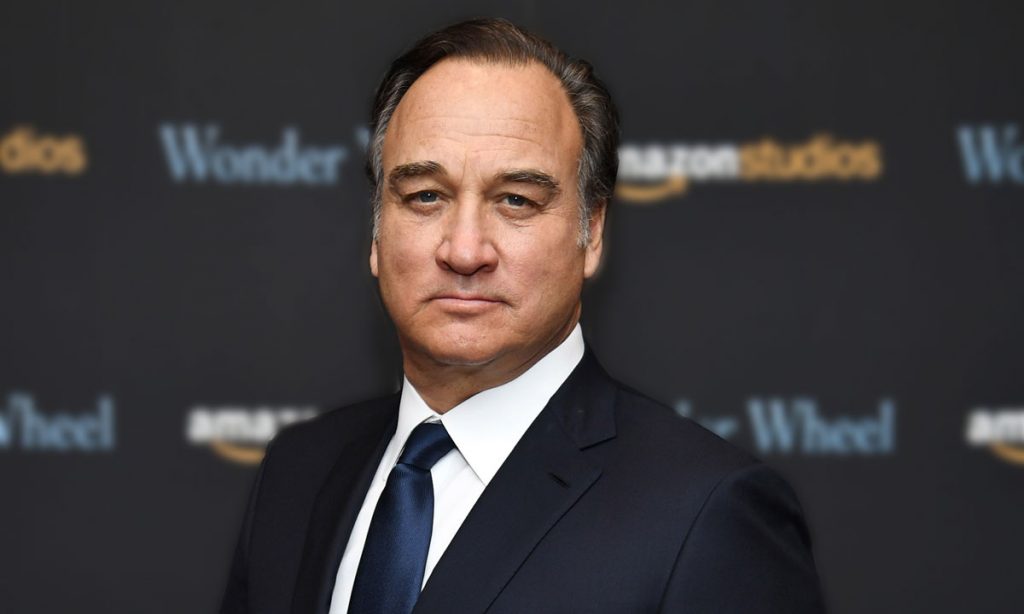
Photo by Dimitrios Kambouris/Staff/Getty Images
The series, which premiered on Wednesday, August 19, chronicles Belushi’s life on his cannabis farm.
The actor has also teamed up with Grassroots Cannabis to launch Blues Brothers x Grassroots featuring Bubba Diagonal strain — sold exclusively at the dispensary in Skokie.
Belushi told Benzinga his mission in the cannabis business is “to break even — because the purpose, the power of this plant, serves the greater good.”
He hopes that “Growing Belushi” would change the perspective of how the public sees the cannabis businesses.
The cannabis farmer is a fierce advocate for the medical benefits of cannabis, due to losing his brother — “Animal House” star and original Saturday Night Live cast member John Belushi — to an overdose.
“I believe everybody, regardless of political affiliation, has health, trauma, and family in common,” he continued, adding that “magic in this plant can support and help all three.”
And while Belushi’s long-term game plan for the farm is modest, and includes getting rid of “all the digger squirrels, aphids, russet mites, and the grasshoppers,” the actor pointed out that it is a “lifelong battle as a farmer.”
“I feel like Elmer Fudd and Billy Murray in Caddyshack,” concluded Belushi.
Before you plan your next trip abroad, here are some countries with strict laws regarding weed that you should be aware of.
Perspectives regarding cannabis are changing on a yearly basis, with new countries legalizing or decriminalizing the plant. Large regions of North America, South America, Africa, Australia, and Europe have decriminalized or allowed for the recreational or medical use of marijuana. While much progress has been done, there’s still a lot of work to be done. Many countries remain distrustful of marijuana and can punish people with jail for simple things, like possession.
Whether you’re planning a trip there or are simply curious about other countries’ stance on cannabis, here are 5 countries with tough marijuana laws.
Japan
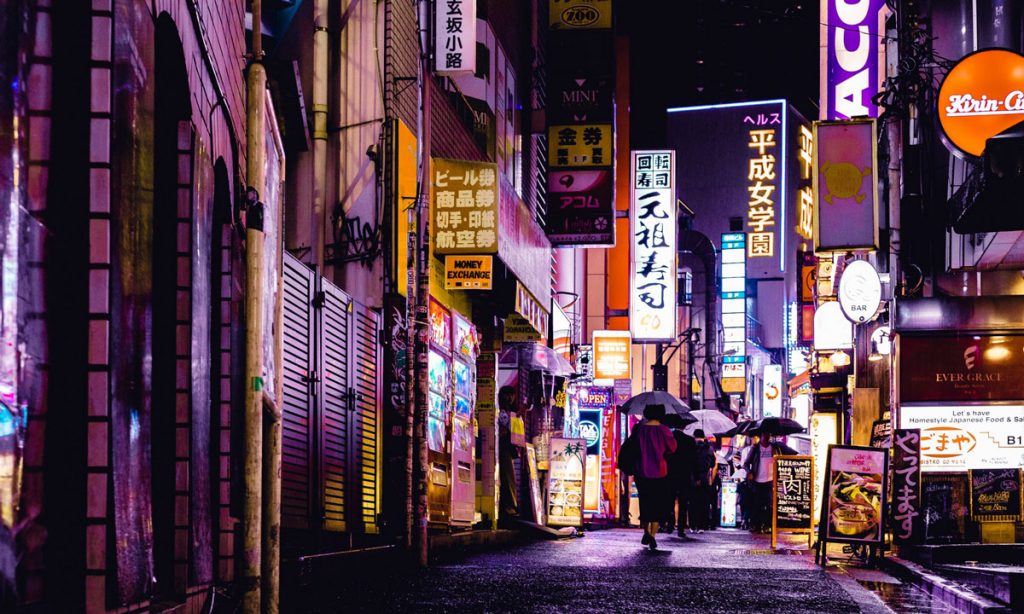
Photo by Aleksandar Pasaric via Pexels
It’s still illegal to possess cannabis in Japan. Use and possession are penalized by up to 5 years in prison and a fine. When it comes to the plant’s cultivation, sale, and transportation, the offense is punishable by 7 to 10 years. While CBD is permitted, Japan’s strict cannabis laws prevent advocates from banding together and finding solutions that may legalize or decriminalize the drug in the future.
Turkey has a strict drug policy where almost all drugs are considered illegal. Enabling the sale of drugs, selling them, or using them for personal use are all considered acts of crimes and can be punished in jail for 2 to 5 years.
El Salvador
Photo by Alejandro Alas via Unsplash
Recreational and medical marijuana is illegal in El Salvador, mainly due to the fact that it’s one of the most conservative countries in South America. The country also has a charged history with drug trafficking, which can taint the perspectives of local people. While there have been several decriminalization initiatives in the past, the support for cannabis reform remains very low.
While Saudi Arabia is more lenient with visitors, the country is still pretty strict with its drug policies. In the country, drug offenses are considered an offense to God. Cannabis use and distribution could result in imprisonment from a couple of months up to 10 years depending on the level of offense and whether or not it’s the person’s first time getting caught.
Philippines
Photo by Louise Burton via Unsplash
The Philippines have cannabis listed as a dangerous drug. That means that consuming, growing, selling or simply having it may result in prison and a fine. The law is explicit about banning all forms of cannabis, making the Philippines one of the toughest countries when it comes to cannabis laws.
If you are traveling, you might want to avoid these 5 countries with tough marijuana laws.
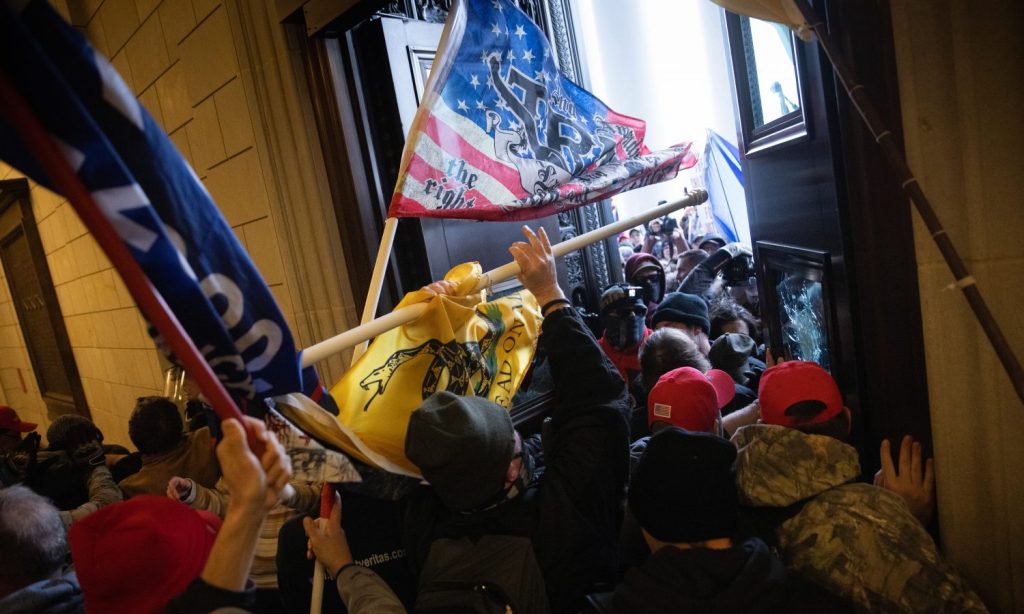
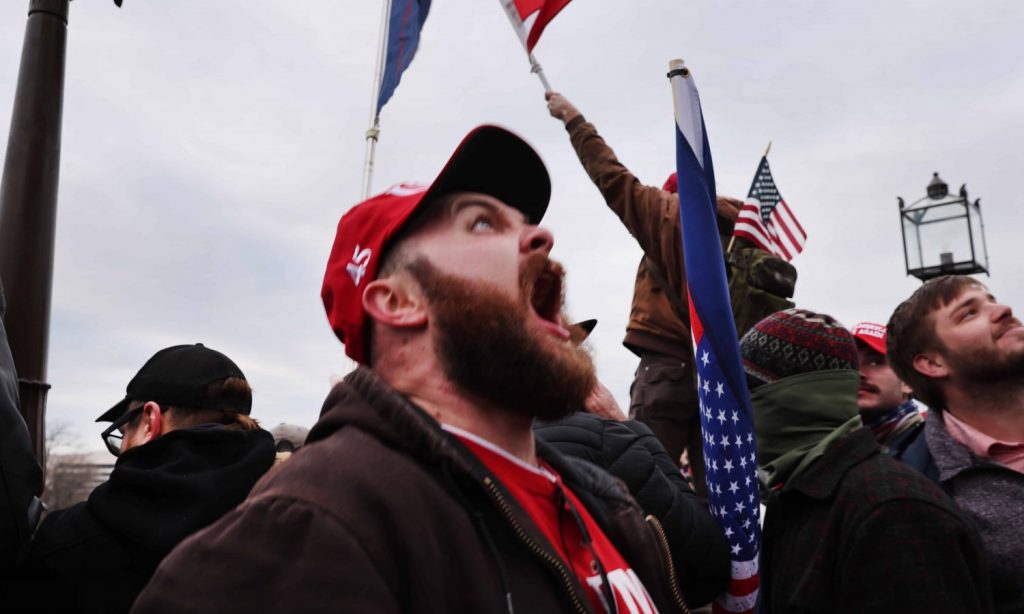
There is an alliance between the Trump insurrectionists, the police unions, and the Prohibitionist Deep State.
Disclaimer:The views expressed in this article solely belong to the author and do not necessarily represent those of The Fresh Toast.
One of the most famous Sherlock Holmes mysteries was solved by the fact that a dog didn’t bark. Sometimes silence tells more than we want to know, and that is certainly the case with the January 6 insurrection.
On August 2, two more members of the Capitol Police committed suicide. It is not hard to understand their depression, especially as most of the Republicans in both chambers have defended their attackers and attacked their defenders.
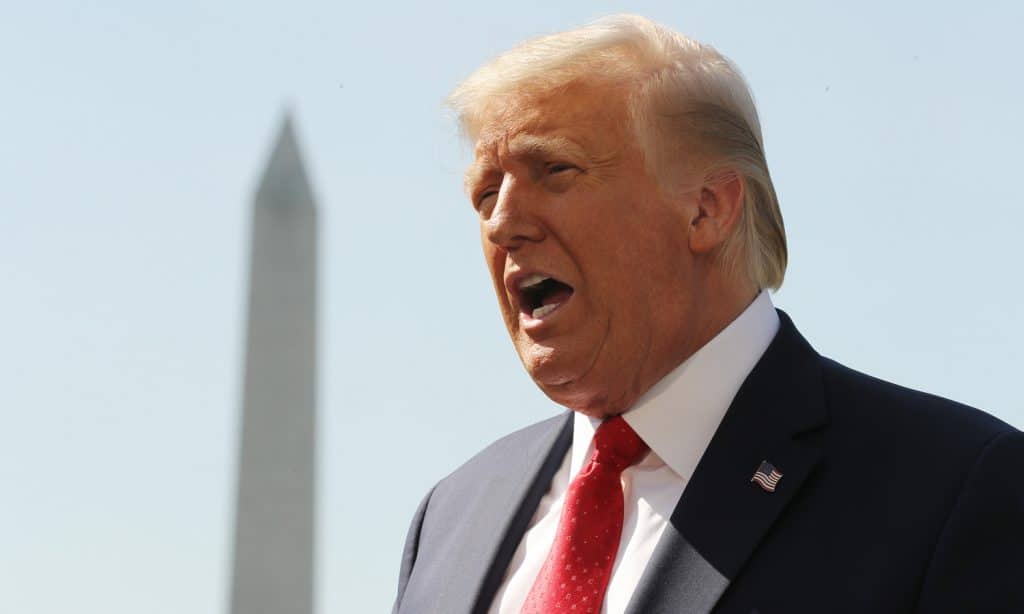
The former President who cheered the mobs that attacked the police even slurred the officers who testified about the insurrection, calling them the vulgar term for the part of the female anatomy that he has bragged about liking to grab.
So where are their usual defenders? Specifically, the police unions? As The Daily Beastreported, this was the biggest, loudest cop union in America. Then came Jan. 6.
“Michael Fanone, one of the many cops who fended off rioters at the U.S. Capitol on Jan. 6, said he expected the largest police union in the country, the Fraternal Order of Police (FOP), to come out strongly in defense of him and fellow officers. The cops who stared down violent pro-Trump mobs that day have not only had to deal with their own physical and emotional injuries, but have also endured criticism from Republican lawmakers, hostile civilians, and even efforts by the former president to downplay the seriousness of the January riot. But in an interview on CNN…
“Fanone—fresh from testifying to Congress… about his experience at the Capitol—said he received no outreach from the union immediately after Jan. 6. Even though the D.C. Metro cop has been a dues-paying member of the FOP since he first became a police officer, he said, it wasn’t until six months after the riot that he spoke with FOP President Patrick Yoes to voice his concerns about a lack of support from the union.
Photo by Spencer Platt/Getty Images
“‘I’ll be honest with you,’ he told CNN, ‘I wasn’t particularly impressed with that conversation. I was extremely disappointed.’
“Among the things Fanone was visibly pissed about was what he described as the FOP’s failure to marshall institutional support on behalf of the officers who defended the Capitol. This is a group that represents over 300,000 officers across the country, and has more than 100,000 followers on social media.”
Really. As the Law and Order (former) President, and the Republican Party attack the police, the Police Unions mumbled, and the liberal Democrats defend them. Has the world been turned upside down? Or is this a part of something that has been in plain sight all along?
Last August, the New York City police union endorsed Trump for President for reelection.
Trump got only 22.6% of the votes in his hometown, even with the support of the police union during a crime wave. Of course, the police were not only ignoring the people, but they were also ignoring the fact that Trump was under investigation by the New York and Federal investigators.
And then there was the Trump University scam. On “November 18, 2016, it was reported that Trump had agreed to pay $25 million to settle the two class actions and the New York suit. The settlement was reached 10 days before the San Diego class action was scheduled to go to trial.”
So, a man who has paid millions of dollars in fines for fraud, and who is under investigation by both State and Federal investigation was endorsed by the local “law enforcement” union??
This is no hidden conspiracy. It is all happening “in plain sight.” The groups supporting Trump’s insurrection also oppose marijuana reform, medical as well as recreational, even though the American people overwhelmingly support both.
So, let’s be perfectly clear. The supporters of the insurrection are also opposed to marijuana reform. There is an alliance between the Trump insurrectionists, the police unions, and the Prohibitionist Deep State.
Here are a few ways to prevent “greening out,” and what to do if you feel some uncomfortable cannabis side effects coming on.
Those who have taken an almighty dab or eaten one too many cannabis cookies may know the dreaded feeling of “greening out.” Greening out is marijuana’s version of the more common “blacking out,” which usually references a night of overindulgence in alcohol, the ensuing mayhem, and the following morning’s amnesia. While the effects are not usually as detrimental as a blackout, spending even a few hours greened out can still be stressful.
What is Greening Out?
Greening out refers to the general symptoms of being too high. It can manifest itself as a combination of negative effects including paranoia, anxiety, nausea, dizziness, and increased heart rate. The negative experience is brought on by an overload of THC. Novice smokers are especially susceptible to greening out as their tolerance for cannabis is much lower.
Today, we are going to explore a few ways to prevent a green out from occurring, and what to do if you feel some uncomfortable cannabis side effects coming on.
Photo by Alex Moiseev via Unsplash
Ditch the Blunt Wraps
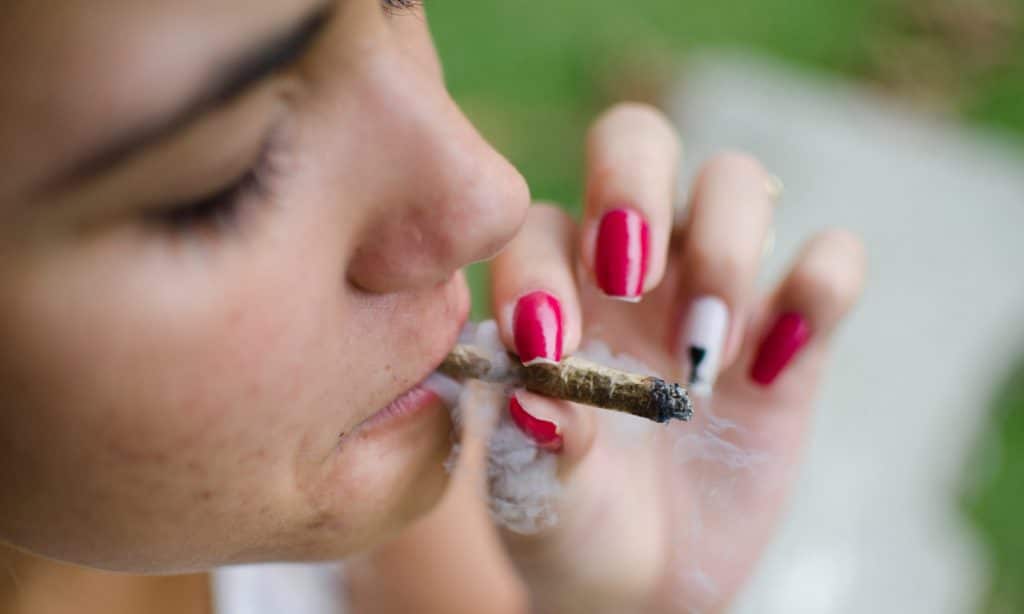
If you are trying to avoid feeling sick, then mixing substances is never a good idea. Blunt wraps are commonly made of tobacco leaves. The effects of tobacco and cannabis can often mix poorly and amplify any feelings of greening out. This is especially true for non-cigarette smokers. Blunts can also contain a large amount of cannabis which can easily lead to overconsumption.
Those who enjoy the heavy blunt smoke may benefit from tobacco-free alternatives like King Palm’s Cordia Leaf Pre-Rolled Cones. The palm leaf cones provide the same slow-burning effects of blunt wraps without the harshness of tobacco. They come in a variety of sizes to accommodate everyone in the cannabis community. And with these wraps, there’s no rolling necessary. Just pack it and you’re good to go.
Photo by Mayara Klingner/EyeEm/Getty Images
Know Your Tolerance
You can prevent the overconsumption of THC and its negative effects by knowing your tolerance. If you are an infrequent smoker, the likelihood of greening out is greatly increased. Taking even one heroic dab or giant bong rip has a high chance of causing a green out.
Setting limits ahead of time can help you monitor your intake. Give yourself a set amount of time between puffs to make sure you can handle another one.
Hydrate and Fuel Up
Dehydration can magnify the effects of greening out, so water should be used as both preventative and diagnostic care. Health experts commonly recommend the consumption of at least 8 glasses of water a day. If you aren’t hitting that mark, you may increase your chances of greening out.
Having a meal can also help prevent your bud from hitting you too hard. You know your body best, but sometimes a warm plate of your favorite comfort food can be the best medicine.
If you are already experiencing a green out episode, drinking a glass of water is sure to give you a boost in the right direction. In the same vein, giving in to the munchies and having a meal will usually ease your body.
Beware of the Edibles
Edibles have the potential to cause some of the worst green out situations. Edibles can take two or more hours to really take effect. For this reason, some people assume that the cannabis-infused cookie they ate wasn’t very strong and decide to eat another one. Then, a double-dose of effects hits at once, often rendering them immobile or asleep.
Photo by merteren/Getty Images
You can avoid this unfortunate situation by being extra cautious of edibles and the amount of THC you are consuming. When possible, edibles purchased from dispensaries are the safest to use. They have been precisely tested for THC content so you know exactly what you are consuming. Most cannabis-infused goods produced at home don’t offer this comforting knowledge, so they may be stronger than you originally intended.
CBD and Terpenes
Although not quite confirmed, many theories and anecdotal evidence point to CBD’s ability to reduce the negative effects of THC overconsumption. Puffing on strains that contain substantial amounts of both CBD and THC can help prevent greening out. The effects of cannabis seem to be at their best when all of the plant’s components are present. This phenomenon is referred to as the “entourage effect.”
Similarly, certain terpenes are known to help soothe the effects of greening out. One of these terpenes, Caryophyllene, is found in black pepper and certain strains of weed. It is noted for its herbal, woody aromas and has been found to calm cannabis-induced anxiety. If you begin feeling nauseous or anxious after smoking, eating a snack with black pepper (or even just smelling the spice) may help calm you.
Change Your Environment
Your surroundings will often play a big role in causing a green out. If you feel any negative effects coming on, you may want to change your environment. Stepping out into nature or just laying down in a quiet room can help calm your senses, especially if you were previously in a loud party environment. Likewise, breathing in some fresh air will certainly put your mind at ease (especially if you were previously sitting in a hot-boxed room).
If all else fails, just sleep it off. A nice, long nap will almost always do the trick. Be careful though, as your body may want more sleep than you are used to!
Wash It Away
If you’ve already begun to feel the effects of a green out, a steamy shower may be all you need to calm down. In a similar fashion, a cool shower will come to the aid of those who experience the sweats during a green out. Either way, you will usually come out feeling calmed and refreshed.
Marijuana provides people with relief and joy. But like any good thing, too much of it may have negative effects. Next time you’re about to embark on an epic smoke session, consider your tolerance and current hydration levels before sparking up. Take precautionary measures like avoiding tobacco, eating well, and monitoring your THC intake so you can avoid greening out.
There are several COVID-19 strains in circulation. Here’s what they all mean and why you shouldn’t freak out too much about them.
It’s starting to feel like with every passing day there’s a new COVID-19 variant. It’s not fun, but it’s not all bad news, either; no matter the variant, there are functioning vaccines in circulation. And while there’s more and more cases of breakthrough COVID-19, they remain the most efficient way of protecting yourself against the virus.
As of this writing, the Delta Plus variant is the one that’s got the internet the most freaked out about. Then the Lambda variant popped up, and people freaked out over that too. While we’ve been busy discussing the Delta variant over the last couple of weeks, COVID-19 is gonna COVID-19, and keep evolving until the Greek alphabet runs out of letters. What is the difference between these variants? When are they going to stop popping up?
There are key differences between each variant that, while interesting on a molecular level, are difficult to spot in real life. When it comes to when these variants are going to stop appearing, they likely won’t. We can expect new variants to come out as long as vaccination rates are low on a global scale. The virus will mutate and become stronger as long as it has a warm body to infect and people continue to remain unvaccinated, travel and contaminate other people. Here’s a simple breakdown of these three variants:
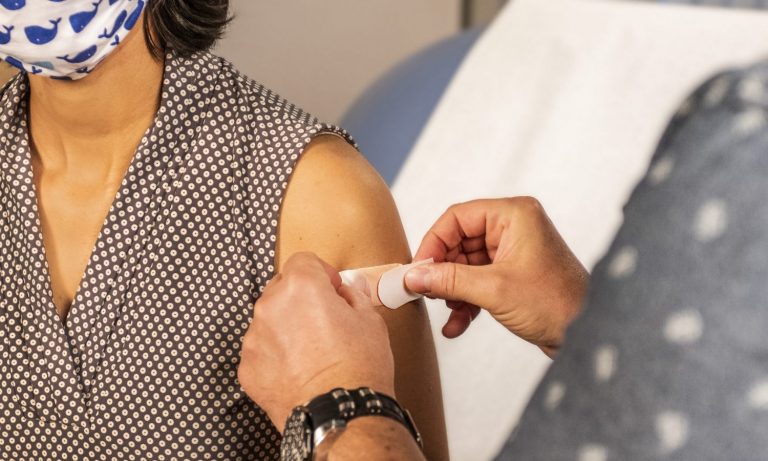
Delta is quickly becoming the dominant COVID-19 strain all over the world. If you get COVID-19 in the U.S., it’s very likely for it to be the Delta variant. It’s a dangerous variant because it’s more contagious than the original version of COVID-19. For now, people should be vaccinated and should mask up when entering crowded indoor spaces or hanging out with people that are unvaccinated.
Delta plus
Photo by Edmond Dantès via Pexels
The Delta plus variant is really the Delta variant with a little mutation. It’s a small change but a bad one since it makes the virus harder for our immune system to track and shut down. Still, you shouldn’t freak out since mutations are likely to pop up yet it’s unknown whether they’ll stay around or not.
Dr. Daniel Rhoads explained to USA Today why you shouldn’t be concerned but why it’s important to advocate for vaccines. “The virus mutates more or less randomly, and most mutations are detrimental to the virus and actually make it less effective,” he said. “But the more times you give the virus a chance to roll the dice, the more opportunities it has to get it right.”
The Lambda variant is not as dangerous as the Delta variant, at least for now, but it’s been picking up speed over the past couple of days. Still, you shouldn’t worry too much about it. The one concerning bit of evidence that appeared is that the Chinese vaccine, called Sinovac, isn’t as effective on this version of the virus. But then again, the Sinovac vaccine has shown to be less effective in a variety of COVID-19 strains when compared to the other shots that are available.
Being tired all day is very common, and even expected. If this explains you, here are a few things that could be causing this.
We all go through moments in life where we’re feeling too exhausted and zapped of energy. Feeling tired is one of the most common feelings people report no matter their age. About one-third of people report experiencing it on a regular basis. But tired all the time? Here’s what might be happening?
Sleep problems affect a large percentage of people and have a significant impact on our health. These issues can be difficult to treat, perhaps because they’re a reflection of our overall lifestyle. Sleep can be affected by stress, diet, and level of activity. In order to improve it, go from the ground up, analyzing the different factors that might be unbalanced and result in sleep problems.
Here are 4 factors that might be contributing to your tiredness:
You’re not getting enough sleep
Photo by Andrea Piacquadio from Pexels
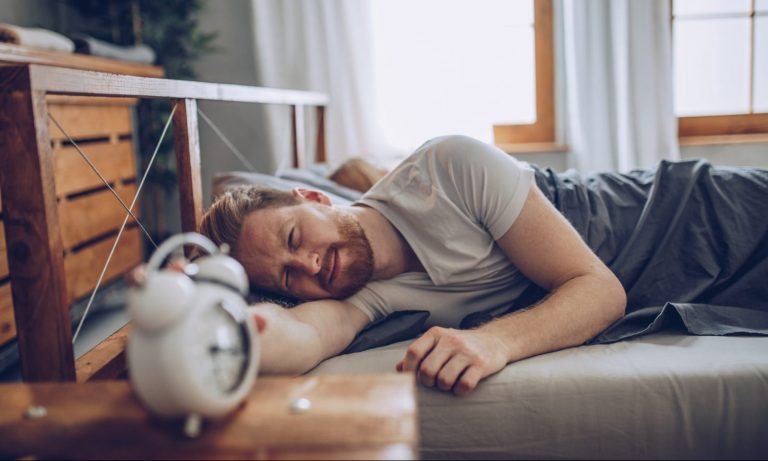
While obvious, sometimes the reason why you’re tired is that you’re not getting enough sleep. A lot of people prioritize other things over sleep, getting less than seven or eight hours a night. Though sometimes it’s not an option to get the recommended allotment of sleep, you should try your best to develop a healthy and functioning bedtime routine, one where you go to bed at relatively the same time every night, allowing for high-quality sleep. This results in a restful feeling the next morning and only occurs when you sleep for long periods of time uninterrupted.
What you eat and drink can impact your sleep and whether you feel active or not. People with certain allergies to foods might feel more tired than normal or experience headaches and other symptoms that make them feel lethargic. Consuming too many energy drinks could also backfire and make you feel tired over the long run. They help you feel a quick sharp burst of energy but once the caffeine or sugar wears off, a rebound effect is likely to appear.
Your life might be too sedentary
Photo by rawpixel.com
As odd as it seems, a sedentary lifestyle could increase your levels of exhaustion and make your tired all the time. Luckily, small changes in your daily life can impact your activity levels for the better. Taking the stairs instead of taking the elevator, and adding a daily walk can make you feel more energized and like you’re stronger and healthier.
Chronic stress can impact a lot of aspects of your life, including your levels of energy. A study conducted on college students showed that, as a defense mechanism, participant’s bodies experienced exhaustion when experiencing a lot of stress. There’s no direct way to fix stress, but learning coping mechanisms to deal with it could result in less exhaustion in the long run.
Hot weather can make an outdoor workout uncomfortable very quickly. Here’s how to make the most out of these sweaty days.
This June was the hottest on record, something that outdoor runners struggled with all month. While global warming is terrifying, for the time being, you can still workout outside as long as you’re prepared for it.
If you’ve been running outdoors for some time, you know that there’s a huge difference in performance depending on the hour of your run. This is due to the time of the day, and the heat. For example, on a hot summer day, it’s best to workout in the early morning or in the evening, that way you avoid the sun’s prime time.
According to the review, during these hot days, the best option is to run in the early morning. They explain that urban locations have concrete buildings, which soak up the sun throughout the day and may make late in the day runs hotter than expected.
Slowly acclimate
Photo by Jad Limcaco via Unsplash
In order to acclimatize to the weather successfully, the process must be gradual. Head out for your run earlier than usual, with your water bottle, and complete your a shorter and gentler version of your workout. Check your heart rate and your level of heat and continue to do this until you feel like you’re feeling back to normal.
An icy drink beforehand, like a slushie or a smoothie, might make your workout more pleasant. According to the researchers, you should aim to drink 16 ounces of cold fluid 20 minutes before you go out for your run.
Know the signs of overheating
Photo by Kate Trifo via Unsplash
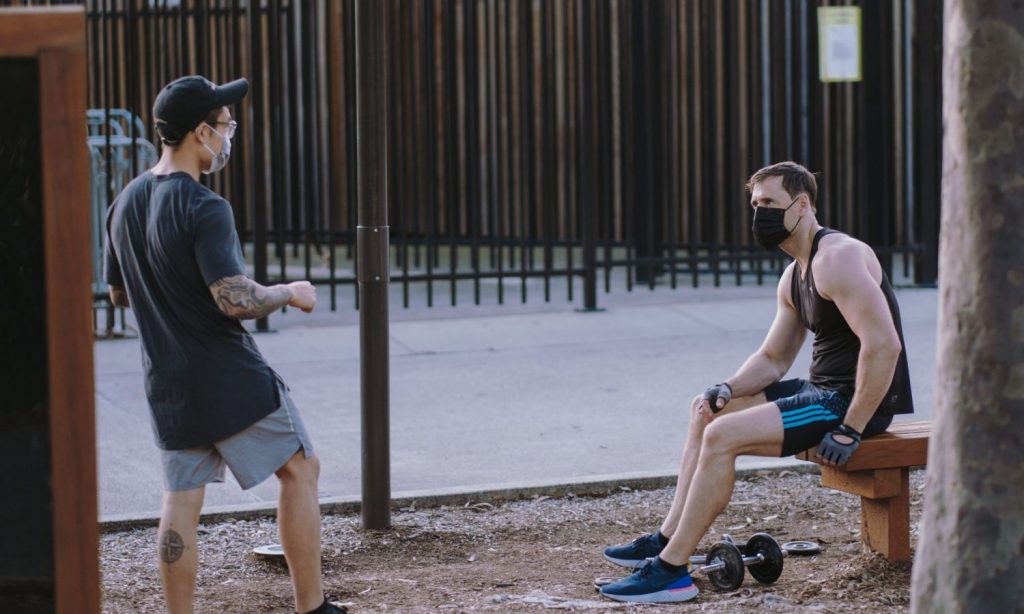
Lastly, it’s very important to recognize the signs of overheating. Pause periodically to check for feelings of nausea, dizziness or cramps, since these could point to heat illness. If you feel any of these symptoms, stop your workout and look for a shady place where you can rest. When in these instances of extreme weather, researchers advice working out with a partner, which helps keep each other safe.
Towns and villages should consider the very real possibility that, by opting out, they are forever depriving themselves of a cannabis tax dividend that could help pay for parks, schools and local infrastructure.
Adult-use cannabis regimes throughout the country vary in the amount of local control they confer. In New York, power will largely reside in Albany. Under the Marijuana Regulation and Taxation Act (the “MRTA”), the Governor, the Assembly, and the Senate will appoint the Cannabis Control Board (the “CCB”) which (in coordination with the Office of Cannabis Management) will issue regulations, award licenses, and exercise oversight over the state’s cannabis program.
However, the MRTA left some of the authority to the municipalities. Between now and December 31, 2021, cities, towns, and villages can elect to “opt-out” of the MRTA. This means they can prohibit the establishment of retail dispensaries and on-site consumption lounges within their borders. Municipalities that fail to “opt-out” by December 31, 2021, will seal their participation in the MRTA’s licensing scheme indefinitely.
Photo by Kevork Djansezian/Getty Images
While it is still too early to say for sure which way the local political winds are blowing, many towns in Westchester and Long Island have already declared their sworn opposition to the “Devil’s Lettuce,” banning both dispensaries and consumption lounges from their communities. Others are taking a “wait and see approach”. Elsewhere, the voters themselves will decide through a permissive referendum, either because town supervisors are eager to avoid political backlash, or because aggrieved constituents have called a vote to overrule their elected officials.
The choices made by these towns over the next six months will reverberate for years to come. The MRTA allots 3% of all the revenue generated by dispensaries and consumption lounges to the municipalities they inhabit, so towns and villages that opt out will forfeit a reliable source of tax revenue. But that’s not all. Counties will collect an additional 1% levy from all retail facilities within their confines and then re-distribute it to participating municipalities in proportion to their total share of the adult-use program. Because even a modestly successful cannabis dispensary can realize millions of dollars annually, the adult-program offers local governments a potentially prolific source of local tax revenue.
The MRTA does permit municipalities that opt-out now to opt back in later, and this has led some towns to withdraw now with the expectation of re-entering at a later date. But opting in later on may not entitle a municipality to the financial benefits available today, including because (i) the CCB may not license any more cannabis businesses after it concludes its inaugural round in 2022, and (ii) licensed cannabis businesses that have ensconced themselves in hospitable communities are unlikely to re-locate.
Accordingly, towns and villages should consider the very real possibility that, by opting out, they are forever depriving themselves of a cannabis tax dividend that could help pay for parks, schools and local infrastructure. They’re also making life harder for their cannabis consuming citizens and providing an unintended boon to the illicit market.
Given the stakes for both towns and their citizens, we can only hope that reason will prevail, and towns opt in to the MRTA.
(For more information contact Matt@dfmklaw.com and Julia@dfmklaw.com.)
This article originally appeared in Feuerstein Kulick’s monthly cannabis newsletter, The Leaflet, which you can subscribe to here. For more information you can contact Rich at rich@dfmklaw.com or (201) 410-4737, or email The Leaflet at theleaflet@dfmklaw.com.
It probably won’t pass, but it may be a harbinger of the bill that finally does. And it raises some fascinating questions for the future of cannabis in the U.S.
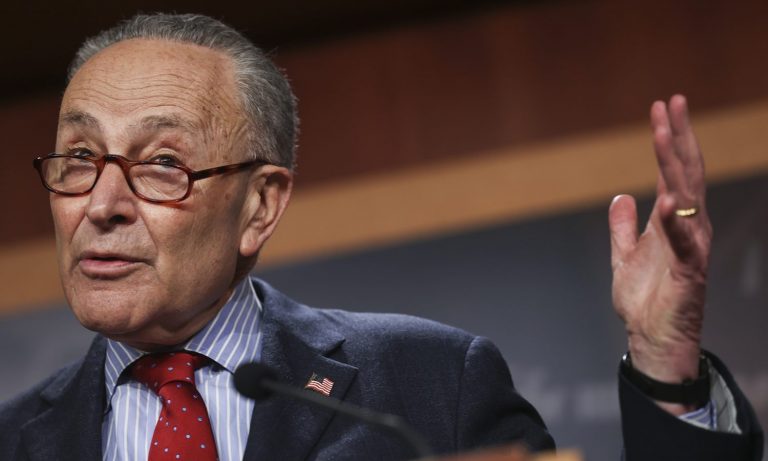
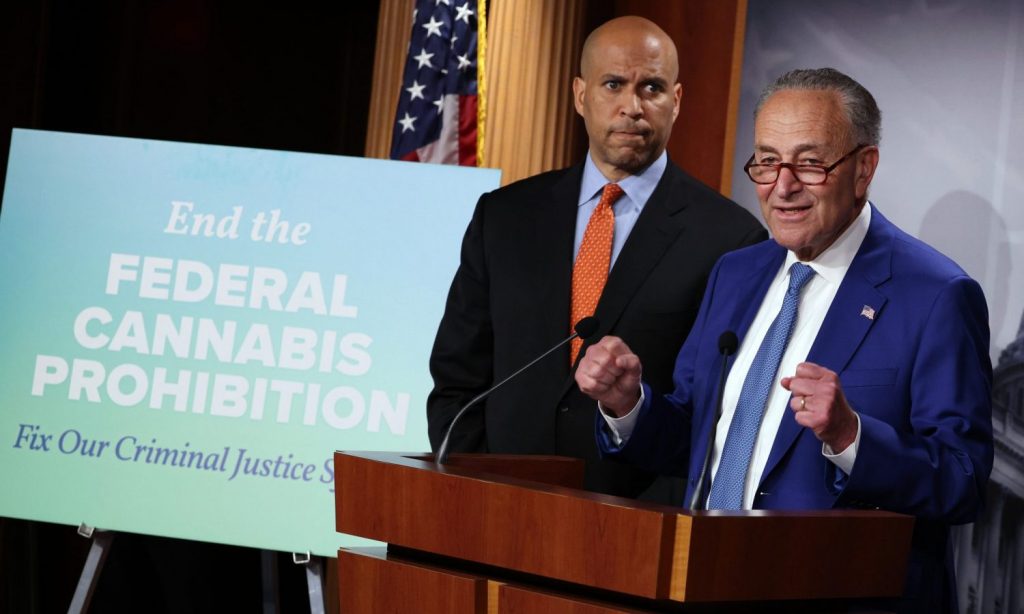
They finally did it! Senate Democrats — specifically, Majority Leader Schumer and Senators Cory Booker and Ron Wyden — finally released the much-anticipated cannabis reform bill previously known only as the “Schumer Bill”. Its official name, the Cannabis Administration & Opportunity Act or (if you’re a fan of acronyms the CAOA), is terrible (at best). How do you even pronounce “CAOA”? But what about the policies, you ask?
Before we dive into the weeds (get it?), we should take a minute to put the CAOA into political context. Few, if any, Capitol Hill observers expect the bill to pass as written. If you’ve been reading The Leaflet’s coverage of the ongoing cannabis saga on Capitol Hill, you’ll know that the CAOA was destined to be DOA — dead on arrival. The lack of response from the Biden Administration also speaks volumes, as the President seems unwilling to spend his political capital in support of the bill.
So, what is the cannabis industry to make of the CAOA? It probably won’t pass, but it may be a harbinger of the bill that finally does. And it raises some fascinating questions for the future of cannabis in the U.S.
Photo by Kevin Dietsch / Getty Images
Will Cannabis go Interstate and When?
You’ve likely heard of the “first mover” advantage — the theory that the first company to provide a new service or product gains an advantage over the competitors that come later. But because of the constantly shifting nature of the cannabis industry over the last decade, the companies that come first sometimes end up having a first mover disadvantage.
Because of its illegality under federal law, the cannabis industry has developed along state (not national) lines. If you have a cannabis dispensary in your town, the products sold there are made from cannabis grown and processed in your state. While a winemaker can grow its grapes in California, process them in Nevada and sell its wine in New York, state and federal laws prevent cannabis companies from doing the same. Thus, whenever an MSO sets up shop in a newly legal cannabis market (like New York or New Jersey), it has to build the infrastructure to sustain the business in that state. That requires an enormous amount of investment capital.
So, what happens to all that investment (and all the jobs that go with it) if interstate cannabis commerce is suddenly legal? Newcomers to the industry could set up a single cultivation facility in California (or another state with ideal conditions for growing cannabis) and produce enough product to supply dispensaries throughout the country. (For example, Anheuser-Busch has only 12 breweries that make all the Anheuser-Busch beer consumed in the U.S.) In other words, full-on interstate commerce in cannabis could render many of the cultivation facilities obsolete.
Which brings us back to the CAOA. Section 111 of the CAOA would prohibit states from banning interstate transport of cannabis through its borders for lawful delivery in another state (hello Dormant Commerce Clause). In other words, it gives interstate cannabis commerce the greenlight, and could cause an enormous disruption to the industry — unless it’s modified to phase in interstate commerce over time.
Photo by RODNAE Productions from Pexels
Which is why many industry observers expect there to be some modifications to this provision because (i) states with existing state-legal cannabis industries will want to protect the jobs created within their borders, and (ii) full-on interstate commerce would likely be counterproductive to the CAOA’s social equity goals, as smaller operators could be overwhelmed by large, out of state competitors.
What Does FDA Involvement Mean for Cannabis?
Section 101 of CAOA would de-schedule cannabis and transfer agency jurisdiction to the FDA. What would FDA involvement mean for the future (and present) of cannabis? The proponents of the CAOA offer no clear answer.
The bill makes reference to the preservation of state “primacy”, but the FDA has its own standards for the approval of food and drugs, and heavily regulates the manufacturing, labeling and sale of the products that fall within its jurisdiction. Industry observers may recall the chilling effect that the FDA’s regulatory process had on what everyone assumed would be a robust CBD industry.
In the 2018 Farm Bill, Congress de-scheduled CBD and gave farmers the green light to cultivate and sell hemp and CBD across the country. And while businesses were ready to put CBD into everything from Ben & Jerry’s to Coca Cola, the FDA’s excruciatingly long and opaque regulatory process ground the once promising industry to a screeching halt. Whether the FDA will make the same mistake with cannabis remains to be seen.
Will the Federal Government Listen?
All of this leads to one big meta-question more important than any other: Will the federal government listen? In the summary of the CAOA released with the bill, its sponsors request “comments from stakeholders and members of the public.”
But the CAOA raises a multitude of thorny questions, many of which will require thoughtful policy solutions. Will the proponents of the CAOA (whose hearts seem to be in the right place) actually accept comments (and not ignore them)? Time will tell. But let’s hope they do, because it’s the only way to enact a cannabis reform bill that strikes a balance between liberating the industry and smothering it.
(For more information contact Mitch@dfmklaw.com and Justin@dfmklaw.com.)
This article originally appeared in Feuerstein Kulick’s monthly cannabis newsletter, The Leaflet, which you can subscribe to here. For more information you can contact Rich at rich@dfmklaw.com or (201) 410-4737, or email The Leaflet at theleaflet@dfmklaw.com.
The real risk associated with marijuana continues to be in the policies supporting its prohibition.
The cannabis industry is moving across the United States with the power of a Mack Truck screaming down the highway, plumes of smoke wafting out the windows, and a sign on the back that reads, “red-eye express.” The business of growing and selling weed has matured into a multi-billion-dollar operation, despite not having any support from the federal government, and around 70% of the population thinks the business should be taxed and regulated like alcohol and tobacco.
Nevertheless, naysayers of the nug are worried that borderline apocalyptic times are coming from increased efforts to legalize the leaf. More than that, they can’t understand why the country is willing to listen to federal health agencies concerning COVID-related issues while discounting the evidence against marijuana.
Photo by Christina Winter via Unsplash
“At a time when millions of Americans are turning to the CDC and the NIH for advice on COVID-19, the health warnings about marijuana from these very same institutions are being ignored in favor of claims delivered by pot profiteers,” wrote Kevin Sabet, president of the anti-drug organization Smart Approaches to Marijuana (SAM) in a column for Newsweek. “Why the double standard?”
The biggest gripe Sabet has is the popular notion that marijuana isn’t a gateway drug. He believes pot supporters have the wrong idea about the ‘gateway theory.” It’s not necessarily a concept that ensures a person who uses marijuana today will shoot heroin tomorrow. It’s just that, true to the gateway name, it opens the door to the possibility. “The truth is simply that people who use drugs do not normally use just one,” Sabet wrote, pointing to a prominent study in the journal Addiction that finds marijuana users are 2.5 times more susceptible to opioid addiction.
While Sabet’s argument is admirable and even true, the same could be said about alcohol and tobacco, both of which are legal nationwide. Any substance that alters the brain could be considered a gateway drug. Alcohol typically gets the blame, mostly because it’s what teens try first.
Higher crime is another concern Sabet has with ongoing moves to legalize cannabis. “While it is difficult to say whether marijuana legalization causes crime, plenty of research suggests a strong connection,” he wrote, sourcing two studies that show increased crime rates in Colorado, where weed is legal.
Photo by FatCamera/Getty Images
Realistically, however, this crime is pot-related and directly attributed to conflicting cannabis laws across the country. Legal weed isn’t causing an influx in rape, murder, and theft. Most of the offenses are connected to organized crime and money laundering, probation infractions, and transfer using parcel services.
Sabet is also worried about pot potency. He leans on several studies showing a link between high-potency marijuana and the development of mental illnesses like schizophrenia and psychosis.
“Today’s marijuana is up to 50 times stronger than marijuana used in the past, causing people to do more than just “chill out,” he wrote. “Scientists have confirmed the harmfulness of these products.”
Is this true?
Well, maybe to some degree. There is a lot of conflicting evidence, yet those who develop mental health problems due to regular cannabis consumption appear to be wired for it anyway. Furthermore, as the New York Times published in 2019, yes, cannabis can cause schizophrenia, “but so can overuse of caffeine, nicotine, alcohol, stimulants, and hallucinogen.” Most of which are legal drugs in the United States. However, the paper continued, “the vast majority of people…do not go on to develop a persistent condition such as schizophrenia, which is characterized by episodes of psychosis that recur for years, as well as cognitive problems and social withdrawal.”
Photo by LordHenriVoton/Getty Images
There’s also the lore about marijuana reducing the opioid epidemic. Sabet has a problem with this claim, and rightfully so. As he lays it out in his column, cannabis advocates continue to rely on a “now-debunked” study showing a 25% reduction in opioid deaths where marijuana is legal. Stanford has since done further research and found the opposite: Opioid deaths increased by 25% in legal marijuana states. “We must stop perpetuating the false notion marijuana is an answer to opioid abuse,” Sabet wrote.
Almost full circle, studies show that, consistent with the gateway theory, people who regularly use cannabis are more likely to abuse prescription opioids. Other studies show that cannabis isn’t even an effective pain reliever anyway — at least no more than ibuprofen. It’s just not the same.
“Legalization supporters often argue as if they have science on their side. The truth is exactly the opposite: every single major medical association opposes legalization. Often citing non-peer reviewed papers, or papers in low-quality journals, legalization advocates’ cherry picking does a severe disservice to those interested in the truth,” Sabet wrote.
Americans might be quicker to listen to the federal government about COVID than cannabis because, well, they are two different things. Most fear being exposed to a virus and ending up on life support, but they are fully aware that marijuana doesn’t come with those risks. They want information about vaccinations, masks, and other prevention methods because they don’t want to die. After all these years, even marijuana’s greatest enemies aren’t worried about it killing people.
The real risk associated with marijuana continues to be in those policies supporting its prohibition. Hundreds of thousands of people are being arrested every year, families are being disrupted, jobs lost, etc., all because conservatives are afraid of high society. Sure, there might be a double standard. This is America, after all. Double standard is what we do. But it’s coming from all sides.