Spring cleaning is upon us. Here are some vital TikTok shortcuts to make it a little less dreadful.
Spring is here, which, in addition to being outside more, means less puffy jackets and more warm weather, blooming flowers and vaccines. Also spring cleaning, an annoying yet intensely rejuvenating experience for some.
Much like showering when you were little, once you get started with this yearly task, it’s kind of hard to stop. Plus, unlike last year, we actually have time to clean this season, instead of hunting down hand sanitizer and toilet paper. Here are 5 TikTok spring cleaning hacks to get you through:
While attentive cleaners will periodically scrub their oven racks, the majority of us forget about them until our oven starts to smell like something is burning. Soak your racks and solve the problem quickly.
Mattresses are expensive. Buying a new one only happens about once every decade. Still, it’s important to clean them to maintain their lifespan. Spraying your mattress with white wine vinegar and baking soda will clean it all up. To sop up the water, simply use your vacuum.
A mixture of soda, dish soap and water is capable of cleaning up your microwave and oven with minimum effort. No more scrubbing enclosed smelly spaces.
Lastly, this isn’t limited to spring cleaning but it’s a great skill to have in your life, learn how to fold your towels like spa towels. Who says no to that?
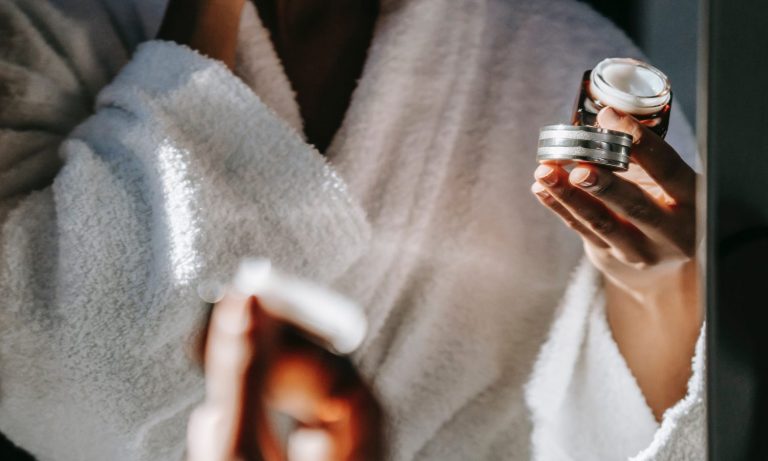
The term “topical products” refers to several categories of products, namely, “cosmetics” and “OTC drug products,” which are regulated very differently under the FDA.
Last week, the Food and Drug Administration (“FDA”) released its latest round of warning letters to “cannabidiol” (“CBD”) companies. In letters dated March 15 and March 18, the FDA took issue with the sale and marketing of topicals commonly known as “over-the-counter” (“OTC”) (i.e., non-prescription) drug products that listed CBD as an “inactive ingredient,” yet represented the substance as having purported pharmacological properties, such as relief pain.
Although this latest FDA’s enforcement action is consistent with previously issued warning letters, all of which were triggered by the use of unsubstantiated medical claims (see here, here and here for some examples), this latest round of warning letters also suggest that the agency strongly disapproves of the use of CBD in this category of topicals. Specifically, the FDA deemed the OTC drug products infused with CBD as “unapproved new drugs” because these products were not reviewed and approved for their safety and effectiveness before being introduced in interstate commerce and because they were not manufactured in compliance with applicable current good manufacturing practices (cGMPs).
Photo by vadimguzhva/Getty Images
If you follow our blog, you have read us explain that “topical products,” more precisely “cosmetics,” are the least risky category of products with which CBD may be infused, so you may wonder why the FDA now takes strong issue with these products.
The reason is simple: the term “topical products” refers to several categories of products, namely, “cosmetics” and “OTC drug products,” which are regulated very differently under the FDCA, and thus, by the FDA. The following is a brief summary of these regulatory differences.
Cosmetics
Cosmetics are products intended to be applied to the human body for cleansing, beautifying, promoting attractiveness, or altering the appearance, except for soap which is treated differently.
Unlike foods, dietary supplements, and drugs, cosmetics are not subject to pre-market approval. Instead, the FDA relies on consumer complaints to monitor this self-policed industry – for example, recalls of cosmetics are voluntary actions taken by manufacturers or distributors.
Nevertheless, some federal laws and regulations apply to cosmetics marketed in interstate commerce. Both the FDCA and the Fair Packaging and Labeling Act (“FPLA”) mandate that cosmetics be safe and properly labeled. You can read more on these requirements here.
OTC Drug Products
OTC drug products are drugs that are safe and effective for use by the general public without seeking treatment by a health professional. Unlike cosmetics, OTC drug products are more heavily regulated by the FDA; they must be generally recognized as safe and effective (“GRASE”) before they may be lawfully sold and marketed in interstate commerce.
OTC products that conform with a final OTC drug monograph – monographs are lists of ingredients, doses, formulations and labeling that have been reviewed and approved by the FDA – may be marketed without further FDA review. However, new OTC products that do not conform to a final monograph must be reviewed through the FDA’s “New Drug Application” (“NDA”) process to assess their safety and efficacy before they may be lawfully introduced in interstate commerce.
Given the regulatory differences between cosmetics and OTC drug products, it is clearer why the FDA took such a strong position against the use of CBD in OTC drug products in its last round of warning letter. Indeed, to date, CBD has not been approved as an active or inactive OTC ingredient by the FDA – in other words, CBD does not conform with a final monograph – therefore, CBD cannot be lawfully sold and marketed as an OTC drug product.
Although CBD companies manufacturing, selling, and marketing OTC drug products infused with CBD should be able to mitigate the risk of enforcement actions by refraining from making any medical claims (expressed or implied) about their products, they should understand the heightened level of risk associated with engaging with this particular category of products.
While it may seem tempting to blast sales promotions and your new products online, stop. You can get red flagged or even have your account deactivated.
Anyone who handles the marketing or social media side for a cannabis business can tell you that social media is a huge pain in the @$$.
With ever-changing regulations and “Community Guidelines”, hemp and cannabis companies struggle with marketing. Advertising online is like walking on eggshells, you just never know when you’re going to get a shadow ban, which is when TikTok, Instagram, or Facebook suddenly hides your posts or restricts them from followers which you worked so hard to get organically.
Once your brand has been shadow banned, this leads to a significantly reduced interaction and reach. Worst of all, companies aren’t warned or given any formal notifications when they are shadow banned. In some cases, posts can even be deleted if the social media giants suddenly decide that they go against community guidelines.
And even worst of all, you can have your account deleted permanently if all these happen multiple times. Months, years even, of hard work online can all be wiped out without you knowing it.
But all of these risks haven’t stopped hemp and cannabis businesses from using these platforms to find their new customers, so even if Facebook and other social media giants don’t allow ads for cannabis products, they do hacks to work around the bans.
Here’s what you need to know about the big 3 platforms to work around the bans:
Facebook: There is a differentiation between prohibited and restricted content, but for cannabis businesses, Facebook strictly prohibits the promotion of any drug or related products even if it’s a legal or recreational drug. For this reason, text and images can’t be included in ads. Federal restrictions also mean that cannabis companies can’t run ads including in states where the drug is legal. When you fail to comply with the advertising guidelines on Facebook, your ads will not only get shut down but you can face the risk of your account getting deleted.
Photo by Minty via rawpixel.com
Twitter: Twitter states that “illegal drugs, recreational and herbal drugs, accessories associated with drug use, drug dispensaries, and depictions of hard drug use” are prohibited in its advertising policies under the Drugs and Drug Paraphernalia section.
Instagram: Since Facebook acquired Instagram in 2012, they apply the same kind of restrictive advertising policies which say, in many words, that there is no kind of advertising allowed for cannabis companies on the platform.
So what can be done to work around these?
Since cannabis businesses can’t advertise on social media, they have to resort to reaching their audiences organically the hard way – by creating amazing content. However, that has its own caveat: social media platforms limit the organic reach of cannabis posts BUT that doesn’t mean that you can’t reach a large audience; you just have to be clever in your strategy and always stay up to date with the changing restrictions.
Here’s what you can do:
Post educational content on cannabis: This type of content is almost guaranteed to be a sure hit because it gives value to your followers by educating them on topics that they care about. For example, cannabis brands can educate their customers by sharing informative and helpful articles about medicinal uses of the plant or how to use their product.
If your brand is just starting out online, it might take a few posts to see which topics strike a chord with your followers. After a while you can then identify which topics will get a good response from your audience. Just remember not to post sales promotions with educational content because this can cause your post to be removed or get red flagged; use other channels for sales promotions.
Photo by ROBIN WORRALL via Unsplash
Diversify your channels: Don’t put all your eggs in one basket applies to cannabis marketing too. You’ll see greater success if you work with more platforms as long as you are strategic about your platforms to ensure that all posts align well with your brand mission. Additionally, study the psychographic and demographic profile of your target audience to determine which platforms you should be using. For example, industry news and corporate information on your brand are best shared on LinkedIn while educational posts can be shared on Facebook.
If you aren’t sure about which platforms will provide you the best engagement and results, then do some testing.
Videos: Video is one of the most engaging types of content on social media, just be sure that you are using some subtitles for people who watch videos with the sound off.
Brand ambassadors/Influencers: Partnering up with brand ambassadors or influencers is a popular and efficient way to reach new audiences. It’s a great way to organically grow your reach to the larger audiences of influential people.
Photo by PhotoMIX Company from Pexels
Last but not least, if you have spare money to burn and don’t want to be bothered with the nitty gritty, you can always outsource your work to marketing agencies that are well-versed in the cannabis space.
While it may seem tempting to blast sales promotions and your new products online, stop. You can get red flagged or even have your account deactivated. Remember that your followers want to patronize accounts that give them valuable content because truly valuable content stands out in a sea of many other cannabis brands that are already trying to do the same thing as you are.
People don’t want to be pitched to all the time. Don’t post images of the cannabis plant heavily since this won’t appeal to everyone (such as seniors who are looking for information) and this can also get your page red flagged.
Follow the best practices and eventually you’ll get the hang of what you should and shouldn’t do on social media to grow your business. Social media rules may never change, so it requires adaptability in part of businesses who want to succeed on their platform.
COVID-19 vaccines are all we’re talking about. Here’s what you should avoid once you land your coveted appointment.
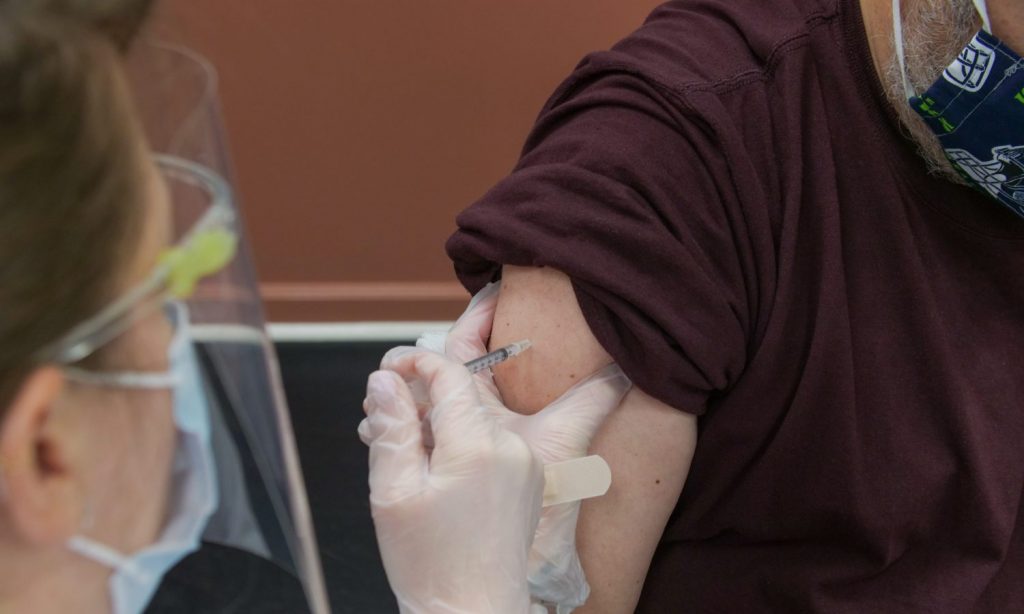
The pandemic has been rough on all of us and vaccines are the way out of this year-long misery. So naturally, they’re the hottest commodity around. But as more and more people become eligible for the vaccine, appointments are getting hard to come by. When you actually get one, don’t let it go to waste by not giving your body the necessary tools it needs to benefit from the shot.
The CDC posted some guidelines you should follow once you snag an appointment to get the maximum benefits.
Don’t take over the counter medications ahead of time
Photo by rawpixel.com
It may seem natural to take a couple of ibuprofen or Tylenol ahead of your appointment in order to prevent strong symptoms. But you shouldn’t do this. While it’s not a big deal if you do, drugs like ibuprofen might limit your body’s response to the vaccine, preventing a more robust response from your immune system. While no one wants to feel crappy, if you do, it likely just means your vaccine is working and your immune system is fighting it off in order to build a better response to it.
Vaccines can feel pretty crappy and you shouldn’t force yourself to stay active or go for a workout. Listen to your body and give it what it needs, even if this means a full day of naps and Netflix. Hopefully your vaccine appointment lands on a Saturday.
Don’t get other vaccines
Photo by Artem Podrez from Pexels
While the COVID-19 vaccine is safe, it’s still pretty new. There’s not enough data out there to inform officials on whether or not it’s safe to have in your body if you were to get a flu shot around the same time.
Wear clothes that allow upper arm access
Photo by Steven Cornfield via Unsplash
Now that spring has commenced, you’re more likely to wear comfier clothes for your vaccine appointment. Avoid wearing anything that’s too tight or that doesn’t allow for the sleeve to roll up. When in doubt, just look to Dolly Parton’s vaccine outfit.
Hydration is always important, especially 1) when you’ve been vaccinated and 2) if you’re experiencing flu like symptoms. Water will help your immune system process the vaccine by developing a better response to it and helping you cope with the loss of water that could occur with a fever.
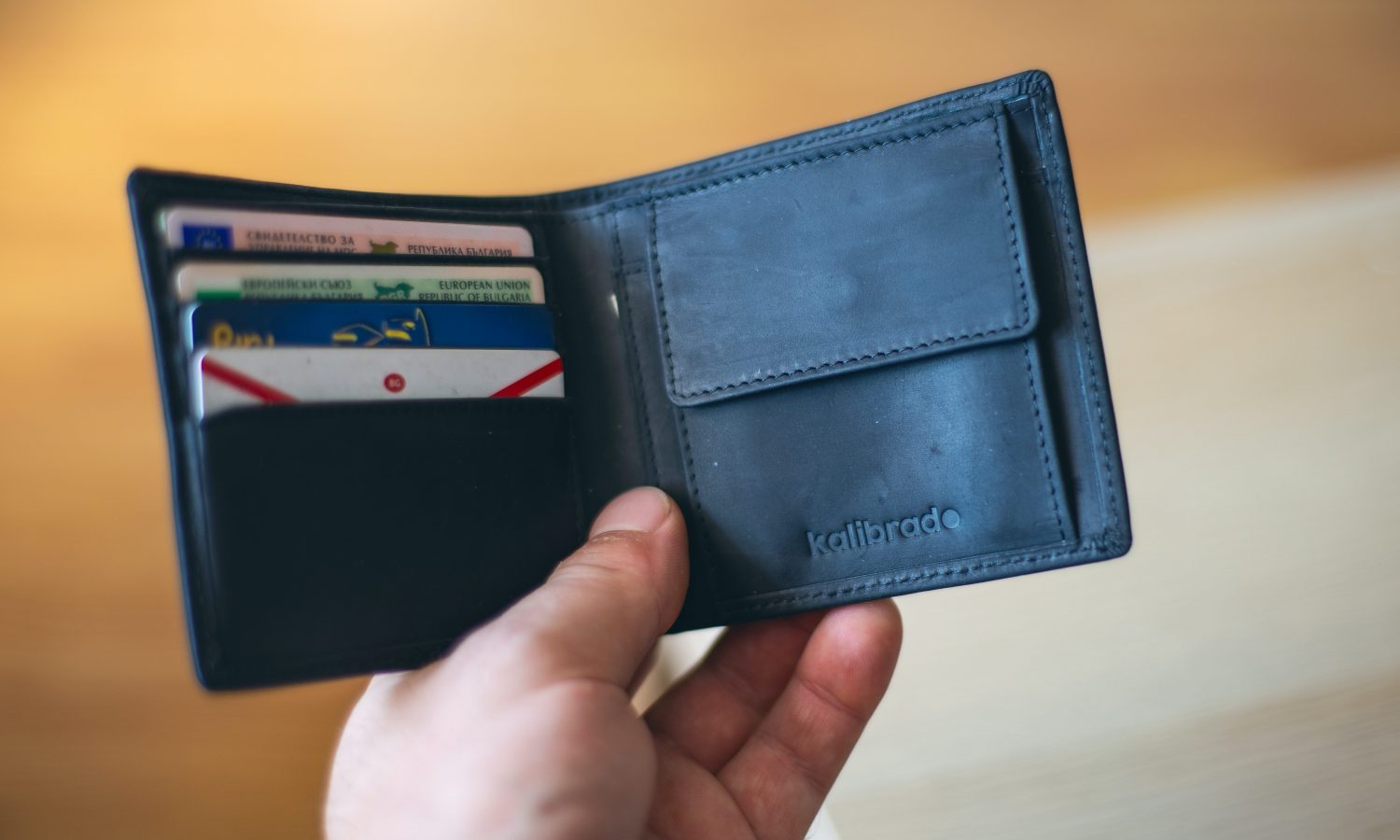
Keep your vaccination card safe
Photo by Emil Kalibradov via Unsplash
While the introduction of vaccine passports is only a matter of time, it’s important to keep your vaccination card safe — you’ll need it in order to get your second shot. The CDC recommends laminating it or taking a photograph of it, that way you can always have that backup.
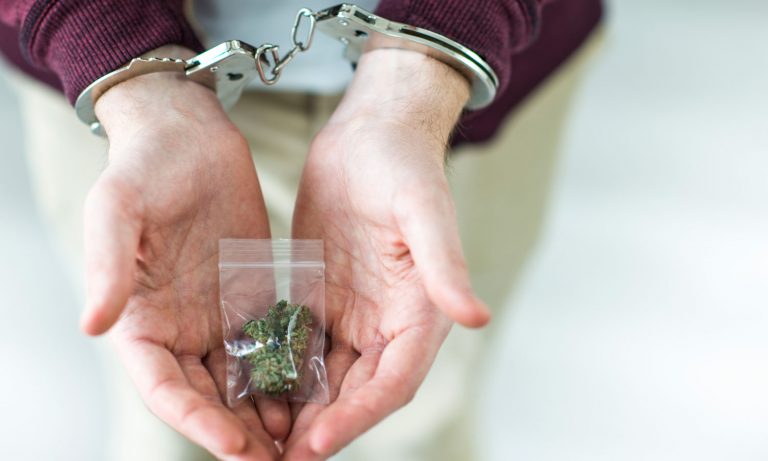
While prison isn’t necessarily the outcome for most who get busted for marijuana crimes, hundreds of thousands are still being locked up in the criminal justice system every year.
One of the hottest topics surrounding the marijuana discussion as of late has been eliminating the criminal records of those people convicted of marijuana crimes throughout the years. Illinois got the trend going in 2019 when it made expungement part of its plan to end pot prohibition statewide.
Now, other states and local jurisdictions are looking into it too. The overall goal is to give opportunity back to the people who have endured hardships as a result of a marijuana conviction. And, the cannabis community is excited about the possibilities. The only problem is, not everyone who has been convicted of a marijuana offense is going to be let off the hook.
In the eyes of some, it might seem a bit unfair to wipe away the criminal record of those who have broken the law. After all, we’re not making it a point to forgive most crimes. But what they might not understand is the level of unfairness associated with this offense and the damage it has done. There have been hundreds of thousands of people incarcerated in state and federal penitentiaries for weed over the decades. To make matters worse, most of them were non-violent offenders.
And while prison isn’t necessarily the outcome for most of those who get busted for marijuana crimes in this day and age, hundreds of thousands are still being jammed up in the criminal justice system every year. FBI data shows those number still rank in at well over 600,000 annually.
A lot of these folks end up with a record in their youthful years, which causes them trouble when they go to apply for college, housing, employment and other highly sought after aspects of the American dream. Marijuana offenders are often considered pariahs in the midst of civil society, which is the reason many lawmakers are leading the charge to clean the slate. They want to make good on old drug war policies that should have never been enforced in the first place. This means scrubbing pot offenses from the equation, and allowing these people to get on with their lives.
Photo by AlexVan via Pixabay
Los Angeles and San Francisco have already expunged hundreds of thousands of marijuana convictions since California went legal a few years back. Illinois also moved on a slew of marijuana convictions last year. Even former president Donald Trump, a man who did not support legalization, was known to pardon offenders caught up in offenses associated with federal marijuana laws.
One of the people he pardoned before he left office was Crystal Munoz who spent 12-years in prison for her role in a pot distribution ring. Trump pardoned her because she “has mentored people working to better their lives, volunteered with a hospice program, and demonstrated an extraordinary commitment to rehabilitation,” according to the White House.
So what does a marijuana expungement do? Well, once a person’s record is sealed, it is perfectly acceptable for them to say, “I don’t have a criminal record.” They are no longer required by law to list their pot offense on applications for employment, housing, or anything else for that matter.
It’s like the crime never actually happened.
More jurisdictions are seeing this minor reform as an act of good faith. In fact, even though marijuana is still mostly illegal in Missouri, Kansas City Mayor Quinton Lucas announced last year his decision to eliminate marijuana convictions. “I want to be able to do for these folks is to say, ‘You might have made a mistake at some point,’ but that we’re going to be fair in how we apply, frankly, the law in Kansas City and in Missouri,” he said in an interview with the Kansas City Star.
Photo by vladans/Getty Images
At the state level, Maryland is considering a bill mandating that “all court records and police records relating to any … charge of possession of marijuana, … where marijuana is the only charge, the case shall be automatically expunged on or before October 1, 2022.” The bill was separate from another measure seeking to decriminalize minor pot possession statewide.
Although all of the expungement policies are different depending on the state or county, the one thing they all have in common is that only the pettiest of marijuana offenses are getting a free pass. The expungement process is only for those offenders who have been convicted of low-level pot crimes. That could mean the possession of up to an ounce of marijuana. Pounds, not so much.
But the offenders who don’t stand a chance of having their records cleared are those whose offenses were also wrapped up in violence or gun charges. Most expungements, regardless of where they take place in the United States, are done on a case by case basis. Yet, so far, no officials have agreed to budge on marijuana offenses attached to more serious crimes. And that is not likely to change anytime soon.
New York became the 15th state in the U.S. to legalize recreational cannabis Wednesday with Gov. Andrew Cuomo’s signature.
The bill enables adult New York residents to own up to 3 ounces of cannabis or 24 grams of cannabis concentrates and to legally buy recreational cannabis from licensed retailers.
Cannabis Analyst On New York’s Market Potential
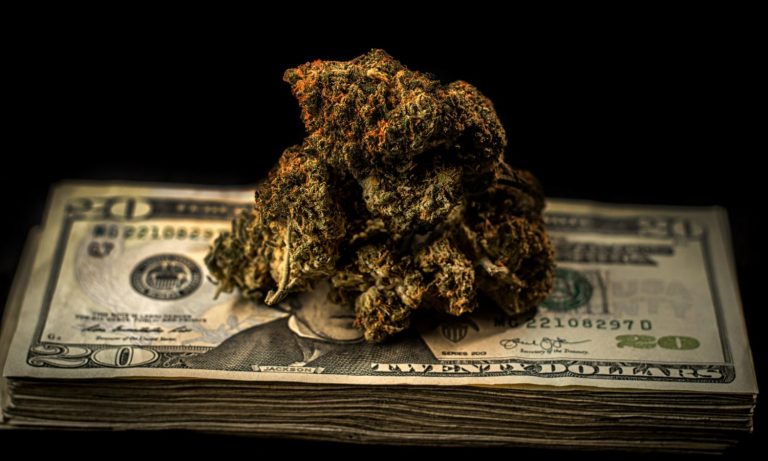
In five to seven years, the New York recreational cannabis market could reach $7 billion in sales, Cantor Fitzgerald analyst Pablo Zuanic said in a Wednesday note, using the Colorado market as a benchmark.
“For modeling purposes, we assume NY rec starts 7/1/22, and project sales of $2.1Bn for the first 12 months between rec and med.”
A company with 15% of the market share could yield $110 million in EBITDA (earnings before interest, taxes, depreciation, and amortization) from New York alone by the time the sales reach $7 billion, said Zuanic.
Photo by Aleksandr_Kravtsov/Getty Images
MSO Lobby Stronger Than Assumed
The latest version of Bill S.854, the one that was signed by Cuomo, enables the vertically integrated licensed recreational operators to sell to third-party stores, Zuanic said, adding that the original version of the bill allowed the operators to sell only to three of their own stores.
Noting this “last-minute change,” Zuanic said the multi-state operator lobby is more powerful than assumed.
Out of seven publicly listed companies with existing operations in New York, Zuanic highlighted Curaleaf Hldgs Inc.CURLF 0.13%, Green ThumbGTBIF 1.69% and Cresco Labs (Pink:CRLBF).
Once the list of medical conditions that qualify patients for medical cannabis and the list of allowed product formats are expended, the state medical cannabis program could “see more pronounced growth,” he said.
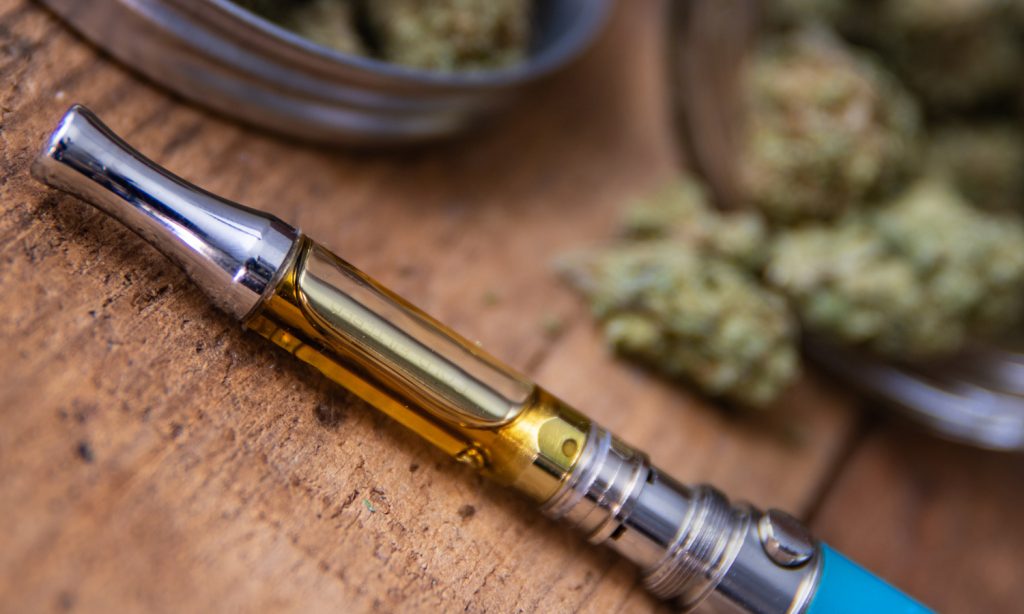
The cannabis vape cartridge market has experienced an increase in the number of fake products, especially in unregulated states.
Vaping is an amazing way of enjoying cannabis. Yes, smoking directly and even munching on edibles are great, but vaping is rapidly becoming the preferred method of consumption for most cannabis users.
Sadly, as vaping gains popularity, the number of fake vape cartridges in the market increases, threatening the cannabis vaping process. The issue with fake vape cartridges goes beyond just having a phony item; this is an item you use to take a substance into your body which means you are vulnerable to contamination.
Photo by HighGradeRoots/Getty Images
The number of patients at the hospital sick because of vaping-associated pulmonary injuries has also increased thus making it a dire problematic situation that needs to be addressed swiftly.
If you love and enjoy using a disposable vaporizer cartridge, you’ve got to ensure it is not a fake, and this article will help you. Generally, the first step to ensuring you don’t get a fake vape cartridge is buying from legit sources. Always ensure that you purchase the vape cartridges from a licensed dispensary: please don’t buy from anyone who is not authorized.
Here are some other helpful tips that can help you avoid purchasing a fake vape cartridge.
Ensure that the license is authentic and it exists
The first rule for ensuring that a vape cartridge is genuine is to check for a permit. The manufacturers, wholesalers, and retailers should have rights, so it is probably fake if it is too difficult to verify its approval.
Legal stores and products should post their license number; this shouldn’t be ignored. Please check out The Bureau of Cannabis Control Website to check if a store is registered with a licensed retailer.
If there is no licensed number, the store is not regulated, and a lack of regulation means the store is running its show. You don’t want to get vape cartridges from a store running its show.
Always check the vape cartridge packaging
The packaging will always reveal itself; if it looks fishy, it is definitely fishy! The original vape labels will always have the following: A batch number, a packaging date, manufacturing date, manufacturer’s location, and many numbers.
Photo by Joegend/Getty Images
If you don’t see these details on the packaging, please don’t justify it and don’t get it. You are looking at a fake product, and if you ahead to buy it, you will be putting your lugs at risk.
Avoid fake copycats
There are lots of fraudulent vape cartridges manufactured by fictitious brands containing toxic products. These fake products are adaptations of famous brands with websites selling pack cartridges in 100s.
You will know it is a copycat when you see the counterfeit labels that mimic the legal cannabis brand, which means you should know the differences between the original and a copy.
Read about the ingredients
Many vape tanks contain diluents like propylene glycol, medium-chain triglycerides (MCT) oil, and vegetable glycerin. These oils are added to give the cannabis extracts a liquid consistency so you can easily vape.
Photo by Vaporesso via Unsplash
But not all diluents are right for you, so always read the labels and ingredients to ensure that you do the right thing. For example, a new thickener called Vitamin E acetate is under investigation for being a potential cause of vaping-related illnesses.
Avoiding certain ingredients will help you stay healthy and safe as you vape cannabis. Remember that you will expose your lungs to the vaping process, and don’t take this idea for granted.
Know the brands
This is not a good time to experiment with new brands; you are safer with a known and established brand with a record of producing healthy cartridges. All major brands will most likely be licensed, so start by looking for the brands that have existed for many years.
Buy from brands with an established reputation and those with an active social media platform. These brands will get things right by the book because they don’t want to put a dent in their reputation.
New ad unknown brands can do whatever they like because they have nothing to lose. Such brands can be dangerous to users, and unsuspecting wholesalers will sell these products to retailers, reselling them, thus putting them at risk. Buy from known brands: this is a simple and easy way to get the correct vape cartridge.
Photo by Toan Nguyen via Unsplash
Check lab results
All licensed brands provide and publish test results so retailers can understand the scientific process involved with creating the cartridges. So always ask your budtender for the product’s certificate of analysis (COA) before purchasing the item.
Some fake brands may also have illicit lab results with photo-shopped COA, so please be careful with this idea. Licensed dispensaries should also check all COAs to avoid putting illegal products in their shops. You can also check with the lab where the product was tested to confirm that all results are accurate. You find information about the lab on the COA as well, and if it is not an actual lab address, then the product is fake.
Trust your instincts about a product
Lastly, when you go shopping for vape cartridges, if you feel like something is not right about the product, please go with your instincts. If you have already bought it and you’re already using it, stop using it immediately.
Photo by Christian Wiediger via Unsplash
Most diluents are colorless, odorless, and tasteless, making it even more difficult for lab analysis to detect them. So taste and smell wouldn’t be beneficial to you all the time. However, if you feel like something is wrong, don’t take unnecessary risks.
Bottom line
The cannabis vape cartridge market has experienced an increase in the number of fake products, especially in unregulated states. If you don’t take the precautions we have discussed thus far, you may end up with one and expose yourself to contamination.
Those in the illicit market copy legitimate brands so brilliantly that if you don’t pay close attention, you may end up with a fake thinking it’s the real deal. As we enjoy the benefits of cannabis, we should also ensure that we are protected with the tools we use, for that is how to maximize the benefits of cannabis.
“These important policy changes will ensure that consumers going forward will no longer suffer criminal arrest and prosecution, while also remedying past injustices caused by the drug war.” — NORML
New Mexico is one step away from becoming the 17th state to legalize cannabis for adult use and the fourth state to adopt a legalization policy by passing a bill through its state legislature. The last stop is Democratic Governor Michelle Lujan Grisham’s desk for signing. New Mexico follows New York state, which also took this route to full legalization. Illinois and Vermont chose the legislator path while 13 other states have legalized by voter initiative.
Members of the New Mexico House and Senate gave their final approval on Wednesday to two separate measures amending the state’s marijuana laws. The first legalizes and regulates marijuana possession, production, and sales for adults. The second facilitates the automatic review and expungement of the records of those convicted of low-level marijuana offenses.
“New Mexico legislators and advocates deserve a round of applause as they are on the verge of legalizing cannabis for adult use. This year is proving to be nothing short of monumental for the cannabis policy reform movement. State legislatures across the nation are recognizing the urgent need to end cannabis prohibition and are rising to the challenge,” said Steve Hawkins, executive director at the Marijuana Policy Project. MPP said in a statement that under HB 2, personal possession of up to two ounces of cannabis and home cultivation of six mature plants will be legal for adults 21 and over. Additionally, HB 2 includes measures that would encourage those who were disproportionately impacted by prohibition to enter the new industry. Legal sales would begin no later than April 1, 2022. A companion bill provides for automatic expungement.
Commenting on the bills’ passage, NORML State Policies Manager Carly Wolf said: “This is a historic day for New Mexico! These important policy changes will ensure that consumers going forward will no longer suffer criminal arrest and prosecution, while also remedying past injustices caused by the drug war. I commend lawmakers for working together to craft legislation that prioritizes social justice and inclusion. Passage of this legislation will ensure that minor marijuana possession offenders, many of them young people, are no longer saddled with a criminal record and the lifelong penalties and stigma associated with it.”
Emily Kaltenbach, Senior Director for the Resident States and New Mexico for the Drug Policy Alliance said, “New Mexicans are finally able to exhale. After many years of hard work, another whirlwind legislative session, and input from stakeholders throughout the state, social justice-centered cannabis legalization is on its way to the Governor’s desk, where she has already agreed to sign. We thank the Governor and our legislative allies for not taking ‘no’ for an answer and stopping at nothing until we were able to get justice for New Mexico communities—particularly Hispanic/Latinx, Black, Native and Indigenous—that have been immensely harmed by cannabis prohibition.”
Photo by Kate Torline via Unsplash
She added, “Today’s passage of the cannabis legalization and expungement package will ensure equitable opportunities for farmers and other small businesses, and long overdue justice—including automatic expungement—for those with past cannabis arrests or convictions. And it doesn’t stop there. We still have our work cut out for us to fully repair the damage that has been done as a result of the war on drugs, and that means coming back during the 2022 budget session to ensure funds are made available for critical reinvestment in the communities that have been most harmed.”
NORML Executive Director Erik Altieri added: “New Mexico joins an ever-growing list of states that have realized the failures of marijuana prohibition and the harms it brings to their communities and citizens. They are the third state so far this year that has approved legalization via the legislative process and we expect several more will follow suit in a short period of time. The American people are demanding an end to prohibitionist policies that have wreaked havoc on communities of color, squandered countless millions in taxpayer dollars, and wasted limited judicial and law enforcement resources on criminalizing otherwise law-abiding individuals for possession of a product that is objectively less harmful than currently legal alcohol and tobacco.
“Thankfully lawmakers at the state level are finally implementing the will of their constituents and, by doing so, they are applying further pressure on the federal government to finally deschedule marijuana nationally and end this ongoing tension between state and federal policies.”
A new study suggests marijuana could have a significant impact on developing brains, making it more likely for teens to become addicted.
Legal marijuana doesn’t appear to trigger more cannabis use in teens, but new research shows that some concern is warranted. The study, published in JAMA Pediatrics, suggests teen brains are more vulnerable to marijuana and opioid addiction, making these users more likely to get hooked on drugs when compared to young adults.
Instead of limiting the study to nicotine, alcohol and cannabis, like previous studies of this type have done in the past, researchers from the National Institute on Drug Abuse looked for a wide variety of drug use, such as painkillers, cigarettes, tranquilizers, stimulants, marijuana, alcohol and more. They specifically studied two groups of young people: ages 12 to 17 and 18 to 25.
Photo by Dương Nhân via Pexels
Overall, the younger the subjects were, the more likely it was for them to grow a dependency on the substance. When comparing marijuana statistics, researchers noted that teens were 11% more likely to develop an addiction when compared to young adults, who came in at only 6%. Within three years of their initial use of the drug, 20% of adolescents were more likely to grow dependent on it. Young adults didn’t report this same behavior.
While it’s possible that people with a greater predisposition for drug addiction seek out these experiences from a young age, one of the senior authors of the study, Dr. Nora Volkow, told the New York Times that cannabis and other drugs are likely to have an impact on a developing brain, and that drugs like cannabis are more likely to alter synaptic connections in younger brains, leading to stronger memories of pleasure and reward.
As marijuana becomes legalized in more and more states, the role of teen drug use continues to remain prevalent. But, while cannabis use shouldn’t be encouraged in teens, marijuana programs across the country have proved that their existence doesn’t make it easier for teens to access these drugs. Legal marijuana is likely to limit black market marijuana, which tends to be lower quality and easier to access.
If Senate Democrats can find a way to get a decriminalization bill through Congress, it would surely be signed into law.
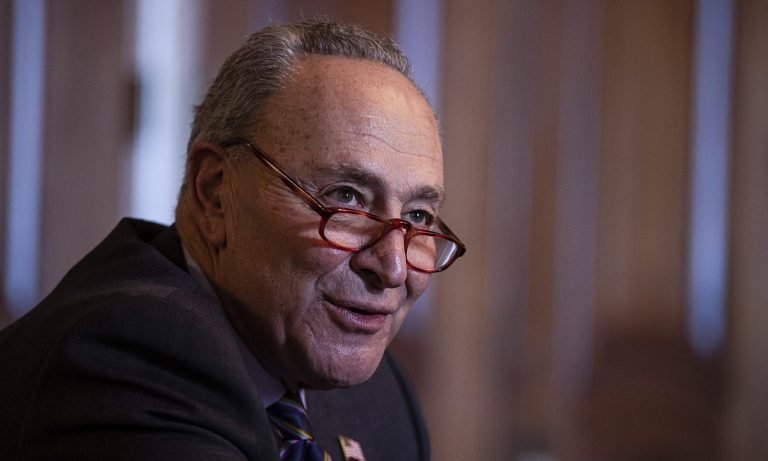
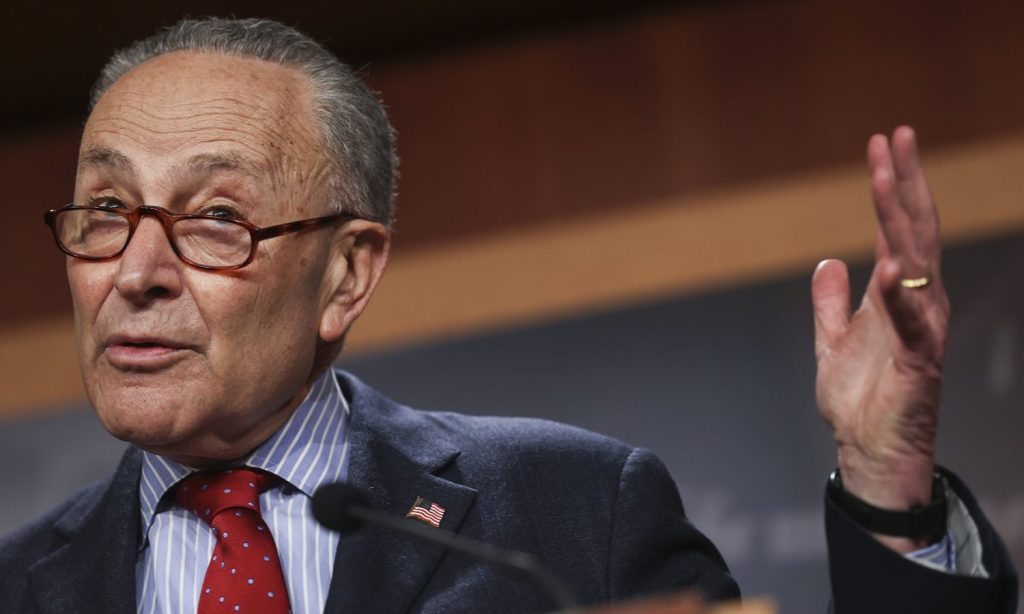
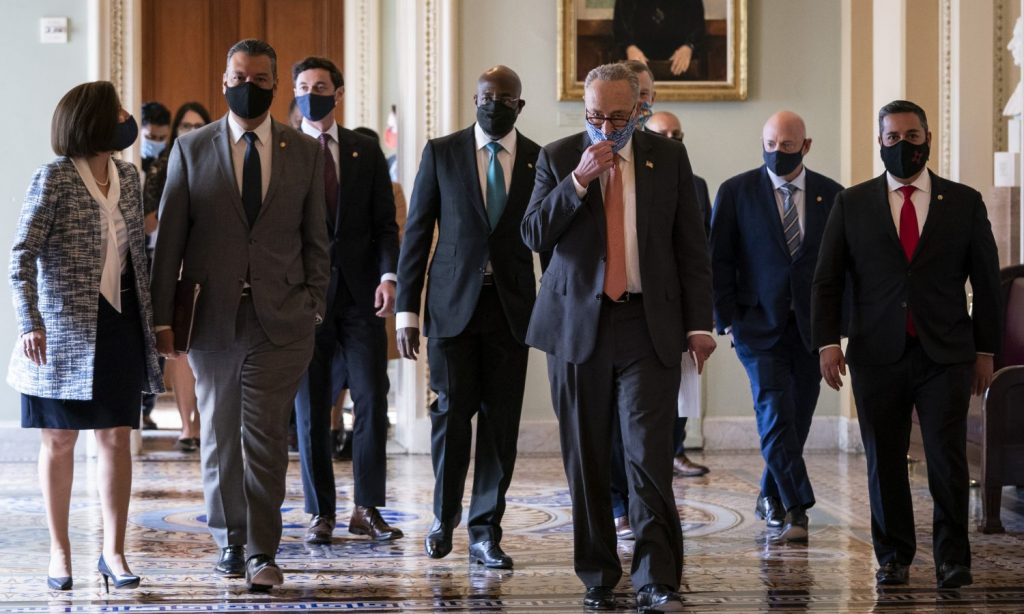
The cannabis community has been sniffing around for the past month, trying to figure out what Senate Majority Leader Chuck Schumer means when discussing the comprehensive cannabis reform bill he wants to pass this year. All of the evidence suggests that the U.S. Senate will hear legislation aimed at legalizing the leaf nationwide.
However, the intentions of the highly anticipated bill, which Schumer says will be introduced “shortly,” are becoming clearer. And the focus seems more likely to call for “decriminalization” than legalization. When Schumer was asked recently which reform model he supported, his response suggested the two terms were one and the same. “At the federal level, you call it ‘decriminalization’ because that lets the states legalize,” he explained.
But legalization and decriminalization are not the same. As we have seen happen in several states, legalization allows for a taxed and regulated cannabis market where adults 21 and older can buy weed in a way similar to beer. Decriminalization is a term usually meant to describe the elimination of criminal penalties associated with minor pot possession. It still punishes pot offenders with small fines, and it doesn’t come with the infrastructure to grow and sell weed legally.
Interestingly, Schumer said a couple of weeks ago that the Senate’s cannabis reform plan would prevent Big Tobacco and Big Alcohol from taking over the cannabis market. There’s already been lobbying efforts that point in that direction. But Schumer claims they won’t get far under his proposal.
Still, stopping them from participating seemed unlikely if a taxed and regulated market were to unfold. It’s a free country and all, and capitalism is the name of the game. So everyone with enough money to play can have at it. But corporations wouldn’t have a leg to stand on if Senate Democrats push decriminalization. There would be no nationwide market. Presumably, Democrats hope to eliminate criminal penalties and put states at ease about legalization. Many jurisdictions have refused to legalize until the federal government relaxes its stance.
Photo by Jonathan Ernst/Pool/Getty Images
“We don’t want the big tobacco companies and the big liquor companies to swoop in and take over,” Senator Schumer said in a video. “The legislation we have will make sure that smaller businesses, businesses in communities of color, get the advantage because communities of color have paid the price for decades. They should at least get something back. “For decades,” Schumer continued, “young men who were arrested with a small amount of marijuana in their pockets served long prison terms, and then they had a felony record and could never make themselves right.”
Perhaps the goal of the Senate Democrats’ cannabis reform bill will be to provide a safe pathway for smaller cannabis businesses to operate in their respective states without concern for the corporate takeovers that would surely arise if federal legalization were to happen. At this point, we can only speculate.
Photo by Drew Angerer/Getty Images
All things considered, going the route of decriminalization makes the most sense. After all, President Biden supports the concept of decriminalizing marijuana. It was part of his campaign platform. So if Senate Democrats can find a way to get a decriminalization bill through Congress — something that won’t be easy considering their slim majority and the filibuster — it would surely be signed into law.
Rest assured, there are plenty of roadblocks ahead for whatever model the Democrats propose. We will just have to wait for the bill to be submitted to gain more clarity into the fine details. One thing is sure, it will be interesting to see what kind of clever scheme Senate Democrats have to push this legislation all the way.