Wednesday, May 13, 2026
Home Blog Page 406

5 Essential COVID-19 Facts & How To Protect Yourself

0

Despite the rising number of global coronavirus cases, preventative measures can be taken to reduce the risk of catching this virus and/or passing it on to others.

Have you or someone you personally know been diagnosed with COVID-19 since the start of the pandemic? Although millions of people around the world have so far been diagnosed with with the virus, it affects each individual differently regarding symptom development, the severity or intensity of symptoms, recovery time, and more. 

Since December 2019, COVID-19 cases have reached 107 million worldwide with close to 30 million just in the U.S. alone. As time goes on, research studies are providing different facts and useful details about this novel virus and ways to fight it. Five important facts about COVID-19 that have been revealed so far include:

COVID-19 Viral Loads Matter — Here's What They Mean
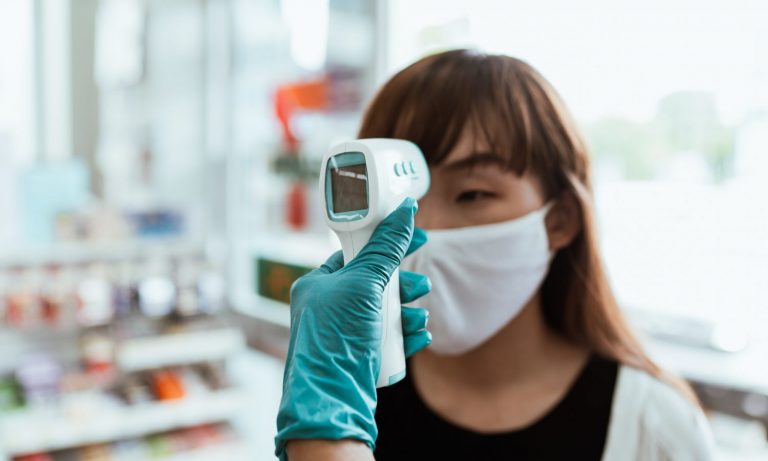
Photo by Cottonbro via Pexels

Coronavirus is a respiratory virus

Numerous COVID-19 symptoms are likely to mirror those of other common respiratory viruses such as a common cold and influenza.

Main COVID-19 symptoms

Some of the most common Coronavirus symptoms to look out for consist of a fever greater than 100°F, shortness of breath, fatigue, chest pain, loss of smell or taste, and/or a cough that progressively worsens over time.

RELATED: 5 COVID-19 Vaccine Myths Debunked

Keep in mind that if you experience any or all of these symptoms, it’s not definite that you have COVID-19. As time goes on, if you feel worse, if your symptoms get more severe, or if they don’t subside, the next step is to schedule a doctor’s appointment to determine what’s really going on.

Your environment matters

By now, COVID-19 has shown that it doesn’t transmit well outside or in warmer and humid air. Therefore, most Coronavirus spreading occurs within indoor rooms or spaces. When in enclosed spaces for whatever reason, it’s recommended to wear a face mask and distance yourself from others.

Knowledge and proper education is essential

As COVID-19 research evolves, the Center for Disease Control and Prevention’s (CDC) recommendations continue to change. As a result, it’s wise to stay informed, educated, and up-to-date on any new changes made by medical experts and organizations. 

Post-quarantine steps

After completing a period of quarantine or overall isolation, individuals are no longer a health risk to others. From here, preventative measures should be taken to stay healthy.

Ways to Protect Yourself Against Covid-19

Despite the rising number of global coronavirus cases, preventative measures can be taken to reduce the risk of catching this virus and/or passing it on to others. A few examples include thorough and frequent hand washing, the use of face masks and overall face coverings, applying sneezing and coughing precautions, and maintaining a social distance from others. 

You Can Still Test Positive For COVID-19 After Getting The Vaccine
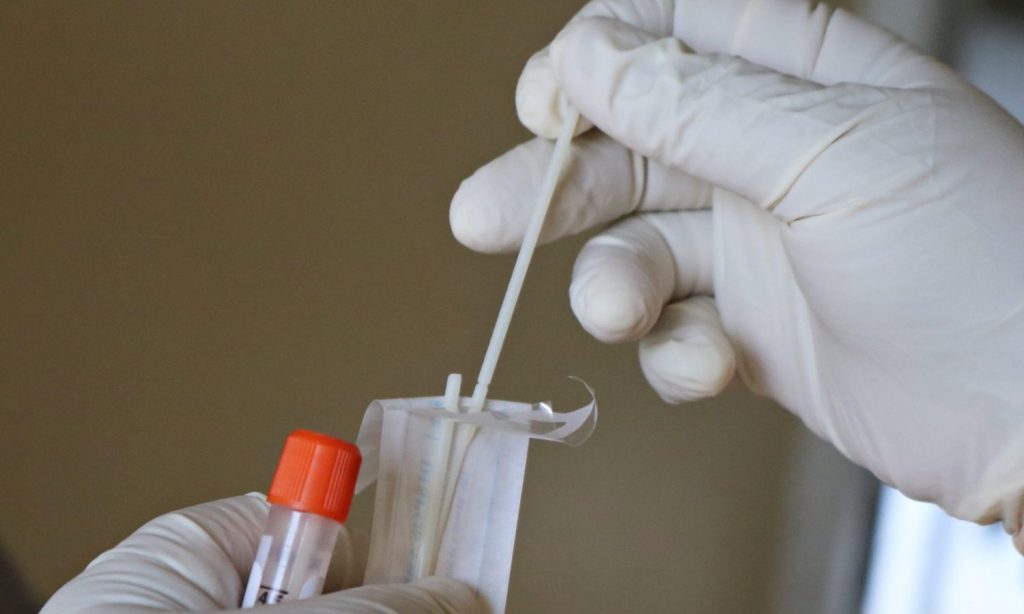
Photo by Gustavo Fring via Pexels

Other ways to stay healthy for yourself and others is to avoid touching your eyes, nose, and mouth whenever possible and staying home if you have any unusual symptoms or doubts about the state of your health.

RELATED: This Is The Most Obvious Symptom Of The New COVID-19 Variant

Overall, not only are researchers committed to uncovering additional information about Covid-19’s potential causes and plethora of symptoms, but also its short-term and long-term effects. Many large research groups are performing clinical trials like HERE with the intent of helping the healthcare community be more informed about and prepared for Covid-19 as well as other pandemics that may occur in the future.

When to Schedule a Doctor’s Appointment

If you experience coronavirus-like symptoms that progressively get worse, take this as a sign to schedule a doctor’s appointment. At that point, your doctor may recommend getting a COVID-19 test or possibly explore other options.

Cannabis And Sex: Two Things Social Media Doesn’t Want You To See

Says one sex educator: “By silencing sex-positive brands, a lot of people are unable to see the positive side of their sexuality and forming meaningful relationships.”  

Social media platforms have held a long-running, contentious relationship with both cannabis and sex workers despite their growing interest in recent years.  

Both can be found on social platforms from Facebook to TikTok, LinkedIn and beyond. Often cannabis brands, influencers and sex workers can be found doing typical brand work — pitching products, highlighting services, and serving helpful information. The public may be warming to the content, but social media platforms continue to maintain their distance through the use of shadowbans or full-on account deletions. The occurrence is so common that many in both spaces have backup accounts that tout their previous total followers before being de-platformed. 

Why Does Social Media Ban Sex And Cannabis?

Sources contend that the bans stem from a mix of good legislation gone wrong, long-held societal stigmas and/or grey areas surrounding content rules. 

“Since cannabis is illegal at the federal level, businesses operating in the industry can easily violate Facebook’s terms of services for content published on company’s profiles,” explained Dustin Iannotti, founder and creative director of Artisans on Fire (AoF), a Las Vegas-based agency for grey market brands. 

Ashley Manta is a popular cannabis and sexual wellness writer and speaker. Her work includes the book Merry Jane’s The CBD Solution: Sex, as well as brand ambassador roles for sex tech brand Sybian and cannabis-wellness line Foria. She agrees that the law plays a substantial part in the ban. Manta attributes the blame on two 2018 bills: The Stop Enabling Sex Traffickers Act (SESTA) and Fight Online Sex Trafficking Act (FOSTA). 

Since its passage, Manta and others have contended that the bill’s intention to curb sex trafficking is actually thwarting legal means of marketing and revenue generation. 

“The result has been that payment processors, so by extension social media companies, have massively cracked down on any sexuality-related language or content on their sites,” said Manta. She added that major processors like Visa and MasterCard have threatened to pull services to sex and cannabis ventures, leaving companies without a way of generating funds. 

Dainis Graveris, a certified sex educator and relationship expert for SexualAlpha, points the blame at stigmas towards sex and sexuality. He believes that such stigmas further laws and platform rules restrict important matters like domestic violence, sexual assault and suicide. Instead of protecting the public, Graveris says the efforts stifle discourse that could better educate the masses. 

“By silencing sex-positive brands, a lot of people are unable to see the positive side of their sexuality and forming meaningful relationships,” said Graveris. 

Here's Everything You Should Know About CBD Lube
Photo by Irina Shatilova/Getty Images

The Impact On Cannabis And Sex Businesses

Sexual wellness and cannabis brands feel the brunt of the social media restrictions, even when operating in legalized sectors. 

Wendy Strgar, author and founder and CEO of sexual health and female hygiene brand Good Clean Love, says her company is affected by social media bans. The company, which retails to major suppliers including Target, Whole Foods and CVS, often faces issues when posting ads on social media. 

“We have tried dozens of times to receive approval on advertisements for safe, organic sexual health products; continuously, our ads are denied and flagged as inappropriate,” said Strgar, adding that some ads have been rejected for having the word “vagina” included. 

In some instances, the company’s advertiser account has been shut down on Facebook. The restrictions limit her legal business from the tools other legal operators are afforded. “Without a reliable way to share this information on social media, we are hugely limited in our ability to reach new people,” said Strgar. 

Legal cannabis faces similar restrictions, regardless of the cannabinoid. The predicament leaves CBD and hemp operators in a particular bind. 

“Social media platforms also lack the necessary policies for the differentiation between cannabis and hemp-based CBD, which is legal nationwide,” said Marnie Nathanson, director of social media for cannabis-focused PR agency Mattio Communications.

AJ Payack, operator of CBD brand Vermont Organic Science, said his company has been banned from using ads on Facebook, Twitter and Instagram. He claims he didn’t receive any clarity as to why he was banned and could not discuss the matter further with any platform. “None of these platforms would allow me to contest these bannings either,” he said. 

The effects of the ban leave Payack’s family-ran business with few options to build its brand. “It is hard to reach new customers when we are banned from traditional internet marketing tactics,” he said. 

study people wont swipe right on users with emojis in their bios
Photo by Minty via rawpixel.com

Workarounds And Branding Uncertainty 

Nathanson said her firm educates clients often on best practices, advising that content be free of any potential red flags. She also said the firm would welcome learning from social media’s leading brands. “We would love the opportunity to participate in a conversation about how we as cannabis marketers can continue to adhere to the rules, while educating social platforms and the public on why the content from our brands and executives is important and desired by our social peers.”

RELATED: Social Media’s Effect On Cannabis Stocks

While waiting for social media and taboo subjects to better align, some brands find ways to get around the system in various forms and fashion, sometimes deceptively. 

Payack says he’s seen workarounds that include CBD brands erroneously marketing products as hemp oil or using a strategically placed emoji, such as putting a smiley face in place of the letter D. 

While the iffy strategy may work for some, others rely on more traditional online and in-person marketing means.

RELATED: What Does Instagram’s Ban On Vaping Influencers Mean For Cannabis?

Manta relies heavily on word-of-mouth marketing to advance her brand. She said her days of writing for prominent cannabis publications like Leafly and Dope benefit significantly. If a brand doesn’t have such a track record, she recommends email marketing to connect and brand build. 

Verification on social media is another option, though most say the process is varied and uncertain.

“We are unaware of how these accounts manage to become verified, especially when the majority of the time they are not following guidelines,” said Iannotti. 

Nathanson had a bit more of a working theory on how a cannabis or sex brand gets verified on certain platforms. “The more people search for these accounts and engage with them digitally, the easier it is to get them verified,” she said, adding that clarity would help businesses better understand the process. 

Even Manta, whose Cannasexual handle was verified on Instagram this summer, is uncertain how it happened. She says after two years of applying, she received approval. “No one was more surprised than I was, honestly,” she recalled.

Finding The Best CBD Capsules & Soft Gels For Your Needs

Knowing where to find the best CBD capsules and soft gels can feel a little daunting at first. Here are some of the best on the market.

By Nicole Richter

CBD capsules are often marketed as being a modern and simplistic alternative to traditional CBD oil tinctures. They remove many of the factors that can put people off trying CBD supplements. As a result, they have quickly become one of the fastest-growing niches within the CBD industry.

There are many reasons why people are increasingly looking for products like CBD capsules. There have been a number of studies focused on how regular use of CBD can help to improve both general health and even manage specific health issues.

How Technology Is Reshaping The CBD Industry
Photo by Pexels

With an ever growing number of people turning to CBD supplements, including capsules, the industry has responded. Now, one can find a variety of CBD capsule options available across a range of online and retail markets.

Knowing where to find the best CBD capsules and soft gels can feel a little daunting at first. We have put together a guide to some of the best CBD capsules on the market to help you discover the benefits of CBD supplements.

#1 PureKana: Best for targeted effects 

PureKana has taken the idea of using CBD capsules as a general supplement one step further, offering a range of capsules designed for specific effects. PureKana CBD capsules include an immune boost capsule, AM caffeine capsule, and PM melatonin capsule.

One of the things that PureKana has done really well is the ability to use different capsules throughout the day for a truly personalized CBD intake. Not only do the other capsules available trigger slightly different effects, but they also contain varying amounts of CBD tailored to match their effects.

RELATED: 5 Of The Most Popular Ways To Take CBD

There are currently four different capsules to choose from, providing a range of different combinations and effects to match an individual’s specific and health goals. PureKana’s general purpose CBD capsules are also available in two different strengths for daily, all-around support.

#2 Premium Jane: Fast-acting CBD soft gels 

Premium Jane has two different strength CBD soft gels to choose from, and both offer the brand’s high quality organic formula. Premium Jane has become a popular CBD brand thanks to their continued commitment to only using the very best organic ingredients possible.

Using their rich full-spectrum CBD blend, Premium Jane has crafted both 25mg and 40mg soft gels options giving their customers control over the amount of CBD they consume at any one time. By using full-spectrum CBD, Premium Jane has been able to pack a healthy and natural blend of cannabinoids and terpenes into each fast-acting soft gel.

#3 Provacan: Best full-spectrum CBD capsules 

Provacan is known for their simplistic approach to CBD, working to create products that deliver effective results using as few ingredients as possible. One of Provacan’s CBD capsules’ defining features is that they offer an experience remarkably similar to their CBD oil tinctures.

RELATED: A Beginner’s Guide To Buying CBD Products

Provacan CBD capsules are made using the same base formula as their tinctures, meaning the two products can be used interchangeably. Across both oils and capsules, Provacan uses their rich Cannabis Sativa (L) extract, which retains all of the healthy cannabinoids found within hemp plants.

Israeli Firm Says Medical Marijuana Best Taken In Microdosing Format
Photo by Esther Kelleter/EyeEm/Getty Images

The HPMC capsules coating used in all of Provacan’s capsules ensures a smooth experience with each use. Provacan’s capsules are great for both those who are used to CBD capsules, as well as anyone looking to try them for the very first time.

Committed to making their products as accessible as possible, Provacan has three different strength options to choose from: starting with their 180mg capsules and working up to a much stronger 2880mg of CBD, Provacan ensures that everyone can experience and benefit from their CBD capsules.

#4 CBD FX: Best broad-spectrum CBD capsules 

CBD FX’s capsules provide the perfect balance between CBD isolate and full-spectrum CBD. By choosing to use broad-spectrum in their capsules, CBD FX is able to offer all of the essential healthy cannabinoids found within hemp plants without the extra compounds (namely THC) that tend to occur with full-spectrum products.

CBD FX only uses two additional ingredients to create their CBD capsules: MCT oil and gelatin. This results in a very natural final product. Also, the smooth coating helps to ensure that CBD FX capsules can be taken quickly and with ease.

RELATED: What Are The Benefits Of Full-Spectrum Cannabis Extracts?

Customer trust and transparency are essential at CBD FX, and that is why they make all of the third party lab test results accessible to their customers while shopping. These reports provide essential information, including the exact cannabinoids and terpenes which can be found within CBD FX capsules.

#5 Joy Organics: Best CBD Isolate capsules 

Joy Organics Everyday Formula Soft Gels are the perfect solution when looking for a CBD isolate capsule. Joy Organics guarantees that their soft gel capsules contain 0% THC, and they come with lab analysis reports to prove it.

Each Joy Organics soft gel is made using their unique water-soluble nanoemulsion technology, which both increases bioavailability and makes them easy to swallow. Each capsule contains exactly 25mg of pure, third party tested CBD isolate for effective results that can be enjoyed daily.

This article originally appeared on Green Market Report and has been reposted with permission.
4 Everyday Cardio Workouts That Don’t Feel Like Cardio

0

Cardio has tons of physical and mental health benefits, but it’s not always the most fun of activities. Here are some cardio ideas that don’t feel like cardio at all.

Cardiovascular exercise is any kind of exercise that increases your heart rate, granting your body with dozens of health benefits. A steady stream of cardio makes your lungs stronger, strengthens your heart, keeps your cholesterol and blood pressure down and just overall makes it more likely for you to live longer and better. Still, sometimes it’s just not appealing.

Luckily, cardio workouts aren’t limited to running, cycling and swimming. While you might still need to add a serious workout session here and there, introducing some brisk walks and vigorous cleanings can help you stay in good health, pushing you towards a more active lifestyle and a stronger heart.

Here are 4 cardio activities you can do that don’t feel like cardio:

Cleaning

How To Use Cleaning To Destress
Photo by Volha Flaxeco via Unsplash

Seriously. If you’ve ever spent a Sunday cleaning your house after weeks of no attention, or after having a few glasses of wine and throwing your stuff around, you know that cleaning and organizing is a serious workout, one that’s capable of breaking a sweat and leaving your muscles sore. The more intense the cleaning the better, whether you’re mowing your lawn or vigorously mopping the floor and scrubbing the bathroom. If you have to clean, you might as well get your heart rate up.

Walks

Photo by Vladimir Kudinov via Pexels

RELATED: 5 Food & Exercise Pairing Tips For Best Results

Walks have become important fixtures of pandemic living. While they won’t solve your problems or make you feel miraculously better, they do provide you with some distance and perspective. These walks are great opportunities for introspection and getting your heart rate up. In order for this to work, extend your walks or add some speed into them.

Moving

If Your Dog Has Diabetes You're More Likely To Have Diabetes Too
Photo by Artem Beliaikin via Unsplash

RELATED: Sitting Down All Day Might Not Actually Be That Bad For You

Moving is great because it includes anything, from playing fetch with your dog, to walking and dancing. While dancing is technically a cardio workout, it’s also very fun and a nice way of loosening up, especially when bored and alone. Next time you’re moving around, try to keep track of your heart rate. By putting some effort into every throw or step, your heart rate will spike and you’ll be punching in some cardio minutes.

Avoiding elevators and cars when possible

How Marijuana And CBD Help Create Calm, Healing Walks
Photo by Tyler Nix via Unsplash

If you live in a city where there’s a lot of walking, stick to it. The more you walk or bike, the better, providing your body with ample movement and exercise that can save you some gym sessions in the long run. These walks tend to be relaxed, not feeling like workouts, providing a good option for when you’re not in the mood for a workout session.

New Jersey Lawmakers Pass Legalization, Sales Expected This Summer

The law also includes several provisions aimed at promoting social equity in the cannabis industry and repairing damage caused by prohibition.

On Monday, New Jersey’s Democratic Governor Phil Murphy signed legislation that legalizes adult-use marijuana possession and licenses retail marijuana sales.

“The enactment of these laws is long overdue,” said NORML State Policies Manager Carly Wolf — who emphasized that state and local police have made over 6,000 arrests for marijuana-related violations in the months since New Jersey voters overwhelmingly decided at the ballot box. “Now, going forward, tens of thousands of otherwise law-abiding New Jerseyans will no longer be subject to arrest and a criminal record for their personal use of marijuana, and the commercial market will be regulated in a fair and inclusive manner.”

Photo by omersukrugoksu/Getty Images

NORML stated that three bills were signed by the Governor. A21/S21 licenses the commercial production and retail sale of cannabis to adults. Under the new law, adults may legally purchase and possess up to one ounce of cannabis. Retail sales are subject to state sales tax. Seventy percent of the revenue derived from sales taxes on retail marijuana purchases will be directed toward reinvestment in designated, lower-income communities. Sales are expected to begin this summer.

The legislation also calls for the creation of a five-member Cannabis Regulatory Commission that will be tasked with issuing detailed regulations by June 2021 that will govern virtually every aspect of the adult-use cannabis industry.

The new law caps the number of state-licensed cultivators at 37 for the first two years. Existing state-licensed medical cannabis producers will be among those eligible to provide to the retail market. It has been estimated that adult-use retailers may be operational within six months. Applications for adult-use cannabis business licenses will begin to be accepted 30 days after the regulations are issued.

Murphy also signed A1897, which removes criminal and civil penalties for the private possession of up to six ounces of cannabis by those ages 21 and older, as well as for the possession of personal use amounts of hashish (up to 170 grams). It also depenalizes activities involving the transfer of up to one ounce of cannabis, and reduces criminal penalties for activities involving larger quantities (distribution of more than one ounce but less than five pounds) of the substance.

Marijuana Is Now Supposed To Be Legal In New Jersey, But It’s Not
Photography by Steve Kelley aka mudpig/Getty Images

Gov. Murphy also signed a third piece of legislation into law, A5342. It provides for a series of written warnings, rather than the imposition of either criminal penalties or fines for those under the age of 21 who are caught with cannabis. The Governor lobbied for the measure, which was passed by lawmakers this morning. Under the measure, third-time juvenile offenders could receive community service. Provisions in the law also restrict police from conducting searches of juveniles based solely on the odor of marijuana.

RELATED: Cancel Cannabis? Some Lawmakers In Newly Legal States Sure Are Trying

“This is a major milestone on the path to ending cannabis prohibition in New Jersey,” said Jennifer Cabrera of Vicente Sederberg LLP, a national cannabis law firm that helps shape and implement cannabis laws and regulations across the U.S. Based in Union County, she co-manages the firm’s New Jersey and New York offices and works closely with state lawmakers and regulators on cannabis policy issues.

“The legislation was intended to promote small locally owned businesses and should foster a vibrant craft cannabis industry in the state,” Cabrera said. “It reserves licenses for microbusinesses and offers them a streamlined application process that will reduce barriers to entry and help them get a footing in this growing industry. There are some additional steps we would like to see policymakers take to make it easier to operate these microbusinesses, and we look forward to working with them as they fine-tune the system. Still, this is a great starting point and opens the door to a lot of exciting opportunity for local entrepreneurs.”

RELATED: Marijuana Is Now Supposed To Be Legal In New Jersey, But It’s Not

Vicente also stated that the law also includes several provisions aimed at promoting social equity in the cannabis industry and repairing damage caused by prohibition. For example, it specifies that 30% of licenses must be allocated to businesses owned by women, minorities, or disabled veterans, and at least 25% should be allocated to residents of impact zones, which are defined as municipalities with more than 120,000 residents that rank in the top 40% of municipalities in the state for cannabis-related arrests; have a crime index of 825 or higher, and have a local average annual unemployment rate that ranks in the top 15% of municipalities.

“New Jersey has adopted some of the strongest social equity provisions we’ve seen,” Cabrera said. “Contemplating these issues at the outset of the process will likely prove to be a big advantage for the state. It is much easier to build these considerations into the system than it is to go back and incorporate them later.”

This article originally appeared on Green Market Report and has been reposted with permission.
Data On Older Adults Using Cannabis

Many seniors are well aware of the litany of serious adverse side-effects associated with available prescription drugs and perceive medical cannabis to be a practical and potentially safer alternative.

Our parents and grandparents, pretty much anyone over the age of 65, are among the most vulnerable in the population. Their age alone makes them prone to so many illnesses and conditions because it’s simply part of getting old. Things that afflict the elderly can range from seemingly harmless insomnia and back pain, and there are also those who are dependent on medications for chronic pain, kidney disease, Alzheimer’s, and so much more. What do the latest studies say about older adults using cannabis?

Because of that, it isn’t surprising that more and more of them are looking for safer ways to medicate in order to manage a wide assortment of health problems. A recent study published in the Journal of American Medical Association (JAMA) revealed that cannabis use among those aged 65 and up continue to increase steadily. Specifically, they found that consumption among this demographic within the last year spiked from 2.4% to 4.2% during the years 2015 through 2018.

We expect that these figures will only continue to increase as more elderly people become educated on the vast uses and health benefits of cannabis for their conditions.

Here’s what the latest studies have to say about the benefits of cannabis for the elderly:

Cannabis Use Linked To Reduced Hypertension Among Elderly Patients

Data recently published earlier this month in the European Journal of Internal Medicine revealed that elderly subjects with hypertension were found to respond well to cannabis treatment. The data was taken from the results of a study conducted by researchers affiliated with the Ben-Gurion University in Israel.

For the trial, they analyzed the effects of cannabis on 26 elderly patients with an average age of 70 during a three-month period. The participants were asked to consume cannabis either by smoking or orally, after which the researchers took note of the results after engaging in several tests including ECG, 24-hour ambulatory blood pressure monitoring, anthropometric measurements, and blood tests. They found that the biggest improvements they saw were in the 24-hour blood pressure tests after 90 days.

RELATED: 3 Things Older Adults Using Marijuana Should Be Cautious Of

“Cannabis treatment for three months was associated with a reduction in systolic and diastolic blood pressure, as well as heart rate,” write the researchers. Additionally, the patients did not exhibit any symptoms of heart arrhythmias during the trial.

“Older adults are the fastest growing group of medical cannabis users, yet evidence on cardiovascular safety for this population is scarce. This study is part of our ongoing effort to provide clinical research on the actual physiological effects of cannabis over time,” says Dr. Ran Abuhasira, one of the study authors.

A Concise Guide To The New World Of Marijuana For Older Adults
Photo by Christian Bowen via Unsplash

Long-Term Use Of Cannabis Not Associated With Cognitive Differences

Another recent study published in the journal Drug and Alcohol Review revealed that elderly adults who consume cannabis long-term for treating chronic pain didn’t exhibit any differences in cognitive performance.

RELATED: How Cannabis Can Help Older Generations Work Longer And Boost Their Well-Being

The study, whose findings were published in the Drug and Alcohol Review journal, involved analyzing the cognitive performance of 63 elderly participants whose mean age was 61, and compared it to 62 control subjects who weren’t cannabis consumers. They made use of cognitive tests such as reaction time, memory recall, and their ability to absorb new information as well as other performance benchmarks.

The researchers found “no significant differences in cognitive function” among each group. “In this sample of individuals with neuropathic pain, no significant differences were found in cognitive performance between non-MC [medical cannabis] licensed and licensed patients, and evidence for lack of an association was stable and moderate. In addition, no significant associations of various aspects of MC use patterns, including THC/CBD concentration, frequency and length of use, dosage and length of abstinence with cognitive performance were detected. Moreover, both MC licensed and non-licensed patients performed relatively similar to a standardized population with no chronic pain.”

RELATED: Educating Older Adults About CBD — What You Need To Know

“More accepting public attitudes and policies related to cannabis use, in addition to increasing life expectancy, are expected to result in increasing numbers of middle- and old-aged individuals who use cannabis for long periods. Considering the accumulating evidence showing efficacy of cannabis use for multiple health conditions common in older individuals, the lack of adverse effects on the brain, the relief individuals with chronic pain who were older than 50, and other health benefits ,” they concluded.

Photo by rawpixel.com

More Seniors Using Cannabis To Treat The Ills Of Old Age

Data released in the Journal of the American Geriatric Society revealed that 15% of seniors admitted to using cannabis within the last three years for therapeutic purposes.

The data was taken from a poll conducted by researchers at the University of California at San Diego, who surveyed 568 respondents in a southern California geriatric clinic. All the participants were at least 65 years old, while 73% of them were above the age of 75. Among those surveyed, 15% said they used either cannabis or CBD in the last three years while more than half of the respondents said they used cannabis products either daily or each week. Meanwhile, 78% of them said that their use was medical in nature, mostly to treat their pain, anxiety, or  improve sleep.

It was also interesting that many of these users said they started using cannabis while in their golden years, but less than half of all the elderly respondents said they spoke to their health care provider about their cannabis use.

“It is not surprising that a rising percentage of seniors consider cannabis to be a viable therapeutic option in their later years. Many seniors struggle with pain, anxiety, restless sleep and other conditions for which cannabis products may help mitigate. Moreover, many seniors are well aware of the litany of serious adverse side-effects associated with available prescription drugs, like opioids or sleep aids, and they perceive medical cannabis to be a practical and potentially safer alternative,” comments Paul Armetano, NORML Deputy Director, on the study’s findings.

Top 10 Risk Factors Of Melanoma And How To Prevent It

0

Researchers are committed to gaining more information about melanoma, its potential causes, and ways people can protect themselves against this type of cancer.

Do you know that it has been estimated that there will be roughly 106,000 melanoma diagnoses in 2021? Sadly, the rates of the most serious type of skin cancer continue to increase. There are various risk factors to be aware of as well as preventative measures worth considering for long-term protection.

Several risk factors for melanoma have been revealed over the years, but the exact cause is unknown. As the medical community and experts learn more about this type of cancer, research studies like HERE are providing more helpful, educational, and detailed information to fight this disease. 

Although each individual is different and genetically unique, melanoma can be caused by DNA mutations or similar changes that turn off what’s called “tumor suppressor genes”. Below is a list of ten important melanoma risk factors followed by ten preventative measures worth considering.

Top 10 Melanoma Risk Factors

Melanoma develops within the cells that are responsible for producing melanin (commonly referred to as melanocytes). Essentially, when something goes awry within melanocytes, melanoma occurs. The question of what damages DNA within skin cells and how and why this results in melanoma remains unanswered. However, certain risk factors like the ones included below could lead to the development of melanoma.

  • Excessive ultraviolet (UV rays) light exposure
  • Fair skin
  • A family history of melanoma
  • Having a large quantity of moles 
  • Weakened immune system
  • Red or light hair
  • Light eyes
  • Older age
  • A large number of freckles or a tendency to develop freckles after sun exposure
  • At least five atypical/questionable moles

RELATED: Medical Marijuana Can Kill Viability In Melanoma Cancer Cells

Medical Marijuana Can Kill Viability In Melanoma Cancer Cells
Photo by damiangretka/Getty Images

Top 10 Melanoma Preventative Measures

Regardless of the severity and seriousness of melanoma, early diagnoses and proper treatment can improve one’s outlook for the future. Fortunately, there are different solutions and preventative measures one could take to decrease their risk of developing skin cancer including the following:

  • Avoid tanning beds and lamps
  • Avoid being out in the sun during midday hours when the sun’s rays are the most intense
  • Wear sunscreen all year-round
  • Wear protective clothes all year-round
  • Closely monitor your skin in order to notice possible future changes
  • Avoid sunburn
  • Use broad spectrum sunscreen with at least a sun protection factor (SPF) of 30
  • Liberally apply sunscreen at least thirty minutes before outdoor sun exposure
  • Reapply sunscreen after swimming or sweating
  • Perform regular mole checks (at home and by a dermatologist)

RELATED: Your SPF Moisturizer Is Not As Effective As Sunscreen, Says Study

melanoma
Photo by Jesse Schoff via Unsplash

To this day, researchers are committed to gaining more information about melanoma, its potential causes, and ways people can protect themselves against this type of cancer. Clinical trials are being conducted by most major research groups with the goal of helping the medical community better understand melanoma so that patients can receive the best assistance and care. 

The Importance of Scheduling Consistent Dermatologist Appointments

In addition to regular doctor check-ups and exams, it’s recommended to schedule routine dermatologist appointments to survey your skin and any potential changes, especially if any risk factors apply to you. If melanoma is detected early, it can be combated and treated effectively.

A Pain Management Doctor Shares How Marijuana Is Impacting His Patients

With the opioid crisis on the minds of communities and governing bodies all over the United States, a New York doctor shares how marijuana is impacting his patients and business.

With stringent new regulations on prescribing opioids, many pain doctors are looking to alternative medicines to help patients cope beyond pills and patches. Stakeholders in the elimination of the opioid crisis have focused on prevention and early intervention with patients. Many doctors are still struggling to offer alternative medicines for individuals seeking relief from short-term or long-term pain. 

Many studies have showcased marijuana’s ability to decrease pain in some patients with a long-term illness, as well as elevate the quality of life for those living with specialized conditions that are also painful, such as rheumatoid arthritis. While research is on-going with marijuana and CBD’s effects on pain, it’s important for physicians to stay up-to-date with research to give patients new approaches to what ails them. 

With the opioid crisis on the minds of communities and governing bodies all over the United States, Dr. Boleslav Kosharskyy, a doctor at PainFreeNYC, recently shared how marijuana is impacting his patients and business.

RELATED: Acute And Chronic Pain Affects Millions — How Can Cannabis Help?

Intramuscular Or Smoked Cannabis May Be The Future Of Managing Acute Pain
Photo by Karolina Grabowska from Pexels

How is marijuana giving those needing pain management a different voice?

“Cannabis has been known to mankind for hundreds of years but only recent developments assured a more scientific, evidence-based approach to its use, and research continues to show various medical benefits. Most of the available medical literature on this subject was concentrated on the psychoactive component of the cannabis plant Delta-9-tetrahydrocannabinol (THC), there have been fewer scientific studies on the medical use of the cannabidiol (CBD) — a non-psychoactive component of the cannabis plant.”

What are doctors up against when prescribing opioids for pain? 

“Chronic pain management faces significant challenges. The most important one is the ongoing opioid epidemic. Doctors are struggling to find personalized treatments outside the opioid space.  Cannabis-based medicines may provide pain management providers with more effective, innovative, and safer alternatives to treat pain.”

RELATED: Science Still Confused Over Whether Marijuana Can Tame Opioid Epidemic

Here’s What You Need To Know About Treating Joint Pain With Cannabis
Photo by Anupong Thongchan/EyeEm/Getty Images

Are any new/recent studies available to show marijuana and CBD’s effectiveness?

A few recent studies have given greater confidence to consider including cannabis in pain therapies. One of the most major findings was in a recent published study, entitled, “The Role of Cannabidiol (CBD) in Chronic Pain Management: An Assessment of Current Evidence” which found that nabiximols, (a combined THC/CBD in a 1:1 ratio medicine) Studies are suggestive of a relative safety of cannabis and its utility in a number of painful conditions. There is, however, a need for double-blind randomized clinical studies to be better assess the efficacy.”

Is Catching COVID Better Protection Than The Vaccine? Here’s What Experts Think

0

If you’ve experienced COVID and have cause to believe that you have some immunity, if the opportunity arises to get the vaccine, don’t waste it. Here’s why.

COVID-19 infections produce immunity against the disease for at least three months. When it comes to the vaccine, health experts still don’t know how long immunity lasts. So, what’s the difference between people who’ve been infected with COVID-19, people who’ve been inoculated, and people who got their shot after infection?

A recent study shows that a large percentage of people who suffered from COVID-19 developed antibodies for the disease, with 88% of respondents having antibodies for at least six months. There’s also been some cases of people who’ve suffered from COVID-19 who have gotten their shots and have experienced strong side effects as a result, reminiscent of the symptoms they had when they were first exposed to the disease.

“The way my head hurt and the way my body ached was the same headache and body ache I had when I had Covid,” Shannon Romano, a molecular biologist who was infected in  March and recently had her first shot, told the New York Times.

Confusing COVID-19 Vaccine Rollouts Are Creating Havoc
Photo by RF._.studio from Pexels

“I think one vaccination should be sufficient,”  said virologist Florian Kramer. “This would also spare individuals from unnecessary pain when getting the second dose and it would free up additional vaccine doses.”

RELATED: Scheduling Vaccination Appointments Is Complicated — Here’s How To Make It Easier

Not everyone shares this opinion, even if they recognize the existence of natural immunity. Data shows that COVID-19 survivors who get their vaccine have more antibodies than people who’ve only been inoculated, which has then made people wonder what provides more protection.

Naomi Allen, chief scientist of UK Biobank, explained to the Huffington Post that the science community isn’t sure about how immunity relates to antibodies, explaining that there are some pitfalls with natural immunity. There have been plenty of cases of reinfection, particularly when accounting for new strains of the virus.

RELATED: US COVID-19 Cases Are Dropping — Here’s Why

Per the HuffPo: “Vaccines, on the other hand, are believed to induce stronger and longer lasting immunity. They’re also a lot safer than waiting to catch the virus for the first time – or waiting to catch it again, as we don’t know how common reinfections are.”

Vaccines are different than a regular COVID-19 infection, which in turn, vary a lot in intensity depending on the patient. While both the disease and the vaccine provide immunity (and when paired together result in a mix of two different reactions that may result in strong side effects), the protection that the vaccine provides is undeniable and scientifically accurate. Even if you’ve experienced COVID and have cause to believe that you have some immunity, if the opportunity arises to get the vaccine, don’t waste it.

CBD And Intermittent Fasting, Help Or Hurt?

0

With CBD, individuals’ health capabilities receive a significant boost, making fasting more comfortable and enabling more positive results.

Weight loss, a beautiful figure, beach body, a healthier body, Instagram-worthy body: these are the new terminologies people use to describe why they must lose weight. Today, the weight loss industry is worth well over $72 billion and it’s predicted to grow even more over the next couple of years. The latest craze is fasting.  So does CBD and intermittent fasting, help or hurt?

People will pay for programs and health plans that helped them shed pounds, and intermittent fasting is rapidly becoming a popular and preferred way to stay in shape. Many women have often used intermittent fasting to stay in shape postpartum, however, now a vast majority of people (men and women) are opting for this technique.

What is intermittent fasting?

Intermittent fasting is a popular method for staying in shape, and its success is attributed to the fact that it is pretty straightforward to implement. While on the fast, those who use the program spend up to 16 hours or more without food. The program has a detailed set of fasting and eating schedule that must be strictly followed. So after the hours of fasting, there will be times when the person can eat for a set period.

The healthier the person eats during the eating window, the more effective intermittent fasting will be, and the better the results. Despite this dietary method’s success rate, one will agree that sixteen hours is still a lot of time to stay hungry, and the fatigue caused by waiting for a meal will make even the most severe people break their fast. Now, this is where CBD becomes essential.

A closer look at the fasting process 

Before analyzing the connection between CBD and intermittent fasting and how it makes users of the program manage hunger better, we must first understand the fasting process. To appreciate the role CBD plays, we need first to explore why intermittent fasting is so popular.

There are different fasting and eating methods within the intermittent fasting program, but the most common ones are the 18/6, 16/8 rule.

Why You Should Incorporate Marijuana When Combating Obesity
Photo by maksim kulikov/Getty Images

With the 18/6 rule, the person fasts for 18 hours and can eat during the 6 hours. By following this rule, the individual will spend 18 hours away from food except for water. Some of the programs also allow the user to get some calories through their food for the remaining 6 hours.

The 16/8 rule is similar to the first one, with the fasting going on for 16 hours and an 8-hour eating window. Some people prefer this method because it entails avoiding snacks when it’s bedtime and skipping breakfast or eating something in the morning.

Those who want a more extreme method go for the “Eat-Stop-Eat” method, increasing the fasting time and eating time. With this method, some people can last for up to 24 hours and drink only liquids without calories; they have another 24 hours to eat without dietary restrictions. They go back to the 24 hours fast and continue in that stead. Although extreme, this method tends to give more results by cutting down on calories, boosting hormone levels, and preserving lean muscle mass.

So intermittent fasting was created to understand that once the body goes 16 hours without food, it will start to break down fat as a replacement for glucose. The breakdown process is called ketosis, but aside from burning fat, ketosis also helps the body repair damaged DNA and replace older cells. There are lots of benefits associated with fasting.

Intermittent fasting and CBD

Based on clinical trials, CBD has the properties required to enhance the fasting process by reducing your appetite through hormonal regulations, preventing diseases, and fighting off inflammation. It was discovered that THC increases hunger in people, however, CBD doesn’t do that. Most people are more likely to feel hungry when anxious, restless and upbeat; the exact opposite of states CBD induce.

RELATED: If Inflammation Causes Obesity, Can Cannabis Help Break The Vicious Cycle?

CBD works effectively with intermittent fasting because it helps keep the brain relaxed so that you don’t have the urge to snack on anything. With CBD, individuals’ health capabilities receive a significant boost, making fasting more comfortable and enabling more positive results.

CBD can be used through several means from oils to topicals and even as capsules. The CBD can also be taken as edibles as soon as the person breaks his or her fast.

The positive impact of CBD that makes intermittent fasting effective

Supplementing CBD while on an intermittent fast maximizes the CBD’s effects and improves the benefits of fasting.

CBD has a positive impact on the body’s metabolism and its endocannabinoid system as it helps balance the immune system, is suitable for mental health, and boosts digestion.

CBD And How It Works With Your Body's Built-In Cannabinoid System
Photo by R+R Medicinals via Unsplash

While intermittent fasting with CBD, your inflammatory levels reduce, eliminating pains and other inflammation-related ailments.

RELATED: The Connection Between Intermittent Fasting And Your Endocannabinoid System

Please note that some CBD products are made with sugar (a good example is CBD gummies). Please avoid such CBD products while on your intermittent fast. Instead, go for products that contain more of the full plant, excluding THC. Some CBD oils contain all of the plant’s valuable parts, such as lipids, waxes and chlorophyll, flavonoids, and terpenes, which are great for your fasting experience.

It should be noted that CBD oils may cause mild abdominal upset when taken on an empty stomach (it only happens occasionally to some people). If you have taken a CBD product before and it upset your stomach, please speak with your doctor.

Bottom line

Although studies do not yet prove that CBD oil makes fasting experiences better, the available evidence suggests that it does help people get over the fatigue of fasting for a long time. Some people want to enjoy intermittent fasting, they want to achieve their “body goals” and show up looking healthier, but they often become discouraged after a few hours of fast because of the high levels of discomfort. With CBD oil, such experiences can be a thing of the past. CBD can help you relax, thus, reducing the level  of discomfort.

Combining intermittent fasting with CBD is a significant step. It is essential to speak with a doctor or dietician before implementing these ideas; visiting a doctor is highly advisable especially if you have underlying health challenges.

Don't Miss Your Weekly Dose of The Fresh Toast.

Stay informed with exclusive news briefs delivered directly to your inbox every Friday.

We respect your privacy. Unsubscribe anytime.