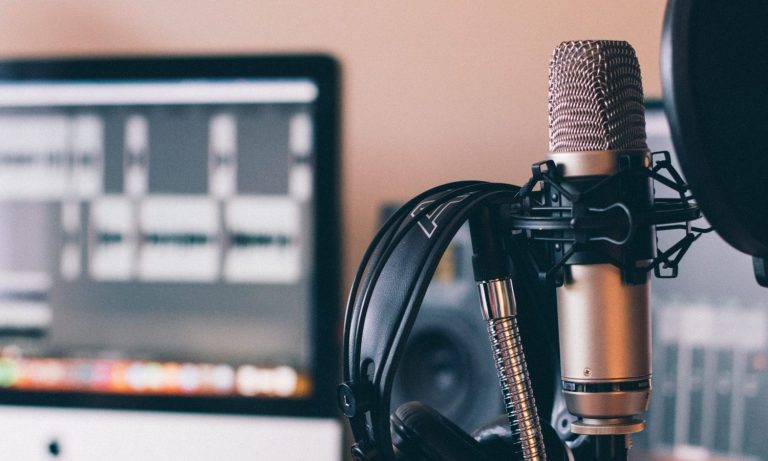
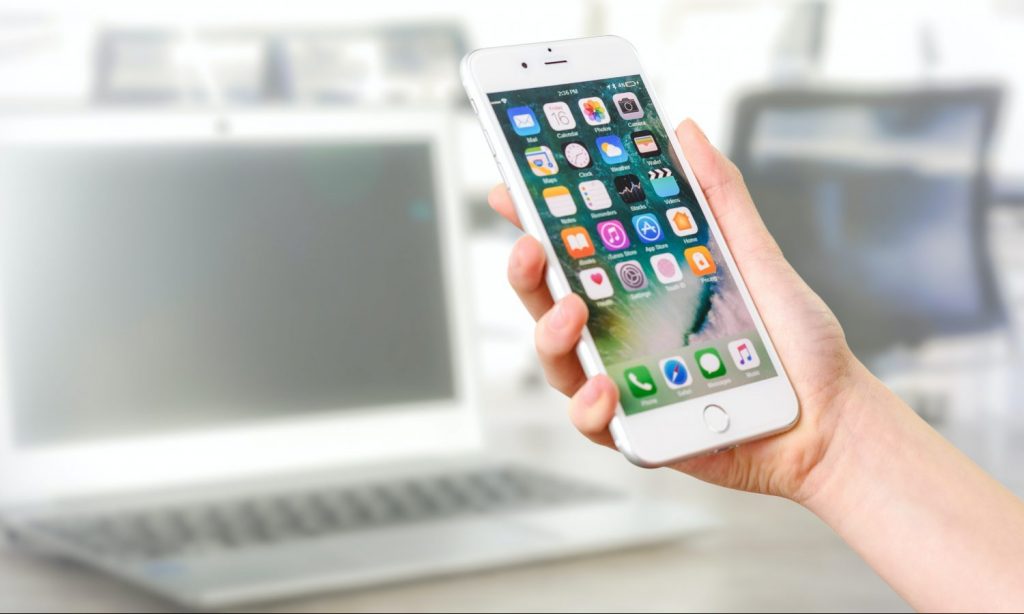
Clubhouse is a new social media app based on audio exchanges. Here’s everything you should know before you sign up.
When pulling up the Clubhouse website you only get a mysterious prompt and a waving emoji. It reads: “Hey, we’re still opening up but anyone can join with an invite from an existing user!” By downloading Clubhouse through the app store, you’ll join a seemingly endless wait list.
Clubhouse is an invitation-only audio based iPhone app that has been around for 11 months. By January of this year, the app was valued at $1 billion, having over 10 million active users per week. On eBay, invitations to join the app are sold for up to $125, with celebrities like Elon Musk and Joe Rogan making random appearances that make the experience all the more enticing. Plenty of celebrities have mentioned Clubhouse on their social media profiles.
The app allows users to create and join “rooms” where they drop in, listen to other people and post audio clips if they’re invited on the stage (which limits disruptions and guests who are there to derail the room’s conversation).
Photo by PhotoMIX Company from Pexels
Once you enter the app, you have the option of creating a room or join other rooms. Rooms have different topics and are often hosted by an expert. These can range from discussions about cryptocurrencies, to Korean karaoke contests, to impassioned Real Housewives debates. Unlike Instagram and Facebook, there are no options for posting images or videos. The easiest way to describe Clubhouse is by calling it a temporary live podcast.
Immediacy is important to Clubhouse, with rooms disappearing after guests are done. This is one of the main reasons why the app is so interesting to high profile users like celebrities and experts, giving them the freedom to post without self-consciousness. While the people in the room will hear what they have to say, the audio clips won’t make it onto a different website. If something scandalous is said, the outside world will only get a retelling of it.
The invite-only format means Clubhouse can only be downloaded by getting a direct invitation from someone. According to Clubhouse’s CEO Paul Davidson, the app will open at some point for everyone who’s interested in joining, including users with Android devices.
In 2021, when there are several apps leading the social media charge, it’s worth pondering why downloading another app is beneficial. Aren’t there enough already? And while this is true, apps with new ideas tend to boom, with others trying their best to remain relevant and incorporate these new features in intuitive ways.
Much like TikTok, there’s a sense that Clubhouse is here to stay, especially if developers handle the app’s expansion with care. Clubhouse seems to provide social media users with a much needed sense of exclusivity and community.
But before you join, Inc. recently did an eye-opening story about how much of your personal information is being shared (without notifying you) and how hard it is to delete the app.
Says, Inc.: “It seems pretty clear that Clubhouse is getting ready to monetize the platform it’s building. That’s fair–every business should have a plan for making money. If that plan includes monetizing its users’ activity and data, I think we can all agree it should be upfront and transparent about that fact.”
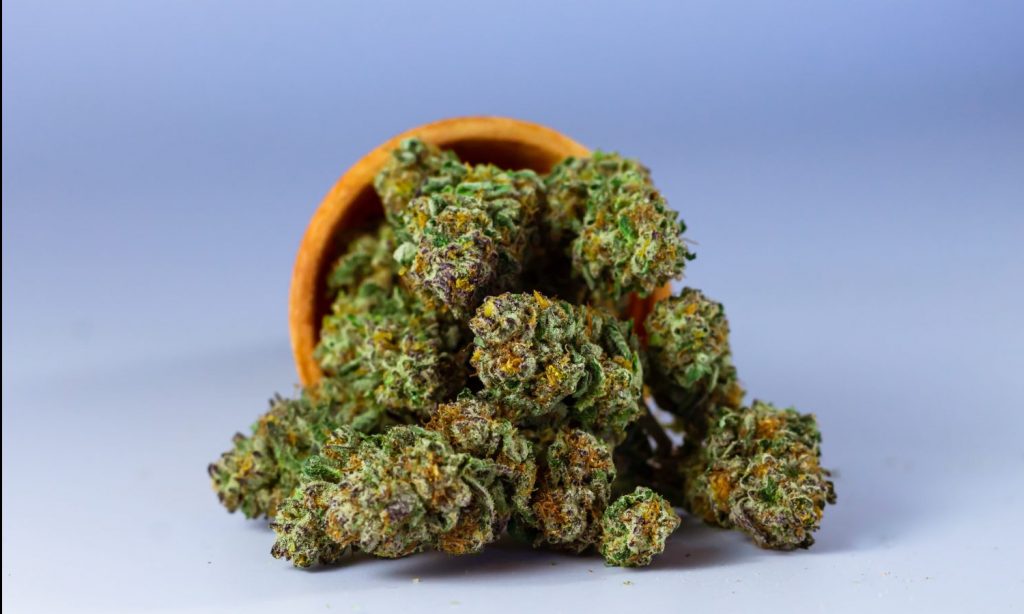
Marijuana is known for its relaxing effects, but it also gets a bad rap for its capacity to produce a lot of anxiety. Here’s how you can try your best to avoid this.
Marijuana is highly variable. While frequent users have a solid routine with their weed consumption, marijuana can straddle the line between deep relaxation and intense paranoia, with a single variable being able to tip the scale in either direction. And that’s without accounting for the hellish times we’re living through.
Paranoia is a common occurrence when consuming marijuana, something that might turn people off if they’re feeling stressed out. There’s no standard way of preventing it, but there are ways of controlling some of the variables that might cause you to spiral out of control.
THC is a complex compound; there’s a lot of mystery surrounding it and the data that exists is sparse and conflicting, but when it comes to its effect on anxiety there’s one clear answer. Small amounts of THC are effective at mitigating anxiety and larger amounts are likely to increase the odds of experiencing it.
As always, marijuana is deeply personal and there’s no one size fits all approach; what may work for tempering my anxiety may not work on you, but it can provide you with a helpful frame of reference. Here’s how to avoid marijuana paranoia during the pandemic:
The relationship between CBD and THC is important, particularly when it comes to anxiety and paranoia. CBD plays an important role when mitigating the psychoactive effects of THC. Strains with high amount of CBD or with equal amounts of CBD and THC may not provide you with the giggly euphoric yet delightful mess of THC, but may still leave you feeling relaxed after a long day spent of staring intently at your computer.
Keep track of your triggers
Photo by Elsa Olofsson via Unsplash
If you’ve had bad experiences with marijuana, try to remember what happened that day that triggered it. Was it the strain? Was it your mood? Was it the people you were with? Keep in mind these variables whenever you’re planning on toking up and limit your amount of stressors. Start off slow, preferably with something you’ve tried before and increase or experiment as you go.
While marijuana can be used to treat anxiety, timing is very important. When experiencing your anxiety peak, try your best to take it easy. If you’re planning on having weed, control the amount of THC you consume, and smoke only with people you trust and feel comfortable with.
Unlike CBD, CBN is not present in significant quantities in fresh marijuana, but when unheated marijuana ages or is exposed to air and light, the THC in it turns to CBN.
According to a report by the Centers for Disease Control and Prevention, 25% of U.S. adults report insufficient sleep or rest at least 15 out of every 30 days. In addition to its profound impacts on cognitive health and behavioral functioning, sleep deprivation can cause accidents, affect relationships, and contribute to lowered immunity and chronic illness.
A report by Express Scripts, a Cigna-owned pharmacy benefit manager, concludes that more than one in five people say their quality of sleep has suffered during the spread of COVID-19. With that spike, the demand for sleep aids and medications has seen a similar surge, and with it the debut of products containing cannabinol (CBN), a minor cannabinoid with, what some claim is, a uniquely sedative effect.
Unlike CBD, CBN is not present in significant quantities in fresh marijuana, but when unheated marijuana ages or is exposed to air and light, the THC in it turns to CBN, which is only psychoactive if ingested in large doses. Promoted as the cannabinoid with the most significant sleep-inducing qualities studied to date, CBN has been compared to Valium in the way it calms the body without having a negative impact on functioning. While CBN has also been shown to have positive benefits for sufferers of glaucoma, psoriasis, bacterial infection, and pain, sleep is where some say CBN (in concentrated form) comes out on top.
An analysis performed by cannabis testing and analytics company Steep Hill Labs showed that 5mg of CBN is as effective as 10mg of diazepam, a prominent pharmaceutical sedative. Steep Hill later amended their analysis to state that their results did not show conclusive sedative qualities, but enthusiasm for CBN is still on the rise.
Numerous cannabis companies are jumping on the CBN bandwagon, offering products targeted towards those suffering from chronic disordered sleep as well as occasional sleep disruption. Extract Labs PM Formula Hemp Softgels contain 30mg of CBD and 10mg of CBN per capsule for a full spectrum remedy with less than .3% THC. The gummy gurus at PLUS (PLPRF) offer options in flavors like Sleep Cloudberry and CBN Relief Lychee, which combine THC, CBD, and CBN for an entourage effect that promotes restful sleep.
Photo by Adam Kuylenstierna/EyeEm/Getty Images
Despite the rising popularity of these products and a growing consumer interest in them, most evidence on the efficacy of CBN as a sleep remedy is still anecdotal. In fact, a clinical trial published in the journal Pharmacology suggests that CBN has a sedative effect only when used in combination with THC.
Dr. Ethan Russo, Director of Research and Development at the International Cannabis and Cannabinoids Institute, suggests that the sedative effects of old cannabis are more likely due to a loss of monoterpenoids and retention of sesquiterpenoids, which induce drowsiness. These conclusions suggest that if consumers are interested in seeing what CBN can do, it might be best to focus on products that contain THC as well as sedating terpenes for an entourage effect to achieve that deep sweet slumber that eludes so many among us these days.
There is still a long path from mice and worms to human beings in terms of CBD’s impact on lifespan, but the course is already set for what could be the future of cannabis.
The varying health benefits CBD offers have contributed immensely to questions about longer-term effects because you’ve got to admit that when something adds value to our health, we all want to know if there is more to the product. Now, research indicates CBD might lengthen lifespan.
So yes, CBD is an alternative treatment for pain, acne, and even heart disease. More research could open up new possibilities.
What does the research say?
According to a Canopy Group Corporations study, CBD consumption offers benefits of a longer lifespan in worms. There are no clear-cut clinical trials on humans that prove this postulation. Researchers discovered that CBD did not show any sign of prolonged lifespan toxicity or liabilities through the worms.
The worms treated with CBD displayed increased lifespan by up to 20%, with their late-stage life activities increasing by 200%. But these results only show the impact of CBD on worms and the absence of toxicity hence the reason more research is required into long-life effects on human beings.
But the bigger picture here is that the potentials CBD displayed through the worms holds much promise for humans in the future. The effects of cannabinoids on lifespan cannot be readily determined through human testing. Humans already have a longer lifespan than other mammals; it will take a while to arrive at definitive conclusions.
However, the Canadian Cannabis Grower’s Corporation worked with a preclinical model for its research with worms as their genes resemble humans. Additionally, worms have a lifespan of 2-3 weeks; thus, it gave the researchers adequate time to monitor the increase in lifespan during the research.
Since the worms showed promising results (with their similar genes to human beings), it is only safe to conclude that there is a potential for such positive results for humans in the future. Of course, this realization doesn’t mean CBD is no longer sufficient; it buttresses the fact that more research is needed to understand the possibility of a person enjoying a longer lifespan with CBD.
Photo by CRYSTALWEED cannabis via Unsplash
The researchers who unraveled the findings with worms evaluated based on acute toxicity, solubility, and stability to check how CBD performs in the animal with these factors. Is it soluble, stable, and non-toxic? These questions aid their research, and for human beings to know if CBD will offer a long lifespan, these questions also need to be answered.
None of the worm subjects died when exposed to acute cannabinol as instead, the results showed the opposite. As the worms were exposed to cannabinol in concentrations, their lifespan extended, and this may apply to human beings if human trials happen.
In another study by the University of Bonn, CBD was used on mice to ascertain memory performance as the animal grew older. Generally, memory performance reduces with increasing age, but researchers discovered that cannabis reverses the brain’s aging processes. Hence, it has been said that cannabis reduces the impact of Alzheimer’s disease.
Photo by Katarzyna Grabowska via Unsplash
Based on the University’s research, with CBD, older animals regressed to the state of two-month-old mice after prolonged low-dose treatment with cannabis as the active ingredient in the medicine. This research also opens up the possibility for more investigation into how CBD can minimize the impact of dementia in older people.
The brain ages like other organs, and cognitive decline is expected in old age as well, such that some people die not just because of “old age,” but because their organs are not in a regenerative state. The person also struggles with learning new things, and while this is a normal process, it starts to cut short his or her lifespan. Researchers have been looking for solutions to slow down or reverse the aging process, and the researchers at Bonn University found some answers with mice.
Mice have a short life expectancy and start to display this “cognitive decline” from 12 months of age. But when the researchers administered small doses of THC, which is the active ingredient in cannabis, the mice aged up to 18 months within four weeks. The researchers also tested the cognitive capacity and memory performance and discovered that the cognitive functions of the mice treated with CBD were excellent.
With these promising results from mice and worms on lifespan and reversing the impact of old age, clinical trials on humans are required to investigate if THC can reverse the aging process in the human brain. There is still a long path from mice and worms to human beings in terms of CBD’s impact on lifespan, but the course is already set for what could be the future of cannabis. Until human trials happen, human beings can start to maximize the health benefits of CBD; a healthier life now will make the pathway to old age more comfortable. Older people who take CBD can reduce blood pressure, prevent diabetes, reduce pain, and generally thrive health-wise to help them live healthier and longer.
It may not sound like it’s good news since we discuss and consider the impact of CBD on lifespan, but what truly makes one enjoy a longer life? When a person approaches old age, what becomes his or her most prominent concerns? The answer lies in the absence or minimization of health challenges and diseases, which this research has uncovered with CBD. No one wants to be old with back pains, memory loss or even cognitive decline. Dementia and Alzheimer’s diseases are everyday experiences as humans grow older, and if these challenges are taken care of, the older person will thrive in old age.
Bottom line
This research on the impact of CBD for long life is a recent one and the first of its kind. It should be noted that it explains the lack of in-depth literature on the subject. But from all indications, CBD is safe even when applied in high doses, and it presents the possibility of increased long-term impact on human beings. Although it is already proven that CBD offers a wide range of health benefits, there is a need for additional research and trials that demonstrate its impact on a longer lifespan.
There was a lot more Zoom and a lot less glamour. Here are some of the funniest reactions to this year’s awards show.
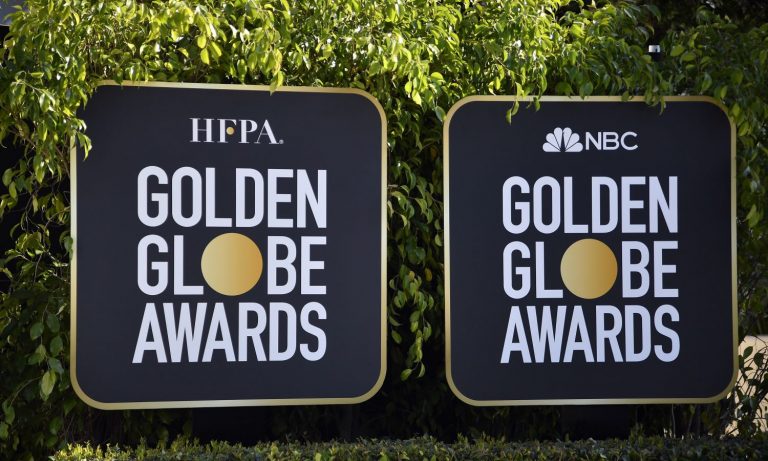
Despite the continuation of social distancing measures and lockdowns, this year’s Golden Globes aired Sunday, successfully adapting to the remote participation from many of its guests and nominees.
The Hollywood Foreign Press’s annual awards show — usually the least stiff of the bunch and a favorite of those of us who watch these kinds of things due to their propensity for drunk celebs — was held in two places at once: at the Beverly Hilton in L.A. and New York’s Rainbow Room. Hosts Tina Fey and Amy Poehler led the two stages, guiding a show composed of an audience of limited guests and plenty of video appearances.
Photo via Entertainment Tonight/YouTube
The result was a bit of a Frankenstein show that had what many of the pandemic era awards shows are known for: frozen screens and lots of awkward videos, with the addition of some extra technical glitches, relaxed fashion and the presence of household pets. As usual, the internet delivered plenty of memes.
Here are the funniest and most relatable tweets and memes from the Golden Globes 2021:
need to understand how they’re deciding who is in the “background” on zoom. are they getting warned…do they just have to act totally normal the entire time ..??
While the Senate had wanted to make the legalization of simple possession and home cultivation take effect starting on July 1 2021, negotiators ultimately agreed to delay it to coincide with commercialization in 2024.
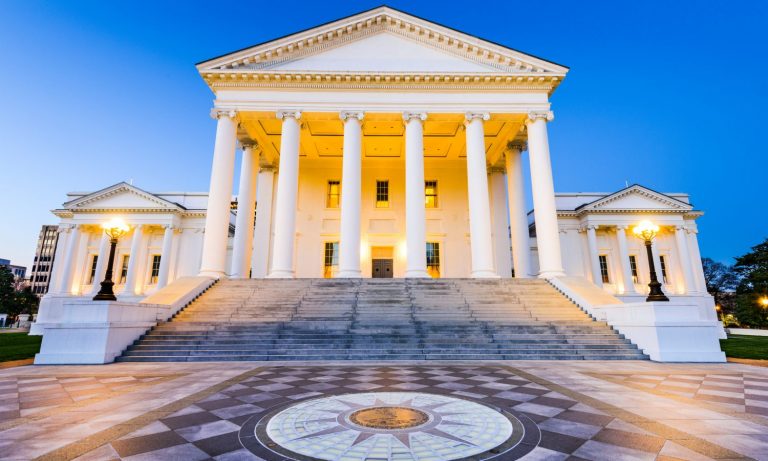
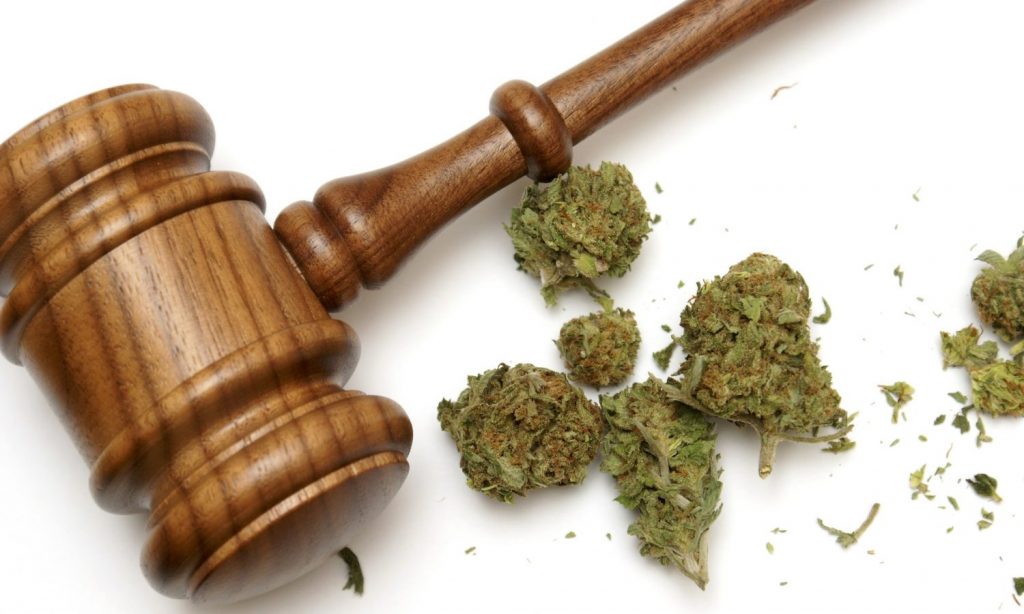
The cannabis community is certainly pleased to see that the state of Virginia has legalized adult-use cannabis, but it will be some time before sales can begin. Still, despite support for the legislation, it looked to be a nail-biter to the end. The Virginia House and Senate lawmakers were in agreement on passing the law, but they differed on just exactly what it would look like.
The two sides have been working over the past few weeks to reach a compromise, which was beginning to look less possible. Then on Saturday, it seemed the law just managed to squeak through. As Marijuana Moment reported, “The Senate voted 20-19 to approve the conference committee report on its bill as well as the identical version for the House legislation. The House voted to approve the conference report on its bill, 48-43, with two abstentions. When considering the Senate version, the House voted 47-44, with one abstention.”
The next stop for the legislation goes to Democratic Gov. Ralph Northam, who supports legalization. However, it will be some time before Virginians will actually be able to purchase adult-use cannabis in the state.
Sales Begin January 1, 2024
Part of the deal included a compromise towards having enough time to create the program’s regulations. Marijuana Moment reported that “The Senate has pushed for a reenactment clause to be included which would extend the process into next session, whereas the House side wanted to complete legislative work during the current session, arguing that enough research has already been done to effectively decide the issue. But Senate negotiators won out, meaning that the legislature will revisit cannabis regulations and post-legalization penalty structures next session.
“Another major area of contention dealt with how the state would approach cannabis possession in the time between the bill’s signing and implementation of legal sales going into effect. Under both versions, the adult-use market wouldn’t launch until January 1, 2024 to give the state time to establish a regulatory agency to oversee the program. While the Senate had wanted to make the legalization of simple possession and home cultivation take effect starting on July 1 of this year, negotiators ultimately agreed to delay it to coincide with commercialization in 2024.”
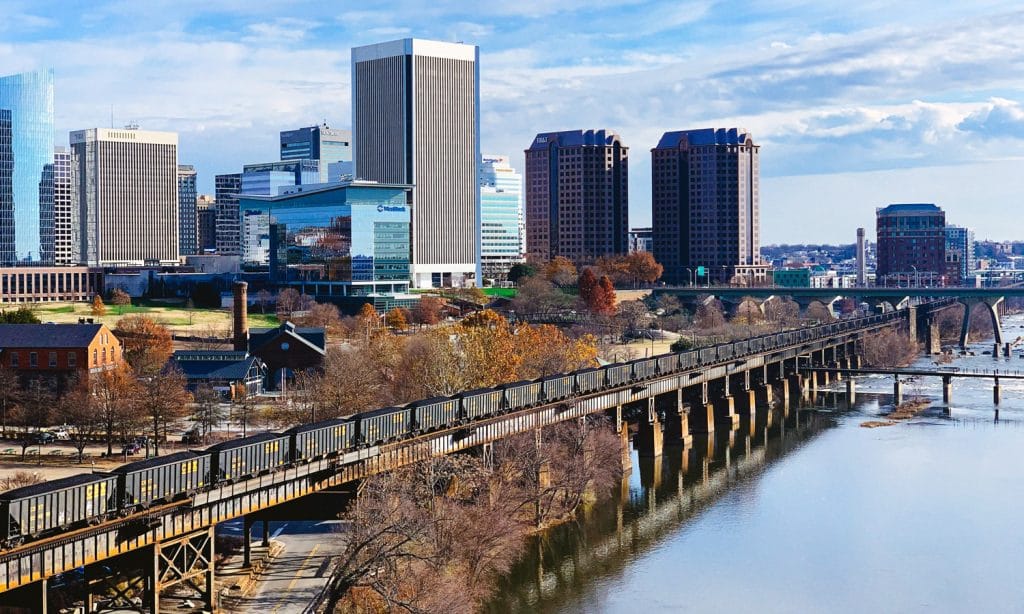
One company that was intently focused on the outcome of this legislature was Jushi Holdings (OTC: JUSHF). In the fall of 2020, Jushi, through its 100% owned Virginia-based pharmaceutical process permit holder, Dalitso LLC, started operations at its 93,000 sq. ft. cultivation, manufacturing, processing and retail facility in Manassas. They opened the first of six dispensaries operating under the company’s retail brand, BEYOND / HELLO, on December 1, 2020.
Photo by STEPHEN POORE via Unsplash
Dalitso is currently one of only five applicants to have received approval for a pharmaceutical processor permit issued by the Virginia Board of Pharmacy, and the designated area for Dalitso to operate is Health Service Area II, in Northern Virginia, which has a population of approximately 2.5 million people or nearly 30% of the state’s population. This area includes two of Virginia’s most densely populated counties, Fairfax and Prince William County.
“The adult-use cannabis legislation passed by the Virginia General Assembly is a critically important first step on the path toward legalization,” said Jushi CEO and Founder Jim Cacioppo. “These bills begin to accomplish fundamental justice and equity priorities as well as promote public health. Jushi appreciates the General Assembly’s commitment to address these complex issues, especially the passion shown by Senators Adam Ebbin and Louise Lucas and Delegate Charniele Herring in answering Governor Ralph Northam’s call for legalization.
Adding flower to Virginia’s medical cannabis program is a critical advance and Jushi applauds Delegate Cliff Hayes and Senator Louise Lucas on this achievement. We expect that around the end of the year, this new legislation will allow pharmaceutical processors to make medicines available at much lower price point and expand access to patients who could otherwise not afford sustained medical cannabis therapy.
Almost no one used marijuana before it was prohibited. Now, almost 100 years later, it is everywhere.
Disclaimer:The views expressed in this article solely belong to the author and do not necessarily represent those of The Fresh Toast.
As we used to say, back when we could still go to the movies, “This is where I came in. ”
In 1972, the first thing I ever wrote for publication was in the late William F. Buckley Jr.’s National Review on why conservatives should support the legalization of marijuana. It caused quite a stir. There it was on the cover: THE TIME HAS COME: ABOLISH THE POT LAWS.
Even though he led with “The key to any nationwide legalization is to keep the free market out of it”, and that is not something one often sees in either Bloomberg or National Review, he explains that he only wants the government to control retail sales to prevent excessive commercialization that would encourage excessive use.
Based on the work of the late Mark A. R. Kleiman, Ponnuru again explains that he didn’t conclude that marijuana should therefore continue to be prohibited. Instead, he argued that possession and use should be legal — “but that sales should be confined to nonprofits, user cooperatives and state monopolies.” What could possibly go wrong?
Photo by matt_benoit/Getty Images
He explains, “Cowan disagrees with me in part because he does not think intensive users are a problem: He says they’re just people who use marijuana more than I think appropriate. That’s a glib dismissal of a real issue, one Kleiman wrote about in 2019.”
Yes, I knew Kleiman. We would meet cordially at drug reform conferences where we would agree to disagree. Too bad that is so rare these days. But he also told me that he played the Grateful Dead for DEA agents. I don’t think that worked either.
Kleiman based his concerns, accepted by Ponnuru, on what he called “Cannabis Use Disorder.” He never precisely defined it, so I will just assume that it applies to anyone who uses more cannabis than I do. Why not? That would be just as scientific as Kleiman’s “glib” generalities.
Kleiman also discussed at some length the fact that the average THC level has increased over the decades of Prohibition. He sees that as a problem.
Let me tell you a scientific fact: The difference between 10% THC and 20% THC is one toke, and tokes are not all created equal. However, since there is no lethal level, one really can live and learn.
Kleiman also spent several long paragraphs considering all of the factors that determine its retail costs; too high and it would support the black market. Too low and it would encourage more use and hence the dreaded “Cannabis Use Disorder.”
But there have been no confirmed deaths from Cannabis Use Disorder.
But we are told we must reject the free market for something that doesn’t kill anyone. And can the people who arbitrarily set the price for cannabis then set the price for cabbage? Why not?
Photo by Thought Catalog via Unsplash
Ponnuru says, “The more important source of Cowan’s disagreement, though, seems to be a misunderstanding… He must be used to arguing about proposals to decriminalize marijuana possession and use while continuing to criminalize its sale and distribution. He treats the Kleiman idea as though it were identical to that one. He thinks I propose ‘keeping cannabis in the black market,’ which he says would both fail and continue to fuel organized crime in poor countries.”
“But I agree with Cowan that a large black market is a major problem with the current policy. The policy I wrote about would vastly shrink that market. It would not eliminate it, of course: No policy that (for example) leaves sales to minors illegal would. I live in a state, Virginia, where liquor is sold by the state government. It’s a set-up that has its pluses and minuses, and proposals are sometimes made to change it. Adherence to the law is far from perfect: I gather that underage sales, for example, still take place. But we don’t have anything like a 1920s-style black market in alcohol.”
As Kleiman describes them, places that sell marijuana are not at all like liquor stores. Oddly, he thinks that it’s bad for budtenders to tell their customers about their products.
But, according to the National Institute on Alcohol Abuse and Alcoholism, “In 2019, about 24.6% of 14- to 15-year-olds reported having at least 1 drink. In 2019, 7.0 million young people ages 12 to 20 reported that they drank alcohol beyond ‘just a few sips’ in the past month.” Do state liquor stores stop that?
So why wouldn’t destroying the traditional American commercial-style market prevent or reduce excessive marijuana use by some of the population? Because this is America, and look at our history (or yesterday’s news).
Photo by Grav via Unsplash
As I pointed out, almost no one used marijuana before it was prohibited. Now, almost 100 years later, it is everywhere. Really. It didn’t take Big Marijuana to make Acapulco Gold world-famous, and there may never have actually been such a thing, although I supposedly smoked it, back in the day.
The contraband culture is a powerful marketing tool. And one without either age limitations or quality control.
Ponurru says, “We can have a much smaller black market in marijuana without also developing a thriving, politically powerful marijuana industry, that seems like a better outcome than the available alternatives. Is there a good reason we can’t have it?”
Yes.
First and foremost, the culture around cannabis is a product of the contraband markets, and taking it out of the black market is demonstrably difficult, and will be more difficult if the omnipotent state is deciding what’s best for us.
Second, cannabis is an incredibly complex plant, and we are just now beginning to learn about it, because the government — that is supposed to protect us from it — continues to block research on it. And we need the freedom for research and development of new products that are better than what we have now, and that will be in the private sector.
That is only going to happen in the free market. Or are we going to leave the government as the gatekeepers to decide what products are researched and developed to be sold to adults… that we are treating like children?
Photo by strelov/Getty Images
Then there is the cultural aspect of the cannabis world. One makes friends in foxholes, and when getting high. And we also learned who our enemies are. The enemies of freedom.
So the government is going to control the retail sales of marijuana? Look at the messes they are making while supposedly legalizing marijuana in the various states. That should not be a surprise to anyone at National Review.
And we are supposed to trust them? They do not come to us with clean hands. They come to us with blood up to their elbows. They have driven people I know to suicide. They have arrested tens of millions of people and imprisoned hundreds of thousands. They have suppressed science and banned farmers from growing a crop grown by Washington and Jefferson. And they are here to help us?
I know these academics. Nice people. I met them when they came to study us, like explorers from National Geographic discovering strange natives in 1900. And like these other primitives, we are not to be trusted with too much freedom.
So do you expect Americans who have defied the prohibitionist police state to invite them to take the bridge between the public and the producers and we will trust them with our lives? How did that work out last time?
Today American Conservatism is in worse shape than at any time since Bill Buckley started NR. The marijuana liberation movement was one of his most courageous and successful efforts. It is now supported by an overwhelming majority. How can the pages of NR lead Americans to freedom while telling them that they can’t be trusted with the free market for a plant that so many suffered and died for.
Hopefully, in time, these cities will reevaluate the deleterious effects these ordinances have on sales taxes and consumer choice.
Arizonans knew zoning issues could cause headaches for dispensary owners. However, what was unanticipated are the new bans by some of the Arizona cities for recreational marijuana establishments.
Shortly after the passage of Proposition 207, otherwise known as the Smart and Safe Arizona Act (the “Act”), several Arizona cities moved to ban recreational marijuana sales, unless the dispensary is a “dual licensee”. A dual licensee means an establishment that is licensed both as a medical marijuana establishment and an adult use (or recreational) establishment.
The Act specifically allows dispensary owners to hold both licenses (medical and recreational) and to sell both types of products from the same dispensary location. The cities in Arizona, like Mesa, found a way to end run the Act by prohibiting, among other things, recreational only marijuana dispensaries. While Mesa and the other Arizona cities are certainly allowed to pass such ordinances, it certainly appears to frustrate the purpose of the Act, even though apparently lawful to do so.
Why did these cities seek a ban of recreational-only establishments? There have been several theories espoused by others. As the Phoenix New Times reported:
Others have since followed Gilbert[] [Arizona’s] lead, creating de-facto monopolies for existing medical marijuana facilities and building barriers for new players looking to get into the new recreational cannabis market in Arizona. In the weeks after the election, several local governments passed similar laws, including Scottsdale, Mesa, Goodyear, and Surprise. Tempe is currently soliciting public input for its own recreational marijuana regulations.
Click here to read the full Phoenix New Times article.
Not only are recreational-only dispensaries banned in some Arizona cities, but so are marijuana testing facilities. For example, as set forth in Ordinance Number 5601 for the City Mesa, “[t]he operation of a marijuana testing facility is prohibited in the City [of Mesa].” Click here to view the entire Mesa Ordinance.
Mesa likewise has banned (a) “the possession and consumption of marijuana and marijuana products on City property”, (b) “delivery of recreational marijuana and marijuana products within the City”, and (c) “the consumption of marijuana and marijuana products on prohibited property.” See Mesa City Ordinance No. 5601.
Photo by Florian Schneider via Unsplash
In addition to these issues, the new ordinances will also have a negative effect on the new Social Equity Opportunity Program in Arizona. As noted in the New Times Article:
[Mason] Cave [president and chairman of the Arizona Cannabis Chamber of Commerce] added that the new restrictions will create obstacles for people to obtain Prop 207’s 26 so-called social equity licenses, which are intended to go to dispensary operators who come from communities disproportionately impacted by cannabis criminalization.
What is likely the most fascinating part of these new restrictions are the purported reasons for such ordinances. As part of the preamble to the Mesa Ordinance, Mesa provided the following reasons for the new bans:
WHEREAS, the City of Mesa, Arizona (the “City”) finds that Proposition 207 authorizes marijuana establishments and testing facilities to use chemical extraction or chemical synthesis, including butane and other flammable gases, to extract marijuana concentrate, which poses a threat to the health, safety and security of the community and increases the responsibilities of law enforcement and other City departments to respond to violations of state and local laws, including building, electrical, plumbing, and fire codes.
WHEREAS, marijuana contains tetrahydrocannabinol, which remains on Schedule I of the Controlled Substances Act pursuant to 21 United States Code sections 811-814, and any possession or use is a violation of federal law pursuant to 21 United State Code sections 841-865.
According to Mesa, marijuana extraction is so dangerous and it creates such a heavy burden for City employees, that it needs to be banned. What about other industries that use similar extraction and chemical techniques? Will they be banned by Mesa next? Since there are taxes imposed on the sale of marijuana, one would assume that these taxes would cover any such additional expenditures by Mesa. And this argument completely overlooks the fact that medical licensees are not banned from these activities. The reasons for the passage of the new ordinance seem rather flimsy once you dig a little deeper.
The second reason set forth above — that marijuana remains a Schedule I drug — likewise misses the point. Mesa permits the sale of both medical and recreational marijuana by dual licensees, so why does it now use federal law as a justification to ban recreational only marijuana sales and related activities? Again, this seems to defy logic. If the federal ban on marijuana was really such a monumental issue, one would assume that Mesa would seek to ban the sale of medical marijuana as well (to the extent permitted by law). If the federal ban on marijuana is eventually lifted, will Mesa and other cities move to retract these ordinances? That would seem logical if that is truly a sound basis to ban recreational use sales.
Unfortunately, these ordinances seem to have gained traction in the Phoenix area cities. Hopefully, in time, these cities will reevaluate the wisdom of these ordinances and the deleterious effects they have on sales taxes and consumer choice.
Ethan Minkin is an attorney at Harris Bricken. This article was originally published on the Canna Law Blog and is reposted with permission.
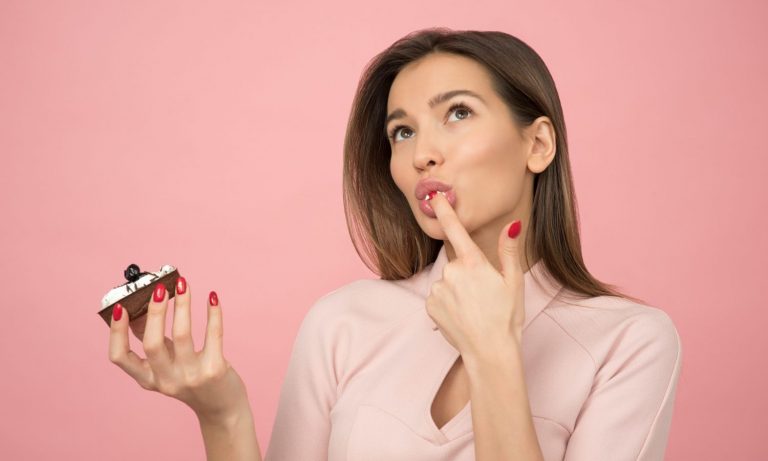
Unfortunately, the exact reason why COVID-19 can impact one’s taste and smell remains unknown. But there is one theory.
On a global and national scale, COVID-19 has impacted millions and continues to do so. What has been observed so far is that the virus produces various flu-like symptoms, such as fever, cough, and fatigue. But what’s especially unique about this virus is that it can also result in a loss of smell and/or taste.
Even if you’re diagnosed with COVID-19, this doesn’t mean you’re bound to lose your sense of taste and smell. This is a possibility, however, and according to a 2020 meta-analysis, 53% of individuals who tested positive for COVID-19 experienced changes in these vital senses. In many cases, individuals may experienced a reduction or complete loss in these areas right away or later on.
Photo by Louis Hansel @shotsoflouis via Unsplash
Probable and Possible COVID-19 Symptoms
In addition, if a reduction or complete loss of smell or taste occurs at any point, the Centers for Disease Control and Prevention (CDC) recommends self-isolating or testing for COVID-19. Other major symptoms of the virus to be aware of include chest pain, shortness of breath, and lethargy. Unfortunately, the exact reason why COVID-19 can impact one’s taste and smell remains unknown. However, one theory is that the SARS CoV-2 virus creates inflammation within the nose that can result in a loss of olfactory or smell neurons.
Significance of Our Senses & The Role They Play In Our Lives
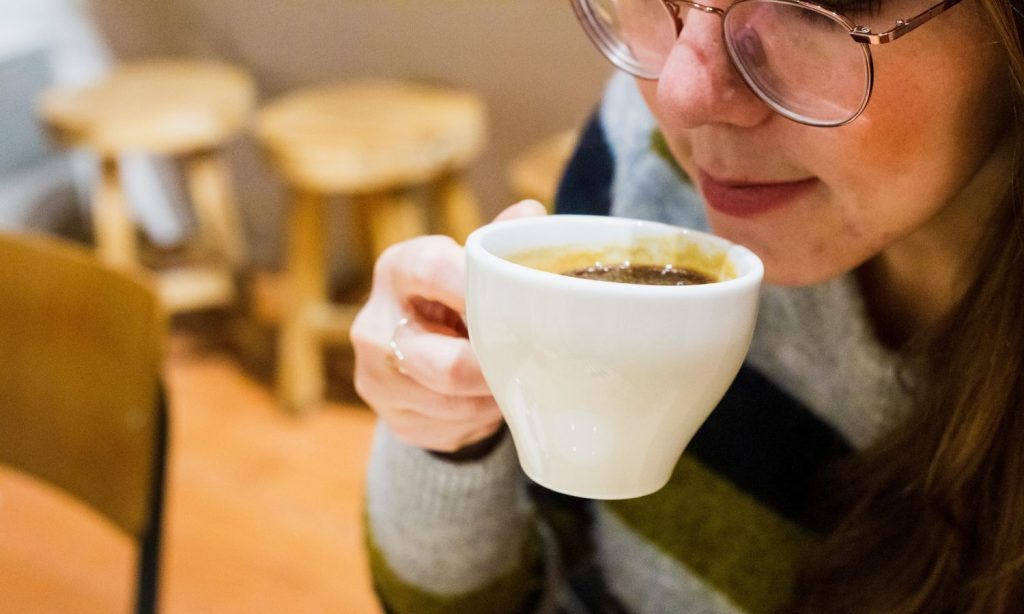
Did you know that your sense of smell is closely related to your sense of taste? Although all five basic senses are important in their own ways, taste and smell work together in order to produce various fundamental sensations of everyday life. Interestingly, each human has anywhere from 5,000 to 10,000 taste buds, and each taste bud has 50 to 100 specialized sensory cells. With this being said, it’s understandable and normal for individuals to feel frustrated if they experience sensory changes due to COVID-19 or other causes.
Nonetheless, all of our senses play a significant role in our lives, and according to professor Tom Finger from the University of Colorado-Denver Medical School, an individual’s sense of flavor is a mixture of taste and smell. While chewing occurs, we force air through our nasal passages, which brings along the smell of food. Without this combination of senses, we wouldn’t be able to experience many different complex flavors.
Researchers are diligent on discovering more information about the cause, symptoms, and long-term effects of COVID-19. Most major research groups are conducting clinical trials so that the healthcare community can be better prepared for not only coronavirus, but other potential future pandemics.
Scheduling a COVID-19 Test & Doctor Appointment
If you experience any changes with your sense of smell and/or taste or if you exhibit other symptoms associated with COVID-19, the next step is to schedule a doctor’s appointment. Getting a COVID-19 test is likely, but it’s ultimately up to you and your doctor to decide what’s best.
Despite the rising number of global coronavirus cases, preventative measures can be taken to reduce the risk of catching this virus and/or passing it on to others.
Have you or someone you personally know been diagnosed with COVID-19 since the start of the pandemic? Although millions of people around the world have so far been diagnosed with with the virus, it affects each individual differently regarding symptom development, the severity or intensity of symptoms, recovery time, and more.
Since December 2019, COVID-19 cases have reached 107 million worldwide with close to 30 million just in the U.S. alone. As time goes on, research studies are providing different facts and useful details about this novel virus and ways to fight it. Five important facts about COVID-19 that have been revealed so far include:
Photo by Cottonbro via Pexels
Coronavirus is a respiratory virus
Numerous COVID-19 symptoms are likely to mirror those of other common respiratory viruses such as a common cold and influenza.
Main COVID-19 symptoms
Some of the most common Coronavirus symptoms to look out for consist of a fever greater than 100°F, shortness of breath, fatigue, chest pain, loss of smell or taste, and/or a cough that progressively worsens over time.
Keep in mind that if you experience any or all of these symptoms, it’s not definite that you have COVID-19. As time goes on, if you feel worse, if your symptoms get more severe, or if they don’t subside, the next step is to schedule a doctor’s appointment to determine what’s really going on.
Your environment matters
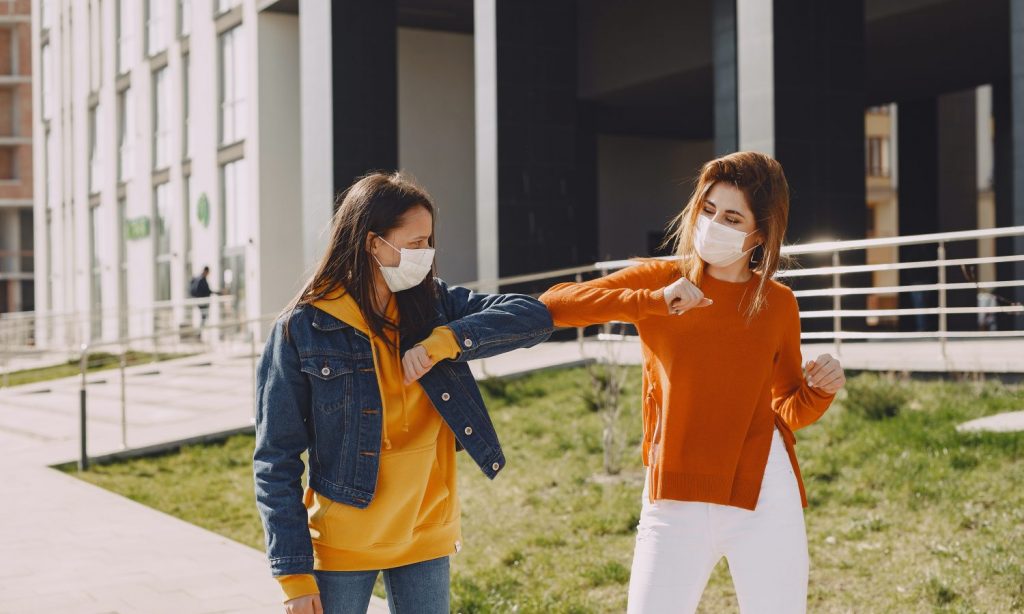
By now, COVID-19 has shown that it doesn’t transmit well outside or in warmer and humid air. Therefore, most Coronavirus spreading occurs within indoor rooms or spaces. When in enclosed spaces for whatever reason, it’s recommended to wear a face mask and distance yourself from others.
Knowledge and proper education is essential
As COVID-19 research evolves, the Center for Disease Control and Prevention’s (CDC) recommendations continue to change. As a result, it’s wise to stay informed, educated, and up-to-date on any new changes made by medical experts and organizations.
Post-quarantine steps
After completing a period of quarantine or overall isolation, individuals are no longer a health risk to others. From here, preventative measures should be taken to stay healthy.
Ways to Protect Yourself Against Covid-19
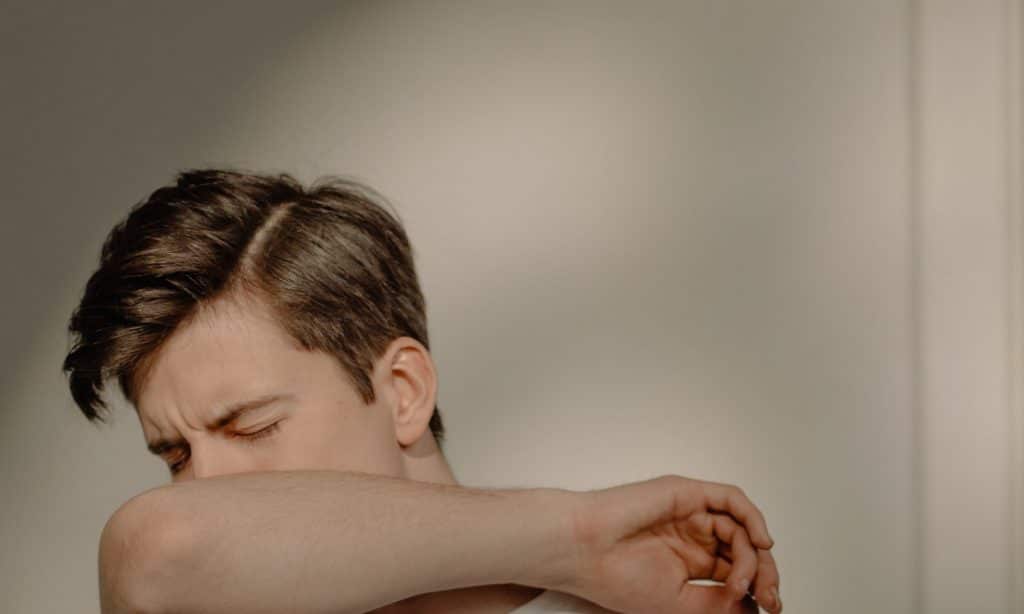
Despite the rising number of global coronavirus cases, preventative measures can be taken to reduce the risk of catching this virus and/or passing it on to others. A few examples include thorough and frequent hand washing, the use of face masks and overall face coverings, applying sneezing and coughing precautions, and maintaining a social distance from others.
Photo by Gustavo Fring via Pexels
Other ways to stay healthy for yourself and others is to avoid touching your eyes, nose, and mouth whenever possible and staying home if you have any unusual symptoms or doubts about the state of your health.
Overall, not only are researchers committed to uncovering additional information about Covid-19’s potential causes and plethora of symptoms, but also its short-term and long-term effects. Many large research groups are performing clinical trials like HERE with the intent of helping the healthcare community be more informed about and prepared for Covid-19 as well as other pandemics that may occur in the future.
When to Schedule a Doctor’s Appointment
If you experience coronavirus-like symptoms that progressively get worse, take this as a sign to schedule a doctor’s appointment. At that point, your doctor may recommend getting a COVID-19 test or possibly explore other options.