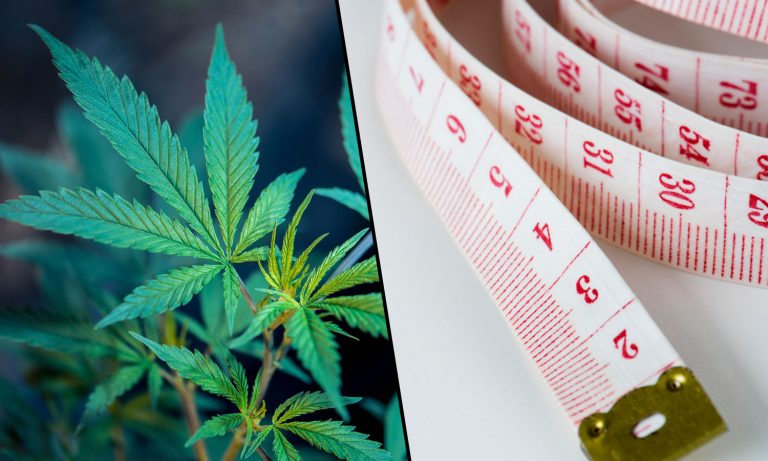
You don’t have to worry that using chronic cannabis is going to make you gain a lot of unnecessary weight. The exact opposite may be true.
If using cannabis gives you the munchies then why aren’t cannabis users gaining weight and why have they been shown to have better gut health?
Keeping your weight under control as you age is difficult. The average person gains somewhere between one to seven pounds a year. After 20 years that’s a lot of extra weight to contend with but interestingly people who smoke cannabis regularly maintain stable body weights. Their BMIs are lower. They don’t have this obesity as they age that we see in the rest of the population. At least in large part.
We’re not sure why that is. It might just be because they can get dopamine, and serotonin, and gabapentin, and norepinephrine from things besides a cupcake but it might be more complicated than that.
Photo by Rostislav_Sedlacek/Getty Images
GUT BACTERIA AND CANNABIS USE
The microbiome may actually be the culprit here. In lab mice exposed to THC, one particular bacteria grows a little more than other bacteria. It’s akkermansia muciniphila. Akkermansia muciniphila is a gut bacteria that produces mucous. Mucous in the gut is critical to protecting the cells in the gut lining but there’s also a question that akkermansia muciniphila may impact the way extra calories are stored as fat.
Very early, very interesting research in a rat model but nevertheless you don’t have to worry that using chronic cannabis is going to make you gain a lot of unnecessary weight. The exact opposite may be true. The mechanisms will be cleared up soon.
With the cannabis world trending in the direction of CBD, strains with high CBD content are taking center stage.
The result to be expected from using cannabis depends on cannabis strains and their cannabinoid profile. Cannabis has two major strains namely Sativa and Indica species. Both species have differences in terms of cannabinoid profile and ultimately effects. Different combinations of both species have now been used to artificially produce hybrid strains that are more unique and well suited to meet most of the needs of cannabis users. Due to their versatility, most cannabis users often prefer to go for hybrid strains and there are quite a number of them available presently. There are 5 exciting cannabis strains for 2021.
It should be noted that a major change in trend has been ongoing in the cannabis industry. Unlike before, the majority of cannabis users now want more CBD strains and less euphoric dominant strains. This trend is expected to continue into 2021 as the prominence of CBD strains continues to grow due to their relaxing and medicinal benefits.
Different cannabis strains, when properly used, can help with a good number of ailments and conditions. Early research conducted on CBD already shows positive results on some unique conditions, and with more works of research, a lot more will be understood about its degree of effectiveness.
Examples of the unique conditions these strains can be used for include social anxiety disorder, post-traumatic stress disorder, obsessive-compulsive disorder, and panic disorder. With the cannabis world trending in the direction of CBD, strains with high CBD content are taking center stage.
Charlotte’s Web is a very popular cannabis strain that is expected to grow in prominence in 2021. With a CBD content of 20%, this strain has a unique range of medical benefits. It also has THC in low quantities which means it cannot act to the psychoactive threshold of THC. Nonetheless, the medicinal benefits of THC are still available and the entourage effect between CBD and THC augments those benefits.
Due to its lack of euphoric effects, it is very popular among medical marijuana users who do not want to be intoxicated. It is therefore preferably used in the form of CBD oil as opposed to smoking due to health risks. Charlotte’s Web is used medicinally for pediatric seizure disorder, arthritis, fibromyalgia, muscle spasms, fatigue, and migraine. 2021 is the year when this wonderful strain is expected to take center stage and grow in popularity and use and all medical marijuana users should look forward to it.
Photo by rawpixel.com
Sour Space Candy
Sour Space Candy is another unique strain that is about to take the cannabis industry by storm. It has less CBD content than Charlotte’s Web, but with a CBD content of 13.97%, it still has a good amount. The presence of such a good percentage of CBD helps the strain to promote an elevation of mood without risks of developing paranoia or fear.
The strain is good for relaxation and promoting calmness as it ensures that the mind is well-settled without the need for euphoric effects. It is a very good strain that can be used during the daytime for alertness and at night before sleeping. The strain displays a different type of colors ranging from bright orange to deep purple. The terpenes present in the strain also work to give varying types of aroma such as grass and diesel.
Photo by Haley Phelps via Unsplash.
Ringo’s Gift
Ringo’s Gift is a special hybrid cannabis strain made from two special parent species. The strain is a product of the cross between Harle-Tsu and ACDC. Both parent species are top CBD strains with high CBD content. This invariably means that Ringo’s Gift has a good CBD concentration and has different useful medicinal applications. The strain has an earthly aroma and taste which helps to make it distinct and easily identified.
Ringo’s Gift is good for cerebral activity as it promotes relaxation and soothing relief. The strain can give a slight night due to the presence of low THC concentration and the entourage effect of THC and CBD helps to ensure a good feeling from the strain. The possible medical uses of Ringo’s Gift include muscle spasms, post-traumatic stress disorder, gastrointestinal disorder, arthritis, pain, and anxiety. Many medical marijuana users comfortably opt for this strain due to its usefulness and many more are expected to in 2021.
Photo by Andrea Piacquadio via Pexels
Harle-Tsu
Harle-Tsu is a hybrid cannabis strain produced from two unique cannabis strains. It is a product of a cross between Harlequin and Sour Tsunami which shows where the strain got its name from. Even though the strain has a whopping CBD content of 22%, Harle-Tsu is still very much considered a rare strain. This is expected to change in 2021 as more medical marijuana users are expected to be in search of the beneficial strain due to its numerous applications.
This special strain is regarded as mellow and can work perfectly as a pain killer. It can also give a wide range of effects which makes it useful when the user seeks relaxation, motivation, or energy. The strain can be used to promote mental alertness during the day and used at nighttime to ensure sound sleep free from disturbances. The medical uses of Harle-Tsu include insomnia, migraine, PMS, depression, inflammation, and post-traumatic stress disorder.
Harlequin is a unique cannabis strain that is perfect for the daytime. The strain has 10% CBD content which makes it perfect for ensure proper mental activity during the day. It is the sort of strain that you use before heading out during the day to ensure you are in the right mood throughout the day. The presence of THC in good concentration in the strain ensures it keeps you energized throughout the day. Harlequin can also provide a soothing effect which means it can be used for relaxation after the rigorous activities of the day. Medical applications of Harlequin include post-traumatic stress disorder, migraine, inflammation, depression, and chronic pain.
Watching for the sweet, relaxing brain tingles. | Photo by skyNext/Shutterstock.com
Bottom line
The year 2021 is bound to be a very good year for the cannabis industry. It should be noted that more relevant works of research are also being conducted to help guide the industry on how to properly utilize different marijuana strains to derive the maximum effects both medically and recreationally.
While it’s illegal for him to prescribe medical marijuana, Dr. David Sine has found a sweet spot for his patients in letting them know all of the options available.
Dr. David Sine’s passion for decreasing pain and creating new pathways to wellness in palliative care and hospice has only increased in the past eight years. A pioneer in pediatric care, Dr. Sine focuses on children who have life-limiting illnesses and need a higher level of attention to help them recover or transition on.
Known for integrating medical marijuana into his practice, Dr. Sine has spent almost a decade informing and comforting families in the complex process of integrating medical marijuana into their medicines. While he’s not allowed by federal law to prescribe medical marijuana, Dr. Sine has found a sweet spot for his patients in letting them know all of the options available. Sine is able to make the medical recommendation, ensuring it’s legal for a parent to give medical marijuana to their child.
Speaking at the 2019 SONO Symposium, Dr. David Sine explained that cannabis is nor a fad or trend in many hospice settings; he’s been using it as a medical intervention for many years. The doctor’s work in pediatrics has helped him bring findings to hospice patients in pediatric and geriatric settings, enabling better outcomes for all.
Treating over a thousand patients with medical marijuana, Dr. Sine stressed that his approach to care could be summed up with the saying, “the sum is greater than the parts.” He often partners THC with CBD as it makes pain care more effective. Also utilizing marijuana for pediatric seizures, Dr. Sine has worked to wean patients off prescribed morphine and stop medicines for bowel movements, getting children back to school.
Photo by rawpixel.com
The importance of quality control
In an exclusive interview with The Fresh Toast, Dr. Sine explained that treating palliative and hospice care patients has complexities beyond other care as young children or older adults have weakened immune systems. Those in palliative care often need tremendous attention to detail in dispensing medicine free from contaminants. When he began working with medical marijuana, parents would bring in marijuana purchased from the street or dispensaries that contained arsenic, feces, and even chemicals in round-up.
Explaining the importance of ensuring his patients have the most accurate dosage and cleanest marijuana, Sine says marijuana could be looked at as a chocolate chip cookie, not because of the sweetness, but because each cookie while formed from the same dough could have more or less chocolate, complicating dosage concerns.
“Think of it like a chocolate chip cookie where the THC is the chips; I have to have accuracy in dosing to ensure each cookie had the same amount, size, and dosage of chips.”
Working with BioLife West[KH2], biochemists specializing in growing and testing marijuana, [KH3] each plant is lab-grown, which ensures that soil is free of contaminants to give the highest-quality and most risk-averse cannabis available.
Knowing that dosing was of concern and needed to be specialized to an individual ingredient level for THC, THCA, and CBD, Dr. Sine and his partners developed a way to create a product flow that is personalized for each patient and able to be adapted at any point.
“Marijuana is the best medicine I have ever seen — hands down. One medication can treat nausea, sleep, anxiety, adjuvant seizure management, and pain. I can eliminate and significantly decrease many of the other medications my patients take as well.” – Dr. David Sine
Creating a system that stays within federal and state guidelines, Sine works with families to make recommendations for medical marijuana, and then transitions families to pharmacists and nurse practitioners who follow each patient and their caregivers closely, ensuring safety at every step and allowing for opportunities to change doses or communicate discomfort quickly. Sine and his partners state that the three-arm-approach allows for faster communication of patient information and an active dialog that elevates the quality of care for children who are especially vulnerable.
Photo by Sarah Pflug via Burst
Accessibility and transparency
Treating over 1,500 patients, Dr. Sine has incorporated medical marijuana into his practice while partnering with local authorities and regulators to establish best practices in the use of cannabis for children.
“We strive to first do no harm. I can do no harm with marijuana if I have the right product. I can’t overdose someone with marijuana, unlike opioids. Marijuana doesn’t affect the liver or kidneys; I can get control of their pain with medical cannabis.”
Often cost-prohibitive for families already burdened by medical debt, the average cost of medical marijuana varies from around two hundred to three hundred dollars each month. Still, for many families, the benefits of having their children in a more comfortable place are priceless.
The family of Angel, a 3-year-old with cerebral palsy and seizures, recently sought out Dr. Sine and his team to help with progressive seizures four years ago.
With a history of strokes and seizures that became resistant to typical therapy, Angel started medical marijuana medicine in 2015. Within a month, he experienced less frequent seizures and has been taken off three seizure medicines. Angel is vocalizing and moving on his own, experiencing a better quality of life than ever before.
Dr. Sine’s important work bears a reminder of the importance of investigating new therapies for illnesses that often leave families with few answers. As a pioneer in the medical marijuana treatment field, Sine’s approach has helped families to create not only a better quality of life but cherish more time with those most loved.
By smoking CBD joints, users can enjoy all of the natural terpenes and flavors that cannabis has to offer. But it’s also inherently unhealthy.
ByNicole Richter.
When it comes to getting started with imbibing in CBD, there is a natural desire to lean towards smoking joints. After all, smoking cannabis just seems like the most natural way to enjoy it, right? However, CBD is a lot more granular than regular cannabis, and there are a myriad of ways to enjoy it.
To help make the decision easier, here are a few of the pros and cons of CBD joints by Premium Jane to find out if this method is the right choice for you.
The Pros of Smoking CBD Joints
Great Flavor
While other methods of imbibing CBD might be more popular or more comfortable to use, none of them have the excellent, natural flavor that smoking regular CBD joints has.
In precisely the same way that some people enjoy cigars and whiskey, there are people who sample and enjoy cannabis strains. They aren’t looking for the effects, per se, but for the unique flavors.
By smoking CBD joints, users can enjoy all of the natural terpenes and flavors that cannabis has to offer.
Easy to Assemble Ahead of Time
A significant benefit of smoking CBD joints is that a user can easily prepare them ahead of time at home. This means that, when it comes time to smoke the CBD joint, it is as simple as lighting it up and breathing in.
Aside from the rather irritatingly finicky assembly required, when a person actually wants to smoke, they can just light up and enjoy.
Higher Bioavailability
Bioavailability is the rate at which the CBD a person imbibes is absorbed, broken down, and utilized by the body. Different methods of CBD consumption have different levels of bioavailability, and for some reason, smoking has one of the highest.
A study by Millar et al. for the Journal of Frontiers in Pharmacology found that smoking CBD has a bioavailability of 31%. This might not initially seem like much, but it is actually considered one of the highest rates of bioavailability, technically making it the most efficient way to imbibe CBD.
Photo by Gigih Hardhia/EyeEm/Getty Images
The Cons of Smoking CBD Joints
Danger to Your Health
Despite the higher bioavailability of smoking CBD, it still presents a big problem when it comes to health – the fact that the user is smoking at all.
No matter how healthy the substance within the joint is, the fact remains that you are smoking it, which is, unfortunately, inherently unhealthy.
Smoking involves combusting plant matter at high temperatures, resulting in inhaling burned substances into the lungs. This stuff can cause damage to the respiratory system, including scar tissue and any number of different medical conditions.
Anti-Social
Another big problem with smoking CBD joints is that it is just as antisocial as regular smoking is. If a user wants to enjoy some CBD joints, they need to light them up and force everyone around them to breathe in the same smoke that they are.
For those who frequently want to imbibe in public, CBD joints are definitely not a good option, as they force others to become irritated by the second-hand smoke.
Photo by Graham Hughes/EyeEm/Getty Images
What Other Alternatives Are There for Enjoying CBD?
Even if CBD joints aren’t the right option, there are still plenty of ways for new users to enjoy CBD. Considering all the useful benefits of CBD, like how CBD can help with treating nausea, it only makes sense that people would want to try CBD products, even if they don’t like smoking.
From CBD oils to CBD edibles, there are all kinds of ways to enjoy CBD without having to resort to smoking. It all depends on what kinds of methods provide the best solution for different people.
Final Thoughts on the Pros and Cons of CBD joints
Ultimately, the choice of whether or not to use CBD joints is a personal one. It all depends on the preferences and priorities of any particular user to determine if it is right for them.
Whether or not CBD joints are the perfect option, there will always be those who want to try try them regardless. Websites like Premium Jane, among others, offer high-quality CBD products, including a variety of different types of CBD joints for new users to choose from.
Airlines and hotels have had to contend with less travelers during the pandemic. But both are getting a boost thanks to these folks!
The travel industry has been heavily impacted by the pandemic. The amount of passengers aboard international and national flights has decreased by significant numbers due to lockdown regulations and people’s concerns for their health. But there is light at the end of the tunnel for travel; according to new data, a large percentage of older people have started booking flights and planning stays.
Data gathered from airlines, cruises and booking sites show that older Americans are making travel plans, more so than other demographics. Jim Drayer, 69, and his wife Cheryl, 72, explained to The New York Times that they hunkered down over the past year, avoiding travel and restaurants. After inoculations they decided to book flights to Maui.
Photo by JESHOOTS.COM via Unsplash
“We’ve very willingly been compliant with masking and social distancing, and have basically lived inside of our bubble here in Dallas,” said Mr. Drayer. “We haven’t been inside a restaurant in a year. So we’re anxious to get out now and do things a little more safely.”
The Drayers said they chose Maui because it’s far and provides a much needed break for them, with Hawaii being one of the best states in the U.S. when it comes to infection rates. “We didn’t want to end up quarantined in a foreign country or not allowed back in the United States. This felt like a safe place to go, where we were still in the United States.”
While health officials ask those who’ve been vaccinated to wear their masks and comply with coronavirus guidelines, the Centers for Disease Control and Prevention (CDC) recently announced that those who are inoculated and have been exposed to COVID-19 don’t need to quarantine — a marked change when compared to other travelers. The CDC does, however, recommend that Americans who’ve been vaccinated wait for about three months before making their travel plans.
The travel industry is expecting some changes in the coming year, with much talk of a Vaccine Passport. This digital document would work across different countries and will supply with health and government officials with all of the information they need, whether that’s proof of vaccination or the latest negative test results.
The Michigan Marijuana Market could be the key to overcoming barriers to participation in the booming cannabis economy.
January has been a watershed month for cannabis in the state of Michigan, as the Michigan Marijuana Regulatory Agency announced sixteen proposed changes to the state’s cannabis laws and regulations. Aimed at improving access to capital for people of color seeking to break into the cannabis market, this initiative also seeks to address other hurdles commonly faced by minorities in the marijuana industry.
These obstacles include overwhelmingly bureaucratic application processes, prohibitive licensing fees and wait times, and the outsized impact of the War on Drugs for communities of color. Should the changes be implemented, Michigan would boast the most progressive social equity program in the nation, thanks in large part to the MRA’s Racial Equity Advisory Workgroup (formed in July 2020).
Cimone Casson is a Workgroup member, owner of cannabis insurance brokerage firm Cannas Capital, Michigan Chapter President for Minorities 4 Medical Marijuana, and the driving force behind another initiative that is poised to push Michigan to the forefront of social equity. Casson’s objective is to create a local stock exchange, the Michigan Marijuana Market, that focuses on raising capital for minorities in local communities impacted by the War on Drugs.
The crowdfunding platform, to be housed and supported on the MRA’s website, would serve as a portal for local marijuana investors and businesses located in impacted areas. Though the MRA would operate the Michigan Marijuana Market, a broker-dealer would have oversight over the project and assets would be held by a state-chartered custodial bank. The MMM would be a solely intrastate investment system targeted towards minority-owned and capitalized businesses.
As the Michigan Marijuana Regulatory Agency’s Subcommittee Chairwoman, Cimone Casson is working with director Andrew Brisbo to develop the Michigan Marijuana Market as a means not only of assisting local minority-owned businesses in gaining access to capital but providing a pathway for minorities to build wealth and strengthen their local economies. “We must provide a consensus pathway to rebuild communities and offer a viable entry for minorities into this market,” Casson says. “Local stock exchanges have historically boosted the likelihood of success for locally-owned businesses, which are critical to a community’s economic, social, and political vitality.”
Social equity is always top of mind for Casson whether in regards to her own business, Canna Capital, or her work in the regulatory environment. The MMM involves leveraging existing Michigan state laws such as the M.I.L.E. Act (Michigan Invests Locally Exemption), which allows small businesses to raise capital by reaching out to Michigan residents to invest in their companies, and the M.I.M. Act (Michigan Investment Market Act), which regulates a class of intrastate broker-dealers and facilitates intrastate securities transactions among individuals. Still, as the MMM proposal will almost certainly require funding for administrative costs, additional legislative changes will be necessary in order to launch and maintain the initiative.
Passing MMM-supportive legislation in a Republican-dominated legislature will pose a challenge, but Casson is confident that the Michigan Marijuana Market could be the key to overcoming barriers to participation in the booming cannabis economy and building generational wealth in communities that have yet to reap its considerable rewards.
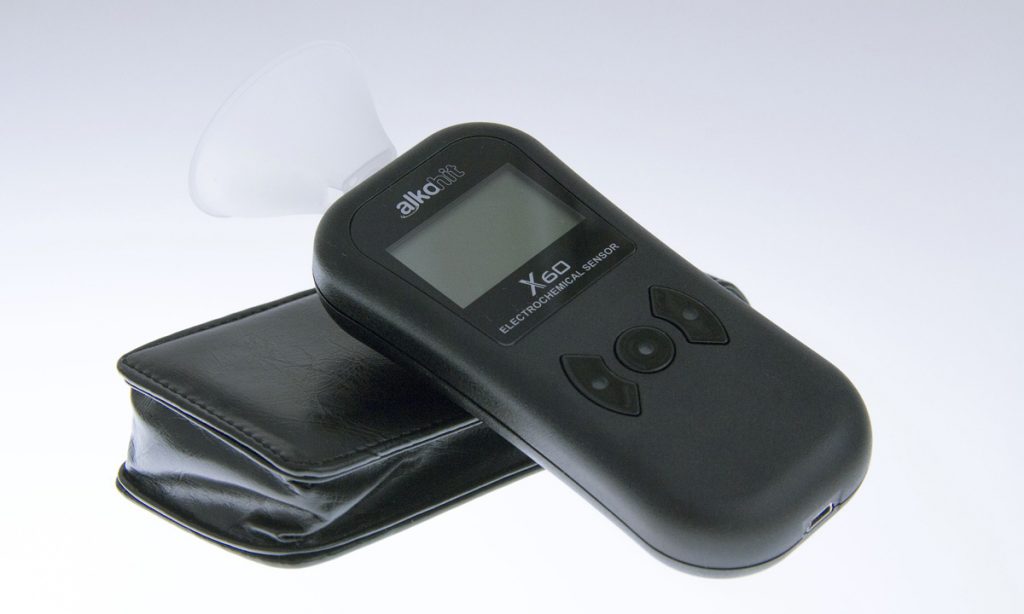
Establishing an effective marijuana breathalyzer is paramount as more of the U.S. moves to legalize the leaf.
Mars, we have landed. The United States is now giddy with excitement since NASA touched down its rover Perseverance on the red planet. The $3 billion quest was designed to search for signs of life and any available resources.
Although some people may think the mission was just another average day in space exploration, getting a robot to actually break into the Martian atmosphere was no easy task. The rover had to travel for seven months to make the 2.4 million-mile journey through the treacheries and vastness of the universe. The technology had to be on point, too, for the mission to be a success. NASA representatives called Perseverance its “most ambitious Mars rover mission yet.” They admitted the team only had roughly a 50/50 shot at seeing it through.
But they did it.
On February 18, Perseverance boldly landed inside Mars’ Jezero Crater. Video of the descent can be found all over the Internet, as well as the “first audio recording of the Red Planet.” It’s impressive stuff, and there is no doubt that science has come a long way here in the United States. Which is precisely what begs the question: If we can land a bunch of electric wizardry on the surface of Mars, then why is there still no effective marijuana breathalyzer in a time of legal weed?
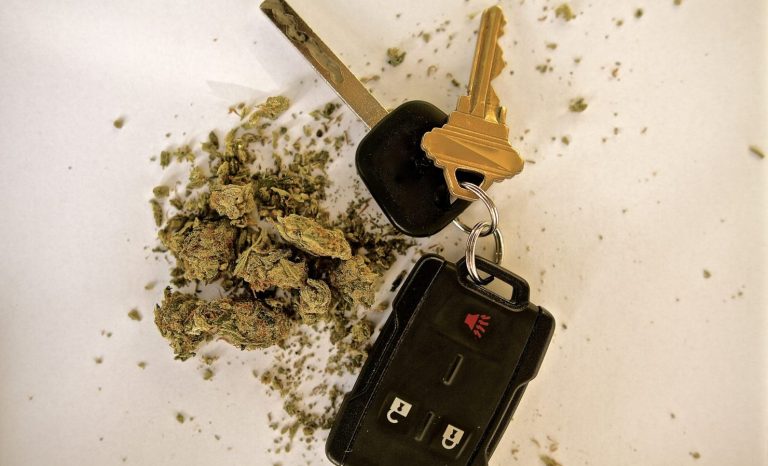
This might sound like a trivial complaint, especially when compared with space travel, but that is precisely the point. There is a legion of brilliant minds all across the nation, capable of incredible feats of excellence. Yet, the one device that the country needs right now to solidify a new level of cannabis acceptance remains out of reach. Many companies have claimed that they are on the verge of creating an effective marijuana breathalyzer, yet none have hit the mark. Meanwhile, law enforcement agencies continue to rely on junk science to police stoned driving, causing thousands of law-abiding citizens to get jammed up in the court system every year.
Police can’t test for marijuana impairment like they do alcohol. Cannabis metabolizes in the body differently than any other intoxicating substance known to man. It’s fat-soluble, so it can linger in the body longer depending on a person’s size. So far, breath detection devices made exclusively to test for THC can only determine whether a motorist has the substance in their system. They do not effectively determine intoxication — not even close. And yes, that’s a problem.
Photo by piotrpiotrwojcicki via Pixabay
Imagine having a few beers on Saturday only to have a police officer arrest you on the following Monday for driving under the influence. You weren’t drunk at the time of the traffic stop, not even buzzed, yet a test says you have alcohol in your system, so you must be a drunk driver. This is what cannabis users must endure.
What makes the situation even more problematic is marijuana is legal in a lot of places. More than half the nation allows people to use cannabis for recreational and medicinal purposes. Still, anyone suspected of driving under the influence can be charged with drugged driving, lose their license, incur fines, and in some cases even be forced to attend drug classes. It’s absolute lunacy, yet science, the same field sending rovers to Mars, cannot figure it out.
Photo by Jorge Villalba/Getty Images
The Democratic-controlled Congress is supposed to hash out national marijuana policy issues this year, even full-blown legalization. Senate Majority Leader Chuck Schumer said earlier this year in an interview with former NBA player Al Harrington that he wants the appropriation of funds to develop a cannabis breathalyzer. “Just like you shouldn’t drive under the influence of alcohol, you probably shouldn’t drive under the influence of too much marijuana,” Schumer said.
Establishing an effective marijuana breathalyzer is paramount as more of the U.S. moves to legalize the leaf. Failing to do so will only lead to more frustrated police forces and more citizens being prosecuted for wrongdoing. It’s an essential piece to the pot puzzle that could really help shape the entire picture as the cannabis debate makes its way to Capitol Hill. For the love of everything holy, it’s a simple breath test for THC. It’s not rocket science. Or maybe it is. If that’s the case, perhaps the federal government should just hand this one off to NASA.
“There is an opportunity for anyone, regardless of skill set, to find their fit in cannabis.”
Depending on the staffing firm or recruiting expert you speak to, either the cannabis industry is mainly underpaying its employees or correcting the issue as the it matures into a billion-dollar market.
The lack of consensus does not take away from the fact that the space is one of immense potential and is already a job creator. Research conducted by Leafly found that cannabis supported over 321,000 full-time jobs in America as of January 2021. The report states that there are now more American cannabis workers than electrical engineers.
Cannabis largely surged during the pandemic as well. When most industries laid off, cannabis was able to create nearly 34,000 jobs that year. The same can be said for temporary staffing in the sector.
The booming market appears strong in early 2021, with experts saying several well-paying roles are in-demand. However, some in staffing say that salaries remain underwhelming in several key sectors.
A Wide Range Of Opportunities And Salaries
Cannabis is a large industry, covering a myriad of job functions. Analysis conducted last year by Wikileaf presented some of the varied roles and salaries attached.
In cultivation, a trimmer may make between $12 and $18 per hour. An assistant grower could vary between $45,000 and $70,000 per year, with master growers earning $100,000 or more. Dispensary jobs can find budtenders earning between approximately $31,000 and $42,000 per year. A shop manager can see their salaries swing wildly, with some earning up to $150,000 and others pulling in closer to $30,000.
Danielle Schumacher, co-founder and CEO of THC Staffing Group, feels low salaries stem from entry-level positions that make up much of the industry. She said roles in retail, delivery, packaging, cultivation assistance, administrative and marketing all could be considered entry-level. She noted that specialized functions, like a lab tech, could also fall into the group.
Photo by Heath Korvola/Getty Images
“The pay is low for all of these positions, and if someone is lucky enough to get a promotion, the pay increase does not match the increased responsibilities,” said Schumacher, who reported that many assistant managers at dispensaries make less than $20 per hour.
Sean Cooley, head of content and SEO for Vangst, said the wide range in pay is part of why Vangst publishes a yearly free salary guide. The company’s 2019 report found that salaries jumped 16.1% between 2017 and 2018. The analysis offered up even greater swings, with an extraction director making between $47,000 and $191,000 for the year, depending on experience and skill level. Less experienced and/or skilled heads of cultivation could earn a similar minimum salary as an extractor, but could earn over $250,000 at the top of their field.
Cooley reported that entry-level salaries continue to improve. However, experienced workers in other fields may be in for a momentary loss in wages when starting out. “If you’re crossing over from another field, you may be taking a temporary step back in order to gain valuable experience that will eventually propel your career forward as the legal market grows,” he said.
Photo by FatCamera/Getty Images
Staffing leaders say that the better-paying roles in cannabis are found like other industries, typically in positions requiring higher expertise or leadership responsibilities. As such, some of the top-paying careers include C-suite executives and facility management.
“There is an opportunity for anyone, regardless of skill set, to find their fit in cannabis,” said David Belsky, founder of FlowerHire.
Liesl Bernard, founder and CEO of Cannabiz Team, said the right mix of experience, drive and knowledge are vital in landing any job. “With the popularity and acceptance of cannabis growing, talent from other industries are looking to transition into the cannabis industry,” said Bernard.
In addition to many of the careers already mentioned, Bernard said high-paying positions in testing lab management, e-commerce platform management and branding are all likely.
How To Get A Good Paying Job In Cannabis
Experts say applicants can stand out with a myriad of soft skills, including having clear communication, creativity and adaptability. Cannabis knowledge is beneficial but not mandatory, according to Bernard.
She added that related experience is suitable. “The popularity of cannabis and CBD drinks is rising, so experience in the food and beverage industry is desirable at this time,” Bernard said as an example.
While an understanding of the entire market isn’t expected, staffing leaders suggest that applicants educate themselves before applying. Schumacher recommends researching the whole supply chain and its sectors, but there isn’t an expectation for expertise.
“You don’t need to be an expert on everything; an overview of the cannabis economy is most important,” said Schumacher, recommending people look for critical industry points, including common denominators in the market, divergence in regulatory frameworks and the local culture.
Photo by Ivan-balvan/Getty Images
“Talk to people who work in the industry or share your interests so you will have a more refined and realistic understanding of the landscape by the time you are writing a cover letter or interviewing,” said Schumacher. From there, she suggests defining minimum salary and benefits requirements.
Cooley agrees about market education, suggesting applicants learn about the plant. He emphasized having a clearly defined relationship with the plant is excellent to have during interviews. “You don’t have to be a daily consumer by any means,” he said.
“Your story can even just relate to the positive impacts you’ve seen such as medical benefits or prison reform,” said Cooley, suggesting an applicant’s answers convey their eagerness.
Belsky agrees about education, from learning about products to how a company brands itself on social media. He noted that many hires now come from hospitality, retail, consumer packaged goods (CPG) and agriculture. However, he warns that those entering the space from such fields may need to adjust their expectations early on.
“Since the industry has not yet matured fully, job seekers need to be prepared to sacrifice title, salary and work-life balance to break into the space,” said Belsky, adding, “The first step in an exciting career journey is to find a role with a cannabis employer, achieve recognition and quickly advance up the ladder.”
The hemp industry has come a long way in just a matter of years. The 2018 Farm Bill certainly did a lot of good as it changed the landscape completely for hemp and the cannabis industry. It helped to push the global popularity of CBD and made the medicinal benefits of the cannabinoid evident for all to see. With the increase in popularity of CBD came more users; more people became open to the idea of medical marijuana as a solution to common ailments. Currently, more states are toeing the line of decriminalization for the use of CBD, while others have already eased regulations thus allowing their citizens to benefit immensely. CBD can help with a few things, here are some tips on CBD wax and shatter.
The recreational use of CBD has also grown considerably and this has created room for products like CBD wax and shatter to thrive. To the newcomers, here are some CBD and cannabis information that could be helpful.
What is CBD Wax?
CBD wax in plain terms is a form of concentrated CBD extracted from hemp. The fact that it is derived from hemp settles the issue of legality. CBD wax legally cannot contain more than 0.03% of THC and at that percentage, THC is below the psychoactive threshold. This means that CBD wax has no intoxicating benefits. This is one of the reasons why some medical marijuana users prefer the product form. CBD wax also has the benefit of promoting relaxation and calmness without much of the sedated feeling.
More researches are being done to ascertain the full extent of the usefulness of cannabis. Early researches already show that the cannabinoid is useful for many conditions pain relief, inflammation, and anxiety being part of them. CBD wax is more potent with a higher concentration of CBD and it is also known to be useful for joint pains which are common with arthritis patients.
Though very common, there are some facts about CBD wax that are not known to many. Here are 5 amazing things that you may not know about CBD wax.
There are different types of CBD wax
When you hear CBD wax, you can be forgiven for thinking it just refers to a single product extracted from hemp plants. However, this is not true as CBD wax occurs in different types which are majorly different in terms of texture and extraction process. You can walk into a store or cannabis dispensary and ask for CBD wax and be offered any of the products. The ability to differentiate which is which tells how much you know your product. Here are four types of CBD wax with the texture and method of extraction.
Photo by rgbspace/Getty Images
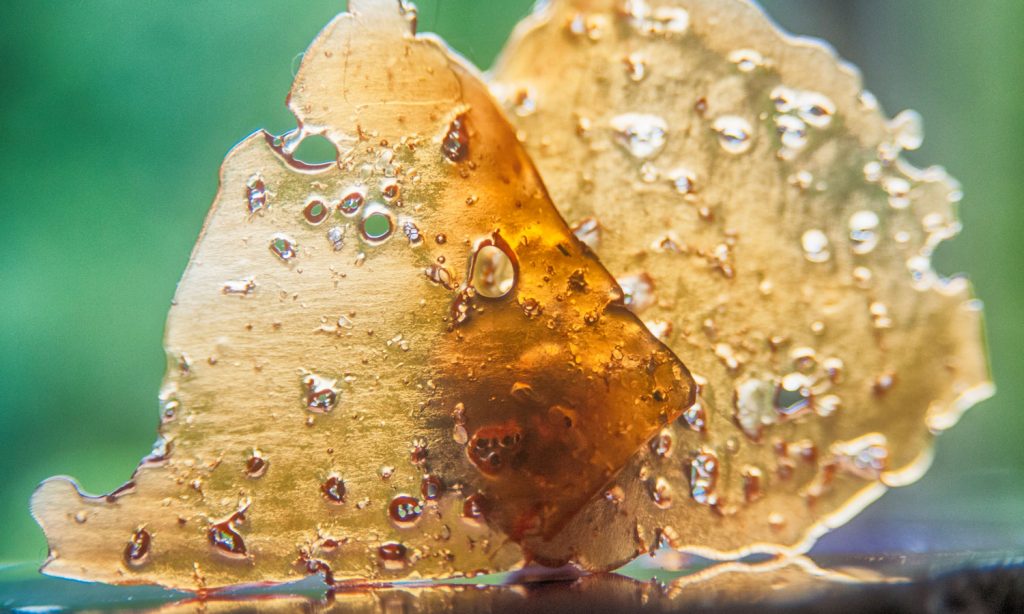
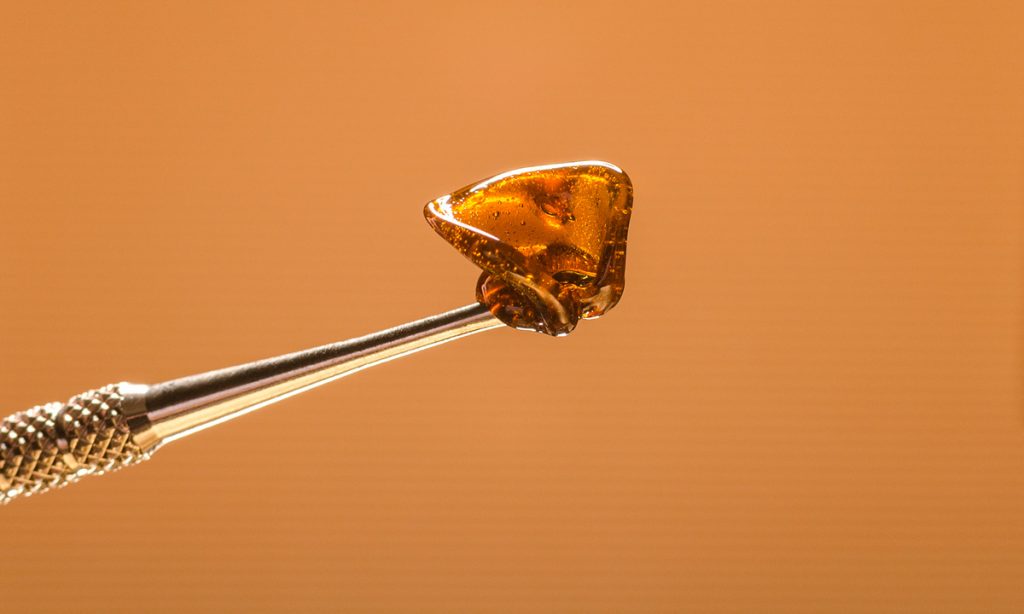
Shatter: Shatter just like the name appears like pieces of glass. It has a gooey feel with a honey-like texture. It is easily used to lace joints and dab rigs for a soothing experience.
Budder: This type of CBD wax is created by the effect of air pressure which aids extraction. It exists with a creamy texture that is similar to butter and it is just as potent as other types.
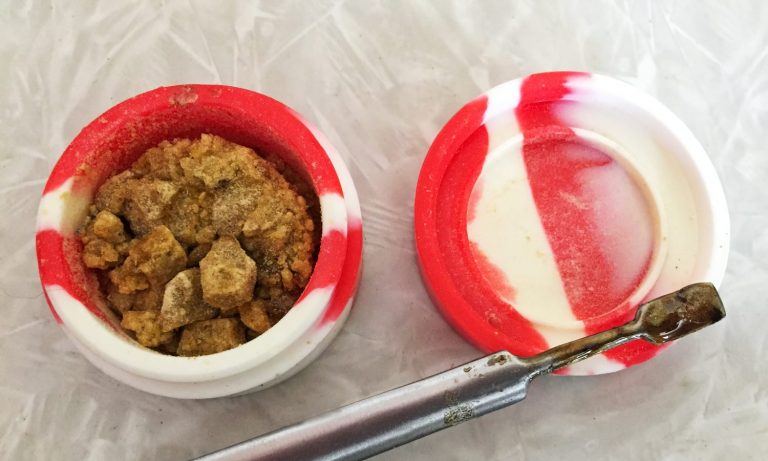
Crumble: This type of CBD wax is produced using air pressure just like budder. It also has a unique texture that is similar to feta cheese.
Live Resin: This is one of the most popular forms of CBD wax and very pricy. It is made using a special process called the freeze-dried method. This extraction method is what makes it more expensive than other types of CBD wax.
CBD wax can be produced through different methods
As seen with the first fact, there are different methods that can be applied to produce CBD wax. We will be paying attention to two special methods called Butane Hash Oil (BHO) extraction and carbon dioxide extraction method. Other methods are a freeze-dried method and the use of air pressure.
Butane Hash Oil Method: This method generally involves the use of butane as the primary solvent for extraction. It is the most widely used method in the industry.
Carbon Dioxide Extraction Method: This method involves the use of carbon dioxide under pressure to extract needed compounds from the plant. Heat is also applied to ensure a potent product is achieved. This method produces a cleaner product compared to BHO.
Photo by Jason W Lacey/Getty Images
CBD wax is safe to use
Provided your CBD wax is purchased from a trusted and quality source, you can be sure that it is safe to use. The product has no side effect provided it is what the brand says it is. This is why it is advisable to purchase brands that offer certificates of authenticity. These sorts of certificates serve to validate the content of the product and its potency.
CBD wax has an instantaneous effect
Irrespective of the consumption method used, CBD wax has a very fast onset of action. Unlike other hemp-derived compounds, it quickly offers relief from pain and anxiety. The increased potency of CBD also acts as an added advantage. This is another reason why it is loved by many medical marijuana patients due to its fast and effective action.
It has no euphoric effect
Most medical marijuana patients do not care for the euphoric effects of cannabis which is why many opt for CBD products. The euphoric effects observed with cannabis exist in CBD wax however in minute quantity. This means it will be unable to produce the euphoric effects. With this CBD wax can be enjoyed during the day while heading to work or for mental alertness while doing academic activities.
Bottom line
The more you learn about CBD wax, the more you discover the best ways to enjoy it. This special product can easily be enjoyed by dabbing with a dab rig, dab pens, or dab straws. It can also be enjoyed using vape pens and bongs. Whichever way you choose, CBD wax offers a quick therapeutic effect that’ll calm the nerves.
People living under the same roof are texting more during the pandemic. Psychologists explain why this is happening and why it’s good for our mental health.
Our relationship with technology has grown even stronger in the face of the pandemic. While the situation we’re living in puts a big strain on our devices, which are used as the only means to establish communication with people outside of our bubbles, it has also produced an interesting effect: more people are using technology to create boundaries with the people they live with.
Texting and sharing memes are efficient ways of communicating, with each of us having learned how to use them depending on the person we’re talking to. These type of exchanges, which can be confusing and alienating to others when there’s no context, are efficient forms of communicating with those we love.
Photo by Klaus Vedfelt/Getty Images
In the past, texting used to be supported by hanging out with people in person; now that that option is off the table, texting has grown into a high stress activity for a lot, with many questioning the right actions to take in order to preserve friendships and relationships.
Speaking with CNN, Jane Cox Childress explains that texting with her son has become the most efficient way of parenting, giving him the space he needs for schoolwork. “It reminds me of the olden days when I was a teenager. Some of my friends with fancy houses had intercoms,” she said. “We use texting a lot like that now. It beats yelling up and down the stairs.”
According to psychologists, texts give people the opportunity to slow down, providing a barrier that allows for transparency in ways that are not always possible when having face to face conversations. They also create an invisible barrier that’s much needed right now; family members need privacy in order to function well.
Per CNN:
“Sending texts is also a way to honor the multiple roles someone has in the home right now without interrupting those functions — a mother or father may also be a full-time remote employee, while a child might be a virtual student.”
In-home texting is a no pressure activity that can help facilitate life; it can help parents work and kids learn, communicating the must-knows (“Lunch is ready when you are”) sprinkled in with a few joyful messages (i.e. meme exchanges) without having any in-person interruptions.