Even if it’s difficult to avoid COVID-19 when living with someone who has it, it is possible. Here’s how.
If there’s something we’ve learned through the past year it’s that the spread of COVID-19 is fast. As the months progress, we learn more about the virus, how to manage it and how to stay safe. One of the things experts have advised is to avoid meeting with others indoors, even when wearing face masks and keeping 6 feet of distance, due to the high risk of transmission. Living with someone with COVID-19 is perhaps the easiest way of catching the disease; still, it doesn’t mean that you’ll get it.
A study conducted by the University of Utah found that there’s a 12% risk of catching the disease from someone who’s contaminated with COVID-19 in your household, a number that sounds surprisingly low considering the numbers of cases seen across the world. The spread of the virus depends on several key factors, including the viral load on the infected person, how well they shield others, and luck. There’s also some math involved.
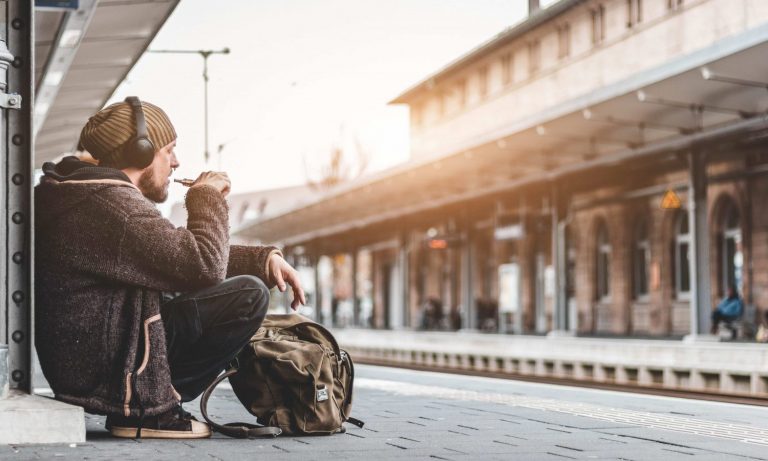
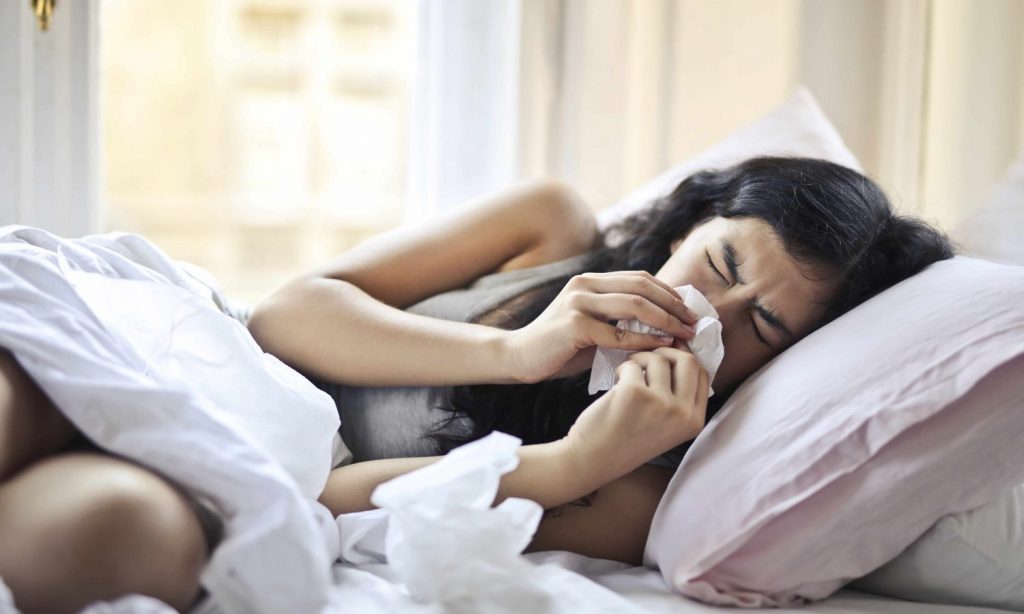
Photo by Polina Tankilevitch via Pexels
“The part that is always hard to know is how much virus the person who might infect you has at a given point,” Dr. John Sellick D.O. told Bustle. “We know that with SARS-CoV-V2, the largest amounts of virus are present from a day or two before symptoms appear, and running for a few days after that. So contact with someone earlier in infection is more likely to get you into trouble than later on.”
While the asymptomatic spread of the illness is difficult to fight, there are several things you can do post-diagnosis in order to improve your odds of not catching the virus. Where you live and how you and your roommate act is very important. Your immune system and age are also influencing factors.
If your roommate has been diagnosed with COVID-19 it’s important for them to isolate and prevent the spread of infection as soon as they can. They should stay in their bedrooms and avoid common areas. When using shared spaces like bathrooms and kitchens, they should clean up after themselves and wear face masks. Keep in mind that the more time they spend outside or around others, the higher the odds are of spread.
When it comes to your behavior, you should be extra thorough with your safety measures, cleaning and sanitizing often and showering after being in contact with them. You should also avoid touching your face, since common spaces will likely have some form of the virus on them. Quarantine for all household members should also be followed, no matter whether they’re experiencing symptoms or not.
The last two weeks of the year ended up being some of the most profitable weeks for retail cannabis in 2020.
A consumer poll conducted by vertically integrated cannabis and hemp company Glass House Group, prior to the holidays found that a significant number of customers planned on giving the gift of cannabis. With more than 630 respondents citing flower, edibles, and pre-rolls as top choices for their holiday gifts, results suggested that cannabis gifting was among Christmas 2020’s hottest consumer trends. This pointed to the mainstreaming of cannabis and it turns out the polls were true.
According to data from Akerna (NASDAQ: KERN) the Christmas holiday period (12/18-12/24) generated $427 million. Typically, the Friday before Christmas is the biggest sales day of the holidays, but this year Christmas was on a Friday. So it was the Wednesday before Christmas that got the most significant bump in sales with a 76% increase in daily sales. With $87.3 million pouring in, the Wednesday before Christmas became the third-largest sales day of the year. It was only beaten by Green Wednesday which turned in $87.4 million.
However, neither day could top New Year’s Eve which topped the charts at $89.4 million in sales, easily surpassing Green Wednesday and becoming the biggest cannabis sales day of the year.
“We were pleasantly surprised to see New Year’s Eve outperform Christmas,” said James Ahrendt, Business Intelligence, Akerna. “Overall, the last two weeks of the year ended up being some of the most profitable weeks for retail cannabis in 2020.”
Glass House’s survey found that a majority of poll respondents (64.2%) planned to reduce alcohol consumption with cannabis during the holidays, with 67.4% predicting that they would replace alcohol with cannabis to a greater extent than they did in 2019. That would explain the jump for New Year’s Eve.
The heightened focus on health and wellness concerns prompted by the pandemic is also a contributing factor, not just through attempts to reduce alcohol consumption but to manage holiday stress (53.4% of respondents) and relieve pain (50.3%). The number one reason for cannabis consumption given was to get a better night’s sleep, followed by “general wellness” with “just for fun” coming in third.
Glass House Group Co-Founder, Chairman, and CEO Kyle Kazan believed that this poll reflected a paradigm shift towards cannabis as a mainstream choice for consumers. He said, “As we make our way into 2021, we will look forward to rolling out new products from Glass House Farms, bringing our customers new retail experiences and continuing to provide new insights into the fastest-growing consumer movement our country has seen in nearly a century.”
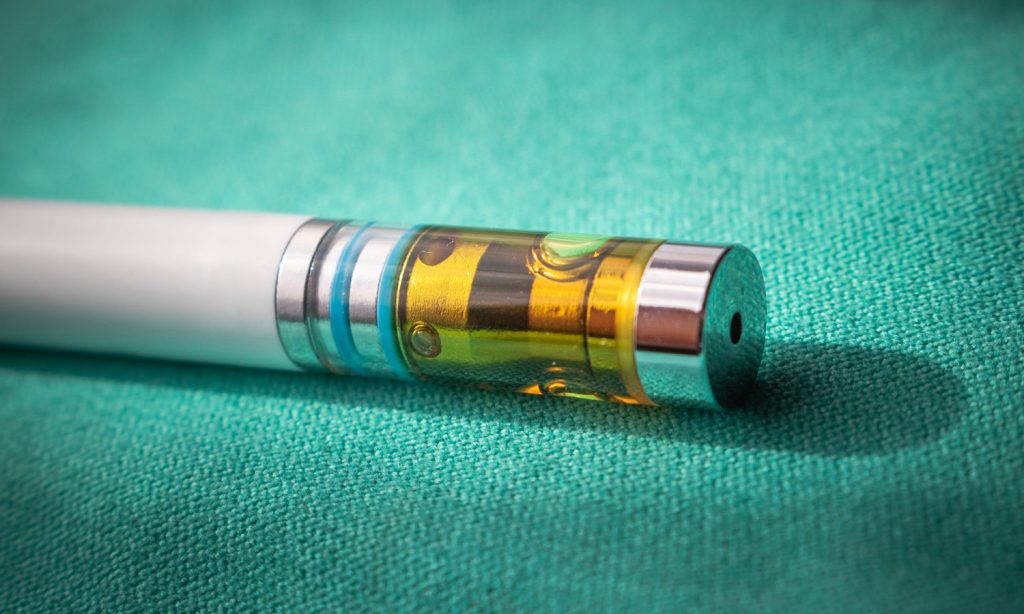
Photo by Ivan-balvan/Getty Images
Additional Insights From Akerna (12/18-12/31)
Average Basket Size
Adult-use – $72
Medical – $124
Sales by Product Category
Flower – 46%
Cartridge/Pens – 32%
Concentrates – 13%
Infused Edibles – 7.5%
Other – 1.5%
Sales by Gender
Male – 62%
Female – 38%
Sales by Age
Under 30 – 28%
30-40 –30%
40-50 – 20%
50-60 –12%
Over 60 – 10%
Edibles
There were 48% higher sales per store on Christmas in 2020 compared to 2019, and 52% higher sales per store on New Year’s Eve 2020 compared to 2019
Consumers bought over 2X as many edibles on NYE 2020 in comparison to 2019.
There is actually synthesis and breakdown of cannabinoids within the testicles. What does this mean for sperm?
We know that using cannabis does decrease the number of sperm and in some cases decreases the quality of the sperm. Initial studies first suggested that it did. Subsequent studies said it didn’t.
Definitive high quality research shows that it absolutely does at least decrease the number of sperm that are produced, but scientists never really understood why until now.
They did a great research project with 15 male patients who were undergoing germ cell tumor removal from their testicles.
Note: When surgeons cut out a tumor, they cut out the tumor first, but they also cut out some normal healthy tissue around the tumor, so that they can make sure that the margins are clear, that they’ve taken out all the tumor plus a little bit of healthy tissue.
The scientists actually used that healthy tissue to try to see exactly what was going on with the endocannabinoid system and the endocannabinoids 2AG and anandamide and what might actually be going on in the testicles.
These 15 testicular samples underwent staining and were placed on slides.
It was found actually that the endocannabinoid system is very active within testicles.
Photo by Becca Tapert via Unsplash
We’ve known that the endocannabinoid system is active in rodent testicles and we’ve also found substances, the endocannabinoids, in ejaculate in varying levels for varying men, but we didn’t realize that there is actually synthesis and breakdown of cannabinoids within the testicles.
The testicles are also ritually found to have CB receptors throughout. They could also be impacted not only by endocannabinoids, but also by phytocannabinoids like the THC and the CBD that somebody might be smoking or using as a tincture.
We still are getting our brains around exactly what part of the system is being effective that’s slowing sperm production, but there is definitely a considerable amount of enzymatic activity in early spermatogenesis and also in the Leydig cells.
The Leydig cells are cells that surround these spermatogenic cells in the testes that make testosterone. It is possible in some men who are inclined to see changes in testosterone levels as well as changes in sperm count from the administration of cannabinoids.
If you consume marijuana, you probably familiar with Delta-9-tetrahydrocannabinol. It also goes by the name Delta-8-THC.
Yep, Delta-9-tetrahydrocannabinol is the psychoactive ingredient in cannabis that provides the high.
Another compound called Cannabidiol (or CBD) has been making headlines the last few years. This cannabinoid provides a multitude of medicinal benefits without the psychoactive effect. Since CBD does not induce euphoria, “it an appealing option for patients looking for relief from inflammation, pain, anxiety, psychosis, seizures, spasms, and other conditions without disconcerting feelings of lethargy or dysphoria,” according to Project CBD.
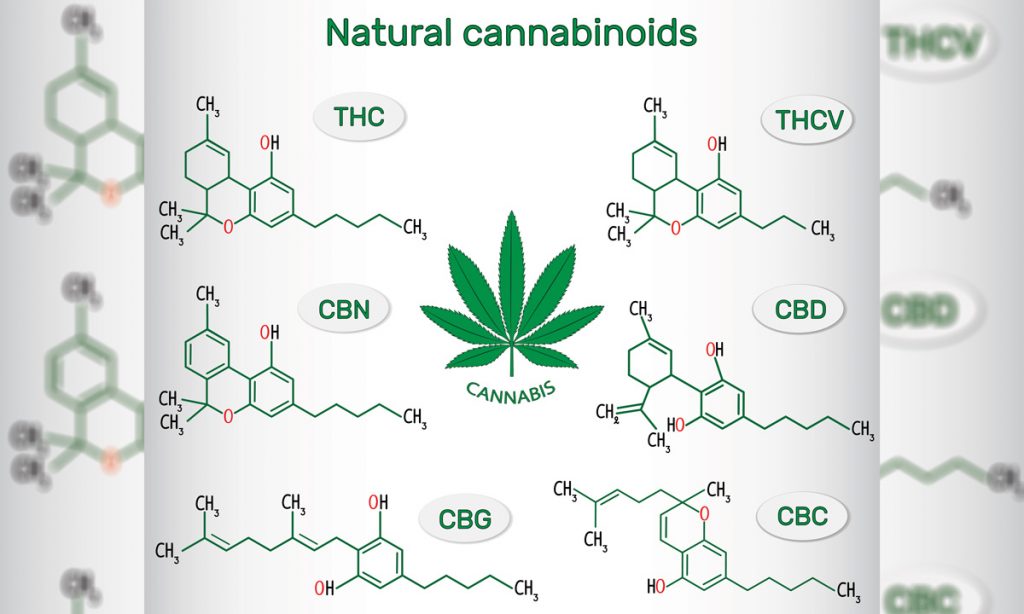
But there is another cannabinoid that’s flying under the radar that few people talk about, not even expert tokers. It’s called Delta-8-tetrahydrocannabinol, or Delta-8-THC, one of the more than 100 cannabinoids found in the cannabis plant.
Most of the clinical studies have focused on Delta-9-THC and CBD. There is not much research into Delta-8-THC.
According to the National Cancer Institute, Delta-8-THC is:
An analogue of tetrahydrocannabinol (THC) with antiemetic, anxiolytic, appetite-stimulating, analgesic, and neuroprotective properties.
Let’s break down this definition:
Antiemetic: A drug used to combat nausea or vomiting.
Anxiolytic: A drug that fights anxiety or panic.
Appetite-stimulating: Pretty self explanatory. This is the compound that gives you the munchies. For those with wasting syndrome, this is important to know.
Analgesic: A class of drugs used to relieve pain. This is a mild form of a painkiller.
Neuroprotective: Provides support for nerve cells.
That’s an impressive list of medicinal benefits from a relatively unknown compound. More research is needed to verify these qualities, but the prospects look bright. Delta-8-THC does have some psychoactivity, but very little.
From a chemistry standpoint, Delta-8-THC looks nearly identical to Delta-9-THC. Only a few bonding electrons are different. But what it does once it is inside your body is very different.
The Regulations will strike a strong blow against illegal cannabis activities in Mexico and propel Mexico as an exporter of cannabis products to markets to which it already sells medicines.
Mexico’s Regulations on Sanitary Control for the Production, Research and Medical Use of Cannabis and Its Pharmacological Derivatives (the “Regulations”) were published today in the Federal Official Gazette, for entry into force tomorrow. These Regulations come more than three years after the amendments to the General Health Law and the Federal Criminal Code we discussed here, which mandated implementing regulations within 180 days following those amendments entry into force.
The Regulations became official today following a 70-working-day extension issued by a Mexico City judge late last year, to the September 9 deadline imposed by the Supreme Court on the Ministry of Health to regulate medical use cannabis in its amparo ruling 57/2019.
These regulations comprehensively address the control, promotion and sanitary supervision of raw materials, molecular complexes, pharmacological derivatives and medicines for production, scientific, industrial and medical purposes. Perhaps most importantly, these new regulations mean that businesses no longer need to deal only with COFEPRIS as various other Mexican government agencies will be tasked with interpreting and applying the Regulations. Businesses will need to obtain a number of permits/licenses before they can apply for a cannabis license for any of the activities provided for in the Regulations.
The Regulations will strike a strong blow against illegal cannabis activities in Mexico and propel Mexico as an exporter of cannabis products to markets to which it already sells medicines, such as South America, Europe, and the United States. The Regulations also will facilitate competitiveness in the cannabis market and lead to more cost-effective options for cannabis.
Photo by John Coletti/Getty Images
In future posts, we will discuss the Regulations in detail. We will also discuss them live on Thursday, January 28, during a FREE hour-long webinar discussing the business side of medical and recreational cannabis in Mexico. REGISTER TODAY!
For more on Mexico cannabis, please also check out the following posts:
Adrián oversees Harris Bricken’s Mexico practice, where he helps companies on US-Mexico cross border legal matters, including cannabis law matters, Latin American and European companies on China and International Law issues, and local companies with international and domestic business transactions. This article originally appeared on Canna Law Blog and has been reposted with permission.
Lawmakers can’t agree on tax revenue, how it should be allotted, or how to set up an industry that creates a level playing field for all.
New York Governor Andrew Cuomo has promised again that marijuana legalization is coming. However, because of how the legislative grind works in the real world, he might have to storm the state capitol to get it done.
There’s still a wealth of challenges ahead before New York agrees on how legal marijuana should look. And while it might be a bit of a stretch to suggest that Cuomo will have to launch a reign of terror to shake some sense into lawmakers who continue to sabotage progress, there’s no doubt that he will need to get creative to see it through.
Governor Cuomo used his annual state of the state address earlier this week to double down on his dedication to creating a taxed and regulated cannabis market. He’s confident that 2021 will be the year that it goes all the way. “We will legalize adult-use recreational cannabis, joining 15 other states who’ve already done so,” he said. “This will raise revenue and will end the over-criminalization of this product that has left so many communities of color over-policed and over-incarcerated.”
It was just three years ago that Cuomo believed marijuana was a “gateway drug.” He was also very dismissive about any efforts to legitimize the plant. But after a study commissioned by his own administration found that ending prohibition could generate hundreds of millions of dollars and promote a new level of social justice, he bought in.
Legal weed would be a win-win for the state, so he challenged the suits in Albany to whip something up and get it on his desk pronto. Only that never happened. Lawmakers haven’t been able to see eye-to-eye on the issue. They can’t agree on tax revenue, how it should be allotted, or how to set up an industry that creates a level playing field for all.
Therefore, marijuana has continued to strike out.
Some lawmakers are ready to get back to work this year on legalization efforts. Senator Liz Krueger recently submitted the same bill as she did in 2020. But Cuomo is sick of wasting time watching unworkable plans being flushed. Last week, the governor unveiled his own proposal designed to legalize for adult use, one that he says, “will generate much-needed revenue, while allowing us to support those that have been most harmed by decades of failed cannabis prohibition.”
Photo by Spencer Platt/Getty Images
There are no two ways about it: Cuomo’s will to legalize weed in 2021 is financially motivated. The state budget is in bad shape — recently striking a $15 billion deficit — and the governor needs new revenue streams (legal weed & online gambling) to help save the state from economic ruins. Cuomo understands the state could soon be raking in money to combat the gnarly reverberations of COVID-19 by allowing marijuana to be sold legally to adults 21 and older.
Reports show the state could generate $300 million in annual tax revenue with this concept. It certainly wouldn’t be the wherewithal to ending the budget gap, but it would aggressively chip away at it. Furthermore, legal weed is a long term plan for a short term problem. As we’ve seen in other legal states, economic salvation continues to increase throughout the years.
The problem is the drug policy people are looking to New York to become a poster child for nationwide reform. Melissa Moore, New York State Director of the Drug Policy Alliance, wants New York to become a “national model for marijuana legalization by centering community reinvestment, equity, and justice within our comprehensive reform.” And while that is all well and good, this is where lawmakers are going to butt heads in the 2021 legislative session. Just as we’ve seen in previous years, nobody seems to agree on what any of this stuff means or how to go about it.
Too many groups want the focus of legalization to be on apologizing for decades of racially-biased marijuana enforcement instead of looking to the future and moving forward. While these factors should come into play, they also have the power to hinder progress. And we can’t change the past.
Let’s hope that NY lawmakers don’t allow these details to jam them up again. New York needs legal weed to happen this year.
Given the trends over the past few years regarding enforcement and regulation of smokable CBD products, we fully expect the trend to continue in the coming years.
The last few years have been a wild ride for the United States’ hemp-derived cannabidiol (CBD) industry. Ever since the Food and Drug Administration (FDA) took the position that CBD is unlawful in many consumer products, the industry has faced many questions about what it can and cannot do. To add fuel to this fire, many states have adopted laws and regulations that are different from, more complicated than, and/or inconsistent with the FDA’s position. To say the least, things are complex.
Life is particularly challenging for smokable CBD products. The FDA’s initial positions on CBD failed to address smokable products, and as we noted a few years ago and again last year, it didn’t appear that the FDA would expressly try to regulate smokable products.
Many states nevertheless decided to ban smokable hemp and even smokable products like CBD vapes. For example, last year, Iowa made the sale of smokable hemp products a serious offense. As another example, a ban on smokable hemp was upheld by a federal appellate court for the state of Indiana last year.
On top of that, during the vape crisis over the last few years, many states and municipalities began proposing and even passing laws that restrict flavored vape products. While many of these efforts were limited to nicotine-bearing products, not all were, further restricting how CBD vapes could be sold in some cases.
Photo by HighGradeRoots/Getty Images
Recently, there have been a few developments that place the smokable hemp industry in even more jeopardy. First, the FDA issued warning letters to CBD product sellers, including the seller of an inhalable product. While, to be fair, it wasn’t a smokable product, the FDA in 2019 issued a warning letter for the seller of CBD vapes. So even though the agency hasn’t taken the most clear position on smokable CBD in its policy documents, it has taken action against sellers of inhalable products and it appears that will continue.
Additionally, the recent federal appropriations act executed shortly before the new year includes provisions that severely restrict how CBD vape products or even components of those products can be mailed. For a nice summary of those changes, see this article. For companies that fail to comply with these new changes, there can be serious repercussions and liabilities. This is a major change for CBD vape companies.
Given the trends over the past few years regarding enforcement and regulation of smokable CBD products, we fully expect the trend to continue in the coming years. More states will without a doubt continue to implement bans or restrictions, and it’s virtually guaranteed that the federal government will create more roadblocks. For updates, please stay tuned to the Canna Law Blog.
Griffen Thorne is an attorney at Harris Bricken, a law firm with lawyers in Seattle, Portland, Los Angeles, San Francisco, Barcelona, and Beijing. This story was originally published on the Canna Law Blog and has been reposted with permission.
The U.S. AG has the authority to spur the re-scheduling of cannabis, and has wide latitude when it comes to the volume of enforcement, but they cannot change the law or interpret it on their own whims or politics.
Where does Biden’s Attorney General pick stand on cannabis? We have a long history here on the Canna Law Blog of analyzing the moves of the federal government, and in particular the Department of Justice (DOJ), when it comes to federal enforcement of the federal Controlled Substances Act (CSA). Over the years, we really focused on the acting U.S. Attorney General and how they treat state-legal cannabis from the top down.
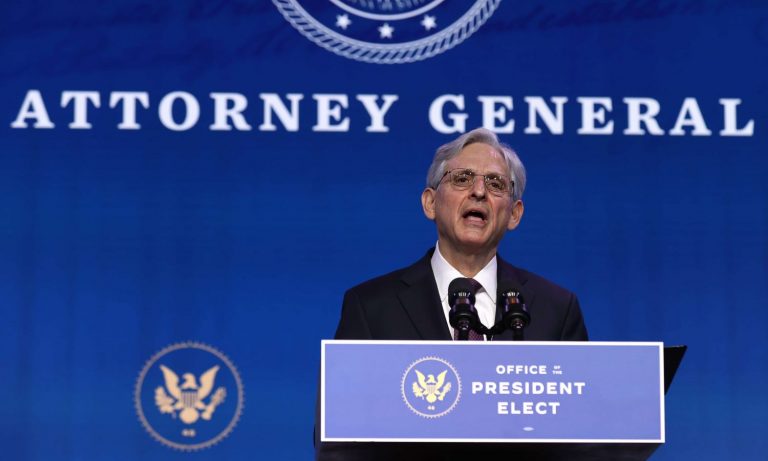
It seems like, for decades now, the DOJ has done an interesting legal and political dance with state-legal cannabis. And it appears that this odd legal tango may continue under President-elect Joe Biden’s pick for U.S. Attorney General, Merrick Garland, who is the former Chief Judge of the U.S. Court of Appeals for the D.C. Circuit and former U.S. Supreme Court Justice nominee under former President Obama.
Now, you may be wondering why I’m even concerned about Judge Garland and the DOJ when the Democrats just flipped the Senate after the Georgia Senate run-offs–we now have a Democrat in the White House and a Democrat-controlled Congress. This combination would seem to guarantee the passage of the MORE Act, which would very likely have otherwise died on the Senate floor with Republicans as the majority. The Dems also made it clear in their 2020 platform that they would get behind decriminalizing cannabis possession, re-scheduling cannabis on the CSA to get it off of Schedule I, and legalizing medical cannabis. And now Majority Leader Chuck Schumer said back in October of last year that if the Democrats took the Senate, cannabis legalization would be a major priority.
The reason why Judge Garland and the DOJ still matter is because the MORE Act isn’t guaranteed to pass despite Democratic control of the White House and Congress where, for years now, moderate Democrats have been notoriously ambiguous about the treatment of cannabis legalization. President-elect Biden also stops short of any kind of endorsement of outight legalizing cannabis for non-medical purposes (if you recall, we gave him a grade of “D” when evaluating then Presidential candidates and their stance on cannabis). And with the MORE Act, itself, it really seems like Democrats just want cannabis off of Schedule I of the CSA without much more detail about its regulation, taxation, and government oversight, which will also delay the passage of the MORE Act where those very important details will now likely need to be sussed out if the Act really stands a chance of passing.
Further, with 2022 midterm elections on the horizon, the Democrats don’t have very long to act if they truly want cannabis legalization and a Republican minority in the Senate could fillibuster any legalization effort accordingly. Basically, the MORE Act isn’t a done deal by any means, which unfortunately means the top prosecutor at the DOJ still matters for state-legal cannabis businesses at least for the next couple of years.
The DOJ first opined on its enforcement priorities back in 2009 with the Ogden memo (Ogden was Deputy Attorney General at the time), which basically stated that if a medical cannabis operator was in clear and unambiguous compliance with applicable state medical cannabis laws, they would not be a top enforcement priority for the DOJ. Then, in 2011, the first Cole Memo (yes, that Cole) essentially retracted the Ogden memo, and the DOJ got very active with prosecuting state-sanctioned medical cannabis businesses.
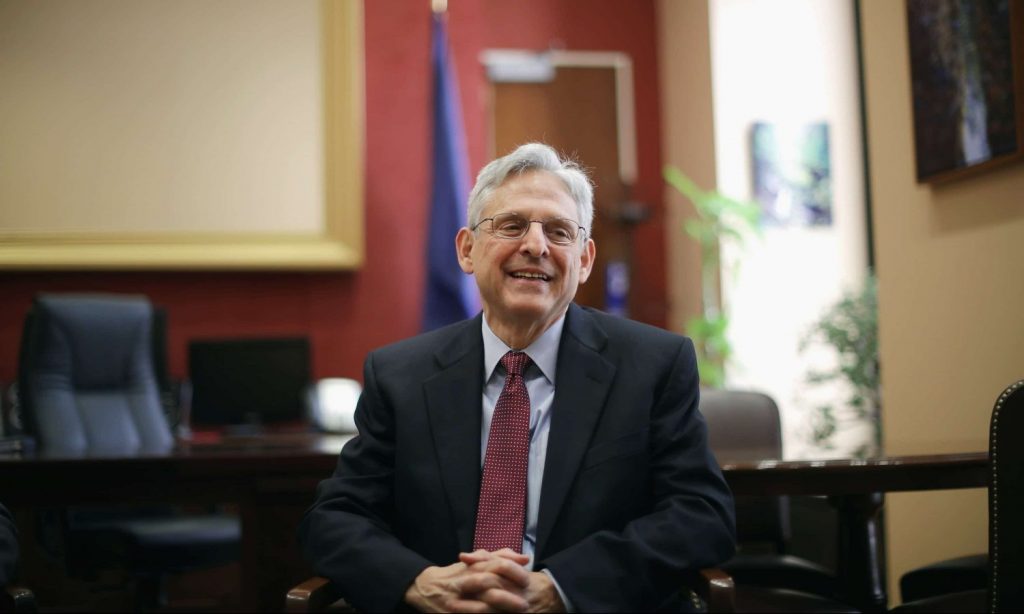
Photo by Chip Somodevilla/Getty Images
Fast forward to 2013, and Cole gave us the famous Cole Memo with eight specific enforcement priorities the DOJ was supposed to follow in states with state-legal cannabis. That memo (and all other DOJ guidance on cannabis enforcement) was rescinded in January 2018 by then U.S. Attorney General Jeff Sessions and it was all replaced with a one page memo that basically indicated that U.S. Prosecutors should enforce the CSA in line with the priorities of their own districts.
Before current U.S. Attorney General William Barr was appointed to the position, he testified before Congress that, while he wasn’t in love with how the federal government was handling state-legal cannabis, he and the DOJ would adhere to the 2013 Cole Memo enforcement principles, which they pretty much have. That brings us now to Judge Garland, Biden’s U.S. Attorney General nominee.
In that case, the Drug Enforcement Administration (DEA) rejected a 2002 petition by the Coalition to Reschedule Cannabis to reschedule cannabis from Schedule I to a Schedule III, IV, or V drug under the CSA, which such rescheduling requires “a currently accepted medical use in treatment in the United States” dictated by five-part evaluation used by the DEA:“(1) The drug’s chemistry must be known and reproducible; (2) There must be adequate safety studies; (3) There must be adequate and well-controlled studies proving efficacy; (4) The drug must be accepted by qualified experts; and (5) The scientific evidence must be widely available.”
The DEA rejected that petition finding that “[t]here is no currently accepted medical use for marijuana in the United States,” and that “[t]he limited existing clinical evidence is not adequate to warrant rescheduling of marijuana under the CSA.” The ASA then appealed the DEA’s rejection to the D.C. Circuit Court (Judge Garland was on the three-judge panel that heard the appeal), arguing that the DEA’s decision was arbitrary and capricious.
The Court held that the DEA’s denial was neither arbitrary nor capricious where no “currently accepted medical use” for cannabis exists because such use requires “adequate and well-controlled studies proving efficacy,” and there’s “substantial evidence [supporting the DEA’s] determination that such studies did not exist.
While it may seem illuminating, the foregoing case doesn’t necessarily matter that much for how Judge Garland will treat state-legal cannabis as U.S. Attorney General where that role is wildly different than acting as a U.S. Circuit Court Judge. The DOJ’s mission is “to enforce the law and defend the interests of the United States according to the law; to ensure public safety against threats foreign and domestic; to provide federal leadership in preventing and controlling crime; to seek just punishment for those guilty of unlawful behavior; and to ensure fair and impartial administration of justice for all Americans”.
The DOJ is not tasked with interpreting federal laws. At the same time, the U.S. Attorney General has the authority to spur the re-scheduling of cannabis, and the U.S. Attorney General has wide latitude when it comes to the volume of enforcement and determining enforcement priories (see the second Cole Memo) because of inherent prosecutorial discretion, but they cannot change the law or interpret it on their own whims or politics.
The truth is that no one can say yet how Judge Garland will treat state-legal cannabis while cannabis remains illegal under the CSA, and we won’t know his official attitude towards it (acting as U.S. Attorney General) until he reaches confirmation hearings where, hopefully, the inquiring Senators will ask the hard questions about cannabis enforcement if Congress fails to achieve cannabis legalization. So, be sure to stay tuned.
In one study involving mice, CBD allowed them to continue to operate through their usual activities instead of becoming terribly sick with the flu virus.
There have been a number of studies surrounding immunity, the flu and how the body responds to infection. These studies have also looked at how CBD and other cannabinoids could impact that response. Could CBD help people to feel better more naturally and possibly not feel as sick when they get sick.
It Turns Out That Cannabinoids Like CBD Actually Suppress The Production Of Cytokines In The Body.
Cytokines are interleukin tumor necrosis factor. These are the chemicals that affect you when you get sick with a virus. Cytokines create body aches, nausea, headache, loss of appetite, all of the symptoms that make you feel terrible.
In one study involving mice, mice were either pretreated with CBD or they were left without any treatment with cannabinoids. Mice that were pretreated with CBD were then exposed to the flu virus. They had reductions in certain immune responses by up to 87%. The number of cytokines were significantly reduced. The mice didn’t feel as sick as their counterpart mice who weren’t pretreated with CBD.
It looked as though treatment with CBD in this model reduced the response to the viral infection. This allowed the mouse to continue to operate through his usual activities instead of becoming terribly sick with the flu virus.
Photo by Andrea Piacquadio from Pexels
This May Have Significant Implications In How We Might Manage Ourselves During Cold And Flu Seasons.
With a few larger studies, we can look at human models and see how we could compare in a randomized trial. We could look at humans that are treated with CBD or other cannabinoids, and some that aren’t. Then analyze their response to colds or other infections. In the future, we may place CBD in the medicine cabinet right next to the probiotics. We could try to control our immune response to the diseases that affect our community in the fall and winter months.
When these epidemics hit your community, you’re almost certainly going to get 3-4 colds or flu symptomsa year. Managing how your body responds to those infections is a really important part of staying productive, healthy, and happy during cold and flu season.
Rollout of the COVID-19 vaccine has been slow and clumsy, with states foregoing their original plans in order to get vaccines to more people.
The United States vaccine rollout has been a slow and tedious process, one that’s made some states reconsider who gets the shots first, with governors allowing inoculations for those who aren’t healthcare workers or seniors.
While the government had planned to deliver over 20 million inoculations by the end of 2021, as of this week, only around 6 million people have received their shots.
Rules and regulations have varied over the past couple of days from state to state. CNN reports that Montana Governor Greg Gianforte shifted COVID-19 policies in order to include people over the age of 70 and those between the ages of 16 and 69 who had specific health conditions. “We cannot have vaccines sitting on the shelf,” he said.
In Florida, Governor Ron DeSantis warned hospitals that if they were too slow in vaccine distribution, he would remove future allotments. In New York, many medical providers had to throw out vaccine dosages due to how difficult it was to find patients who matched the state’s guidelines, forcing Governor Andrew Cuomo to expand them.
Photo by Nataliya Vaitkevich from Pexels
The Trump administration has recently said that states should feel free to make their own decisions when it comes to a vaccination plan, distributing shots to pharmacies or aiding their hospitals and healthcare workers in whatever way that gets people inoculated.
While a pandemic is a constant source of new challenges, the slow rollout of this batch of vaccines can be explained by funding problems and a lack of guidance for hospitals and health care workers. While Congress recently approved a stimulus bill that might speed the vaccination process, it’s already late, with states having started the vaccine distribution process without the necessary funds.
The U.S.’s vaccine rollout will likely shift on a weekly basis, with people’s spots in line being determined by their state, age, health risks, jobs and ultimately, with how much they want to get their shots.