Sunday, June 14, 2026
Home Blog Page 463

What Does Inshallah Mean

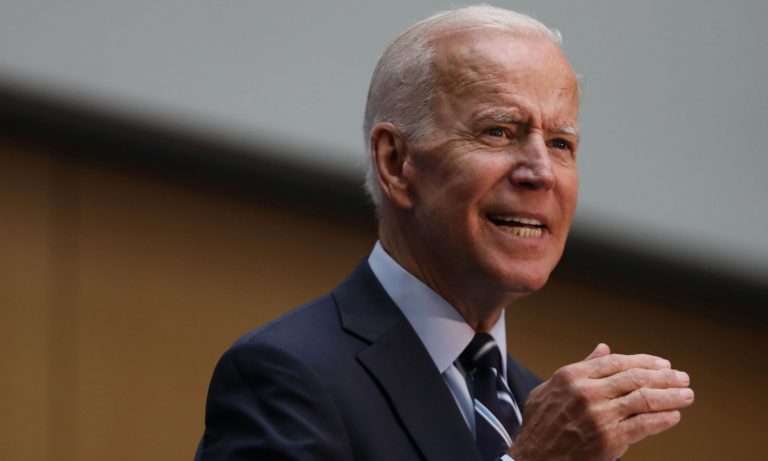
Biden’s use of the word “inshallah” during the presidential debate has prompted a lot of questions from viewers. Here’s what it means.

The first of three presidential debates is under our belts, and if Tuesday’s fiasco of a face-off is any indication, we’re in for a bumpy ride between now and November 3.

President Donald Trump and Joe Biden went at it in an unprecedented manner, barely allowing the other person to speak. CNN’s Dana Bash described it perfectly: “That was a shit show.” Few policies were discussed and the moderator, Chris Wallace, had a hard time controlling the situation. Still, after the 90 minutes had passed, many memes were born and there were a few moments worth discussing, like when Biden said “inshallah” as a reply to Trump’s response regarding questions on his tax returns.

People of non-Arabic descent, or those not familiar with the term, were confused as to what was said, wondering if they’d misheard Biden.

RELATED: Who Won That Messy Presidential Debate? Certainly Not Americans

“Inshallah” is a popular Arabic phrase, perhaps their most popular and utilized expression; it means “God willing.” It’s a word that has many wrinkles, that can mean different things depending on the context and the way that it’s used.
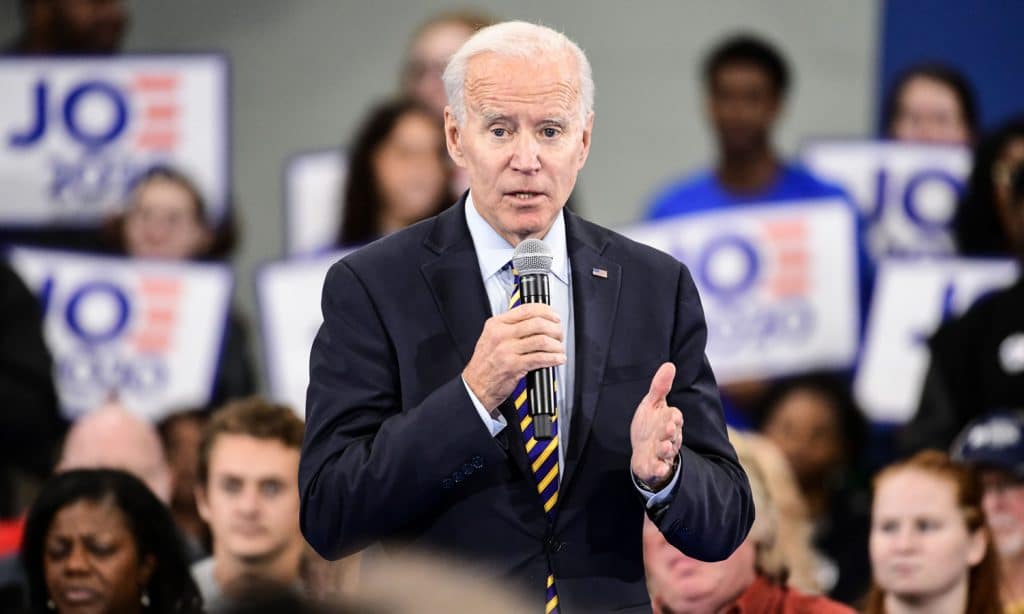
Joe Biden Backtracks, Now Claims Marijuana Is Not A Gateway Drug
Photo by Sean Rayford/Stringer/Getty Images

“If you grew up Muslim, Arabic speaking or not, you’d know it best as the thing your parents say like a gentle-sneaky no. You’d ask your parents to buy you a skateboard or a guitar, and not taking you seriously, they’d say Inshallah,” American Muslim Aymann Ismail explained via Slate.

RELATED: Where The Presidential Candidates Stand On Marijuana Legalization

“They’re telling you eventually or, in most cases, never. It’s amorphous in this way, and really changes in meaning the way you say it. I’d say it fits pretty well in Biden’s purported use.”

The use of the word “inshallah” has riled both Democrats and Republicans. Democrats of Arabic descent have praised the use of the phrase while others have decried it. Some Republicans started to speculate on whether this means that Biden is a Muslim, which is highly unlikely.

Biden’s use of the word “inshallah” likely suggests that he surrounds himself with a diverse group of people, something that we could all use more of. While the debate may have been a dumpster fire, at least viewers got schooled on a new term.

Why Does Cannabis Work So Well To Combat Nausea?

Cannabis does not actually calm the digestive tract. Instead, this is how it treats nausea.

People around America more and more are using cannabis as a treatment for nausea, from cancer patients trying to combat the nausea that follows chemotherapy to expecting mothers trying to keep food down in the months before birth.

As more is discovered about the endocannabinoid system, scientists are coming closer to pinpointing exactly why cannabis helps to reduce nausea.

Nausea is a necessary function of the body, used primarily to alert the body that something it ate might be poisonous or rotten and should be avoided now and in the future, or that the body is experiencing an illness or imbalance and needs treatment or rest. For example, dehydration can trigger nausea because the body is trying to send a signal that it’s unbalanced and needs more water.

RELATED: Managing Nausea With Cannabis: What You Need To Know

But there are other factors, like motion or certain medications, that will also increase the signals being sent to the brain from the rest of the body, many of which the brain interprets as nausea.

Chemotherapy-Induced nausea
Photo by Felix_Hu via Pixabay

Cannabis, when used to treat nausea, is not itself calming the digestive tract but rather controlling and reducing the signals that are being sent to the brain by certain receptors in the endocannabinoid system. This is the system in the body that responds to cannabis, regulating different things including appetite, memory and nausea. CBD and THC target different receptors in that system, to differing results.

RELATED: Here’s How Marijuana Can Kick Chemotherapy-Induced Nausea To The Curb

Chemotherapy, for example, can trigger some receptors to send a signal to the brain that tells the body it is nauseous. Cannabis, when it interacts with the CB1 receptor in the endocannabinoid system, can reduce some of the signals CB1 receptors in the digestive tract send to the brain. Reducing those signals, in turn, reduces nausea and vomiting.

Synthetic CBD, in the form of the medicines Nabilone and Dronabinol, has been used to treat nausea for the last twenty years. Both products are approved by the FDA.

Cleaning Videos Are So Hot Right Now — Here’s Why

TikTok and social media have become popular platforms for people cleaning and organizing. You can blame the pandemic.

The internet is home to all sorts of videos, good and bad. There’s viral content out there of pimple popping, people doing their nails and paint being applied to walls. All of these topics satisfy a strange craving. But the newest addition to these videos is also useful: people cleaning. According to some experts, there’s a psychological explanation for this obsession.

@kaelynwhiteeclean w me? ##cleantok ##stepintolove ##JustVisiting ##LittleVoice ##BeautyEssentials ##moodflip ##clean♬ im outside in a amg L.Dre remix – L.Dre

While cleaning up after yourself is never the most fun of activities, it’s something that can help you feel like you’re in control. That feeling you get after you deeply clean up your room or your house is one of accomplishment. Watching videos of people doing the same, with the added perks of fun music and cute filters, can produce this same feeling minus the sweat and hard work.

RELATED: How To Keep Your Space Organized When Working From Home

Cleaning videos are particularly popular on TikTok, where they’re known as CleanTok, because of course. People tag these clips with hashtags like #cleanwithme, #cleaningtok, #organizeit, and more, amassing millions of views by the day.

5 Things You Can Do To Revamp Your Spring Cleaning
Photo by Priscilla Du Preez via Unsplash

Therapist Caroline Given told Bustle that these videos are especially effective and satisfying when people are stressed or experiencing depression. It makes a lot of sense then that these sorts of clips are trending during the current pandemic.

“To see someone finally throwing away their to-go cup graveyard and putting away piles of clothes is aspirational because we’re getting visual access to an inner healing that is beginning to take place, which is inspiring,” said Given. “At a basic level, cleaning is behavioral activation, a therapeutic technique that has been well documented to improve symptoms of depression. Behavioral activation involves the completion of specific, measurable tasks to build momentum and confidence.”

RELATED: Why CBD Companies Are Sprung On TikTok

Not only are living through a pandemic, this year has also brought and election, heightened racial inequality, and an escalating global warming crisis, all contributing to our general feeling of being out of sorts. And our homes are one of the only places where we can exert control.

Even if it’s difficult and tough to gather up the energy for it, cleaning and organizing your space are satisfying activities and healthy ways of coping as long as they’re kept under control. If you find some pleasure and relief out of watching others do the same, enjoy yourself. There’s no better time to indulge, and they’re better than the news.

3 Things To Know About Fall Allergies And Marijuana

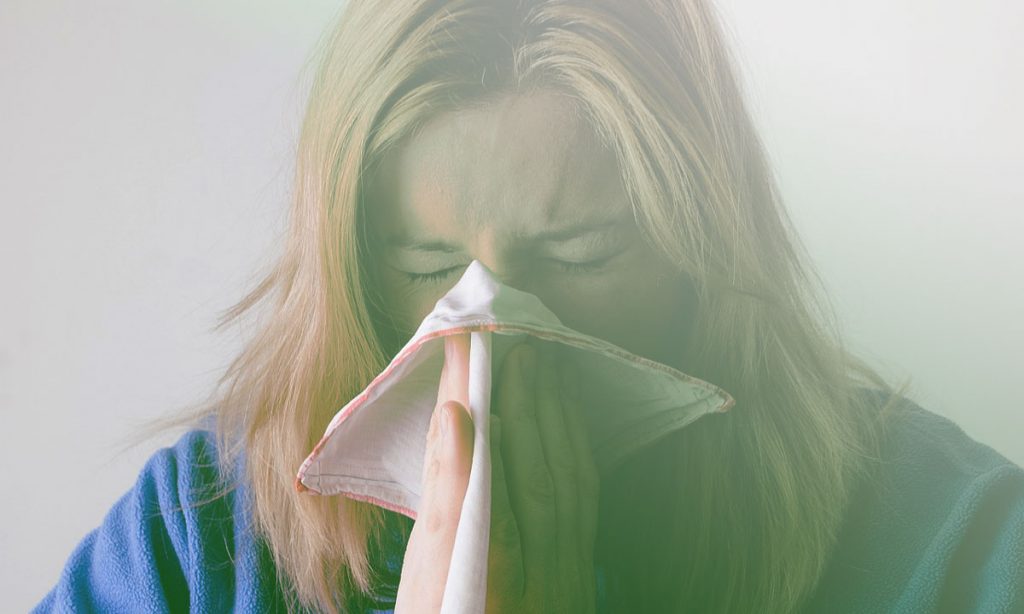
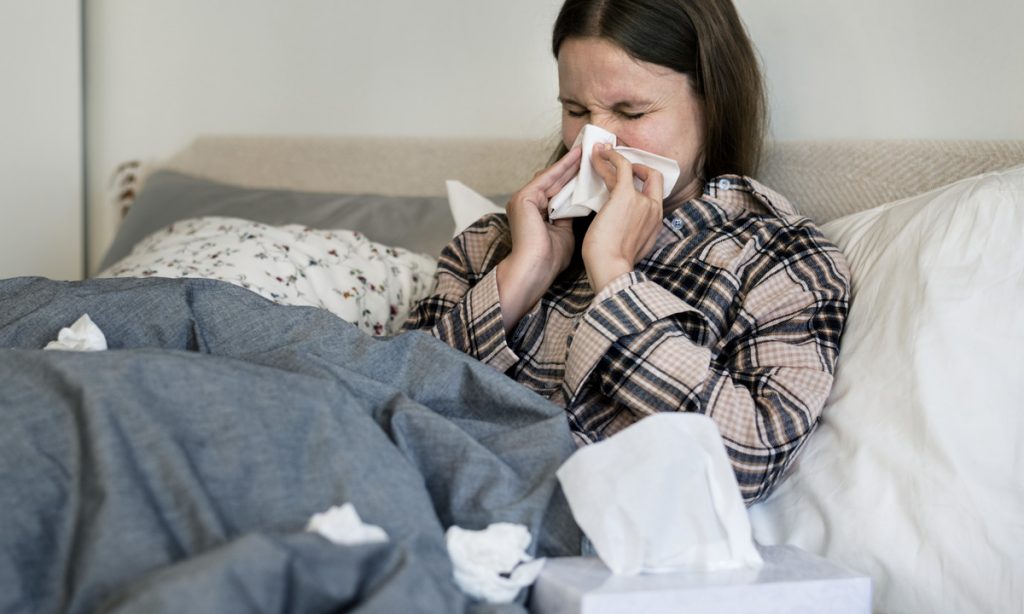
 Studies are just beginning to scratch the surface for individuals who are looking for healthier alternatives to regular allergy medications.

From the first sneeze to the first snow, many around the nation experience the trials and tribulations of seasonal allergies. The thought of treating allergies to weed with weed can make some pause, but the science is sound. 

According to Americans for Safe Access, decades of research led to a breakthrough in treating skin allergies when a team from the University of Bonn in Germany studied THC’s effect on inflammation. Already genetically engineered to not react to cannabinoids generated in their brain, the team used mice and found that the animals’ ears became red and swollen.

The scientists realized what this meant – that cannabinoids act like a brake, preventing the immune system from running out of control and triggering inflammation.

Using ointment with THC, researchers carefully applied lotion to the ears of the mice and found that the medicine had some remarkable effects. With less swelling and irritation, the THC seemed to alleviate some symptoms of skin irritation and allergies. 

The National Eczema Association also believes that marijuana or cannabis holds promise in treating skin conditions. They state, “Cannabinoids, however, have a powerful anti-itch effect. There are receptors in the skin that interact with cannabinoids that could reduce the symptoms and appearance of AD (atopic dermatitis). These effects happen through a constellation of interactions between phytocannabinoids and our endogenous cannabinoid system.” Simply put, natural chemicals secreted by marijuana or cannabis trigger a response from our own bodies. 

This Is What Happens When You're Allergic To Marijuana
Photo by Mojpe via Pixabay

So, how does it work? Humans have cannabinoid receptors. And when activated, much like the body sends white blood cells to an infection, these receptors can ignite to help fight an allergic reaction. 

RELATED: Here’s What CBD Can And Can’t Do For Your Spring Allergies

With so much known already about the potential benefits for marijuana on the skin, it’s no wonder studies are just beginning to scratch the surface for individuals who are looking for healthier alternatives to regular medications. In fact, a Eos Scientific recently unveiled research that showed in a study of 2000 U.K. adults: 

Here are three things to know about Marijuana and allergies:

CBD and cannabis may help block histamines

Released in your body’s system, histamine can cause major issues. From itchy eyes to a scratchy throat, histamine is your body’s reaction from antibodies appearing. CBD and cannabis products help reduce antibodies by blocking histamine, triggering less allergic reactions in the body’s system.

Photo by rawpixel.com

Antihistamine treatments are just the beginning

With new studies happening all the time, researchers are just starting to connect the dots to the power of decreasing histamine in the body and the effect on lower histamine on multiple diseases and conditions. From Multiple Sclerosis to eye allergies, to brain cancer treatment, and even the risk of dementia,  scientists are looking at the powerful benefits and risks of histamine on the body. 

Cannabis is a heckuva anti-inflammatory

From eczema to joint pain, cannabis has been proven time and time again to help alleviate troublesome symptoms. Even better, researchers unlocked why cannabis is so effective at helping inflammation. With research showing that the genetic makeup of cannabis offers nearly 30 times the power of aspirin to inhibit inflammation, research from over three decades ago lit a spark in scientists overseas to better understand the genetic makeup of cannabis cells, beyond the reach of the US Federal Government.

RELATED: Here’s How CBD Lotion Can Help With Hives

Building a research superhighway, using molecules from bacteria and plants, Tarig Ahktar recently demonstrated the ability to circumvent the restrictions on place in studying cannabis, and find equal compounds elsewhere in the bodies of animals, plants and more. 

How To Keep Your Space Organized When Working From Home

0

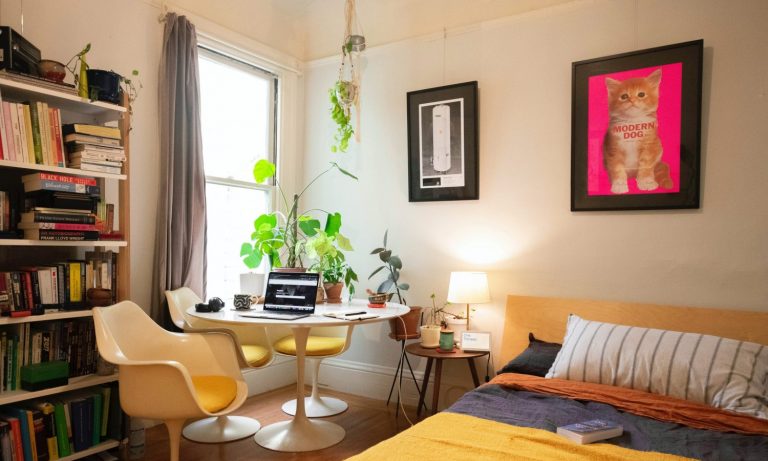
Working from home is a process that varies from person to person. But the challenge of keeping your space clutter-free is something that unifies us all.

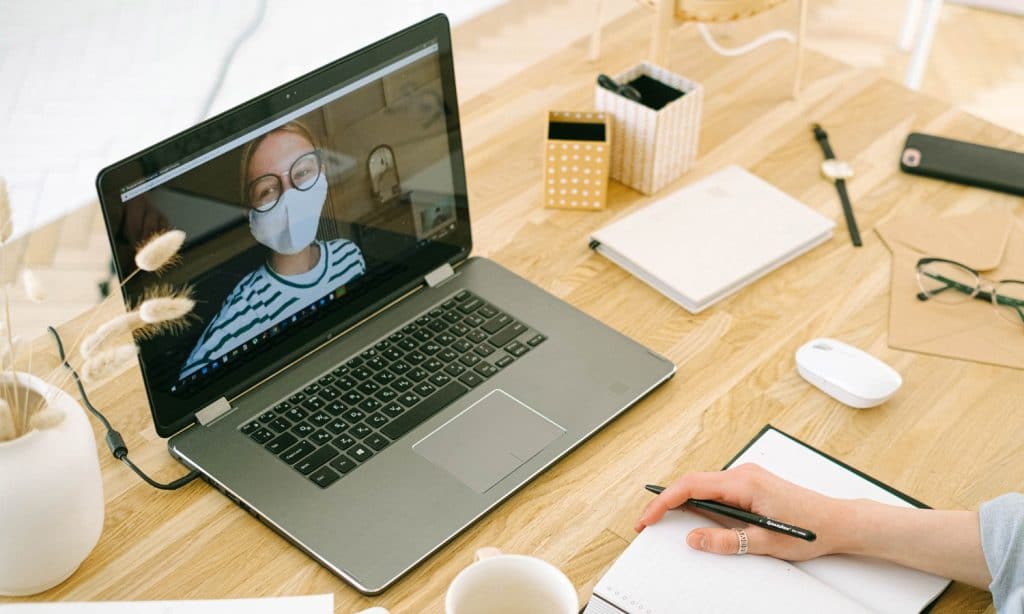
By this time of year, the majority of us should be experts at working from home. Our home offices should be functional and comfortable, and our work schedules should be on track. If you’ve had video chats with friends or co-workers, you’ve likely seen that this isn’t the case for most. In fact, a large percentage of people are struggling now that they don’t have an office to go to, finding it hard to complete their work on time and concentrate.

Home offices can be difficult places to work, especially when you live in a small apartment or live with children or roommates. It’s common to end up working on your bed for long stretches of time, something that’s confusing for your brain and that might result in trouble sleeping later on at night. Small spaces often blur the lines between work and normal life, making it hard for you to adjust when your work day is over.

Marie Kondo explains in her new working from home online course that it’s important for people to stay organized in their home office by creating a space that’s both functional and joyful.

RELATED: How To Relax When You Don’t Know How

“No matter where you work, it’s important to create an environment that helps you focus. If you don’t have a home office, identify the items that are crucial to getting your work done and designate a clear spot for them ― a box or portable carrier will do,” explains Kondo.

COVID-19 Pandemic Increasing Global Demand For Marijuana, Says United Nations
Photo by Ivan Samkov via Pexels

Like other experts who provide recommendations on working from home, Kondo recommends doing an activity in the morning that signals the start of your work day, whether that’s taking a shower, going for a morning walk or striking a tuning fork.

Make it a personal goal to keep track of the items in your home office, preventing clutter and disorganization. Don’t let the coffee mugs pile up; it’s easier to clean a couple of them than to have to fetch them all over your home once you realize that you ran out of clean cups.

Make to-do lists and listen to music, anything that makes your work life feel more productive and goal oriented. Avoid social media, Netflix, video games or entertainment during the mornings, and keep up the work momentum for as long as you can. At the end of your workday, be sure to turn off notifications and do something that signals that you’re work is done, whether that’s going for a walk, closing the door to your office, or putting your laptop someplace that isn’t readily accessible.

RELATED: 5 Things You Can Do If You Have ‘Working From Home Fatigue’

Working from home is a process that’s subject to change. Some days are easier than others, filled with less distractions and interruptions. What matters most is to create a space that’s functional and switch things up if you feel like you’re not being as productive as you can. Get creative with your work space and always try to make it enjoyable. While working from home is challenging, it’s also kind of great to have the ability to dictate the pace and rhythm of your work.

Pandemic Boosts Marijuana Legalization Support In New Jersey

According to a recent poll, 21% of voters say the pandemic has caused them to change their support for marijuana legalization.

Early signs indicate significant support for recreational marijuana legalization in New Jersey. One poll this summer found almost 7 out of 10 residents favored ending prohibition and New Jersey Gov. Phil Murphy suggested the act “an incredibly smart thing to do” as a post-pandemic fix for the economy.

“We’re not inventing marijuana,” Murphy said. “It exists.”

But the coronavirus pandemic is influencing how locals feel about legalization, according to a recent poll from Brach Eichler’s Cannabis Law Practice. Participants who previously planned to vote against the measure in November have since changed their mind. About 21% said the outbreak has reshaped their position on cannabis.

RELATED: Court Rules New Jersey Businesses Can’t Fire Medical Marijuana Users

Among those survey, 13.5% said the pandemic caused them to now favor legalization while 7.5% now oppose such action. In total, the poll reported 65% of New Jersey residents strongly supported or somewhat supported the ballot question.

“I was somewhat surprised that it did influence that many people,” Charles Gormally, co-chair of the firm’s Cannabis Law Practice, told NJ.com. “I really think the reason it influenced people is a natural derivative of beginning to accept the concept that cannabis isn’t harmful, and may in fact have a positive impact in many circumstances.”

Pandemic Boosts Marijuana Legalization Support In New Jersey
Photo by BruceEmmerling via Pixabay

Murphy campaigned on legalizing recreational marijuana in New Jersey and has attempted to push legislation through multiples times with little success. Last year, the Republican-led Senate killed a bill that would’ve ended prohibition. Lawmakers placed marijuana legalization to voters instead as a result.

The poll also showed that promotional material and ad campaigns for and against legalization have yet to influence voters. Only 25% of participants in the poll said they’d seen any such campaigns and it is unclear yet what impact it could have at the ballots.

RELATED: New Jersey Voters Support Legalizing Recreational Marijuana, Just Not Selling It

“With the drumbeat of the national election cycle quickening, and the Democrat support for decriminalization, it is likely that we will see a continuing erosion of the desire to maintain what is widely regarded as a failed policy of cannabis prohibition,” Gormally told The Fresh Toast in a statement. “This erosion will support further interest in creating an adult use, regulated cannabis marketplace with New Jersey voters.”

Who Won That Messy Presidential Debate, Not Americans

0

What the presidential debate last night showed most Americans is that such a setting will not be a resource to help answer their questions.

During the first Presidential debate of the 2020 cycle, Americans were exposed to a largely out-of-control event in which very little policy was covered. This happened in large part because of a moderator who was largely out of control and one candidate—President Donald Trump—employing a strategy focused on interrupting his opponent, former Vice President Joe Biden. What is lost, of course, in a substance-free, 90-minute debate is for voters to get a better understanding of what the candidates stand for, leaving them to remain uninformed or put the onus on them to find that information themselves.

Although the moderator, Fox News anchor Chris Wallace, focused on a series of important issues—the economy, the pandemic, voting, and race relations—an opportunity was missed to accomplish a substantive discussion. It also reflects that having a few debates focused on covering a multitude of issues ensures that the details are the victim.

One set of issues that Wallace asked about involved race relations, policing, protesting, and rioting. The candidates said little that mattered, and it demonstrated a weakness in this debate format. These issues should be the topic of a debate in itself for a variety of reasons.

RELATED: Where The Presidential Candidates Stand On Marijuana Legalization

First, Democrats, Republicans, and independents all feel that those issues are among the most important right now. Recent polling reflects this fact, and as stories related to these issues fill airwaves, newspapers, and blogs, the American public is continuously reminded of these policies and their associated problems.

Second, the parties feel quite differently about why those issues are problems and what solutions should look like, and that is exactly the point of a debate! These issues are divisive among politicians and, of course, among the public as well. Hearing the candidates discuss the contours of the current situation, the challenges the present, and the manner in which the president will work with Congress and state and local officials to achieve resolution is key.

Poll: Readers believe Trump and Biden equally possible to legalize marijuana
Photos by: Win McNamee/Staff/Getty Images; Drew

Third, issues of race and criminal justice are just a doorway into discussing a variety of other, related and important issues. Policing policy, racial discrimination in economic settings (housing, employment, education, etc.), drug policy more broadly, cannabis reform policy specifically, and other issues all serve as important parts of the conversation. What’s more, while the current state of policy and politics in this area is fraught with polarizing, many of the sub-parts of the conversation rally significant bipartisan support.

An effective debate—and a debate most Americans would like to listen to—involves presidential candidates disagreeing about items like police reform and racial bias in use of force, while doing as the public does and find common ground on issues including over-incarceration and cannabis reform.

RELATED: The Deafening Silence Of Cannabis In The Democratic Debate

Shouting over an opponent, losing control of a debate, and deflecting from the questions a moderator ask may serve as a strategy in modern presidential debates. However, such approaches create real problems for the democracy. First, voters remain underinformed, and that comes with additional risks in 2020. Expecting Americans facing both public health and economic crises to take any additional time to hunt down candidates’ policy views, may be asking a lot of them.

Second, it further solidifies many Americans’ disgust with the state of affairs of politics and distrust of our governing institutions. That breeds a cynicism that spills over into decisions around whether to vote, for whom to vote, and how else to engage with and learn about the political system. Finally, it telegraphs to Americans a growing sentiment: that politicians don’t care about their concerns.

Surely, presidential candidates cannot be expected to discuss every issue that concerns every American. But what the presidential debate last night showed most Americans is that such a setting will not be a resource to help answer their questions. Perhaps the next two debates will be different. Perhaps those debates will be better controlled and more focused on issues. Perhaps the candidates will take different strategic approaches. But perhaps, too, the damage has been done, and many fewer Americans will opt to look away, rather than tune in.

John Hudak, Senior Fellow, Brookings Institution.

Why You Might Want To Try Some Transdermal Cannabis After Your Next Workout

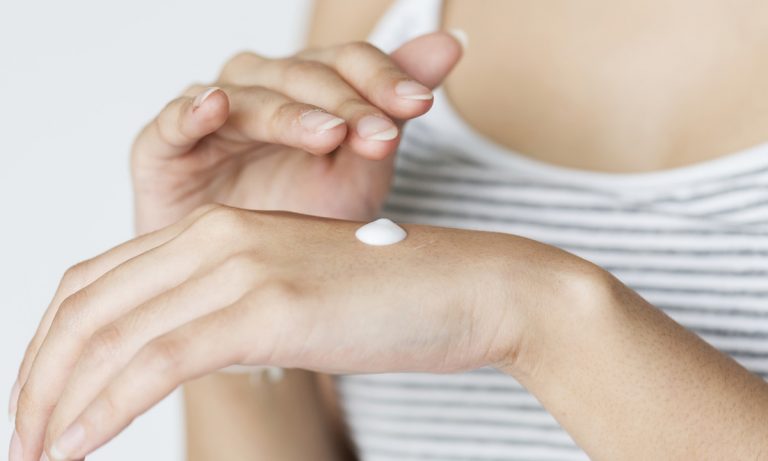
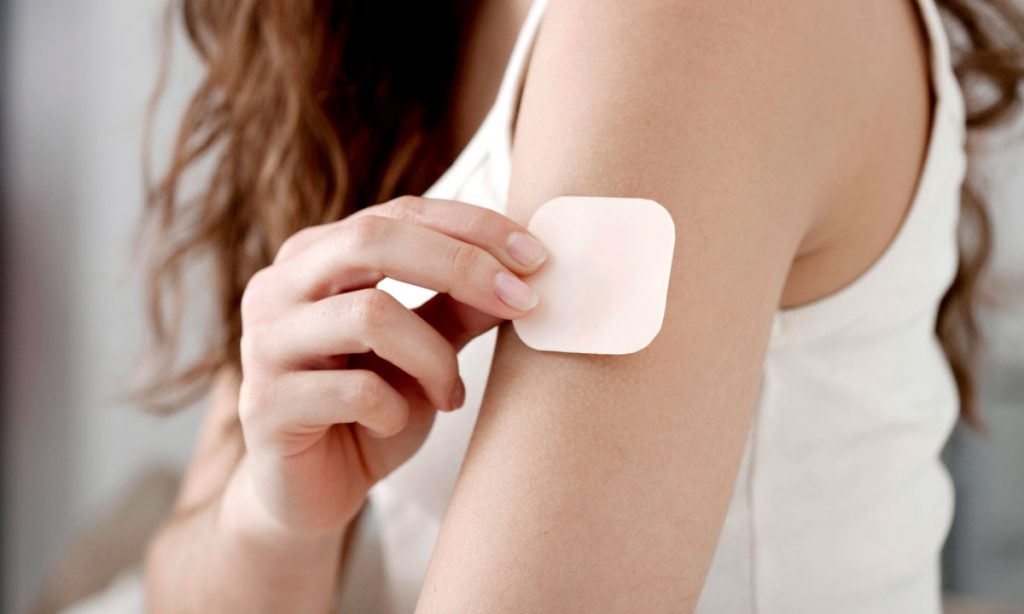
Transdermal cannabis is not your mother’s hemp-infused lotion she buys in bulk from Costco. It often comes in the form of a patch, oil or salve, and is applied topically.

It’s a scenario you might be familiar with: you come home after a day of snowboarding, or a post-work pickup soccer game, and you realize you’re already sporting a nice, yellow bruise from a fall or a tussle.

You might apply ice to that bruise, pop an ibuprofen, rub on some arnica, or maybe even take a bath with some Epsom salts.

But now, there’s another type of treatment you may be able to add to your recovery regimen: transdermal cannabis.

Transdermal cannabis is not your mother’s hemp-infused lotion she buys in bulk from Costco. It often comes in the form of a patch, oil or salve, and is applied topically.

It is not, however, a “topical.” You might have heard of cannabis topicals — usually lotions or creams that you can apply to your skin. But topicals are only skin-deep; they only impact your epidermis, or the top few layers of your skin. Transdermals go deeper into the dermis layer, or the layer beneath the epidermis.

Cannabis Transdermal Patches
Photo by B. Boissonnet/Getty Images

The dermis contains the body’s microcirculation system, and so transdermal cannabis actually enters the bloodstream, which can take it and its effects around the entire body. While topical cannabis will have some impact on inflammation and pain, they won’t get you high and won’t go into your muscles – they’re primarily for your skin. Transdermals, though, do have the potential to give you a high if they contain THC (depending also on your tolerance and how much you apply). 

RELATED: Does Soaking In CBD Help Sore Muscles?

Even the method of delivery can change the impact of a transdermal cannabis product. Patches, which are used in many different types of medicine, cannabis and non-cannabis – typically are made to delivery a specific dose regularly over a long period of time. The most well-known transdermal patch is Nicoderm CQ, which is a nicotine-based treatment to help people stop smoking. There are also contraceptive patches, patches to help with motion sickness, and more.

Transdermal cannabis can also be applied as a salve, typically in order to achieve a more concentrated effect without the need to stretch it over a long period of time.

workouts
Photo by Flickr user ThoroughlyReviewed

Mary’s Medicinals, for example, is a California-based brand that sells transdermal cannabis in the form of both a patch and a salve. The patch is billed as a way to provide a set amount of CBD and THC over 8-12 hours. The salve, or “compound,” meanwhile, is advertised as potentially providing relief for “nerve pain, arthritis and joint pain, menstrual cramps, psoriasis and more,” and only lasts three hours.

RELATED: Top Tips For Using Cannabis Pain Patches For The First Time

So far, there have been initial reports about transdermal CBD helping with everything from post-workout bruising to nerve pain and fibromyalgia.

But does it actually work?

There aren’t enough studies on this yet to say definitely, but one study showed that the use of transdermal CBD reduced inflammation and pain in rats with arthritis. The study used gel CBD and found that after four days of use, it “significantly reduced joint swelling.”

One important thing, though, to note about transdermal cannabis: it is much likelier to trigger a positive drug test than topical cannabis, because it absorbs deeper into your skin and reaches the blood stream.

Got Kids? Here’s How You Can Sneak A Smoke Sesh During COVID

0

The pandemic has robbed many parents of their privacy, making it difficult to keep up with their cannabis use. Here are some suggestions to help ease your pain.

Parents who smoke weed: we see you. You’re out there, smoking weed and parenting, even if you might be a little more careful in choosing the place where you hide your stash. Marijuana is very similar to alcohol for many parents; it’s something they use to unwind and de stress after a day of work. But when everyone is living together, how do you find time to sneak in a toke or two?

The pandemic has thrown a wrench in all of our lives. Weed parents aren’t exempt from this, having less time to relax and get high now that they have to cope with entertaining, educating and caring for their kids throughout the majority of the day.

Still, after some months spent coping with the pandemic and our new living situations, parents have found some ways of recuperating their “me-time.” If that includes marijuana for you, here are some tricks for smoking weed without your kids knowing.

Think about the when and where

How Marijuana Can Actually Make You An Even Better Parent
Photo by Matthew Henry via Burst

RELATED: Smoking Marijuana In Front Of Kids In Legal States Is A No-No

Some parents smoke when their kids are out of the house or in their backyards, discreetly. It all depends on the person who is smoking and how comfortable they are with their marijuana use and their kids’ inevitable curiosity if they catch you smoking. There’s no wrong way to do things, but it’s always important to be safe, smoking away from children and keeping marijuana and related paraphernalia somewhere that can’t be easily accessed. You should also avoid driving or doing anything that requires attention or coordination after you’ve consumed cannabis.

Wait after the kids are in bed

https://www.pexels.com/photo/baby-touching-woman-s-face-1257110/
Photo by Daria Shevtsova via Pexels

RELATED: Moms Are Using Marijuana More Than Ever During Pandemic

It’s easier to wait once kids are in bed to get the weed out, just as it was when we lived in a pre-pandemic world. Now that schedules are off some kids are going to bed at later times, you might have to push yourself to stay awake until later in the night to enjoy your joint, but it’ll be worth it. This time can also be spent doing other things you enjoy, like having some quality time with your partner, watching TV or drinking a beer.

Method matters

No One Understands How High Edibles Will Make Them
Photo by NordWood Themes via Unsplash

RELATED: How To Keep Your Kids From Getting Into Your Marijuana Stash

While kids won’t likely go around the house saying that it smells like weed, your method of consumption matters when in close quarters with others, especially if you like to smoke. Look for other options, such as a discreet vape or small amounts of an edible. Keep in mind that edibles will be more difficult to time since schedules are pretty unpredictable now.

Cannabis won’t solve all of your problems

If you’re a parent who’s recently gotten involved with marijuana due to pandemic stress, you join a long list of people who’ve also turned to the drug for some stress relief and fun. Still, keep in mind that cannabis won’t solve all of your problems. While the drug can be used as a coping mechanism, it won’t be able to solve any issues or problems that have arisen since the pandemic began and our lives changed dramatically.

Try talking to a friend, a therapist or using a mental health app that could provide you with some orientation and some coping tools that’ll provide some relief for your mental health.

Tilray Posts Positive Clinical Trial Results For Cancer Patients

These encouraging results indicate medicinal cannabis can help improve quality of life for chemotherapy patients.

Tilray, Inc. (NASDAQ: TLRY) announced that Australian researchers have published preliminary results finding that one of the company’s GMP-produced products is showing promise reducing nausea and vomiting for cancer patients undergoing chemotherapy in a clinical trial.

The results were published in the Annals of Oncology which found a significant improvement in the control of chemotherapy-induced nausea and vomiting. A quarter of the patients taking medicinal cannabis experienced no vomiting and nausea, compared to 14 percent of people who took a placebo. The pilot phase of the study ran for two-and-a-half years with 81 participants enrolled. To be included in the study, patients had to have already experienced nausea and vomiting during chemotherapy despite having taken nausea prevention medication.

“The side-effects associated with chemotherapy are some of the primary causes of treatment discontinuation”, says Philippe Lucas, Vice President of Global Patient Research and Access at Tilray, “so improving the control of nausea and vomiting can not only improve the quality of life of patients but by allowing those affected by cancer to complete their treatment it can also potentially save lives.”

RELATED: Here’s How Marijuana Can Kick Chemotherapy-Induced Nausea To The Curb

While cannabis has been used before as a remedy for chemo nausea, the most prescribed medicine is Marinol, which is owned by the biotech company AbbVie (NASDAQ: ABBV). However, Marinol is a synthetic drug and patients typically quit renewing their prescriptions based on the side effects and general displeasure with the drug.

Photo by Rex Pickar via Unpslash

“Nausea and vomiting are among the most distressing and feared consequences of chemotherapy,” said chief investigator, Peter Grimison, medical oncologist at Chris O’Brien Lifehouse and Associate Professor at the University of Sydney. “These encouraging results indicate medicinal cannabis can help improve quality of life for chemotherapy patients.” Side effects such as sedation, dizziness and drowsiness were rated as moderate to severe in about one-third of people using medicinal cannabis, but these are considered manageable according to the researchers.

RELATED: CBD And Chemo Combo Increases Cancer Survival Rates

“The trial will now move to a larger phase to determine with much more certainty how effective medicinal cannabis is and whether it should be considered for use in routine cancer care,” Professor Grimison said. “The next phase of the trial is ongoing and will recruit an extra 170 people.”

The world’s largest trial of medical cannabis at the time it launched, the CannabisCINV study is a collaboration between Chris O’Brien Lifehouse, the University of Sydney, the NHMRC Clinical Trials Centre and leading New South Wales (NSW) cancer centers. Tilray is supplying the product for the trial, which is being funded by the NSW government.

This article was originally published on Green Market Report and has been reposted with permission.

Don't Miss Your Weekly Dose of The Fresh Toast.

Stay informed with exclusive news briefs delivered directly to your inbox every Friday.

We respect your privacy. Unsubscribe anytime.