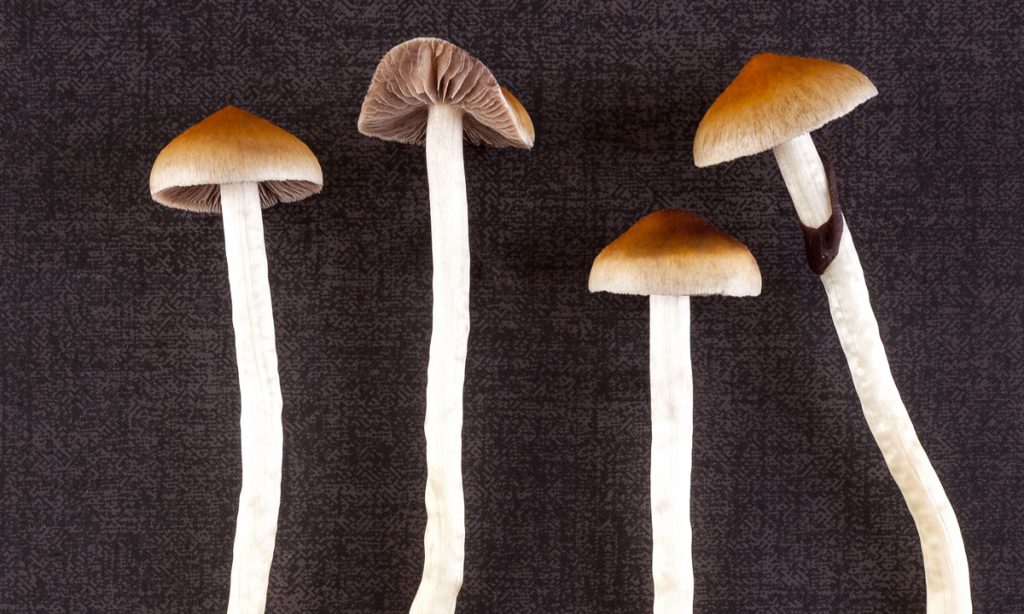
Chappelle has a chef in Ohio that prepares amazing meals with marijuana and psychedelics for fellow comedians, according to Chris Rock.
If you build it, they will come…and trip. In response to the pandemic shutting down live comedy venues across the country, Dave Chappelle built his own stage on land he owns in Ohio. He invites famous comedians to fly in, tests them for COVID, and performs for a socially distanced audience. Not it seems, the cops not bothered by Dave Chappelle’s illegal weed parties.
It’s called “Chappelle Summer Camp.” But backstage, comedians like Chris Rock, Kevin Hart, and Michelle Wolf indulge in substances usually hidden from camp counselors.
“I was trying to be nice because your show’s on in the daytime,” Rock said during an appearance on The Ellen DeGeneres Show, “but we do lots of drugs. But not the hard stuff.”
“There’s lots of weed. There’s way more weed than anyone should ever,” Rock continued. “And there’s a lot of mushrooms. Dave’s got a weed/mushroom chef that prepares amazing meals with weed and mushrooms.”
Rock joked that visiting the farm and sipping some mushroom tea caused Tiffany Haddish to shave her head. “I know she likes to act like, ‘Oh, Common told me he loved me with no hair.’ No, it was the mushroom tea talking,” Rock said.
Photo by eskymaks/Getty Images
Haddish appeared on The Tonight Show and shared her side of what happened after consuming the mushroom tea.
“As Jon Hamm is talking, he started to look like Phylicia Rashād,” she told host Jimmy Fallon. “As I looked around, everybody started looking like Phylicia Rashād. I had to go to therapy… I think it’s because I really want Phylicia Rashād to be my momma. I’m going to have to write a movie and cast her in it to be my mom, that’s what I gather from that.”
With all these comedians talking publicly about these mushroom and weed parties, you might wonder where are the cops? Both substances are illegal in the state of Ohio. But local sheriff Gene Fischer didn’t make much of Rock’s comments.
“Chris Rock’s a comedian. Chris Rock is probably looking for jokes,” Fischer told a local news station. “People have been making jokes about marijuana and drugs for years. Hopefully that’s what he’s talking about.”
“It’s not raised to the level that we would go out in mass and try to make arrests,” he added. “To me these are just comments right now, until we prove otherwise.”
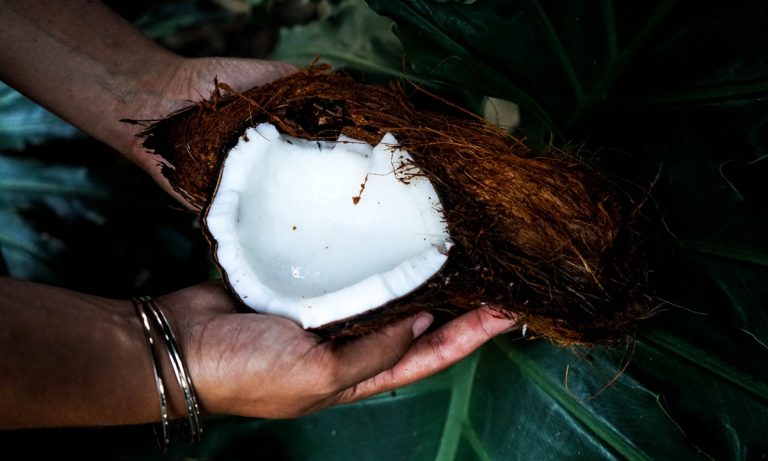
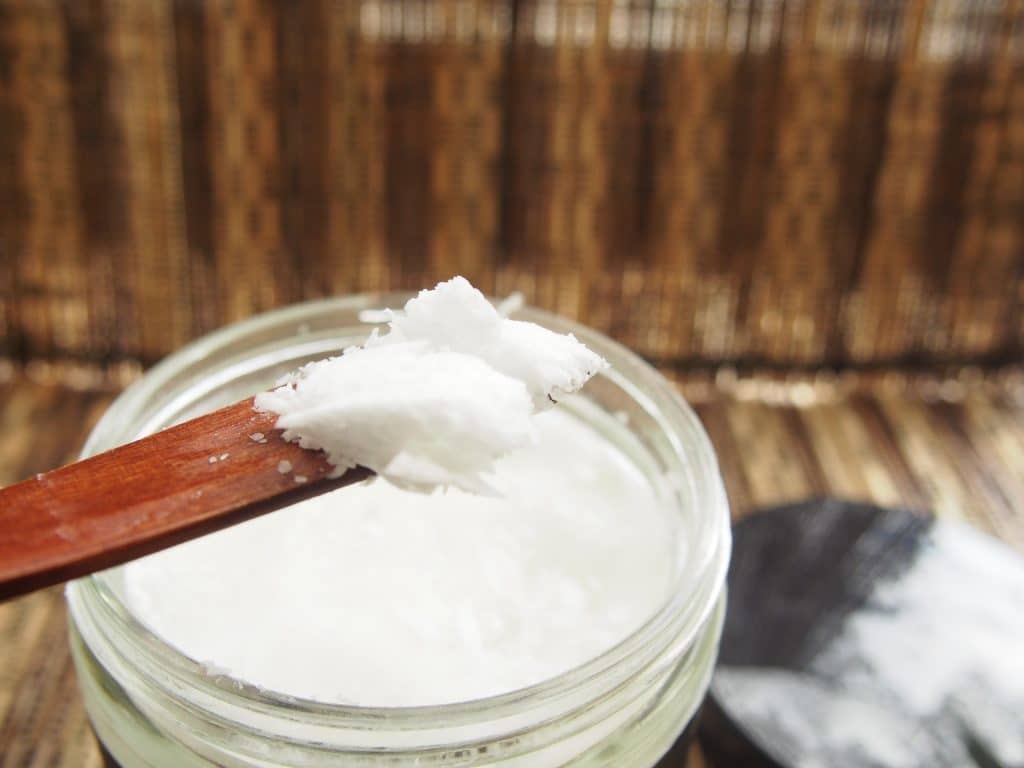
Coconut oil’s surplus of fat is one of the reasons that it works so well in conjunction with cannabis.
Dozens of states and several countries around the world have legalized medical marijuana for an array of ailments that have either scientifically or anecdotally been proven to be alleviated by cannabis. So. whether using it medically or recreationally, you’re reaping benefits from the plant whether you like it or not. Enter coconut oil. This practically-perfect carrier oil is packed with its own set of goodness and goes with cannabis like two peas in a pod.
Before we go into the benefits of coconut oil, let’s not forget that THC is fat soluble. That means that the more fat, the more potent and sure the concoction. Coconut oil is loaded with fat to carry the weed into your system, but on top of it all, it turns out to be a good fat, also with benefits. Research shows that this saturated fat can actually help prevent heart attacks and strokes.
That’s right, the fats in coconut oil actually go forth and attack bad cholesterol, thus lowering it in the body. As THC is shown to bring blood pressure levels down, this becomes a winning combo for your heart and entire cardiovascular system.
Photo by melati411 via Pixabay
Another exciting place where cannabis and coconut oil team up is in the anti inflammatory realm. Cannabis has been used against inflammation for millennia, with arthritis being an important example. Coconut oil, unsurprisingly, also has anti inflammatory properties. Plus, when used topically it can reduce the slight swelling and irritation of minor injuries.
The antioxidant properties of coconut oil create a synergy with cannabis when it comes to boosting cognition. Cannabis is known for elevating cognition and is even known to combat Alzheimer’s Disease. So the combination of the two is very brain healthy. People are able to make connections they were missing before and with continued use, the combo can bring much hope.
Remember that coconut oil’s surplus of fat is one of the reasons that it works so well in conjunction with cannabis, and that’s another reason why the two paired make for a powerful pain reliever. Whether topical or imbibed, you’re going to get more relief with the combo than with one or the other on its own.
There are even more benefits, from an improved metabolism to reduced anxiety, so do your research on whatever it is that’s ailing you and see if this powerful combo is the right one for you and your cannabis journey.
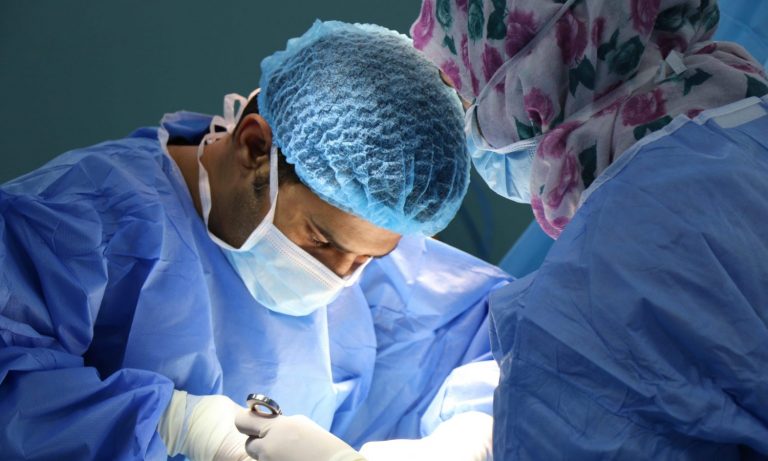
Data shows that while cannabis is beneficial for chronic pain, that might not be the case when it comes to surgery-induced pain.
New research indicates that the use of marijuana before surgery may impact patients’ recovery process, causing their pain level to significantly worse. The data goes against most of what we know about medicinal cannabis, a compound that’s been hailed as a pain reliever of all sorts.
“There is some evidence that cannabis may be beneficial for chronic and nerve pain. However, early research suggests that this is not the case for acute pain such as for surgery of a broken leg,” said lead study author Dr. Ian Holmen.
Data shows that people who used marijuana before going into surgery reported more pain while recovering, requiring the need for more opioids. They also needed more anesthesia during surgery. Cases like this highlight how important patients’ honesty is when it comes to answering pre-op questions; these details can inform doctors on their patients’ drug use and influence the patient’s surgery and recovery plan.
Researchers compared patients who had consumed cannabis before recovering from a broken leg, and patients who had not. The study has some caveats since there’s no clarity on the type of cannabis that was used, the form in which it was ingested, or how often.
Photo by Andrea Piacquadio via Pexels
A closer look at the study’s results show that patients who used marijuana before surgery required 12.4 extra millimeters of anesthesia and received 58% more opioids per day while in the hospital. They also reported higher levels of pain when asked about it on a scale from 1 to 10.
While more research is needed to draw more accurate conclusions, this study shows that cannabis use before surgery has some influence over patients’ recovery and pain levels. A similar situation occurs in patients who regularly use opioids before surgery, who experience exaggerated pain responses and require more medicine to cope with the pain.
The research was presented at the annual meeting of the American Society of Anesthesiologists Monday.
A new survey finds that young adults prefer to handle their money a little differently now that there’s COVID to contend with.
Cash is a necessity, or so say our grandparents. In reality, cash is used when shopping at small independent stores, cash-only restaurants and for that time once every couple of months when you need to pump your tires and find yourself in need of some loose change. Now that there’s credit cards and apps like Venmo and Zelle, there’s never been less of a need for cash, especially for young people. The spread of COVID is also a factor that’s making people reconsider their use of cash.
According to result of a new survey conducted on cash, credit and debit card use, respondents were twice more likely to use debit or credit than they were to use cash. Among the most interesting bits of data that the survey collected is the fact that the younger the person is, the less likely they are to carry cash.
Perhaps unsurprisingly, millennials are least likely to have bills in their wallet at any given time: 40% said they carry it most or all of the time, compared to 45% of Generation X and 59% of baby boomers. But while boomers are most likely to carry cash, they’re also carrying the least, with just $42 in their wallets, on average.
On average, Americans carry an estimated $46 in cash.
The survey, conducted by Travis Credit Union, found that even when people have cash on themselves, they’ll most likely use credit or debit cards. Those who preferred to use cash said that they did so because of the “privacy and security that cash offers.”
Among the reasons listed as to why people prefer cards over cash is the ease and convenience of cards, concerns over hygiene, and the ability to instantly see the state of finances through an app.
Now that the pandemic is on everyone’s minds, people are using less cash than before, with half of respondents admitting to using less cash than they were using before the start of the pandemic. Three in 5 people say they won’t go back to cash once the pandemic is over. We can assume that this change is due to a mix of health concerns, the natural progression of technology and plain convenience.
Measure 110 would reduce all drug possession arrests to misdemeanors and cause all drug convictions to drop by 91%.
Facebook founder Mark Zuckerberg and his wife Priscilla Chan have put their weight behind a measure to decriminalize all drugs in Oregon. Zuckerberg donates $500K to decriminalize drugs. which would also earmark a significant amount of state cannabis tax revenue toward substance abuse treatment.
Measure 110, the ballot item in question, aims to change the narrative around drug use in the state. Instead of treating drug users as criminals, campaign organizers believe substance abuse should be treated as a public health issue.
“The war on drugs has created stereotypes and misinformation about people who are addicted to drugs and people who use drugs and made it easy to make it afraid of people who use drugs,” Yes on 110 campaign manager Peter Zuckerman told The Willamette Week. “Our biggest obstacle is the stigma.”
Photo by rawpixel.com
The Facebook couple became the second biggest financial backers of Measure 110 with their donation, made through their Chan Zuckerberg Initiative Advocacy. Drug Policy Action, an advocacy organization under the Drug Policy Alliance, contributed around $2.5 million when the campaign was gathering signatures to qualify for the polls, The Oregonian reports. Since making it on the ballot, Drug Policy Action made a $862,000 to raise voter awareness about the measure.
Those caught with any drugs in their possession would no longer receive criminal penalties, under Measure 110. That includes substances like heroin, cocaine, and more. Misdemeanors would be handed out to offenders, who would enter a drug treatment and recovery program.
According to the Oregon Criminal Justice Commission, the decriminalization initiative would reduce felony and misdemeanor convictions for drug possession by 91%. The measure would impact Asian, Native American, and Black Oregonians significantly. Racial disparities for possession arrests would drop 95% if the measure passed this November.
Big thanks to Zuckerberg donates $500K to decriminalize drugs.
It’s a stressful time for everyone right now. But women specifically are using this to cope with their anxiety. Maybe a little too much.
New evidence continues to suggest that our drinking habits have been heavily impacted by the pandemic. A new study shows that women have been impacted the most, using alcohol as one of the principal ways in which to cope with these stressful times.
The study, published in JAMA Open Network, looked at self-reported data from over 800 men and women between 2019 and 2020. When comparing this year’s numbers to last year’s, people reported more drinking over the past 30 days. Women in particular reported 17% more drinking in 2020 than in 2019. They also reported 41% more heavy drinking days.
While men also reported drinking more frequently during 2020, their numbers weren’t as high when compared to those of women’s.
One of the big loopholes of a study like this one, made up of self-reported data, is the fact that questions can be interpreted differently by every person who takes the test or replies to the survey. While people’s relationship to alcohol has changed throughout the year, something that has been reflected in numerous studies, their personal interpretations may result in overestimating how much they’re drinking and how much the topic has been discussed during the pandemic.
Photo by Alem Sánchez via Pexels
According to the CDC, drinking alcohol should become a cause for concern once women and men are consuming over one or two drinks a day, respectively. Regularly consuming more than that might suggest an alcohol dependency, which could have sequels that impact you long after the pandemic is over. Long term alcohol use has been linked with depression, anxiety and it tends to be an unsuccessful coping mechanism.
While pandemic time is very different from our “normal” lives, keeping track of your drinking habits is a smart and healthy approach to take. It’s understandable to be rattled and stressed out by the situation, but it’s also important to reckon with the fact that the pandemic is here to stay. We should look for coping methods that are healthier and more effective than drinking that extra glass of wine at the end of the day, no matter how enticing that sounds.
Disclaimer:The views expressed in this article solely belong to the author and do not necessarily represent those of The Fresh Toast.
Given the well-established history of cannabis being used to “feel better”, it seems rather odd that there are minimal references to its use for post COVID symptoms found in a Google search.
There’s an old “medical” joke — although I doubt if many doctors ever told it — “The operation was a success, but the patient died.” However, I would like to suggest a new version that the medical profession should try: “The medicine worked, but the patients suffered and/or died because the medical profession wouldn’t consider it.”
The good news is that, as scientists learn more about the COVID-19 and how to treat it, the mortality rate seems to be falling. The bad news is that many patients continue to suffer for weeks or months after they have tested negative and have supposedly ”recovered”.
The Forbes article also cites a study from the Journal of the American Medical Association that looked at 143 patients from Italy who had been hospitalized with COVID-19 and survived. The study found that four in five of them were still reporting symptoms; at that time, two months later.
It is certainly frustrating that the medical profession is still so resistant to looking at cannabis as a possible treatment for COVID 19. I have written about this several times.
Moreover, while “palliative care” is primarily about relieving suffering, some symptoms can be so severe that they not only destroy the patients’ quality of life, they can also undermine the patients’ health. For example, nausea and loss of appetite can weaken the patients’ immune system, and leave them vulnerable to other diseases. AIDS gave a brutal demonstration of that problem. Unfortunately, “recovering” COVID patients have no way of knowing how long it will take them to get back to normal, if they ever will. Consequently, it may really be “chronic”.
A 2019 study reported in Health Affairs found, “Chronic pain is currently and historically the most common qualifying condition reported by medical cannabis patients (64.5 percent in 2016). Of all patient-reported qualifying conditions in 2016, 84.6 percent had either substantial or conclusive evidence of therapeutic efficacy.”
Photo by Esther Kelleter/EyeEm/Getty Images
Because so many of the recovering patients may still have respiratory problems, smoking cannabis would seem unwise, but there are many alternatives. While the vape from “Vape pens” still tends to be very hot, patients might want to try true vaporized cannabis, which “toasts” but does not burn the “bud”, so there is no smoke or particulate, and the “vapor” has been cooled in a bag.
Otherwise, there are the usual alternatives — edibles, tinctures, CBD products, etc. — that are easily available almost everywhere.
In any case, given the well-established history of cannabis being used to “feel better”, it seems rather odd that there are minimal references to its use for post COVID symptoms found in a Google search.
However, as noted, the most common use of medical cannabis is “chronic pain” and no one is claiming that it is being “cured” by cannabis, so it would seem to be less threatening to the gatekeepers who control our lives — for our own good, of course.
Nonetheless, a guest column in the Telegraph, the conservative British paper, by a chronic pain patient (long term pain from a seriously broken leg) complained, Why is the NHS still refusing to prescribe medicinal cannabis? “It’s cheap and effective, yet patients are having to seek private or illegal means to get cannabis”, writes a chronic pain sufferer.
Unfortunately, we are still many months away from having either a vaccine or effective treatments for COVID-19 so we are going to have ever-increasing numbers of “Long Haul” survivors whose health and well-being will be severely damaged by the longer term consequences of the virus.
It really would not be a “miracle cure” if it turned out that cannabinoids could “cure” COVID.
The cannabis business is a sprawling, unfriendly hydra, destroyer of serious men with good intentions.
It all sounded so promising.
Medicine Man Technologies, one of the more highly respected dispensary and cultivation operations in Denver, run by a well-respected cannabis business executive considered a pioneer in the industry, President and Co-Founder Andy Williams, rebranded the name of its subsidiary in mid-April to perhaps capture the whimsy of an industry built on getting people high.
Schwazze had ambitious plans to set the cannabis industry on fire — light up everybody.
CEO Justin Dye thought he could leverage his background in executive roles at the Albertson Company grocery chain to succeed in the cannabis industry, tellingForbes in an interview that Schwazze was looking to become “one of the largest players in cannabis.”
Although he admitted that he just joined the industry in early 2020, he saw many similarities in the grocery business and the cannabis business — a statement that came off as a red flag to any successful multi-state operator who struggled with the ups and downs of selling and marketing a federally illegal drug.
There is no other business like the cannabusiness. It’s a business that is still evolving a workable business model for a profitable operation that no one can really agree on, as smart entrepreneurs continue to get hounded by regulatory reporting requirements, and have to deal with the cultivation quirks unique to this cash crop.
There are other problems cropping up as the industry expands, includingpublic employees getting involved and other licensing issues no other business has to deal with.
License lawsuits are popping up, issues with contaminants in the product continue, the black market hangs over the entire industry, especially in California. It’s no business for the faint-hearted.
This ain’t a seed-to-grocery store lettuce-or-tomatoes produce industry thing. The cannabis business is a sprawling, unfriendly hydra, destroyer of serious men with good intentions, making humble brand geniuses like Tilray Chief Operating Officer,Jon Levin, who came from Revlon to try and make Tilray succeed. Tilray hit the market with great fanfare, and huge numbers at first. Billionaires were made overnight. Now it’s just a shadow of its former monster self.
Photo by rez-art/Getty Images
So right out of the gate early this year, Schwazze acquired Mesa Organics, which Dye said would be the first of 10 or 11 pending acquisitions.
Then the schmutz hit the fan.
In a rather tersepress release on August 17, Medicine Man announced that they were ending their relationship with Schwazze, saying that they were engaged in searching for another partner.
MedPharm, another major Denver-based cannabis player since 2017 that had a deal in place inSeptember 2019, to be acquired by Medicine Man Technologies before Schwazze came along, was working a new deal with Schwazze that just crashed and burned September 30.
Doing an acquisition deal with MedPharm could have really elevated what Schwazze wanted to do.MedPharm’s facility received the first cannabis research license issued by the state of Colorado in October, 2018, and approval from the city and county of Denver to conduct clinical research this year.
In August 2019, the Drug Enforcement Administration (DEA) announced that MedPharm Research, a wholly-owned subsidiary of MedPharm Holdings, was selected to move forward as one of the first applicants to be considered for a license to grow federally legal cannabis under a new policy statement issued in the Federal Register.
Amidst the smoking ruins of the Schwazze deal-making, where six deals have gone sour (including Dabble Extracts, Los Suenos Farms, and Colorado Harvest), Schwazze says it still remains in negotiations with other cannabis companies Canyon Cultivation, Medically Correct, Roots Rx.
In a statement by the company, Dye threw up the usual corporate smoke screen: “Additionally, we remain confident in our ability to grow organically and through future merger and acquisition opportunities. We have a strong M&A and real estate growth plan and infrastructure to provide us a pipeline of opportunities in the marketplace.”
That’s the kind of data that should get a former grocery store executive jazzed about his new career choice.
In any case, Schwazze has still managed to hold on to Mesa Organics, acquired on April 20. And their relatively new Starbuds acquisition gives them 13 retail operations located throughout the Colorado front-range with four dispensaries in Denver, two dispensaries in Aurora, one dispensary in each of Commerce City, Westminster, Louisville, Longmont, Niwot, Pueblo and Pueblo West, and one cultivation in Denver. So they got that going for them.
And they are still hitting up other businesses to find their next acquisition target as they beginreorganizing to figure out how to make acquisition deals work, with a new private equity firm guy on the board, Jeff Garwood; and the promotion of their chief integration officer, Nirup Krishnamurthy, a former chief information officer for United Airlines, to chief operating officer.
Surely, there’s more to come. More ups, more downs. But there is plenty of wreckage already in the wake of yet another company that thinks they have the complicated cannabis industry figured out.
Thinking of moving back in with your parents? Here are some tips that could help you stay sane and make the most of this transition.
A lot of people have been forced to relocate due to the pandemic, whether that means changing neighborhoods, states, or in some cases, back home with their parents. Sleeping in your childhood bed might be comforting in the face of the uncertain, but it’s also a change that many people are not equipped to deal with.
Moving back in with your family is often a temporary situation, but still, you should try your best to make the most of this opportunity and use it to your advantage. Living with your parents will likely allow you to save some money and to work on some of the most important and anchoring relationships in your life.
Here are some tips on living with your parents while avoiding losing your mind:
Mourn your loss
It’s difficult to not see moving back with your parents as a regression or as some kind of failure. Try to tone down this voice by cutting yourself some slack and reminding yourself of the unprecedented circumstances we’re going through: the economy is in bad shape and the consequences of the pandemic are very real. Mourn your loss, because it is very real. Give yourself room to be sad and disappointed that things didn’t go according to plan. This mindset will most likely allow you to embrace your new situation more readily.
In order to preserve your relationship with your parents, it’s important to set clear boundaries with them, which everyone in the house will benefit from. While you have to respect the fact that you’re moving into your parent’s house and that there’s some rules you should follow, you should be clear about certain topics. Enforce privacy in your bedroom and designate a work space that allows for uninterrupted work or free time. Keep track of the things that bug you and bring them up in ways that are constructive. Try to find a middle ground that works for the entire household.
Pitch in around the house
Moving in with your parents is also a big change for your parents. Try to make this transition as smooth as possible by pitching in with groceries, cooking, cleaning or gas. Have a conversation with them and set some ground rules. Work hard on sticking to these rules as if you had an agreement with a landlord you don’t have a personal relationship with.
While you should be mindful of where you’re living, you should also create the space for yourself to be happy and live your life. Keep social distancing guidelines in mind and look out for your parent’s safety. Try to embrace this new phase of your life with some excitement and joy.
Work on your savings
One of the biggest perks of living with your parents is that you’ll be spending much less money on rent. Take advantage of this if you can, trying your best to save money and to keep up with consistent loans and credit card payments.
The World Health Organization has debunked some of the most common COVID-19 myths. Here are some of the most popular ones.
COVID-19 is a new disease, meaning that each month we’re getting more information on how the virus is evolving and how to continue to stay safe.
Not only is the virus continuing to spread, so is misinformation surrounding it. While some of it is based on facts and science, a lot of it is just plain wrong, and it’s important to correct it.
The World Health Organization has correcting some of the most popular myths regarding the coronavirus. Here are 5 of the most popular ones:
“Vitamins and minerals can cure the virus”
While it’s nice that people try to protect themselves by strengthening their immunity, no matter how many Vitamin C supplements they take, these supplements won’t be able to treat COVID-19. You should also try to keep your immune system healthy by working out regularly, sleeping for a minimum of 8 hours every night and practicing healthy eating habits. Supplements can help at times, but they should be at the bottom of your priority list.
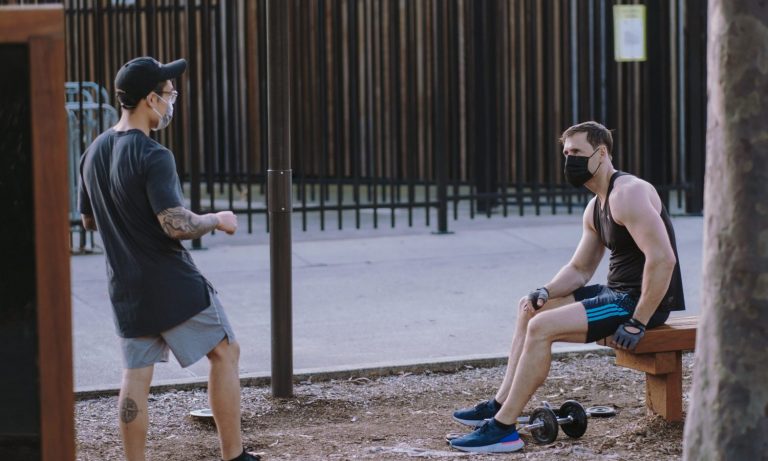
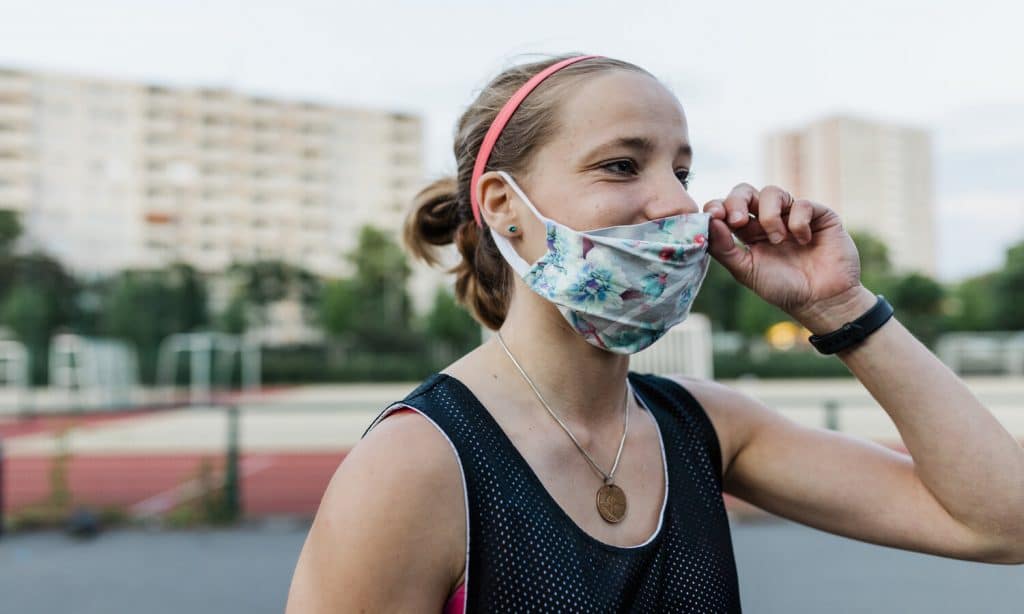
According to the WHO, working out with face masks is not advised since it can make it more difficult for you to breathe and might result in other issues, especially if the cloth mask gets sweaty and heavy. The WHO recommends keeping 6 feet of distance between yourself and others if you choose to workout outside.
While the WHO advises against wearing masks in these scenarios, it’s still important for people to keep their distance or, if unable, wear the appropriate face masks for workouts, those that allow users to breathe freely and that don’t absorb sweat.
“Shoes can spread COVID”
It’s very unlikely for shoes to spread the virus around, even if that remains a significant source of fear for some people. The WHO advises, as a precautionary measure for households with kids and children, to leave your shoes outside and to walk around homes in socks or barefoot.
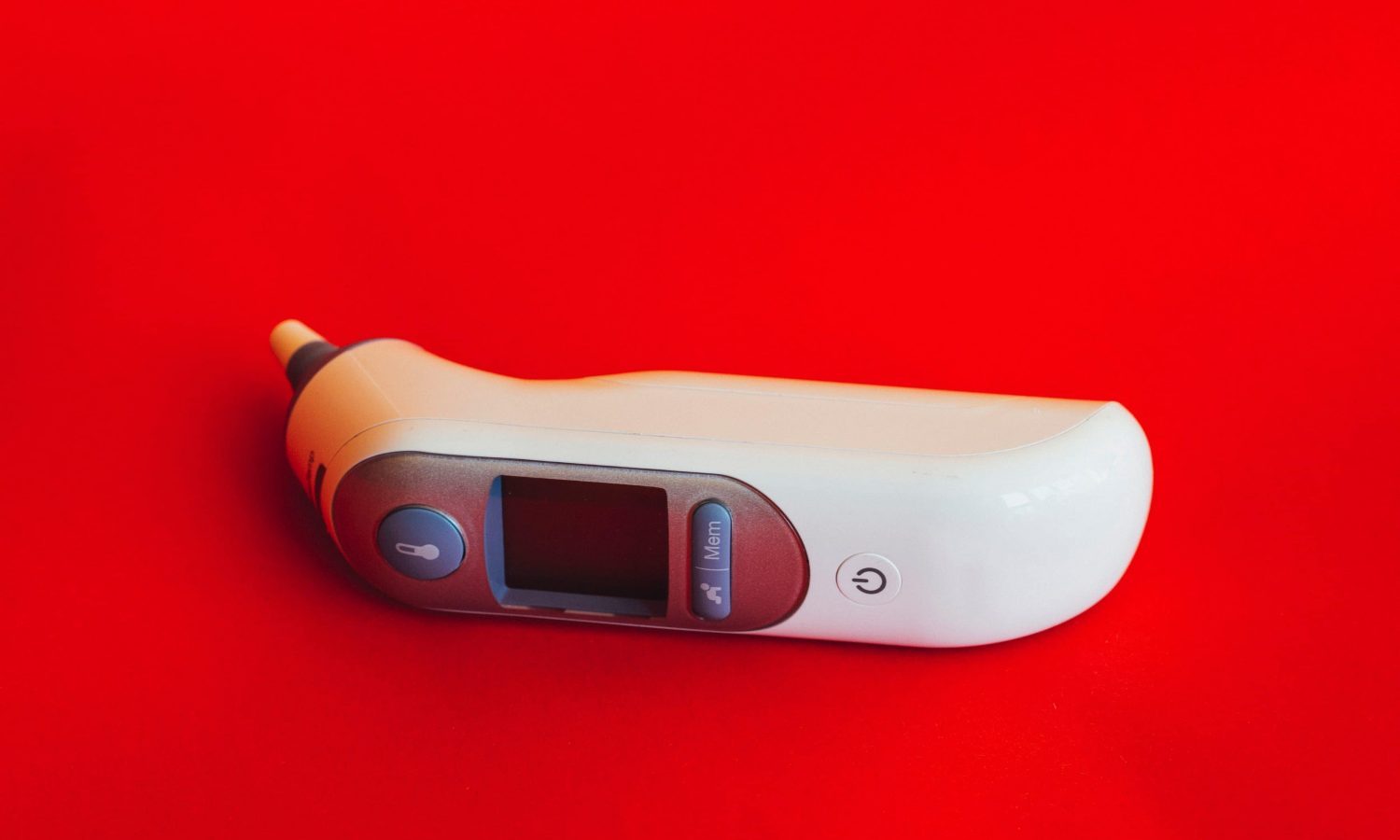
While you’re not the only one who feels safer when their temperature is taken before entering a building, thermal scanners and thermometers are unable to say if someone has COVID or not. They can only tell if someone has a fever, which can be caused by many different illnesses, including COVID.
“Holding your breath for over 10 seconds means you don’t have COVID”
When the pandemic first started, one of the most pervasive myths was that if you could hold your breath for 10 seconds, your lungs were healthy and you were COVID-19 free. The most common symptoms of COVID are fever, dry coughs, and fatigue. And the one way to be sure you have it is to get a COVID test.