Sunday, May 10, 2026
Home Blog Page 467

Nightmares Vs. Night Terrors: What’s The Difference?

0

Nightmares and night terrors are both conditions that affect your quality of sleep. Here are some key differences that can help you differentiate the two.

Nightmares and night terrors are terms that are often used interchangeably. On the occasions when a differentiation is made, it’s assumed night terrors are simply more intense versions of nightmares, which isn’t true. While both situations are similar — both influence sleep quality sleep — there are some key differences that matter, especially if people don’t know the kind of condition that they’re dealing with.

Nightmares are very common, affecting most adults with varying degrees of regularity. While some people might have more nightmares than others, people can experience them without worrying about a deeper condition. Nightmares are more likely to occur when you’re disturbed by something, whether it’s an ongoing problem or stressor in your life or a scary movie you recently watched. New medications can also trigger bad and often vivid dreams.

When it comes to night terrors, this subset of bad dreams are far less common, especially in adults. These are a type of parainsomnia, which are disorders that disrupt sleep patterns and are known for their sudden episodes of fear, thrashing, screaming or kicking. They’re more prevalent in people with PTSD or mood and anxiety disorders.

RELATED: Just 16 Minutes Of Sleep Loss Can Harm Work Concentration The Next Day

Night terrors differentiate themselves from nightmares mainly through intensity. People with night terrors  may find themselves sweating and breathing harshly, sleepwalking or sleeping with their eyes open. Unlike nightmares, which are easy to remember once awoken, night terrors are usually forgotten, making them difficult for people to spot unless they sleep with someone else who notices their sleep patterns.

5 Things Sleep Experts Would Never Include In Their Bedrooms
Photo by Devin Kleu via Unsplash

These types of sleep conditions are difficult to treat. Like most sleep issues, changes in lifestyle can help, especially if you develop a consistent bedtime routine. In order to prevent these, try to steer clear from scary content, whether that’s a TV show, a podcast or a novel.

RELATED: Let’s Talk About Why Sleep Is Important — And How To Get Some

Cultivate relaxing activities, such as reading, putting puzzles together or meditating an hour or two before bedtime, encouraging a relaxing mood that can reduce your overall level of stress. (See: 5 Tips To Help You Fall Asleep Faster.) Make your bed and your room feel safe by cultivating a cozy environment, one where there are no sharp or fragile objects exposed, since these can hurt those who thrash or sleep walk.  

If your sleep habits or lifestyle choices are getting in the way of your life, you should visit a doctor. Sleep conditions are common, but once these start affecting your relationships, work and depleting you of your energy, they can quickly get out of hand. Sleep is an important part of your life, affecting almost every aspect of your health, from your mood to your weight. You should prioritize it and keep track of the warning signs.

Cannabis During Breast Cancer Treatment: What Are The Benefits?

Well-known organizations like the American Cancer Society have already had frank discussions about the benefits of CBD and cannabis during cancer treatment. 

A cancer diagnosis is a life-changing event. From the confusion of understanding the road ahead to the hectic schedule of treatment protocols and never-ending appointments, many individuals struggle through treatment and beyond.

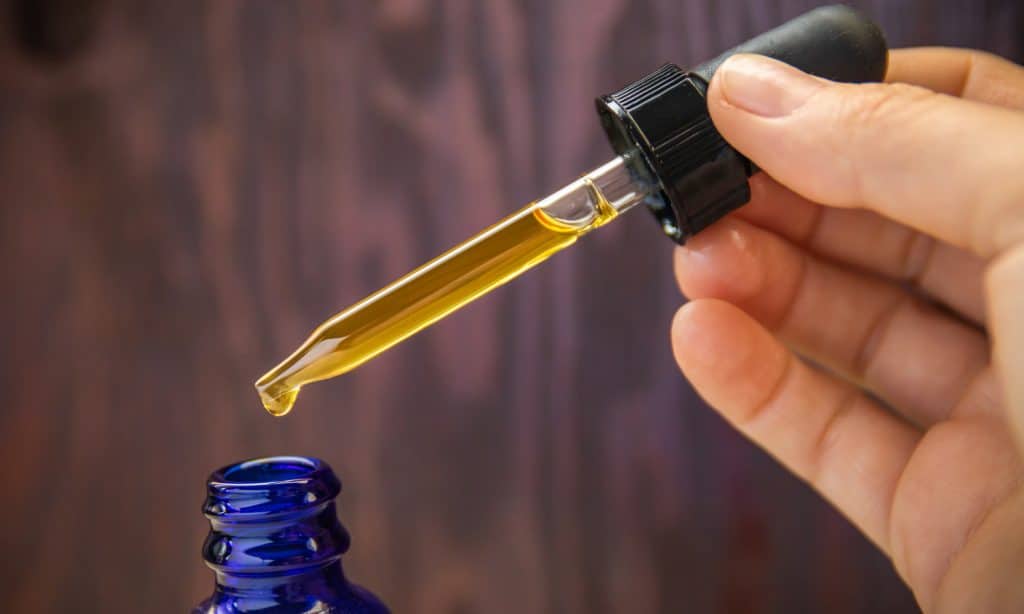
Amy S., a native of Milwaukee, shared that her breast cancer treatment took a toll not only on her body, but relationships as well.  “Exhaustion was an understatement. I didn’t have the brain power or the patience to give to my children, or my husband.” Amy went on to explain that during particularly difficult chemotherapy sessions, while they were targeting her left breast, she had continuous nausea and insomnia. One bright spot, Amy shared, was that a friend passed her some CBD oil. 

After discussing combining the oil with her other treatment, she found relief in small doses. “It didn’t fix the fear, but it gave me a little bit of my life back, between vomiting and overthinking.” Amy credits CBD oil with helping her deal with anxiety and pain during treatment. And, she’s not alone. 

RELATED: Did the National Cancer Institute Finally Admit Cannabis Kills Cancer?

Well-known organizations like the American Cancer Society have already had frank discussions about the benefits of CBD and cannabis during cancer treatment. 

Via the ACS:

There have been some early clinical trials of cannabinoids in treating cancer in humans and more studies are planned. While the studies so far have shown that cannabinoids can be safe in treating cancer, they do not show that they help control or cure the disease.

Here are five ways cancer patients may use cannabis or CBD oil to alleviate symptoms during cancer treatment:

breast cancer
Photo by Danil Rudenko/EyeEm/Getty Images

Anxiety: A cancer diagnosis can bring feelings of uncertainty and tension within the mind and soul. From second-guessing to understanding larger questions around the disease, many patients can experience anxiety and depression. According to Harvard Health, CBD is commonly used to address anxiety. In a 2015 study and analysis, researchers found that CBD oil offered promising treatment for individuals with various anxiety disorders.   

Pain: Men and women experiencing cancer treatment often experience pain at injection sites as well as pain after surgery. In a piece for Doximity, Dr. Johnathan Kaplan shared that Marijuana and CBD offered a myriad of after-surgery benefits, including stopping eliminating opioid addiction, increasing appetite, and decreasing pain and side effects such as constipation.

Via Doximity:

As patients take more opioids for pain, the resulting constipation can cause more pain and the cycle begins anew. That is not an issue with marijuana.

Nausea: The American Cancer Society cites a study where individuals felt relief from symptoms of nausea and vomiting during treatment. In the study, individuals felt that smoking cannabis helped ease episodes of vomiting and nausea brought on by chemotherapy. 

Insomnia: Often caused by anxiety or chronic pain that comes with a cancer diagnosis, insomnia can cause patients, a large CBD study from the U.S. National Library of Medicine found that of the 72 patients sampled, anxiety decreased in the first month of introducing CBD in a bedtime routine. Additionally, sleep scores also improved in the first 30 days in over 66.7% of patients. 

Overall unease: From helping to balance stress and mood to reducing episodes of depression, Linda A. Parker found in writing her book, Cannabinoids and the Brain, found, “in a survey of nearly 4500 people revealed fewer depressive symptoms in cannabis users than in non-users.” 

Photo by rgbspace/Getty Images

RELATED: Ask Dr. Green: How Can I Use Marijuana To Deal With Chemotherapy?

Even better? Research recently found that cannabinoids (CBs) offered relief for tumor-related symptoms in not just nausea, vomiting and pain for cancer patients, but in attacking the actual tumors.

An April 2019 abstract in the U.S. National Library of Medicine found that CBs may slow tumor growth in breast cancer patients because they are active against estrogen-positive breast cancers, but non estrogen breast cancers as well, (as well as triple-negative breast cancer.) Often given to breast cancer patients in the advanced stages of the disease to slow growth, CBs may also offer relief in earlier stages of cancer as well. 

For those experiencing a cancer diagnosis, it’s always best to discuss CBD or cannabis use with your doctor to ensure they have all the up-to-date information of your lifestyle and medicines — especially since CBD or cannabis can interact with medications you may be taking. 

Top 5 Fresh Toast Stories Of The Week: Sept. 18, 2020

0

ICYMI: Here are the headlines making news this week on The Fresh Toast.

As the wildfires in Oregon burn, the state’s Liquor Control Commission is prohibiting moving product to an unlicensed area, even in evacuation scenarios; Kendall Jenner admitted to her marijuana habit after her sister Kourtney outed her on a recent podcast; and the Biden-Harris administration promised marijuana decriminalization and expungement, which advocates argue doesn’t go far enough.

Let’s dive into those stories and more as we round up the top five headlines on The Fresh Toast this week:

The Oregon Fires And Cannabis

The California Fires and Cannabis
Photo by Ylvers via Pixabay

Wildfires are ravaging Oregon, Washington and California. They are truly terrible. Here in Oregon, a full 500,000 residents have been evacuated as I write this blog post on the evening of September 9. Portland smells like burning ash and the suburbs are in evacuation protocols. It’s awful even here.

For the cannabis industry, things look scary too. According to the Oregonian, the Oregon Liquor Control Commission (OLCC) reported that one in every five licensed marijuana businesses (or 408 businesses) are in evacuation protocols from the 35 uncontained wildfires. A total of 73 outdoor producers have been forced off site entirely. As to hemp grows, which are heavily concentrated in some of the afflicted areas, things may be even worse.

Continue reading >>> 

Does Will Smith Smoke Weed?

Jay-Z Thinks This Prank Video Is Will Smith's Best Work Ever
Photo by Carlos Alvarez/Stringer/Getty Images

Will Smith is an accomplished TV, film and music icon. But many of us still flash back to the 90s when he was simply known as the Fresh Prince of Bel Air. The sitcom launched his career, and he’s managed to stay relevant since, working with a string of famous directors  in numerous blockbusters which earned him Grammy, Golden Globe and Oscar nods.

RELATED: Top 5 Fresh Toast Stories Of The Week: Sept. 4, 2020

Smith just announced on his Instagram that there will be a Fresh Prince of Bel Air reunion, featuring the original cast (including OG Aunt Viv!!), which  is expected to air on HBO Max sometime around Thanksgiving.

We know Smith loves his old castmates, but does he also love a little bit of the kush?

Continue reading >>>

Kendall Jenner Claims She’s A Stoner: ‘No One Knows That’

Photo by Antony Jones/Stringer/Getty Images

What do Snoop Dogg, Willie Nelson, and Kendall Jenner have in common? According to the top-paid supermodel in the world, they all love cannabis. Jenner discussed her marijuana habit after her half-sister Kourtney Kardashian outed her on a new podcast.

“I am a stoner,” Jenner said.

The Kardashian-Jenner siblings appeared on a recent episode of the podcast Sibling Rivalry with Kate Hudson and Oliver Hudson. The hosts asked a series of lightning questions to Kendall and Kourtney that included: “If there was a stoner [among the family] who would it be?”

Continue reading >>> 

Kamala Harris Promises No Cannabis Reform Half-Steps, Then Promises A Half-Step

Kamala Harris Promises No Cannabis Reform Half-Steps From Biden, Then Promises A Half-Step
Photo by Scott Eisen/Stringer/Getty Images

Kamala Harris promised voters Monday a Biden Administration would not take any half-measures on cannabis reform, and promised a Biden-Harris pairing would decriminalize cannabis nationwide. The statement sent mixed messages, as would describe the Biden-Harris Administration’s plans a half measure.

Harris was participating in a roundtable event hosted by ABC and streamed on Facebook Live when cannabis reform came up.

RELATED: Top 5 Fresh Toast Stories Of The Week: Sept. 11, 2020

“Under a Biden-Harris administration, we will decriminalize the use of marijuana and automatically expunge all marijuana-use convictions, and end incarceration for drug use alone,” Harris said. “This is no time, from our collective perspective, for half-steppin’.”

Continue reading >>>

Here’s Why Using A Weed Grinder Is A No-Brainer

These Are The 7 Cutest Marijuana Grinders On Amazon
Photo by VasilevKirill/Getty Images

Grinders are tools that are sometimes considered unnecessary, ignored by amateur marijuana consumers. People can split their weed into functioning chunks by using scissors, their fingers, a quarter, and more. While all of these methods get the job done, the end result, whether it’s in a joint, a bong, or an edible, might taste strong and harsh, with the marijuana bits burning out unevenly or clumping together for that strong weedy flavor.

Marijuana grinders, even when some wear and tear has set in, chop weed evenly and create a kind of fluffy powder that’s easy to carry and handle. These devices also limit the amount of times you touch the weed with your hands, a process that contaminates the weed and robs it of its trichomes, which are the particles responsible for providing marijuana with its aroma and some therapeutic benefits.

Continue reading >>>

Vermont Takes A Step Closer To Legalization

Vermont had previously legalized recreational marijuana, but not cannabis sales. The new bill would prioritize small and minority-owned businesses for licenses.

This week Vermont’s House and Senate negotiators reached a final agreement on S. 54, which is legislation that would legalize, regulate, and tax cannabis sales. The state had initially legalized cannabis but didn’t make sales of the product legal. This had the effect of decriminalization but also left the market in a grey zone of uncertainty. Only two states took the route of legalizing cannabis but making sales illegal.

The next step is for the legislation to get a final vote from both the House and Senate and then if it passes, which is expected, it will go to Governor Phil Scott to sign. The Governor has not expressed whether he will sign it or not. However, a recent poll conducted by Public Policy Polling and commissioned by the Marijuana Policy Project showed that 76% of voters in the state approve of creating a legal cannabis market.

RELATED: Kamala Harris Promises No Cannabis Reform Half-Steps, Then Promises A Half-Step

Matt Simon, New England political director at the Marijuana Policy Project said, “This final agreement has been a long time coming. Legislators should be applauded for their patience and their persistence. Vermont urgently needs the jobs, business opportunities, and tax revenue that S. 54 will provide. We hope Gov. Scott will see the wisdom in signing this bill into law.”

Vermont Takes A Step Closer To Legalization
Photo by rabbit75_ist/Getty Images

Another reason the state could be prompted to move quickly is the devastation the pandemic has had on Vermont’s economy. The state relies heavily on tourism but has imposed an extremely restrictive map of the places where visitors can come from. Even owners of second homes in the state are told they can’t visit their own property if they reside in a county that has too many COVID-19 cases. Luckily for the state, the pandemic hit just as last year’s ski season was winding down, but then summer tourism was lackluster as the state put more restrictions on lodging. Now business owners are getting nervous about the upcoming leaf-peeping season and then the new ski season. In short, the state will need revenue since tax collections are down.

Key provisions of the bill include: 

  • Priority licensing for small cultivators
  • Priority licensing for women and minority-owned businesses
  • Independent lab testing of all cannabis sold to patients and adult consumers
  • Creating a new independent commission to regulate medical and adult-use cannabis
  • Requiring a search warrant prior to saliva testing, which could not be conducted roadside

MPP also noted that the legislature also appears poised to pass S. 234, a bill that would require the automatic expungement of all criminal records for past low-level cannabis possession offenses. The bill would also decriminalize possession of cannabis in amounts that are up to twice the legal limit for adults and reduce some cannabis penalties.  You can read a full summary of the bill here.

RELATED: How Vermont Made History Legalizing Recreational Marijuana

Laura Subin, director of the Vermont Coalition to Regulate Marijuana said, “Automatic, cost-free expungement of minor cannabis convictions is the right policy and now is the right time for it. This bill recognizes and takes a step towards repairing the horrific legacy of racism in the enforcement of cannabis prohibition laws. It is also fair, commonsense legislation that will help break cycles of poverty and criminality.”

This article originally appeared on Green Market Report and has been reposted with permission.

House Democrats Postpone Marijuana Legalization Bill Until After The Election

Moderate Democrats had urged Democrat leadership to hold any marijuana bill, concerned with how any votes could affect their re-election.

Don’t expect any bills that would legalize cannabis to receive floor votes until after the Election. The Marijuana, Opportunity, Reinvestment, and Expungement (MORE) Act, which would have effectively legalized cannabis nationwide and expunged marijuana-related records, was scheduled for a vote this month in the House of Representatives, but that won’t happen until later this year.

The MORE Act had become politicized in recent weeks, with Republicans criticizing the Democrat-controlled House for voting on a cannabis bill when Congress still hasn’t passed a new round of coronavirus stimulus relief. Moderate Democrats were also concerned how that appeared.

RELATED: GOP Attacks Marijuana Decriminalization Bill, Question Democrat Priorities Amid Pandemic

“At a time when people are really struggling just to pay the bills and to get through this health crisis, [COVID relief] should be our priority,” centrist Rep. Scott Peters (D-CA) told The Hill.

Peters is up for re-election this year. A group of moderate Democrats had privately urged Democratic leadership to pull the MORE Act vote amid worries how it could backfire at the ballot.

House Democrats Postpone Marijuana Legalization Bill Until After The Election
Photo by OsakaWayne Studios/Getty Images

Though House Majority Leader Steny Hoyer (D-MD) removed the bill from the schedule, he said Democrats are “committed” to voting on the legislation this year.

“Right now, the House is focused relentlessly on securing agreement to stave off a damaging government shutdown and continuing to do its job addressing the COVID-19 pandemic. Later this autumn, the House will pass the MORE Act with strong support as yet another crucial step toward making our justice system fair for all Americans,” he said

The move received notable criticism among cannabis advocates, who argued that communities that continue to be impacted by federal cannabis polices can’t wait for a “politically convenient” moment.

RELATED: Kamala Harris Promises No Cannabis Reform Half-Steps, Then Promises A Half-Step

“Unfortunately, this decision means justice delayed for millions of Black, Latinx, Indigenous and low-income individuals disproportionately impacted by our country’s racist marijuana law,” Maritza Perez, Director of the Office of National Affairs at the Drug Policy Alliance, told The Fresh Toast.

We cannot continue to force these communities to wait for a ‘politically convenient’ moment while they continue to be robbed of employment opportunities, housing, education, other government programs, and even their children or immigration status,” she continued. “If members of Congress are serious in their commitment to responding to calls for racial justice, then this vote must take place the moment the House is back in session following the elections.”

Rock Climbers Can Use Marijuana In Recovery And Training

Improved sleep, training motivation, and reduced anxiety are just some ways in which marijuana can help climbers.

Long-time rock climbers know that it isn’t a matter if you suffer an injury, but when. Any significant time climbing inevitably results in scrapes, dislocated fingers, tendonitis, and more serious setbacks. Don’t get most climbers started on the dreaded “climber’s elbow,” reminiscent of “tennis elbow” or “golfer’s elbow.” Participating in a sport like climbing means taking recovery very seriously, which is where cannabis comes in.

Marijuana and climbing have gone hand in hand since the sport was born in Yosemite Valley. That relationship remains strong nowadays, as the two countercultural forces were kind of made for each other. A 2015 Climbing Magazine anonymous survey of professional climbers a couple years ago, in which most said they used it for recovery while others said they sometimes climbed while using cannabis.

“A lot of the big names in climbing smoke weed recreationally,” one anonymous pro climber said.

Others added they only used marijuana as “a recovery tool,” as it makes a “remarkable pain killer.”

RELATED: Science: Cannabis Does Not Make You Lazy After All

A deeply-researched 2011 review conducted by scientists, including members of the World Anti-Doping Agency and National Institute on Drug Abuse, found that “the use of cannabis as doping will not help to gain a competitive edge by any means.” But the review also highlighted how cannabis can help athletes deal with anxiety in high-pressure situations—climbing includes plenty of high-pressure situations—and “play a major role in the extinction of fear memories” from traumatic athletic events, such as suffering a tough whipper or something more serious.

“Cannabis improves sleep and recovery after an event, reduces anxiety and fear and aids the forgetting of negative events such as bad falls and so forth,” researchers wrote. “Cannabis enhances sensory perception, decreases respiratory rate and increases heart rate; increased bronchodilation may improve oxygenation of the tissues.”

rock climbing cbd injuries
Photo by Tom Wheatley via Unsplash

Marijuana can also help you in the gym during training sessions. A University of Colorado study published earlier this year concluded that using marijuana before exercise “increases motivation” as well as “enhances recovery from exercise.” Recovery is huge, particularly in sports brutal on the body like climbing. Professional athletes in football, basketball, hockey, fighting, and even golf have all come out in favor of using cannabis as a recovery tool, with some saying CBD is enough.

RELATED: How To Use CBD For A Better Night’s Sleep

More than those other sports, though, safety is of the utmost importance while climbing. Combining marijuana and climbing should be done with serious intention and without harming belay partners or fellow climbers. An online survey conducted by Training Beta, a website dedicated to rock climbing training, explored how readers felt about the relationship between climbing and cannabis. Among 1,462 respondents, 47% said they weren’t comfortable with high belayers and 46% responded that it depended on the setting and person belaying them.

According to Training Beta, one anonymous response summed up the majority view like this: “I’m neutral about its use. Marijuana affects everyone differently, if you perform better after smoking, rock on. If you don’t, don’t use it when climbing. I think everyone should be able to make the decision for themselves based on their knowledge of how it affects him or her.”

Can Artificial Sweeteners Help Us Lose Weight?

0

Artificial sweeteners can be found in all kinds of foods and beverages. They don’t add calories but do they subtract them?

There’s a lot of mixed information out there on artificial sweeteners, with some people accepting their negative side effects as a way of cutting down calories. Artificial sweeteners work by triggering the same sensory cells that sugar and natural sweeteners do. The difference is that they provide few to no calories, and thus, these elements are not metabolized by our bodies. They can be found in all sorts of foods and drinks, from baked goods and energy bars to diet sodas and teas.

While diet foods and drinks are consumed by people who want to avoid consuming extra calories, over the years, people have begun to consume them more and more. Still, the data on artificial sweeteners has always been unclear. They don’t add calories to people’s diets, but it’s unknown if they contribute to weight loss or if they could trigger some other negative side effect.

RELATED: How To Prepare For This Year’s Flu Season

A new study published in the Journal of the American Heart Association digs deeper into the topic.

Everything You Never Wanted To Know About Artificial Sweeteners
Photo by Flickr user LeAnn E. Crowe

The study looked into what happened when soda and sugary drinkers who drank at least 1 of these drinks during the day switched to drinking water or beverages that were artificially sweetened. 203 adults were compiled and split into three groups: one of them consumed artificially sweetened beverages, the other consumed plain and sparkling water and the latter continued on with their normal consumption of sugary drinks.

Participants were studied for a period of a year, with most showing no significant changes in their weight. Patients who had high amounts of abdominal density though, experienced prominent results. By switching to artificial sweeteners, these participants lost significant amounts of weight. One of the researchers of the study theorized that people who have abdominal fat may be more sensitive to sugary drinks, since these produce more insulin, which in turn encourages fat storage.

RELATED: Everything You Never Wanted To Know About Artificial Sweeteners

Artificial sweeteners have a controversial history, being at times linked with weight gain, diabetes and cancer. None of these statements imply causation, only correlations. Still, there’s a lot we don’t know about these elements and the ways in which they react with our bodies. They’re a better option than sugar, at least when it comes to managing the amount of calories you ingest, but their consumption should be managed.

The California Fires and Cannabis

For licensed growers worried about how the fires will affect them, options are available if you know the rules.

Yesterday, my Harris Bricken colleague Vince Sliwoski wrote a post entitled, “The Oregon Fires and Cannabis“. Given how fires have been ravaging California for the past few weeks, I thought I’d write on how California’s fires are affected the cannabis industry.

For the past few weeks, our California cannabis attorneys have been told by a number of cannabis businesses of actual or threatened destruction due to the fires. Even for businesses that don’t physically burn down, shutdowns and evacuations can be devastating. Especially for outdoor cultivators, smoke, ash, lack of sunlight, or other forms of environmental pollution can be devastating. On September 11, Marijuana Business Daily published an article examining some of the devastation caused by the wildfires, quoting interviews with cannabis insiders.

RELATED: The Oregon Fires And Cannabis

Like in Oregon, California’s cannabis agencies have specific rules to deal with potential disasters, which include fires. The rules are generally the same across the industry, but I’ll cite the CA Department of Food and Agriculture’s (CDFA) rules here since outdoor cultivators seem to be the most severely affected to date.

The California Fires and Cannabis
Photo by Justin Sullivan/Staff/Getty Images

As noted above, CDFA’s rules define “disaster” to mean “condition[s] of extreme peril to the safety of persons and property within the state or a county, city and county, or city caused by such [sic] conditions such as . . . fire”. CDFA rule 8207 regulates disaster relief–if a licensee believes it can’t comply with a licensing requirement (e.g., storing cannabis on a property that’s in the path of a fire), it must notify CDFA and specifically request relief from that requirement. CDFA has total discretion as to whether to grant this relief and can only do it for a limited time (how limited depends on the circumstances). CDFA can also condition that relief on licensees doing certain things, again in the agency’s discretion.

Given that obtaining this pre-approved relief can take some time, crops can be destroyed in the period it takes to get relief. Therefore, CDFA allows licensees to move cannabis off the premises if certain conditions are met, including that the cannabis is brought to a secured location where access is restricted to the licensee and its employees/contractors, and the licensee gives notice to the CDFA within 24 hours of movement. To be clear, these are not the only conditions and requirements and it’s critical to understand all of the requirements.

RELATED: California’s 7 Toughest And Worst Cannabis Rules

For licensees that think they could be affected by the fires, evaluation of CDFA’s rules proactively and consulting with an attorney who understands the disaster relief process is key. CDFA and the other agencies (which again have similar rules) will undoubtedly have their respective hands full for the foreseeable future. As my colleague Vince noted, “For now, the best approach is probably to remain alert, listen to local authorities and keep an eye out for further regulatory advisement. And pray for rain.”

Griffen Thorne is an attorney at Harris Bricken, a law firm with lawyers in Seattle, Portland, Los Angeles, San Francisco, Barcelona, and Beijing. This story was originally published on the Canna Law Blog and has been reposted with permission.

A Cheatsheet For CDB Beginners

0

CBD is a popular yet complex compound. Here’s a breakdown of the basics.

CBD is everywhere, with most people having at least heard of it. Still, the majority of people don’t know how it works, only knowing that it’s part of a trend and that the product provides benefits for the mind and body. These go all over the place, from stress, to pain management, to sportswear, to infused pillow covers and to substances that can be vaped and smoked. It’s a lot.

In order to learn about the reality of CBD and what the compound can do for your body, there’s some hurdles you have to jump over, skipping over the medical jargon and the advertisements that claim that CBD is the world’s most efficient compound and that it’s capable of fixing everything health-related. It’s not all powerful and it’s important to have some information before you use it.

What it does

Why Is the CBD Market Exploding?
Photo by Caitlin Riley/Getty Images

RELATED: 5 Of The Most Common CBD Questions

There’s a lot of noise surrounding CBD, with many companies claiming that the product can do a lot of things. While CBD has a lot of untapped potential, the conditions that show some scientific promise include certain types of epilepsy, inflammation and pain. The compound has earned a promising position in beauty and skincare products, but dermatologists aren’t completely sold on the compound due to the lack of supporting scientific research. Still, they claim that it’s safe to use the compound in this form and that if it’s a part of a renowned product its effects will likely be beneficial.

How it works

Our bodies have an endocannabinoid system, containing cannabinoid receptors located in our brain, skin and different organs. They have an influence over a lot of our behaviors, affecting our moods, appetite, stress levels and more. While our bodies produce endocannabinoids naturally, many compounds in cannabis stimulate this system, including CBD. CBD stimulates and blocks certain endocannbinoid responses, having an influence over pain, inflammation and more.

It has a complicated legal status

Photo by traffic_analyzer/Getty Images

RELATED: These Are The Conditions CBD Can Treat, According To Science

In 2018, the US Farm Bill was approved, legalizing industrial hemp. CBD products fall under a tricky legal ground; they should be legal provided they contain less than 0.3 percent of THC. If the product contains more THC than that, then it’s considered illegal on a federal level. One issue that makes this topic all the more complex is the fact that CBD is a relatively new industry, with many companies not knowing how to accurately measure the amount of CBD and THC that’s in their products.

5 Common Benefits Of Sativa Strains

0

Cannabis strains aren’t as important as people think they are. Still, some key effects have been associated with sativas separate from others.

As two primary cannabis forms, sativas and indicas become associated with certain behaviors and effects. However, the value of these definitions has lost weight over time. Their effects are not as clear cut as the names sativas and indicas make it out to be, with experts now understanding the multiple variations inherent in cannabis plants, as well as how these variations impact people differently.

Even though sativa strains can change depending on the user, there’s a few effects that are associated with them. To have more certainty over these effects, your safest bet is to visit a dispensary and have an open talk with your budtender. That way you can discuss the effects you’re looking for and your level of experience with the plant.

Here are 5 of the most popular benefits associated with cannabis sativa strains:

Creativity

While indicas are associated with body highs, sativas are associated with head highs, which at times can translate to bursts of creativity and thinking outside the box. These strains tend to avoid any sleepy feelings, meaning that if you feel creative and high, you also won’t feel like falling asleep when trying to get something creative done. These strains are a good idea for when you want to do something expressive, whether that’s writing, painting or making a sculpture.

Motivation

How To Use Cleaning To Destress
Photo by Volha Flaxeco via Unsplash

RELATED: Here’s Why You Using A Weed Grinder Is A No-Brainer

Since sativas are known for their head highs, they’re also known for their sometimes paranoid-inducing effects. While these are unpleasant, when users have some experience with them and know how to manage them, these effects tend to keep people active and on their feet, motivated to work out, put things in order and get some work done.

Anxiety relief

Though most cannabis strains are good for providing some anxiety relief, sativas have the added bonus of helping you stay active. Exercise and movement is a really good way of keeping your anxiety at bay.

Good for social situations

Photo by roungroat via rawpixel.com

RELATED: Study Says Long Term Cannabis Use Doesn’t Increase Pain Sensitivity

We all have experiences with some form of social anxiety. But for some people, the dread of hanging out with others or being put in specific social situations takes a big toll on their mental health. Cannabis is not a cure all. That said, the stimulating effects of sativas can help people loosen up in social situations, adding a happy boost to their self-confidence that makes it easier to hold conversations with others.

Euphoria

If you’re looking to have a good time and are willing to find stuff to do to keep you busy, sativas should be your go to. Happiness and euphoria are some of the biggest effects associated with it and are some of the biggest reasons why sativas are some people’s go to cannabis strains.

Don't Miss Your Weekly Dose of The Fresh Toast.

Stay informed with exclusive news briefs delivered directly to your inbox every Friday.

We respect your privacy. Unsubscribe anytime.