Mental health issues are common and sometimes difficult to understand. Here are some social media accounts that offer digestible and informative content.
Mental health is an important subject. In 2020, it’s become even more prominent, with the pandemic affecting the livelihoods and the mental state of people who had never experienced such issues before.
While therapy and counseling are always good options, some people don’t have the money or feel the need to go through the hassle of engaging in therapy. Still, everyone can benefit from positive mental health advice, whether it comes from a good friend or from social media.
Photo by rawpixel.com
Nowadays, there are hundreds of artists, therapists and writers providing sound mental health advice in accessible places. These social media accounts are always there for your perusal, whether you’re feeling down or simply run into them as you scroll through your feed.
The Huffington Post compiled a list of the most prominent social media figures that provide reliable and informative mental health advice. Here are 5 of our favorites:
Yung Pueblo
https://www.instagram.com/p/CEPAcZ_DnOP/
Yung Pueblo, who’s real name is Diego Perez, is a poet and speaker. He’s very vocal about mental health, providing advice from relationships, to personal growth, to emotional management. He has over 930k followers and his posts are clean and text based, good for people who don’t want to add more visual clutter to their feeds.
Make Daisy Chains is the kind of social media account that has all sorts of followers, from those interested in the beautiful artwork, to those people who are looking for sound mental health advice. She engages with topics like depression, anxiety and self-care, providing advice for people going through all sorts of issues.
Lauren Ash
https://www.instagram.com/p/CEK7AgnBIQb/
Lauren Ash is the founder of Black Girl In Om, a yoga community for Black women and women of color. Ash’s Instagram page provides digital workshops and insight on her practices on wellness, meditation and journaling, which give viewers helpful tools when going through uncertain and stressful times.
Rodrick Convington is an actor and fitness instructor, known for his work in Core Rhythm Fitness, a company that’s all about changing your health through your nutrition. His Instagram page is filled with informative and inspiring posts, providing updates on Black Lives Matter, his personal stories, and fitness and mindfulness advice.
Notes From Your Therapist
https://www.instagram.com/p/CEWt2_4jlFq/
Notes From Your Therapist is another popular Instagram page. The author of it, Allyson Dinneen, is a psychologist and author that writes out thoughtful advice and uploads images of it online. Her advice ranges from commentaries on friendships, relationships, personal anecdotes, quotes she loves and even bits of flash memoir.
Even in a pandemic, alone time is important. Here are 5 polite ways to ask for it.
These past five months have been weird. The pandemic has us feeling lonely and in our heads, as if we’re missing out something, making it difficult for us to stop reminiscing about our pre-COVID lives and all the stuff we took for granted. Now that entire seasons have passed and many of us have spent long stretches of time with our partners, roommates or parents, it’s common to feel a need for alone time, some space where you can think for yourself without having to share room with another person.
While it’s nice to bond over this experience with others, it’s also nice to have the time and space to watch bad shows alone or make your favorite kind of food without accounting for others.
Here are 5 polite ways to tell people that you need some alone time:
Pick something you want to do alone
Before you tell your roommate or partner that you’re sick of their face, come up with a plan. Do some research on what it is that you want to do alone, and what the benefits will be. Maybe you want to go for a solo hike or you want to stay up late and binge a show that you know other people won’t like. Figure out what “alone time” means to you, whether you need to leave the house to do it or if a peaceful bath does the trick.
When talking to others about your space and alone time, it’s important to stick to the plan you formulated and avoid creating an argument. The phrase “I need space” is sensitive and open to interpretation. While you might be referring to your solo hike, your partner could interpret this as a break up. Be clear about your intentions and stick to your script.
Be clear about your feelings
No matter your feelings, be clear about them. Explain why you need space and why you don’t want your partner or friends to be offended. Make it clear that physical space isn’t the same as emotional space. Some people need alone time to recharge in order to enjoy time with others. This is difficult to understand for some and it might hurt their feelings.
It’s important to realize that every person is different, and that these types of unprecedented situations, such as a pandemic, prompt unexpected reactions. Don’t feel bad if you feel overwhelmed or exhausted by constant companionship.
Make your time with others more special
After you recharge, it’s much more likely that you’ll enjoy time with others. Be sure to reassure your friends or partner, and understand that they might feel anxious. Plan the next time you spend time together by doing something special and nice, using your personal space to enhance your relationship.
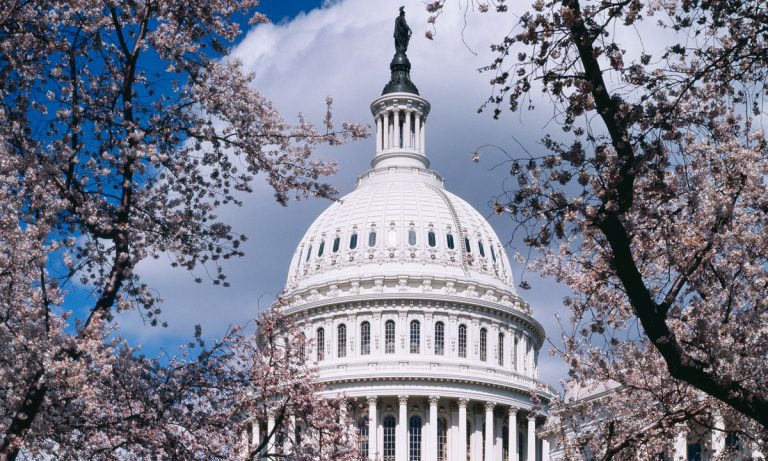
“I’m not going to get into the use of medical marijuana,” RNC chair Ronna McDaniel said, adding that cannabis should be left up to the states.
The head of the Republican National Committee refused to answer questions whether or not medical cannabis users had a home in the modern GOP. Instead, RNC chair Ronna McDaniel insisted that cannabis should be left up to the states and the Republican party had no official policy comments on the matter.
McDaniel was interviewed by Gray Television Washington News Bureau reporter Alana Austin, who had recently profiled Virginia-based RNC delegate Dean Peterson’s journey using cannabis to treat his chronic pain. Peterson had canvassed Page County during the 2016 election to support Donald Trump, who had then voiced support for medical cannabis and leaving alone states with regulated marijuana markets.
Austin asked RNC chair McDaniel: “Is there a place in the GOP for folks who support medical marijuana?”
“I don’t really address policy issues like medical marijuana,” McDaniel responded. “That’s left up to the states and there’s going to be variances between states. But that’s not something that the RNC puts forward as policy. That’s a legislative issue.”
“We’re actually a body that helps elect Republicans and turn out the vote,” she continued. “That’s what we’re focused on for the next 69 days is turning out that vote to reelect President Trump, keep the Senate and take back the House.”
A disabled Virginia RNC delegate found comfort in marijuana after suffering from chronic pain for years. He shares his story, and @alana_austin asks the RNC chair Ronna McDaniel about the party's stance on cannabis. Watch here >>> https://t.co/OcgjBm9ngWpic.twitter.com/PrwBbRZwKA
— Gray Media Washington News Bureau (@GrayDCnews) August 26, 2020
The issue is an important one for Republican voters who also support access to legal cannabis. Trump expressed in 2018 he would back the STATES Act — legislation that would protect legal marijuana states from federal interference — but the bill was blocked by Senate Majority Leader and Trump associate Mitch McConnell.
This year, however, the Trump Administration has an association with prohibitionist actions that may cause alarm to cannabis advocates. Trump advised Republicans to keep legalization off the ballots this November if they want to win and the President reportedly fears that if states allow voters an opportunity to legalize cannabis, it would lose him the White House.
Photo by Esther Kelleter/EyeEm/Getty Images
The RNC did not create a new platform for the 2020 Election and will re-use its national platform from 2016. That platform does mention marijuana and states in “many jurisdictions, marijuana is virtually legalized despite its illegality under federal law.”
It also mentions that: “All this highlights the continuing conflicts and contradictions in public attitudes and public policy toward illegal substances. Congress and a new administration should consider the long-range implications of these trends for public health and safety and prepare to deal with the problematic consequences.”
But when Austin asked McDaniel a follow-up question about medical cannabis, the RNC head did not budge.
“I’m not going to get into the use of medical marijuana,” said McDaniel.
“We didn’t have a platform this year because of changing our rules,” she continued. “That’s going to be left up to the states and our legislators and I’m not going to engage in something that hasn’t been vetted through our full platform and the ability for our delegates to meet to discuss an issue like that.”
For one, CDPH rule 40175(c) bans the use of hemp or CBD in cannabis products even though there is no real reason to continue to prohibit the use of hemp-derived cannabinoids.
California’s three cannabis agencies — the Bureau of Cannabis Control (BCC), California Department of Food and Agriculture (CDFA), and California Department of Public Health (CDPH) — aggressively regulate every aspect of the state’s licensed cannabis industry. Most of the agencies’ rules make sense or have some justifiable purpose. Today, I want to talk about some of the rules that create the biggest headaches for cannabis licensees in the Golden State. This list is by no means exhaustive, but we have seen a lot of stakeholders struggle with compliance with each of them.
#1 Post-Approval Ownership Changes
The California cannabis agencies have detailed regulations requiring disclosures of changes of “owners” and “financial interest holders”. What makes these rules problematic is that the agencies require disclosures after the changes take place (unlike many municipalities which require pre-approval). These rules, in my opinion, are some of the worst and can make cannabis transactions extremely difficult to draft.
For example, say a company wants to buy 50% of the shares of a licensed cannabis entity. That company will have to acquire those shares before being disclosed to the cannabis agencies. Problematically, there’s always a risk that the agencies could come back and refuse to approve the acquisition. From the buyer’s point of view, this is incredibly risky because if the change is denied, the money the buyer paid could be gone.
These rules lead to all kinds of transactions–everything from granting security interests to paying nominal fees prior to regulatory approvals–and create unnecessary risks and complications for M&A transactions or investments. It would have been so much simpler to simply allow licensees to submit requests before ownership changes occurred.
#2 Hours of Operation
BCC rule 5403 only allows retailers to sell or deliver cannabis between 6 AM and 10 PM. Rule 5415(d) further states that delivery begins when a driver leaves the premises and ends when they return, shortening that window since drivers need to be back before 10 PM. In many cases, cities restrict this window even further. This is one of the less defensible rules of the BCC. There’s no good reason to cut sales off arbitrarily at 10 PM when alcohol can continue to be sold well after that time. All this rule does is steer people who want to purchase cannabis after hours to the illicit market.
#3 Branded Merchandise Limitations
Licensed retailers are permitted to sell certain branded merchandise, but the BCC maintains that retailers can’t sell other licensees’ branded merchandise. I have been told that the rationale for the rule was to prohibit the sale of merch from unlicensed brands, but this doesn’t seem to be the best approach. Per the BCC’s guidance, branded merch is treated like advertisement and must identify the licensee responsible for the ad. With this in mind, the BCC could have easily allowed retailers to sell merch of other licensed companies. This rule just makes it that much harder for smaller or lesser-known brands to get their name out there.
#4 Prohibition of Drive-Thru Sales
BCC rule 5025 prohibits drive-in or drive-through sales, except for a limited number of businesses who qualified before June 2018. It’s become painfully obvious over the last few months how beneficial drive-through sales could have been with COVID-19. To be fair, the BCC has relaxed some rules to allow curbside pickups upon certain requests, it seems like the prohibition on drive-through sales needs some serious revisiting, even for a post-COVID world.
#5 Distributor Packaging/Labeling Restrictions
BCC rule 5303 allows retailers to package, label, and re-package/re-label cannabis and pre-rolls, but not manufactured products. Previous emergency rules had allowed distributors to package and label manufactured goods in certain circumstances, but this was removed from the rules. This created a lot of confusion when the rule was implemented without any grace period, and still leads to difficulties from time to time. Distributors who learn that a packaged manufactured product has incorrect labeling have much more limited options today and can’t simply fix the issue themselves.
CDPH rule 40175(c) bans the use of hemp or CBD in cannabis products. The rule states: “A manufacturer licensee shall only use cannabinoid concentrates and extracts that are manufactured or processed from cannabis obtained from a licensed cannabis cultivator.” While the rule doesn’t say that it bans hemp on its face, in its final statement of reasons, CDPH explained:
Cannabis products may contain CBD derived from cannabis. Proposition 64 specifically excluded industrial hemp and its derivatives from the cannabis regulatory structure. Consequently, using cannabinoids acquired from outside of the regulated structure presents a risk of inversion of illicit cannabis product into the legal market and threatens the integrity of the track-and-trace system. In order to protect the highly regulated nature of the cannabis market, all cannabinoids must be acquired from licensed sources.
The CDPH’s rationale no longer holds any weight. Shortly after the rules were adopted, the state implemented a hemp cultivation plan, and many others have followed suit. If the CDPH is concerned that lawfully cultivated hemp is not tested per the same standards as cannabis, that concern is of no moment because the finished product would still ultimately need to be tested before going to market. There is no real reason to continue to prohibit the use of hemp-derived cannabinoids.
#7 Protracted Licensing
This last one isn’t a rule, but rather the absence of a rule and something that could have been better handled by California’s cannabis statute, the Medicinal and Adult-Use Cannabis Regulation and Safety Act (MAUCRSA). MAUCRSA requires applicants to secure local approval as a condition to getting a state license. Businesses had to go through long local permitting processes prior to submitting a state license. Some cities provide conditional approval that allow applicants to go get a state license partway through the local process, but this still requires waiting potentially months to even apply for a state license (all the while expending huge amounts of resources on rent and other expenses).
Historically, this added a lot of time onto the process, though the state has gotten much faster in issuing licenses. In hindsight (and for any states considering licensing in the future), allowing licensees to apply on a dual track at once would have saved a lot of time.
Griffen Thorne is an attorney at Harris Bricken. This article originally appeared on Canna Law Blog and has been reposted with permission.
Going on innovative and adventurous dates isn’t easy with coronavirus. But here are some ideas that may help fan the flames of romance.
The pandemic and dating are a bad combination. Whether people are dating others out of their bubbles and asking awkward coronavirus questions, or couples are tired of watching Netflix and chilling, it’s a weird time for romance. Boarded up businesses, mask wearers and social distancing rules don’t exactly help spark the flame.
Now that summer is about to end, it’s important to try to make the most out of it, even if you’ve never been an outdoorsy person. Dates nowadays should be fun and romantic, but also safe and distanced from others. Here are 6 safe date ideas:
Drive-in movies
Outdoor movies are making a big comeback during the pandemic. These outings are safe, exposing you only to the people in your car, and provide you with the communal experience of going to the movies — something that many of us miss. Plus, you’ll get to hang out with your date in an environment that’s not a local park.
Bikes have been extremely popular during the pandemic for a reason. Aside from getting you from point A to point B with relative speed, they’re also fun and healthy. Set up a date somewhere you can bike to without having to worry about cars and pedestrians, allowing you to enjoy the weather and each other’s company.
Outdoor museums
Cities and communities have come up with all sorts of creative ways of keeping people entertained. While most museums are closed due to the pandemic, there are those with outdoor installations that can be visited. Some museums are also allowing for a limited amount of visitors. While you may need to wear a mask and time your visits, it’s a nice date idea that will also provide you with a change of pace.
Whether you’re going for a run or turning your leisurely walk into a workout, exercising together is a great date option if you’re relatively comfortable with the person you’re dating. Aside from the fact that it’ll get you both out of the house, workouts are a great way of bonding with people.
A picnic
Picnics and summer are not a new pairing, but they make for great dates as long as you have the right supplies. Instead of sitting on the grass with your shorts and splitting a sandwich, try packing a picnic sheet and bringing food that’s delicious, fresh and easy to eat. Carry a cooler with you and you’ll understand why picnic dates are such a cliche (it’s because they work!).
Walk to a place you love
Photo by Brodie Vissers via Burst
Despite how much we’ve walked over the past few of months, it still helps to remember that walks are fun and healthy, even when done with other people. Walking with someone is a great way to get a conversation going. Try visiting your favorite park or someplace that has some history. Do a quick Google search and map out a route.
Yep, weed has been known to have a cooling effect on the body. But how does it compare to cool drinks and summertime treats?
With the heat of summer upon us, it’s getting harder to stay cool. You can dress in lightweight, loose clothing and protect yourself from the sun by slathering on sunscreen, but there is only so much that can be done when it’s this hot.
What we drink, eat, and smoke could influence body temperature, too. Drinking water, eating ice cream, and opening an ice cold beer are some of the most popular ways to cope with high temperature, but how much do they actually help?
Drinking Ice Water to Stay Cool
Photo by TapisRouge via Pixabay
The facts about drinking ace water to stay cool are complicated because it kind of works, but the effects are short lived. Plus, the amount ingested makes a big difference.
It seems like sipping on small amounts of cold water gives temporary relief, but that is quickly diminished when the organs warm up the cold fluids. That being said, guzzling a bunch of cold water isn’t a good idea, either, as it could slow down your blood flow. The process of thermoregulation relies pretty heavily on blood flow, so drinking a ton of cold water might negatively affect how the blood deals with heat.
So, stay hydrated, of course, because the body needs water to sweat and sweat is one of the body’s primary ways of cooling down. Just take it a little at a time on a hot day.
Ice Cream on a Hot Day
Photo by stevepb via Pixabay
Ice cream might be an awesome treat during the summer time, but it doesn’t actually do much to cool the body down. In order to digest high-calorie foods, the body’s metabolism kicks into gear and produces heat as it works.
So, while eating ice cream might make your taste buds happy, and possibly even make you think you’re cooling down, that isn’t the case. When it is all said and done, your body temperature will warm up slightly.
What About an Ice Cold Beer?
Alan Levine/Flickr
Throwing back a beer on a summer evening feels like quintessential summer experience. The effect it has on your body temperature can be a little confusing.
The body responds to alcohol by dilating the blood vessels in the skin. When this happens, you’re probably going to feel warmer because the surface of your skin will feel warm. What is actually happening is that the dilated blood vessels are releasing heat and helping to cool your core body temperature. So, in spite of the warm, flushed feeling that often follows an alcoholic beverage, you’re actually cooling down.
The Surprising Effect of Weed on Body Heat
Photo by Ake via rawpixel.com
Marijuana can cool the body down and this is thought to happen because of the way THC interacts with a receptor called TRPA-1. This receptor controls important functions, including pain relief and body temperature.
Whether or not it has a cooling effect is a little complicated. There are older studies documenting THC-induced hypothermia in mice, but there is also a study that recorded that a lower dose of THC caused hyperthermia. The belief at this time is that smoking a lot, like enough to get high, will cool the body down. Smaller amounts will likely warm the body up instead.
The research corroborates previous reports that EVALI cases were mostly associated with vaping products purchased on the black market.
States with higher cannabis and e-cigarette vaping use were not tied to higher rates of the e-cigarette or vaping-association lung illness (EVALI) outbreak from last year, a new study found. In fact, most states with legal marijuana access were connected with a fewer number of EVALI cases on average compared to places where it remains illegal.
The study was published in the journal Addiction this week and corroborates previous reports that EVALI was most likely connected to vaping products purchased from informal sources, or on the black market.
Researchers examined data from the Centers for Disease Control and Prevention (CDC), which has confirmed more than 2,800 cases and 68 related deaths from the illness. When the CDC ended its investigation in February when no further EVALI outbreaks occurred, they determined vitamin E acetate was the culprit behind the illness. Often vitamin E acetate is a substance used on the black market to thin vaping liquids and sell products for higher profit margins.
Photo by RJ Johnson 420MediaCo/Getty Images
“If e-cigarette or marijuana use per se drove this outbreak, areas with more engagement in those behaviors should show a higher EVALI prevalence,” study author Abigail Friedman said. “This study finds the opposite result.
“Alongside geographic clusters of high EVALI prevalence states, these findings are more consistent with locally available e-liquids or additives driving the EVALI outbreak than a widely used, nationally-available product.”
Lung injuries from the outbreak were among the lowest in the first states to legalize recreational marijuana access, researchers found. Colorado, Oregon, Washington, Alaska, and California all saw less than one EVALI case per 100,000 resident (ages 12-64). States with the highest rates of EVALI cases — Utah, North Dakota, Minnesota, Delaware and Indiana — do not permit recreational cannabis.
Some high-prevalence states included those with legal medical marijuana access. However, those states had bans in place on smokable cannabis flower.
“If this policy led some recreational marijuana smokers to switch to vaping THC, perhaps in order to avoid detection, it would have increased their likelihood of exposure to contaminated e-liquids when those came on the market,” Friedman said. “This may have contributed to the higher EVALI prevalence in those states.”
Despite CBD’s popularity, there’s a lot we still don’t know about the compound. Here are 5 things that experts believe CBD can treat.
CBD is one of the world’s most popular compounds, with the market expected to reach $20 billion by 2024. The product is safe enough that consumer can use it out without worrying about any noticeable changes in their behavior. Unlike THC, CBD doesn’t cause any paranoia or head highs (it’s not psychedelic).
Despite the expected growth and popularity of the compound, there’s a lot of mystery that surrounds CBD. Unless you’re a cannabis consumer, involved in the industry, or were introduced to the compound by a friend who knows, odds are people won’t know the effects of the compound and the purposes in which it could be used.
There’s still many unanswered questions about CBD, but out of the studies that have been conducted and the anecdotal evidence of thousands of people around the world, CBD has several perks that could make it a nice addition to your self-care routine. Here are 5 things CBD is good for:
Unwinding
Watching for the sweet, relaxing brain tingles. | Photo by skyNext/Shutterstock.com
CBD is primarily known for its relaxing effects, which can influence people’s mental and physical health. Studies conducted on rats show that the compound is effective at making subjects relax. When taken with THC, CBD is effective at managing the effects of the former, reducing the risk of paranoia, anxiety and other negative side effects associated with THC.
CBD’s second most popular effect is the treatment of different types of pain, whether occasional or chronic. Studies conducted on animals show that CBD can help manage pain and reduce inflammation. “There are also observational studies that ask why people use CBD and if it’s effective, and results tend to be quite positive,” Kevin Boehnke, Ph.D told Michigan Health. “People report using CBD for anxiety, pain, sleep — all things that go hand-in-hand with chronic pain.”
Coping with stress and anxiety
Photo via rawpixel.com
A large percentage of people started using CBD products as a way of coping with the pandemic and the stress that it causes. A 2019 Japanese study followed older Japanese teenagers diagnosed with social anxiety disorder and concluded that CBD significantly decreased anxiety.
CBD is also non-intoxicating, making it a good option for just about anyone who’s feeling anxious.
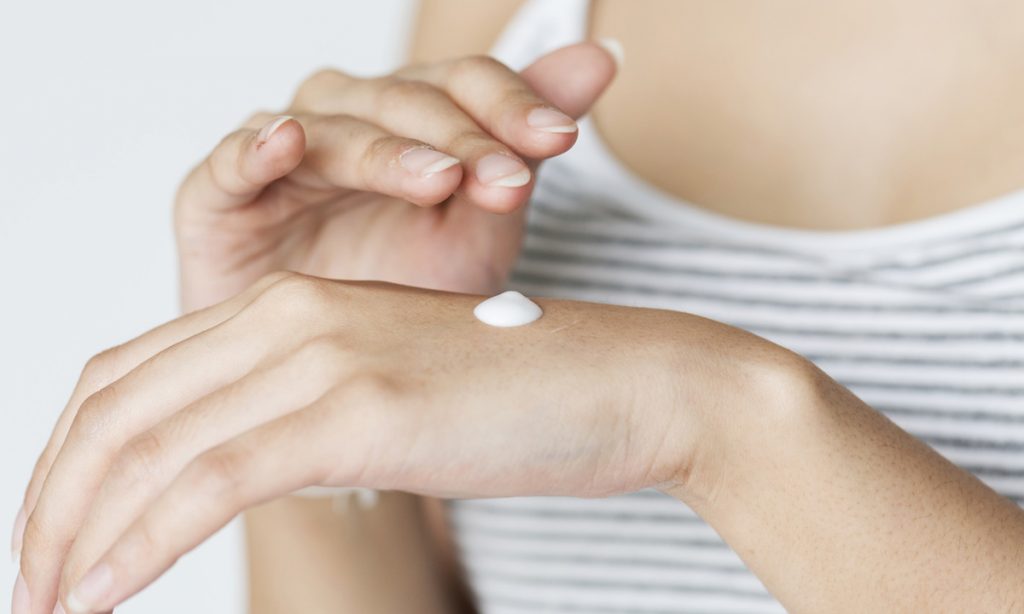
Lots of independent and well-known skincare and beauty brands are choosing to include CBD in their products, mostly due to CBD’s effects on inflammation. This feature makes CBD helpful for treating sore and irritated skin or eliminating the stress and pain caused by acne.
Overall health
Photo by rawpixel.com
Most of the data available on CBD is circumstantial, meaning that it should be taken with a grain of salt. Some people argue that CBD’s effects could be a placebo, since people assume CBD will help whatever ails them. While there’s no way of knowing until there’s more research on the compound, some CBD products have proved to be helpful when it comes to sleep, and coping with pain and stress.
The Gunslinger shares a personal story that’s all too familiar in the NFL: A football warrior overcoming pain with addictive substances only to face a tougher battle off the field than on it.
Brett Favre knows about pain. More than most rational humans, he knows about physical pain. The injuries he accumulated throughout his football career should astound you: torn bicep, broken thumb, concussions, elbow tendonitis, bone spurs in his ankles, severe sprains in multiple limbs, to name a few. In 1995, Pittsburgh Steeler defenders hit him so hard, Favre rushed to the sideline and coughed up blood. He returned the next play, threw a touchdown, and the Green Bay Packers won the game. In a fresh chapter, here is how Brett Favre went from Vicodin addict to CBD advocate.
Sportswriters and announcers couldn’t resist mythologizing him for all that pain. Gutsy, tough, The Gunslinger, as he was called. But Favre also knows how addiction can feed on that type of pain. He battled addictions to alcohol and painkillers while at the peak of his career as a quarterback. At his worst, he downed 15 Vicodin ES pills per night, asking teammates for their subscription allotments to feed his needs. That landed him in rehab for 75 days before the 1996 football season. “I actually got out like two, three days before the start of training camp and we ended up winning the Super Bowl,” Favre told me. “And I’ve never taken a pain pill since.”
Like former athletes before him, Favre has turned to cannabidiol, or CBD, to alleviate lingering pain from pro-sports. He still experiences tendonitis in his throwing elbow and is more active than a typical 50-year-old, biking 120-140 miles a week and training for half-marathons. Initially apprehensive to try CBD, he’s since become the brand ambassador for Green Eagle, which crafts a number of hemp-infused relief creams, roll-on sticks, salves, and other products. When Green Eagle CEO and founder Joseph Smadja met Favre about joining the company, the former quarterback agreed on some conditions — he first wanted to educate people what CBD was and he wanted to share his story.
The first time Brett Favre took Vicodin was in 1992. Green Bay was playing the Philadelphia Eagles in Milwaukee County Stadium, back when the Packers played a couple home games there each year. It was Favre’s seventh start as a quarterback. In the first quarter, he faked a handoff and threw a simple wheel route to teammate Harry Sidney as the pocket collapsed around him. The consequence of that pass was the worst a quarterback could suffer in the 1990s — corporal punishment from Eagles defensive end Reggie White.
White, nicknamed The Minister of Defense and considered the all-time best defensive end by some, walloped Favre’s left shoulder into the ground with all his weight and all of Favre’s weight. White, for context, weighed over 300 pounds. After the play, the announcers thought Favre had injured his ribs the way he held his arm against his stomach. They were wrong. Favre had suffered a third-degree shoulder separation. “Third-degree separation, just to give people an idea, is the worst,” said Favre. “It only goes up to three.”
Favre received a Toradol injection with a numbing agent at halftime. Perhaps the strongest non-steroidal anti-inflammatory available on the market, Toradol was specifically designed to relieve post-operative pain. Studies have compared its effects to morphine and the drug feels like a wave of armor crashing over you, former offensive lineman and cannabis advocate Eben Britton once told me. But NFL teams have abused the drug for decades to keep players on the field, with players often forming a “T Train” before games to receive their Toradol shots, according to former tackle Eugene Monroe.
Photo courtesy of Green Eagle
Toradol kept Favre on the field that day. He led the Packers to a dramatic 27-24 victory with CBS announcer James Brown saying “hats off, great courage” about the first of those heroic performances for which Favre would become known. But the Toradol wore off when Favre and the Packers rode the bus back home. Without the numbing agent, all the pain returned. Favre, despite his gauntlet of withstanding injuries, rates it among the worst pain he felt in his career. “So of course they gave me pain pills,” he said.
Taking those pills felt euphoric. That’s the word he uses — “euphoric.” Favre loved the sensation coursing through his body, even with his shoulder wrapped up and limp by his side. “[My shoulder] felt like when you squeeze a bag of popcorn,” he said. “You could feel stuff crackling and swishing around — but it didn’t hurt. That was the beginning of the end of my addiction process.”
Most pain pills knock people out cold. Vicodin produced the opposite effect for Favre. He fell asleep naturally before 10 p.m. usually but now he transformed into a night owl. He could simply get more stuff done and loved it. Study opposing defenses more, work around the house, you name it.
He would pop one Vicodin per night, then he developed a tolerance, so he swallowed two pills per night. Then four. Then 10. Then eventually 15 Vicodin. Favre thought he had it under control. His secret was safe and hidden. But everyone around him knew what was going on. “You know, at 21, 22, 23, 25 you’re mischievous,” he said. “You almost think you’re getting away with something rather than what is this doing to me and where am I going? Where is it leading?”
“I was in a way over my head taking 15 a night,” he adds. “If I took that right now, I’d probably die. And you as well.”
Favre ultimately entered rehab three times — once for binge drinking and twice primarily for pills. He started 297 consecutive NFL games, a streak never to be broken, and the closest he came to taking pain medication was Motrin or aspirin. It’s the gutsiest act of his storied career.
He doesn’t pitch CBD as a cure-all godsend, as you sometimes hear it marketed. Limitations exist to its therapeutic value, he said, like when someone has a torn ACL or third-degree shoulder separation. He would know. But for the aches and pains every NFL players endures, it works. Rob Gronkowski, Ricky Williams, Monroe, Britton and other former athletes have all endorsed the benefits of CBD.
The latest Collective Bargaining Agreement (CBA) between owners and players didn’t permit current players using cannabinoids to relieve pain and inflammation. “CBD is a promising compound, but the extent of its use in the United States outpaces the level of evidence,” stated a white paper from a pain management committee formed between the NFL and its Players Union. But the latest CBA saw the league drastically loosen its cannabis policies. Players can no longer be suspended for positive marijuana tests, and will only receive tests for the drug during the first two weeks in training camp. Previously, random testing occurred between April and August.
Favre can’t give you an exact answer about the NFL’s resistance to CBD, but compares it to “kind of like convincing your parents that something nowadays is cool,” he said. “No one wears socks up to their knees anymore, Dad. We wear footies…you know what I’m saying?”
To be fair, Favre resisted CBD because he confused it with regular cannabis, fearing it would get him high. He’s since educated himself and believes there’s “a lot of upside with this plant, certainly from a healing standpoint.” Now he wants to educate those who aren’t sure what benefits CBD holds or those who won’t take anything they fear will cause them addiction. Because he understands their fears and wishes someone had given him alternatives like CBD, which he calls “safe,” as an NFL quarterback. He would go back now and tell himself that if he could.
“What I would’ve told my younger and more confident self is to be very, very cautious with anything that has the potential to cause addiction,” said Favre. “Try the alternative methods first. There are alternatives, obviously CBD being one of them, that are not going to give you an addiction or increase your addiction. And I think it really works.”
A stressed out elephant in Poland has been given the compound to help her deal with the death of a loved one.
Anxiety and stress have reached news highs for many amid the global coronavirus pandemic, and that includes a young female African elephant at the Warsaw Zoo in Poland named Fredzia. The turmoil she has faced this year presented an opportunity for scientists to experiment what effect CBD products could have on zoo animals.
Four elephants resided at the Warsaw Zoo until March when the largest female and elder of the herd, Erna, passed away. This caused a period of grief in Fredzie, not unlike what you might experience following the death of someone you love.
“When Erna passed away, everything changed,” Dr Agnieszka Czujkowska, the Warsaw Zoo’s head of Animal Rehabilitation, told the BBC. “I don’t think Fredzia was ready for such a big change.”
When the structure of their group changes, elephants undergo behavior changes that can lead to acting out and disharmonious moments. Months and years can pass before an elephant bonds with a new elder. This transformation shift can cause spikes in stress and anxiety, like it has for Fredzia.
Photo by sasint via Pixabay
Cortisol levels spike when animals experience stress, so scientists took samples of Fredzia’s blood, saliva, and feces to attain baseline measurements in cortisol. They will then administer CBD to Fredzia and monitor whether those cortisol subsequently drop in response to the cannaiboids. The oil given to Fredzia won’t contain any THC, the psychoactive element in cannabis.
“It’s not very potent. The only side effect will be some behavioural changes,” Dr Czujkowska said. “We will have to manage these to achieve the results we want.”
The experiment won’t be completed for two years, but zookeepers expect to expand the experiment to include rhinos and bears. This isn’t the only experiment focused on how CBD impacts animal behavior. Earlier this year Texas A&M University researchers announced they were testing the effect CBD had on horses dealing with anxiety and arthritis.