Monday, May 11, 2026
Home Blog Page 478

Feds: Hemp Masks Are Good, PPE For CBD Companies Is Bad

While Senate Majority Leader Mitch McConnell promotes hemp-based protective masks, businesses that sell CBD are being denied PPEs. What gives?

A federal program that provides personal protective equipment (PPE) to small businesses is being denied to businesses that sell CBD products.

Denver currently holds 4,500 PPE kits that include important protection for frontline workers, like face shields, disinfectants, surgical masks, thermometers, and hand sanitizer. But Denver-based headshop Meadowlark 64 can’t receive any of those kits because a federal grant doesn’t allow federal funds to help cannabis-related businesses.

Meadowlark doesn’t sell any THC products, but that doesn’t make a difference. Neither does the fact that cannabis is legalized and regulated in Denver.

“We can’t use federal dollars to support certain industries, sadly,” Susan Liehe, Denver’s Office of Economic Development and Opportunity marketing director, told KDVR.

“For folks who are in the cannabis industry, the fact that they are caught sideways between local and federal governments is not exactly news, right? This is by no means the first time they’ve heard this and regrettably probably not the last,” she added.

RELATED: Will There Be Enough PPE For Healthcare Workers?

Like other businesses, the coronavirus pandemic has hurt the company financially. Owner Damon Miller said Meadowlark 64 lost 20% in business due to COVID-19. He hoped having some relief through the PPE package could reverse the trend. Although Denver handed out less than half of its PPE kits, Miller or his customers won’t receive one.

“A business such as myself that does not dispense THC, but we do happen to dispense CBD. We were denied our PPE package just because of those parameters, apparently,” Miller said.

“A customer is a customer, a life is a life,” he added, “and in this day and age, anything we can do to help those folks out while they’re navigating this uncertain time, you know, that’s what we were expecting to get from the City of Denver.”

The FDA Is Taking A Big Step Toward Prevention And Treatment Of COVID-19
Photo by Anna Shvets via Pexels

Although cannabis companies still must pay federal taxes, they were ineligible to receive any coronavirus-related funding by the Small Business Administration program earlier this year.

RELATED: Senate Republicans Really Don’t Want SAFE Marijuana Banking, Or So They Say

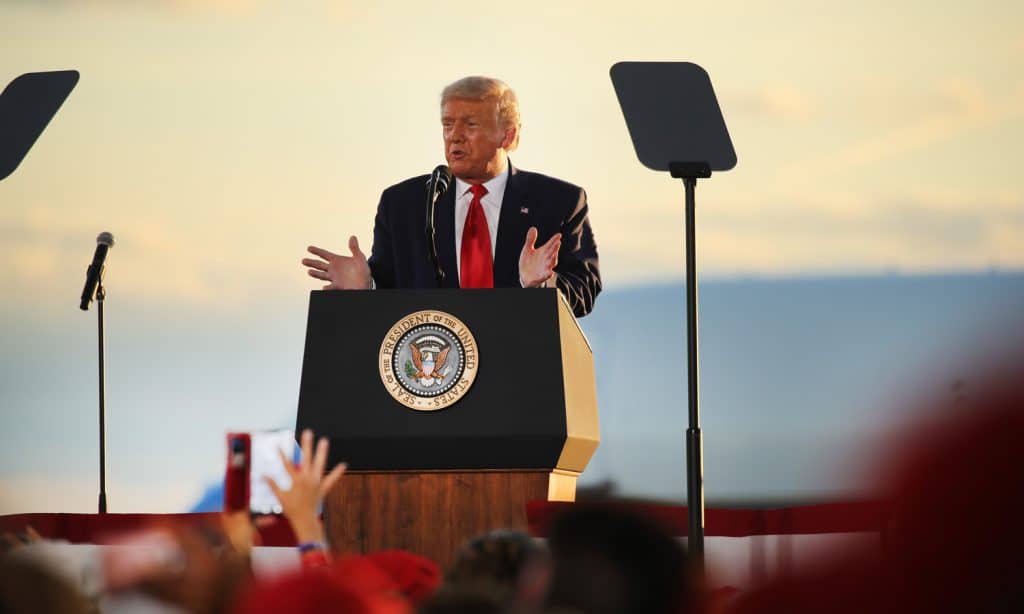
This week, Senate Majority Leader Mitch McConnell used his platform to promote hemp-based protective masks. McConnell, a major thrust behind the 2018 Farm Bill that legalized hemp production in the United States, has also mocked House Speaker Nancy Pelosi for including cannabis banking legislation in the next wave of coronavirus federal relief.

“The coronavirus is not gone,” McConnell said while visiting a Kentucky-based hemp company. “And in the meantime, I recommend a hemp mask as one of the best.”

DEA Interim Final Rule: What Is ‘Synthetically Derived THC’?

The DEA’s definition of “synthetic” suggest that the hottest cannabinoid currently found on the U.S. market, Delta-8 THC, would probably be treated as a schedule I controlled substance.

On Friday, the Drug Enforcement Administration (“DEA”) released an Interim Final Rule (the “Rule”) that, as we discussed, threatens the hemp industry by treating partially processed hemp extract not intended for consumption (also known as “intermediary hemp”) as a Schedule I controlled substance. This is hugely problematic because intermediary hemp is an essential and necessary component of the industry.

In addition, the Rule addresses the legality of “synthetically derived tetrahydrocannabinols,” which could also impact the hemp industry. Specifically, the Rule provides that:

“For tetrahydrocannabinols that are naturally occurring constituents of the plant material, Cannabis sativa L., any material that contains 0.3% or less of D9 -THC by dry weight is not controlled, unless specifically controlled elsewhere under the CSA. Conversely, for tetrahydrocannabinols that are naturally occurring constituents of Cannabis sativa L., any such material that contains greater than 0.3% of D9 -THC by dry weight remains a controlled substance in schedule I. The [2018 Farm Bill] does not impact the control status of synthetically derived tetrahydrocannabinols (for Controlled Substance Code Number 7370) because the statutory definition of “hemp” is limited to materials that are derived from the plant Cannabis sativa L. For synthetically derived tetrahydrocannabinols, the concentration of D9 -THC is not a determining factor in whether the material is a controlled substance. All synthetically derived tetrahydrocannabinols remain schedule I controlled substances.” (Emphasis added)

Neither the Rule nor Federal law, including the federal Controlled Substances Act (the “CSA”), expressly define “synthetically derived tetrahydrocannabinols.” However, some of the DEA regulations address the issue of “synthetic THC” in the context of (1) “synthetic marijuana,” also known as “Spice” or “K2,” which is listed under Section 812(c)(d) of the CSA; and (2) the schedule I listing of “Tetrahydrocannabinol” (“THC”), under Section 812(c)(c)(17) of the CSA.

In the context of “synthetic marijuana,” which the DEA describes as a “synthetic version of THC,” “synthetic THC” refers to a mixture of plant material sprayed with synthetic psychoactive chemicals. In a 2017 Resource Guide, the DEA further explains that “[s]ynthetic cannabinoids are not organic, but are chemical compounds created in a laboratory.” (Emphasis added).

RELATED: The DEA Just Passed a BAD Interim Rule Impacting Hemp CBD And Other Cannabinoids

In the context of the schedule I listing of “Tetrahydrocannabinol,” the DEA revised its regulations in 2003 to specify that the term refers to both “natural” and “synthetic” THC; however, the agency’s clarification did not touch on the actual meaning of “synthetic.”

Therefore, based on the information found in the DEA regulations and publications, it appears the agency refers to the ordinary meaning of “synthetic,” which the Merriam-Webster Online Dictionary defines as a substance “relating to, or produced by chemical or biochemical synthesis.” As a result, this definition suggests that the Rule, specifically the text in bold above, may extend to hemp-derived THC cannabinoids with a Delta-9 THC concentration that does not exceed 0.3%.

the dea still doesnt acknowledge all the good things that marijuana offers
Photo by Eric Kayne/Stringer/Getty Images

This, in turn, would mean that the hottest cannabinoid currently found on the U.S. market, Delta-8 THC, would probably be treated as a schedule I controlled substance by the DEA. This is because Delta-8 THC, which is not expressed in sufficient concentrations in most hemp cultivars to make its extraction economically viable, is produced through a chemical reaction initiation by a catalyst that converts hemp-derived CBD (“Hemp CBD”). As such, Delta-8 THC would be a “synthetically derived THC” substance, in accordance with the Rule.

Although such interpretation of the Rule would suggest a total disregard of the 2018 Farm Bill, which legalized hemp, including hemp derivatives (a “derivative” is defined as “a substance that can be made from another substances”), it is also fairly clear that the 2018 Farm Bill did not intend to legalize any form of cannabis that gets users high. And that is where the provisions regarding Delta-9 THC come in.

RELATED: It’s Time To Disband The DEA

Moreover, given the similarities between Delta-8 THC and Delta-9 THC’s chemical structures, molecular formula and molecular weight, their psychoactive effects, and the DEA’s position on and its historical control of all forms of THC, the Rule only confirms what many of us expected: that hemp-derived cannabinoids with psychoactive effects, even if less potent than those of Delta-9 THC, would be deemed unlawful by federal enforcement groups.

Ultimately, the Rule and the issues raised in this blog post reveal that lingering confusion and statutory ambiguities should be addressed by Congress or by the courts before the DEA gets to adopt such regulations.

Consequently, hemp stakeholders should comment on the Rule through October 20 and reach out to their elected officials to help them understand the importance of these issues and the need to clarify the legality of all hemp-derived substances, including hemp-derived THC cannabinoids produced through a chemical synthesis, to help the hemp industry follow its course and succeed.

 is an attorney at Harris Bricken. This article was originally published on the Canna Law Blog and is reposted with permission.

Dermatologists Chime In On Effectiveness Of CBD Beauty Products

0

CBD is a popular skincare additive, with many brands creating expensive products that highlight the compound. Here’s what dermatologist think about that.

CBD’s good reputation and pervasiveness is a good sign because it represents the progress that cannabis has gone through in recent years, but it also raises some red flags, particularly for skeptics. How can a compound that treats pain and provides stress relief also be used to treat skin when applied topically?

To make matters worse, CBD products in the beauty industry tend to be expensive, with some small bottles of cream and serums starting at $100. Ouch.

Celebrity endorsed brands that feature CBD in their products make broad claims, highlighting the fact that the compound is a calming agent and that it can reduce stress and irritation on the skin. While anti-inflammatory results have appeared in different tests conducted on CBD (mostly when its ingested), there’s no sufficient research available on CBD’s effect in skincare.

RELATED: How To Incorporate CBD Oils Into Your Daily Routine

The Huffington Post spoke with several dermatologists and asked for their opinion regarding CBD skincare products. Most of them agreed that while CBD does sound promising, there’s no way of knowing right now if the compound does what the brands are saying.

can cbd lotion help hives
Photo by Aleksandr_Kravtsov/Getty Images

“I would be cautiously optimistic about adding CBD to a skin care routine,” said New York dermatologist Michele Farber. “Although there is definite evidence that CBD has beneficial effects, studies are preliminary and CBD typically is not the strongest option available.”

She also said that while there’s no scientific data, CBD “has been shown to reduce inflammation, aid in pain relief, improve hydration and reduce oil production.” The anti-inflammatory agent and anti-oil effect may also help people in treating and managing their acne.

Jordan Wang, another New York dermatologist, echoes this sentiment, explaining that more research is necessary in order to draw definitive conclusions regarding CBD. “Claims for anti-aging benefits deserve the most scrutiny, but consumers should know that current research is still exploring the benefits of CBD,” he said.

RELATED: 4 Things Dermatologist Want You To Know About CBD Lip Balm

Despite the skepticism, dermatologists are carefully optimistic about CBD and its effect on skincare. While certain beauty brands may oversell CBD’s effect in their product, topicals remain one of the safest ways of getting to know the compound, especially if you purchase well-established products or ones sold through respected retail stores.

There’s a thousand moving pieces in each of these CBD beauty products, so buyer beware. And do your research first! These Are The 4 Biggest Problems With CBD Products.

What Happens When You Mix Marijuana And Beer

Unfortunately, when you use weed and beer at the same time, the situation can escalate to a lot more than a bad high.

Mixing weed and beer is pretty common practice. The combination results in a very specific kind of high. Commonly called a crossfade high, those who have experienced it report feeling especially relaxed. This appears to be because alcohol increases the absorption of THC, ramping up the effects of the high, according to Drug Alcohol Dependence. 

Here’s the thing: The feel-good nature of this high isn’t the only outcome of mixing marijuana and alcohol. Instead, a lot of people have a really, really unpleasant high. This could be in the form of greening out, which is basically getting really nauseous, vomiting, and even getting sweaty and pale. Others might get really paranoid.

RELATED: America’s Perception Of Weed And Booze: It’s Complicated

Unfortunately, when you use weed and beer at the same time, the situation can escalate to a lot more than a bad high. In some cases, the user could wind up with alcohol poisoning, which can sometimes lead to death. Here’s what happens when you mix weed and beer.

Weed Changes The Way Your Body Process Alcohol

The reason why some users have such a terrible time after mixing beer and weed is because marijuana totally changes the way your body deals with alcohol. According to older research published in the journal Neuropsychopharmacology, it seems that marijuana impacts to bioavailability of alcohol, or how much actually absorbed by the body. In this study, this resulted in marijuana users having a lower blood-alcohol level than they would have if they had skipped the weed and stuck with just drinking. 

It makes sense that this could result in excessive drinking, which could in turn cause alcohol poisoning with symptoms like passing out, hypothermia, slowed breathing, and seizures.

Difficult Menstruation
Photo by martin-dm/Getty Images

Marijuana Helps With Vomiting, Which Can Be Dangerous When Drunk

Another issue to consider is that marijuana is known to reduce vomiting and nausea. This might be a good thing in some circumstances, like when you’re dealing with the side effects of chemo, but when you’re drinking it can have serious consequences.

RELATED: Legal Cannabis Might Help Stop Alcohol-Related Deaths

When we consume excessive amounts of alcohol, our body often responds by making us throw up. As much as it sucks, that’s a good thing and a way to prevent alcohol poisoning when we’ve had too much. Weed could prevent this from happening, increasing the risks of the dangerous consequences of excessive drinking.  

Should You Mix Beer and Weed?

So, should you completely avoid the mixing of beer and weed ? That’s kind of a hard question to answer. Careful consumption of the two may produce the desired crossfade high, but over-doing could be incredibly dangerous. 

It is probably best to just be really careful, to stick with a small amount of alcohol and a small amount of weed and stick with a controlled environment, like you’re home, to make sure you’re safe.

Should We Legalize Something That Causes 300K ER Visits Every Year?

0

While marijuana may be a factor in some accident deaths, there is no evidence that it is a significant factor when compared with other substances, such as alcohol … or dog bites.

Disclaimer: The views expressed in this article solely belong to the author and do not necessarily represent those of The Fresh Toast.

We often overlook things we don’t want to see, so when we debate public policies, we can be misled by not knowing the context. Consequently, when we hear about the harms associated with something we may want to outlaw it.

For example, there is something that caused 6,323 hospital admissions in 2017 with a mean age of 6.63  years. Almost one third underwent a surgical procedure. Open wounds of the head, neck and trunk were the most common injury and decreased in prevalence with increasing age. Open wounds of the extremities were the second most common and the prevalence increased with increasing age. Children aged 1–4 and 5–10  years were both more than three times more likely to be admitted than those more than age 11. Think of the children!

Victims 50 years and older suffered the most, accounting for 75% (18) of all adult fatalities. Death by adult age groups show: 19-29 years, 13% (3) deaths; 30-49 years, 13% (3) deaths; 50-69 years, 38% (9) deaths and 70+ years, 38% (9) deaths. Think of us old folks!

RELATED: Did Marijuana Prohibition Cause The COVID-19 Pandemic?

What is this horrible thing? Dogs! Dog bites kill a child on average every month.

And dog bites resulted in 316,000 emergency department visits in 2008. These findings translate into an average of 866 emergency department visits and 26 hospitalizations for dog bite injuries every day during 2008, according to the Department of Health and Human Services’ Agency for Healthcare Research and Quality.

Of course, let me emphasize that I really do love dogs, so I would never ban them.

why cannabis related er visit are on the rise
Photo by paulbr75 via Pixabay

But now consider that every day, over 300 children in the United States ages 0 to 19 are treated in an emergency department for accidental poisonings. Children younger than 6 years comprise nearly half of poison exposures (44.2%), followed by adults (40.5%), then teens (8.2%).

Cosmetics and personal care products lead the list of the most common substances implicated in pediatric exposures (children younger than 6 years, NPDS, 2018). Cleaning substances and pain medications follow. Nothing exotic or illegal here.

Of course, I cannot resist pointing out that there are no deaths directly attributable to marijuana, because it has no effective lethal dose.  The number of people in the U.S. who died from an accidental drug overdose in 2018: almost 68,000, but, again, none from marijuana.

RELATED: We Must End Marijuana Prohibition For Economic Recovery In A Post Pandemic World 

And while it may be a factor in some accident deaths, there is no evidence that it is a significant factor when compared with other substances, such as alcohol … or dog bites.

Nonetheless, the total arrests for marijuana possession (not dealing) was 608,775 in 2018. 

And consider the context. That is greater  than the total arrests for all violent crimes. Maybe we should end the Drug War and spend the money on dog catchers.

Richard Cowan is a former NORML National Director and co-founder of the CBD vs FDA Hemp Blog.

Trump Fears States Legalizing Marijuana Could Cost Him Election

The president now asks his campaign for updates about marijuana measures and whether they’ll qualify for the ballot.

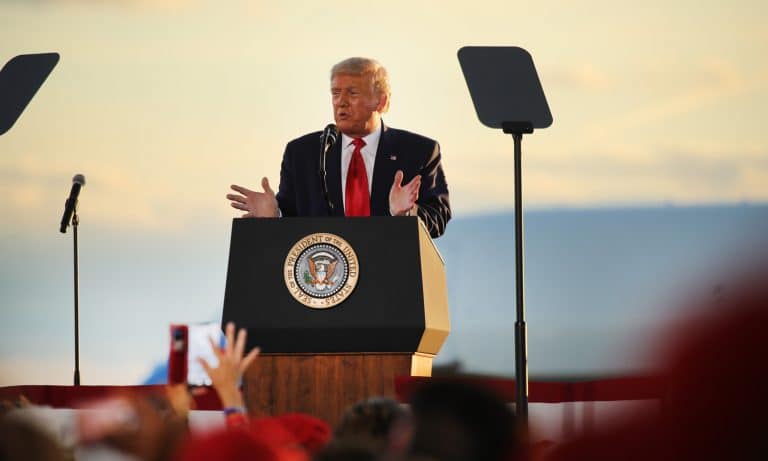
Last week President Donald Trump advised the Republican party not to allow cannabis legalization in the upcoming election if they want to win. Though the Trump administration has been linked to anti-marijuana sentiments, the message represented the first negative public statement Trump has made regarding cannabis.

A new report from The Daily Beast may indicate what emboldened the president to make such comments, despite promises during his 2016 campaign that he would allow states to set their own cannabis laws. According to the publication, Trump fears including marijuana reform measures in key swing states could drive voter turnout that boosts Democratic candidates.

That includes his opponent and Democratic presidential candidate Joe Biden. The president now asks his campaign for updates about marijuana measures and whether they’ll qualify for the ballot.

RELATED: Arizona Emerges As Fierce Battleground For Marijuana Legalization

“The president is keenly aware of how presidential elections [nowadays]… can be won at the margins,” one Republican strategist who discussed the issue with Trump told The Daily Beast. “The pot issue is one of many that he thinks could be a danger… He once told me it would be very ‘smart’ for the Democrat[ic] Party to get as many of these on the ballot as they could.”

About 18 states were expected to change their marijuana laws at the beginning of this year, but the coronavirus pandemic halted those plans. In most states, cannabis advocates must collect enough valid signatures from voters to qualify cannabis legalization on the ballot. But the dangers of COVID-19 inhibited campaigns from meeting signature requirements as officials don’t recognize digital signatures in multiple states.

Still, it appears voters in key battleground states will have the chance to approve or deny cannabis reform this November. New Jersey, Arizona, Montana, and South Dakota will vote on recreational marijuana legalization. Measures that would legalize medical marijuana could also appear on ballots in Idaho, Mississippi, Nebraska, and South Dakota.

Secret Memo Shows Trump Administration Blocked Marijuana Research For Years
Photo by Win McNamee/Staff/Getty Images

“The next time you run please don’t put marijuana on the ballot at the same time you’re running,” Trump told former Wisconsin Gov. Scott Walker at last week’s campaign rally. “You brought out like a million people that nobody ever knew were coming out.”

Trump may be right. Data analysis of the 2018 Wisconsin gubernatorial race indicates cannabis-related questions in some districts tilted the election in the favor of Democratic challenger and current Gov. Tony Ever.

RELATED: Trump To Republicans: Keep Marijuana Legalization Off The Ballot If You Want To Win

“Both parties use ballot initiatives to gin up their turnout. George Bush did it with [gay marriage] in 2004… and we did it with flag-burning amendments over the years,” Trump surrogate and former Rep. Jack Kingston told the The Daily Beast. “These kinds of measures can get hundreds [of voters] there, and that can sometimes be the difference in these races… If I was on a statewide ballot, I would probably not want a marijuana initiative on there. I suspect it brings out more Democrats than Republicans.”

A 2019 Gallup poll found two-thirds of Americans favor legalizing cannabis for recreational use. A majority of self-identified Republicans also voiced support for adult-use marijuana in the poll.

Heart Failure And Cannabis, The Silver Lining

New research suggests marijuana is not as detrimental to heart failure as originally thought when ingested or smoked.

As cannabis continues to become legal all over the United States, more and more research is coming to light about its effect on the human body. Known to raise blood pressure, while creating a mellow “high” that can relieve some forms of anxiety, cannabis has been wildly discussed because of how it affects the heart. 

new study, featured in the Journal of the American College of Cardiology, shared over 2 million individuals with a heart condition used cannabis in the past year. Since its Schedule 1 classification, marijuana studies have been hindered by a lack of knowledge and support, but new information appears to contradict earlier findings that marijuana and CBD are to be avoided for certain people with heart conditions.

RELATED: Smoking Marijuana Is Not Good For Your Heart, Says American Heart Association

For those living with A-Fib, or atrial fibrillation, a heart disorder associated with an irregular heartbeat, decreasing chances of heart failure is a must. New research is suggesting marijuana is not as detrimental as originally thought when ingested or smoked. In a 2017 study, researchers analyzed data for heart failure between 2007 and 2014 from 24,000 individuals who were active users of marijuana. 

Getting Medical Marijuana Can Sometimes Be Tricky — Here's How To Navigate
Photo by Denise Hasse/EyeEm/Getty Images

Their findings turned heads of scientists and heart doctors everywhere. They found that individuals with heart failure who ingested marijuana were less likely to die in the hospital for those that did not partake and that hospital stays were often shorter. Comparing data points such as health, length of stay and mortality from cannabis users to non-users, researchers found that the odds for A-Fib decreased with cannabis users. 

RELATED: Demystifying Marijuana And Heart Health

The Fresh Toast has covered heart health and cannabis before, showcasing an earlier study published in the journal Neuropsychopharmacology that found heavy cannabis users have a lower risk of stroke because of blood and oxygen flow. Interestingly, a new study published in the Journal of Psychopharmacology also found that CBD influenced a better blood flow in the brain, helping to elevate health. 

How To Prevent And Treat Sore Muscles After Working Out

0

Sore muscles are usually impossible to avoid, especially after a vigorous workout. Here are some tips that can help you mitigate the pain.

There’s always some muscle soreness to contend with, even if you’re used to working out regularly. While it’s nothing to worry about, muscle soreness can be particularly painful depending on the person, especially after vigorous workouts.

Medically known as delayed onset muscle soreness (DOMS), the pain you experience post workout is mostly due to the tears that appear on your muscle fibers after they’re strained. This causes pain and inflammation, which is why your arms and legs might feel heavier or harder to move after a tough workout session. This process is how muscle is built and how people gain strength. It’s a normal part of the process until your body hurts too much and it gets in the way.

Here are some tips that can help you prevent and treat muscle soreness:

Drink a lot of water

Photo by qimono via Pixabay

RELATED: Does Soaking In CBD Help Sore Muscles?

When we workout, we lose lots of water which increases muscle soreness. When you ingest water, you’re helping your body flush out waste and toxins, contributing to less pain during the following days after a vigorous workout.

Foam roll after a workout

Photo by Andrew “Donovan” Valdivia on Unsplash

While it’s tough to completely avoid some muscle soreness after a vigorous or new kind of workout, using the foam roll afterwards will save you some pain. Roller massagers improve blood flow and oxygenate the sore muscles, which makes it less likely for your muscle soreness to be that impairing.

Move if you’re in pain 

Can You Use Cannabis For Your Workout Recovery?
Photo by Jonathan Borba via Pexels

RELATED: 5 Tips To Help You Start And Stick To A Workout Routine

Even though you’ll most likely feel like sleeping and laying on the couch, light stretching and easy movement can provide tons of pain relief for your tight and inflamed muscles. Movement increases circulation, speeding up the repair process and warming up the muscles. Still, it’s important to remember that you don’t want to overdo it and cause more harm and tears to your muscle fibers.

Consume enough calories

Instagramable
Photo by Mariya Stohnut

Make sure to eat enough whole foods after you work out, and don’t skimp on the protein, which is a necessary component for building muscle. If you’re curious how many calories and nutrients you consume on a daily basis, you can log your food intake in apps like Cronometer, which makes it easy to fulfill your calorie requirements based on your daily calorie expenditure.

Cannabis Education Offerings At America’s Colleges

A degree “definitely gives you more credibility and shows that you have a baseline of cannabis knowledge,” according to a long-time cannabis industry educator and advocate.

By Andrew Ward

Aside from marijuana-specific institutions like Oaksterdam University, there weren’t many cannabis classes being offered in America’s college classrooms.

The tide is beginning to turn as a range of institutions are now embracing marijuana and its career prospects.

What to Expect

Depending on the institution, cannabis may be offered as a major, minor, certificate program or a class.

Minot State University and Northern Michigan University are two schools providing degrees in medicinal plant chemistry. However, most university offerings tend to be minors and classes at this time.

One such school to provide cannabis studies as a minor is Stockton University in Southern New Jersey. The program consists of five courses, which cover various subjects, including law, internship preparation, as well as cannabis research and small business operations.

Rob Mejia, a long-time cannabis industry educator and advocate, will begin his second year as an adjunct professor at Stockton this fall.

RELATED: Millennials Are Beginning Cannabis Careers Through Summer Internships

The adjunct professor noted how the a medical cannabis minor stands out compared to most others at this time.

“Other schools really focus on either a science stream, or they’ll go a cultivation route,” he said.

Mejia said an internship and an optional class allowed students for a truly hands-on cannabis experience as well.

However, not all institutions are hands-on. Digital institutions like Excelsior College in Albany, New York offer a graduate cannabis control certificate.

According to Faculty Program Director Gretchen Schmidt, the program covers regulatory policy, compliance, commerce and risk assessment.

Like other programs, the cannabis certificate program was developed using a team to hone in on the program’s content and design to educate and engage students, Schmidt said.

“Although the format is asynchronous, there are dynamic and engaging discussion forums that allow students to connect with one another, network, peer review, and share their experience and expertise,” Schmidt explained.

surprise kids really want to study marijuana in college
Photo by Ake via rawpixel.com

A Changing Perception

Both Stockton and Excelsior’s programs are rather new entrants to the space. Those that have been around for a few years have likely seen a shift in perception.

Attorney Marc Ross has been teaching a course on marijuana business and law at Hofstra University’s School of Law for six years.

“My goal is to encourage people to think critically about a topic that most have not critically thought about,” he said. “To wit, what is the implication of engaging in a business that is federally illegal yet legal in a majority of states.”

RELATED: Surprise! Kids Really Want To Study Marijuana In College

While it’s popular with students, Ross said the class caused a few concerns about possible job prospects. “Some people were concerned about a marijuana class appearing on their transcript, as it would be a source of concern for a potential employer,” he said.

The school also had its initial concerns, but Ross got some help from another prominent institution.

“The school was reluctant to permit a course like mine to be taught, but it didn’t hurt that Harvard was offering a class discussing the tax implications on a marijuana business,” he explained, citing how many students are now taking cannabis courses to prepare themselves for a career in the industry.

COVID-19’s Impact

Mejia noted that many of Stockton University’s classes, estimated at 60 to 70%, would be taught entirely online.

In-person sessions, like labs, must be reserved ahead of time.

“There will be a lot of safety protocols,” Mejia said of the upcoming semester and possibly beyond.

That said, the prospect of online education isn’t much of a concern for Hofstra’s Ross. He noted that students might lose interest online, but cannabis courses seem to hold their attention.

Crediting the class’ seminar-style, Ross told Benzinga that his class is “focused on discussion and analysis” on cases, articles and policy enactments.

surprise kids really want to study marijuana in college
Photo by rawpixel.com

Is a Degree Necessary?

Not everyone is confident that a degree is mandatory for the maturing cannabis space. Opportunities exist for lower skill level positions, Mejia says, but a degree “definitely gives you more credibility and shows that you have a baseline of cannabis knowledge.”

Excelsior’s Schmidt agreed, highlighting the need for regulatory expertise.

“This industry is newly legal, and the rules around operations are complicated and vary everywhere from the local level to the state and federal level,” he said.

Hoftra’s Ross says the industry will need educated minds to lead the way.

“I have witnessed, and expect to continue to witness, the industry getting much more sophisticated and professional as time goes on,” said Ross.

Related links:

Oaksterdam University: The Cannabis College, Explained

Marijuana In College: Why Universities Are Offering Cannabis-Focused Classes (And Where You Can Find Them)

This article originally appeared on Benzinga and was reposted with permission.

How Do I Stop People From Mooching My Weed

0

Even though weed does kind of grow on trees, it isn’t exactly cheap. So that pothead philanthropy of yours can become somewhat costly.

It’s easy to make friends when you’re the one who always has a little marijuana in their back pocket. Next to a pizza delivery driver, the person holding weed is perhaps the most beloved character at any party. And, if we’re being honest, it can feel pretty good, too — to play high host, to give the gift of getting stoned, when there are so many cannabis connoisseurs out there who might go to bed tonight without a buzz. It’s a damn shame, really.

Considering that recreational marijuana legal in almost half the United States, it is heartbreaking to think about how many people are not getting the high nutrition that they need to get through the day. But lo and behold, there you are, always prepared to share the wealth with those less fortunate in the cannabis department. 

Unfortunately, even though weed does kind of grow on trees, it isn’t exactly cheap to cultivate or buy outright from the neighborhood weed store. So that pothead philanthropy of yours can become somewhat costly, and let’s face it, the IRS isn’t going to accept it as a charity write off. The only thing left to do in this situation is to disconnect from the marijuana mooches and put an end, once and for all, to the free weed. But how does one go about doing this without losing all of their friends? 

RELATED: How To Stop Coughing So Hard From Marijuana Smoke

For starters, if people are only hanging around because they expect you will get them high at some point, well, those people are not your friends. They are just hangers-on, deadbeats and leeches. These are the bottom feeders that use others to get what they want without ever contributing at all to the relationship. So it makes all the sense in the world that removing these soul suckers from your life is not only going to benefit your weed surplus and bank account, it will also open you up to more people who actually like you regardless of how generous you are with a bag of dope. 

Photo by diego_cervo/Getty Images

Getting rid of weed leeches is easy: Just stop breaking out the weed whenever they stop by. Or better yet, beat them to the punch. Tell these people that you are going through some hard times right now — a lost job, child support increase, whatever — and was wondering if they had any weed to spare. Let them know that you have absolutely no money to kick in, but would be eternally grateful if they could provide you with a pro-bono buzz until you get back on your feet. The true mooches will see that you are no longer the almighty honey pot and start showing up less and less.

If you grow your own weed, which is something that people are doing in many of the states that have legalized the leaf, cutting ties with a marijuana mooch could prove challenging. You might feed them a line about falling on hard times, but the sweet smell of buds wafting up from the basement will tell another tale. But it’s like this: Give a man a joint, and you get him high for a day. Teach a man to grow weed, and you get him stoned for a lifetime. So, that’s your out.

RELATED: How To Keep Your Kids From Getting Into Your Marijuana Stash

Let the mooches know that it is super expensive to cultivate cannabis plants at home and that while you do not mind sharing on occasion, you have not made such a substantial investment just to give it all away. But let them know that you are more than happy to show them exactly what they need to start growing weed on their own. Hell, you could even provide them with a starter plant, scribble down some basic instructions on a napkin and wish them luck right out the door. 

Whatever you do, don’t feel bad for cutting off the mooches. It is nice to share our good fortune with the people we like and care about, but most of the time, those people, our true friends, have plenty to offer us in return. Sure, you might have the weed hookup, but they are covering their end by providing food and fellowship. That’s more than fair. Seriously, friendship is a two-way street, and anyone who just shows up all the time and expects a freebie probably doesn’t deserve your generosity.

Don't Miss Your Weekly Dose of The Fresh Toast.

Stay informed with exclusive news briefs delivered directly to your inbox every Friday.

We respect your privacy. Unsubscribe anytime.