While we tend to associate hangovers with drinking, the symptoms can affect you without having consumed any alcohol.
Hangovers are terrible. Hundreds of wellness companies have looked for ways of curing their symptoms, developing home remedies and medications claiming to limit the potency of hangovers or prevent them from happening. So far, none have truly succeeded.
Hangovers are also hard to explain. While we know that they occur when we consume too much alcohol, sometimes this isn’t the case. It isn’t uncommon for people who’ve only had a drink or two to experience powerful symptoms of hangovers the following day, even though they never got drunk. Sometimes, you don’t even need to have consumed alcohol to experience what feels like a hangover. Rather, it is what you haven’t drank and are now dehydrated.
The symptoms of a hangover vary from person to person, but the most pressing ones tend to be headaches, tiredness, an upset stomach and nausea. While there’s a lot of stuff to account for when consuming alcohol, like the level of sugar in these drinks and sleep quality, this cluster of symptoms is associated with dehydration.
Photo by Andrea Piacquadio via Pexels
Since alcohol is a diuretic, it makes you pee more often, thus, facilitating this process. “Mild dehydration can lead to brain confusion, fatigue, dizziness and irritability,” professor Christen Cupples Cooper tells Bustle.
Waking up with a hangover after a night of no drinking is uncommon but completely possible. There’s not much you can do to make yourself feel better after this has already happened, except to hydrate and wait it out, but there are a few things you can do in order to prevent this.
Whether you’re drinking alcohol or not, be sure to drink plenty of water throughout your day. This habit will get easier the more you do it and will provide you with other health benefits, such as a more functioning digestive system, higher levels of energy and motivation, and even clearer skin.
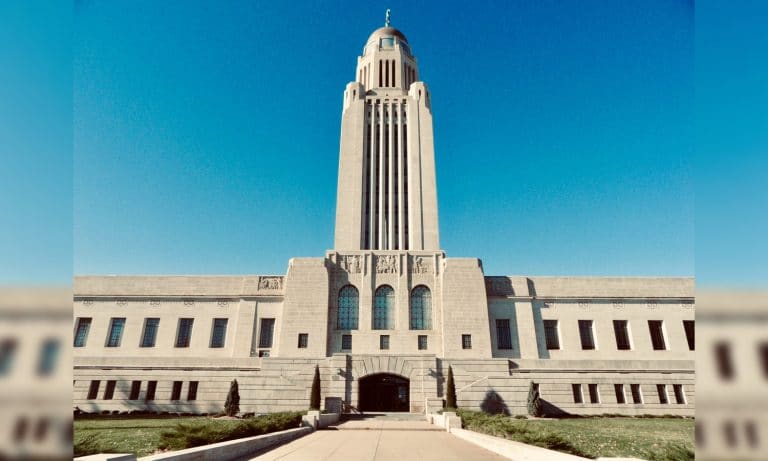
The governor’s comments join a fierce opposition wave against medical marijuana legalization in Nebraska.
A voter-approved initiative to legalize medical cannabis in Nebraska will appear on the November ballot, but marijuana shouldn’t even be labeled a medicine, according to Gov. Pete Ricketts. The comments represent a fierce opposition emerging in Nebraska against legalization.
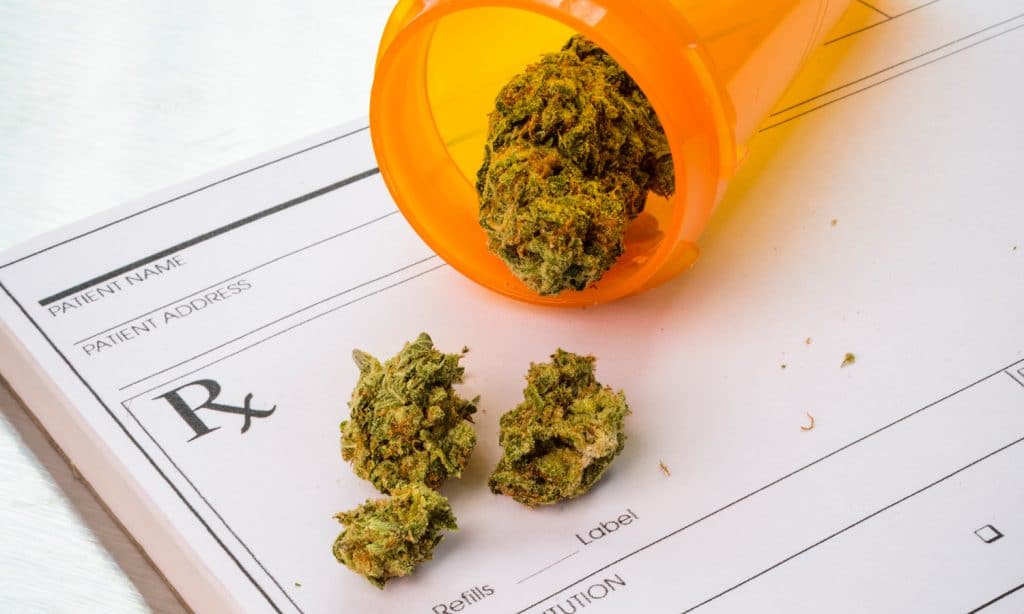
“There is no such thing as medical marijuana,” Ricketts said at a press conference Monday. “This is not something that would be prescribed by a doctor. It’s not going to be distributed through a pharmacy. These are dispensaries that would be in your communities.”
Ricketts has spoken out against medical cannabis on multiple occasions and claimed that in legalized states, people “show up to work stoned” and cause a greater number of accidents.
“This is not a benign thing, this is a dangerous thing,” he added.
Research does not support these statements. Multiple studies have shown access to medical marijuana were associated with declines in fatal workplace injuries. Researchers suggest this happens because workers substitute cannabis with more dangerous drugs like alcohol and opioids.
Ricketts is not alone in fighting medical cannabis in Nebraska. Lancaster County Sheriff Terry Wagner filed a legal challenge Friday against Secretary of State Bob Evnen’s ruling that advocates have collected enough official signatures to qualify the legalization measure in the upcoming election. Nebraska law requires 122,275 signatures to register a ballot initiative.
But Wagner argues the measure violates a Nebraska law that states such measures can only pose one question to voters. The initiative instead poses two separate queries to voters: 1) Should state residents be allowed to access and use medical marijuana and 2) should private companies grow and sell cannabis if so.
Photo by thegoodphoto/Getty Images
Nebraska State Sen. Adam Morfeld, who had tried to legalize medical cannabis through the legislature for years, recalled a previous question he had with Wagner regarding the plant.
During a Judiciary Committee hearing that he testified in opposition to medical marijuana because he claimed it was “dangerous” I asked Sheriff Wagner how many people had died from drug and alcohol overdoses in his career? He said too many to count. How many from marijuana? Zero. https://t.co/AkAdtshNQV
“During a Judiciary Committee hearing that he testified in opposition to medical marijuana because he claimed it was “dangerous” I asked Sheriff Wagner how many people had died from drug and alcohol overdoses in his career?” Morfeld tweeted. “He said too many to count. How many from marijuana? Zero.”
No date has been set for the official hearing. However, a decision needs to be made by September 11, the final day measures can be certified for the ballot.
Public funding has prioritized marijuana’s harmful effects and not emphasized the potential therapeutic benefits of the plant.
According to his official presidential platform, Democratic candidate Joe Biden supports decriminalizing cannabis but not legalizing it. He will instead move to reschedule marijuana as a Schedule II drug, which will lift many restriction U.S. scientists face when studying cannabis. He told the New York Times editorial board that America needs the medical community to provide a definitive answer on what potential risk factors cannabis use can and can’t cause before he’d endorse legalization.
A new analysis shows funding for cannabis research primarily goes toward studying the plant’s negative impact and not its therapeutic value, according to the journal Science. About $1.49 billion in funding was directed to cannabis studies between 2000 to 2018 in the United States, with about half of that dedicated to exploring marijuana’s potential harms.
This represents the first quantitative analysis to try and understand where cannabis research is directed. It was conducted by Jim Hudson, who consults for government organization and medical research charities. Hudson categorized 3,269 grants from 50 funders, such as the U. S. National Institutes of Health (NIH), into what scientists focused their research on. He published the findings on his website to better explain how research funding works.
“The government’s budget is a political statement about what we value as a society,” Daniel Mallinson, a Penn State cannabis policy researcher, told Science. “The fact that most of the cannabis money is going to drug abuse and probably to cannabis use disorder versus medical purposes — that says something.”
Photo by seksan Mongkhonkhamsao/Getty Images
The National Institute of Drug Abuse (NIDA) provided over $1 billion in that funding allotment, placing a primary focus on possible risk and damage caused by recreational cannabis. That gap in funding between understanding the cannabis plant’s medicinal benefits and its negative characteristics, according to the data analysis, only widened under the Trump administration to further emphasize marijuana’s bad qualities.
The United States wasn’t the only country that prioritized marijuana’s harmful effects. During the same 19-year period, the United Kingdom allotted $40 million toward cannabis research and similarly emphasized abuse and risk involved with cannabis. Canada spent $32.2 million in that same timeframe and focused on the endocannabinoid system — a complex collection of receptors in humans that allow cannabis to bind with cannabinoids and naturally produced endocannabinoids.
Science did note, however, that the analysis regarded publicly available grant data and did not account for a growing private resource pool dedicated to cannabis research. States that have legalized marijuana have also crafted legislation that creates funding for marijuana studies. The Colorado Department of Public Health & Environment, for example, instituted a medical marijuana research program in 2014.
Vape pens are incredibly popular, attracting users of all demographics. Here are the basics you should know about buying, choosing and using them.
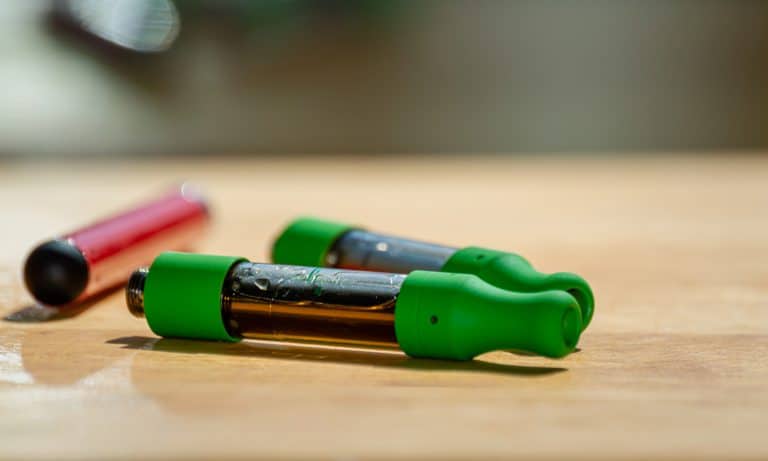
Seemingly overnight, vape pens appeared in most cannabis users’ households, while also attracting non-users with their convenience and discreetness. Vape pens make for useful tools, providing you with different strains and flavors while eliminating the need to sit down and roll a joint. They are discreet in both odor and appearance, making it easy to smoke weed without setting off any alarms.
Since the vaping industry blew up so quickly it can be tough to know what these devices can do and which product works best for you. For the most part, vaporizers are intuitive and easy to use, with two main types of pens: herb and extract.
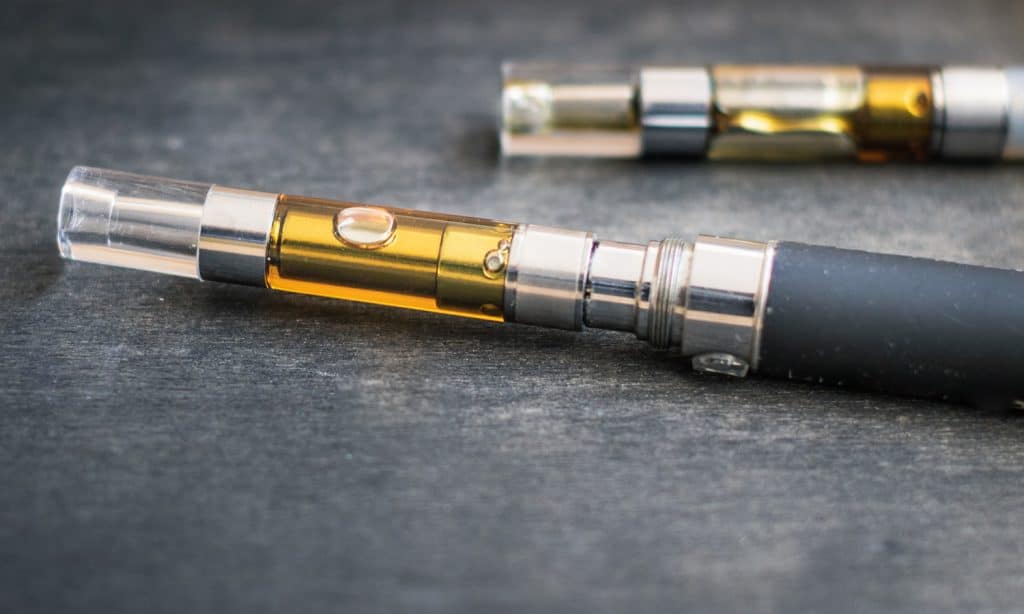
Herb vaporizers use cannabis flower and contain what is basically a small oven inside that heats up the cannabis and turns it into vape. These devices are generally reusable, bigger and more expensive. On the other hand, there’s extract vaporizers, which run on cannabis extracts. They’re very popular and can be reused, containing batteries, cartridges, and ports for charging.
Here are some of the basics you should know about vape pens:
When smoking weed, the paper goes through a combustion process that creates smoke and toxins associated with cancer and other illnesses. Vape pens heat the marijuana and create a vapor, which can still have an odor, but is much less thick and invasive than smoke. Vape pen vapor usually doesn’t cling to clothes and fabrics, and can be quickly dispersed in a room within minutes.
There’s some issues with buying them online
While you can still purchase vape pens from online sources, you won’t find them in places like Amazon, which screens against all sorts of drug/tobacco paraphernalia. While some products might appear here and there, they’ll most likely be taken down quickly.
Your best bet when purchasing these types of products is to order directly from a company’s website. If you prefer to do your research in-person, visit your nearest dispensary and ask your budtender about the different options that they offer.
A lot of people argue that vaping is healthier than smoking flower, primarily because you eliminate the combustion and smoke, which are the most harmful aspects associated with marijuana.
Still, there are some risks associated with vape pens, particularly with the chemicals that are in the devices — the side effects of which remain unknown and largely unresearched. It’s also important to purchase products from trusted sources, especially due to the strange vaping illness that appeared last year that affected hundreds of people.
Vape highs are different
While vaping marijuana is still vaping marijuana, the highs that vape pens produce are slightly different than the ones you’d get from a joint. If you’re not used to vaping, be sure to start off slow and to expect a stronger reaction. Vape pens usually pack a stronger hit than joints, especially if the cannabis comes from a concentrate.
While most are hedging their bets on Pennsylvania’s impending recreational legalization, industry insiders know that the real story is happening in New Jersey.
Editors Note: This story was written by Carly Fisher.
As the West Coast matures from the early Green Rush and Midwest markets like Michigan and Illinois hit their stride with recent legalization, all eyes are on the Northeast as the sleeping giant that will radically change the national cannabis landscape for 2021 and beyond. Among the 40 million-plus residing in the tri-state area between New York, New Jersey, and Pennsylvania, the East Coast offers a monumental competitive advantage with substantial opportunities for new players to make their mark as soon as the industry is given the green light to move forward—which is only a matter of time.
“There is no question that a lot of states that were sitting on the fence on adult-use legalization will now turn to it as they look for tax revenues,” says Joe Bayern, President of CuraLeaf (OTC:CURLF).
Bayern points to New Frontier Data that estimates that if marijuana were legalized today, roughly 782,000 new jobs would be created, estimated to grow to 1.1 million by 2025. Federal legalization, it is estimated, would generate $131.8 billion in federal tax revenue between 2017-2025.”
While most are hedging their bets on Pennsylvania’s impending recreational legalization, industry insiders know that the real story is happening in New Jersey. According to a recent Clarus report, Pennsylvania is expected to continue building on its rapid growth that has contributed to TerrAscend’s (OTC:TRSSF) foothold as one of the fastest organic revenue growth rates in the U.S. cannabis sector thanks to the strength of its Ilera unit in Pennsylvania (PA). However, New Jersey is the market with a promising outlook as the key revenue driver over the next two years.
“Due to population density, overall population size and a prospective turn toward adult use, I think New Jersey and Pennsylvania present some of the strongest prospects in the East for sustained levels of growth,” says Greg Rochlin, CEO of Ilera Healthcare. “Given TerrAscend’s high capacity, professional operations and team in the East Coast, we are well positioned to serve our patients and communities with research-based education and high quality, consistently produced products, in compliance with the state-based regulatory guidelines.”
The Garden State is poised to be the first to legalize, with the issue a hot topic on the ballot for the next election on November 3. Widely expected to pass, it would be the most populous East Coast state to legalize at around 9 million people. Add to that the nearby metropolitan markets in Philadelphia and New York City that are anxiously awaiting legalization, and New Jersey dispensaries could effectively have a captive market of over 20 million people. Marijuana Business Daily projects a legal recreational industry in New Jersey could potentially generate $1.2 billion-$1.5 billion in annual retail sales by 2023.
Photo by Howard Kingsnorth/Getty Images
At present, there are just 11 New Jersey dispensaries serving over 77,000 registered patients, with a maximum of 36 stores from existing operators. Additionally, there are only 12 vertically-integrated operators to date (including TerrAscend), with nine are up and running so far. TerrAscend is looking to open its first retail store in New Jersey with in-house product by Q1 for 2021, with two more stores expected by Q2 of 2021—a pushback from its original opening plans in Q4 of 2020. The Keystone State currently has the most developed medical cannabis infrastructure and is best positioned to transition to adult-use, while the Empire State—home to close to half of the population in the three states—will have the largest cannabis market in the northeast.
Still, there is no reward without risk, and the East Coast offers a unique combination of both. In addition to regulation and finding the right talent, climate and culture are among the most distinct challenges.
“Our region is also highly regulated so the barriers to enter and ability to sustain operations in these markets is high, requiring the appropriate skill set and resources to get a business up and running, and ultimately profitable. This is a challenge and an opportunity,” Rochlin says. “The climate in the East is not one that allows for large-scale outdoor growing, so more indoor infrastructure is required for a high-quality, high-production grow. In addition, the culture in the East is generally cautious when it comes to marijuana use, whereas in the West there tends to be a more laid-back and permissible attitude. While there is this dichotomy currently, outlooks are changing on the East Coast, and we anticipate a tipping point where marijuana becomes more culturally acceptable.”
In the wake of the devastation caused by COVID-19, New Jersey Governor Phil Murphy recently said that legalizing cannabis is a ‘no-brainer’ for economic recovery. Bayern believes that cannabis can be a real solution to help local budget shortfalls through tax revenue and job creation, citing the fact cannabis was deemed an essential service and Curaleaf’s plans for a new grow facility in New Jersey’s Winslow Township that will create close to 125 jobs in January of 2021 as two primary examples of how far the industry has come.
“Cannabis is growing tremendously and is increasingly accepted as part of mainstream society – for patients and consumers who rely on it for a variety of health and wellness needs during this difficult, stressful time,” Bayern says. “Finally, I think there are strong parallels with the ending of alcohol prohibition after the Great Depression; I think you’ll see the same thing happen, a push to legalization and taxation once we get out of the more difficult phase of this pandemic and we move towards reopening the economy and filling revenue shortfalls.”
A new study says that being silent or speaking quietly could greatly help when it comes to preventing the spread of the coronavirus.
Loud talkers — you know who you are — are much more likely to spread the coronavirus when compared to people who speak quietly. More specifically, those who speak in low tones are capable of reducing the transmission risk of the coronavirus by 80%.
These findings were reported by The Atlantic, which spoke with several experts and concluded that silence in public spaces is an extremely efficient way of keeping the spread of the virus under control.
Since COVID seems to be transmitted primarily through droplets that come out of our nose and mouth when we sneeze or cough, “Every route of viral transmission would go down if we talked less, or talked less loudly, in public spaces,” Jose L. Jimenez, a professor at the University of Colorado at Boulder, who studies disease transmission, told The Atlantic. “This is just a very clear fact. It’s not controversial.”
Donald K. Milton, a professor at the University of Maryland School of Public Health, echoes those sentiments, telling The Atlantic that “silence and quiet speaking are reasonable means of intervening” to reduce COVID-19 transmission.
The battle that has been waged against the virus, at least in the U.S., has been all about controlling the spread of these particles, whether that’s by keeping air filters in top shape, by encouraging people to wear masks and stay 6-feet apart, or by preventing large groups of people from gathering indoors. Talking quietly has the opportunity to reduce the amount of risk by about the same percentage as wearing a mask.
The article quotes Japan as an example. While the New York government spends $15 million a month submitting their trains to thorough cleanings, subway goers in Japan follow an unwritten rule: they enjoy their quiet time.
While it might be too much to ask for people to take a vow of silence while also coping with the isolation caused by a pandemic, it might help everyone to understand that the pitch and vigor of their conversations can play a role in the spread of germs. The louder you get, the bigger the risk, and that’s without even going into how annoying it is to listen to strangers’ conversations without wanting to.
Until states had hemp plans approved and hemp was cultivated under those plans, which essentially did not happen until 2020, transporters really had no additional protections than they had previously.
When the 2018 Farm Bill was inked, one of the biggest perceived wins was a provision prohibiting states from interfering with interstate transport or shipment of hemp. It turns out that this protection was for a long time meaningless. Many hemp transporters today face just as much risk when transporting hemp as they did before the 2018 Farm Bill was signed—and in some cases, even more risk.
In this post, I’ll walk through exactly how we got into the current mess we are in and why transporting hemp can be such a massive risk—even though hemp is technically federally legal (or at least no longer a controlled substance).
The biggest problem with the 2018 Farm Bill’s blanket prohibition on interference with interstate transport is that for a long time, it didn’t actually exist. As we wrote back in early 2019, the prohibition on interference ONLY applied to hemp cultivated under the 2018 Farm Bill. The US Department of Agriculture (USDA) didn’t create hemp regulations until late 2019 and only approved its first hemp plans at the very end of 2019, so the protections on interstate transport arguably didn’t kick in until the first harvests by cultivators operating under those plans.
One hemp company made the argument in 2019 that its hemp biomass confiscated by the Idaho State Police shouldn’t have been confiscated in light of the 2018 Farm Bill’s transportation-interference prohibition, but that didn’t sway the court. In its order, the court seized upon the fact that the hemp was produced prior to USDA-approved hemp plans:
[T]he hemp that was seized in Idaho could not possibly meet that standard because no “plans” to regulate the production of industrial hemp under the 2018 Farm Act have either been approved (by the federal government as to Oregon, as pertinent here) or created and promulgated by the United States Department of Agriculture for the federal government (to apply in the absence of an approved state or tribal plan).
To be fair, the USDA did issue an opinion in mid-2019 that stated that states/tribes could not prohibit the interstate transport of hemp produced under the 2014 Farm Bill. However, this (1) did not offer any help for hemp cultivated in states with hemp programs that were inconsistent with the 2014 Farm Bill, and (2) is only guidance and was not legally binding on any court or law enforcement agency. In fact, people still continued to get stopped and arrested for the simple act of driving with hemp.
In summary, until states had hemp plans approved and hemp was cultivated under those plans, which essentially did not happen until 2020, transporters really had no additional protections than they had previously.
In the wake of the 2018 Farm Bill, it was extremely commonplace for hemp transporters to be arrested for transporting hemp. Our hemp attorneys have seen this happen countless times. Many state law enforcement agencies simply mistook hemp for an illegal controlled substance. Here’s a good example: New York law enforcement apparently arrested and charged a person transporting hemp that they thought was illegal cannabis (apparently the company is now suing).
In cases like this, it could take law enforcement a significant time to figure out that what they just confiscated was actually hemp—while the biomass has a definite shelf life. People can sit in jail for no reason and have unnecessary arrest records. Driver employees can be pulled off the road and vehicles impounded. All for what?
Things can be even worse for companies transporting biomass. Take this example: ABC Transport buys legal hemp biomass with a passing certificate of analysis (COA) in one state to transport legally to another state. During transport, the hemp is exposed to too much heat, and the delta-9 THC levels increase. If those levels increase too much, then hemp becomes “marijuana” and the transporter is now a federal criminal. They are also subject to prosecution under state law since no state allows interstate transport (even states with full-scale legalization).
Photo by afiq fatah via Unsplash
From the arresting law enforcement agency’s point of view, a passing COA is meaningless if the actual THC content isn’t consistent with the COA. The transporter can have the most robust written contracts imaginable with their suppliers to indemnify them against these kinds of losses, but all the indemnity in the world won’t keep someone out of jail.
To make matters even worse, DEA’s interim hemp rule (you can read about it here and here) makes things even worse. The rule states that any derivative of lawful hemp that contains more than .3% THC is itself illegal, even if the source hemp had less than .3% THC. Here’s our summary of why that is such a problem:
In order to extract cannabinoids from hemp, hemp plant material must go through an extraction process. This extraction process almost certainly results in a temporary increase in Delta-9 THC. As cannabinoids are isolated it is nearly impossible to control the levels of delta-9 THC from increasing through that process. This means that under the DEA’s interim rule, the processor would be in possession of a schedule I substance, even if the processor dilutes the end product down to the requisite level of 0.3% delta-9 THC or destroys any delta-9 THC by product.
If a hemp transporter transports non-finished oil that’s been extracted but for any reason has THC in excess of .3%, then that transporter is now subject to arrest and prosecution. In many states, this kind of oil is not independently tested so transporters may not have any idea whether what they are transporting contains. And here too, all the indemnification in the world won’t keep someone out of jail.
The bottom line is that until the DEA, USDA, federal Food and Drug Administration, and state law enforcement agencies figure out what to do about hemp—and don’t hold your breath that this will happen any time soon—hemp transporters and their employees face monumental risks. There are many things they can do to reduce those risks, but the government seems intent on stripping away any existing protections.
To add yet another layer of complexity, states that are implementing hemp programs may impose vastly different requirements on hemp transporters. For example, some states require transporters to obtain permits to transport hemp (more red tape!). Where I practice, California, the Department of Food and Agriculture notes:
California Food and Agricultural Code Section 81006(d)(11) requires registrants to provide an original copy of the laboratory test report to each person transporting hemp including hemp fiber, oil, cake, seed, or any component of the seed.
Additionally, the California Department of Motor Vehicles (DMV) and law enforcement may have additional requirements that may apply to transporting hemp. For information regarding any additional requirements that may apply to any proposed industrial hemp transporation, contact the applicable city, county and/or state officials, including the California Highway Patrol and the DMV.
All of this means that on top of the many possible liabilities that hemp transporters and their employees face, hemp transporters must constantly monitor state (and even local!) laws, regulations, and policies everywhere they go. This will undoubtedly create significantly higher costs for hemp distributors who want to comply with laws. It really does not have to be this way for a product that is theoretically lawful.
Griffen Thorne is an attorney at Harris Bricken. This article originally appeared on Canna Law Blog and has been reposted with permission.
The bill would allow states to decide marijuana legalization for themselves and expunge cannabis records for some.
A chamber of Congress will vote to remove cannabis from the federal list of controlled substance for the first time in the nation’s history. The U.S. House of Representative confirmed its historic vote will occur next month and would effectively decriminalize cannabis nationwide.
The legislation in question, known as the Marijuana Opportunity, Reinvestment, and Expungement Act (MORE Act), would not legalize marijuana at the federal level. Instead it would remove cannabis from its Schedule I drug classification, which the Drug Enforcement Agency (DEA) defines as “drugs with no currently accepted medical use and a high potential for abuse.”
Once removed, states could then decide whether to legalize cannabis for medical or recreational use. The bill would also expunge cannabis records for some and create a fund to support individuals impacted by the enforcement of marijuana laws.
Photo by krblokhin/Getty Images
“Passage of the MORE Act is essential in order to truly right the wrongs of federal marijuana criminalization, and to once and for all allow the majority of states that have legalized cannabis for either medical or adult-use to embrace these policies free from the threat of undue federal prosecution or interference,” said NORML Deputy Director Paul Armentano.
It’s unknown whether the MORE Act will have enough votes to carry the Democrat-controlled House. Even if it does, the Senate is not expected to vote on the bill considering the long-held opposition by Majority Leader Mitch McConnell.
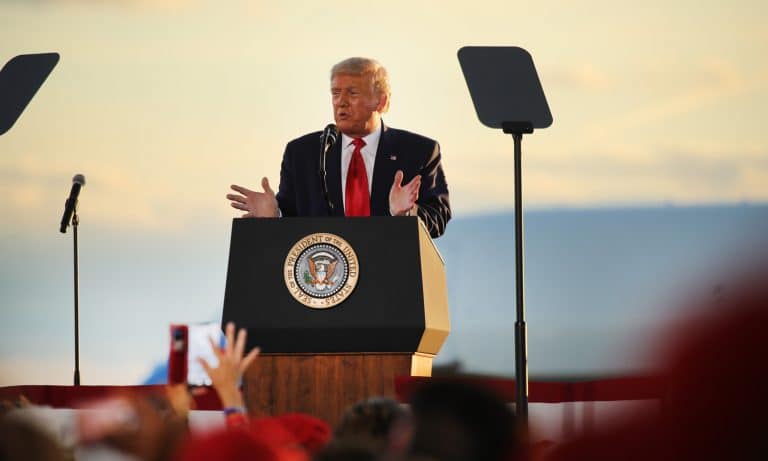
Republicans, who control the Senate, have not show support for ending cannabis prohibition in recent weeks. The head of the Republican National Committee would not answer whether medical marijuana supporters had a place in the GOP in a recent interview. And President Donald Trump told a Republican crowd earlier this month not to allow cannabis legalization ballot if they want to win.
Microdosing is the process of consuming a low dose of cannabis — too low to produce a noticeable intoxicating effect. Can this help you stay focused while working from home?
Microdosing sounds like a complex process, but it’s actually quite simple. Medically speaking, microdosing refers to consuming small doses of a compound throughout the day. When it comes to microdosing marijuana, this process helps some people achieve the results that they want, whether they’re recreational or medicinal, while eliminating the odds of negative side effects and bad highs.
Can microdosing be used to work from home more comfortably and to increase productivity?
A lot of articles have been written on how difficult it is to create an office environment while working from home. This has been a challenge over the last several of months, with lots of people reporting more trouble focusing, increased stress and longer work hours. While microdosing marijuana won’t solve all of your problems, it could help you focus and provide you with a productivity boost.
Of course, this all depends on your personality and the kind of marijuana you’re ingesting.
The office routine is hard to replicate. Your commute, coworkers and work space, even if they can be distracting, are usually triggers for you to get in a work mindset. As soon as you walk out of your house you enter work mode; you leave the office and you’re back to normal.
Photo by Thought Catalog via Unsplash
Now that a large number of people have been working from home for the majority of the year, it’s been tough to recreate that experience, forcing them to come up with their own routines, usually within the constraints of their homes. It takes some work, the purchase of a decent office set up and some dedication to remain productive.
In a situation like this, where someone is having trouble coping with the new changes in their lives, microdosing could provide some help, much like consuming cannabis could pump you up for working out. The slow administration of cannabis, whether it’s an edible, an oil or a tincture (vapes and joints aren’t as accurate for microdising) can affect you without you realizing it, helping your body feel loose and relaxed and lifting your mood as the days go by.
As you slowly and steadily up your dosage, you could experience a return to “normal,” or the kind of attitude you used to have with work before the pandemic. Although your circumstances remain the same, your mood could improve and your anxiety could be decreased.
As always, when it comes to consuming marijuana, start off small and work your way up, taking a milligram or two on your first day. Modify as you go on. Try starting off on the weekend or on a light day of work, where you have no meetings and extra stressors. Use this time to explore your options, whether you want to consume an edible, an oil, or if you want to choose something that is THC or CBD heavy. Adjust as you go and see what works out best for you.
Disclaimer:The views expressed in this article solely belong to the author and do not necessarily represent those of The Fresh Toast.
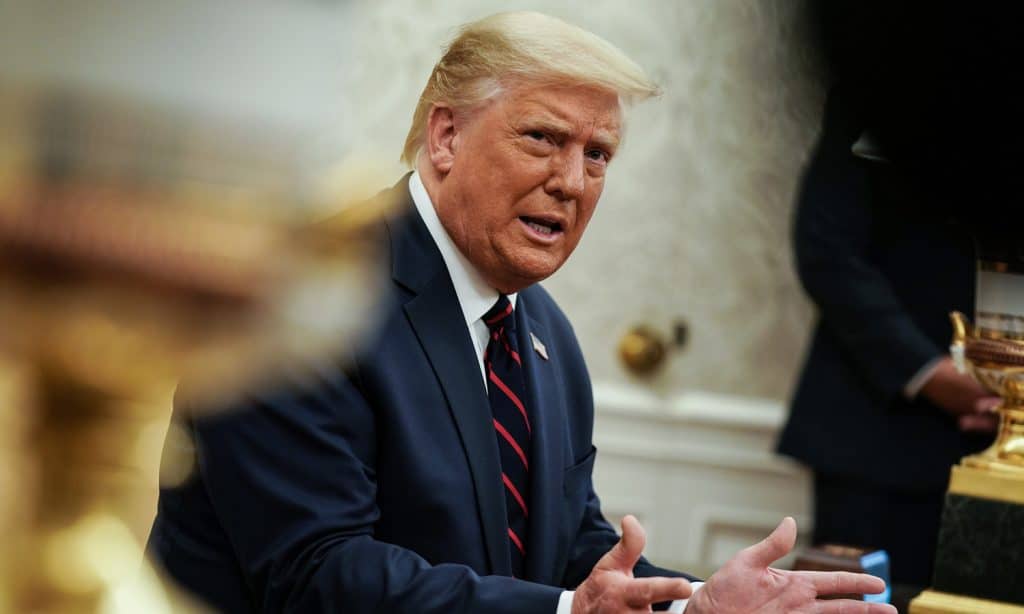
Given Trump’s rather blatant efforts to suppress voter turnout, it’s all the more significant that he would recognize the impact of having marijuana as an issue in this election.
Jaeger reported that on a campaign visit to Wisconsin, Trump “urged Republicans not to place marijuana legalization initiatives on state ballots out of concern that it will increase Democratic turnout in elections… and that he blames marijuana legalization efforts on former Wisconsin Gov. Scott Walker’s (R) defeat in the 2018 election.”
“The next time you run please don’t put marijuana on the ballot at the same time you’re running,” Trump said, directing his advice to Walker, who was in the crowd. “You brought out like a million people that nobody ever knew were coming out.”
Given Trump’s rather blatant efforts to suppress voter turnout, it is all the more significant that he would recognize the impact of having marijuana as an issue in this election.
Of course, Walker, a prohibitionist, did not put them on the ballot, so the voters had to do it to go around the Republicans, who may well have lost as a result. Previously, Trump has expressed his support “for allowing states to set their own cannabis policies, going so far as to say he “really” supports bipartisan legislation to codify the rights of states to implement marijuana programs without fear of federal interference.”
And now, Newsweek is reporting that “60 percent of Republicans say they support the Marijuana Opportunity Reinvestment and Expungement Act, or MORE Act, which was introduced by Harris in the Senate…”
However, Trump has filled many staff positions with prohibitionists, most significantly, Attorney General Bill Barr and Chief of Staff, Mark Meadows. Plus, he is courting militant police unions, which are generally headed by rabid prohibitionists but don’t really represent the majority of the police. Recently, he was endorsed by the New York City police union, even though he is expected to lose to Biden in both the city and the state by a wide margin.
To make things more confusing, Biden, a longtime Drug Warrior, says he is against “legalization”, but favors a position that a leading legalization advocate, Rep. Earl Blumenauer (D-OR) and Biden supporter, finds “meaningless”, given that legalization is already supported by a large majority of the American people.
Ironically, (Tragically? Absurdly?) Blumenauer also acknowledged that he was having trouble getting support from the Congressional Black Caucus (Lock My People Up??) who seem to think that black people will kill themselves with crack cocaine if white people legalize marijuana.
I know that from personal experience. When I was National Director of NORML I was accused of supporting genocide because wanted stop arresting People of Color for marijuana possession. Let me make very clear that I trust People of Color with their freedom, but, given our very limited resources, we abandoned efforts to recruit in Communities of Color. I would joke that NORML was the whitest organization that I had ever belonged to that didn’t have a golf course. And it was. No joke.
So, it is still what it is. To paraphrase Michelle Obama.
Photo by Pool/Pool/Getty Images
As Westworldrecently reported, “Colorado has the least disproportionate rate when you compare marijuana arrests for white and black people in the country, according to the American Civil Liberties Union, but it’s still far from equal.
“The ACLU’s recent report examines arrests of both whites and blacks for marijuana possession from 2010 to 2018, compiling data across the country, and comparing statistics for every 100,000 people. The conclusion? Black people were about four times more likely to be arrested for possessing marijuana than white people.
“Montana and Kentucky had the most disparate rates, with over nine black people arrested for marijuana possession for every white person. (That ratio is particularly startling for Montana, which has a tiny African-American population.) Illinois, West Virginia and Iowa all had arrest ratios of over seven to one, according to the report. (Florida and Washington, D.C., were not included in the report.)”
So, if Trump reads the polls (and does he read anything else?) he might be able to beat Biden. Or will Biden listen to Harris???
Richard Cowan is a former NORML National Director and author on the Real Tested CBD blog.