Monday, June 15, 2026
Home Blog Page 483

How To Incorporate CBD Oils Into Your Daily Routine

Whether it’s a part of your skincare routine or gym recovery strategy, CBD oil is a versatile natural remedy to have on hand.

CBD has been a trending item since it became accepted and legalized in 2018. The many health claims and benefits associated with CBD have intrigued people around the world who want to try the product for themselves. However, many people are still intimidated by the negative connotations associated with the product.

If you’ve been wondering how to start using CBD oil, you’re in luck. Here are some tips and tricks for incorporating CBD oils into your daily routine.

Define Your Needs

First things first, consider what you’re trying to accomplish. This is essential for finding the right CBD oil to suit your needs. Some common reasons for taking CBD oil include:

  • Relieving stress and anxiety
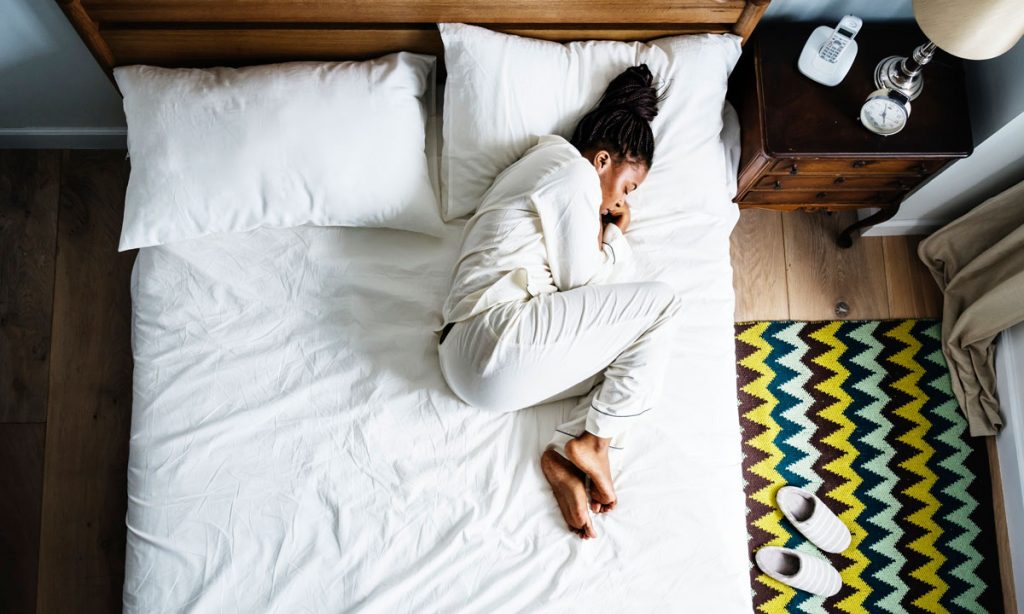
  • Helping improve sleep
  • Non-medicinal pain relief
  • Reducing inflammation and swelling
  • Skincare and cosmetic use

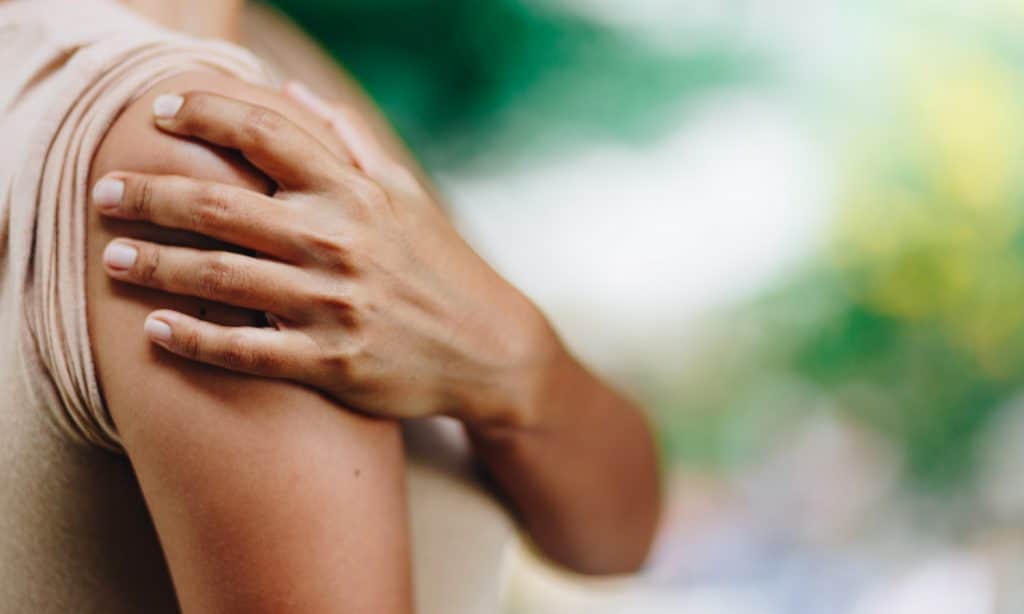
Knowing your reasons will help you better identify what blend of CBD oil will work best for you, as well as what form. For example, if you’re using CBD to treat acne or assist with targeted muscular pain, a topical application might be best. If you’re looking for help with your anxiety or insomnia, CBD edibles or drops might be more effective.

Assess the Impacts
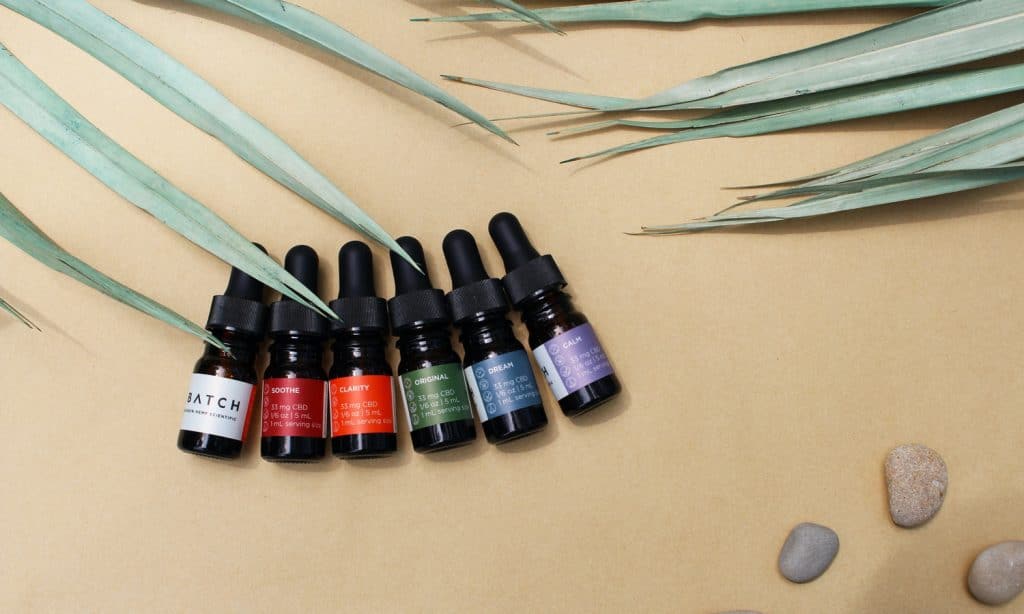
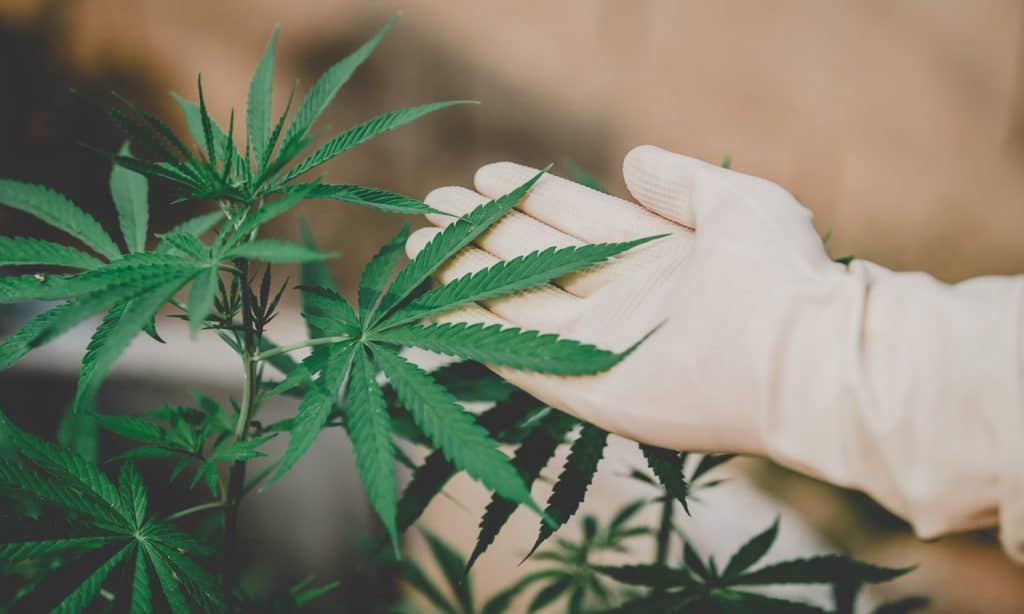
How CBD Can Help Deter Hormone Disrupter Chemicals
Photo by BATCH by Wisconsin Hemp Scientific via Unsplash

Before you can determine how to fit CBD oil into your daily routine, you need to assess the impacts of specific blends. If you’re only using the oil topically, you’re probably fine to experiment and go about your day. However, if you’ll be ingesting CBD, you’ll want to give yourself time to process it in a safe place.

RELATED: A Beginner’s Guide To Buying CBD Products

For some people, CBD oil has no side effects. Others feel drowsy or experience an upset stomach the first few times. By setting aside time to assess the impacts, you can help find the right product for you and ensure you use it safely.

Don’t feel intimidated by the fact that there are potential side-effects. The same thing applies to over-the-counter cough medicine and Tylenol.

How to Use CBD Salves

CBD salves and ointments are a great way to use CBD oils for skin issues and muscle stiffness. Invest in a high-quality salve to rub on your muscles after the gym, keeping a canister in your gym bag. If you plan on using CBD as a part of your skincare regimen, incorporate it as a moisturizer during your morning or evening routine.

How to Use CBD Drops

When using CBD drops, paying attention to the blend is essential. Depending on your area, there’s a legal threshold for THC— the active ingredient in marijuana that causes a high. This level isn’t closely regulated yet, meaning you could unknowingly get some product with a high THC percentage.

RELATED: How To Find High-Quality CBD Oil

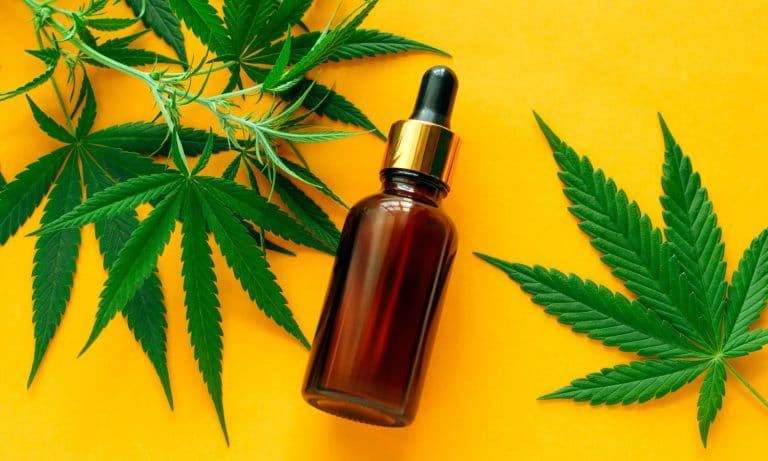
Once you find the right blend, you can administer the drops orally or incorporate them into beverages. For example, if you’re using CBD to help with anxiety throughout the day, adding a few drops in your morning smoothie is a great way to incorporate CBD into your routine.

How to Use CBD Edibles
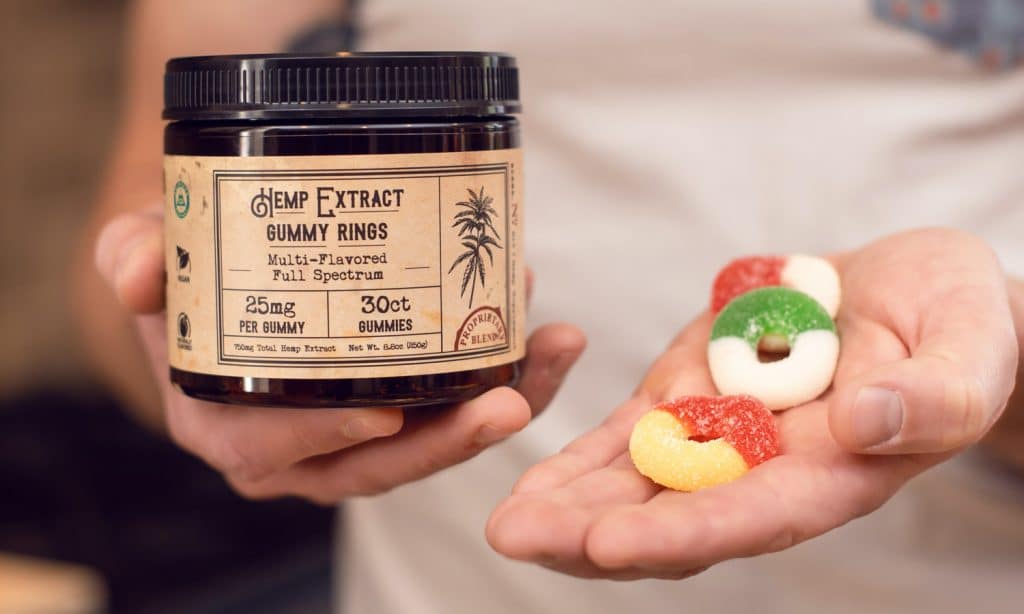
How To Incorporate CBD Oils Into Your Daily Routine
Photo by R+R Medicinals via Unsplash

When your CBD oil is in edible form or capsules, it’s important to pay attention to the THC level. Either use the oil to make your own edibles or buy from trusted suppliers.

RELATED: Why That CBD Oil You Just Bought Might Be Bogus

A CBD edible is a great way to get an energy boost in the afternoon. Or, depending on the blend you choose, it can be a great way to relax and fall asleep at night. It’s these vast differences between products that make it so important to know what you’re ingesting and why.

Final Thoughts

Be a savvy CBD oil user. Do plenty of research about the blends and suppliers you use, then get creative with how you incorporate it into your day. Whether it’s a part of your skincare routine or gym recovery strategy, CBD oil is a versatile natural remedy to have on hand.

This article originally appeared on Green Market Report and has been reposted with permission.
We Must End Marijuana Prohibition For Economic Recovery In A Post Pandemic World 

0

Disclaimer: The views expressed in this article solely belong to the author and do not necessarily represent those of The Fresh Toast.

Very simply, marijuana legalization is not some wild experiment that has never been done before. And now, of course, we are beginning to see the same experience in some places in the United States.

In the midst of the pandemic, there is much uncertainty about almost everything, but one thing does seem certain: America is going to be much poorer. Or, to put in a global perspective, America and a few other countries will be much less rich and the rest of the world will be much, much poorer, and no wall or welfare program will protect us.

In Los Angeles, the global center of the entertainment industry, the unemployment rate is already around 50%, and many jobs and businesses are gone forever. The sheer scale of the problems will almost certainly lead to social unrest which will be visible to the world. But so will the solutions, because the world really does look to “Hollywood” for imagination. 

So use your imagination. Imagine what Los Angeles and America and the world would look like without marijuana prohibition. 

Of course, one might imagine that marijuana prohibition has ended in California and especially in Los Angeles, where there are 155 licensed marijuana dispensaries. 

And Los Angeles even has a “Departament of Cannabis Regulation” which is trying to navigate through the competing interests in the retail marijuana business by deciding who gets one of the very valuable new retail licenses that the city will issue. The DCR has just completed a review of L.A.’s policies, so let the competition begin.

Now for context. The City of Los Angeles has approximately 4 million people and Los Angeles County has around 10 million. 

But also consider that there are approximately 1,600 bars, not including a huge number of restaurants that serve alcohol, and then there are hundreds of “liquor stores”, and most supermarkets have huge selections of almost every type of alcohol, beer, wine and booze. And there are also delivery services…

For added context, according to the National Institute on Alcohol Abuse and Alcoholism, each year nationwide there are roughly 250,000 emergency department visits for alcohol addiction withdrawal which is so extreme that there are 850 deaths related to alcohol withdrawal. Ironically, that is why alcohol sales are considered “essential”, especially in the lockdown.

But zero deaths directly attributable to marijuana use.  

And alcohol kills thousands more in accidents and is a major factor in violence, especially domestic violence, during the current lockdown.

But we regulate cannabis as though it were more dangerous than alcohol, and L.A. even has a department to decide how to issue few new licenses for marijuana dispensaries. That is why I say that marijuana prohibition continues in Los Angeles

Meanwhile, in the Netherlands, population 17 million, marijuana has been available for over forty years in approximately 750 “coffeeshops” where anyone over 18 can buy and smoke cannabis. Amsterdam’s population is 900,000, less than a quarter of the city of Los Angeles, and has approximately 170 “coffeeshops”.

Did Marijuana Prohibition Cause The COVID-19 Pandemic?
Photo by Fiordaliso/Getty Images

In addition, you can smoke cannabis, but not tobacco, in any bar, restaurant or venue where the owners allow it. (Most don’t)

Related: Are you a senior citizen interested in the benefits of CBD? Click here for a comprehensive guide to all things CBD. 

The results: the Dutch annual per capita rate of cannabis use is less than half of the American rate 5.4% vs 13.7% and the hard drug use rate is even lower 0.3% vs 0.57. And the murder rate is less than one fifth the U.S rate.

Very simply, marijuana legalization is not some wild experiment that has never been done before. And now, of course, we are beginning to see the same experience in some places in the U.S.. 

Meanwhile, the Los Angeles restaurant scene is being decimated by the pandemic shutdown, and to reopen they are going to need new sources of income, especially with social distancing reducing their capacity. Being able to sell cannabis would give them a badly needed source of income, and allowing on-premise consumption (with vaporizers that don’t produce “second hand smoke”) would increase food sales. 

No munchies jokes, please.

When politicians calculate tax revenues from cannabis sales, they typically just think of direct taxes, but that is like projecting alcohol tax revenues that only counted liquor store taxes. In fact, there would be far fewer restaurants without alcohol sales, and there will be far fewer in the future without cannabis. 

Of course, the same is especially true of the music scene. From Louis Armstrong to The Beatles to Willie Nelson, there has long been a connection between music and marijuana. Ironically, musicians have been especially hurt by the pandemic with all of their gigs canceled and the venues closed. Big concerts have always had clouds of smoke, because the police knew it would be impossible and impolitic to arrest anyone, but in smaller venues they could credibly threaten smokers and the owners. 

Los Angeles should proudly recognize cannabis as part of its culture and welcome cannabis use in music venues, just as they do with alcohol. To do otherwise would be both cowardly and hypocritical, and really bad business. Given Los Angeles prominence in the entertainment business, with truly legal cannabis it should leverage its visibility into leadership in other aspects of cannabis, such as hemp fashions, medical cannabis research, including CBD and other cannabinoids.

Finally, in a multiracial society like Los Angeles, cannabis could bring its diverse cultures together for social peace.  

Richard Cowan is a former NORML National Director and co-founder of Blue Ribbon Hemp

Maine Sets October 9 For Recreational Sales

Voters legalized adult-use cannabis in 2016 and state legislators planned legal sales to begin in Feb. 2018. But Gov. Paul LePage vetoed it, delaying the process until he was replaced in Jan. 2019.

Maine’s Office of Marijuana Policy announced that retail sales of adult-use marijuana to consumers 21 years of age or older will be permitted starting on Friday, October 9, 2020. The office, which is a part of the Maine Department of Administrative and Financial Services, intends to issue the first active licenses to recreational cannabis businesses on Tuesday, September 8, 2020.

“The public’s health and safety are at the forefront of every decision we make at the Office of Marijuana Policy,” said OMP Director Erik Gundersen. “While we were poised to launch this new industry earlier this year, we were unwilling to sacrifice the high standards we have set for this program by launching during an emerging public health pandemic and in the absence of a testing facility. With the support of the public health community, municipalities across the state, and the industry we regulate, we have used the last few months to ensure this new industry is introduced to Maine consumers in a manner that is as responsible as possible.”

The department said that the issuance of active licenses will continue the Office of Marijuana Policy’s structured rollout of Maine’s emerging adult-use industry, which had been indefinitely postponed in April in response to the COVID-19 pandemic. While it isn’t a big state with regards to population, it is still seen as one that could be profitable for businesses.

The recent BDSA Arcview State of Legalized Marijuana Report stated, “There are several small states like Maine, New Mexico and Rhode Island that will also pay off for operators on a smaller scale. That happens when what is typically a consumer base of 2% or less of the population with medical cars suddenly becomes 20%-plus of adults that consumer cannabis.” Maine’s cannabis sales are forecasted to reach $314 million by 2025, putting it on par with Alaska which is forecast to reach $325 million.

Getting Licensed in Maine

Getting a license in Maine is a three-step application process that also includes conditional licensure and local authorization, respectively. An active license is required for adult-use establishments to come into possession, process, and sell adult-use marijuana, including initiating plant transfers from Maine’s existing medical marijuana program.

The statement read, “It is expected adult-use licensees will utilize the time between active licensure and Maine’s retail sales launch date to harvest and process marijuana, ensure those products satisfy the mandatory testing requirements, and move product through the supply chain to stock retail store shelves.”

RELATED: Feds To Withdraw Mental Health Grants From Schools Allowing Medical Marijuana

Voters legalized adult-use cannabis in 2016 and state legislators originally planned legal sales to begin in February 2018. Governor Paul LePage fought to keep that from happening and when he was replaced by voters with Janet Mills, the process was reenergized. She took over the Governor’s role in January 2019 and signed a bill defining the program in June 2019.

“Today’s announcement is a major milestone in honoring the will of Maine voters and a significant step toward launching a new industry in the state,” added Gundersen. “Many of the business owners we have spoken with during the application process are ready and eager to commence operations.”

Maine Sets October 9 For Recreational Sales
Photo by René Porter via Unsplash

Maine’s Process

The application process required by the adult-use law requires state regulators to review application materials for form and substance, with an eye toward details such as ensuring that all applicants have completed their required state and federal criminal history record checks; that the establishment’s operation, facility, and security plans satisfy the requirements of both the Marijuana Legalization Act and the adult-use program rule; and that the designated host municipality has provided the applicant with authorization to conduct business in their community.

RELATED: Poll: Adults In Legal Marijuana States Don’t Have ‘Buyer’s Remorse’

OMP expects to issue licenses in each of the four categories of adult-use establishments: cultivation, product manufacturing, retail sale, and testing. Information on the specific number of licenses issued and the identities of active licensees will be made available on Tuesday, September 8, 2020.

The Mills Administration created OMP within DAFS in February 2019. The Office is responsible for the oversight of all aspects of legalized marijuana, including Maine’s existing Medical Use of Marijuana Program.

Feds Still Unhappy

Despite the legalization efforts in the state, it seems the Federal Bureau of Investigations (FBI) isn’t too happy about the cannabis companies. A few weeks ago the Bangor Daily News reported that Homegrown Connection and Narrow Gauge Distributors in Farmington were raided by agents claiming “court-authorized activity” in connection with an ongoing investigation. The report said agents, “could be seen piling what appeared to be marijuana plants outside the back of one of those locations. More than 14 state police cruisers were there, as well as unmarked vehicles from several New England states, according to the Sun Journal.”

The article stated that, “Both businesses are linked to Luke Sirois of Rangeley, who is the registered agent for Narrow Gauge Distributors in documents filed with the Maine secretary of state and has owned the Homegrown Connection for roughly a decade.” He is described as “a strong and vocal advocate for public policy.”

This article originally appeared on Green Market Report and has been reposted with permission.
How To Nap In A Way That Actually Makes You Feel Rested

0

While naps can’t make up for full night of sleeping, they can help you be more productive and contribute to a healthier lifestyle.

Sleeping is tough when there’s so much going on in the world and our circumstances are ever evolving. Sleeping during the day is almost unheard of, something that only kids and teens are able to get away with. This shouldn’t be the case; there’s no need to feel guilty about resting, even when surrounded by a pandemic and social unrest.

Naps are normally associated with weekends or something you do when you feel sick, but they can and probably should become a part of your wellness routine, as they have the power to make you feel better and happier.

Naps are helpful for adults, especially since the majority of us don’t get our necessary 8 hours of sleep every night. While naps are not a replacement for a full night of sleeping, they can help you feel more alert and productive. Still, despite how delicious they are, you can’t just nap for the entire afternoon. Doing this will only mess with your sleep cycles and will likely result in you feeling groggy and off.

Here are some tips that can help you nap “correctly.”

Use an alarm

Sleep Well With Weed: How To Use marijuana to fall asleep effectively
Photo by Acharaporn Kamornboonyarush via Pexels

RELATED: Let’s Talk About Why Sleep Is Important — And How To Get Some

The key for proper napping is to stop yourself from sleeping more than you should. The Centers for Disease Control (CDC) says that the longer you sleep, the more likely it is for you to become groggy, so keep your naps on the short side of things, lasting between 15 to 30 minutes.

Wake up earlier

5 Simple Ways To Get A Better Night's Sleep
Photo by rawpixel.com

Naps can also affect your night’s sleep, which is something that you don’t want to mess with. In order to prevent sleep disruptions and create a whole new set of problems, be sure to nap during the earlier part of the day. If you wake up earlier you can complete large chunks of your work, exercise and nap, all before 4 p.m.. The rest of the day is up to you.

Account for some grogginess

Why Do We Procrastinate Sleep Even When We're Tired?
Photo by rawpixel.com

RELATED: Just 16 Minutes Of Sleep Loss Can Harm Work Concentration The Next Day

Try not to nap before an important meeting or outing. Naps can leave you feeling groggy for a couple of minutes after you wake, which is why it’s important to have them for short periods of time. After your nap is over, try doing something energizing that can help you get back to work or to whatever it is you were planning on doing with your day.

Study Says Post Work Weed Use Doesn’t Affect Job Performance

0

Researchers concluded that smoking marijuana after hours had no negative effects at the workplace, and believe drug screening programs should adapt to this new reality.

Although some states have banned pre-employment drug testing regarding cannabis use, a recent survey shows about 50% of employers would still fire workers for a first-time positive test for cannabis. Stereotypes remain about how cannabis use affects job performance, though little to no research has looked into this belief.

Researchers at San Diego State University and Auburn University bucked that trend by conducting a study on how cannabis use affected employees on the job. They concluded that consuming weed after hours had no negative effects at the workplace, but did establish a negative correlation among those who used marijuana before or during work. While inconclusive, the study added that after-hours marijuana use could actually provide some workplace benefits.

RELATED: Legalizing Medical Marijuana Could Make Workplaces Safer

“Individuals deciding to consume cannabis after finishing their work may be able to distract themselves from stressful on-the-job issues,” said Dr. Jeremy Bernerth, the study’s lead author. “The relaxation induced by cannabis may help employees restore energy spent during the day and they may subsequently return with more stamina to devote to their job once they are back on the clock.”

Bernerth and his team compiled data from 281 employees and their director supervisors regarding this intersection between cannabis use and job performance. Employees were asked when and how often they used cannabis in relation to their work. This could include how often an employee smoked marijuana before their shift over the past year.

What Can You Do To Battle All That Time Spent Sitting Down?
Photo by Vlada Karpovich via Pexels

Researchers then surveyed the employees’ supervisors about how well someone completed tasks at work, their willingness to support team goals, or if they exhibited any counterproductive work behavior. Supervisors more often reported counterproductive behavior and lack of team behavior by those who consumed before or during their shift. However, according to researchers, there was no “significant change in any of the work performance dimensions when employees used cannabis after work.”

Though drug screening programs continue across workplace environments, “there is virtually no empirical research exploring cannabis use in relation to the modern workplace,” they added.

RELATED: Will Testing Potential Employees For Marijuana Become A Thing Of The Past?

Bernerth believes his team’s research should prohibit employers from banning all types of cannabis use by employees, because the study finds no adverse effect on job performance by after-hours users. NORML’s Deputy Director Paul Armentano supported the position, noting that many workplace drug testing program were holdover policies by the Drug War era.

“Suspicionless marijuana testing never has been an evidence-based policy,” Armentano said. “Rather, these discriminatory practices are a holdover from the zeitgeist of the 1980s ‘war on drugs.’ But times have changed; attitudes have changed, and in many places, the marijuana laws have changed. It is time for workplace policies to adapt to this new reality.”

Seth Rogen’s Pandemic Weed PSA

The Canadian-born comedian has some advice for young people partying it up in B.C., which is experiencing a COVID-19 uptick.

As the global COVID-19 pandemic extends another month with no true end in sight, the temptation to return to a semblance of normalcy may come calling. But yet, social distancing protocols prevent many activities we associate with the summer, such as  large family gatherings, late nights out, and group hangouts.

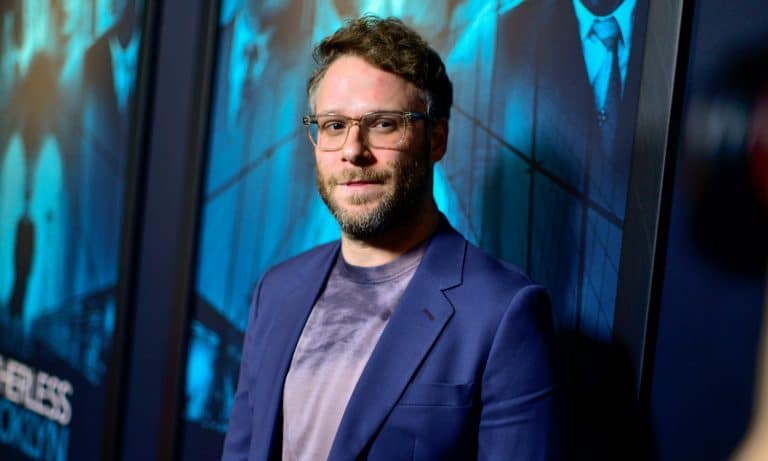
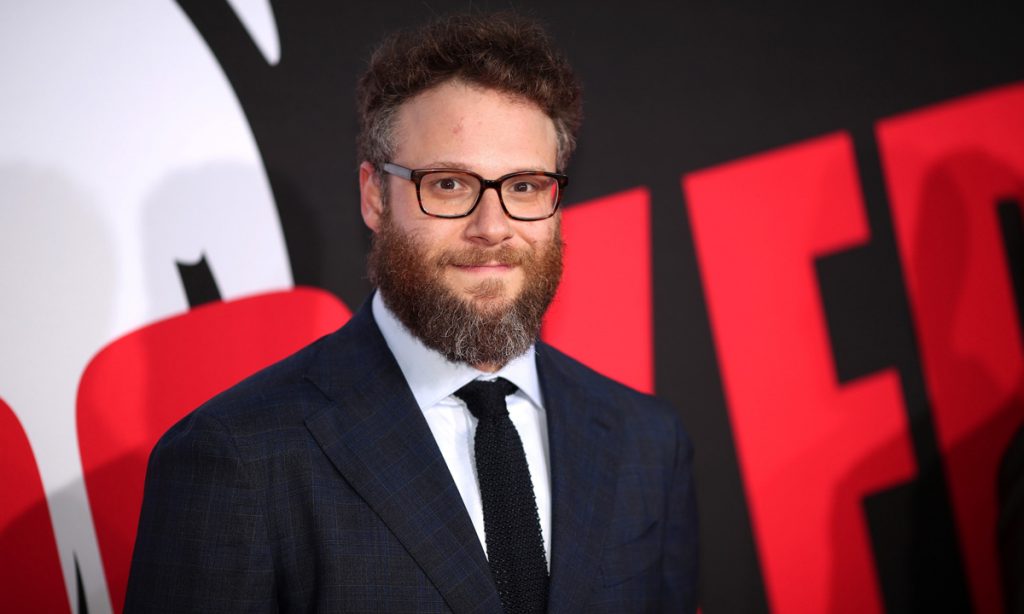
For those unsure about how to handle the angst of the sunny season, Seth Rogen has some advice, especially if you’re thinking of trying to outsmart the virus: Stay home, smoke weed, and watch movies. Rogen tweeted the suggestion following a call to action by British Columbia Premier John Horgan, who requested Canadian actors like Rogen and Ryan Reynolds positively use their influence amid the pandemic.

“Please do not go out to parties and BBQs and other large gatherings! The COVID is still out there!” Rogen tweeted. “It’s more fun to hang out alone and smoke weed and watch movies and TV shows anyway! Do that instead! Thank you!”

RELATED: Smoking Weed For The First Time? Seth Rogen And Snoop Dogg Have Some Advice

Although B.C. received commendations for initially controlling the coronavirus spread, a rash of outbreaks have occurred in recent months. Canada Day celebrations and summertime partying has caused an outbreak in the province and younger generations carry much of the blame.

According to B.C. Centre for Disease Control (BCCDC), the largest proportion of new cases fall among those ages 20 to 39 years old. This demographic accounts for more than 1,500 cases as of late, which amounts to 37% of all new cases. People aged 20 to 39 only represent 27% of British Columbia’s total population.

Seth Rogen Reveals How Weed Makes Him Creative
Photo by Christopher Polk/Staff/Getty Images

Rogen’s comments were used to garner positive attention, but some medical experts have suggested cannabis users refrain from smoking or vaping at this time. The Food and Drug Administration stated back in April that there was no evidence connecting smoking or vaping to COVID-19, but the organization added that ingesting any combustible smoke could cause more serious symptoms.

RELATED: NORML Gives Marijuana Consumption Safety Guidelines During Coronavirus Outbreak

NORML (The National Organization for the Reformation of Marijuana Laws) provided safety guidelines for marijuana consumers that recommended not sharing any smoking devices. They urged users to consider using noncombustible cannabis forms like edibles and tinctures instead. British Columbia released a similar “Good Times Guide” that asked residents not to share drinks, vaporizers, or any smoking apparatus, stating, “Now is not the time for sharing anything that’s been in your mouth.”

A Guide To Making Your First Marijuana Experience Great

Cannabis shouldn’t create anxiety. Depending on the strain you use, it should ease anxiety, so let’s start there.

As marijuana’s popularity spreads, more people are open to trying it. Perhaps they’ve heard that their medical condition is eased or treated by medical marijuana. Maybe it’s simply time to try something other than a glass of wine at the end of the day. No matter the reason, it’s important to get the dosage right.

The thing is, like most mind-altering substances, cannabis effects people in different ways. And with the myriad of choices as to how one can imbibe, it can become complicated. Cannabis shouldn’t create anxiety. Depending on the strain you use, it should ease anxiety, so let’s start there.

Indicas, Sativas And Hybrids 

These are the three types of marijuana plants that are harvested. Indicas are known for sedation and appetite stimulation, while sativas create more of a “heady” high: cerebral, creative and more active. A hybrid is a cross between sativa and indica and many people new to pot start with a hybrid. Though it’s sativa dominant, a very good strain for newbies is Jack Herer. Its uplifting high is a good start for almost anyone. If you’re looking for something more indica dominant, Bubble Kush is a very popular choice.

RELATED: Why Sativas Are Often The Answer To Anxiety Over Indicas

Ways to get cannabis into one’s system vary. From smoking, vaping, and dabbing to edibles, tinctures and topicals, it can be tough to know where to start. Especially if the newcomer is enthusiastic. The best advice is don’t try everything at once, because you may freak out. The biggest risk with marijuana is the potential panic attack from being “too high.” It’s easily avoidable, however, if you just follow a few rules.

Photo by Flickr user Dank Depot

One, if you start with edibles or tinctures, wait an hour before adding onto your dose, even if you don’t feel it yet. Plus, start with half of the recommended dose the first few times out of the gate.

Two, with smoking or vaping, start with one or two hits that don’t completely fill your lungs. Hold the hits in for a few seconds and release. And three, if someone offers you a dab, the best idea is to wait. Dabs are extremely potent and not for the not-yet-initiated. However, if a dab it is, just don’t hold it in and stick to one to start. You’ll thank us later.

RELATED: Marijuana Makes You Paranoid? Study Suggests Your Genes Are To Blame

Final tip? Don’t try weed for the first time while drunk. For one thing, you’ll probably end up getting sick or falling asleep, and for another, alcohol increases the active components of cannabis and cannabis increases the drunk feeling. (Here’s What You Should Know About Crossfaded Highs.) Not a good look. Stick to a little bit to start, don’t mix it with other substances so it’s felt through and through and don’t be shy. The cannabis community welcomes all.

Science States CBD Can Treat These Conditions

There’s a lot of misinformation and exaggeration regarding the benefits of CBD. Here are some conditions that the compound can help alleviate.

Despite the incredible popularity that CBD has amassed over the past couple of years, there’s a lot that scientists and experts still don’t know about the compound. While it’d be great if CBD could do all of the things many companies promise it does, it’s a compound like any other, with its fair share of limitations. It’s also one that stands on rocky legal ground, meaning that it needs much more research in order for us to get a clearer picture of what it does and how it functions with our bodies.

While there’s a lot of misleading marketing regarding a large percentage of CBD products, there are a few benefits that have been associated with CBD and that have some scientific support. Here are three conditions that CBD can actually treat and provide relief from:

Epilepsy 

FDA Declares Cannabis Drug Epidiolex No Longer A Controlled Substance
Photo by KATERYNA KON/SCIENCE PHOTO LIBRARY/Getty Images

RELATED: Here’s What CBD Can’t Do for You

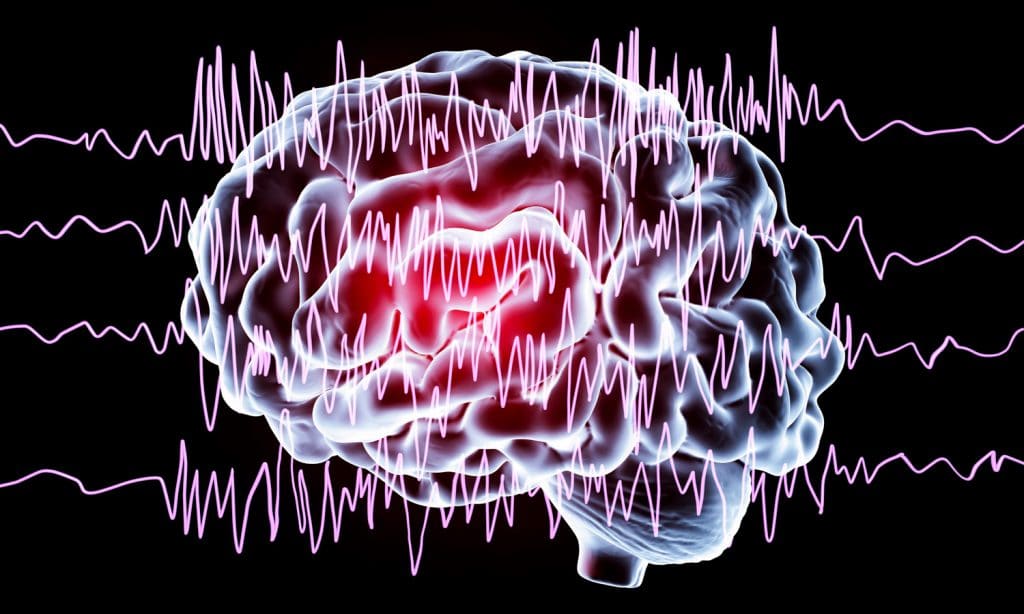
The most significant results that support medicinal CBD oil show that the compound is effective at treating seizures and rare forms of epilepsy. In 2018, Epidiolex, an oral CBD medicine, was approved by the FDA. The drug can be used to treat two kinds of epilepsy: Dravet syndrome and Lennox-Gestault syndrome. According to the research, it’s believed that CBD helps suppress seizures by decreasing inflammation in the brain and thus slowing down the messages that it’s receiving.

Inflammation

Here’s What You Need To Know About Treating Joint Pain With Cannabis
Photo by Anupong Thongchan/EyeEm/Getty Images

Although inflammation is a very broad symptom that’s prompted by many different scenarios, the majority of conditions that CBD treats have some kind of connection with inflammation. Studies conducted in human cells and rodents show that the compound is an effective anti-inflammatory agent. Still, more research needs to be conducted in order to understand how this works and how it could be used to provide relief for different conditions.

Pain

Medical Marijuana Is Too Strong For Pain Relief, Says Researchers
Photo by roungroat via rawpixel

RELATED: CBD And Blood Flow: What The Brain Wants You To Know

Studies conducted on animals show that CBD could be helpful in treating chronic pain, arthritis and even multiple sclerosis, primarily by targeting inflammation and helping the subjects experience less pain over prolonged use. Most of these results are modest and are reflected in studies that are small or that need human subjects. Still, there’s some promise there and there’s also lots of anecdotal evidence of people using CBD products in order to treat all kinds of pain.

The Cannabis Industry’s Essential Upside From COVID-19

The designation of the cannabis business as essential caught some states and some state officials off guard. 

It was a classic watershed moment when 20 of the 33 states across the U.S. that allowed some form of sale and consumption of marijuana had those businesses designated as essential businesses in March during the early days of the coronavirus outbreak. 

And while that designation of what is “essential” was just an advisory from the Department of Homeland Security, and not a federal directive or standard, meaning that it’s open to wide interpretation by various jurisdictions, cannabis advocates jumped on the opportunity in March to remind state governors about the importance of the cannabis industry. 

A letter from the Marijuana Policy Project states that governors and legislative leaders played up the significance of access to medical cannabis in times of a pandemic: “As leaders of states with medical cannabis or cannabidiol (CBD) laws, we write to urge you to ensure patients can safely access their treatment option in a way that is consistent with public health. Cannabis is a crucial part of the treatment regimens of hundreds of thousands of individuals, including many who have vulnerable immune systems because of their advanced age or a serious medical condition.” 

The designation of the cannabis business as essential caught some states and some state officials off guard. 

For example, on March 22nd, Colorado Governor Jared Polis said that state retail and medical cannabis stores could go ahead and stay open. Denver Mayor Michael Hancock closed recreational dispensaries down the next day—oops—then quickly reversed himself the following day after public outcry and panicked cannabis buying. 

RELATED: Here’s A Breakdown Of Who Supports Cannabis As ‘Essential’ During Pandemic

Massachusetts Governor Charlie Baker allowed medical cannabis stores only to stay open, and closed down recreational cannabis stores, before reversing course two months later after being hit by lawsuits. 

Being declared essential was the proverbial feather in the hat of the industry, and a strong vote by the federal government that cannabis businesses were crucial to the survival of not only the economy but the people and patients who depended on it. 

Except there was, and is, still a problem. 

That essential business designation ran into federal roadblocks that no other essential business had to deal with, when cannabis businesses were denied financial assistance in the form of small business disaster loans of up to $2 million. 

4 things you need to know before visiting a marijuana dispensary
Photo by Scott Eisen/Stringer/Getty Images

That denial inspired a quick response from the National Cannabis Industry Association (NCIA) who gathered support from other business associations and advocates — such as Cannabis Trade Federation, the Global Alliance for Cannabis Commerce, the Minority Cannabis Business Association, and National Cannabis Roundtable — and fired off a letter imploring Congress to grant small business loan assistance to cannabis businesses just like any other business during the pandemic.

RELATED: Despite COVID, Cannabis Sales To Hit $20.4 Billion In 2020

“The ineligibility of cannabis businesses for disaster assistance loans is especially inequitable given that these same cannabis businesses are required to comply with other coronavirus-related measures, such as paid sick leave coverage,” the letter stated. “We are not seeking special treatment for state-legal cannabis businesses. We only seek to have them treated on an equal level as all other job-generating, tax-paying companies in this country.” 

Even the most skeptical economist could clearly see the importance of the cannabis industry to the health of the U.S. economy. Though some dispensaries are struggling, and some mergers and acquisitions of cannabis businesses are gaining momentum, there are industry watchers that speculate that it may be revenue from the cannabis industry that could help shore up broken state economies once the pandemic subsides. 

FDA Issues Draft Guidance For Cannabis Research
Photo by Cavan Images/Getty Images

In any case, it’s clear that, overall, COVID has provided a sort of boon to the cannabis business as consumers stocked up early and often. 

In Colorado in late March, for example, flower sales were up over 80 percent compared to an average Monday, according to cannabis data company Headset. The California rush to stock up on cannabis products saw both edibles and beverages with significant sales increase. One of the most stocked up on products was gummies, according to Headset, which saw a sales boost of 157% compared to a normal Monday in those early days of the corona virus. 

RELATED: Will Cannabusiness Get Bailed Out From Losses During And After Pandemic?

According to New Frontier Data, a global cannabis intelligence company, flower sales were up 23% since March. New Frontier found that more than 53% of cannabis consumers will purchase more than a two-week supply at any one visit to a dispensary. 

The cannabis business is forecast to have $30 billion in sales by 2023 — more than triple of sales in 2018, a figure which may change by the end of this year based on consumer demand. 

The CBD market alone is expected to reach $16.8 billion in sales by 2025, with the number of consumers buying CBD online increasing from 29% in the first quarter of 2020 to 47% now because of COVID-19, according to a report from the Brightfield Group. 

RELATED: Here Are The Reasons Why Cannabis Consumers Stocked Up

What’s more, investors are not shying away from the industry. New Frontier reports that 80% of investors will stay the course this year, with 26 percent expecting to invest $1 million or more in 2020. 

COVID has changed consumption habits, according to New Frontier, with 31% reporting consuming by themselves, and 8% consuming with others over video chats. 

The downside of being designated as “essential” for the cannabis industry? There doesn’t really seem to be one for now, other than the issue of more Americans being unemployed with less disposable income.  

But even in hard times like these, during what is actually a recession, it looks like cannabis has joined other industries, such as liquor and gambling, as an industry that will always hold steady. 

Microdosing Marijuana: What Doctors Say Is The Best Way To Consume

Although microdosing may go against the grain of the old time stoner philosophy, doctors say that finding the “minimum effective dose” is the key to medical treatment.

There are those cannabis connoisseurs who enjoy getting super stoned at the end of a long day at the office, while others are embracing microdosing, a method that allows the user to moderate their mind by taking small doses throughout the day.

The concept of microdosing is simple: instead of consuming enough THC to join the land of catatonia, the user leans on somewhere between 3 to 10 mg to feel some effect without entering into a realm of laughing fits, paranoia and ravenous hunger. It is increasingly popular practice that Rolling Stone calls “Marijuana 2.0,” an idea that less is actually more when it comes to using cannabis for its therapeutic and creativity-inducing benefits.

However, there are some challenges involved. What is considered a low dose for some may not cut it for others. It is similar to how it would be if measuring the effectiveness of Ibuprofen on a large group of people. Some of them would find relief with 200 mg, while it might take others near pharmaceutical levels to cut through the pain. So, the core of this dosing principle is really just about the individual finding the perfect “micro-buzz” that allows them to feel comfortable and productive.

RELATED: Microdosing Mamas And Divorced Dads Emerging As Key Cannabis Consumers

Dr. Duston Sulak, who has been working with medical marijuana patients in Maine for the past eight years, told Rolling Stone that he has developed a system to help people find their optimal microdose.

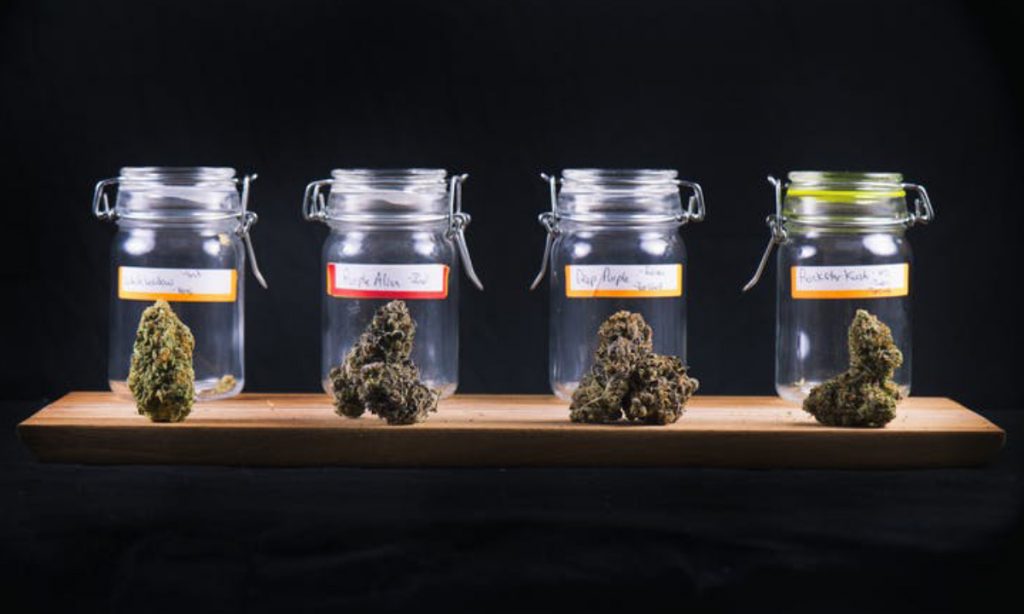
Assorted cannabis bud strains.
Roxana Gonzalez/Shutterstock.com

“Abstain from cannabis for two days. On day three, consume one milligram of THC and one milligram of CBD, preferably in a tincture or oil where they can be measured precisely,” he said. “Before consuming, ask yourself three questions, and answer on a scale of one to 10: How easy is it to breathe, how comfortable and calm does your body feel and how easy is it for you to smile authentically, to feel content and grateful?”

RELATED: Sorry, But Science Doesn’t Favor Microdosing Psychedelics

Feel nothing? Increase your dose by one milligram, the doctor says.

“You repeat this process over the next few days, increasing the dose by small increments,” he explained. “When you reach a point where you feel a difference after consuming, you’ve found your minimal effective dose.”

No matter how high of a tolerance a person has, the doctor says 48 hours of abstinence is all that is needed to hit the rest button.

Although microdosing may go against the grain of the old time stoner philosophy, medical experts say that finding the “minimum effective dose” is the key when treating a patient with any medication. After all, it is not advised to take other medications at intoxicating levels, so why should marijuana be treated any differently?

Don't Miss Your Weekly Dose of The Fresh Toast.

Stay informed with exclusive news briefs delivered directly to your inbox every Friday.

We respect your privacy. Unsubscribe anytime.