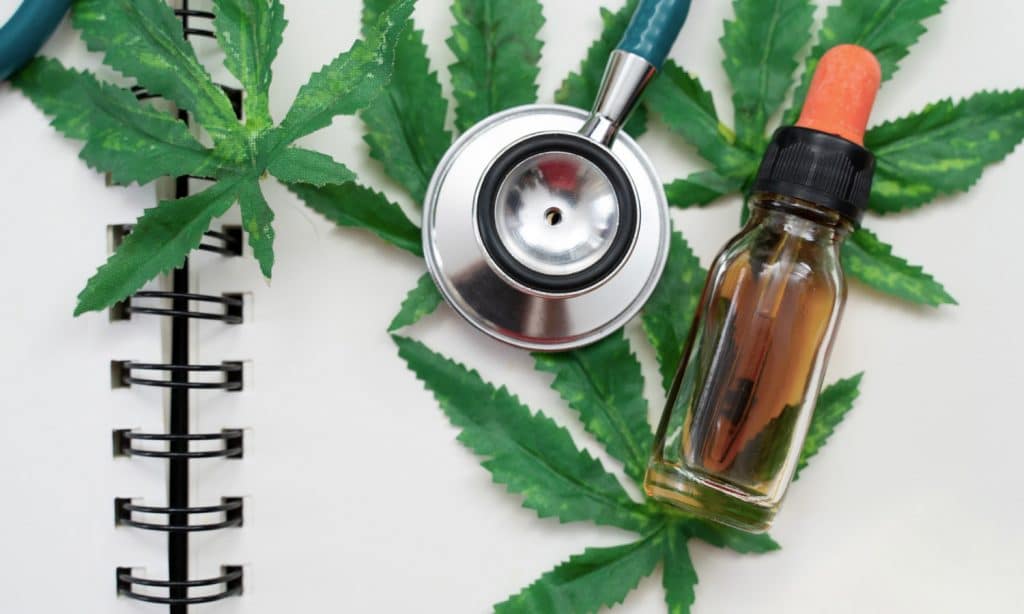
The CBD industry is stuck in the California Department of Public Health’s unnecessary, self-created limbo.
It’s been a while since we’ve discussed the status of hemp-derived cannabidiol (CBD) in the Golden State, and unfortunately, it may be a while before we have finality on its legal status. The bulk of the issues that the state faces today go back more than two years and amazingly, still have not been solved.
Problems began in July 2018, when the California Department of Public Health’s Food and Drug Branch (CDPH) published FAQ document that takes the position that CBD is unlawful in California (you can read my take on the FAQ here). Ever since the FAQ was published, there have been sporadic enforcement efforts across the state and a general stunting of a potentially massive market for CBD products. It did not have to be this way and efforts were undertaken to legislate away CDPH’s authority to effectively ban the industry.
In 2019, I must have written a dozen posts on the failed Assembly Bill 228, a law that would have regulated CBD in many consumer products in California. AB-228 made it almost to the finish line but, in the face of intense opposition, failed late in 2019.
In early 2020, Assemblymember Cecilia Aguiar-Curry, the same Assemblymember who introduced AB-228, introduced AB-2827. As it was introduced, AB-2827 was a bare-bones bill that was likely intended to be substantially supplemented and eventually create a pathway for regulated CBD products. However, shortly after the bill was introduced, COVID-19 emerged and the bill has basically been sitting there unattended for months.
Photo by Julian Howard via Unsplash
In May 2020, the Hemp Industry Daily reported that Aguiar-Curry would be reviving the bill in August 2020, prior to the close of 2020’s legislative session. It’s now August and while Aguiar-Curry has come out vocally in support of CBD legislation (see here, for example), the state has yet to move forward with actual legislation.
2020’s legislative session will not last much longer and if the legislature does not take the matter up in short order, it may be another six months until the state sees movement on CBD. To some extent, COVID-19 is to blame for the delays, but the state has had two years to address CBD and has not been able to yet. In fact, it seems as if California may even get lapped by the famously slow FDA at this point.
We here at the Canna Law Blog are hopeful that the state will change course and get things back on track for the many, many CBD businesses and entrepreneurs across the Golden State and beyond, that want to be compliant and offer quality CBD products. Until then, the industry’s stuck in CDPH’s unnecessary, self-created limbo. Stay tuned to the Canna Law Blog for more updates on California’s CBD industry.
Griffen Thorne is an attorney at Harris Bricken. This article originally appeared on Canna Law Blog and has been reposted with permission.
For those struggling with chronic pain, medical cannabis is often touted as a safer alternative to prescription pain medications. Here are 5 ways marijuana can help ease the suffering.
Pain management is the most common reason doctor’s are prescribing medical marijuana. Treating chronic pain can be complicated and for some, marijuana provides an effective alternative that comes with lower risks than more conventional treatment methods.
If you are part of the 20% of Americans facing chronic pain and you haven’t yet turned to marijuana as an option, here’s what you need to know about the way medical marijuana can help you deal with pain.
Addressing Neuropathy
Neuropathy is damage to the nerves and it is commonly associated with diabetes. It can also result from a traumatic injury or repetitive use that damages a nerve over time. Typically, neuropathy is treated with pain relievers, including over-the-counter options and opioids.
In 2017, a research study published in the Journal of Pain Research established an association between vaporized cannabis and reduced neuropathic pain. Additionally, researchers were able to observe and record changed in pain relief based on the dosage of cannabis used.
In 2010, Future Medicinal Chemistry published a research review examining the existing evidence of how cannabis can work as an anti-inflammatory drug. According to this research, marijuana interacts with the endocannabinoid system and creates an anti-inflammatory response in the body.
Using medical marijuana is a new option for a hard to treat condition. In 2016, the journal Pharmacotherapy published research on the use of medical marijuana by patients with chronic migraines. The study found that marijuana has the potential to be used preventatively, reducing the frequency of migraines, and as a quick treatment of migraine pain.
Photo by Raj Eiamworakul via Unsplash
Joint Pain Relief
For individuals with arthritis, joint pain can cause daily suffering that greatly reduces their quality of life. Many individuals are advised to manage pain with lifestyle changes like exercise and weight loss. While these methods are certainly effective, they take time.
Cannabis has been found to be a promising method of immediate relief from joint pain. Marijuana can give individuals the relief they need to feel empowered to pursue lifestyle changes that will improve the symptoms of their condition for the long term.
Reduced Addiction Risk
One of the common problems with treating chronic pain is the tendency to develop tolerance to narcotics. A tolerance can require changing dosages or medications to achieve the desired results. In many cases, regular opioid use for pain relief can result in dependence or addiction.
Promising research is emerging that points out the potential of using marijuana to help treat opioid addiction. Not only is the use of marijuana for pain relief able to prevent individuals from taking an opioid pain reliever in the first place, but it may also be used to lower the risk of relapse in individuals being treated for an opioid use disorder.
Coronavirus testing has increased recently. Still, there’s a lot of misinformation that continues to be spread. Here are 5 of the most popular coronavirus testing myths.
Coronavirus testing has had many ups and downs throughout the year. Now that some months have passed and testing has somehow normalized, people who have been infected with COVD-19 — or are curious if they’re asymptomatic — have been going to testing sites to get results.
Still, there’s a lot of myths that surround testing, but some are more harmful and pervasive than others. Here are 5 of the most common ones:
Negative test results are forever
A lot of people think that since they got a negative result from their coronavirus test it means that they’re somehow clean of the virus, which is crazy. COVID-19 tests provide a picture of everything up until the moment of your test. You could still contract the virus as soon as you leave the testing site.
There are different kinds of coronavirus tests, with the most accurate one being the PCR test, which is used to detect the virus’s genetic material and can take up to a few weeks to get results due to the backlog. There’s also the antigen test, which detects specific proteins on the surface of the virus. The latter is more affordable and faster, but there’s a 30% chance of false negatives.
You can get tested any time after exposure
This one is kind of complicated to explain, but because the virus takes some days to develop within your system, it’s possible for you to get a test soon after exposure and get a negative result, all the while developing the disease a couple of days later. “The incubation period of the virus is anywhere from four to 14 days, and most of the people have been developing symptoms around five to six days into the infection,” explains Dr. Sunitha D. Posina in an interview with Bustle. This is why health officials ask that you quarantine yourself for 14 days after getting a negative result if you’re planning to visit relatives or spend time with friends.
For an accurate reading, it’s best to wait until you have symptoms and then get the test.
While it’s understandable to avoid a test if you don’t need to, it’s important for people who think that they’ve been exposed to the virus to get tested. These tests help the state get an accurate picture of the pandemic and will also decrease the risk of you exposing others, since you may be asymptomatic.
Kids don’t need to get tested
Even if kids are less susceptible to COVID-19, they can still spread the virus. While they are less likely to spread the virus in the same way as an adult does, kids are also more lax about sanitary precautions, washing their hands and wearing masks less often. Consult with your doctor and discuss the best way forward according to your child’s case.
Any situation where a child ingests even the smallest amount of THC is just not good. Here’s how to keep them safe.
Parents have been getting high since the dawn of time. It used to be one of those situations where old mom and dad might buy a dime bag to have on the weekends after the kids went to bed. Until then, they might stash it in their underwear drawer alongside a small collection of sex toys and dirty magazines, or they might even hide it in the refrigerator inside a can of Folgers coffee.
There’s no way the kids would ever look in any of those places and discover that their parents were going against the wishes of Nancy Reagan by Just Saying YES to drugs. But times have changed since then.
Now, marijuana is legal for medicinal and recreational use in more than half the nation, and the kids, well, they apparently know no boundaries when it comes to sniffing out the parental stash. That’s right, mom and dad, not even the tried and true underwear drawer is safe anymore.
It seems that every time we turn around a new report has emerged, showing that more children are being admitted to hospital emergency rooms all across the country to be treated for marijuana-related poisonings. Most of these cases are the result of little Jimmy getting into his mom’s THC-infused candies and biting off way more than his small body and mind can handle.
But just how much is that?
Well, we’ve watched full-grown men reduced to a puddle of tears and snot after consuming modest doses of cannabis edibles. They might curl up in the fetal position and pray for dear life, or just flip out completely and beg others in the room to call 911. So any situation where a kid (toddler to teen) ingests even the smallest amount of THC, well, we’re not going to lie, it’s just not good.
Photo by NordWood Themes via Unsplash
So it stands to reason that parents need to be more diligent when it comes to hiding their cannabis products from their kids. Sure, some of those sold in legal states come with child-proof packaging, but that just isn’t good enough. Curious kids are smarter than we give them credit for. They have a tendency to turn into little MacGyver’s once something has piqued their interest, especially if they think that their efforts, no matter how laborious they may be, might score them a treat. This means the parent that keeps weed edibles in the house must be extra careful.
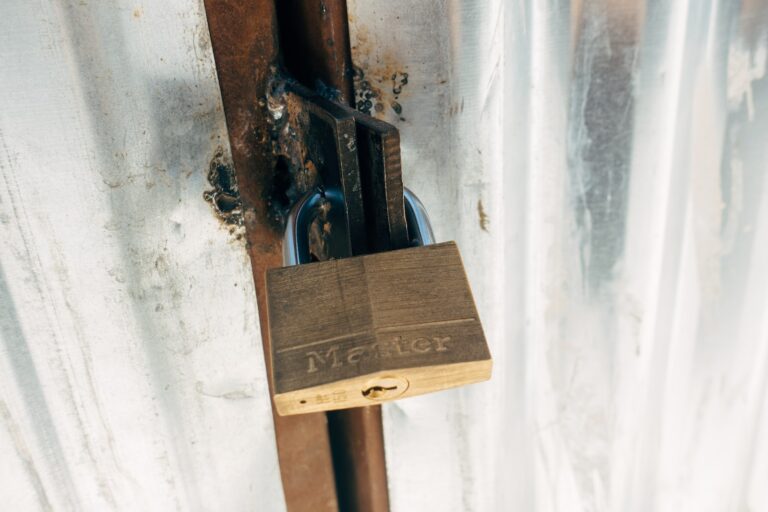
The only real solution in preventing children of any age from getting into a grown-up’s weed surplus is to put it under lock and key. This is true in any case, perhaps double for those parents who have small, inquisitive children at home that are wise beyond their years. You know the ones: Three going on thirty. Therefore, buying a safe or a lockbox is one of the best investments a weed-friendly household can make.
Fortunately, there are several relatively inexpensive brands on the market (under $100) that will ensure that not even the most conniving child on the planet can crack them. The only downside is you can never lose the key. This might seem like an easy task, but anyone who knows stoners (and we like to think that we do) can tell you that sometimes keys just have a way of disappearing.
Still, an inaccessible weed stash is far better than having to explain to emergency room staff that the reason your kid is acting like something straight out of the Exorcist is that he or she got into your marijuana edibles. You can forget about winning the parent of the year award, we assure you. In some cases, an unsavory situation like this one can lead to an uncomfortable conversation with police and probably even one with Child Protective Services. From there, you can expect random pop-in visits and, depending on the severity of the situation, little Jimmy might also head to foster care.
As research continues on the benefits of CBD oil, more people are starting to realize there’s more good than bad in it. Here’s how the benefits and drawbacks shake out.
There’s always something to worry about, like bills, food, and your health. Whatever the case, anxiety is common, and so is depression. Fortunately, there are a lot of solutions for both.
Some people rely on medications and therapy to overcome anxiety and depression. Others turn to coping mechanisms like yoga and meditation.
Lately, the search for anxiety and depression treatment has been shifting towards more natural medications. In particular, CBD oil.
CBD, or cannabidiol in full, is one type of cannabinoid found in the cannabis plant. The oil is a result of the extraction of CBD from the plant, followed by refinement processes. You can get the oil in liquid form, or buy gummies with CBD discounted at the Relaxation Company and make your journey to wellness fun and flavor-filled.
The exact science behind the treatment of anxiety and depression with CBD oil isn’t known yet. Some researchers do believe it works with a receptor in the brain, altering serotonin signals. The serotonin levels are responsible for your mood and well being, and CBD oil blocks the brain from absorbing it, so you get more of it, which improves your mood.
Like any other treatment, the oil has its benefits and disadvantages. Make sure to read more on to find out more pros and cons of CBD oil for anxiety and depression, especially if you are planning on using CBD while traveling!
Pros
Easy to Use
The methods of administration of CBD oil are simple. You can take it by putting a few drops under your tongue using a dropper, or mixing it in your food. Some companies also supply CBD gummies in a variety of milligram strengths and flavors.
Non-psychoactive
Unlike tetrahydrocannabinol (THC), another type of cannabinoid, CBD oil is non-psychoactive, so you don’t get high from taking it.
It’s Healthy
Cannabidiol occurs naturally in plants from where it’s extracted and made into an oil. Since it’s a natural treatment, it’s much healthier than traditional medication and better for your body.
Fewer Side Effects
In addition to being healthier than traditional medicine, CBD also has fewer side effects. As long as the effects experienced are mild, it’s a good option for anyone who can’t tolerate the stronger side effects caused by other anxiety medications. It’s also not addictive, which is a common occurrence with traditional alternatives.
Relieves Pain
Cluster headaches and migraines are common in people suffering from depression and anxiety. CBD oil reduces such pains while also treating the underlying causes, so it cures both symptoms and the disease. The oil achieves all this without inducing a psychoactive response, tolerance, or addiction.
Photo by seksan Mongkhonkhamsao/Getty Images
Cons
Limited Availability
Since the use of CBD Oil for anxiety, depression, and other medical conditions is still relatively new, the oil isn’t widely available. Federal and state laws in some areas restrict the use of CBD, so you can only buy it in places where medical marijuana is legal.
Unfortunately, that’s not a lot of places. Some suppliers take advantage of this limited supply and put a hefty price tag on the oil, making it even more inaccessible.
Not FDA-Approved
CBD oil is not FDA-Approved for the treatment of anxiety and depression. Since it’s unregulated, that means there’s no set standard of quality that the oil must adhere to, to qualify as a treatment.
As a result, you might come across products with lower or higher quantities of CBD than necessary. Some mislabeled products even have significant amounts of THC, which can aggravate anxiety instead, defeating the purpose of the treatment.
Doesn’t Have Fixed Results
CBD oil is still in the early stages of discovery, so there’s a lot that remains unknown about it. It doesn’t produce the same results in everyone, hence the difficulty in regulating its use or setting a fixed dosage.
Side Effects
Some research into the use of CBD oil indicates that users may experience a few side effects. In some cases, those side effects include anxiety, which makes the oil questionable as a treatment for the mental condition. Other side effects associated with the oil include dizziness, drowsiness, nausea, loss of appetite, mood swings, and low blood pressure.
Conclusion
The effectiveness of CBD oil as a remedy for anxiety and depression remains, unfortunately, overshadowed by the stigma against cannabis. Still, as research continues on the benefits of the compound, more people are starting to realize there’s more good than bad in it.
Pre-rolls are convenient, eliminating the hassle of rolling your own joint. But are they safe to consume during the COVID-19 pandemic?
The pandemic has made us question myriad things, including the ways in which we consume marijuana. While a lot of people initially jumped aboard the edibles and topicals train, now that things have settled, cannabis consumers who prefer flower are likely still smoking what they used to smoke. Hopefully, they’re not passing joints.
Recently, Michigan’s Marijuana Regulatory Agency announced that they’d be recalling over 3,000 pre-rolled joints that were made in Bay City, MI, and distributed to different dispensaries across the state. The agency recalled the produce after an incident involving an employee who licked a pre-rolled marijuana product.
Is this a rookie mistake or is this actually how pre-rolls are made in this day and age?
According to experts and people who have worked in the industry, pre-rolls are normally made through the use of machines that pack and roll the joints quickly and efficiently. When workers interact with them, they usually wear gloves, especially during the coronavirus pandemic, when workers are well aware of the health hazards and the necessary sanitary precautions that must be taken in order to keep everyone safe.
Photo by Tunatura/Getty Images
The risk of coronavirus transmission through saliva is large and one of the main reasons why passing joints and not wearing masks has been discouraged since March. Renowned cannabis companies and makers of pre-rolls should be well aware of these risks and take the necessary precautions, such as having their employees wear gloves and masks and use sterilized tools whenever they interact with products. Ground cannabis should be then placed in pre-glued and pre-rolled joints, eliminating the risk of spread.
While it never hurts to do some extra research when purchasing cannabis, your pre-rolls should be safe, even in times of coronavirus. If you’re purchasing your products from a dispensary, this business is supervised by the state and probably contains products that have to go through testing and that are safe and put together by professionals. There’s always human error to account for, but the odds are small.
2020 has been one huge stressor after another. Here’s how a little marijuana can help.
Stress comes in all forms. Whether you’re stressed about an upcoming work presentation, family matters, life’s twists and turns, or the rapid approach of fall, when stress strikes it strikes hard.
While there are tried and true tested remedies for dealing with stress, such as working out, sleeping it off, or even disconnecting from social media, not every method is for everybody.
Know that there are multiple ways to consume marijuana; you can eat or drink it, rub it into your skin, vape, smoke and much more. When it comes to combatting stress, here are 10 strains that can take the edge off. (Ask the budtenders at your local dispensary which products have the strains listed and then pick how you want to put it into your body.)
Kryptonite
Photo courtesy of Cannaclusive/Flickr
Cue 3 Doors Down’s 2000 hit (yes, we are that old). Not only will this dank sativa relax you, it’s sweet aroma might make you forget what had you so worked up to begin with.
Pure Power Plant
Pure Power Plant is a powerful plant. The sativa strain is a little bit of citrus and a little bit of floral. There are some earthy notes lingering in there too and it’s the perfect combination of flavors to relieve stress.
$100 OG is one hundred percent awesome. This 50/50 hybrid strain is the lovechild of citrus and diesel flairs that’ll have you happy as a damn clam. Oh, yeah and feeling stress-free, too!
Dr. Who
Get familiar with this hybrid strain because its sweet and citrus flavors will ease your senses so hard. Work have you stressed? No problem – this bad boy will relax you without a serious body high.
Ak-47
Watching for the sweet, relaxing brain tingles. | Photo by skyNext/Shutterstock.com
Happy. Relaxed. Uplifted. AK-47 is the reassurance you need when things seem to be spiraling out of control. The hybrid strain is as powerful as the name suggests so enjoy the citrus aroma, with caution.
Strawberry Cough
It’s obvious what strawberry cough tastes like, but never mind the sweet berries, this sativa strain will induce a cough that even the most pro consumers can’t bypass. If you can handle that, then this is perfect for wiping away life’s distractions.
Gorilla Glue #4
Photo by Kinga Cichewicz via Unsplash
I don’t know about Gorilla Glue 1, 2 or 3, but this one is definitely a winner when it comes to relieving stress. The hybrid strain is reminiscent of some Colorado woods, but beware the Glue in the name comes from the strain’s ability to have you stuck on the couch.
G-13
G-13 is the stress reliever you never knew existed. You’ll thank me later though. Scents of pine and full buds make this indica strain a go-to for days where you’re ready to pull your hair out.
Durban Poison
Photo by Hưng Nguyễn via Unsplash
This is a good kind of poison. This powerful sativa will uplift you and make you super happy — a perfect combination to combat stress. Plus, the sweet and earth-like aromas are pleasant on the sense.
Alaskan Thunder F**k
The name alone should have you feeling less stressed out, right? Another sativa strain, ATF is an uplifting compadre you need by your side when you’re feeling all worked up. The pungent yet sweet will energize you so this may not be the best bedtime buddy.
This year’s flu season has the added stress of the COVID-19 pandemic. Here’s how you can take better care of yourself.
The coronavirus has been around for most of the year. Now that fall is coming and the temperature is dropping, people will have the added stress of colds and the seasonal flu. While the diseases are vastly different, COVID-19, the seasonal flu, and a good old fashioned cold share some common threads.
While the flu feels more severe than a cold, both ailments can be confused with coronavirus, at least at first. These conditions can quickly cause fevers, coughing and sniffling. While the coronavirus still remains mysterious, the conversation around the virus has progressed enough that most people know of its symptoms and how to differentiate it from other viruses. Still, it’s important to stay vigilant and take better care of our health during this time of the year.
Here are some tips that can help you prepare for this coming winter:
The good thing about the pandemic is that we’re all being a little more careful with our health and sanitary practices. Masks and face coverings not only help prevent the spread of the coronavirus, they also prevent the spread of seasonal flus and colds by managing respiratory droplets. Keep up with social distancing and sanitary measures; we know they work.
Get a flu shot
Photo by WerbeFabrik via Pixabay
If there’s one year where everyone should get the flu shot, it’s this one. While getting the flu shot won’t completely eliminate the risk of getting the flu, it does help reduce your odds of contracting and spreading it. Once you get your flu shot, you’ll get peace of mind while also avoiding an unnecessary trip to the doctor during a time when they’re overworked.
While you don’t have to go overboard and start taking Vitamin C supplements, you should pay special attention to the basics of keeping your body healthy, which rely on good eating and decent sleeping habits. Go to bed early if you can, and make sure to eat plenty of plant-based foods through the week. Also, avoid extra stress if possible, even if it’s a tall order during the pandemic; delegate tasks at work, ask for help when you need it, and be extra communicative with the people in your support group.
Earl Blumenauer cautioned Biden from following too closely in Hillary Clinton’s footsteps, as he believes she would be President if she had supported cannabis legalization.
When presidential candidate Joe Biden announced his criminal justice reform plan, it included cannabis policies that appeared to be lacking compared to those proposed by other prominent Democratic party members. Almost none, however, have criticized Biden’s cannabis agenda until this week when one Democratic congressman described it as “essentially meaningless.”
The comment came from Oregon Rep. Earl Blumenauer, a co-chair of the Congressional Cannabis Caucus. The congressman appeared in a video interview with Canopy Growth executive David Culver, who asked Blumenauer about Biden’s marijuana platform.
“[Legalization] is demanded by the American public. It’s no longer controversial,” Blumenauer said. “For the campaign to talk about decriminalization is essentially meaningless. Your grandmother is for decriminalization.
“Over two-thirds of the American public supports full legalization. A majority of Republicans support full legalization and an overwhelming majority of young people,” he continued. “So I think that’s where we’re going. I’m optimistic that before the election we’ll get a better statement. But ultimately, what’s going to matter is what we do in Congress and we are poised, maybe even this Congress, to fully legalize, but certainly in the next Congress.”
When he stated that over two-thirds of Americans support legalization, Blumenauer was referencing a 2019 Gallup poll that found 66% of people favor legalizing marijuana use. In addition, 51% of Republicans supported legalizing while 47% opposed such action. Among millennials, 80% wanted legal cannabis.
Cannabis advocates hoped a unity task force led by Biden and Sen. Bernie Sanders would push the Vice President on marijuana reform, but the group’s recommendations ultimately reiterated Biden’s decriminalization stance.
Financial analysts still believe 2021 will be the year for cannabis legalization in the United States. Polls indicate the Democrats should take control of the Senate in the upcoming Election, which will make passing cannabis legislation easier than it is now. Current Senate Majority Leader Mitch McConnell refuses to let any marijuana-related legislation hit the floor throughout his tenure, but that would change under Democratic leadership. Should Congress pass substantial cannabis reform, Joe Biden is not expected to veto any such bills.
Blumenauer still cautioned Biden from following too closely in Hillary Clinton’s footsteps. Supporting marijuana legalization “should’ve been a no-brainer for Hillary Clinton,” he said.
“But she never really fully embraced it,” he added. “I will go to my grave convinced that if she could have put together a coherent, rational position on legalization of cannabis, she would’ve been President.”
Finally, the feds are looking more seriously into product safety and quality for cannabis and CBD products, but it’s not the FTC taking the reins.
Over the years, we’ve pointed out when federal agencies opt to ignore the federal illegality of cannabis. It happens more often than you might think depending on the topic (see, for example, the NLRB). One agency, however, that has surprisingly never lifted a finger against state-legal cannabis – though it is taking a closer look at CBD – is the Federal Trade Commission (FTC).
It is bad public policy when no federal watchdog is looking out for cannabis consumers (many millions of people) or scrutinizing the quality of cannabis products overall, and/or going after bad actors to deter bad behavior. To date, it’s truly been “buyer beware” outside of states putting together their own protocols on things like recalls, packaging and labeling safety standards, quality assurance reviews, and testing. None of this is approved or sanctioned by the feds, like it oftentimes is for other industries. As such, the states are literally making up cannabis consumer safety as they go along; and products liability suits (and at least one wrongful death suit) have manifested over the years. See here for our various posts on these topics.
Cannabis testing, itself, has also been problematic in a variety of states where no gold standard exists for testing. It’s entirely up to state agencies regarding what, exactly, should be tested and in what amounts, in order to be considered a “passing” product. For example, if you remember, vitamin E acetate was one of the presumable culprits when consumers were experiencing significant health issues from ingesting illegal market cannabis oils through vapes.
At the same time, California’s cannabis regulators didn’t mandate testing for additives/thickeners (like vitamin E acetate) for products manufactured and sold by state-licensed businesses. In addition, there have always been issues with certain standards of lab integrity/general competence: one lab will issue a passing result for a batch of cannabis while a second lab issues a failing result — both using the same testing methods under state laws and regulations.
CBD testing, packaging, and labeling is no consumer safety picnic either. It’s no secret that the Food and Drug Administration (FDA) doesn’t sanction the consumption of CBD for humans and pets in food and beverages, and it continues to pursue the shutdown of CBD companies that make unsubstantiated medical claims about their CBD products in violation of the Food, Drug & Cosmetic Act. So, the FDA has been zero help regarding consumer safety around CBD (though they know that hundreds of thousands of consumers are using CBD on a routine basis in the U.S.). And if states opt to regulate CBD, they’re no shining model either on packaging, labeling, and safety content either (pretty similar to cannabis at large). Like cannabis, CBD is also a “buyer beware” situation.
Photo by Cavan Images/Getty Images
All of that said, there may be some light at the end of the quality assurance tunnel. Finally, the feds are looking more seriously into product safety and quality for cannabis and CBD products, but it’s not the FTC taking the reins.
Back in July, the National Institute of Standards and Technology (NIST) launched the Cannabis Quality Assurance Program (CannaQAP). The title of the program is a little misleading right now: NIST isn’t really helping state-licensed cannabis labs test cannabis products (see more on that here). Instead, the program is dedicated to assisting labs testing hemp products (mainly hemp oils, for now) to ensure that the THC concentration doesn’t exceed .3% THC in line with the 2018 Farm Bill. NIST states that it is:
planning to conduct future exercises with ground hemp and possibly marijuana. Those exercises will involve measuring a larger number of compounds, including terpenes — the chemicals that give different strains of marijuana their distinct aromas — and compounds that people don’t want in their cannabis such as fungal toxins, pesticides and heavy metals. Future exercises may also include extracts, concentrates, distillates and edibles.
Chances are probably good that NIST will eventually help out state-licensed cannabis labs with their quality assurance testing protocol and measurements.
More recently, as initially reported by Marijuana Moment, the FDA is issuing an Request for Quote (RFQ) for a contractor to assess a multitude of CBD products for safety and quality over a year’s time, which will hopefully lead to some clarity and uniformity around future federal regulation of CBD. The reason for this move is that the FDA already sent a report to Congress last month (at its request per federal legislation) detailing the adulteration and mislabeling of CBD products that exist in the marketplace today for humans and pets (e.g. oils, tinctures, capsules, tablets, gummies, vape liquids, conventional foods, topicals, and pet treats and capsules).
One of the main problems found by FDA is that the claimed labeling content (for instance, regarding CBD versus THC ratios and other heavy metals and toxins) is consistently inaccurate when compared to test results. This obviously poses major problems for consumers. There are also issues where certain CBD products contain little or no labeling at all, which further leaves consumers in the dark.
Photo by seksan Mongkhonkhamsao/Getty Images
The FDA report also detailed how the agency would eventually engage in more serious CBD product sample testing in two phases (near-term and long-term sampling). Hence, the current search for the contractor, which is the long-term sampling portion of this plan.
Specifically, the FDA stated in its report that the long-term sampling plan would entail:
[All CBD products being] analyzed for 11 cannabinoids, including a quantitative determination of total CBD, total THC, and the elements As, Cd, Hg, and Pb. The testing methods will be equivalent to those used in the near-term study. Additional analyses, including pesticides, residual solvents, and microbial testing will be performed on a
subset of products. The specific number and type of testing will be determined based on product type and the results from the near-term study. Product sampling and testing will be conducted by a third party and FDA expects this long-term study to be initiated in 2020.
It’s anyone’s guess at this point regarding who will win the RFQ with the FDA.
The NIST and the FDA may not be the heroes we wanted on the beginnings of meaningful federal participation around cannabis/hemp consumer safety, but they’re the heroes consumers may need in order to stay safe and informed (and to help states better refine their testing and packaging and labeling standards).
The data yielded by these two agencies over their studies and analyses will hopefully better guide states in this very sensitive area while the FTC remains on ice for consumer safety enforcement. So, stay tuned.