Friday, July 17, 2026
Home Blog Page 484

Trump Fears States Legalizing Marijuana Could Cost Him Election

The president now asks his campaign for updates about marijuana measures and whether they’ll qualify for the ballot.

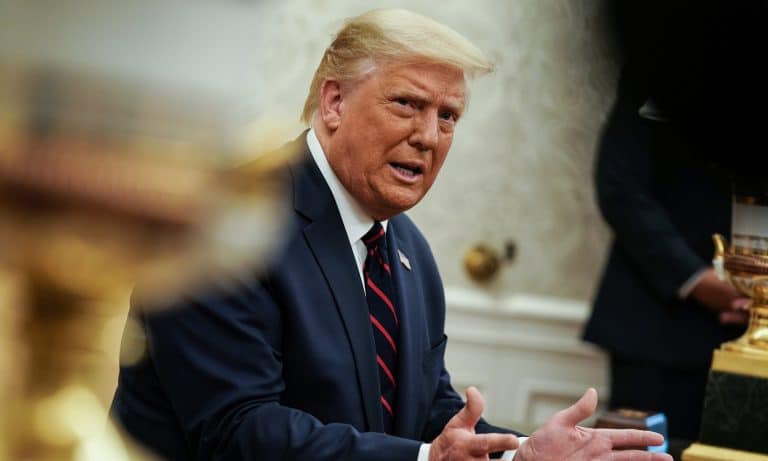
Last week President Donald Trump advised the Republican party not to allow cannabis legalization in the upcoming election if they want to win. Though the Trump administration has been linked to anti-marijuana sentiments, the message represented the first negative public statement Trump has made regarding cannabis.

A new report from The Daily Beast may indicate what emboldened the president to make such comments, despite promises during his 2016 campaign that he would allow states to set their own cannabis laws. According to the publication, Trump fears including marijuana reform measures in key swing states could drive voter turnout that boosts Democratic candidates.

That includes his opponent and Democratic presidential candidate Joe Biden. The president now asks his campaign for updates about marijuana measures and whether they’ll qualify for the ballot.

RELATED: Arizona Emerges As Fierce Battleground For Marijuana Legalization

“The president is keenly aware of how presidential elections [nowadays]… can be won at the margins,” one Republican strategist who discussed the issue with Trump told The Daily Beast. “The pot issue is one of many that he thinks could be a danger… He once told me it would be very ‘smart’ for the Democrat[ic] Party to get as many of these on the ballot as they could.”

About 18 states were expected to change their marijuana laws at the beginning of this year, but the coronavirus pandemic halted those plans. In most states, cannabis advocates must collect enough valid signatures from voters to qualify cannabis legalization on the ballot. But the dangers of COVID-19 inhibited campaigns from meeting signature requirements as officials don’t recognize digital signatures in multiple states.

Still, it appears voters in key battleground states will have the chance to approve or deny cannabis reform this November. New Jersey, Arizona, Montana, and South Dakota will vote on recreational marijuana legalization. Measures that would legalize medical marijuana could also appear on ballots in Idaho, Mississippi, Nebraska, and South Dakota.
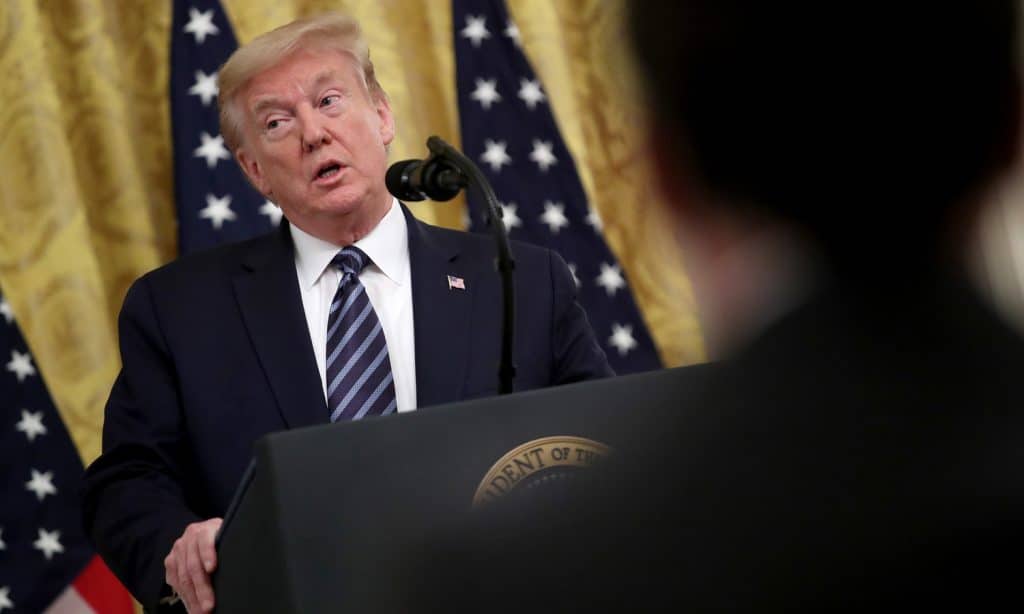
Secret Memo Shows Trump Administration Blocked Marijuana Research For Years
Photo by Win McNamee/Staff/Getty Images

“The next time you run please don’t put marijuana on the ballot at the same time you’re running,” Trump told former Wisconsin Gov. Scott Walker at last week’s campaign rally. “You brought out like a million people that nobody ever knew were coming out.”

Trump may be right. Data analysis of the 2018 Wisconsin gubernatorial race indicates cannabis-related questions in some districts tilted the election in the favor of Democratic challenger and current Gov. Tony Ever.

RELATED: Trump To Republicans: Keep Marijuana Legalization Off The Ballot If You Want To Win

“Both parties use ballot initiatives to gin up their turnout. George Bush did it with [gay marriage] in 2004… and we did it with flag-burning amendments over the years,” Trump surrogate and former Rep. Jack Kingston told the The Daily Beast. “These kinds of measures can get hundreds [of voters] there, and that can sometimes be the difference in these races… If I was on a statewide ballot, I would probably not want a marijuana initiative on there. I suspect it brings out more Democrats than Republicans.”

A 2019 Gallup poll found two-thirds of Americans favor legalizing cannabis for recreational use. A majority of self-identified Republicans also voiced support for adult-use marijuana in the poll.
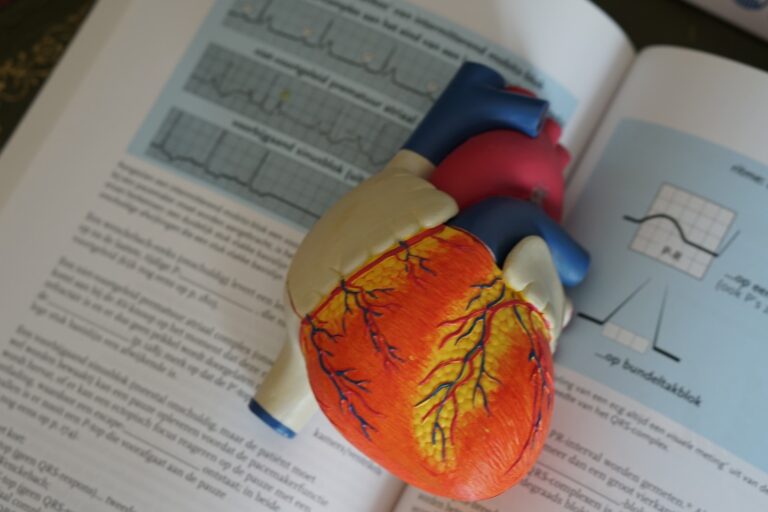
Heart Failure And Cannabis, The Silver Lining

New research suggests marijuana is not as detrimental to heart failure as originally thought when ingested or smoked.

As cannabis continues to become legal all over the United States, more and more research is coming to light about its effect on the human body. Known to raise blood pressure, while creating a mellow “high” that can relieve some forms of anxiety, cannabis has been wildly discussed because of how it affects the heart. 

new study, featured in the Journal of the American College of Cardiology, shared over 2 million individuals with a heart condition used cannabis in the past year. Since its Schedule 1 classification, marijuana studies have been hindered by a lack of knowledge and support, but new information appears to contradict earlier findings that marijuana and CBD are to be avoided for certain people with heart conditions.

RELATED: Smoking Marijuana Is Not Good For Your Heart, Says American Heart Association

For those living with A-Fib, or atrial fibrillation, a heart disorder associated with an irregular heartbeat, decreasing chances of heart failure is a must. New research is suggesting marijuana is not as detrimental as originally thought when ingested or smoked. In a 2017 study, researchers analyzed data for heart failure between 2007 and 2014 from 24,000 individuals who were active users of marijuana. 

Getting Medical Marijuana Can Sometimes Be Tricky — Here's How To Navigate
Photo by Denise Hasse/EyeEm/Getty Images

Their findings turned heads of scientists and heart doctors everywhere. They found that individuals with heart failure who ingested marijuana were less likely to die in the hospital for those that did not partake and that hospital stays were often shorter. Comparing data points such as health, length of stay and mortality from cannabis users to non-users, researchers found that the odds for A-Fib decreased with cannabis users. 

RELATED: Demystifying Marijuana And Heart Health

The Fresh Toast has covered heart health and cannabis before, showcasing an earlier study published in the journal Neuropsychopharmacology that found heavy cannabis users have a lower risk of stroke because of blood and oxygen flow. Interestingly, a new study published in the Journal of Psychopharmacology also found that CBD influenced a better blood flow in the brain, helping to elevate health. 

How To Prevent And Treat Sore Muscles After Working Out

0

Sore muscles are usually impossible to avoid, especially after a vigorous workout. Here are some tips that can help you mitigate the pain.

There’s always some muscle soreness to contend with, even if you’re used to working out regularly. While it’s nothing to worry about, muscle soreness can be particularly painful depending on the person, especially after vigorous workouts.

Medically known as delayed onset muscle soreness (DOMS), the pain you experience post workout is mostly due to the tears that appear on your muscle fibers after they’re strained. This causes pain and inflammation, which is why your arms and legs might feel heavier or harder to move after a tough workout session. This process is how muscle is built and how people gain strength. It’s a normal part of the process until your body hurts too much and it gets in the way.

Here are some tips that can help you prevent and treat muscle soreness:

Drink a lot of water

Photo by qimono via Pixabay

RELATED: Does Soaking In CBD Help Sore Muscles?

When we workout, we lose lots of water which increases muscle soreness. When you ingest water, you’re helping your body flush out waste and toxins, contributing to less pain during the following days after a vigorous workout.

Foam roll after a workout

Photo by Andrew “Donovan” Valdivia on Unsplash

While it’s tough to completely avoid some muscle soreness after a vigorous or new kind of workout, using the foam roll afterwards will save you some pain. Roller massagers improve blood flow and oxygenate the sore muscles, which makes it less likely for your muscle soreness to be that impairing.

Move if you’re in pain 

Can You Use Cannabis For Your Workout Recovery?
Photo by Jonathan Borba via Pexels

RELATED: 5 Tips To Help You Start And Stick To A Workout Routine

Even though you’ll most likely feel like sleeping and laying on the couch, light stretching and easy movement can provide tons of pain relief for your tight and inflamed muscles. Movement increases circulation, speeding up the repair process and warming up the muscles. Still, it’s important to remember that you don’t want to overdo it and cause more harm and tears to your muscle fibers.

Consume enough calories

Instagramable
Photo by Mariya Stohnut

Make sure to eat enough whole foods after you work out, and don’t skimp on the protein, which is a necessary component for building muscle. If you’re curious how many calories and nutrients you consume on a daily basis, you can log your food intake in apps like Cronometer, which makes it easy to fulfill your calorie requirements based on your daily calorie expenditure.

Cannabis Education Offerings At America’s Colleges

A degree “definitely gives you more credibility and shows that you have a baseline of cannabis knowledge,” according to a long-time cannabis industry educator and advocate.

By Andrew Ward

Aside from marijuana-specific institutions like Oaksterdam University, there weren’t many cannabis classes being offered in America’s college classrooms.

The tide is beginning to turn as a range of institutions are now embracing marijuana and its career prospects.

What to Expect

Depending on the institution, cannabis may be offered as a major, minor, certificate program or a class.

Minot State University and Northern Michigan University are two schools providing degrees in medicinal plant chemistry. However, most university offerings tend to be minors and classes at this time.

One such school to provide cannabis studies as a minor is Stockton University in Southern New Jersey. The program consists of five courses, which cover various subjects, including law, internship preparation, as well as cannabis research and small business operations.

Rob Mejia, a long-time cannabis industry educator and advocate, will begin his second year as an adjunct professor at Stockton this fall.

RELATED: Millennials Are Beginning Cannabis Careers Through Summer Internships

The adjunct professor noted how the a medical cannabis minor stands out compared to most others at this time.

“Other schools really focus on either a science stream, or they’ll go a cultivation route,” he said.

Mejia said an internship and an optional class allowed students for a truly hands-on cannabis experience as well.

However, not all institutions are hands-on. Digital institutions like Excelsior College in Albany, New York offer a graduate cannabis control certificate.

According to Faculty Program Director Gretchen Schmidt, the program covers regulatory policy, compliance, commerce and risk assessment.

Like other programs, the cannabis certificate program was developed using a team to hone in on the program’s content and design to educate and engage students, Schmidt said.

“Although the format is asynchronous, there are dynamic and engaging discussion forums that allow students to connect with one another, network, peer review, and share their experience and expertise,” Schmidt explained.

surprise kids really want to study marijuana in college
Photo by Ake via rawpixel.com

A Changing Perception

Both Stockton and Excelsior’s programs are rather new entrants to the space. Those that have been around for a few years have likely seen a shift in perception.

Attorney Marc Ross has been teaching a course on marijuana business and law at Hofstra University’s School of Law for six years.

“My goal is to encourage people to think critically about a topic that most have not critically thought about,” he said. “To wit, what is the implication of engaging in a business that is federally illegal yet legal in a majority of states.”

RELATED: Surprise! Kids Really Want To Study Marijuana In College

While it’s popular with students, Ross said the class caused a few concerns about possible job prospects. “Some people were concerned about a marijuana class appearing on their transcript, as it would be a source of concern for a potential employer,” he said.

The school also had its initial concerns, but Ross got some help from another prominent institution.

“The school was reluctant to permit a course like mine to be taught, but it didn’t hurt that Harvard was offering a class discussing the tax implications on a marijuana business,” he explained, citing how many students are now taking cannabis courses to prepare themselves for a career in the industry.

COVID-19’s Impact

Mejia noted that many of Stockton University’s classes, estimated at 60 to 70%, would be taught entirely online.

In-person sessions, like labs, must be reserved ahead of time.

“There will be a lot of safety protocols,” Mejia said of the upcoming semester and possibly beyond.

That said, the prospect of online education isn’t much of a concern for Hofstra’s Ross. He noted that students might lose interest online, but cannabis courses seem to hold their attention.

Crediting the class’ seminar-style, Ross told Benzinga that his class is “focused on discussion and analysis” on cases, articles and policy enactments.

surprise kids really want to study marijuana in college
Photo by rawpixel.com

Is a Degree Necessary?

Not everyone is confident that a degree is mandatory for the maturing cannabis space. Opportunities exist for lower skill level positions, Mejia says, but a degree “definitely gives you more credibility and shows that you have a baseline of cannabis knowledge.”

Excelsior’s Schmidt agreed, highlighting the need for regulatory expertise.

“This industry is newly legal, and the rules around operations are complicated and vary everywhere from the local level to the state and federal level,” he said.

Hoftra’s Ross says the industry will need educated minds to lead the way.

“I have witnessed, and expect to continue to witness, the industry getting much more sophisticated and professional as time goes on,” said Ross.

Related links:

Oaksterdam University: The Cannabis College, Explained

Marijuana In College: Why Universities Are Offering Cannabis-Focused Classes (And Where You Can Find Them)

This article originally appeared on Benzinga and was reposted with permission.

How Do I Stop People From Mooching My Weed

0

Even though weed does kind of grow on trees, it isn’t exactly cheap. So that pothead philanthropy of yours can become somewhat costly.

It’s easy to make friends when you’re the one who always has a little marijuana in their back pocket. Next to a pizza delivery driver, the person holding weed is perhaps the most beloved character at any party. And, if we’re being honest, it can feel pretty good, too — to play high host, to give the gift of getting stoned, when there are so many cannabis connoisseurs out there who might go to bed tonight without a buzz. It’s a damn shame, really.

Considering that recreational marijuana legal in almost half the United States, it is heartbreaking to think about how many people are not getting the high nutrition that they need to get through the day. But lo and behold, there you are, always prepared to share the wealth with those less fortunate in the cannabis department. 

Unfortunately, even though weed does kind of grow on trees, it isn’t exactly cheap to cultivate or buy outright from the neighborhood weed store. So that pothead philanthropy of yours can become somewhat costly, and let’s face it, the IRS isn’t going to accept it as a charity write off. The only thing left to do in this situation is to disconnect from the marijuana mooches and put an end, once and for all, to the free weed. But how does one go about doing this without losing all of their friends? 

RELATED: How To Stop Coughing So Hard From Marijuana Smoke

For starters, if people are only hanging around because they expect you will get them high at some point, well, those people are not your friends. They are just hangers-on, deadbeats and leeches. These are the bottom feeders that use others to get what they want without ever contributing at all to the relationship. So it makes all the sense in the world that removing these soul suckers from your life is not only going to benefit your weed surplus and bank account, it will also open you up to more people who actually like you regardless of how generous you are with a bag of dope. 

Photo by diego_cervo/Getty Images

Getting rid of weed leeches is easy: Just stop breaking out the weed whenever they stop by. Or better yet, beat them to the punch. Tell these people that you are going through some hard times right now — a lost job, child support increase, whatever — and was wondering if they had any weed to spare. Let them know that you have absolutely no money to kick in, but would be eternally grateful if they could provide you with a pro-bono buzz until you get back on your feet. The true mooches will see that you are no longer the almighty honey pot and start showing up less and less.

If you grow your own weed, which is something that people are doing in many of the states that have legalized the leaf, cutting ties with a marijuana mooch could prove challenging. You might feed them a line about falling on hard times, but the sweet smell of buds wafting up from the basement will tell another tale. But it’s like this: Give a man a joint, and you get him high for a day. Teach a man to grow weed, and you get him stoned for a lifetime. So, that’s your out.

RELATED: How To Keep Your Kids From Getting Into Your Marijuana Stash

Let the mooches know that it is super expensive to cultivate cannabis plants at home and that while you do not mind sharing on occasion, you have not made such a substantial investment just to give it all away. But let them know that you are more than happy to show them exactly what they need to start growing weed on their own. Hell, you could even provide them with a starter plant, scribble down some basic instructions on a napkin and wish them luck right out the door. 

Whatever you do, don’t feel bad for cutting off the mooches. It is nice to share our good fortune with the people we like and care about, but most of the time, those people, our true friends, have plenty to offer us in return. Sure, you might have the weed hookup, but they are covering their end by providing food and fellowship. That’s more than fair. Seriously, friendship is a two-way street, and anyone who just shows up all the time and expects a freebie probably doesn’t deserve your generosity.

Does Bella Thorne Smoke Weed

The former Disney actress has rebelled against her wholesome image. Does this include smoking marijuana?

Bella Thorne, the actress known for her Disney roles and her sometimes controversial internet presence, broke headlines this week when she announced that she was joining OnlyFans. The website, which is a kind of soft porn version of Instagram, has unexpectedly taken off thanks to a mix of pandemic-induced horniness, boredom and the perfectly timed release of a Beyonce and Meghan Thee Stallion song.

Does Bella Thorne smoke weed?

Like many Disney performers, Thorne has grown up and rebelled against the tight image that the family-friendly company enforces. She’s appeared in several shows, movies, written her own book and even directed a porn film. While controversy is always nearby, Thorne doesn’t seem to mind, always finding new work opportunities, including in the weed industry.

RELATED: Bella Thorne Calls For Social Equity In The Cannabis Industry

Bella Thorne Calls For Social Equity In The Cannabis Industry
Photo by Jerod Harris/Stringer/Getty Images

Alongside Glass House Group, she launched a CBD and cannabis brand called Forbidden Flowers. In an interview with Forbes she explained her new business, her past experiences with marijuana and how she first tried the drug when she was young.

“It was still illegal at the time, but… I kept getting really bad anxiety when I turned 14 or 15, and I started getting terrible stomach cramps… I’ve been to five different gastroenterologists and no one can figure it out,” Thorne said. “So it was a struggle for me… And then my brother told me to smoke weed when I was 16 (almost 17) and it was the first thing that actually helped me do anything really, with trying to figure out my stomach, and my anxiety, and never sleeping, basically being an insomniac.”

RELATED: WATCH: Bella Thorne Parodies Elon Musk Weed-Smoking Meme To Perfection

Unlike other celebrity and cannabis partnerships, Forbidden Flowers is open about their involvement with Thorne, using her image for marketing purposes and crediting her as the main reason why the brand exists.

Last summer, Thorne re-created the iconic meme of Elon Musk smoking weed on Joe Rogan’s podcast…while recording an episode for YouTuber Logan Paul’s podcast. Thorne looked very comfortable with a blunt in her hand:

So, yeah. We can confidently say that Bella Thorne smokes weed.

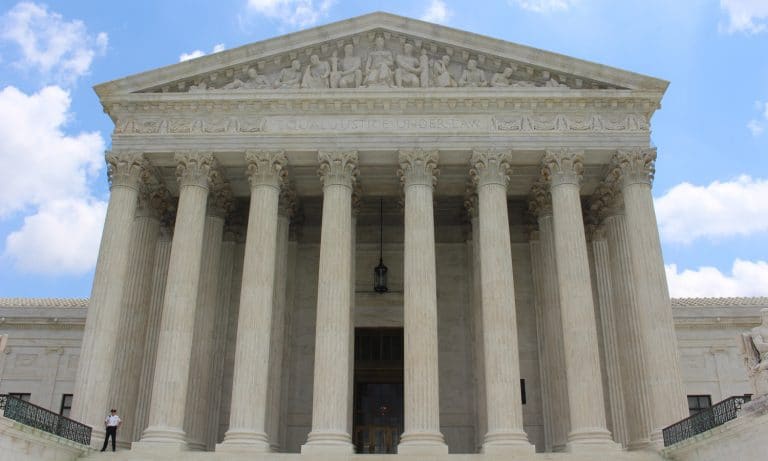
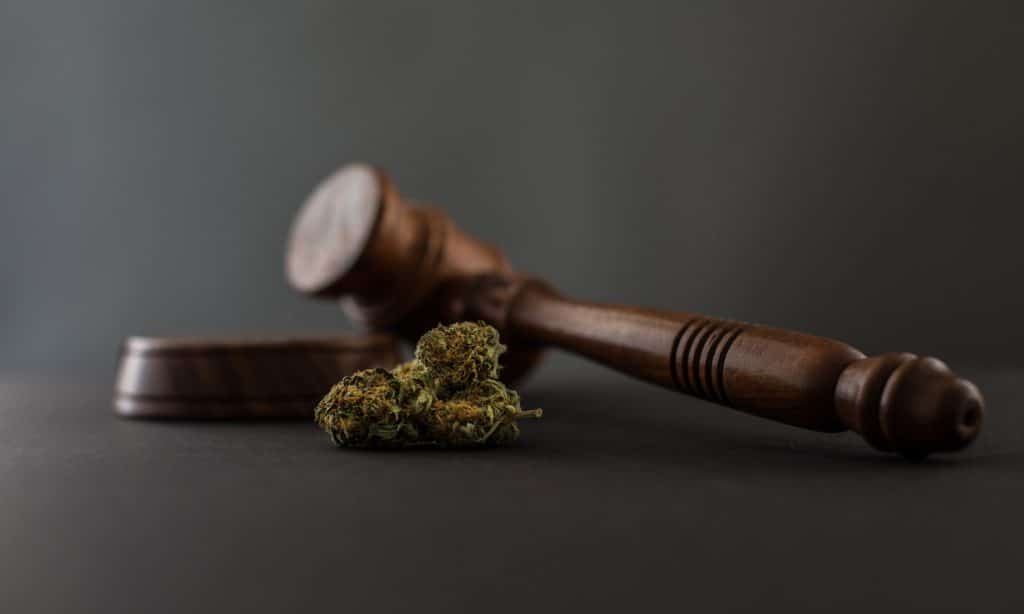
Will the Supreme Court Hear Litigation To De- Or Re-Schedule Marijuana?

A growing distrust of administrative agencies may be enough to convince four justices to accept the case.

Last summer I wrote about a ruling by the Second Circuit concerning a lawsuit filed by five persons challenging marijuana’s status as a schedule I drug under the Controlled Substances Act (“CSA”). The lawsuit asked the federal courts to rule that marijuana’s status as a schedule I drug is unconstitutional under the Due Process Clause of the Fifth Amendment, the Right to Travel, and the Commerce Clause.

Although the Second Circuit expressed considerable skepticism of the drug scheduling regime, the court held that before plaintiffs could seek relief in federal court, they must first file a de-scheduling petition with the DEA. The Second Circuit gave plaintiffs six months to file such petition, noting that a failure to do so would result in the court affirming the lower court’s dismissal of the case. In January 2020, the plaintiffs informed the court they did not intend file a petition and the case was dismissed.

As reported in Marijuana Moment, in July the plaintiffs filed a petition for a writ of certiorari with the Supreme Court challenging the Second Circuit’s ruling (the “Petition”). The Petition asks the Court to take up three questions:

  1. Can Congress, consistent with the Due Process Clause of the Fifth Amendment to the U.S. Constitution, criminalize medical cannabis without exception, even for patients who require its daily administration to live?
  2. Given the three requirements for designation as a Schedule I drug under the CSA (21 U.S.C. §812(b)(1)), is the classification of cannabis so irrational that it violates the Due Process Clause of the Fifth Amendment to the U.S. Constitution?
  3. Can Congress, consistent with the Due Process Clause of the Fifth Amendment to the U.S. Constitution, require persons aggrieved by the classification of a substance under the CSA to submit to an administrative review process that cannot, as a matter of law, provide the relief they seek?

At this point, readers may be asking: Why didn’t the plaintiffs file a petition with the DEA?

Likely for pragmatic and strategic reasons. On the pragmatic side, the DEA was almost certainly going to deny the petition. As we have previously explained:

A dozen times or so, private parties have filed petitions with the Drug Enforcement Administration (DEA), per CSA protocol on rescheduling. The DEA has routinely denied each petition, or declined to accept it outright. The lone exception was a petition filed by the pharmaceutical manufacturer of Marinol, to move the synthetic cannabis drug from Schedule II to Schedule III. That one was granted.”

In addition, as the plaintiffs documented before the Second Circuit, the average delay in deciding petitions to reclassify drugs under the CSA is nine (9!) years.

RELATED: It’s Time To Disband The DEA

But didn’t the Second Circuit order the DEA to act promptly to avoid this issue? Yes. In fact, the Second Circuit decided to exercise its discretion to keep jurisdiction of the case and to take whatever action if plaintiffs seek administrative review and the DEA fails to act promptly. The court noted that “under the unusual health‐related circumstances of this case, what has counted as appropriate speed in the past may not count as appropriate speed here.” So this meant the DEA was not going to get away with taking 9 years to decide whether to de- or re-scheduled marijuana.

So what gives?

Well, the key here is that the plaintiffs are making constitutional arguments. “Administrative agencies typically do not adjudicate constitutional challenges. See Elgin v. Dep’t of Treasury, 567 U.S. 1, 29 (2012). Here, the Petition contends that “claims seeking redress for constitutional injury cannot be resolved by the DEA.” Petition at 3. In other words, the plaintiffs are saying: Look, the DEA is not an agency tasked with, or capable of, deciding whether marijuana’s status as a schedule I drug is unconstitutional. The Petition argues the DEA itself has acknowledged its lack of jurisdiction to decide such issues and that the Second Circuit’s ruling directly conflicts with a ruling by the D.C. Circuit, creating a circuit split the Supreme Court should resolve.

So will the Supreme Court hear the case?

How Impeachment Could Affect Marijuana Legalization
Photo by Esther Kelleter/Getty Images

It’s too early to tell because the government has yet to file its response, after which the justices will vote on whether or not to grant certiorari and decide the merits of the appeal. (The government’s response is due in mid-September). That said, I believe there is a fair chance the case gets taken up, even though it involves marijuana. That is because the Supreme Court, particularly its conservative members, is increasingly skeptical of the doctrines involving deference to administrative agencies.

RELATED: The Hemp Standard Is 0.3% THC — And That Should Be Changed

One example of this is the principle that courts should generally defer to agencies’ interpretation of a statute that it administers (this is commonly known as the Chevron doctrine). Chevron has been under attack for years, beginning with opinions by Justice Scalia, whose torch has been picked up by Justice Gorsuch. Another example is Auer deference, which is the practice of deferring to an administrative agency’s reasonable interpretation of an ambiguous regulation that the agency promulgated. Although Auer deference recently was upheld in Kisor v. Wilkie by 5-4 vote, the opinions reflect a veering away from giving broad deference to administrative agencies.

This growing distrust of administrative agencies combined with the constitutional questions presented in the Petition may be enough to convince four justices to accept the case. We will continue to follow this fascinating and potentially game-changing litigation.

Jesse Mondry is an attorney at Harris Bricken and this article was originally published on the Canna Law Blog and was reposted with permission.

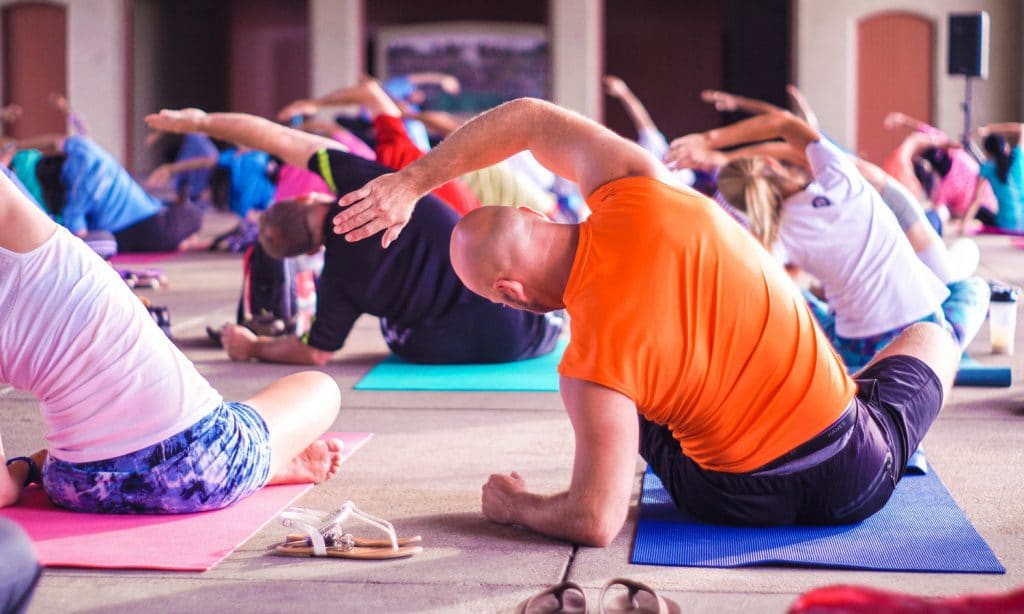
5 Tips To Get The Most Out Of Yoga

Yoga is a favorite workout for many, especially during these times of quarantine. Here are some tips to get the most out of your practice.

Yoga is a somewhat intuitive activity. As long as you don’t try a crazy position on your first go, you’ll likely feel relaxed and stretched after a single practice. With enough practices, yoga pushes your body and mind to new limits, making you more flexible and much more calm. Still, some people have more natural talent than others.

Yoga is one of the few exercises that’s less about the physical side of things and more about the spiritual. Even if yoga is trendy and almost everyone has tried it at least once, there’s much more to it than what the majority of people let on.

Here are 5 tips that can help you make the most of your yoga practices.

Focus on the spiritual

While most people who practice yoga treat it as just another workout, there’s a whole spiritual dimension to it. Focusing on your breathing and honing in on your meditation skills while practicing yoga will likely help you be better and obtain results that seep into other areas of your life.

Be consistent

What Is CBD Yoga?
Photo by Anupam Mahapatra via Unsplash

RELATED: What Is CBD Yoga And Does It Work?

Yoga can be practiced just about anywhere and with anyone. What matters is that you’re consistent with it. Try practicing a couple of times a week in order to reap the benefits that most people tout whenever they’re talking about the perks of yoga. When you’re not part of a class and don’t have a teacher orienting you, practicing yoga on your own can prove to be a more introspective experience, eliminating some of the pressure that can occur in a classroom setting. Start small, with simple positions, and you’ll see your growth in no time.

Try different styles and teachers

There’s a lot of yoga styles and an unending amount of teachers and YouTubers who make great yoga content. Experiment with different styles and options, noting on how your mind and body feel afterwards. Keep an open mind and try to incorporate the different aspects that you’ve learned and enjoyed into your yoga routines. Even if you find a style or a teacher that you love, don’t stop yourself from trying other things.

Take it slow

How Marijuana Can Improve Your Home Workouts

RELATED: 4 Ways CBD Can Enhance Your Yoga Practice

Try to avoid focusing on sweating, how many calories you’re burning and how your body looks after class. While yoga is a great workout routine, the mental balance and peace it provides is the main reason why it has been so successful. Take it slow, leaning in to each position and focusing on your posture. After you’re done, take your time, easing your body out of that mentality.

Focus on your feelings

Once you start practicing yoga with some regularity, it can be easy to forget to check in with your body and the way in which you’re feeling, simply going from one pose to another. When practicing, make sure you’re actively checking in with your feelings and monitoring your breath work.

5 Ways To Manage Your Loneliness

0

People are understandably feeling more lonely than usual. Here are some ways that can help you feel better.

The coronavirus pandemic has been described as many things, with all being accurate. The past couple of months have been a boring and anxiety inducing experience. But the one word that most people bring up is loneliness, even for those who are quarantined with family. While people have started creating social bubbles with others, odds are that you likely haven’t seen some people in a while and it’s affecting you.

Loneliness doesn’t only pop up only when you’re alone. It can affect us at the most inconvenient times, like when we’re having a Zoom chat with friends or a family dinner. Nowadays, all sorts of things are making us feel lonely, whether that means that you no longer can talk to your favorite bartender or don’t know when you’ll be able to see a friend who lives in a different country.

Here are 5 effective ways of coping with your loneliness:

Try to have some perspective

Loneliness is a lot like anxiety and depression; it often clouds your life and prevents you from seeing things clearly. Your loneliness might make you feel like things are way worse than they are, and can stop you from reaching out to others — especially if you think you’ll be rejected for whatever reason.

Find different sources of comfort

can marijuana treat depression
Photo by johnhain via Pixabay

RELATED: 5 Ways For Parents To Find Alone Time

One of the easiest and most effective ways of distracting ourselves is by watching shows and movies, and while this is effective and makes us feel less lonely, it also needs to be moderated. While people form bonds with fictional characters, they’re not the same as real relationships and can make you feel lonelier. Make the time to do other things, whether that’s working out, getting out of the house, reading a book or talking to your friends.

Reach out to people 

While it’s tough to continue excitement over Zoom meetings and FaceTime phone calls, it’s important to reach out to others when isolated. Try texting them, sending voice notes, or using an app to watch movies and TV shows together. If you think about a friend or family member that you haven’t seen in a while, send them a text, a meme, or a link that they’ll find interesting. All of these small gestures help people feel closer to each other and will help you feel much less alone.

Have vulnerable conversations

5 crazy things that turn people on
Photo via Pixabay

RELATED: Can Mindfulness And Meditation Actually Worsen Anxiety?

While the pandemic has been tough, it also has facilitated a vulnerability in conversations that wasn’t there before. People are now more open and willing to talk about the stressful and bad stuff that’s going on with their lives. Take advantage of this opportunity and be honest with your friends and family about your struggles with feeling lonely and with whatever else is going on in your life. You’ll most likely find that you’re not alone.

Therapy

While it’s expected for all of us to be dealing with more problems that stem from our mental health, it’s also important to remember that therapy is an option. If you believe that your problem is past the point of you surrounding yourself with others, a consult with a therapist might help you get some perspective and help if necessary.

3 Differences Between CBD And Hemp Oil

0

Both compounds are derivatives of cannabis, but CBD and hemp are not the same. Here’s how to differentiate the two.

With so much mystery surrounding cannabis, it’s common for the terms “CBD” and “hemp” to be used interchangeably. Crazily enough, these two compounds are not the same. Fro one, hemp earned its legal status a while ago and CBD only entered the mainstream conversation relatively recently.

Some of the similarities between CBD oil and hemp oil are due to the fact that both compounds are used in a lot of beauty and skin care products, and that they both come from cannabis.

These compounds are among the most mislabeled products in recent history, with companies taking advantage of people’s ignorance and the climate within the marijuana industry. By mislabeling products, companies can sell hemp oil and claim CBD’s properties, making more money since hemp is cheaper and because consumers don’t know the specifics of their purchase.

Here are five facts that can help you differentiate between CBD oil and hemp oil.

Both come from the same species of plant

new survey calls florida the center of exploding cbd trend
Photo by Tinnakorn Jorruang/Getty Images.

RELATED: CBD Oil For Anxiety & Depression: Pros & Cons

CBD and hemp come from the same species of plant: cannabis sativa. Hemp oil is extracted from the seeds of the plant, containing low levels of cannabinoids, like CBD and THC. On the other hand, CBD oil is a concentration of CBD, which is obtained from flower, leaves and stalks of cannabis sativa. It is a cannabinoid known for its healing and relaxing effects and the fact that it doesn’t make people high.

What are their effects?

Hemp oil contains tons of fatty acids, which are good for heart health and for diminishing the signs of aging. It is a great addition to lotions and skin creams, improving skin elasticity and water retention. CBD is also great for topical uses but it also works for other things. The compound reacts with your body’s endocannabinoid system, impacting sleep, mood, appetite, pain and more. CBD provides a much deeper effect than hemp oil does.

What are their uses?

how to choose cannabis topicals that will actually work
Photo by Hemptouch CBD via Unsplash

RELATED: Is It Safe To Smoke Pre-Rolls During COVID?

Hemp oil is versatile and is used in everything from cooking, salad dressings, skin care and hair care. CBD oil is similar to THC in that it can be smoked, vaped, taken orally, added to coffee, etc. While there’s a lot of research that needs to be conducted, CBD is also known for its therapeutic effects, providing pain and inflammation relief and helping people cope with symptoms like anxiety, depression and stress.

To make things more confusing, CBD sourced from hemp is different than CBD sourced from marijuana. Here’s the difference.

Don't Miss Your Weekly Dose of The Fresh Toast.

Stay informed with exclusive news briefs delivered directly to your inbox every Friday.

We respect your privacy. Unsubscribe anytime.