Tuesday, June 16, 2026
Home Blog Page 503

Can Medical Marijuana Help Treat Clinical Burnout?

The intensity of the global response to the conditions of COVID-19 has prompted a need to address the high levels of burnout experienced by medical professionals. 

Beyond the 2.3 million cases of COVID-19 in the US (as of mid-June), and the more than 120,000 coronavirus deaths, there exists an urgent medical situation. The treatment of medical personnel is an additional pandemic element, complicated by the rapid spread of the virus in the population.

Burnout has hit many professionals, but most of all, the medical communities from doctors and nurses, to EMT personnel. Despite all of the pre-planning, there was little contingency planning for the sudden influx of new patients. 

Understanding burnout

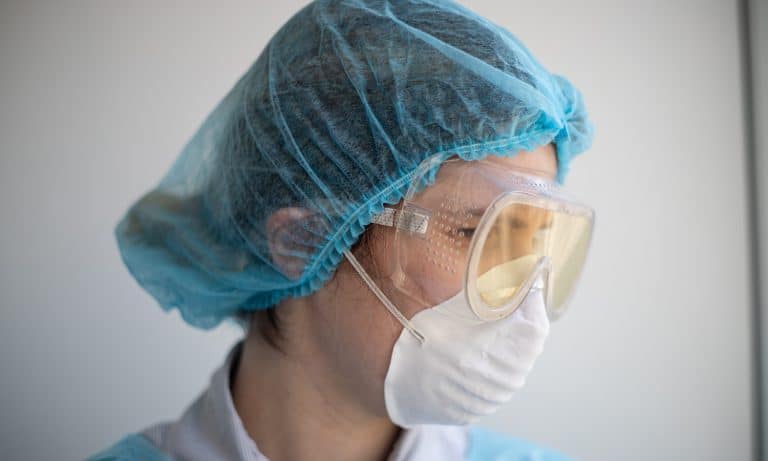
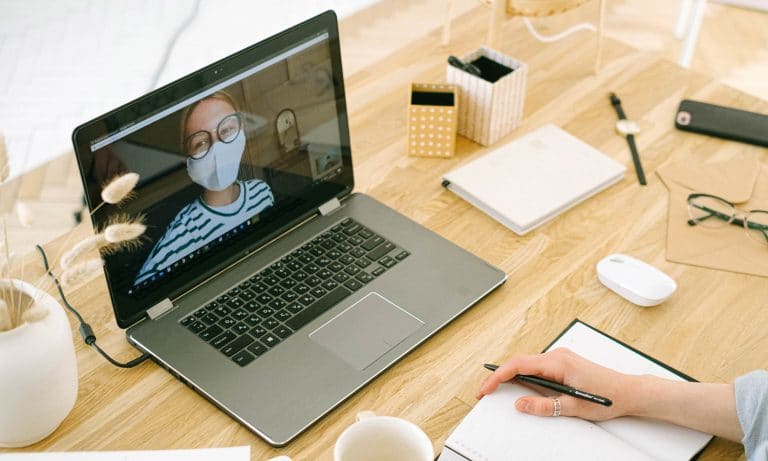
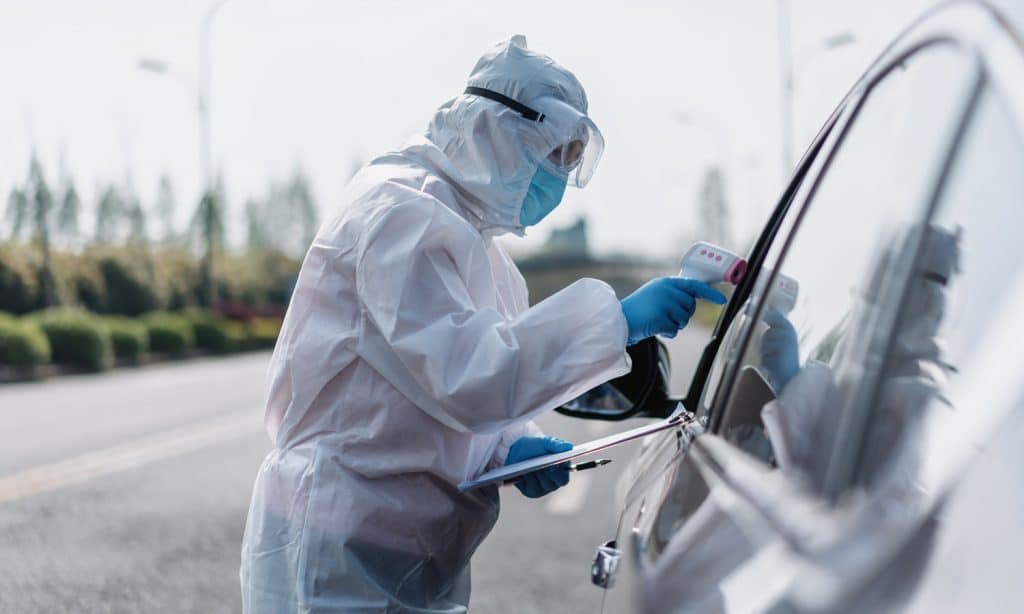
Patients are being treated during epidemic conditions by professionals who are working behind masks and protective gear. Patients and medical personnel have limited access to their families. Many medical professionals became sick, too; it was the perfect storm for clinical burnout.

Beyond the massive rise of cases, there were several burnout charges. There was a flood of alert information.  Medical alert fatigue and the critical need for health professionals to prioritize a high level of both data and respondent care are among the priorities. Dr. Noor Najid el Mehiri, a family physician and the head of the Ministry of Health and Prevention of the UAE, pointed to several challenges.

RELATED: Essential Resources Every Health Care Practitioner Needs To Know

“The sheer volume of information that is generated and the fact that it is changing very rapidly makes it a challenge for clinicians to digest. We needed to make sure that the processes we put in place, in terms of information management, were practical and efficient for our physicians and nurses,” she mentioned. 
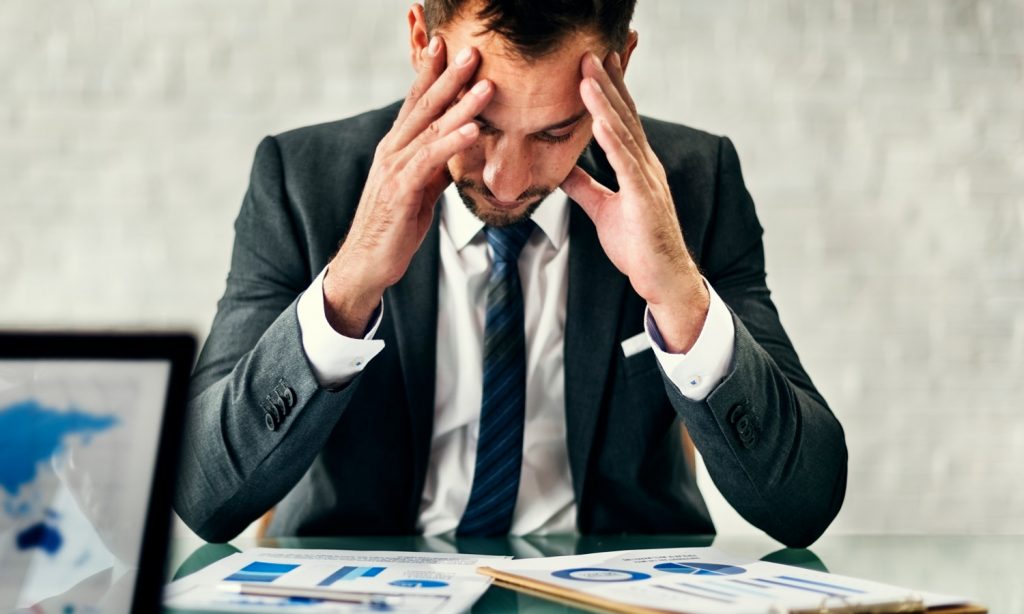
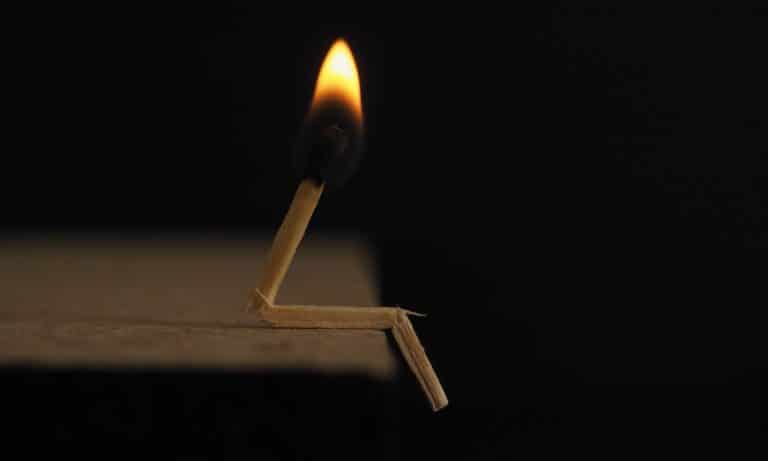
burnout is now an official medical condition
Photo via rawpixel.com

But it’s not just the acceleration of technology that adds stress; there are other administrative challenges often cited as the cause of burnout. The other various factors are all combined in the metaphorical laboratory centrifuge of assessing and delivering quality medical care under a deadline. The intensity of the global response to the conditions of COVID-19 has prompted a need to address the high levels of burnout experienced by medical professionals. 

High-levels of suicide in healthcare

A few years before COVID-19 struck the world, one medical expert indicated that more than 1 million Americans lose their doctors or medical professionals annually to suicide. This statistic is due to the psychological pressures brought on by hazing, bullying, sleep deprivation, and workplace pressures. “Suicide is an occupational hazard of our profession,” said Dr. Pamela Wibre, MD, founder of Ideal Medical Care in Eugene, OR.

There is an added dimension to the general health crisis, and the public does not see it. Doctors are patients too, and the treatment of medical professionals for medical reasons is often not discussed as much as the professional health challenge, in the end, suggests is warranted.  

RELATED: Will There Be Enough PPE For Healthcare Workers?

The conditions for doctors may be severe but prescribing medical marijuana for doctors still hits many complications. Changes in criminal, administrative, and employment law do not keep up with the demand. The pressures of the COVID-19 response have complicated the issue.  In many states, employee drug policies still trump any laws that would otherwise permit the use of medical marijuana, says Brendan Abel, the assistant legal counsel for the Massachusetts Medical Society. 

Practicing physicians in every state must maintain their standard of care, or risk exposing themselves to medical malpractice liability and licensing action. “Part of doing that is to be free of impairment, either from legal or illicit substances,” says Mr. Abel

Mr. Abel strongly suggests that any medical professional exploring the treatments needed by medical marijuana should first research the law as administered by both their employers and the states in which they reside and operate, to understand the risks thoroughly.  There have been some good case precedents, including some change in the wording of administrative law, that supports the use, and the prescription of medical marijuana. But the rules and regulations vary so much from state to state, that doing your due diligence is essential.
Marijuana Could Be Risky For Your Heart

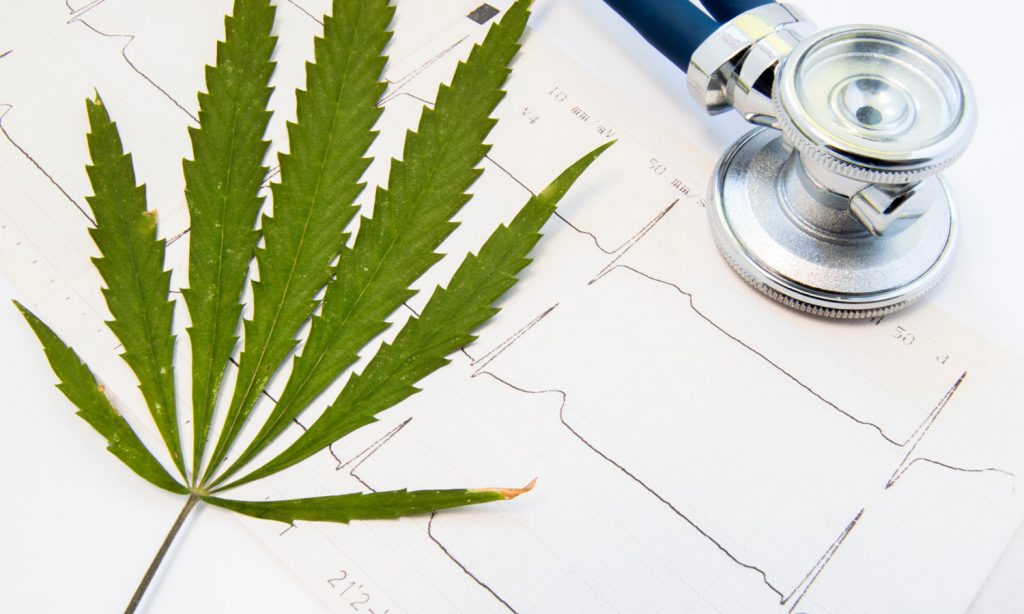
Research shows marijuana use could cause short-term complications for heart patients, but no long-term damage has been documented.

A new review in the Journal of the American College of Cardiology states that more than two million people with an underlying heart condition use marijuana or have used marijuana in the past year. No known link exists between heart disease and cannabis use, but risks do exist, warn researchers.

Consuming cannabis elicits a calming, sedative sensation throughout a user’s body. This intensity of the experience differs depending on the delivery method used (vaping, edibles, tinctures), what kind of marijuana used (sativa- or indica-dominant), and how much you consumed. Those variables also factor into how cannabis affects your heart, researchers found.

The relationship between smoking cigarettes and cardiovascular disease is well known. But cannabis use could also result in faster heartbeats and rising blood pressures. Smoking marijuana actually raises your risk of heart attack in the first hour following consumption, a 2017 study found. Cannabis use also places you at risk of atrial fibrillation, a common heart rhythm disorder.

RELATED: How CBD Can Treat Symptoms of Depression Right Now

This is why researchers caution not to assume smoking marijuana is any better for you than tobacco.

“When people smoke tobacco, they take frequent, small puffs,” Dr. Muthiah Vaduganathan, one of the study’s co-authors, said. “In contrast, smoking marijuana usually involves large puffs with longer breath holds.”

disclosing marijuana use before surgery what you nee to know
Photo by Shidlovski/Getty Images

Smoking marijuana presents additional complications to heart patients, as cannabinoids can interact with medications in unexpected ways. Researchers found blood thinner levels were raised due to cannabis use and could cause excessive bleeding in patients. Statins were alternatively more effective and caused undesired fluctuations in blood pressure.

Vaduganathan stressed the importance of talking with your doctor about your marijuana use for this reason. “In my clinic, I ask people if they use marijuana, and most are quite open to these discussions,” he said.

RELATED: Study Suggests Women Are More Sensitive To THC Than Men

You should know, however, that no research associates using cannabis with long-term damage to your heart health. But the short-term complications are why it’s worth having a frank “cannabis conversation” with your doctor if you’re a heart patient that uses marijuana.

Marijuana 101: A Simple Guide To Marijuana Tasting

Like wine tasting, it’s probable that marijuana will one day be given center stage for customers to enjoy a tasting before making a purchase.

Marijuana has been made legal in a growing number of states for recreational use. This means the days of buying weed in the shadows is on borrowed time. With the newfound freedom of legal cannabis, the industry has managed to cultivate a wide variety of interesting strains. Some are designed to help the user stay focused throughout the day, while others do everything from calm anxiety to quell chronic pain.

Since marijuana is being treated more like alcohol these days, it stands to reason that the scene could soon see an uprising in cannabis tastings. Similar to the swish and spit rituals taking place at wineries and other liquor-slinging establishments, the reach of marijuana will one day be given center stage for customers to hit samples before making a purchase. Cannabis tasting rooms and cafes are already popping up in states across the country, making it logical that more openings won’t be too far behind.

When this happens, it will be crucial for the average cannabis consumer to elevate his or her palate, as to not come off like a complete imbecile when blowing smoke in front of that class of people who refuses to call cannabis “pot” anymore. You know the ones. It is for this reason we have assembled a marijuana-testing guide to help the seemingly one-dimensional stoner cheat his or her way into the kingdom of connoisseurs.

Appearance

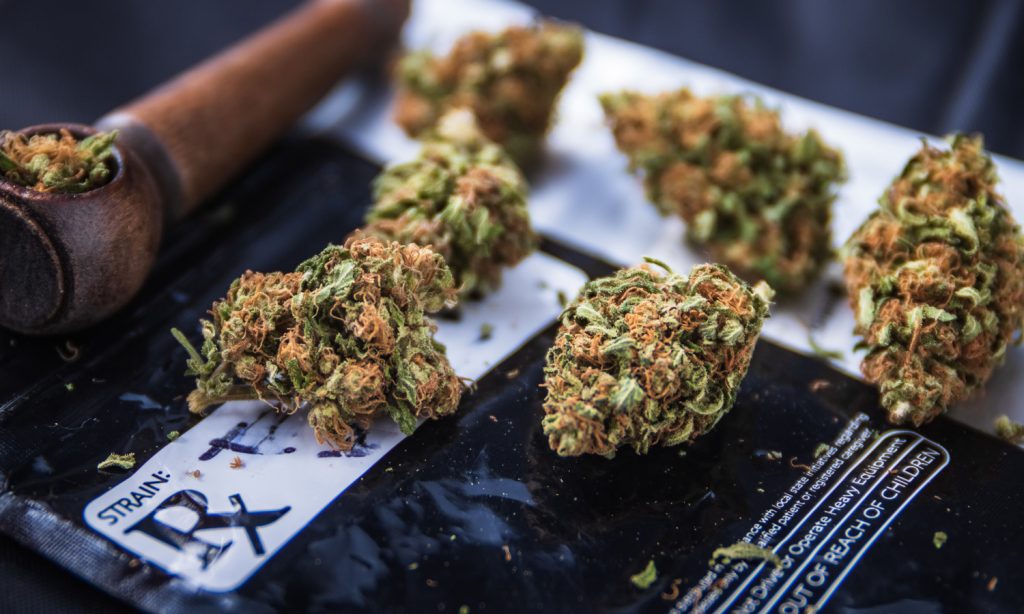
The first thing a true cannabis snob looks for is the overall appearance of the bud. These folks get excited when they see the herb is covered in crystals. That excitement spirals into a spastic fit the second they realize the color of the crystals is more yellow than white. Typically, the more yellow, the more THC. But no matter how yellow the crystals, always ask the weed steward when they plan to roll out the really strong stuff.

RELATED: Marijuana 101: How Long Does A Marijuana High Last?

Photo by HighGradeRoots/Getty Images

Aroma

Now that you’ve identified a good-looking bud, the next step is to examine its aroma. Don’t worry. You do not have to be well versed in the art of cannabis selection to represent like a marijuana master. Similar to how it is done in beer and wine tastings, just wave the herb under the nose and take shallow sniffs. The goal is to try and get a feel for its components. You might catch a whiff of citrus, pine or even the business end of a skunk. But, as a rule, if the aroma is pleasing, chances are you will be happy with the next step.

RELATED: How Much Does Weed Cost?

Flavor

There are a variety of methods in which to capture a rush of optimal flavor. Some say a French inhale is the best method for tasting bud. But the most important aspect of this process to remember is the first hit is when the magic happens. Unless a person has been assigned to pen an elaborate tasting profile on a particular strain, the best advice here is to just take in the smoke, hold it in, and search for the flavors that turned you while testing the aroma. Chances are you will stumble onto something new to tickle the senses. Just make sure the device you are using to sample the bud is clean.

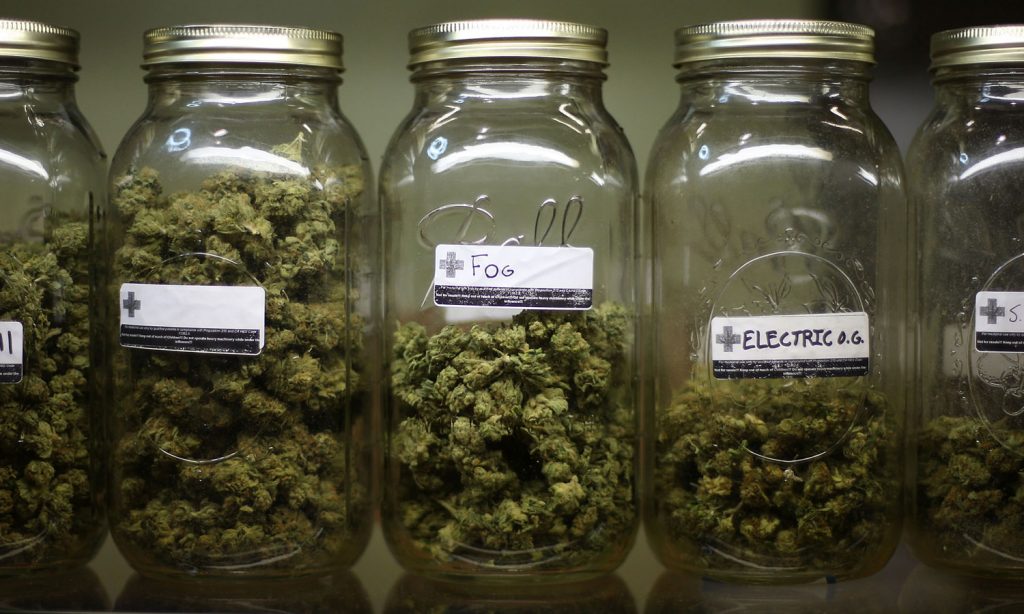
Photo by David McNew/Staff/Getty Images

Effect

This is the fun part — the test drive. Just kick back and see how the herb hits you. Does it make you chatty, sleepy, or does it turn you into a cartoon character? It is important to understand how a strain works on you personally. But remember, there are more strains to sample. A good weed testing will consist of around 5-6 strains. You’ll need to try all of them. But be sure to cleanse your palate after every sample. Fruit juice or plain crackers are good for this.

Why Mangoes And Marijuana Are A Match Made In Heaven

Peanut butter and jelly. Rice and beans. Bacon and eggs. Some food combinations are just so perfect that you almost can’t say one without the other. But do you know why mangoes and marijuana are a match made in heaven? Add this dynamic deo to the Amazingly Wonderful Food Combo Lexicon. And there is actual science as to why these two are natural epicurean partners for the cannabis connoisseur.

The Effect  

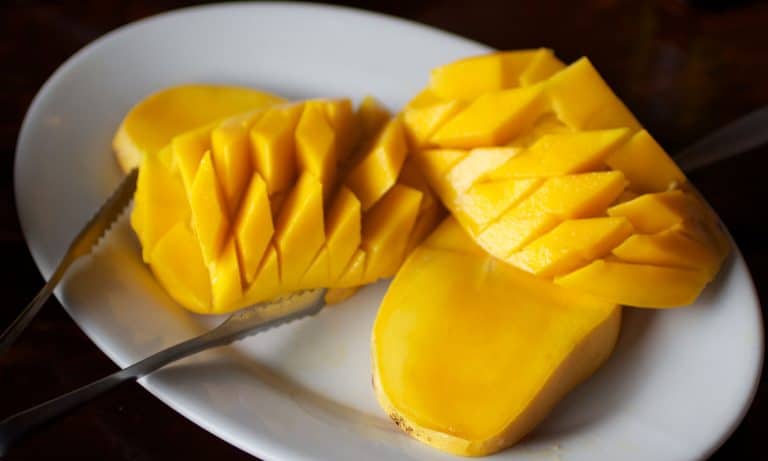
Mangoes have chemical strengthen and lengthen the euphoric feelings felt after smoking or vaping marijuana. Eating the tropical fruit 45 minutes or so before a cannabis session will allow the THC to absorb into your body quicker and the high will stay with you longer. For some, the intoxicating feeling will be slightly more intense.

Most cannabis enthusiasts say that the combination of mangoes and marijuana creates a mellow, sedate sensation.

The Science 

Is it psychosomatic or merely the placebo effect? Nope. Mangoes are packed with myrcene, a terpene that interacts with THC. Here is how Steep Hill Labs explains the effect:

Myrcene is known to be anti-tumor, anti-inflammatory, and used in the treatment of spasms. It is also used to treat insomnia, and pain. It also has some very special properties, including lowering the resistance across the blood to brain barrier, allowing itself and many other chemicals to cross the barrier easier and more quickly. In the case of cannabinoids, like THC, it allows it to take effect more quickly. More uniquely still, myrcene has been shown to increase the maximum saturation level of the CB1 receptor, allowing for a greater maximum psychoactive effect. For most people, the consumption of a fresh mango, 45 minutes before inhaling cannabis, will result in a faster onset of psycho activity and greater intensity.

By the way, myrcene can also be found in hops, bay leaves, eucalyptus and lemongrass.

Terpenes are essential oils that provide the fragrance in foods and herbs. When you take a whiff of basil, for example, what you are smelling is the terpenes. Cannabis strains also have unique terpenes that provide the aroma. Some strains smell lemony (limonene) or spicy (caryophyllene) or floral (linalool).

By the way, mangoes are also rich in Vitamin A and Vitamin C. So grab a mango and give your cannabis a kick!

Try This Recipe

Here is a tasty mango salsa (courtesy of the National Mango Board):

Mango Salsa

Ingredients

  • 2 large mangos, diced
  • 1 jalapeno, finely diced
  • 1/3 cup red onion, finely diced
  • 1 small handful cilantro, finely chopped
  • 1 lime, juiced

Instructions

  • Combine all ingredients, mix, and serve.
  • Store in the refrigerator in an airtight container for 3-5 days.


3 New Guidelines Beauty Stores Now Have To Follow

For one, you can say goodbye to makeup sample stations. You’ll just have to buy that lipstick without trying it on first.

Like most brick and mortar stores, beauty retailers are beginning to reopen. These places, which used to have make-up artists and product samples for customers to try out, will now look much different in some key aspects. Following CDC regulations and coronavirus safety measures, beauty stores will now have to limit contact between employees and guests, while ensuring that their spaces stay as safe and controlled as possible.

Nylon magazine spoke with different large companies, from Bath and Body Works to Sephora, on how these places will adapt to a post-coronavirus world. Here are some of the most important changes you should be on the look out for:

There will be more cleaning measures

Here's What You Can Expect The Next Time You Go Beauty Shopping
Photo by purplegillian via Pixabay

Bath & Body Works explained that store hours and staffing have been modified in order to give employees extra time to clean and sanitize stores and products. They also explained that employees would be cleaning the credit card machine and checkout areas between customers, meaning that it might take a longer time to purchase products.

RELATED: 10 Mainstream Businesses Betting On CBD

Stores will ask you to comply with social distancing guidelines and, depending on your state,  might also ask you to wear a mask.

No more tester products

MakeUp Samples Contain A Disturbing Amount Of Bacteria
Photo by Element5 Digital via Unsplash

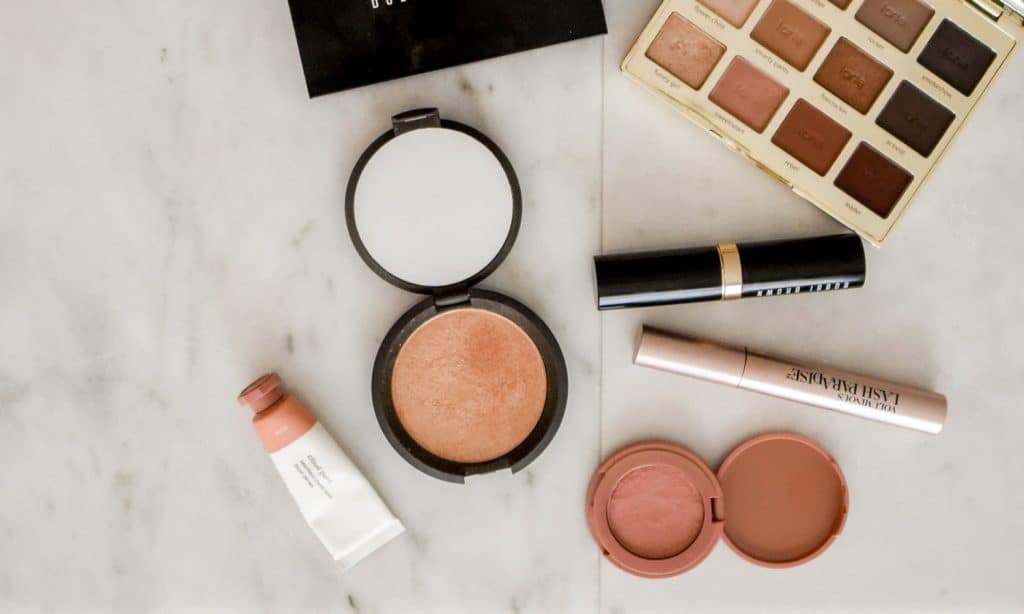
While there might be some stores with testers, the majority of retailers will remove them as a way of protecting customers. Testers might be featured for looking only, or in containers for single use, which might actually be a good thing; long before the existence of COVID-19, make-up testers were hubs for germs and viruses. How many times have you tried on a lipgloss or lipstick that a hundred other people sampled, too? Gross.

Curbside pickup and online sales are here to stay

Photo by Marek Studzinski via Unsplash

RELATED: Makeup Samples Contain A Disturbing Amount Of Bacteria

Curbside pickup and online sales will continue to act as one of the main sources of businesses for all kinds of people. Those who still don’t feel ready to go back to a store or who stumble upon one that is too crowded will likely use this option during the coming months.

More College Students Are Seeking CBD For Pain And Stress Relief

A survey conducted on Syracuse University coeds shows that the compound caters to a variety of needs, ranging from manageable levels of anxiety to sports-related injuries.

A survey conducted at Syracuse University found that a large percentage of students have turned to CBD as a way of tending to their injuries and obtaining some stress and anxiety relief. According to lohud.com, 47% of the students surveyed said that they had consumed some sort of CBD product in order to treat an ailment.

Despite all the excitement and opportunities that college represents, it’s a stressful environment for many. Statistics report that anxiety in college is very common, mainly because of the significant change that students experience. A large percentage of college students have irregular sleeping habits and ingest large amounts of caffeine in order to pull all nighters. Despite the large amounts of social opportunities on and off campus, it’s also very common for them to experience loneliness and isolation.

A survey from 2018 found that 63% of students felt overwhelming anxiety throughout the school year. Twenty-three percent of these students said that they had been diagnosed by a medical professional or were receiving medical treatment for anxiety.

RELATED: Why The Pandemic Could Be A Boon For Cannabis Education

The survey conducted on Syracuse University coeds shows that the compound caters to a variety of needs, ranging from manageable levels of anxiety to sports-related injuries.

surprise kids really want to study marijuana in college
Photo by Ake via rawpixel.com

Freshman Isea Kelley told lohud.com that she began using CBD as treatment for pains and injuries sustained while running cross country and track and field. During her senior year, she also turned to CBD in order to treat anxiety and stress.

“I’m not anxious enough to ever need prescription medication, but that doesn’t mean I don’t have anxiety and stress issues and I need things to help deal with that,” she said.

RELATED: Could CBD Treat Anxiety Symptoms Better Than Traditional Marijuana?

Other students report that CBD feels like a safe option, one that treats a variety of symptoms but that doesn’t get you high, a turn off for many. It also helps that CBD is a significantly cheaper option than some of the pain medications that doctors normally prescribe.

FDA Publishes New Updates For Healthcare Professionals

As of mid-June, there were more than 2.32 million COVID-19 cases and over 122,500 deaths in the U.S.. The need for updated information to fight the pandemic continues to rise daily. 

The U.S. Food and Drug Administration (FDA,) is upgrading information and providing new resources on an almost daily basis during the COVID-19 public health emergency. The FDA staff, researchers, and partners are working virtually around the clock to keep medical professionals updated with the absolute latest information. 

In earlier June, the FDA updated its site again with new resources for those on the front lines. 

The FDA published two new web pages to help healthcare professionals and the public access information:

Here are five other recent changes and updates shared by the FDA:

3D Printing Updates

Within the healthcare field, 3D printing has added new dimensions to the creation of medical devices and implants. The most significant growth in “additive manufacturing” (3D printing), includes fusing all sorts of materials and working with lasers to combine them; increasingly, that has included biomaterials laden with cells, including bio-ink. 

RELATED: What The FDA Is Doing For Better COVID-19 Data Dashboards

The FDA said in a statement on their website that they are also aware that many stakeholders often do not know what device designs to choose or how much to print. The FDA is facilitating information-sharing regarding the use of 3D printing and other advanced manufacturing technologies in the context of personal protective equipment (PPE) and the need for additional medical equipment.

5 Ways To Contribute To Healthcare Workers
Photo by Anna Shvets via Pexels

Expansion of Current Programs

The FDA also announced the expansion of its Coronavirus Treatment Acceleration Program (CTAP). It uses every available method to move new treatments to patients as quickly as possible.  Through CTAP, the FDA recently announced clinical trials of potential therapies are under trial, with FDA oversight of the process and the results. The FDA announced it would support new clinical trials that are testing new treatments for COVID-19.  

New Partnerships

The FDA issued an unusual Memorandum of Understanding, announcing a fully collaborative effort with the National Institute of Health (NIH) and the U.S. Department of Veterans Affairs (VA) to share knowledge and resources with 3D printing technologies.  (https://www.fda.gov/about-fda/domestic-mous/mou-225-20-008). The advancing science of 3D printing has allowed the incremental construction of 3D objects of all types using layers, converting a digital 3D object into a physical one.  

RELATED: What Healthcare Workers Need To Know About Newest FDA Drug Approvals

The collaborate effort will include: the sharing of materials, and educational processes, including printed products and new test materials., as well as engineering support and the sharing of knowledge to apply 3D printing tools, and additive technologies in supporting the medical response to the COVID-19 emergency response. The FDA and the other government agencies are also working closely with America Makes, to provide resources that will connect health care providers and 3D printing organizations. 

Collaborations

The FDA has agreed to collaborate with the company Aetion, a company based in New York. Through its Evidence Platform technology, Aetion provides real-world data, to assist medical professionals as they collaborate on advanced analytical techniques to answer urgent coronavirus disease (COVID-19) research questions.  The FDA and Aetion aim to respond to questions about the use of diagnostics and medications in the pandemic, and risk factors for COVID-19-related complications in different patient populations.

Toolkit Updates

The FDA announced more updates to its Toolkit pages, intending to provide updated information to medical professionals, research facilities, and consumers; this information encompasses the overall COVID-19 response during the health emergency. The resources include videos, FDA toolkits, resources to print and share, and additional articles for consumers. For more information, click on this location.

As of mid-June, there were more than 2.32 million COVID-19 cases and over 122,500 deaths in the United States. The need for updated information to fight the pandemic continues to rise daily. 

Should You Mix CBD With Your Morning Coffee

Combining coffee and CBD will reduce the efficacy of medicine, but anecdotal evidence finds the concoction more satisfying.

Prioritizing your mental wellness is more important than ever amid the coronavirus pandemic. Lockdowns and quarantines have isolated Americans in their homes, leaving some cut off from meaningful relationship they lean on through times of stress and strife.

Nearly half of Americans say the coronavirus is harming their mental health, a Kaiser Family Foundation poll found. Teenagers have also reported more depression and anxiety symptoms due to the pandemic, as well as mounting fears about their future.

As a result, alternative methods to boost mental wellness are on the rise. That includes CBD oil, which has gained more popularity as a stress reliever amid the pandemic. Studies also show CBD reduces aggressive behavior and effectively helps you chill out. That may lead you to wonder: Should you start your day with CBD? And should you mix it with your coffee? We have some answers.

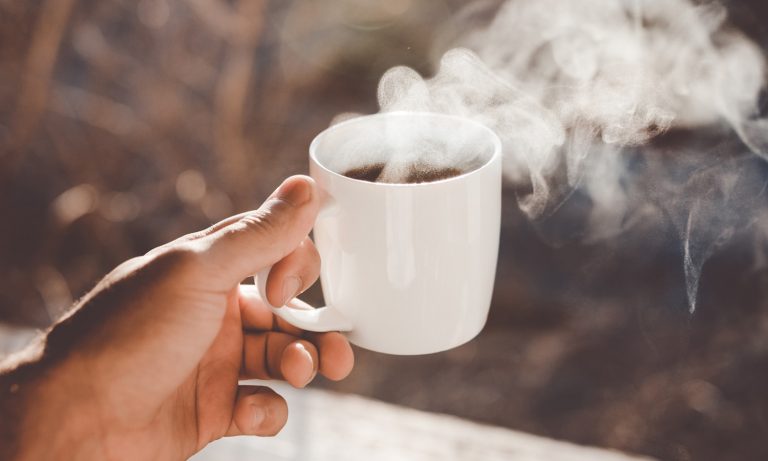
Studies have shown that CBD contains anti-anxiety, analgesic, and anti-inflammatory properties. Add the caffeine boost you receive from coffee and it seems like the perfect way to start your day. However, combining CBD with your coffee fundamentally changes how it affects your body. That’s why experts recommend not doing so if you’re using the extract for medicinal purposes.

“Those who want to use CBD for serious medical conditions, such as seizure disorders or inflammation from autoimmune disorders, should not take CBD in this manner, as accurate CBD dosing is extremely important for efficacy in these types of illnesses,” Bonni Goldstein, a California-based physician specializing in cannabinoid therapy, told Healthline.

RELATED: What Are The Benefits Of Mixing CBD And Coffee?

“For a healthy person who wants to take CBD as a nutritional bonus or supplement, [dosing] issues are not as important.”

A 2018 study backed up what Goldstein is saying. According to researchers analyzing cannabis tea, temperature changes CBD content in both hot and cold liquids. So, if you require precise dosing of medicine, it’s best not to dump your CBD oil into a hot cup of joe.

Should You Mix CBD With Your Morning Coffee?
Photo by Nathan Dumlao via Unsplash

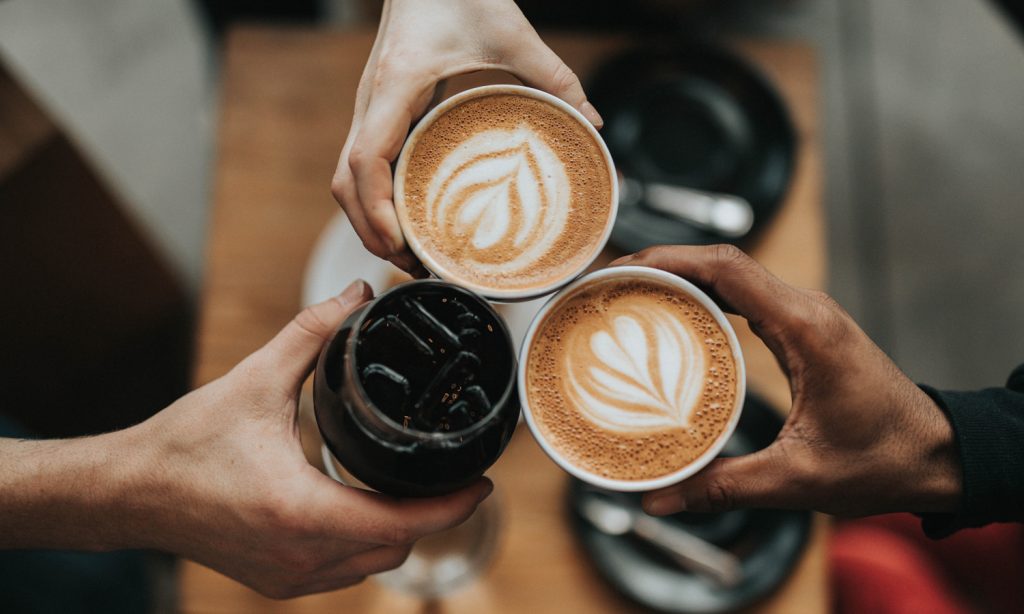
Those approaching the issue from a wellness perspective don’t have such concerns. Anecdotal evidence of the therapeutic effects combining CBD and coffee to boost your day-to-day proceedings is mixed. Some say that CBD-infused coffee diminishes the buzzing rush caffeine delivers while lowering anxiety symptoms. But others find the pairing disorienting. Since CBD is also used to achieve a good night’s sleep, the cannabinoid’s drowsy properties fight with coffee’s caffeine to leave you groggy and unsatisfied.

Most importantly, you should understand that CBD affects each individual differently. What works for you might not work for someone else. But we know for certain that dumping CBD oil into your coffee dramatically decreases its bioavailability, or the extent and rate at which the drug enters your body’s circulation to produce the desired effects. CBD oil taken sublingually, or underneath your tongue, maintains a bioavailability between 20-30%, but received orally, like in a drink, drops the bioavailability down to 6%. This is another reason medical experts don’t recommend patients combining the two.

RELATED: CBD Coffee Is The Easy Way To Pain-Free Mornings

If you’re committed to starting your day with CBD-infused coffee, but don’t want to sacrifice efficacy, we have a recommendation. A 2016 study reported that combining cannabinoids into a fatty acid allows CBD to bypass your metabolism — which is responsible for diminishing the plant’s impact — and increases bioavailability. This explains why many report the most therapeutic effects are found by adding organic butter or coconut oil to make a Bulletproof-like CBD coffee concoction. It’s a little more work, but your body will thank you for it later.

How Cannabis Can Help You Cope With Insomnia During The Pandemic

Anecdotal and scientific evidence suggests that marijuana can help people cope with acute insomnia.

Sleep is easily disrupted by the state of our mental health. It makes sense then that people are reporting increased issues with their sleep habits, having more vivid dreams, less restful sleep and more insomnia during the past couple of months.

People usually struggle with their sleep habits. According to Donn Posner, president of Sleepwell Associates an adjunct clinical associate professor at Stanford University School of Medicine, around 35% of people struggle with recurring bouts of insomnia. Now that people are coping with dangers posed to their health, the economy and social distancing pressures, the world’s current situation is a perfect recipe for sleep disorders.

When it comes to health workers, recent stats show that the pandemic has affected their sleep and their health dramatically. A survey conducted by Sleep Standards found that on average, healthcare workers are sleeping 5 hours a night. Forty-one percent of them are experiencing insomnia, 27% are dealing with nightmares, and only 21% of them report no sleep issues.

RELATED: Let’s Talk About Why Sleep Is Important — And How To Get Some

Could marijuana help manage these symptoms of insomnia? Studies and anecdotal evidence suggests that it could.

Trying To Get Some ZZZZs? Here’s Why Nyquil Isn’t Your Best Bet
Photo by Ivan Oboleninov via Pexels

A recent study from the University of Western Australia found that cannabis could provide an effective treatment for those who suffer from acute insomnia, specifically when the type of cannabis consumed is made up of a blend of THC and CBD. Patients treated with this kind of cannabis reported sleeping for more hours, falling asleep quicker, and getting back to sleep with more ease after waking up in the middle of the night.

“This study represents the most rigorous clinical trial ever undertaken to assess the therapeutic potential of medicinal cannabis to treat the symptoms of chronic insomnia,” lead researcher Peter Eastwood said in a statement. “The fact that ZLT-101 treatment achieved statistically significant, dose responsive improvements across a broad range of key insomnia indices is impressive, particularly given the relatively short two-week dosing window.”

RELATED: Can Marijuana Improve Sleep For Chronic Insomnia Patients?

Instead of forcing yourself to sleep when your body doesn’t want to shut down, start off by implementing a few easy habits. Limit the amount of screen time you have and try to keep a regular schedule, working out a few times a week and eating as healthy as you can. Have a hit or two of cannabis before bed and see how your body responds. You might be surprised in a good way.

COVID-19 Pandemic Is Increasing Global Demand For Marijuana

0

According to the U.N., the pandemic and subsequent lockdown has raised demand for cannabis, with a particular rise in Europe.

The coronavirus pandemic has resulted in long periods of isolation, social distancing mandates, and disruption to lifestyles across the globe. According to a new United Nations report, this has caused an increase in the worldwide demand for cannabis with notable sale surges on the dark web. The U.N. also noted that marijuana remains the main drug that causes people to enter the criminal justice system.

The U.N. Office on Drugs and Crime (UNODC) released its World Drug Report for 2020 last week and found that about 269 million people used drugs worldwide in 2018, a 30% increase from 2009. But because COVID-19 has closed multiple borders and disrupted drug supply chains, the pandemic may lead to drug shortages on the streets. This could cause dangerous implications, including impure drugs and price hikes.

RELATED: Medical Marijuana Is Booming Amid The Coronavirus Pandemic

“Vulnerable and marginalized groups, youth, women and the poor pay the price for the world drug problem,” said UNODC Executive Director Ghada Waly. “The COVID-19 crisis and economic downturn threaten to compound drug dangers further still, when our health and social systems have been brought to the brink and our societies are struggling to cope.”

The pandemic and subsequent lockdown also raised demand for cannabis, the report noted, with a particular rise in Europe. Due to a lack of “access to street dealers by end-users, [Covid-19] may have led to an increase in drug trafficking activities over the darknet and drug shipment by mail in some places,” the UNODC notes.

FDA Steps Up In Ongoing Coronavirus Health Crisis
Photo by sinology/Getty Images

Approximately 192 million people consumed cannabis in 2018, making marijuana the most commonly used drug in the world today. Adult-use legalization in countries like Canada, Uruguay, and parts of the United States led to rising consumption rates in those countries, the report stated. But legalization isn’t the only factor at play when it comes to an increase in marijuana consumption, as “the same trend was observed in other jurisdictions where non-medical use of cannabis was not legalized.”

In recent weeks, cannabis advocates have argued legalization should be enveloped in larger conversations about policing and race currently unfolding in America. That’s because cannabis criminality causes more people to enter the criminal justice system, which the U.N. report corroborates. Using data from 69 countries between 2014 to 2018, more than half of all drug law offense cases involved marijuana.

RELATED: How Marijuana Reform Intersects With Policing And Racial Justice

However, the report added, cannabis seizures have declined steadily over the past decade, with legalization playing a significant factor.

The report states, “Global seizures of cannabis herb fell to their lowest level in two decades in 2018—a slump driven by declines in North America, where seizures have fallen by 84% in the last 10 years…policies aimed at liberalizing cannabis markets have played a key role in the decline.”

Don't Miss Your Weekly Dose of The Fresh Toast.

Stay informed with exclusive news briefs delivered directly to your inbox every Friday.

We respect your privacy. Unsubscribe anytime.