Monday, May 11, 2026
Home Blog Page 503

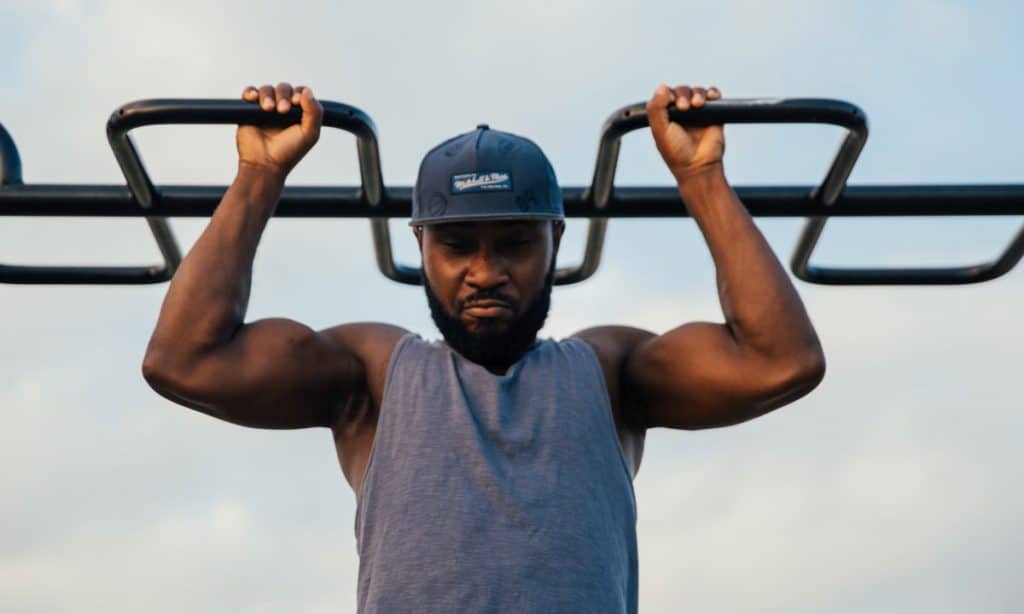
5 Ways To Keep Up With Your Quarantine Workout Once You Return To The Office

 Going back to the office doesn’t mean you have to stop the workout routine you nailed in lockdown. Here’s how.

The pandemic has proved to be the perfect opportunity to try out some new workouts, all with the intent of moving around and staving off boredom. Now that the weather is warming up, there’s ample opportunities for people to leave their homes, workout and return feeling refreshed and ready to take on some more isolation. Just kidding.

The world is slowly reopening, testing the waters and getting back to normal-ish. While this is exciting, it’s also important to be careful and to remember that we’re not out of the woods yet. It would also be great if we could all retain some of our fitness now that we have — or are gearing up — to jump back into office work.

Here’s 5 tips that can help you stay in shape:

Buy the right equipment

Going to work and then trying to find the time to go the gym or on a run during your day is difficult. If there’s one thing we learned from our months spent indoors is that you can work out a lot within your home. Purchase some weights, a yoga mat, a jump rope, or anything else that’s portable (and enjoyable). Make the time for workouts at home or somewhere else where you can just carry that stuff and burn some calories, no matter where you are.

Make time for the workouts you like

Can You Use Cannabis For Your Workout Recovery?
Photo by Jonathan Borba via Pexels

RELATED: Is It Safe To Go Back To Your Gym?

There’s no need to pursue something you don’t enjoy. The important thing is that you have a workout routine. If you dread working out, try to transform your workout into something that you look forward to instead of it being something you dread. Hate running? Don’t do it then. Try going on long walks instead.

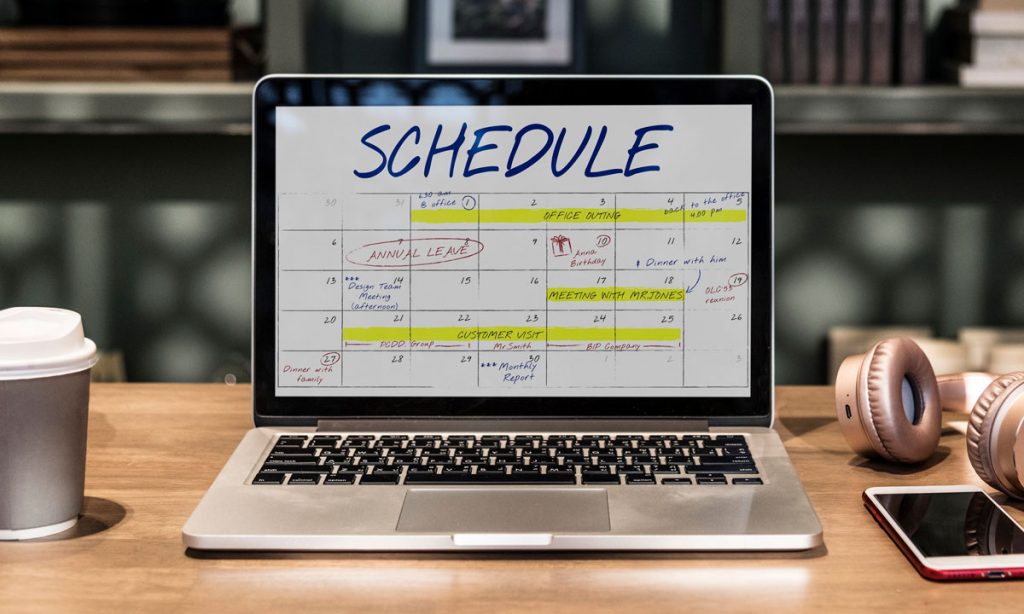
Use your calendar

Your calendar is a helpful tool whenever you’re too busy with appointments. Adding in the days and approximate times for your workouts will give you a reminder and also help you stick to them. Try getting up earlier, or sneaking in 10 or 15 minutes of jump roping before your morning shower or during your lunch break. No matter how busy you are, it’s entirely possible to fit in a workout.

Sneak in short workouts throughout the day

5 tricks to make your treadmill workout less boring
Photo by William Choquette via Pexels

RELATED: Can You Get A Yeast Infection On Your Face From Wearing A Mask?

A good strategy for days when you’re too busy and can’t block out an entire hour to exercise is to workout in chunks. Sneak in some push ups, bicep curls or a couple of runs up and down the stairs (assuming your office has a stairwell). While this method goes kind of against the norm, it will make you appreciate the movement of your muscles and how your body feels afterwards.

There’s no need to rejoin the gym

Gyms are still unsafe, which is why you don’t need to push yourself to rejoin them. Try new workouts that feel satisfying, no matter if they’re not as intense or grueling as what you’re used to. What matters is that you move around and stay motivated.

America’s Complicated Perception Of Weed And Booze

In addition to surveying public perception of alcohol and marijuana use, this research also aimed to find out why people turn to each substance.

America’s complicated perception of weed and booze is again evolving. Times are changing and as more states legalize both recreational and medical marijuana, it is obvious that public opinion about the two is changing, too. At face value, it appears that more people are accepting of marijuana, both as a recreational substance and plant-based medicinal product.

What if we take a closer look? A recent survey performed by the American Addiction Center aimed to do just that and shed some light on the public opinion on weed and booze. Their results confirm what we suspected from the start — the way Americans feel about weed and booze is pretty complicated.

More People Believe Marijuana Should Be Illegal

In the survey of 1,000 people, the American Addiction Center found that 17% of those surveyed believed marijuana should be an illegal substance. This is compared to only 10% of respondents stating that they would prefer alcohol be illegal.

RELATED: Study: Alcohol More Harmful To The Brain Than Marijuana

Interestingly enough, when the results of the survey were adjusted based on the respondents’ own use of these two substances, the overall opinion was different. Among those who don’t drink alcohol at all, 38% want it to be illegal. When the same questioned was asked about marijuana among those who don’t use it, only 30% said they would like it to be illegal.

Is marijuana or alcohol more dangerous?

We know that alcohol use is significantly more dangerous than marijuana use, with an estimated 88,000 alcohol-related deaths occurring in the United States each year. How does public perception line up with the facts? When asked questions about the dangers of each substance, the researchers found that most people seemed to understand that alcohol is more dangerous but still many felt that marijuana was dangerous, as well. 

RELATED: Teenagers Ditch Alcohol And Cigarettes For Weed And Vaping

The average response to the survey was that alcohol is somewhat dangerous or very dangerous. For marijuana, the average response was that it was not very dangerous or somewhat dangerous.

how to make drinking alcohol easier on your body
Photo by Giovanna Gomes via Unsplash

When looking asked for more specific concerns about using marijuana or drinking alcohol, the biggest concern for both substances was how they behave in public. However, respondents were significantly more concerned about their public behavior when drinking alcohol than when using marijuana.

Why do people use marijuana and alcohol?

In addition to surveying public perception of alcohol and marijuana use, this research also aimed to find out why people turn to each substance. According to the results, a much higher number of people use alcohol to celebrate than they do marijuana.

A surveyed 14% of alcohol users admitted they felt they are addicted, while only 8.2% felt that was the reason behind their marijuana use. Interestingly, when asked if they use alcohol or marijuana to cope with stress, the results were nearly identical — 42% said they turn to alcohol while 41% turn to marijuana as a way of dealing with the stress in their life.

Remembering Dr. Lester Grinspoon, Intellectual Leader Of The Marijuana Movement

0

Grinspoon’s book reads as prophetic today, at a time when cannabis reform intersects with the racial injustice and policing issues that currently plague society.

The notion that cannabis holds medical benefits worthy of scientific exploration isn’t such a radical idea today. Give credit to Dr. Lester Grinspoon for that, as he emerged as an invaluable scholarly voice promoting cannabis reform amid the Nixon Administration’s War on Drugs. Grinspoon, who was instrumental in early legalization efforts, died June 25 — one day after his 92nd birthday.

He attended Tufts University and Harvard Medical School, later becoming a longtime fixture in Harvard’s psychiatry department. When Grinspoon first entered Harvard, he viewed cannabis with the same criticism typical, believing it was a harmful drug. Then he met Dr. Carl Sagan, the famed astrophysicist and cannabis advocate. Sagan, a Harvard colleague and good friend to Grinspoon, offered to split a joint one day in the 60s.

“When I saw him smoking for the first time, I said, ‘Carl, you musn’t do that! That’s a very dangerous drug,’ ” Grinspoon told the Boston Globe in 2018. “He took another puff and said, ‘Here, Lester, have some, you’ll love it and it’s harmless.’ I was absolutely astonished.”

Grinspoon became determined to prove Sagan wrong, and reviewed the available research vigorously. In the process, he quickly changed his mind and became a cannabis advocate instead. He wrote his landmark book Marihuana Reconsidered in 1971, where he first argued legalizing a plant that had been prohibited for 34 years until then. At the time it was published, nine out of 10 Americans believed cannabis should remain illegal.

RELATED: How Marijuana Reform Intersects With Policing And Racial Justice

Grinspoon’s book reads as prophetic today, at a time when cannabis reform intersects with the racial injustice and policing issues that currently plague society.

“Indeed the greatest potential for social harm lies in the scarring of so many young people and the reactive, institutional damages that are direct products of present marijuana laws,” Grinspoon wrote.  “If we are to avoid having this harm reach the proportion of a national disaster within the next decade, we must move to make the social use of marijuana legal.”

This Is How To Know When It Might Be Time To Lay Off Marijuana
Photo by Artëm Vasilenko/EyeEm/Getty Images

“And we must consider the damage inflicted on legal and other institutions when young people react to what they see as a confirmation of their view that those institutions are hypocritical and inequitable,” he added.

Grinspoon advocated alongside The National Organization for the Reformation of Marijuana Laws (NORML) throughout the 80s. “For the last five decades, Dr. Grinspoon was the intellectual leader of the marijuana legalization movement,” NORML founder Keith Stroup wrote following news of Grinspoon’s passing.

Unlike Sagan, Grinspoon openly admitted to smoking cannabis in an interview with Barbara Walters on The Today Show. When the public saw a Harvard professor admit such a thing, he hoped it would reshape the image around marijuana users and stoner stereotypes. Decades would pass before that happened and Grinspoon suffered professionally for his public marijuana stance. He was denied full professorship by Harvard multiple times, with rumors circulating the university’s hiring committee disapproved of his cannabis relationship.

RELATED: Study Finds Medical Marijuana Patients Are Happier And Healthier Than Non-Users

Grinspoon’s advocacy continued into the last stages of his life. He memorably wrote an open letter to NFL commissioner Roger Goodell imploring the league to explore cannabis as effective treatment for football players, especially in diminishing concussion and CTE damage.

“In the end, Dr. Lester Grinspoon led the way to insist that our marijuana policies be based on legitimate science,” Stroup wrote. “He made it possible for us to have an informed public policy debate leading to the growing list of states legalizing the responsible use of marijuana.”

Can CBD Protect Your Dog Against Fireworks Anxiety

Fireworks can trigger a dog’s nervous system, quickly overwhelming their senses. Here’s what we know about CBD and your furry BFF.

People have been noticing a lot of fireworks lately. Maybe it’s due to the fact that we spend most of our time bored indoors, that cities are quieter than usual, or that people just don’t care anymore.

According to the New York Times, there are lots of conspiracy theories floating around regarding the origins of these nightly airshows: “The flood of illegal fireworks, heard in nightly booms, bangs and fizzles across the city and the country, has intensified to such a degree that some people are desperately seeking explanations for the chaos, with many suggesting government complicity.”

One thing is certain: Dogs don’t care about your junk theories.

Fourth of July is fast approaching, so we have to be prepared. Here’s where CBD might come in handy.

A lot of pets go missing or start acting out of character when there’s an increase in fireworks. These loud sounds cause dogs’ adrenaline to spike. Fireworks, unlike thunder and other loud sounds, come from the ground, triggering dogs senses and leaving them overstimulated. While a lot of people protect their dogs by giving them medication or keeping them indoors with the TV on, sometimes these options aren’t enough to keep your dog relaxed.

RELATED: Your Dog Ate Your Weed? Here’s What You Can Do

Is there any science to support these claims of CBD treating canine anxiety?

The Huffington Post spoke with Dr. Adam Christman, an award winning veterinarian from New Jersey, who claims that most of the evidence out there on CBD is anecdotal. He mentions the first scientific study on CBD oil conducted on dogs, which found that those who suffered from osteoarthritis lived more comfortably if they were given two doses of the compound a day.

What To Know Before Using CBD To Treat Pet Travel Anxiety
Photo by R+R Medicinals via Unsplash

“However, we are truly unsure of its true safety and potential drug interactions with traditional medications. Therefore, there’s a very gray zone on this,” he said.

RELATED: 5 Things to Know About Hemp-CBD In Pet Products

While most experts agree that more research needs to be conducted on the topic of CBD, there appears to be no risks in dogs consuming it, especially if you’re buying products from a trusted source and following their dosage instructions.

If your dog is very nervous and has a complicated history with fireworks, it might be best to avoid experimentation, at least for now. Stick with medicines that have provided scientifically sound results, like tranquilizers. When the stakes are lower and your dog is experiencing some anxiety, give CBD a try. Just make sure to purchase your product from a reputable source.

Why Bars Are So Dangerous During The Coronavirus

After months in isolation, people are exhausted and feeling lonely, which makes them more reckless when entering bars and restaurants.

Bars are hotspots for the coronavirus. A few weeks ago there was a report that detailed how 15 people contracted the virus in Jacksonville, Florida. Despite the fact that they had been diligent throughout the first couple of months of the pandemic, they went out to a pub to celebrate a birthday and were showing symptoms of COVID-19 a couple of days later. The one thing these victims had in common? Spending an evening together at a bar.

What is it about bars that makes them so dangerous when it comes to the spread of the virus?

On the most basic level, bars are places where people tend to get careless. Most who enter the establishment are looking to be social and have drinks with their friends. Unless people are extremely diligent, they’ll likely drink alcohol, stand close to each other and raise their voices in order to be heard over the music, thus spreading more of their droplets.

RELATED: Craving Hugs Right Now? It’s Not The Pandemic That’s Responsible

Four months into the pandemic and people have been lulled into a false sense of security. After spending months in isolation, people are exhausted and feeling lonely, which makes them more reckless when entering bars and restaurants — establishments that are trying their best to adapt to these unprecedented social distancing measures, with varying degrees of success.

Disney World's New Wine Bar
Photo by Matthieu Joannon via Unsplash

“There are certain counties where a majority of the people who are tested positive in that county are under the age of 30, and this typically results from people going to bars,” said Texas governor Greg Abbot.

 RELATED: 5 Coronavirus Myths That Have Been Debunked

While the demographic that’s been getting more exposure to the virus is the same one that’s likely to face severe symptoms, few of these people are completely isolated, especially now that social distancing guidelines are lifting. This means they might be asymptomatic and will likely be in contact with others who are more vulnerable.

Public protocol can be confusing right now, but there are some common sense measures that limit the amount of risk people are exposing themselves and others to. It’s important to wear face masks and to comply with social distancing guidelines when immersed in crowded settings. While it may not work for an old fashioned party, it’s the reality that we’re living in.

FDA Pursues Action Against Companies Offering Misleading Antibody Tests

Violations include offering test kits for sale in the U.S. directly to consumers for at-home use without first receiving the necessary marketing approval, clearance, or authorization.

The U.S. Food and Drug Administration (FDA) issued advisory letters to three companies that have allegedly been promoting faux antibody tests for the treatment of COVID-19. The products and related marketing content reviewed by the FDA, and were singled out for marketing directly to customers at home, without the involvement of a health care professional, and evaluated as adulterated and misbranded. 

“Providing regulatory flexibility during this public health emergency never meant we would allow fraud,” said Jeff Shuren, M.D., J.D., director of FDA’s Center for Devices and Radiological Health. “When tests are marketed inappropriately, with inaccurate or misleading claims — such as the ability to perform the test completely at home, or that the test is authorized, cleared, or approved when it is not — the (violators) put the health of Americans at risks.” 

The FDA issued warning letters to Medakit Ltd. of Sheung Wan, Hong Kong; Antibodiescheck.com and Yama Group; and Dr. Jason Korkus, DDS and Sonrisa Family Dental (My COVID19 Club) of Chicago, Illinois. Violations include offering test kits for sale in the U.S. directly to consumers for at-home use without first receiving the necessary marketing approval, clearance, or authorization from the FDA.

RELATED: FDA Has Approved A New At-Home Test For COVID-19

The FDA maintains an ongoing effort of vigilance to prevent companies from operating outside set policy guidelines. The letters, to the three companies, were announced on June 17th. The first of their kind to be sent out, the warning letters are an initial step in preventing the sale or marketing of these products. If there is no measurable response or action taken from the companies named, the FDA has the option to pursue additional steps, including taking legal action and seizure of the products that are violating the FDA policies. 

5 Myths About Coronavirus That Have Been Debunked
Photo by fotograzia/Getty Images

Antibody tests (also known as serological tests) detect antibodies to SARS-CoV-2, which can help identify people who might have developed an adaptive immune response to the virus. The immune response can be part of either an active infection or a prior one. These tests may be necessary in the fight against this pandemic. They could potentially provide updated information on potential disease prevalence and help assess the current level of asymptomatic infection. 

RELATED: And Update To The FDA’s COVID-19 Home Testing FAQ

According to the Mayo Clinic, antibody tests are essential in determining who has the virus and to assess how it might be spreading. A medical professional uses finger prick or by drawing blood from a vein in the arm. The sample is tested to ascertain whether you have developed antibodies against the virus. The immune system produces these antibodies — proteins that are potentially critical for fighting and clearing out the infection. 

The FDA also advised medical professionals and health care providers, that it regularly posts updates (at https://www.fda.gov/) about products, medical information, and corrective actions it takes during the COVID-19 public health emergency.  Similarly, the FDA requests that healthcare professionals report questionable products or medically risky situations to the Agency. Reports can be submitted online at MedWatch located here. Medical professionals can also register for FDA information updates at the link.

Is Marijuana The Next Recovery Revolution For Pro Athletes?

More and more research shows the benefits marijuana has on athletes, and leagues have begun to pay attention.

According to science, cannabis provides significant benefits to athletes in both performance and recovery. Physically speaking, marijuana can reduce inflammation, alleviate pain symptoms, and improve symptoms caused by traumatic brain injuries. Those who don’t like the psychoactive effect of THC should know CBD acts as an effective analgesic and anti-inflammatory as well.

Other reviews show how cannabis also delivers a mental boost for athletes. Studies have shown training with marijuana increases focus and motivation in the gym. But it can also allow professionals and amateurs alike to reduce anxiety, depression, and tension in competition, as stated in a comprehensive 2011 study, published in the journal Sports Medicne.

“Furthermore, cannabinoids play a major role in the extinction of fear memories by interfering with learned aversive behaviors,” the study’s authors wrote. “Athletes who experienced traumatic events in their sports career could benefit from such an effect.”

This science, in conjunction with damages caused by pharmaceutical opioids and anti-inflammatories, has inspired former sports pros to speak out. Football, basketball, golf, and hockey players are among those who have advocated for professional leagues to allow cannabis as an alternative medicine and eliminate penalties around its use. By focusing on marijuana’s health and wellness attributes, these athletes have disassociated some long-standing stigmas around the cannabis plant, some of which they used to believe.

“I remember my grandma kicking my aunts and uncles out of the house for even smelling like weed,” former NBA power forward Al Harrington told Playboy. “I was taught it was a gateway drug. I’d see guys strung out on the corner, and they’d tell you that cannabis is what started them down that path. I was smart enough to know I didn’t want no part of that.”

Harrington is now a well-known figure in the cannabis industry. He’s the founder and CEO of Viola Brands, a multi-state cannabis operator that has raised tens of millions in funding. When Harrington entered the NBA, he discovered basketball’s dirty open secret — 70-80% of the league used cannabis in some fashion. Marijuana users ranked as the best players on some of his teams, Harrington said.

RELATED: Why These 4 Professional Athletes Use CBD To Manage Pain

Following a knee surgery in 2012 that led to staph infection, pain medications disrupted his body in numerous ways. So he tried CBD, and the success of the cannabinoids opened his mind.

“For me, it was about managing pain, but it was also because when I get high it allows me to deal with a lot of stuff mentally,” he said. “Anything that goes wrong, the first thing I reach for is cannabis. I believe the plant can heal everything.”

3 reason athletes are expected to
Photo by Matt Lee via Unsplash

Professional athletes suffer more injuries, bruises, and inflammation on the job than most households experience in their lifetimes. The margins between wins and losses, and whether or not they earn a lucrative contract, can be razor thin. It creates an enormous pressure to get back on the field after injury as quickly as possible, and find any advantage, however slight, in training. Tom Brady, for example, refuses to eat cheeseburgers or strawberries.

But it can also lead players to toxic behaviors that wreak long-term damages to their bodies. Former offensive lineman Eugene Monroe was alarmed by the amount of pills he consumed, which only multiplied when he ingested more pills to counteract the side effects of other pills. Eventually, he sought alternative treatment in cannabis.

RELATED: Kevin Durant Becomes Marijuana Advocate For NBA Players

“For me, the major benefits of cannabis are as an anti-inflammatory and the relief from pain, headaches and other concussion symptoms that I still have years after suffering a bunch of them,” he said. “I went from scheduling X amount of pills throughout each day to eliminating all of them. Now that I use cannabis, the only pills I take are vitamins and minerals. There’s no more pharmaceuticals.”

To their credit, sports leagues have listened. The MLB removed marijuana from its banned substances list last year. Back in March, the NFL said it would no longer suspend players for positive marijuana tests while limiting testing for the drug to once a year. The NHL does not discipline players for cannabis use as well.

Change appears on the horizon for the NBA as well. When play resumes in Orlando next month, where teams will compete inside a bubble to limit spread of the coronavirus, athletes won’t be tested for cannabis. In addition, NBA Payers Union Executive Director Michele Roberts joined the Cresco Labs board this month and previously voiced support for allowing basketball players to use cannabis.

“I think they’ll wait to see how it affects the NFL, and I don’t think it will affect the NFL at all,” Harrington said. “The NBA can’t be the only league that doesn’t change their rules. They’ll look kinda crazy.”

What To Know About Vaping CBD

CBD vapes are a common way of ingesting the compound, producing fast results while avoiding the ‘head high’ that THC is so known for.

CBD is a compound that continues to flourish, especially since it helps manage a wide variety of symptoms that target people of all ages and lifestyles, from chronic pain to depression and anxiety. So here is what to know about vaping CBD.

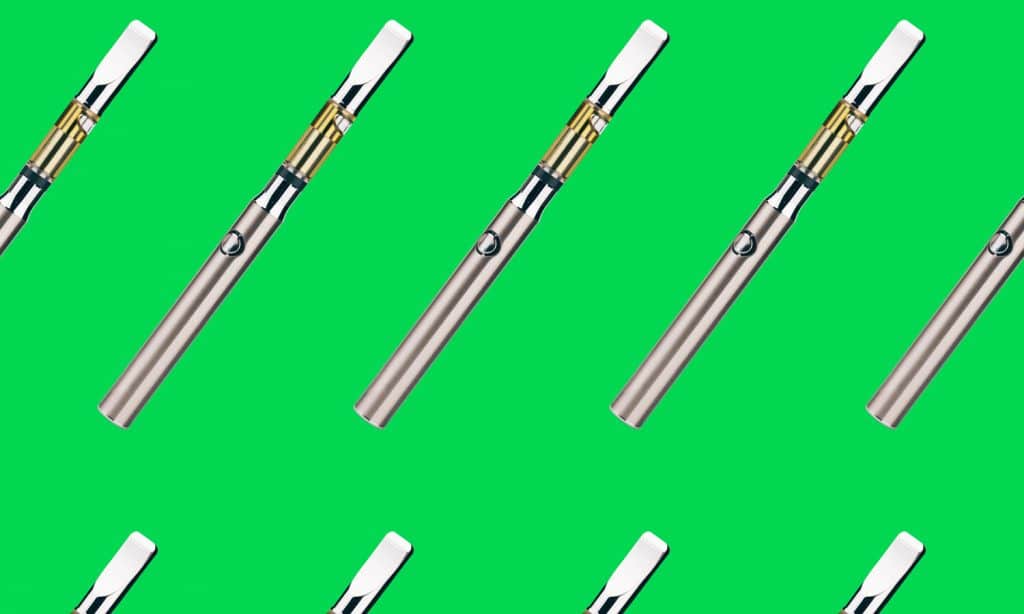
While a lot has been discussed and written about CBD oils and gummies, CBD vaping is also a pretty popular method of consumption. Vapes have understandably gotten a bad rap over the past year, but still, people enjoy them for their discretion and comfort. As long as you purchase your items from a reputable source, you should be fine.

One of the reasons why people prefer CBD vapes is because they have higher concentrations of the compound when compared to flower. They might also produce quicker results compared to consuming CBD oils and edibles, since vapes distribute the content to your bloodstream directly.

RELATED: These Are The 4 Biggest Problems With CBD Products

If you’re someone who’s interested in trying CBD vapes, you should keep dosage in mind. While tolerance varies from person to person, an average vaping cartridge contains about 100mg of CBD. As is the case with other kinds of marijuana, take a hit or two and wait around to feel results. You can increase or decrease the dosage as needed.

vaping marijuana
Photo by Chimpinski/Getty Images

While CBD won’t get you high like THC, it will produce an effect, and overdoing it might lead to drowsiness, low blood pressure, red eyes and dry mouth. While you won’t have to deal with paranoia or anxiety produced by a bad high, you might have to cope with the remaining negative side effects.

RELATED: Debunking 7 Common Myths About CBD

Before you make your purchase, do your research. Learn whether the compound is legal in your state and try out a brand that has some recognition. Learn as you’re experiencing the compound and hopefully find some of the relief that many people believe in.

Los Angeles Resets Marijuana Program To Combat Racial Inequality

The changes will finally address the city’s stagnant social equity programs, but could lead legacy operators into the illicit market.

The Los Angeles City Council approved a series of recommendations Tuesday that would overhaul its plagued recreational cannabis program, with a primary focus on fixing social equity licenses. The changes have been met with applause and derision from those vying to join L.A.’s cannabis industry.

At one time, the Los Angeles marijuana scene held significant promise. Insiders expected the city to serve as a hotbed for cannabis culture and entrepreneurship, showcasing the massive growth potential possible within marijuana businesses.

In many ways, the promise L.A. held has been realized. The only problem? The majority of that success happens in the illicit market. According to the Los Angeles Times, California marijuana revenue hit $3.1 billion in legal sales in 2019, the highest total of any adult-use market. Illicit sales, meanwhile, is expected to total $8.7 billion. Social equity programs, designed to benefit those impacted by the War on Drugs, have proceeded over two years in sluggish fashion, drawing criticism to L.A. and the state writ large.

The latter issue was the focus of City Council’s changes, most of which will prioritize social equity applicants in the near future. L.A. will streamline the application process for social equity applicants, as well as provide temporary approval to those who meet the program’s benchmarks. Until 2025, the city will limit all delivery licenses to businesses that fall in line with social equity criteria. Reference points for who fits these benchmark include those either arrested for marijuana-related offenses or lived in neighborhoods previously overwhelmed by high marijuana arrest rates.

RELATED: The Role Marijuana Legalization Can Play In Fighting Racial Injustice

These were imperative changes said Cat Packer, the city’s top cannabis regulator, following racial justice protests and economic damages caused by the coronavirus pandemic. The intersection “between cannabis policy and racial injustice is clear to me,” Packer said. “Black and brown communities … have been disproportionately impacted, disproportionately policed, and we made a commitment to actively acknowledge those harms and address the harms of the drug war.”

'LA Times' Thanks Jeff Sessions For Pushing Marijuana Reform Forward
Photo by rawpixel.com

While credited with finally addressing the city’s flailing social equity programs, others criticized the negative impact this could present to legacy operators. That includes retailers and growers who supported the state’s medical marijuana program before 2018, when adult-use sales began. It could also push potential operators into the illicit market, as they might have to wait several years before a chance to become fully legal.

RELATED: How Marijuana Reform Intersects With Policing And Racial Justice

Michael Chernis, an attorney with clients in and outside social equity programs, told Marijuana Business Daily this could “cut off any chance for anyone but a social equity applicant to get a retail license, a non-storefront retail license or, as far as I can tell, any license for five years.”

He added, “My initial reaction is it’s really unfair to people who are not social equity applicants, because there are a lot of people who were waiting patiently to be licensed … resisting the temptation to operate illegally in the hopes of becoming licensed.”

What Healthcare Workers Need To Know About Newest FDA Drug Approvals

The FDA is hoping to piece together the puzzle of not only preventing, but treating coronavirus in a way that saves lives and alleviates stress on healthcare systems across the U.S.

“The FDA recognizes the increased demand for certain products during the COVID-19 public health emergency, and we remain deeply committed to facilitating access to medical products to help address critical needs of the American public.” – (FDA

With a rush of recent approvals to help with the coronavirus epidemic, the U.S. Food and Drug Administration (FDA) has been fast-tracking approvals in hopes that American lives will be saved. Their newest abbreviated drug application approvals pertain to two generic drugs that help when intubating patients as the drugs work to help relax skeletal muscles, making insertion easier. 

How COVID-19 Has Changed The Healthcare Landscape 
Photo by Luis Melendez via Unsplash

RELATED: The FDA Is Taking A Big Step Toward Prevention And Treatment Of COVID-19

Both succinylcholine chloride and cisatracurium besylate injections were approved, in hopes of helping patients in an intensive care setting. Breaking down the drugs, the FDA explained: 

  • Dexmedetomidine hydrochloride in 0.9% sodium chloride injection, is indicated for sedation of initially intubated and mechanically ventilated patients during treatment in an intensive care setting and sedation of non-intubated patients prior to and/or during surgical and other procedures. The most common side effects of dexmedetomidine hydrochloride injection are hypotension, bradycardia, and dry mouth. This drug is listed in the FDA Drug Shortage Database.
  • Succinylcholine chloride injection USP 200 mg/10 mL, is indicated in addition to general anesthesia, to facilitate tracheal intubation and to provide skeletal muscle relaxation during surgery or mechanical ventilation. Side effects of succinylcholine chloride injection include anaphylaxis, hyperkalemia, and malignant hyperthermia.

RELATED: What To Know About The FDA’s Stance On Hydroxychloroquine And Chloroquine

With a rise in both emergency use authorizations (EUAs) and drug approvals during the COVID-19 pandemic, the FDA has looked to offer doctors and health care teams additional resources in the fight against the virus. With over 180 approvals so far, the FDA is hoping to piece together the puzzle of not only preventing, but treating coronavirus in a way that saves lives and alleviates stress on healthcare systems across the United States. 

Don't Miss Your Weekly Dose of The Fresh Toast.

Stay informed with exclusive news briefs delivered directly to your inbox every Friday.

We respect your privacy. Unsubscribe anytime.