Tuesday, May 12, 2026
Home Blog Page 504

Which CBD Product Is Right For You?

CBD is incredibly versatile, and treats many types of aches and pains. Chances are, there’s a delivery method that speaks to you. Here are the 5 most common ones.

CBD has become one of the largest and most popular cannabis compounds, with plans of growing even bigger if the industry’s predictions are correct. Despite the interest, there’s still a lot of mystery surrounding its true effects. In a general way, CBD has been used as a successful treatment option for thousands of people who suffer from various conditions, ranging from anxiety and stress to arthritis and chronic pain disorders. But which CBD product is right for you?

Like cannabis, CBD can also be consumed through a variety of methods, each providing  benefits for treating specific ailments. Here are the five most common ones:

Hemp & CBD Oil

One of the most versatile and popular ways of consuming CBD is through oil. The oil can be added to edibles, capsules, drinks, massage oils and more, making for a discreet option that steadily improves on your mental health and provides relief for physical pains.

Tinctures

Photo by Anton Petrus/Getty Images

RELATED: 6 Things To Know Before Buying CBD For The First Time

Similar to oils, tinctures are liquid concentrated extractions of CBD. Unlike CBD and hemp oils, these tinctures are less concentrated and can be consumed sublingually, having a faster effect than most other methods.

Infused Topicals

Another very common option for treating surface level pains and physical aches are topicals. These lotions, oils and creams work when applied directly on the skin, providing quick acting and localized relief from workout injuries, arthritis and more.

Edibles

Skip The Booze This Holiday With Next Generation Edibles
Photo by Massimo Adami via Unsplash

RELATED: What You Should Know About Crossfaded Highs

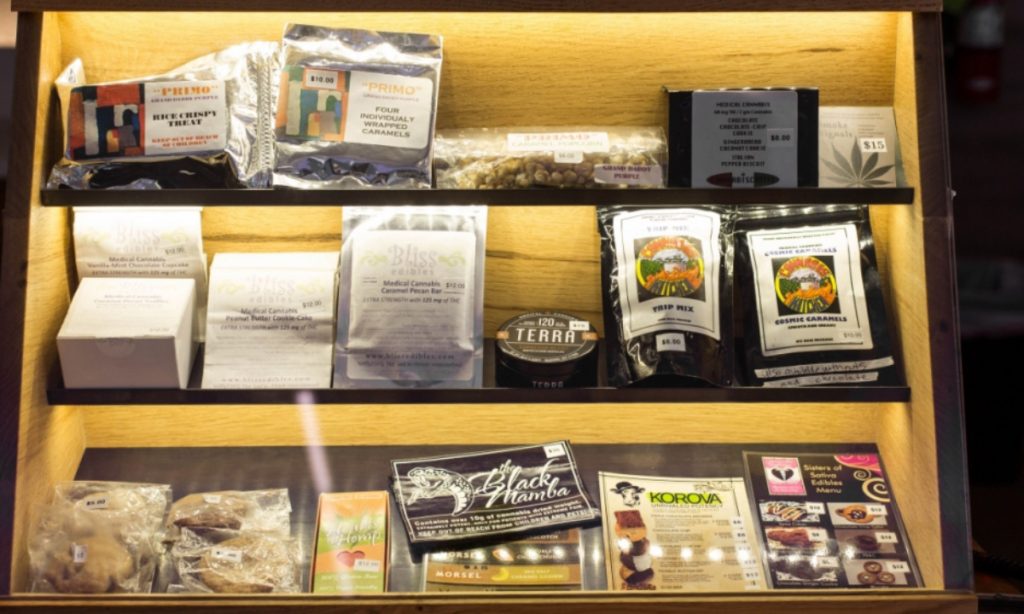
Edibles are no longer just associated with THC and getting high. CBD edibles are very trendy right now, with hundreds of companies selling their own version of the product. These can come in the shape of gummies, brownies, lollipops and more, providing relief for people who suffer from different ailments and don’t want to take other medicines that may come with side effects.

Strains

Depending on the THC content of the strain, you can smoke or vape these without feeling  high or impaired. While most strains contain a small amount of THC, making them work even better due to cannabis’ entourage effect, you can ask your budtender and have them recommend a strain with a high CBD concentration.

Craving Hugs Right Now? It’s Not The Pandemic That’s Responsible

Whether we’re male or female or we identify as “huggers” or not, every type of person is experiencing a loss of human contact and touch during this time.

The pandemic has been a tough time for all of us, but there’s a difference between what introverts and extroverts are experiencing. The fact that people can’t see their friends and family as often as they’re used to is hard to cope with for a variety of reasons, one of the most basic ones being touch. According to a new study conducted on twins, “skin hunger” is real and there’s a genetic basis to it.

Social scientists from the University of Arizona have discovered that craving for human touch is influenced by the fact that we’re designed to be cared for by others. “Touch equals survival as infants. If we don’t have someone touching us and helping to meet our needs, then we don’t survive,” explains University of Arizona professor Kory Floyd. People who’ve spent the past couple of months alone and isolated, might be experiencing this skin hunger to different degrees.

“Many people these days are recognizing that they miss getting hugs, they miss touch, and it’s maybe the one thing technology hasn’t really figured out how to give us yet,” says Floyd.

The study examined the levels of affection people expressed to determine influences, whether they were genetic or environmental. There were marked differences between men and women, with women having more of a genetic influence and men’s response being determined more by their environment, a fact that surprised researchers.

RELATED: Cycling More During The Pandemic? Here’s How CBD Can Help

The study looked into 464 pairs of adult twins, half identical and half fraternal, all between the ages of 19 and 84. This type of research is a great base for studying the differences between genetics and environment, since twins tend to be raised within the same household. There’s also the fact that identical twins share 100% of genetic material and fraternal twins share only 50%.

Your Genes Have A Surprising Effect On How Marijuana Affects You
Photo by qimono via Pixabay

According to UA News, “The identical twin pairs scored more similarly than the fraternal twin pairs – at least in the case of women — suggesting that there is, in fact, a genetic component to affectionate behavior.”  Researchers don’t know why affectionate behavior seems to be heritable in women but not men. However, Floyd notes that men, on average, tend to express less affection overall than women, as evidenced by previous research.

 RELATED: 4 Positive Habits We’ve Picked Up During Lockdown

Whether we’re male or female or we identify as “huggers” or not, every type of person is experiencing a loss of human contact and touch during this time. This skin hunger is similar to regular hunger, and even though it may be more difficult to be attuned to it, it’s important to listen to your body and fulfill that need how you’re able. Pet a dog, cover yourself in weighted blanket, or create your quarantine social bubble with a friend or loved one. However you meet this need, it’s important to address the issue and to not let it fester.

COVID-19 May Trigger Diabetes — Can Marijuana Help?

Researchers believe that some people may develop diabetes for the first time due to contracting severe COVID-19. Here’s how cannabis may help.

There are some new, unanswered questions about the busy intersection of COVID-19, the risks of diabetes, and the potential efficacy of medical marijuana in treatment. 

The medical community is becoming increasingly vocal in the push to investigate the therapeutic properties and side effects of cannabis and its synthetic counterparts- especially given the current health crisis.  Medical marijuana is a synthetic form of the active ingredient in marijuana, tetrahydrocannabinol (THC). 

Currently, 19 states and the District of Columbia have legalized THC for medical use, and legislation is pending approval in 10 other U.S. states. One estimate puts the number of medical marijuana users at 2.5 million. There is a rise in state legalization, where recreational marijuana is gaining accessibility as well.

Some research has found a decreased prevalence of diabetes among marijuana users, while others found lower fasting insulin levels in those who imbibe. 

Researchers believe that some people may develop diabetes for the first time due to contracting severe COVID-19. These researchers have set up a registry for reported cases, to investigate the possible link, and to inform future treatment.

The specialists have set up the CoviDiab Registry to gather data on the problem from doctors to establish its extent and how best to treat it. 

RELATED: Using Medical Marijuana To Treat Diabetes

“Diabetes is one of the most prevalent chronic diseases, and we now realize the consequences of the inevitable clash between two pandemics,” says Francesco Rubino, professor of metabolic surgery at King’s College London in the United Kingdom and co-lead investigator of the project. 

Drug Trial Planned for Synthetic Cannabinoid COVID-19 Treatment
Photo by Jasmin Merdan/Getty Images

Understanding the study

An initial study published in early 2019 in the American Journal of Medicine found a link between moderate blood sugar levels, waist size, and body mass index (BMI) scores after the study used data from the National Health and Nutrition Examination Survey. 

Dr. Murray Mittleman is the Professor of Epidemiology at the Harvard TH Chan School of Public Health and the Associate Professor of Medicine at the Harvard Medical School. She stated, “Ours is the first study to investigate the relationship between marijuana use and fasting insulin, glucose, and insulin resistance.” 

Dr. Mittleman told Healthline News in 2019 that the mechanisms at work showing possible correlations between the past use of marijuana and its resulting diabetics changes were still not entirely clear.

One noteworthy aspect of new research is how diabetes can increase the risks of COVID-19. But there is also another risk that people may develop diabetes when the body’s ability to regulate blood glucose levels breaks down. It can either result from damage to beta cells in the pancreas that produce the hormone insulin, known as type 1 diabetes, or from the body becomes insensitive to the hormone, which leads to type 2 diabetes.  

RELATED: Did Scientists Cure Type-1 Diabetes?

There was separate research this year during the pandemic that showed another link. In a letter published earlier this month in the New England Journal of Medicine (NEJM), a panel of 17 global diabetes specialists pointed to the fact that there is a two-way relationship between diabetes and COVID-19.  

The American Alliance For Medical Cannabis published a large-scale report on cannabis and diabetes. With marijuana becoming legal over most of the United States, other organizations are looking at the positive aspects of the medicine. If you’re wondering about the effect of marijuana on diabetes, especially during the COVID-19 pandemic, it’s best to discuss with your care team. 

Can You Get A Yeast Infection On Your Face From Wearing A Mask?

Yeast thrives in humid environments, which we are experiencing with hot summer weather and face masks.

Summer is the favorite season of many people, probably even more now that lockdown restrictions are being lifted and people can enjoy the weather for the first time in awhile. Despite how nice it is to spend time outdoors after being cooped up inside for so long, summer weather and face masks are one of the world’s most terrible combinations. But with the heat, can you get a yeast infection on your face from wearing a mask?

The Huffington Post spoke with experts about the possibility of developing certain skin infections due to the humidity caused by face masks. While there is a possibility of developing a yeast infection on your face, a face mask alone won’t be the sole responsible party.

“We already have yeast on our skin. A yeast infection could occur in the right setting, such as a warm, moist environment, but is often related to another factor (diabetes, compromised immune system, recent course of antibiotics, poor hygiene) that allows the yeast to grow unchecked,” explains dermatologist Dr. Susan Massick.

RELATED: 5 Ways To Treat Skin Issues Induced By Coronavirus Stress

A face mask can increase the odds of developing a yeast infection provided that there’s a preexisting condition to deal with. This barrier of fabric keeps the face humid, which makes it more likely to get irritated and thus infected.

How The Cornaviurs Has Negatively Impacted Marijuana Legalization
Photo by Ada Yokota/Getty Images

It’s important to wear face masks to keep yourself and others safe, but it’s also important to find the time and space to be without the mask, letting your skin breathe without any obstructions. If someone has a skin condition, they should be extra careful, since their odds are higher for irritation, infection and more.

Masks are inevitable at this point, so you have to work with the problem. Try using cotton masks, cleaning them properly and having an extra on you in case it gets damp and sweaty. “Cotton masks are also soft to the skin, are not rough or itchy, and are usually comfortable when breathing,” explains Massick.

RELATED: Cycling More During The Pandemic? Here’s How CBD Can Help

Be on the lookout for any strange looking patterns or patches of dry and irritated skin that appear on your face and tend to them as soon as possible. While you most likely won’t get a yeast infection, another type of rash or infection might appear without you realizing it.

Bill Barr Inappropriately Used Funds To Target Marijuana

According to a Justice Department whistleblower, reefer madness still continues with Attorney General William Barr.

Attorney General William Barr said he’d take a “hands-off” approach to marijuana at 2018 Senate confirmation hearings. His statements encouraged the cannabis industry following former AG Jeff Sessions, a noted prohibitionist strictly against legal marijuana. Barr appeared like a breath of fresh air — he said emphatically he wouldn’t use federal resources to prosecute legal cannabis companies abiding by state law. Well, Bill Barr inappropriately used font to target marijuana and the industry.

But a Justice Department whistleblower is expected to testify otherwise to Congress this week. John Elias, a senior official at the DOJ’s antitrust division, wrote in an opening statement that Barr inappropriately investigated cannabis company mergers and acquisitions because he “did not like the nature of their underlying business.” These “were not bona fide antitrust investigations,” Elias added, and accounted for 29% of all antitrust merger investigations in 2019.

RELATED: Trump Administration Doubles Down on Anti-Marijuana Position

Staff were pulled in to assist from other departments due to the volume and labor required in these cannabis investigations. Assistant Attorney General Delrahim, who serves as head of the DOJ Antitrust Division, held an all-staff meeting on Sept. 17, 2019 following internal concerns about the nature of these investigations.

“There, he acknowledged that the investigations were motivated by the fact that the cannabis industry is unpopular ‘on the fifth floor,’ a reference to Attorney General Barr’s offices in the DOJ headquarters building,” Elias wrote. “Personal dislike of the industry is not a proper basis upon which to ground an antitrust investigation.”

SG nominee william barr announces intention to respect state marijuana laws
Photo by Chip Somodevilla/Staff/Getty Images

A highly publicized, potential merger between MedMen and PharmaCann fell apart, due to regulatory delays caused by one such DOJ probe. Despite DOJ staff concluding the deal was “unlikely to raise any significant competitive concerns,” Barr still called for a second investigation.

RELATED: Secret Memo Shows Trump Administration Blocked Marijuana Research For Years

“The rationale for doing so centered not on an antitrust analysis, but because he did not like the nature of their underlying business,” Elias wrote.

Staff reiterated their position the planned merger wasn’t of antitrust concern, especially considering cannabis industry’s fragmented markets in part due to state-by-state variety in regulation. While the DOJ held up the deal, MedMen stock prices fell about a third of their original value. Elias cited 10 total DOJ investigations motivated by Barr’s personal dislike of marijuana, but only cited the MedMen-PharmaCann deal by name.

Ask Mister Manners, Thomas P. Farley: Help! I’m Karen — Not A ‘Karen’

I’ve always liked my name, until it became synonymous with white privilege and rage. What’s a Karen to do in this divisive climate?

Etiquette tips on how to interact in today’s world. Have a question for Mister Manners? Send your queries to info@whatmannersmost.com and look for replies in the coming weeks. 

A KAREN WHO CARES

Q: I’ve gone my whole life very happy with my name. But almost overnight, the name Karen has become slang for a particular type of woman who believes the world must bend to her wishes. She complains to managers. She takes out her smartphone to film interactions if things don’t go her way. And in general, she’s very unpleasant to be around. None of those things apply to me, and yet, here I am, feeling as though the name I received at birth suddenly has unfortunate connotations. What can I do when someone makes a joke about being scared to meet me once they learn my name?

A: A fashionable selection for girls born in the 1950s and 1960s, Karen reached peak popularity in 1965, hitting number-three on the list of names American parents were choosing for their girls. And though the name experienced a steep drop-off in popularity through the 1970s and up to the present, that original generation of Karens had a half-century’s blissful use of their name without any issues. In the late 2010s, however, social media appropriated the moniker for its own purposes. 

Try as I might, I can’t think of any other name that has been so cruelly and unjustifiably singled out. Sure there’s the “Average Joe,” “Peeping Tom,” “Smart Aleck, “Plain Jane” and “Chatty Cathy.” But a name that can stand sans adjective to represent a thoroughly hateful personality? Not even “Karen” runner-up “Becky” (memorialized in the Beyoncé song “Lemonade”) or their male counterpart, “Chad,” even come close to the popularity of Karen in social media shorthand.

As arguments over mask-wearing have raged in big-box stores around the country, pitting customer against customer and customer against manager, any woman who fits the demographic profile described herein risks doing further damage to Karens everywhere. It matters not that her name may actually be Meg or Grace, Adelaide or Samantha. If she’s awful, she’s a “Karen.” Recent events have proven that not even politicians are immune to the temptation to further sully the name Karen by using it in hashtags.

RELATED: Ask Mister Manners, Thomas P. Farley: ‘My Son’s A Freeloader’

So what are Karens to do? They could wait and hope the trend fades on its own. But I imagine it will be years before Twitter tires of it. Until that time, I advise Karens to grin knowingly when someone goes for an obvious joke and simply say: “If I actually were what you think Karens are, I’d already be complaining to the manager.” Follow that up with: “Rather than report you, I’m pleased to meet you.” Perhaps by taking the high road, Karens can reclaim their good name, one which has been around since Medieval times and which, in Danish, means “pure.”

Groomsman Epically Faints During Wedding
Photo by Tiko Giorgadze via Unsplash

RULES OF ENGAGEMENT

What are your thoughts about wedding-shower etiquette during COVID-19? Since our daughter’s wedding reception will most likely be much smaller than planned, we don’t want to see her missing out on having a shower. Can we invite people who would have been invited to the wedding but now won’t be due to distancing guidance?

Oh for the year 1996 when Alanis Morissette could sing of rain on one’s wedding day and wrongly call that weather letdown “ironic.” This summer, I’ll bet most couples would happily forego sunshine—irony or not—if it meant being able to proceed with their weddings exactly as planned. And yet, thanks to the coronavirus, weddings and showers alike are getting rained on in a torrential fashion. Postponements abound, and smaller celebrations are the only seeming alternative for those who decide to proceed with their chosen date. 

RELATED: Ask Mister Manners, Thomas P. Farley: ‘Will They Call Me Racist?’

I’m all for boosting your daughter’s spirits by means of a wonderful consolation celebration, but could you not invite just a few close friends to attend in-person with the balance joining virtually? Providing those who are onsite are responsible—and ideally, if the celebration is held outdoors—you should be able to toast the forthcoming nuptials in a manner that is meaningful and memorable. I would not hesitate to take the same approach with the guests she planned to invite to her wedding.

In circumstances such as the ones we now face, etiquette is adapting as quickly as possible to accommodate scenarios we never imagined. The good news is, we are in such uncharted waters that no one can feel slighted—even if, on occasion, they are uninvited. Imagine that….breaking a rule of etiquette to be more considerate. Now that, Alanis, is ironic.

Mister Manners, Thomas P. Farley, is a nationally regarded expert who appears regularly in the media to discuss modern-day etiquette dilemmas — from how to split a check fairly to how to get a word in edgewise. Follow Thomas on Facebook, Twitter and Instagram. And for more insights, listen to his brand-new podcast, “What Manners Most,” which will be focused exclusively on Coronavirus-related etiquette for the foreseeable future.

Prolonged Cannabis Exposure Might Help Treat Migraines

A new study shows that marijuana may contribute to the long term treatment of migraines, reducing their frequency, intensity and the need to consume other medications.

A study from Israel looking into how marijuana use affects migraines showed that continued exposure to the drug may reduce the frequency of these bouts in the long term.

Published in the journal Brain Sciences, the study surveyed 145 patients between the ages of 34 and 54, all of whom had been treating their migraines with medical marijuana for at least the past three years.

The study found that 61% of subjects reported that their monthly migraines had been cut in half. It also found that those subjects who did have reoccurring migraines suffered less impairment than usual, had better sleep patterns, and were consuming less medications in order to treat their symptoms.

RELATED: Can Marijuana Help Treat Headaches Or Migraines?

Should Chronic Pain Patients Use Metered Doses For Most Effective Treatment?
Photo by Andrea Piacquadio via Pexels

“These findings indicate that MC [medical cannabis] results in long-term reduction of migraine frequency in [more than] 60% of treated patients and is associated with less disability and lower antimigraine medication intake,” concluded the study. Researchers theorized that the endocannabinoid system can influence these behaviors, stimulating the development of serotonin and reducing pain.

RELATED: Marijuana Cuts Migraine And Headache Pain In Half

Marijuana and migraines have been studied by other researchers in the past, with results showing that the drug can help to prevent these attacks, especially in patients who’ve been experiencing these kinds of cluster headaches since childhood.

While more studies are definitely necessary to get a clearer picture, data continues to fill in the blanks of how our endocannabinoid system functions. The more research that’s conducted, the more we can understand our bodies and why marijuana provides such a wide variety of effects, from treating chronic pain to improving mental health.

Marijuana Reform, Policing And Racial Justice

0

Marijuana history ties directly into larger conversations around police brutality and systemic racism than most Americans realize.

When Brookings Institution senior fellow John Hudak wrote Marijuana: A Short History in 2015, cannabis legalization was still regarded with a curious novelty by many Americans. Since then, cannabis has emerged in the national conversation through politics, culture, medicine, wellness, and more. And in light of recent discussions around policing and systemic racism in the United States, Hudak believed it was important to build upon that history and discuss how the roots of prohibition impact us today. Here is some insight into marijuana reform, policing and racial justice.

Hudak wrote a new edition to his book, which will be available June 30. To promote the book’s launch, Brookings hosted a webinar with Hudak, Buddings Solutions CEO/founder Shanita Penny, and Politico reporter Natalie Fertig to unpack how cannabis sits at the intersection of race, politics, and culture in America.

When many Americans think about marijuana history, Hudak explained, they focus on the 60s and 70s, when Richard Nixon introduced the Controlled Substances Act, which officially criminalized cannabis. But the foundation of cannabis laws as we recognize them today really started at the turn of the 20th century.

“Cannabis law and drug policy in general really had explicitly racist roots in the United States. Cannabis laws initially came about out of fear of Mexican immigration to the United states,” said Hudak. “The term ‘marijuana’ was rooted in that attempt white Americans and immigrants coming across the border of Mexico. That spiraled into a broader, racially divisive set of policies that, by the 1920s, begin to vilify black Americans, in addition to Latinos and immigrants.”

That eventually led to Nixon’s infamous War on Drugs. In reviewing those policies and statements made by politicians, Hudak was struck by the languages used at the time. It was rhetoric typically reserved for war. And if it is a war, why shouldn’t the police use war equipment to fight it?

“That really transformed how police departments operate in this country,” Hudak said. “It was all based on opposition to people of color, opposition to agreement, and opposition to certain political groups.”

RELATED: The Role Marijuana Legalization Can Play In Fighting Racial Injustice

Sadly, as Penny said, it’s taken 50 years to reach a place where lawmakers and industry leaders have begun addressing the racial aspects of historical drug policy. To repair the damages caused by the Drug War, states have included social equity programs designed to benefit communities of colors that were disproportionately affected by marijuana’s criminality.

Everything You Need To Know About Cannabis And Hemorrhoids
Photo by Cappi Thompson/Getty Images

But those programs often fail to lift up these communities with the support necessary to thrive. Creating expungement programs that require extra bureaucratic legwork from marijuana offenders doesn’t go far enough, Penny said. Marijuana legalization doesn’t automatically fix all the problems rooted in decades of systemic obstacles.

“Many of the systems that have held these same individuals down most of their lives since they were impacted, or even before that, are still in existence,” Penny said. “They are systems that need to be re-tooled for any of this progressive legislation to ever stand a chance. If we don’t center race and equality in this conversation, it will all be for naught.”

RELATED: Twista, Berner, And Chris Webby Discuss Racial Bias In Cannabis Arrests

State lawmakers might pay lip service to doing this work when constructing legislation, but their actions often fail to provide the foundation necessary for social equity programs to thrive. Massachusetts, for example, only has lifted one social equity-owned cannabis store off the ground for the whole state.

“Cannabis business is hard. It’s hard if you’re well-funded, politically connected, if you’ve run successful businesses and exited them. This idea that giving a business license to someone impacted by the War on Drugs or only making a certain amount of money per year, and now their life is equitable in this country? It’s an absolute joke.

“It doesn’t make sense to throw this license out there and expect them to be successful and thrive,” she continued. “We’ve seen millions and millions of dollars being lost annualy by large companies. It just isn’t realistic that there’s an expectation these folks can get up and running faster than anyone else.”

RELATED: Joe Biden’s Toughest Opponent Is His Criminal Justice Record

While cannabis legalization is popular in America, it isn’t necessarily salient, Hudak explained. Many voters have access to cannabis through legal markets and if they don’t, can’t usually access it without serious consequences, especially if they’re white. That cause a dilemma where many people see other issues that need to come to the front of the line before cannabis.

“That said, if cannabis reform gets folded into the larger conversation around racial justice and policing, that could create that policy window,” said Hudak. “Where everything comes together at the right time and something can get done. That makes it more salient to Americans. Because then Americans stop thinking about it as can you buy cannabis legally or not. You’re thinking about it as something systemic, something institutional, something that touches a lot of issues.”

Health Providers Should Know Probiotics And Cannabis

Where does cannabis fit in with the intricate tapestry of bacteria and enzymes in the gut? We’re here to explain.

The rise in cannabis and its various correlated products are bringing about attitudinal perceptions and changes. The new mindset is in how we think about traditional antibiotics, and how we create responsive treatments of gut health. There is increasing anecdotal evidence of the efficacy of cannabis in treating various gastrointestinal conditions. Here is information for health providers should know about probiotics and cannabis.

Microscopic bacteria, known as microbiomes, are organisms that go a long way to improving gastrointestinal health. They are a diverse collection of microorganisms that line the inner walls of your gut, like sticky wallpaper.

There are two types of supportive bacteria. The first, prebiotics, have their basis in the health benefits of plant fiber. They serve an essential function, acting as a sort of fertilizer to stimulate the growth of bacteria and support digestion in your gut lining.  

The second type, probiotics, are mostly live bacteria or yeasts sourced from fermented foods. Mayo Clinic states that probiotics are different than prebiotics in that they contain live organisms, precisely many types of bacterial organisms, which effectively help balance the healthy microbes. The most common probiotic food that everyone knows is yogurt with live cultures. Yogurt is milk fermented with many different types of bacteria. Beyond yogurt, other fermented foods include sauerkraut, kombucha, and kimchi. Seek a dietitian or medical professional if you want to research what types of gastrointestinal supplements to recommend to patients and clients.

Companies market probiotics as supplements. There are two things to keep in mind in recommending probiotics. First, there are many types of probiotic supplements, and second, the different levels or concentrations of supplements can often be confusing. For example, lactobacillus is a popular strain…of which there are 120 different species.

Probiotics are not an automatic, overlapping fix in search of a specific gastrointestinal condition. It is essential here to recommend the right probiotic with the correct gastrointestinal diagnosis.  

There is not a  “one probiotic fits all situations” set of circumstances. Some individuals reported symptoms of digestive problems (such as gas and bloating) upon initial consumption of probiotics. 

RELATED: Cannabis And The Gut: What You Should Know

According to AZO Life Sciences, there is a healthy body of evidence that supports the existence of the “gut-endocannabinoid axis” where both gut barrier function and intestinal permeability have improved upon the addition of probiotic bacteria. This reaction results from the increase in select endocannabinoids concomitant with a decrease in others. 

Here's How Medical Marijuana Can Help ALS
Photo by rgbspace/Getty Images

The interactions between the gut microorganisms and the endocannabinoid system govern the integrity of the gut barrier, which directly influences health. Cannabis is one drug that bridges the endocannabinoid system and the gut microbiome.

RELATED: Cannabis And Gut Health: Does It Boost Your Gut Bacteria?

Where does cannabis fit in with this intricate tapestry of bacteria and enzymes? Both gut barrier function and intestinal permeability improve upon the addition of probiotic bacteria, mediated by the increase in select endocannabinoids concomitant with the decrease in others.  The right level of cannabis products will show improvements. 

The anecdotal evidence of the efficacy of cannabis in various gastrointestinal disorders can often show correlation with the discovery of endogenous cannabinoids, receptors, and synthetic and degradative enzymes in the gut.  

7-Eleven Is Waging War Against Oklahoma Marijuana Dispensaries

“What we’re hearing from 7-Eleven is they consider this a criminal activity and money laundering,” said one dispensary owner.

By all accounts, the Oklahoma cannabis industry is a runaway success. Medical marijuana sales routinely break expectations and smash records, even amid the pandemic. Oklahoma permits a free-market system for medical cannabis, or as close to one as possible. That means no licensing caps, no municipality zoning restrictions, and doctors can recommend cannabis for any ailment they see fit. But now, 7-Eleven is waging a war against Oklahoma marijuana dispensaries.

This has allowed Oklahoma to avoid the typical headwinds thwarting growth potential in other markets. Back in January, 7-Eleven Inc. bought out property leased to multiple cannabis dispensaries in Oklahoma. Dispensary owners were told not to worry. “On day one, nothing changes,” an email sent to owners read. “There is no need for lease assignments.”

Now, amid a global pandemic, multiple dispensary owners have been informed those leases won’t be renewed. Owners like Starla Norwood, a registered nurse who operates The Nurses Station with her husband, didn’t receive a written notice or explanation for why they’d been kicked out. Instead, the property managers delivered the news over the phone. The message was direct and clear: Marijuana businesses had 14-days notice to vacate by the end of June.

RELATED: Marijuana Use Reaches All-Time High Under Coronavirus Pandemic

“What we’re hearing from 7-Eleven is they consider this a criminal activity and money laundering, and there are 300,000 Oklahomans with medical cards, and they seem to think their business is not important,” Norwood told local news station KFOR.

Those who attempted a dialogue with the property managers were confronted with a unflinching wall. No investigation or business review would occur. When some inquired about the 30-day notice requirement by landlord and tenant in their contracts, they were redirected to a different clause that essentially voided that stipulation.

7-Eleven Now Has CBD Dispensing Robots
Photo by Jayson Delos Santos via Pexels

“She just said that they’re not for marijuana, they don’t believe in it, and they’re not renewing any leases going forward with anyone who’s in the marijuana business and leases from 7-Eleven,” John Koumbis, owner of JKJ Processing Inc., told The Oklahoma Chronic.

RELATED: What To Expect When Smoking Weed For The First Time

Still, Koumbis pushed back. He asked when 7-Eleven had reached this outcome. Possibly, it was a business decision caused by the pandemic. But Koumbis learned this was 7-Eleven’s plan since January when the company took over the leases. They had just waited until the last possible moment to tell the marijuana businesses.

“The building we occupy, it sat empty for over 12 years before we leased it, it took a lot of time and money just to get it up to code, and so many other mom and pop shops are in the same boat,” Koumbis said. “They’ve sunk their life savings into these places, and they’re just getting pushed out now.”

The news could pose a devastating setback to the Oklahoma green rush. In May, Oklahoma medical marijuana sales hit $73 million, the highest monthly figure yet.

Don't Miss Your Weekly Dose of The Fresh Toast.

Stay informed with exclusive news briefs delivered directly to your inbox every Friday.

We respect your privacy. Unsubscribe anytime.